That Mouse-Sized Washington Animal Has A Bite Rumor Worth Checking
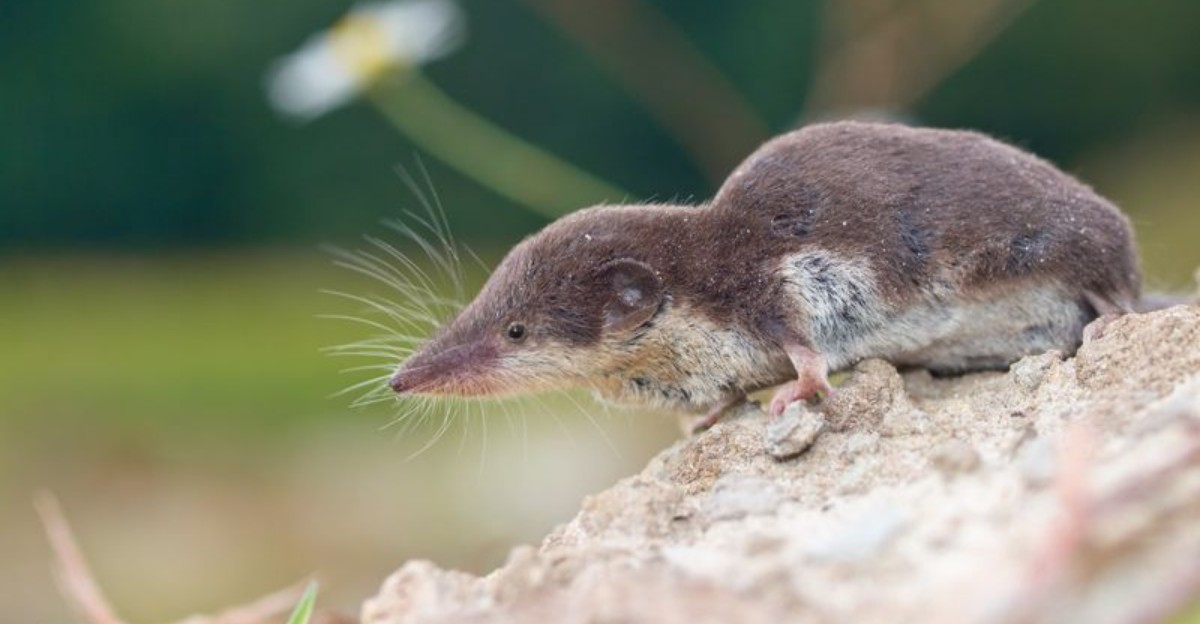
I first heard the rumor while spreading bark chips, and I froze mid-shovel. A tiny mammal in North America can paralyze a beetle with its spit and stash it alive for later.
That sounds like a horror movie plot, yet it is real biology. Could something that small, with a venomous bite, really be living under my Washington flower beds?
Turns out the full story is stranger and more comforting than the rumor. The animal people whisper about weighs about as much as a handful of coins, has velvety fur, and eats almost nonstop.
You might notice its tiny tunnels before you ever see its face. Across Washington, gardeners share their soil with shrews and moles, and some of their relatives use soft clicking sounds to find their way through dark leaf litter.
The rustler in your mulch may well be a shrew, and while its teeth are sharp enough to pinch, local species are not known to carry venom that harms people. The venom story belongs to a different species that lives far to the east.
That Tiny Mouse Look-Alike in Your Mulch Is No Mouse at All
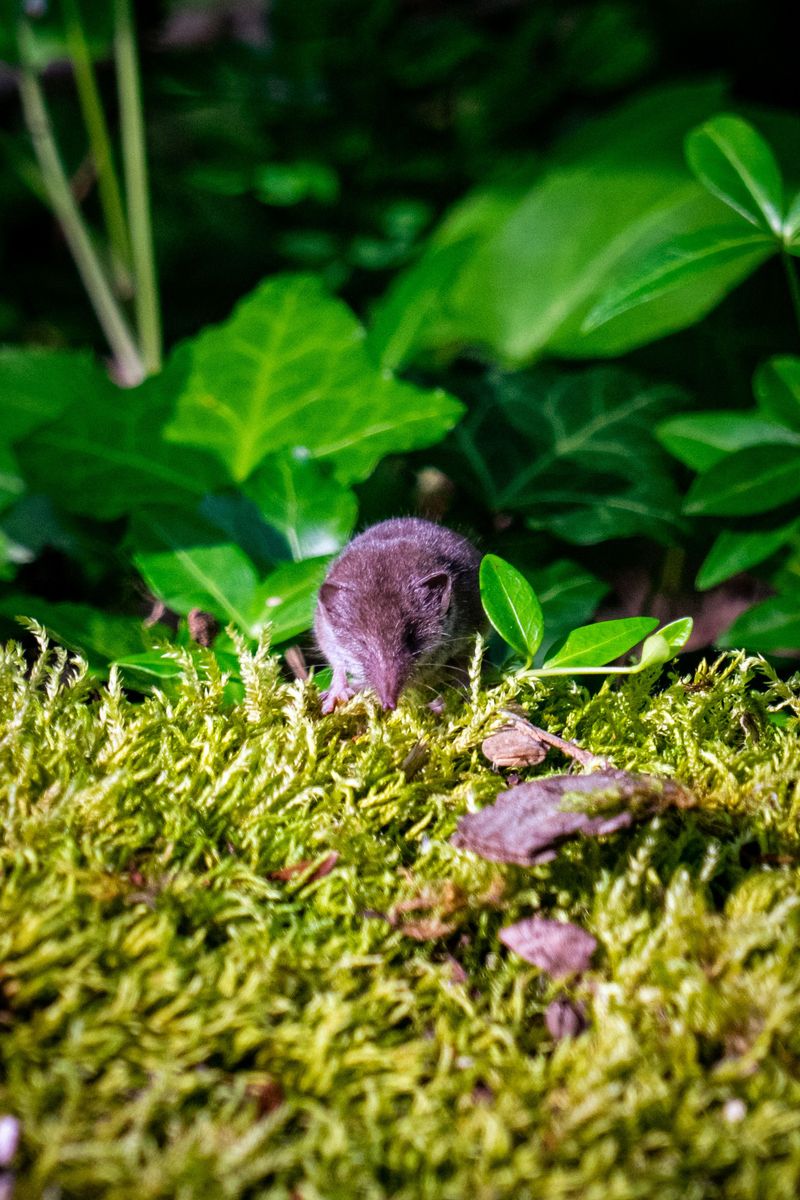
Last fall I lifted a corner of cedar mulch and caught a gray blur zipping away. My first thought was mouse, but that snout was far too pointy.
That blur was almost certainly a shrew. Shrews look a lot like mice, yet they are not rodents at all.
They belong to a separate group of insect-eating mammals, more closely related to moles and hedgehogs than to anything raiding your pantry.
The venom rumor has a real root. A few shrews around the world carry venom in their saliva, which is very rare among mammals.
Only a small club of mammals can make venom, including the platypus, the solenodon, slow lorises, and certain shrews.
So the headline points to something real, just not quite the way it sounds. The famous venomous shrew and the shrews scurrying under Northwest mulch are different animals with different stories.
The short answer comes first, so nobody has to wait. The venomous species lives mostly in the eastern half of the continent, and the shrews found locally are not known to carry venom that harms people.
Knowing that difference turns a spooky moment into a fun garden discovery. Once you learn the clues, you will start spotting shrew signs everywhere.
The Venomous Northern Short-Tailed Shrew Lives More Than a Thousand Miles Away
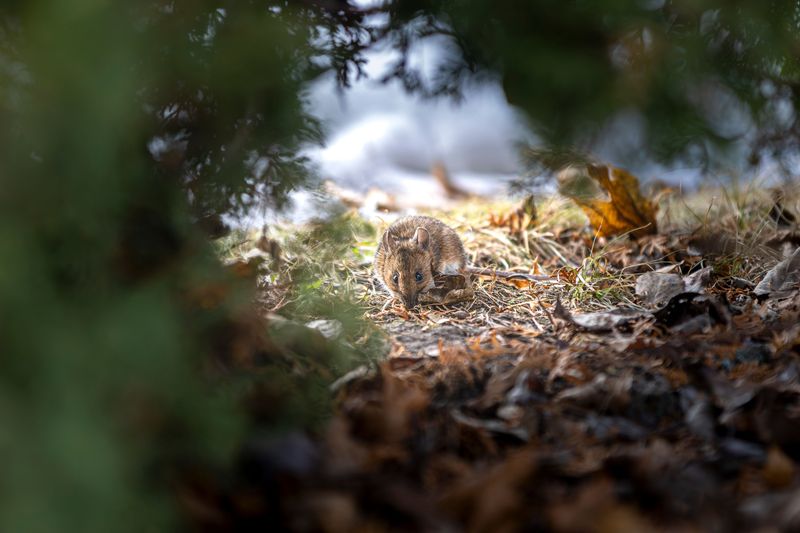
Meet the real owner of that venomous reputation, the northern short-tailed shrew. Scientists call it Blarina brevicauda, and it is a stocky, slate-gray powerhouse about the size of a small mouse.
Its venom comes from glands in the lower jaw. When it bites, toxic saliva flows along grooves near its front teeth and into the wound.
The toxin can paralyze insects, worms, and snails, and the shrew sometimes stores that still-living prey in underground pantries for later.
People who have been bitten report a burning pain and some swelling that can last a few days. It hurts, but experts do not consider it medically dangerous to humans.
So where does this little venom expert live? Its range covers the northeastern and north-central United States and southeastern Canada.
It does not reach the Pacific Northwest, according to range maps from wildlife agencies and the USGS.
That means the shrew in your Washington mulch is not this species. Viral posts sometimes blur that detail, and the result is a lot of unnecessary worry.
Fun fact for your next garden chat. Researchers have studied its venom proteins for possible use in medicine, including research related to pain and cancer treatments.
Vagrant and Trowbridge’s Shrews Are the Real Mulch Dwellers Here
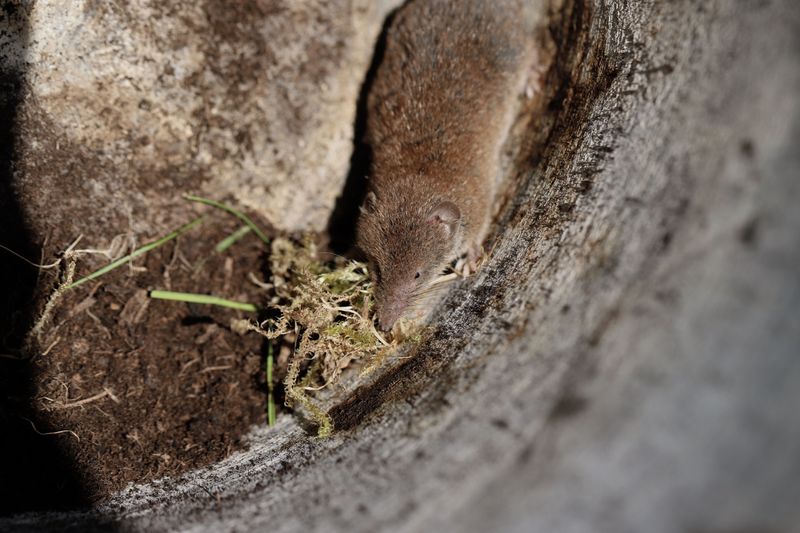
Washington is home to roughly a dozen shrew species, and that variety surprised me when I first looked it up. Most backyard sightings west of the Cascades involve just a few of them.
The vagrant shrew and Trowbridge’s shrew are common garden visitors in the western part of the state. The masked shrew and montane shrew show up in many areas too.
In wetter spots near streams, you might even meet the Pacific water shrew or the American water shrew, both strong swimmers.
None of these local species is known for a venomous bite like the eastern short-tailed shrew. Some scientists have wondered whether other shrews carry mild salivary compounds, but nothing suggests a risk to gardeners.
East of the mountains, the mix shifts with the drier climate. Merriam’s shrew, for example, lives in sagebrush country and rarely shows up in a typical suburban flower bed.
Also worth meeting is the shrew-mole, the smallest mole in North America. It looks like a shrew wearing a mole costume and loves the same moist soil.
So that tiny tunneler under your bark chips is a local insect hunter. It is busy, harmless to you, and probably more scared of you than you are of it.
Pointy Snouts and Tiny Eyes Help You Tell a Shrew From a Mouse
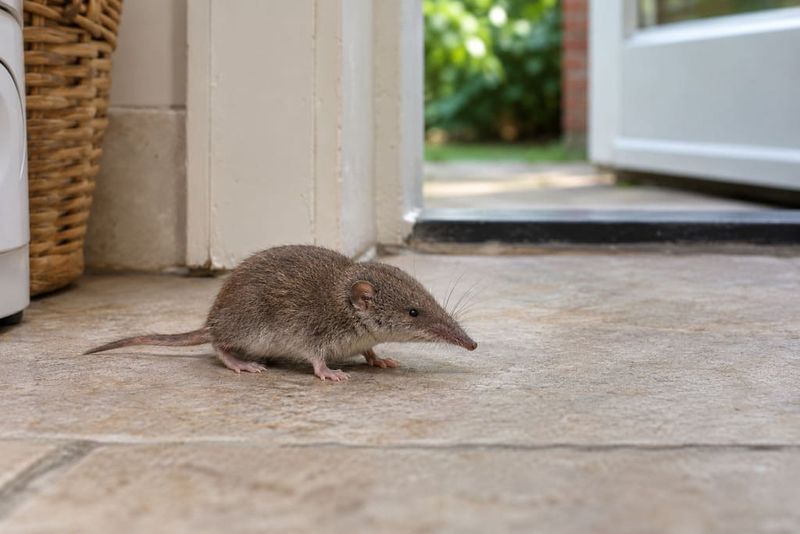
Quick, mouse or shrew? I used to guess wrong every single time until I learned to check the face first.
A shrew has a long, pointed snout that wiggles constantly as it sniffs for food. Its eyes are tiny, almost like pinheads, and its ears are often hidden in short, velvety fur.
Mice look very different up close. They have big round eyes, large rounded ears, and a blunter nose built for nibbling seeds.
Teeth tell the story too, though please do not go prying open mouths. Many shrews have reddish-brown tips on their teeth because of iron in the enamel, which helps prevent wear.
Behavior offers another clue. Shrews move in quick, jittery bursts and rarely sit still, because they must eat often to fuel their fast metabolism. Many species need to eat close to their own body weight in food each day.
You might also notice a musky smell around shrew areas. They have scent glands that make them taste bad to many predators, which is why cats sometimes leave them on the doorstep uneaten.
Once you learn these signs, a quick glance is usually enough. That twitchy little nose gives the game away.
Bark Mulch and Leaf Litter Make Perfect Shrew Hunting Grounds
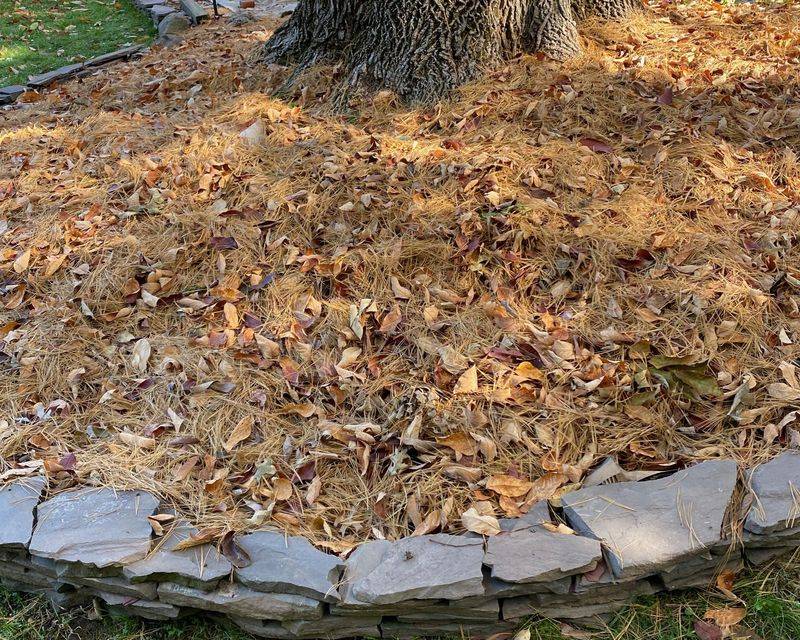
Mulch is basically a shrew buffet with a roof. It stays cool and damp, it hides small animals from hawks and owls, and it attracts all sorts of crawling snacks.
Shrews love moisture because their tiny bodies lose water fast. Western Washington, with its long, rainy cool season, offers them ideal conditions under bark chips, wood chips, and fallen leaves.
So what signs might point to a resident? Look for tiny tunnels or runways about the width of your finger, running just under the mulch surface. Small holes at the base of plants or along edging can be shrew doorways too.
Shrews often use paths dug by moles and voles rather than digging deep on their own. If you notice raised ridges in your lawn, a mole is the more likely culprit.
Activity can happen day or night. Shrews do not hibernate, so they keep hunting through winter, often tunneling under snow or deep leaf piles in colder parts of the state.
A thick layer of mulch, about two to three inches, suits plants and shrews alike. Just keep it pulled back a few inches from tree trunks to help prevent rot.
Slugs and Beetles Should Fear That Shrew More Than You Do
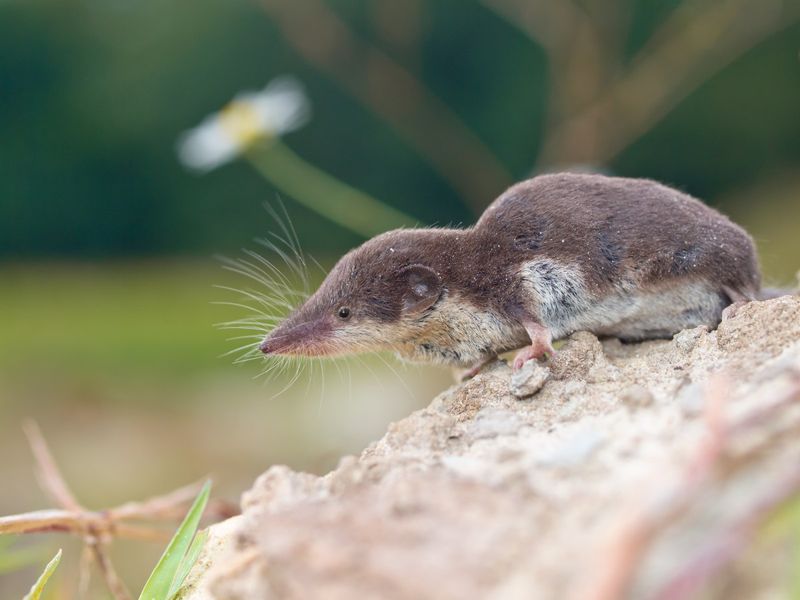
Every gardener in the Northwest has a slug story, and mine involves a ruined row of lettuce in one damp night. Shrews are part of the cleanup crew I now appreciate.
These little hunters eat insects, spiders, centipedes, beetle larvae, caterpillars, and slugs. Some species also eat snails and earthworms, along with the occasional seed or fungus.
Because their metabolism runs so hot, shrews hunt almost constantly. That steady appetite means a single shrew can work through a surprising number of pests over a season.
They also leave your plants alone. Unlike voles and mice, shrews do not chew roots, bulbs, or bark, so any plant damage is coming from someone else.
Earthworms are on the menu sometimes, and that makes some gardeners nervous. In reality, a healthy garden has plenty of worms, and shrews will not empty your soil of them.
Think of shrews as tiny pest patrol officers working the night shift for free. Owls, snakes, and weasels eat shrews in turn, which keeps the whole backyard food web humming along.
Spotting one is a sign your garden supports a healthy mix of life. That is worth a small celebration.
Reach for Gloves Before You Pick Up Any Shrew
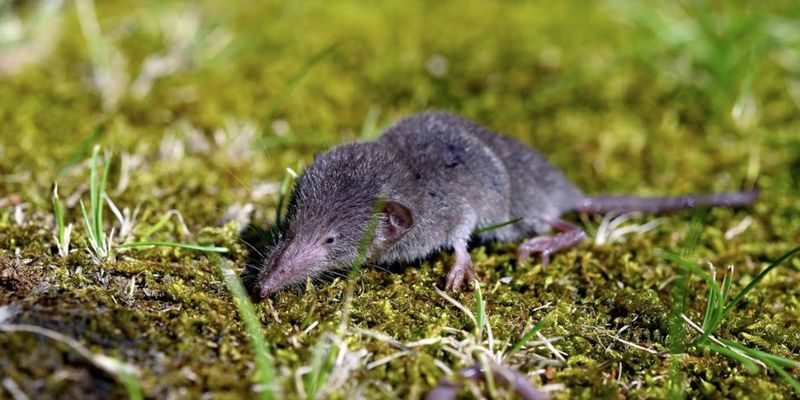
A friend once tried to scoop up a shrew barehanded and got a sharp pinch for her kindness. Even without venom, those teeth are needle-sharp.
Any wild animal may bite when it feels cornered. A local shrew bite is usually minor, but it can still break skin and carry bacteria.
If a shrew ends up somewhere it should not be, like your garage or kitchen, stay calm. Open a nearby door and give it a clear path out, since shrews tend to flee toward cover.
For a gentler rescue, put on thick gloves and slide a small box or container over the animal. Slip a piece of cardboard underneath, then carry it outside to a shady, sheltered spot.
Cats often bring shrews inside as gifts. If you find one stunned on the floor, gloves and a box work well here too.
Should you get bitten, wash the area with soap and water and watch for redness or swelling. Contact a doctor if signs of infection appear.
Kids love these tiny creatures, so teach them to look but not touch. Watching from a short distance is more fun anyway.
A Shrew-Friendly Garden Starts by Skipping the Poison Bait
My best advice after all this research is simple. Put away the rodent poison and let the little hunters do their job.
Poison baits can harm shrews, and they can also travel up the food chain to owls, hawks, and pets. Snap traps meant for mice often catch shrews by accident too.
If you want shrews nearby, give them shelter. A loose brush pile, a small log stack, or a corner of fallen leaves offers safe hiding spots and plenty of bugs.
Native plants help as well. Sword fern, salal, and kinnikinnick create cool, shady ground cover that supports the insects shrews eat in many Washington yards.
Keep your house sealed so visitors stay outside. Fill gaps around doors, vents, and pipes, since shrews can squeeze through tiny openings.
Limit pesticide use whenever possible, because shrews need a steady insect supply. Hand-picking slugs at dusk pairs nicely with shrew patrols.
The takeaway is reassuring. That mouse-sized mulch dweller in your garden is not the venomous eastern shrew, and it is quietly helping your plants. Next time something tiny scurries under the bark chips, smile and let it hunt.