That Pale Little Spider Wandering Your Minnesota Ceiling At Night Does Bite
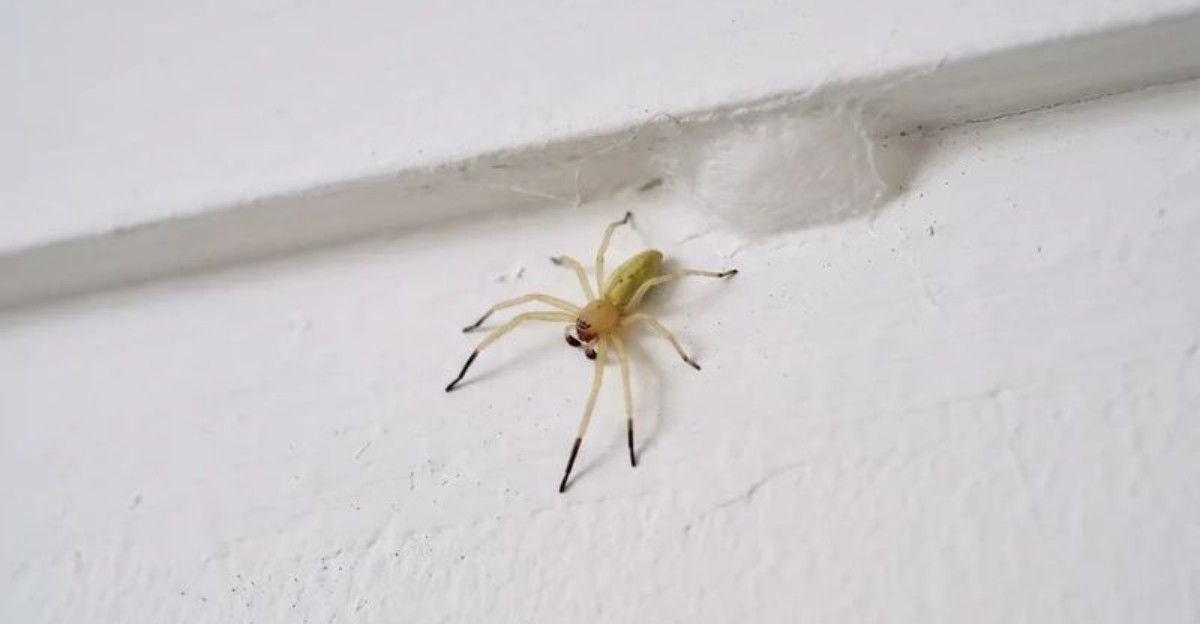
Some spiders skip webs and hunt on foot, and one of them likes to stroll across bedroom ceilings while you sleep. It spends the day zipped inside a tiny silk pouch, like a sleeping bag with no exit sign.
I found one of those pouches tucked in a window corner last fall. The builder was pale, almost see-through, and much faster than I expected.
Turns out this little night wanderer is one of the few house spiders in Minnesota that can actually break human skin. The bite stings, much like a bee, and it usually happens when the spider gets trapped against you.
You might notice them more once the garden goes quiet and the evenings turn cold across Minnesota.
Here’s what this spider is, why it keeps showing up indoors, and how worried you should really be: not very, but it’s worth knowing who shares your walls.
That Pale Ceiling Crawler Has a Name and a Silk Sleeping Bag
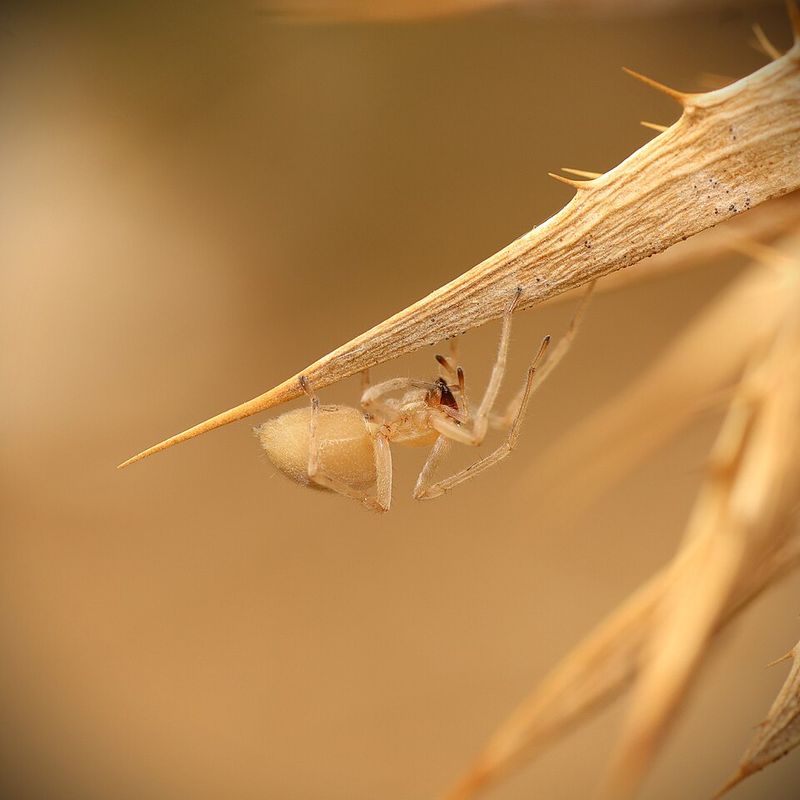
Most folks who spot this spider describe it the same way. It looks pale, a little yellow or greenish, and it moves fast in short bursts. That description fits the yellow sac spider, a hunter in the genus Cheiracanthium.
Two kinds show up in homes across the region. The agrarian sac spider, Cheiracanthium inclusum, is native, while the northern yellow sac spider, Cheiracanthium mildei, arrived from Europe and often favors buildings.
Both are small, with bodies around a quarter inch long. Look closely and you will see dark brown jaws and darker tips on the legs. The front legs are noticeably long, which helps the spider grab prey. Its belly can look slightly translucent, especially after a meal.
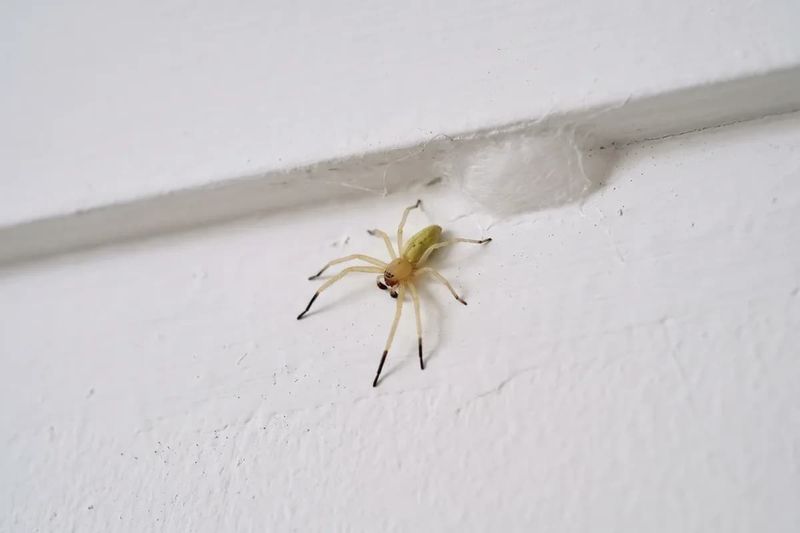
Instead of spinning a web, it builds a small silk tube or sac. You will find these in ceiling corners, behind picture frames, along window trim, or in folded curtains. The spider rests inside during daylight and heads out after dark.
So that ceiling stroll is not random. It is a hunting trip, and your house is the hunting ground. Spotting a sac in a corner is often the first clue you have a resident.
Yes, a Yellow Sac Spider Bite Is Real and It Stings
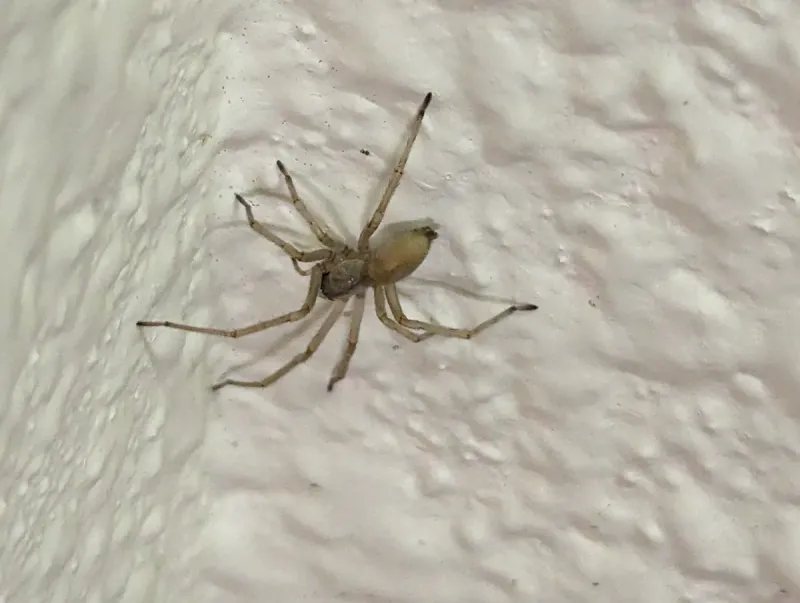
I used to assume house spiders could not bite people at all. That holds true for many of them, since their fangs are too small or weak. Yellow sac spiders are one of the exceptions.
Their fangs are strong enough to pierce human skin, and their venom causes a sharp, stinging pain. Many people compare it to a bee or wasp sting.
University extension experts note that these spiders are behind a fair share of real spider bites found in homes.
The spider is not hunting you, though. Bites mostly happen when a spider gets pressed against skin.
Rolling over in bed, pulling on a shirt that sat on the floor, or slipping into gloves stored in the garage are classic setups.
Gardeners get bitten too. These spiders hide in folded leaves and shrubs, so reaching into dense foliage bare-handed can surprise both of you.
A quick habit helps a lot here. Shake out clothes, towels, and gardening gloves before use, and keep bedding off the floor. Those tiny steps reduce the odds of a startled spider defending itself against your skin.
What a Sac Spider Bite on Your Skin Usually Looks Like
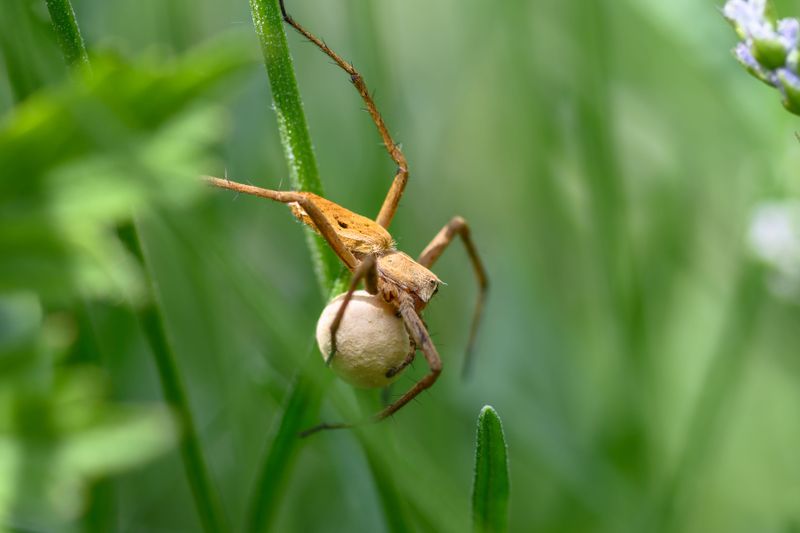
Right after a bite, expect a quick sting followed by a red, slightly swollen spot. Some people get a small raised bump or a tiny blister. Itching and tenderness can linger for a day or several.
Older guides blamed yellow sac spiders for serious skin wounds, the kind that break down and scar. Newer research does not back that up well.
Studies of confirmed bites, where the spider was actually caught, mostly show mild, short-lived reactions.
That matters because doctors and patients often blame spiders for skin problems they did not cause. A sore that grows, oozes, or turns hot is frequently a bacterial infection, including MRSA. Calling it a spider bite can delay the right treatment.
Simple care handles most real bites. Wash the area with soap and water, then add a cool compress to calm swelling. Over-the-counter pain relievers or antihistamines can help with soreness and itch.
If you can safely catch the spider, pop it in a jar. Having the actual culprit makes identification much easier for an expert. It also settles the question of whether a spider was involved at all.
Cool Fall Nights Push These Pale Hunters Indoors
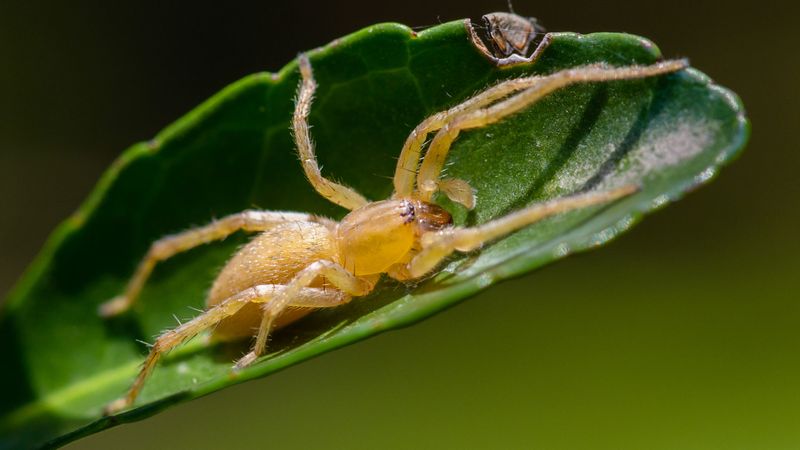
Late summer is busy season for these spiders outdoors. They hunt among garden plants, shrubs, and tall grass, munching on small insects and even insect eggs. Then the nights start cooling off.
As temperatures drop in fall, many yellow sac spiders wander toward buildings. They slip through gaps around windows, doors, and siding. Once inside, they can stay active through winter in warm rooms.
The northern yellow sac spider in particular seems comfortable living indoors year-round. That is why some Minnesota households see them on ceilings in January, long after the garden is under snow.
Their nighttime habits make them easy to notice. Light colors stand out on a dark ceiling, and they move with quick, jerky steps. During the day they tuck back into their sacs, so you may not see one again for a while.
Check upper corners, window frames, and closet ceilings with a flashlight. A small white silk pouch is a strong sign one has moved in.
Vacuuming those sacs removes the spider and any egg sacs hiding inside, which helps keep numbers low.
Brown Recluse Worries Mostly Don’t Belong in Minnesota
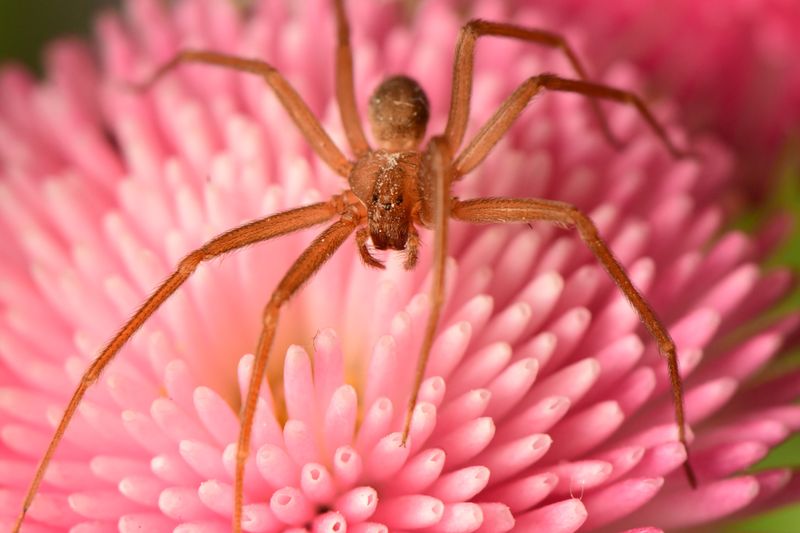
Plenty of people panic about brown recluse spiders after a mystery bite. Here in Minnesota, that fear is mostly misplaced. University of Minnesota Extension notes the brown recluse is not established in the state.
Once in a while, one hitches a ride in boxes or furniture from farther south. Those are rare strays, not breeding populations. Your pale ceiling visitor is far more likely to be a sac spider.
The northern black widow does live here, but it is uncommon. Sightings come mostly from the southern part of the state, often in woodpiles, rock walls, or quiet outbuildings. It looks shiny black, nothing like a pale sac spider.
So what about that sore on your leg? Extension experts point out that many so-called spider bites are really infections, ingrown hairs, or bites from other critters like fleas and mosquitoes.
This is useful to remember for peace of mind. A pale, quick spider on the ceiling is a nuisance, not a medical emergency.
Knowing your local spider list keeps you calm and focused on what actually helps, which is smart prevention and paying attention to how your skin heals.
Sealing Gaps and Trimming Shrubs Keeps Sac Spiders Outside
After I found that first silk sac, I walked around the house with a caulk gun. Tiny cracks were everywhere. Closing them made a noticeable difference by the next fall.
Start with the obvious entry points. Repair torn window screens, add weatherstripping to doors, and seal gaps where pipes, cables, and vents pass through walls. Even small openings let these slim spiders squeeze in.
Outdoors, give your foundation some breathing room. Trim shrubs, perennials, and vines so they do not touch siding or windows.
Branches act like bridges straight to your house. Lighting matters too. Bright porch lights attract insects, and insects attract hunting spiders. Switching to yellow bug lights or motion sensors cuts down on that nighttime buffet.
Inside, reduce clutter in closets, basements, and storage areas. Fewer boxes and piles mean fewer quiet hiding spots. Vacuum ceiling corners and behind furniture often.
Broad pesticide sprays are rarely needed for a few spiders. Sticky traps placed along walls and baseboards can help you monitor activity.
If numbers stay high, a licensed pest professional can recommend targeted options for your specific home.
A Spreading Red Bite Mark Deserves a Doctor’s Look
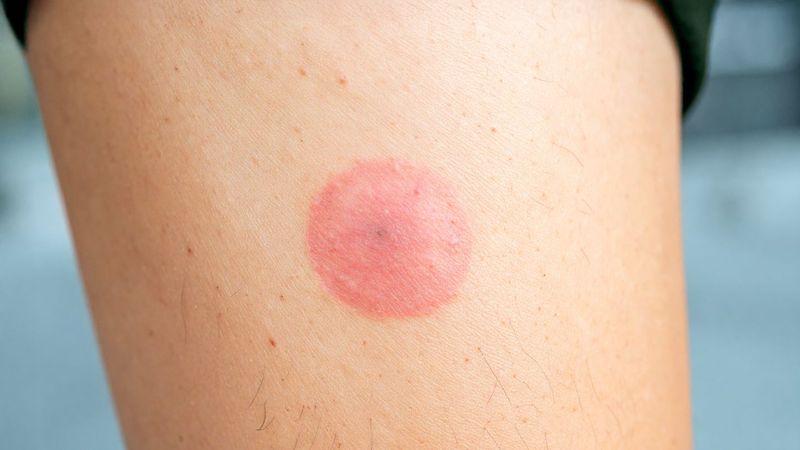
Most sac spider bites fade on their own within a few days. Still, your body sometimes reacts more strongly than usual. Knowing the warning signs keeps a small sting from becoming a bigger problem.
Call a healthcare provider if redness keeps spreading after the first day. Watch for warmth, pus, red streaks, or a sore that gets bigger instead of smaller. Those signs often point to infection, which needs proper treatment.
Body-wide symptoms also deserve attention. Fever, chills, nausea, or feeling unusually sick after a bite are worth reporting.
Seek emergency care right away for trouble breathing, facial swelling, or signs of a serious allergic reaction.
Kids, older adults, and people with weaker immune systems may need a quicker checkup. When in doubt, a quick call to your clinic or a nurse line is a sensible move.
A photo of the bite each day helps you track changes honestly. If you caught the spider, bring it along in a sealed container.
The bigger takeaway is simple. That pale ceiling wanderer can bite, but it rarely causes harm. A little prevention and good bite care let you share your home calmly.