That Purple Weed Taking Over Alabama Yards Is Actually A Native Plant, According To Experts
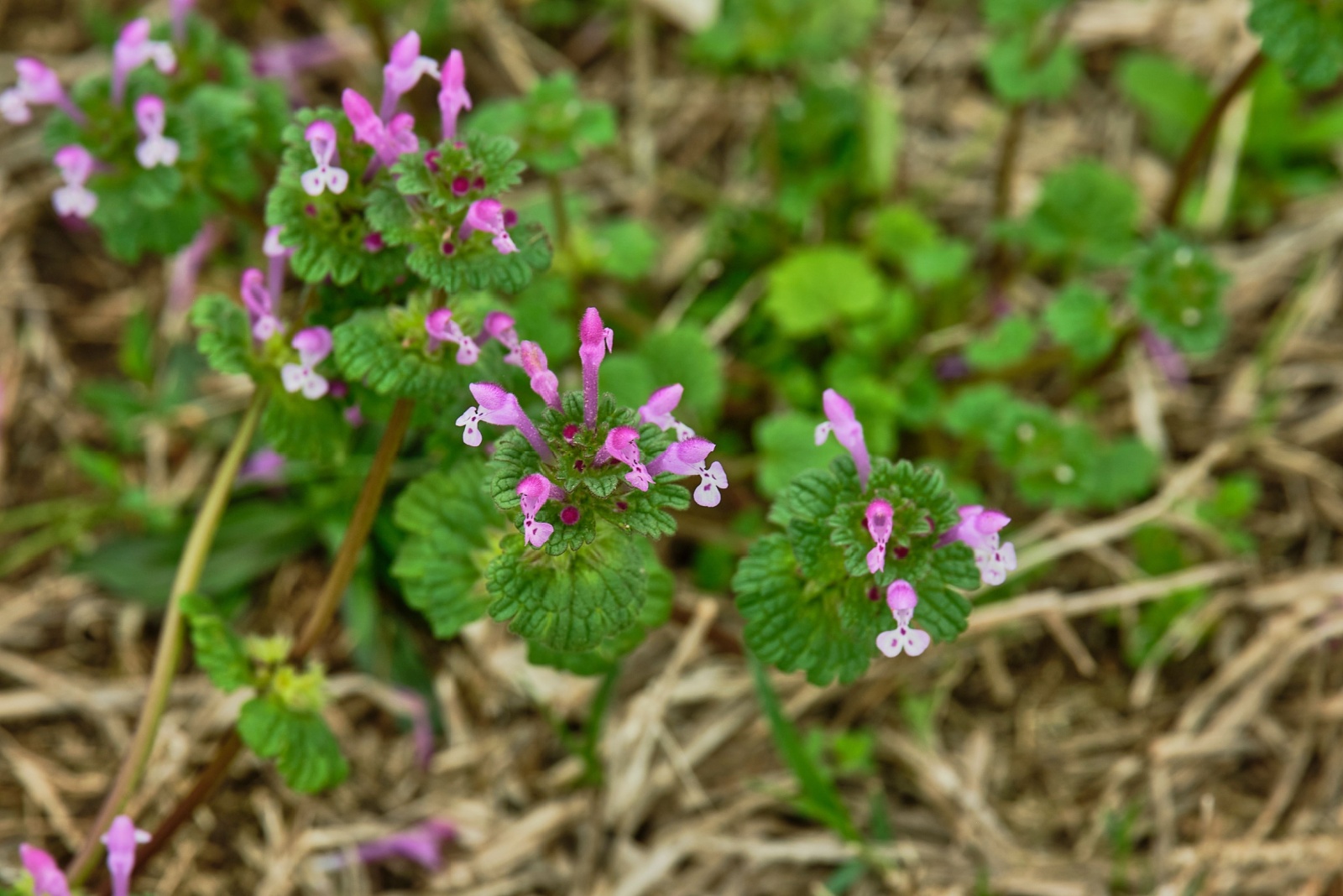
If you’ve noticed tiny purple flowers popping up all over your Alabama lawn this spring, you’re not alone.
Homeowners across the state are scratching their heads at this mysterious plant that seems to appear overnight and spread like wildfire.
Experts have identified it as henbit, a common winter annual that thrives in cool weather!
Let’s see what henbit is and why it loves Alabama yards can help you decide whether to embrace it or manage it differently.
Henbit Is A Member Of The Mint Family With Distinctive Purple Blooms
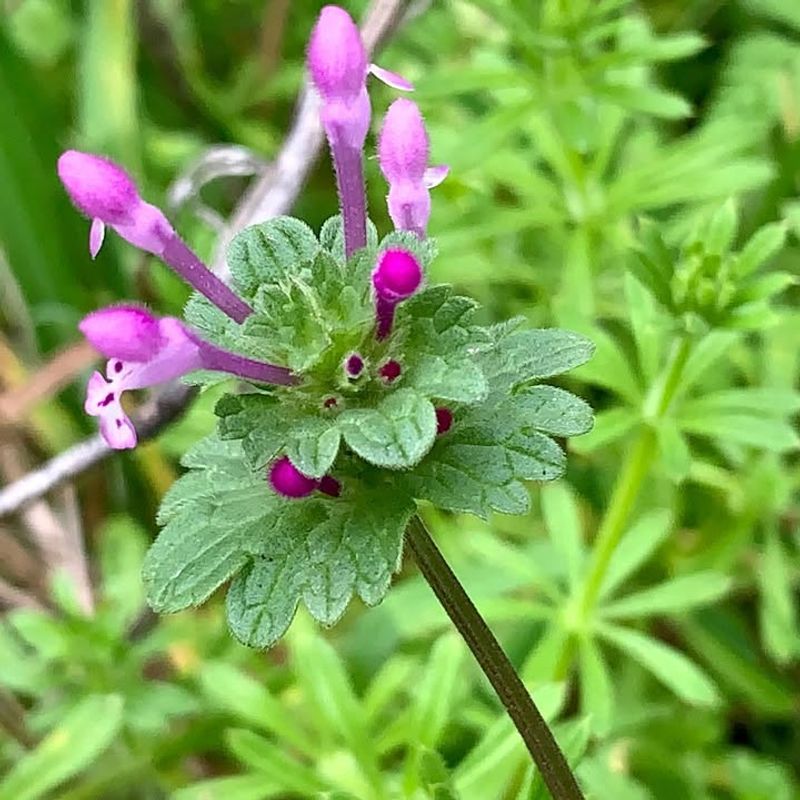
Henbit belongs to the Lamiaceae family, which includes popular herbs like basil, rosemary, and mint.
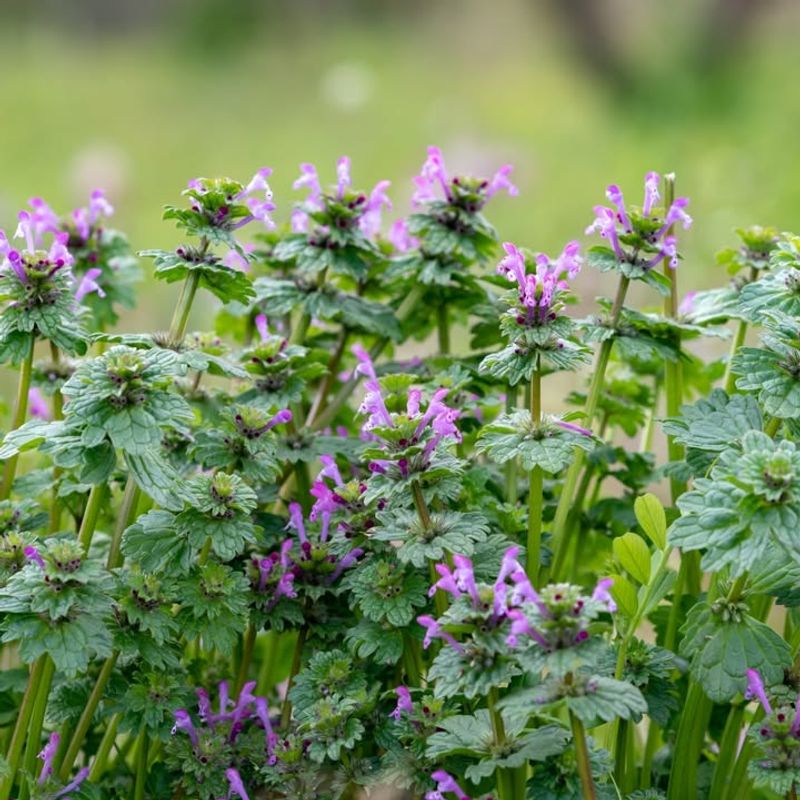
The plant features square stems, a telltale characteristic of mint family members that you can feel when you roll the stem between your fingers.
Its small purple flowers bloom in clusters near the top of the plant, creating a carpet of color across lawns throughout Alabama during late winter and early spring.
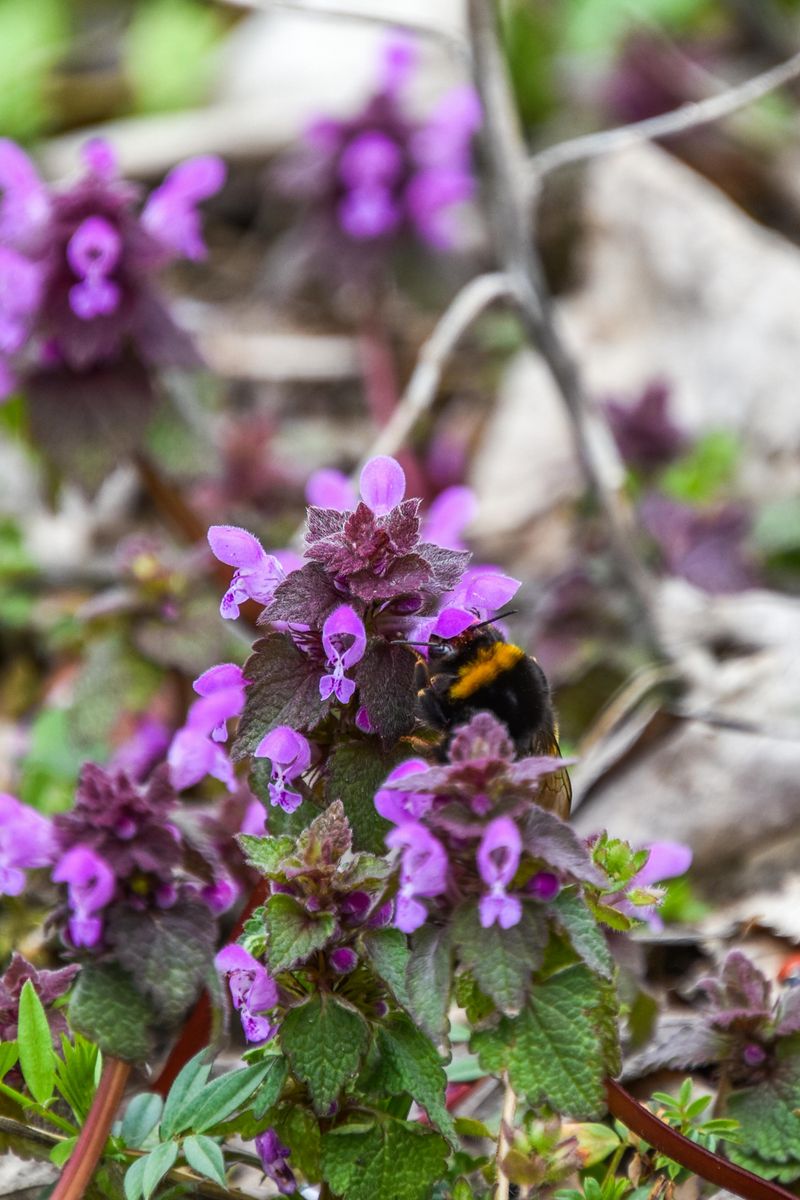
Each tubular flower measures about half an inch long and attracts early-season pollinators desperately seeking nectar after the cold months.
The leaves grow in pairs along the stem and have a rounded, scalloped appearance with visible veins running through them.
Upper leaves clasp directly around the stem without a leaf stalk, which is where the plant gets its species name amplexicaule, meaning stem-clasping.
Alabama gardeners often spot henbit growing between 4 to 16 inches tall, depending on soil conditions and available moisture.
The entire plant gives off a mild, slightly earthy scent when crushed, though it’s not as strong as other mint relatives.
Recognizing these features helps homeowners identify henbit correctly instead of confusing it with other common lawn weeds.
Botanical experts appreciate henbit’s delicate beauty even when it appears uninvited in manicured landscapes across the state.
This Winter Annual Thrives In Alabama’s Cool Season Climate
Unlike summer weeds that germinate when temperatures rise, henbit follows a different schedule perfectly suited to Alabama’s mild winters.
Seeds sprout in the fall when soil temperatures drop below 70 degrees, establishing roots throughout the cooler months.
The plant grows slowly during winter, staying low to the ground and building energy for its spring flower show.
When February and March arrive in Alabama, henbit suddenly shoots upward and produces masses of purple blooms before warm weather returns.
This growth pattern allows henbit to complete its entire life cycle before summer heat arrives and lawn grasses become actively competitive.
By late April or early May, most henbit plants have already produced seeds and begun to wither away naturally.
Alabama’s temperature fluctuations create ideal conditions for this opportunistic plant to thrive in thin or dormant turf areas.
Homeowners who maintain warm-season grasses like Bermuda or zoysia notice henbit most prominently because these grasses go dormant in winter, leaving bare spots.
The timing of henbit’s growth cycle means it rarely competes directly with actively growing lawn grass during peak summer months.
Understanding this seasonal pattern helps Alabama residents realize that henbit’s presence is temporary and naturally self-limiting in most cases.
Henbit Provides Critical Early Nectar For Pollinators Emerging From Winter

Early spring in Alabama can be tough for bees, butterflies, and other pollinators that emerge before many plants have started flowering.
Henbit serves as a crucial food source during this lean period, offering both nectar and pollen when few other options exist.
Honeybees particularly appreciate henbit’s abundant blooms, visiting the flowers throughout warm winter days when they venture from their hives.
Native bees, including mason bees and mining bees, also depend on these early-blooming plants to fuel their spring activities.
Each tiny purple flower contains sugary nectar deep inside its tube, accessible to bees with their specialized tongues.
Alabama beekeepers recognize henbit as a valuable resource that helps their colonies build strength after winter, supporting brood production.
Butterfly species that overwinter as adults, like mourning cloaks, also visit henbit for an energy boost on sunny February days.
Conservation experts encourage homeowners to tolerate henbit specifically because of its ecological importance during the pollinator-scarce early season.
Removing henbit from Alabama yards eliminates a food source that pollinators genuinely need for survival during a critical transition period.
Watching bees work henbit flowers reminds us that not every plant in our landscape needs to be intentionally planted to provide value.
The Plant Is Actually Edible And Has Been Used In Traditional Cooking
Many Alabama residents would be surprised to learn that the purple weed in their yard is not only harmless but actually edible.
Young henbit leaves and stems can be eaten raw in salads, offering a mild, slightly bitter flavor similar to kale or other leafy greens.
Foragers throughout history have collected henbit as a wild edible vegetable, particularly in Europe where the plant has been used for centuries.
The leaves work well when sautéed with garlic and olive oil, much like you would prepare spinach or chard.
Some adventurous cooks in Alabama have started incorporating henbit into smoothies, pesto, and even as a pizza topping for an unusual twist.
The flowers are also edible and make a pretty, colorful garnish for soups, salads, or desserts.
Henbit contains vitamins A and C along with iron and fiber, making it surprisingly nutritious for a plant most people consider a nuisance.
Before harvesting henbit from your Alabama lawn, make sure the area hasn’t been treated with pesticides or herbicides.
Wash the plant thoroughly to remove any dirt or insects before consuming it in any recipe.
While henbit won’t replace lettuce at the grocery store, knowing it’s edible changes how you might view this common yard visitor.
Henbit Spreads Rapidly Through Both Seeds And Creeping Stems

One reason henbit seems to take over Alabama yards so quickly is its efficient reproduction strategy that uses multiple methods.
Each plant produces numerous small seeds that scatter when the seed capsules mature and split open in late spring.
These seeds can remain viable in the soil for several years, waiting for the right conditions to germinate when temperatures cool.
Henbit also spreads vegetatively through stems that root at the nodes when they touch the ground, creating new plants from a single parent.
This creeping growth habit allows henbit to form dense mats that cover bare soil rapidly, especially in areas with thin grass coverage.
Mowing henbit before it sets seed can reduce future populations, but timing is important since the plant grows low to the ground.
In Alabama, disturbed soil from construction, heavy foot traffic, or pet activity creates perfect opportunities for henbit seeds to establish.
The plant thrives in compacted or poor-quality soil where desirable grasses struggle to compete effectively.
Understanding henbit’s spreading mechanisms helps homeowners develop more effective management strategies if they choose to control it.
Some Alabama residents actually find the purple carpet effect attractive and allow henbit to grow as a seasonal groundcover in certain areas.
The Plant Prefers Disturbed Soil And Thin Turf Areas

Henbit rarely invades thick, healthy lawns with dense grass coverage that shades the soil surface throughout the growing season.
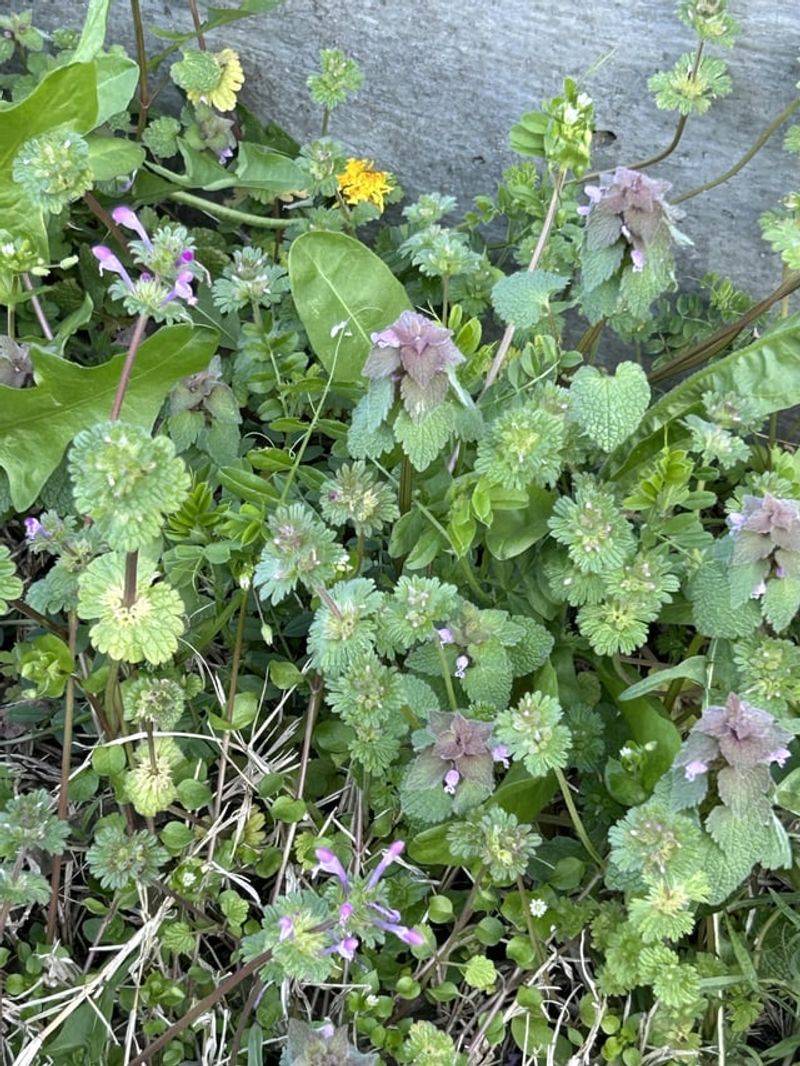
Instead, it colonizes areas where grass has thinned due to shade, compaction, drought stress, or heavy use.
Alabama homeowners often notice henbit appearing under trees where grass struggles to grow because of limited sunlight and root competition.
Areas along driveways, sidewalks, and pathways also attract henbit because foot traffic and vehicle weight compact the soil and stress the grass.
The plant acts as a pioneer species, quickly covering bare ground and preventing soil erosion during winter and early spring.
New construction sites in Alabama frequently see massive henbit growth in the disturbed soil before permanent landscaping becomes established.
Dog runs, play areas, and other high-traffic zones in residential yards provide ideal conditions for henbit to thrive.
The best long-term strategy for reducing henbit involves improving overall lawn health rather than simply targeting the plant itself.
Overseeding thin areas with appropriate grass species, aerating compacted soil, and addressing drainage issues all help grass outcompete henbit naturally.
Many Alabama lawn care professionals view henbit as a symptom of underlying turf problems rather than the primary problem itself.
Henbit Can Be Controlled Through Cultural Practices Rather Than Chemicals

Chemical herbicides certainly eliminate henbit, but Alabama residents have numerous non-toxic options that work just as effectively.
Establishing a thick stand of cool-season grass like tall fescue in shady areas prevents henbit from finding space to germinate.
Pre-emergent herbicides applied in early fall can prevent henbit seeds from sprouting, though these products still involve chemical use.
Hand-pulling henbit works well for small infestations, especially when the soil is moist and plants come up easily with their roots attached.
Mulching garden beds and landscape areas with 2–3 inches of organic material blocks light and prevents henbit establishment.
Maintaining proper mowing height for your grass type ensures the turf stays dense enough to shade out henbit seedlings naturally.
Alabama lawns benefit from regular fertilization and watering schedules that keep grass competitive against opportunistic weeds like henbit.
Aerating compacted soil improves grass root growth, allowing turf to fill in thin areas where henbit typically appears.
Some homeowners simply tolerate henbit’s brief spring appearance, knowing it will disappear naturally when warm weather returns.
Combining several cultural practices creates a comprehensive approach that reduces henbit without relying solely on herbicide applications.
The Purple Blooms Create A Temporary Wildflower Effect In Early Spring
While some Alabama homeowners view henbit as an eyesore, others have started appreciating its unexpected beauty during the dreary late-winter months.
When henbit blooms en masse, it creates a purple haze across lawns that rivals intentionally planted wildflower displays.
This temporary color show arrives at a time when most landscapes look brown and lifeless, providing a cheerful preview of spring.
Photographers in Alabama have discovered that henbit-covered fields make stunning backdrops for outdoor portraits and nature photography.
The plant’s low-growing habit means it doesn’t interfere with views or activities, simply adding a layer of color at ground level.
Children often enjoy the novelty of a purple lawn, and the plant is completely safe for kids and pets to play around.
Some progressive landscape designers now incorporate henbit tolerance into their lawn care plans, treating it as a seasonal feature rather than a flaw.
The wildflower effect lasts only 4–6 weeks before henbit naturally recedes and warm-season grasses green up for summer.
Alabama residents who embrace this perspective find that henbit reduces their lawn maintenance stress while providing unexpected aesthetic benefits.
Changing your mindset about henbit from weed to temporary wildflower can actually increase your enjoyment of your outdoor space during late winter.
Henbit Belongs To The Same Genus As Ornamental Nettle Plants

Garden centers across Alabama sell ornamental lamium varieties as attractive groundcovers for shade gardens, not realizing they’re related to henbit.
Both henbit and ornamental nettle belong to the Lamium genus, sharing many physical characteristics and growth habits.
The main difference is that cultivated lamium varieties have been selected for showier flowers, more colorful foliage, and longer blooming periods.
Popular ornamental varieties like Purple Dragon and White Nancy command premium prices, while henbit appears free of charge in lawns.
This botanical relationship highlights how arbitrary our definitions of weeds versus desirable plants can be based solely on context.
Henbit’s wild nature makes it more vigorous and adaptable than its pampered ornamental cousins, though less predictable in appearance.
Some Alabama gardeners have successfully transplanted henbit to shady garden areas where it performs as well as expensive groundcover alternatives.
The plant’s ability to thrive without any care whatsoever makes it superior to ornamental lamium in terms of low-maintenance landscaping.
Learning about this family connection can shift perspective on henbit from invasive nuisance to free landscape plant with legitimate ornamental qualities.
Next time you see henbit in your Alabama yard, remember that some people actually pay money for its close relatives at the nursery.
Managing Henbit Long-Term Requires Understanding Your Lawn’s Specific Conditions

Every Alabama lawn is unique, with different grass types, soil conditions, sun exposure, and usage patterns that influence henbit presence.
Homes with mature trees often struggle with henbit in shaded areas where even shade-tolerant grasses thin out over time.
Clay-heavy soils common in parts of Alabama become compacted easily, creating ideal conditions for henbit while stressing desirable grasses.
Testing your soil’s pH, nutrient levels, and composition provides valuable information for developing a targeted lawn improvement plan.
Choosing grass varieties appropriate for your specific conditions gives you the best chance of establishing turf that naturally resists henbit invasion.
Alabama’s varying climate zones mean that grass selection differs between the northern and southern regions of the state.
Irrigation practices matter too, since consistent moisture helps grass compete effectively while preventing the dry, thin patches henbit loves.
Professional lawn assessments can identify specific problems like drainage issues, pest damage, or disease that weaken grass and invite henbit.
Keeping a lawn journal that tracks when and where henbit appears helps you identify patterns and target your improvement efforts effectively.
Sustainable henbit management in Alabama requires patience and a commitment to overall lawn health rather than quick-fix chemical solutions that address symptoms without solving underlying problems.