The Amaryllis Trick Gardeners Use For Christmas Blooms
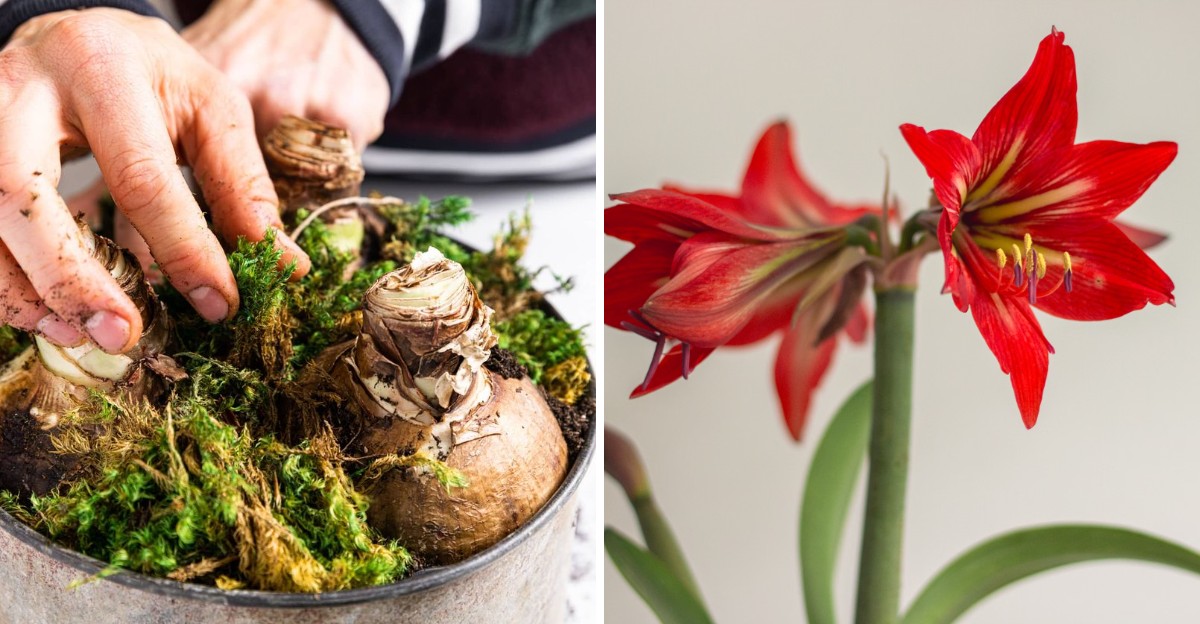
You hold a lumpy brown bulb that already knows its bloom date. Your job is simple arithmetic, not blind luck.
Grab a pencil and count backward from the day you want flowers. Inside your bulb, a stalk sits folded and ready, needing only warmth and water.
Plant in early November and you will watch buds swell by Christmas. Choose a pot just wider than your bulb, shoulders exposed to air.
Water lightly until a green spike appears, then keep soil lightly moist. Turn the pot daily so your stalk stands tall instead of leaning.
Warmth speeds you toward blooms; a cool room stalls them. Set it on a sunny sill and watch the schedule unfold.
Mistime it, and you welcome a flower that shows up in January. Trust your pencil and you will own a bright, festive table this December morning.
A Countdown That Starts Six To Eight Weeks Before The Holiday
Ask a seasoned grower about December flowers, and you will likely hear one word first. That word is backward, as in counting backward from Christmas Day.
An amaryllis bulb usually needs six to eight weeks from planting to its first open flower. So the trick is picking Christmas, then flipping through the calendar in reverse.
Count back eight weeks from December 25, and you land near the end of October. Count back six weeks, and you reach about mid-November.
Many gardeners plant somewhere in that window, often around the first week of November. That middle spot gives the bulb a little wiggle room for slow or speedy growth.
Some people plant two or three bulbs a week apart to stack the odds. If one bloom opens early, another one is usually right behind it.
Bulb types matter a little too, since some kinds take longer than others. Check the package for the expected bloom time, then adjust your start date.
Think of it like baking cookies for a party instead of for right now. You start with the party time and work your way back to the oven.
Planting on Halloween weekend is an easy rule many gardeners remember. Costumes come off, bulbs go in, and the holiday clock starts ticking.
The Bulb Biology Behind The Calendar
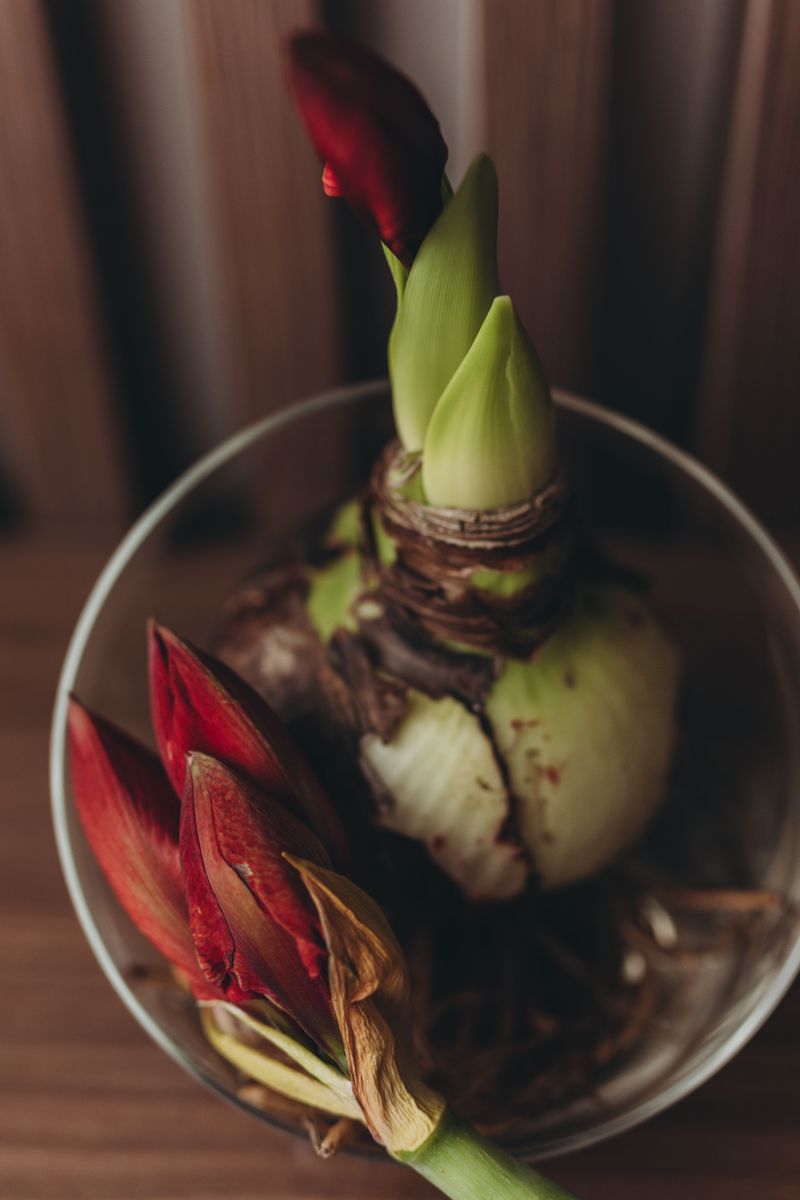
Inside every amaryllis bulb sits a tiny flower stalk, already packed and waiting like a folded umbrella. The grower formed it during the last growing season, months before you bought it.
Planting does not create the flower from scratch. It simply wakes the bulb up and tells it to start unpacking.
Warm soil and a drink of water are the wake-up signals. Roots push out first, then a green bud tip pokes through the papery top.
From there, the stalk grows fast, sometimes an inch or more a day. Kids can enjoy measuring it with a ruler each morning before school.
The speed depends on temperature more than almost anything else. A bulb in a warm room around 70 degrees moves faster than one in a chilly hallway.
The wild relatives of these bulbs grew in warm parts of South America. Warmth signals the growing season to them, so it speeds everything up.
That built-in clock is what makes the backward countdown work so well. You are not guessing, you are following a schedule the bulb already keeps.
Bigger bulbs often hold more energy and sometimes two or even three flower stalks. Smaller bulbs still bloom, though they may give you a single, shorter show.
Knowing what happens underground makes the waiting feel less mysterious. Every quiet week is the bulb busy at work, building up to its big reveal.
A soft, mushy bulb is a warning sign, so squeeze it gently before planting. Firm bulbs with dry outer skins are the healthiest picks for a holiday schedule.
The Late Start Mistake Most Beginners Make
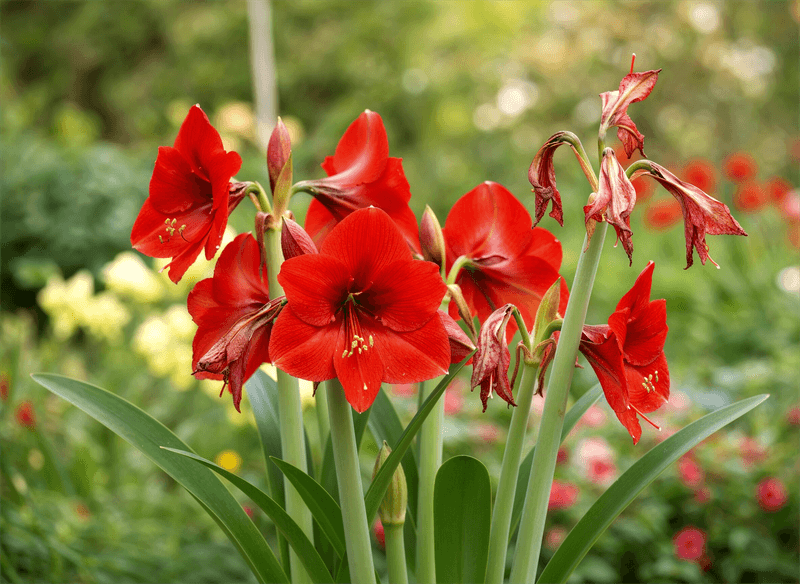
Picture a shopper grabbing an amaryllis kit on December 15 with high hopes. By New Year’s Day, the bud is fat and hopeful, but the party is over.
Waiting too long is a common slip-up among holiday growers. Stores stack boxed bulbs near the checkout in December, which makes late buying feel normal.
Those bulbs are fine, but they cannot read your calendar. They still need their full six to eight weeks, no matter how festive the box looks.
Another easy-to-miss mistake is planting on time, then placing the pot in a cold room. A drafty porch or basement can slow growth by weeks.
Overwatering trips up plenty of people too, since a soggy pot can make the bulb rot. Water lightly until you see green, then give a bit more.
Burying the whole bulb is another common slip. Leave the top third poking above the soil, like a shy turtle peeking out of its shell.
Some beginners also choose a pot that is way too big. A snug pot, about an inch wider than the bulb, keeps roots happy and focused.
None of these mistakes stops your plant from blooming. They just push the bloom date later, which can turn a Christmas flower into a January surprise.
A January flower is still lovely, of course. It just will not match the wreath, the stockings, or the cookie tray you planned it for.
Learning from one late bloom is part of the hobby. Many gardeners have a story about a flower that missed the party by a week.
Warmth, Light, And Water To Speed Up A Slow Bulb
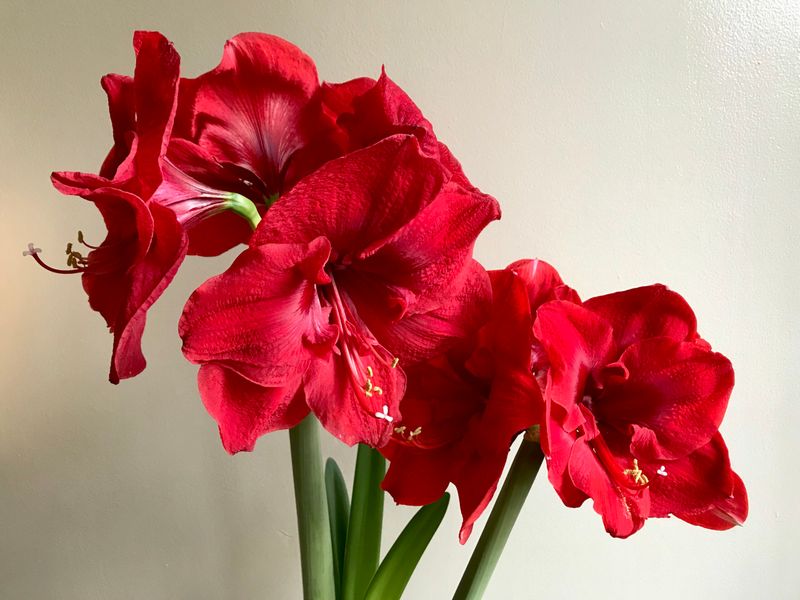
Running behind schedule happens to everyone, even gardeners with fancy planners. The upside is that an amaryllis responds quickly when you change its surroundings.
Heat is your strongest tool for speeding things up. Move the pot to a warm spot, ideally between 70 and 75 degrees.
Some growers set the pot on a warm shelf away from drafts. A seedling heat mat works too and is an inexpensive option.
Once the green bud appears, light becomes just as important as warmth. Place the plant in your brightest window so the stalk grows strong and straight.
Turn the pot a quarter turn every day or two. Stalks lean toward the sun, and turning keeps them from bending like a tired flamingo.
Water also matters, though more is not better here. Keep the soil lightly moist once growth starts, and let the top inch dry between drinks.
Is the bulb ahead of schedule instead? Slow it down by moving the pot to a cooler room around 60 degrees.
Cooler air stretches out the timeline without hurting the flower. Once buds show color, cool temps can also help the blooms last longer.
Think of these moves as the gas pedal and the brakes. With a little steering, you can nudge the bloom date by a week or more.
Avoid placing the pot near heater vents or fireplaces, since dry blasts of air can dry out tender buds. Steady warmth works better than sudden bursts of heat.
Check the bud each morning and adjust as needed. A few small changes add up fast in those final weeks.
Tall Stalks And Big Blooms On Christmas Morning
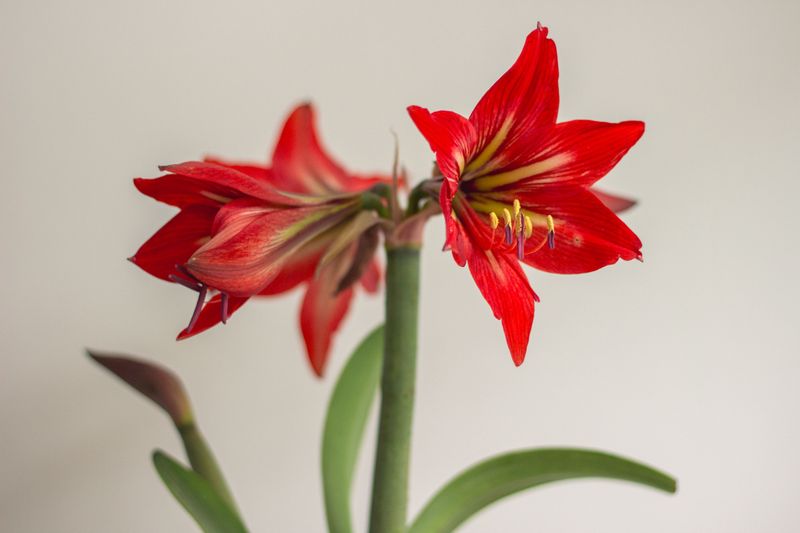
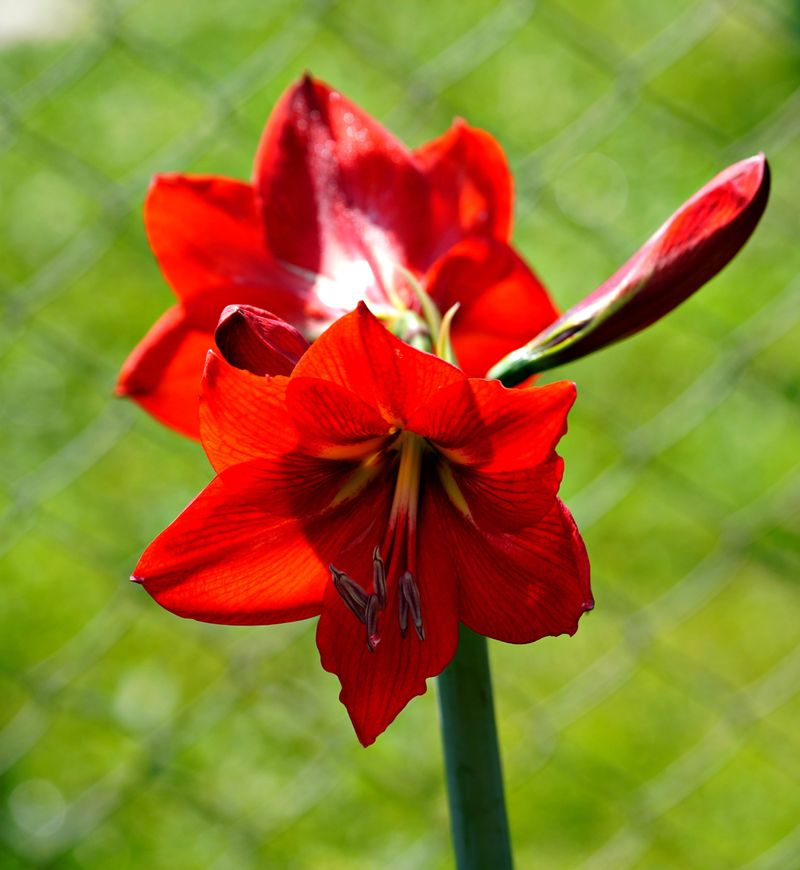
It is a treat to come downstairs on Christmas morning to a flower the size of your hand. Several of them, actually, all open on one tall stalk.
A well-timed amaryllis often opens its first buds around the holiday, depending on variety and room temperature. Each stalk can hold four or more trumpet-shaped flowers facing outward like a choir.
Those blooms tend to last about two weeks, sometimes longer in a cool room. That means one bulb can carry you from mid-December into the new year.
Stalks often grow 18 to 24 inches tall, which can make them a bit top-heavy. A thin bamboo stake and soft twine keep everything standing proud.
Many families place the pot right beside the tree or on the dinner table. Red and white varieties look especially festive next to ornaments and candles.
Keep the plant out of reach of cats and dogs, since the bulb and leaves are toxic to pets. Once a flower fades, snip it off near its base. That keeps the plant tidy and saves energy for the buds still waiting their turn.
A second stalk sometimes appears after the first one finishes. It feels like a bonus gift that nobody remembered to wrap.
Many people say these flowers remind them of holidays from long ago. A blooming amaryllis has decorated winter homes for well over a century.
Snapping a photo each year can become its own little tradition. Lined up together, the pictures tell a sweet story of your growing skills.
Flowers also make thoughtful gifts when started early in a pretty pot. Hand one to a neighbor in mid-December, and watch their face light up.
A Planting Calendar For Next Year’s Holiday Show
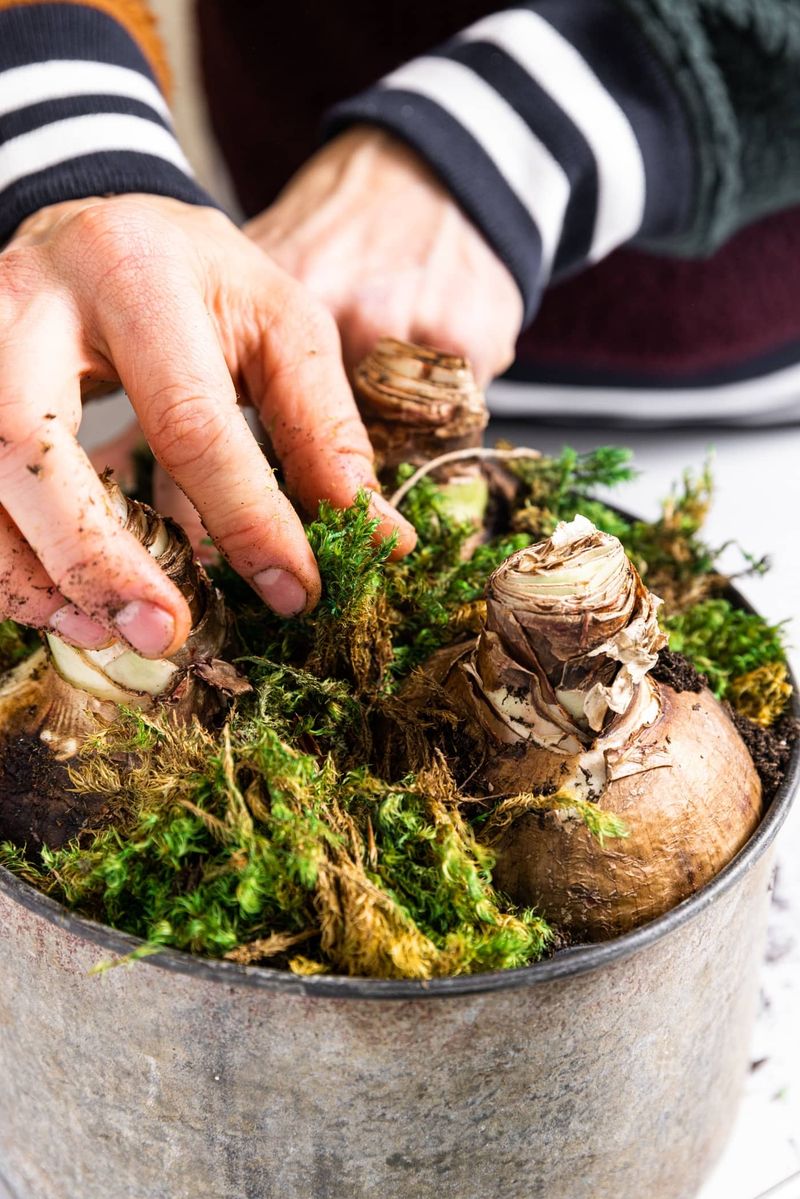
Many gardeners start planning next December before this one even ends. Keeping your bulb after the bloom saves money and builds a yearly habit.
After the flowers fade, cut the stalk but leave the long green leaves alone. Those leaves soak up sunlight and refill the bulb with energy.
Keep watering and feeding the plant through spring and summer like any houseplant. Many people move the pot outdoors once nights stay above 50 degrees.
Late summer is when the backward math begins again. Around late August or early September, stop watering and bring the pot inside to a cool, dark spot.
The leaves will yellow and flop over, which is normal. The bulb needs a rest of about eight to twelve weeks in a cool spot, around 50 to 55 degrees.
Count forward from early September, and that rest ends right around early November. Wake the bulb with fresh soil and water, and the six-week countdown starts again.
A simple paper planner or phone reminder makes the whole cycle easy to follow. Mark the rest date, the wake-up date, and the bloom date you hope for.
Saved bulbs often grow larger each year with good care. Some families keep the same bulb going for ten years or more.
Buying one or two fresh bulbs each fall also keeps the show interesting. Try a striped, peach, or double-petal variety alongside your trusty old favorite.
With a calendar in hand, December blooms stop being a lucky guess. They become a plan you can repeat, year after cheerful year.