The April Watering Method In Arizona That Flushes Harmful Soil Buildup
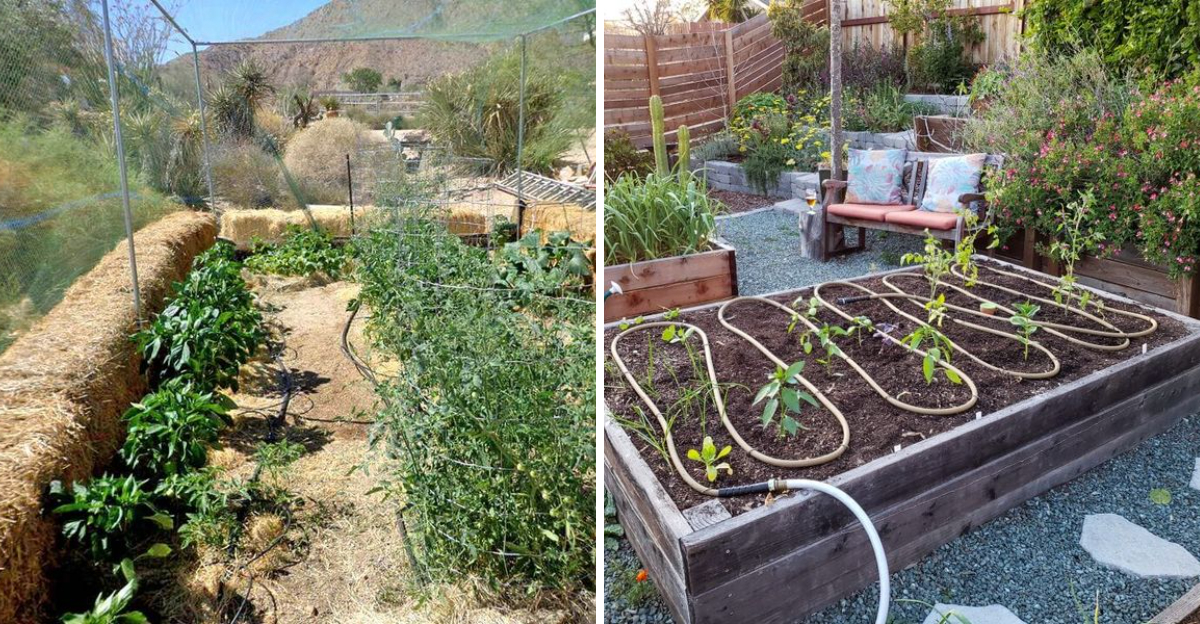
Soil in Arizona does not always behave the way it looks on the surface, and that becomes obvious once plants start to struggle for no clear reason. Leaves fade, growth slows, and watering more often does not fix the problem the way many expect.
What builds up below ground can quietly affect how roots take in water and nutrients, especially after months of regular irrigation.
Most gardeners focus on how often they water, but not what repeated watering leaves behind over time.
April becomes a turning point when temperatures rise and plants begin to rely more on what sits in the soil. Small changes in how water moves through the ground can shift how everything above it responds.
There is a method that works with Arizona conditions instead of against them, and once it is used at the right time, the difference starts to show in ways that are hard to miss.
1. Deep Watering Pushes Salts Below The Root Zone
Salt does not disappear on its own in Arizona. It just sits there, collecting around the root zone with every irrigation cycle, and plants end up struggling to pull in the water they actually need.
Pushing water deep into the soil is one of the most reliable ways to move those salts downward, out of the area where roots are actively working.
Water needs to reach at least 12 to 18 inches below the surface to be effective at flushing. Anything shallower just moves salts around without actually clearing them from the root zone.
A soil probe or a long screwdriver can help you check how deep the moisture is actually going after a watering session.
In Arizona’s sandy or caliche-heavy soils, the depth of watering matters more than most people realize. Caliche layers can block downward movement, so knowing your soil type before you start is worth the effort.
If caliche is present, breaking it up or drilling through it helps water and salts move past that barrier.
Roots that regularly sit near salt deposits show signs of stress, including yellowing leaves, slow growth, and poor flowering. Getting water down deep enough to carry those salts away gives roots room to breathe and function properly.
April is ideal for this because temperatures in Arizona are still manageable, and the soil responds well before summer extremes arrive.
2. Watering Slowly Allows Soil To Fully Absorb Moisture
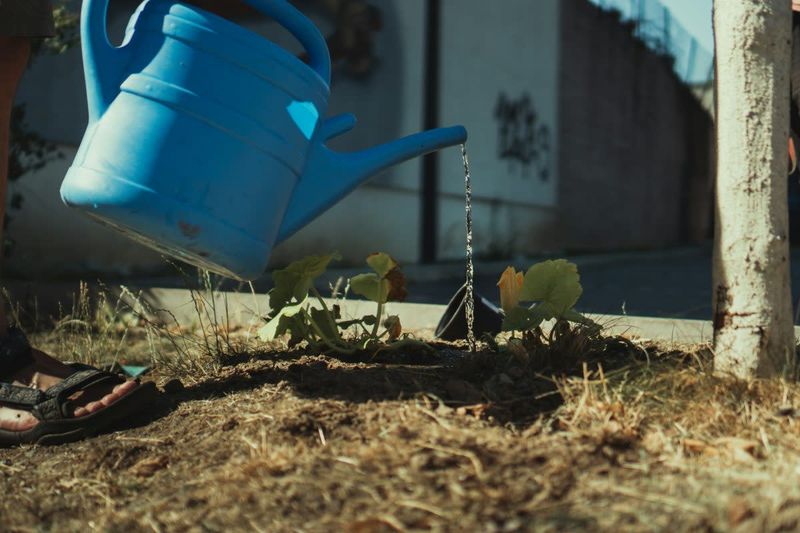
Flooding your garden all at once sounds efficient, but in Arizona soil it often causes more runoff than absorption. Water moves so fast across dry, compacted ground that most of it escapes before the soil ever gets a chance to soak it in.
Slowing things down completely changes how much moisture actually reaches the roots.
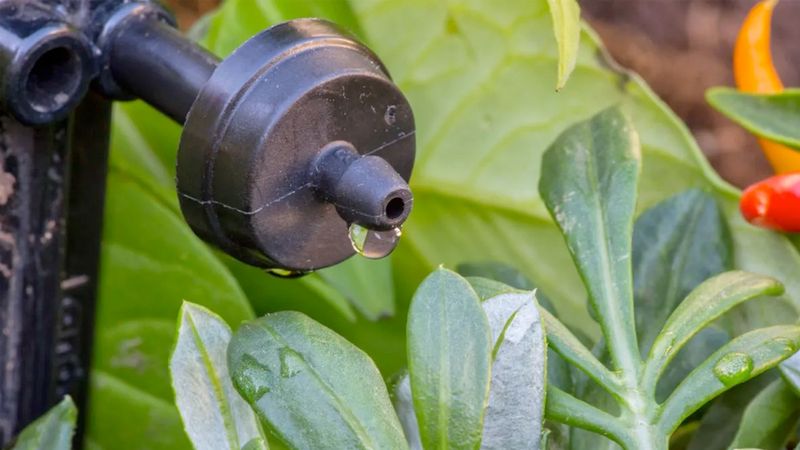
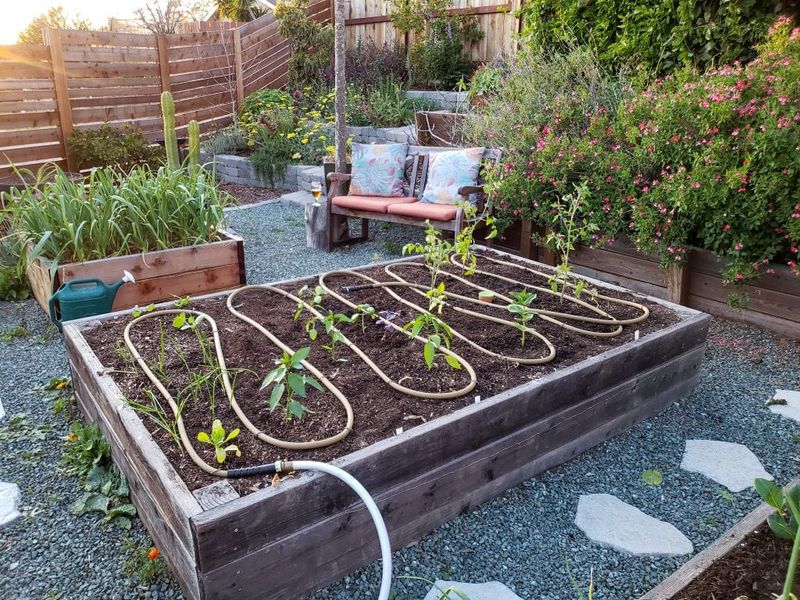
Drip irrigation systems are built for exactly this kind of situation. They release water gradually at the base of each plant, giving the surrounding soil time to pull in moisture layer by layer.
Soaker hoses work similarly and can be a more affordable option for garden beds or rows of shrubs.
When water is applied slowly, it also does a better job of carrying dissolved salts downward rather than spreading them sideways. Fast watering tends to push salts horizontally, which means they stay in the active root zone instead of moving below it.
Slow application keeps the flushing process moving in the right direction.
During April in Arizona, soil temperatures are warming up, which actually improves absorption compared to cooler months. Warm soil is more receptive to moisture, and roots are actively growing, so they benefit directly from a steady, slow water supply.
Running drip emitters for longer periods at lower flow rates, rather than cranking up the volume all at once, tends to produce noticeably better results for both moisture retention and salt movement in desert garden conditions.
3. Applying Water In Cycles Improves Penetration
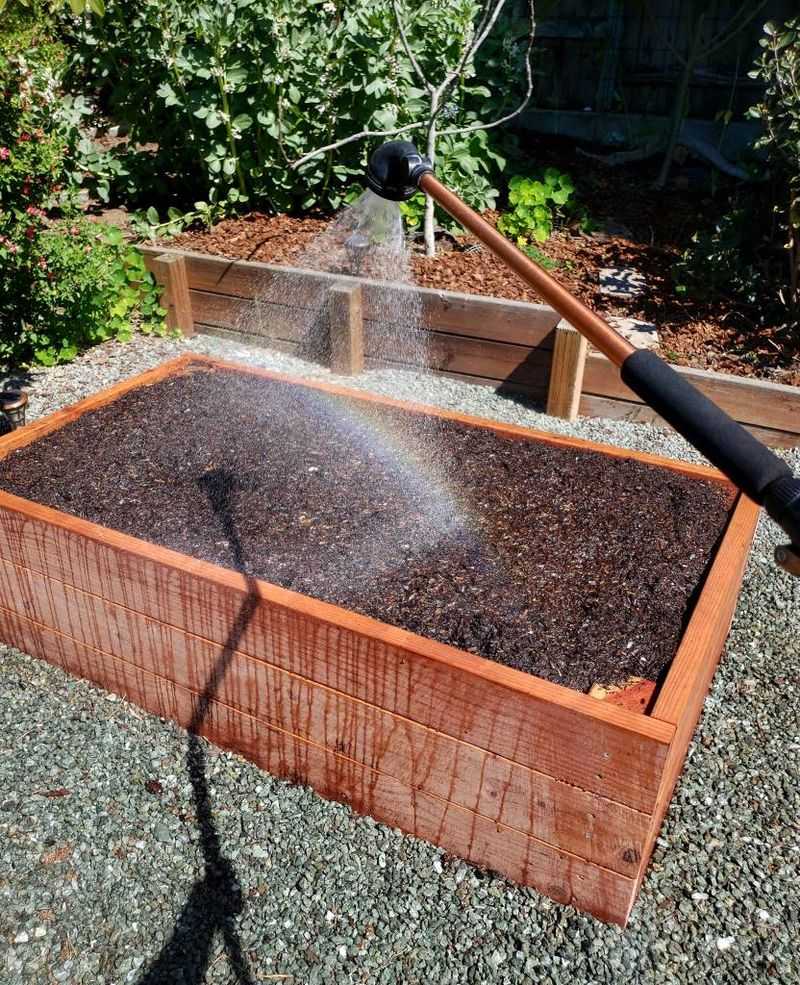
Cycle watering is one of those techniques that sounds overly complicated until you try it and see the difference. Instead of running your irrigation for one long stretch, you break it into two or three shorter sessions with rest periods in between.
That rest time is where the real magic happens.
Each short watering cycle lets the soil partially absorb what it just received before the next cycle begins. When the second or third cycle runs, the water has an easier path downward because the soil is already loosened and moist from the first round.
Penetration improves significantly compared to a single long soak on dry ground.
Cycle watering is especially useful in Arizona yards with clay-heavy or caliche-influenced soils that tend to resist water initially.
Running 10 to 15 minutes per zone, waiting 30 to 45 minutes, then repeating two more times often gets water much deeper than a single 45-minute run would achieve.
Most modern irrigation controllers have a cycle-and-soak setting built right in.
Salt flushing benefits directly from this approach because deeper water penetration means salts get carried further below the root zone. Shallow penetration only moves salts slightly, and they creep back up toward roots as the soil dries.
Applying water in cycles during April, when Arizona conditions are still relatively mild, sets a strong foundation before the intense heat of May and June arrives and makes effective watering considerably harder to manage.
4. Starting Early In The Morning Reduces Evaporation Loss
By 10 a.m. in April, Arizona temperatures are already climbing fast. Any water sitting near the soil surface at that point is fighting against evaporation, and a surprising amount never makes it to the roots at all.
Shifting your watering schedule to the early morning hours, ideally between 5 and 8 a.m., makes a measurable difference in how much moisture actually gets absorbed.
Cooler air temperatures and calmer winds in the early morning create conditions where water stays in contact with the soil longer before evaporation pulls it away.
That extra contact time allows deeper absorption and more effective salt movement.
Even a one or two hour shift in your watering window can change outcomes noticeably in a desert climate.
Another practical benefit of morning watering is that plants have access to moisture during the warmest part of the day, which is when they need it most.
Watering in the evening can leave foliage wet overnight, and while that matters less for drip systems, it is still worth keeping in mind for overhead sprinklers used in some Arizona landscapes.
Setting an irrigation timer to handle early morning watering removes the guesswork entirely. Timers are inexpensive, widely available, and take the pressure off remembering to water before the heat arrives.
During April in Arizona, pairing early morning timing with deep watering techniques gives your soil the best possible environment to absorb moisture fully and flush accumulated salts below the root zone effectively.
5. Repeating Deep Soaks Helps Flush Remaining Salts
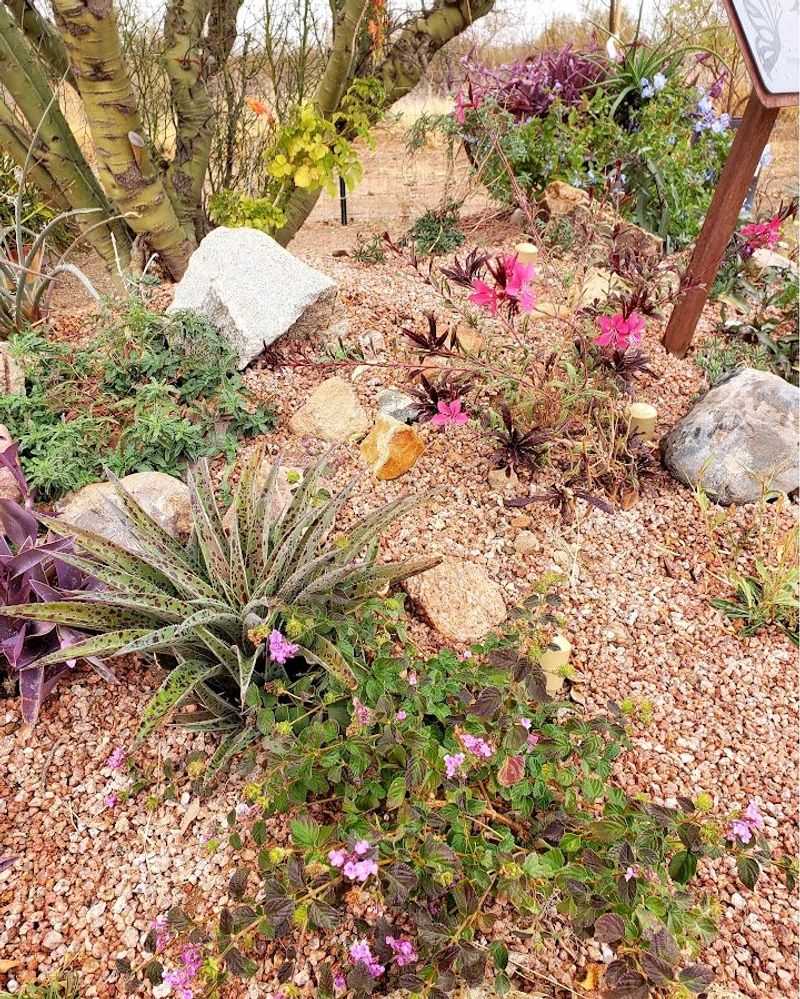
One deep watering session moves a lot of salts, but rarely all of them. Arizona soils that have been accumulating mineral deposits over several seasons often need more than a single flush to fully clear the root zone.
Repeating deep soaks over a period of several days gives the process time to work through multiple soil layers.
A good approach during April is to run a deep watering session, allow the soil to partially dry, then repeat the process two or three more times within a week or ten days.
Each soak pushes remaining salts a little further down, and the drying period between sessions helps prevent waterlogging, which is a real concern in clay-heavy Arizona soils.
Watching your plants between sessions can give you useful feedback. If leaves look slightly less stressed or new growth appears more vigorous after the first couple of soaks, the flushing process is likely working.
Progress is not always dramatic, but gradual improvement usually shows up within a few weeks of consistent deep watering.
Repeating deep soaks does not mean flooding the garden on a daily basis. Overwatering creates its own problems, including root rot and oxygen deprivation in the soil.
The goal is strategic repetition with enough drying time in between to keep soil conditions healthy.
In Arizona’s April climate, the warm days and relatively low humidity allow soils to dry out at a reasonable pace, making a repeat-soak schedule practical and manageable without risking waterlogged conditions.
6. Deep Infrequent Watering Helps Prevent Salt From Building Up Again
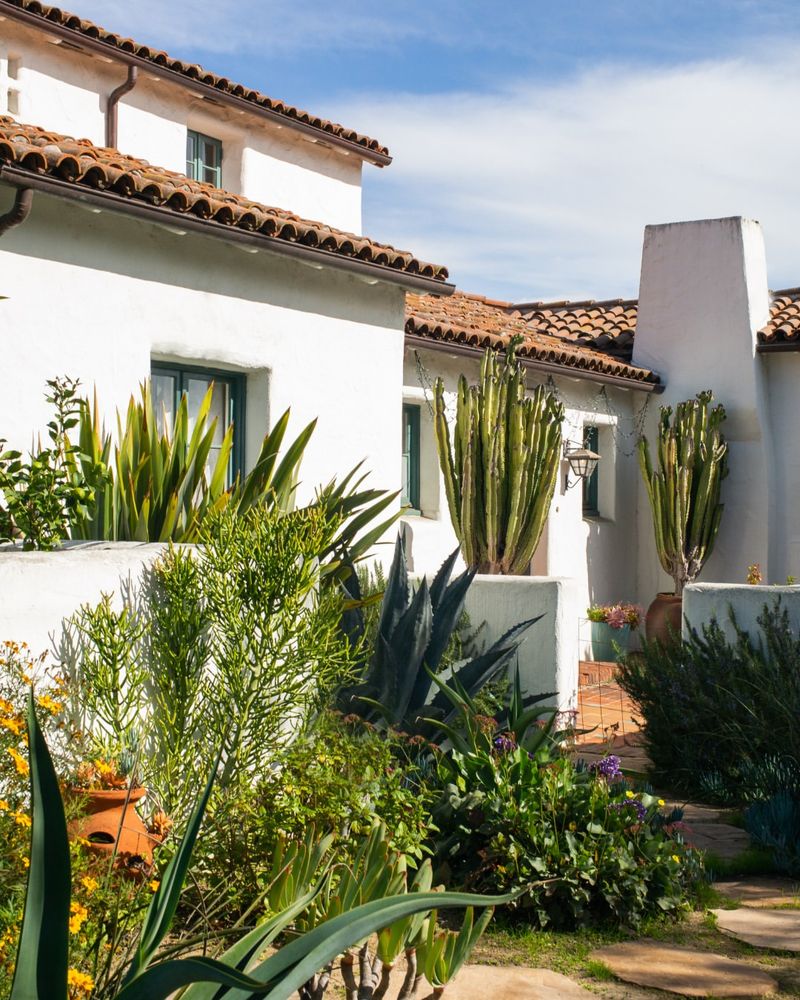
After putting in the effort to flush salts out of your soil, the last thing you want is for them to come right back within a few weeks. Frequent shallow watering is one of the main reasons salt buildup keeps returning in Arizona gardens.
Water that never penetrates deeply just evaporates from the surface, leaving behind concentrated deposits of minerals from the water supply.
Switching to a deep but infrequent watering schedule changes that cycle. When water goes down far enough each time, it carries dissolved minerals with it rather than leaving them behind near the surface.
Less frequent watering also gives the soil time to dry slightly between sessions, which prevents the constant mineral concentration that happens when moisture lingers near the top layer.
For most Arizona plants in April, watering deeply every two to three days is more productive than light watering every day. Desert-adapted plants, in particular, respond well to this kind of schedule because their roots are designed to seek moisture at depth.
Frequent shallow watering actually works against that natural tendency by encouraging roots to stay close to the surface where salt accumulation is heaviest.
Keeping track of your watering schedule on a simple calendar or through a smart irrigation controller helps avoid slipping back into old habits. Consistency matters more than perfection here.
A reliable deep-and-infrequent routine maintained through April and into early summer gives Arizona soils a much better chance of staying clear of the salt buildup that causes so many plant problems in the desert.
7. Well Draining Soil Allows Salts To Move Downward
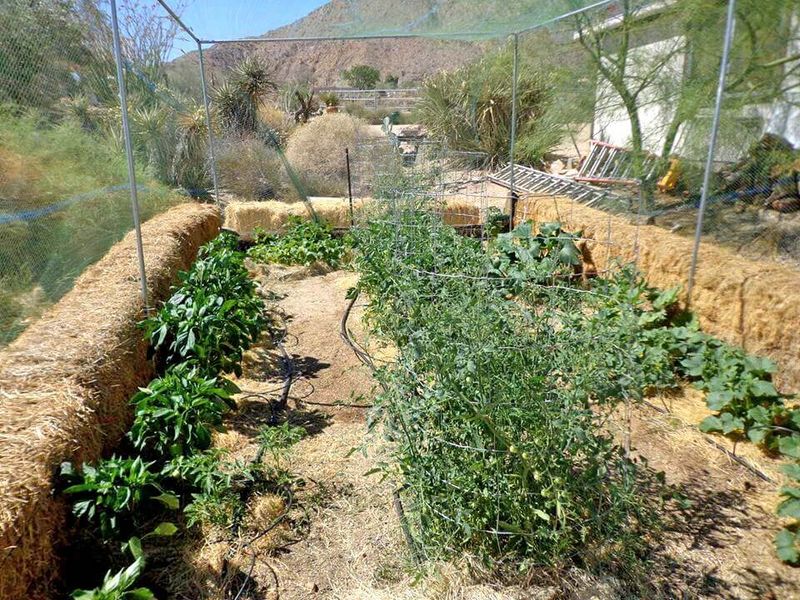
No matter how perfectly you time your watering sessions, soil that does not drain well will hold salts in place instead of letting them move through.
Poor drainage is a common challenge across Arizona, where caliche layers, heavy clay patches, and compacted ground all interfere with the natural downward movement of water and dissolved minerals.
Improving soil structure before or alongside a deep watering program makes the entire process more effective. Working compost into the top 12 inches of garden beds loosens the soil and creates more pathways for water to travel downward.
Coarse sand added to clay-heavy areas can also help, though it needs to be used in sufficient quantity to actually change the soil texture rather than just making things worse.
Raised beds offer another practical solution for Arizona gardeners dealing with drainage problems.
Filling raised beds with a well-draining soil mix gives you direct control over what your plants are growing in, which makes salt flushing considerably more straightforward.
Water moves through a well-built raised bed much more predictably than through native desert soil with unpredictable layers.
Checking drainage before committing to a deep watering schedule is a smart first step. Pour a bucket of water into a hole about 12 inches deep and watch how fast it drains.
If water is still sitting in the hole after an hour, drainage improvement should come before anything else. Getting the soil structure right in April sets up the entire growing season in Arizona for better water use and healthier, more resilient plants overall.