The Arizona Garden Room Design That Helps Keep Outdoor Areas Cool Year Round
Arizona gardens need designs that work with the heat, not against it, and this type of garden room does exactly that without feeling heavy or closed in.
By combining smart shade placement, airflow, and materials that stay cooler under the sun, the space stays usable even during the hottest months.
I like how it feels open and relaxed while still giving real relief from the heat, so spending time outside never feels like a struggle.
Instead of avoiding the yard most of the year, this design turns it into a place that actually gets used from season to season.
1. How Strategic Shade Placement Lowers Temperatures Naturally
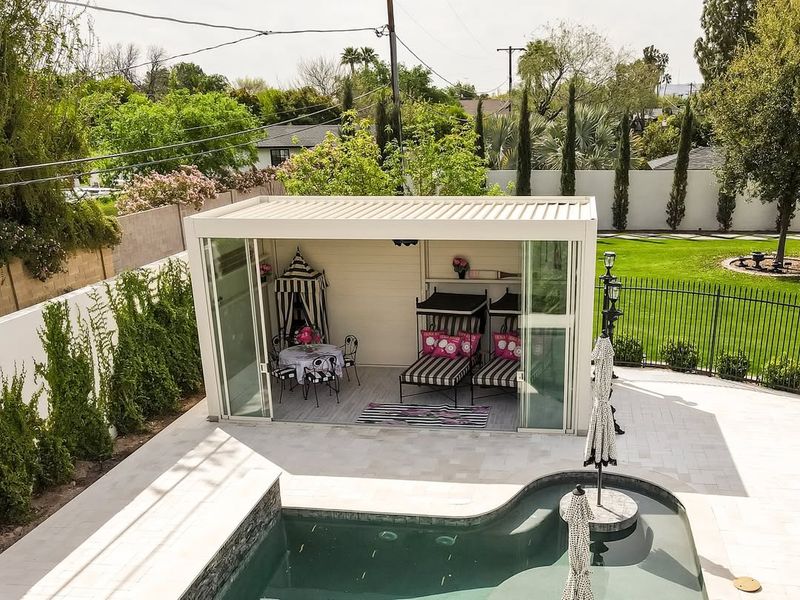
Positioning shade structures where the sun hits hardest during peak hours creates natural cooling zones that reduce temperatures by up to fifteen degrees.
Arizona homeowners benefit most when shade covers the western and southern exposures where afternoon heat becomes most intense during summer months here.
Pergolas and ramadas placed thoughtfully block direct sunlight while still allowing breezes to flow through the space without creating stuffy enclosed areas.
Overhead beams spaced at specific intervals filter harsh rays while permitting enough light for plants and people to enjoy the outdoor environment.
Adjustable louvers give residents control over how much sun enters the garden room as seasons change and the sun moves differently.
Native trees planted near structures add another layer of protection as their canopies mature and expand over time in the desert.
Careful planning ensures that morning sun can still warm the space during cooler months while afternoon heat gets blocked effectively throughout summer.
The combination of built and natural shade creates microclimates that make Arizona outdoor living spaces usable even during the hottest parts of the day.
2. Why Open Air Walls Allow Heat To Escape Instead Of Trapping It
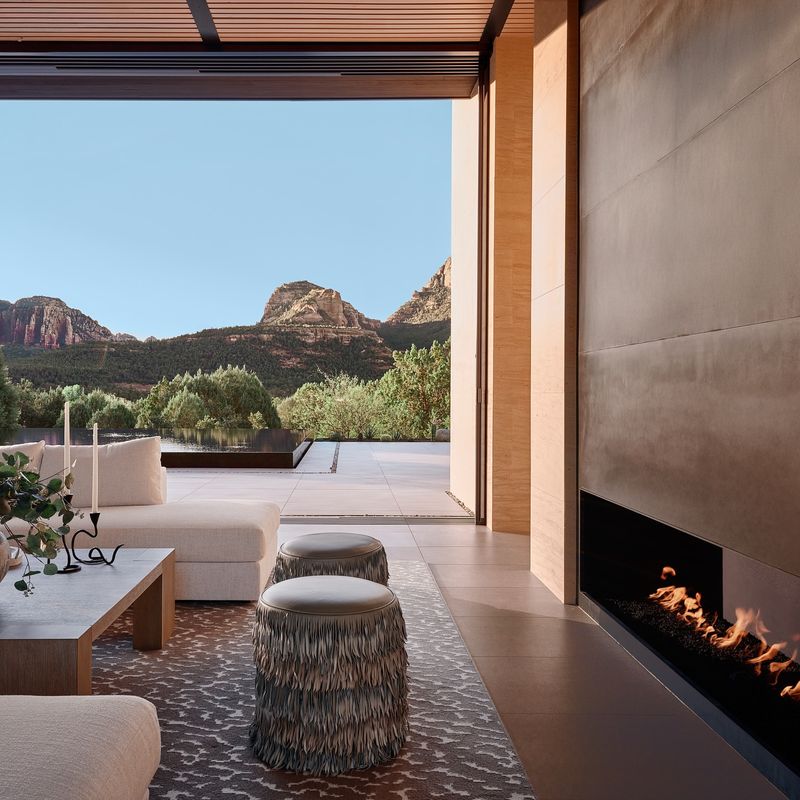
Solid walls might seem protective but they actually trap warm air inside outdoor rooms making them feel more like greenhouses than relaxation spaces.
Open designs with partial walls or screen panels let hot air rise and escape naturally while cooler ground level breezes replace it constantly.
Many Arizona garden rooms feature half walls that provide privacy and wind protection without creating enclosed boxes that hold heat inside all day.
Lattice work and decorative screening offer visual boundaries while maintaining airflow that prevents temperature buildup in the covered outdoor living area here.
Removable panels give flexibility so homeowners can adjust the openness based on weather conditions and seasonal temperature changes throughout the year in Arizona.
Plants growing on trellises attached to open framework provide shade and cooling through transpiration while still allowing air to move freely through.
The absence of full enclosure means there is no greenhouse effect that occurs when sunlight enters but heat cannot escape properly.
This design philosophy works especially well in desert climates where nighttime temperatures drop and evening breezes provide natural cooling without mechanical assistance needed.
3. The Role Of Roof Design In Blocking Harsh Arizona Sun
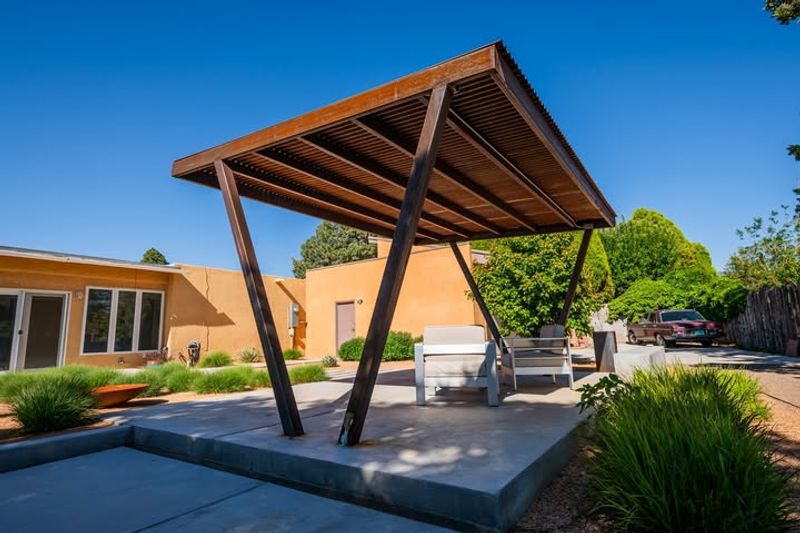
Roof structures serve as the primary defense against intense overhead sunlight that beats down relentlessly during Arizona summers for hours each day.
Extended overhangs project beyond the main living area to block sun at its highest point while still permitting lower winter sun to warm.
Solid roof sections combined with slatted areas create varied coverage that adapts to different uses within the same garden room space effectively here.
Reflective roofing materials bounce heat away rather than absorbing it which would then radiate downward into the space below making it uncomfortable.
Insulated roof panels in key areas prevent heat transfer that would otherwise make the space beneath feel like an oven during peak hours.
Vented roof designs allow the hottest air to escape at the highest point preventing it from settling down where people gather and relax.
Angled roofs direct water during rare Arizona rains while also positioning surfaces to minimize sun exposure during the most intense afternoon hours daily.
Proper roof height creates enough vertical space for hot air to rise above head level keeping the usable area below noticeably cooler.
4. How Cross Ventilation Keeps Air Moving All Day
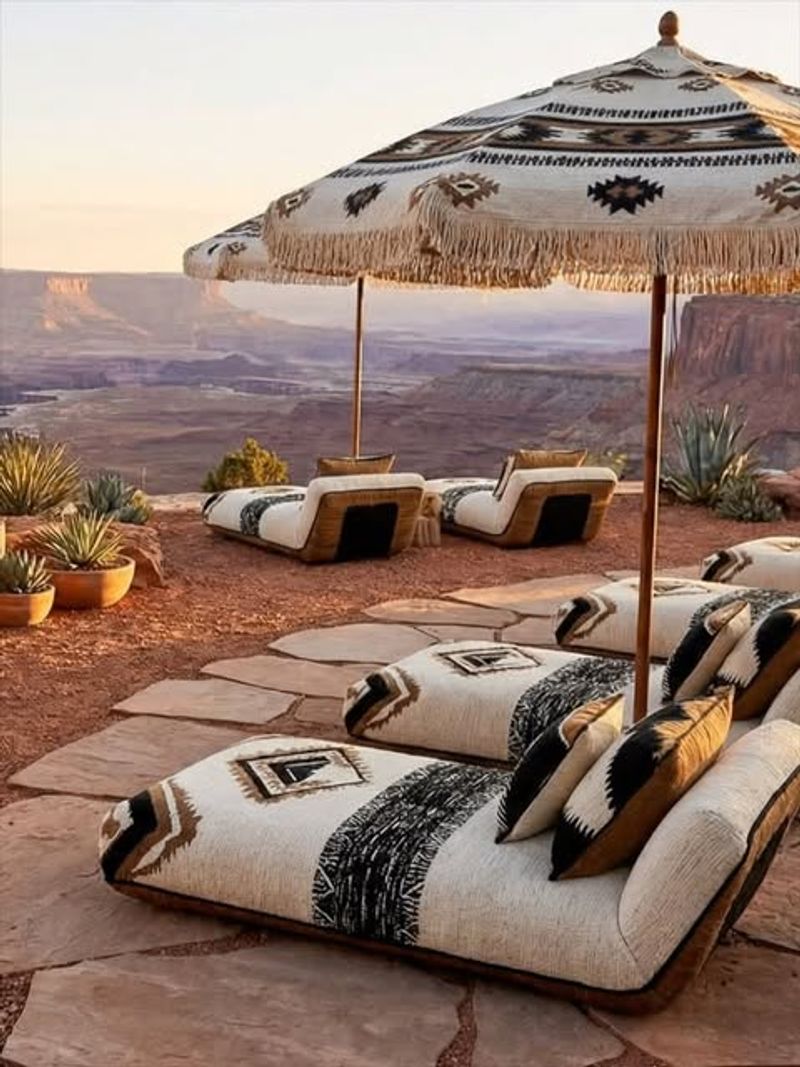
Positioning openings on opposite sides of the garden room creates natural air channels that pull breezes through even when wind seems minimal outside.
Arizona homeowners take advantage of prevailing wind patterns by aligning their structures to capture and direct airflow through the living space effectively.
Higher openings on one side and lower on the opposite allow hot air to exit up top while cooler air enters below continuously.
This stack effect works without fans or electricity as temperature differences create pressure that moves air naturally throughout the covered outdoor area.
Corner openings positioned strategically catch breezes from multiple directions ensuring air movement regardless of which way the wind blows that day here.
Fabric panels or shades can be adjusted to direct airflow where needed most while still maintaining privacy from neighbors in residential areas.
Plants placed at entry points cool incoming air through evapotranspiration before it circulates through the space where people sit and gather together.
The constant air exchange prevents the stagnant stuffiness that makes enclosed patios unbearable during hot Arizona afternoons when temperatures soar above one hundred degrees.
5. Why Light Colored Materials Make A Noticeable Difference
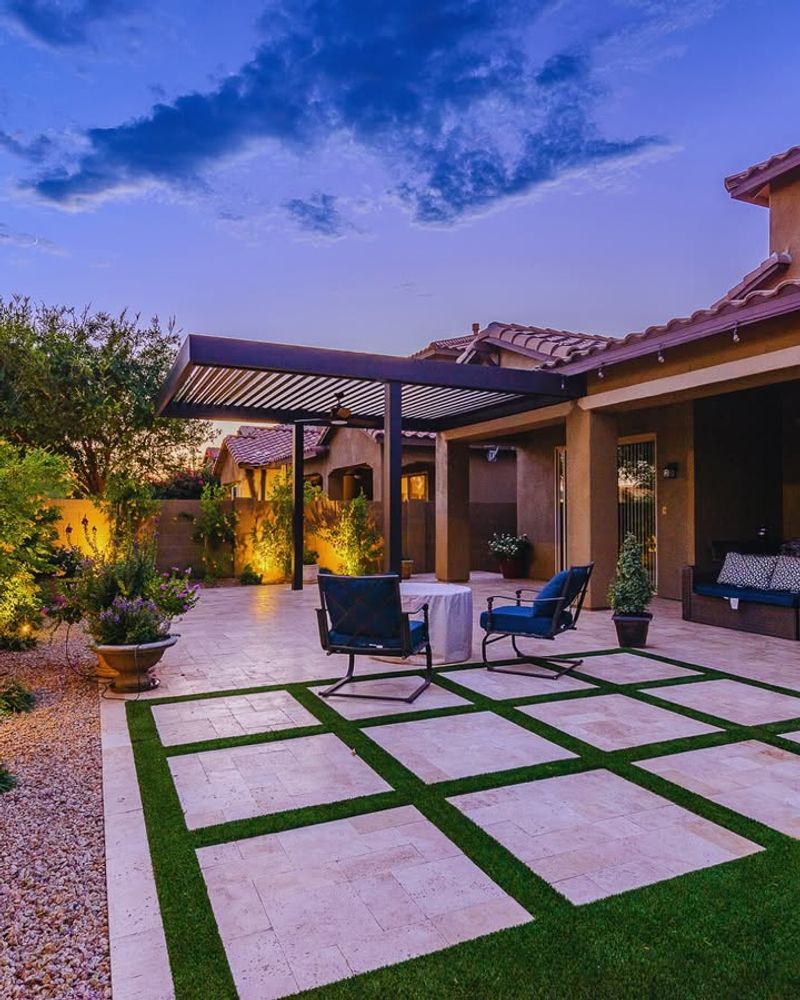
Dark surfaces absorb sunlight and convert it to heat that radiates back into the space making already hot Arizona days feel even more unbearable.
Light colored roofing reflects up to seventy percent of solar radiation away from the structure keeping everything beneath significantly cooler throughout the day.
Pale stucco walls and white painted beams bounce light around the space while refusing to store heat that would release later during evenings.
Cream and beige tones popular in Arizona garden rooms maintain the desert aesthetic while providing practical cooling benefits that darker colors cannot match.
Even furniture and fabric choices in lighter shades stay cooler to the touch making the space more comfortable for bare skin contact always.
Floor materials in tan or light gray reflect rather than absorb heat preventing the ground surface from becoming too hot to walk on.
The cumulative effect of multiple light colored surfaces creates a noticeably cooler environment compared to similar structures built with darker traditional materials here.
Reflective properties work continuously during daylight hours providing passive cooling that requires no energy input or mechanical systems to maintain comfortable temperatures throughout.
6. How Built In Plant Cover Helps Cool The Space
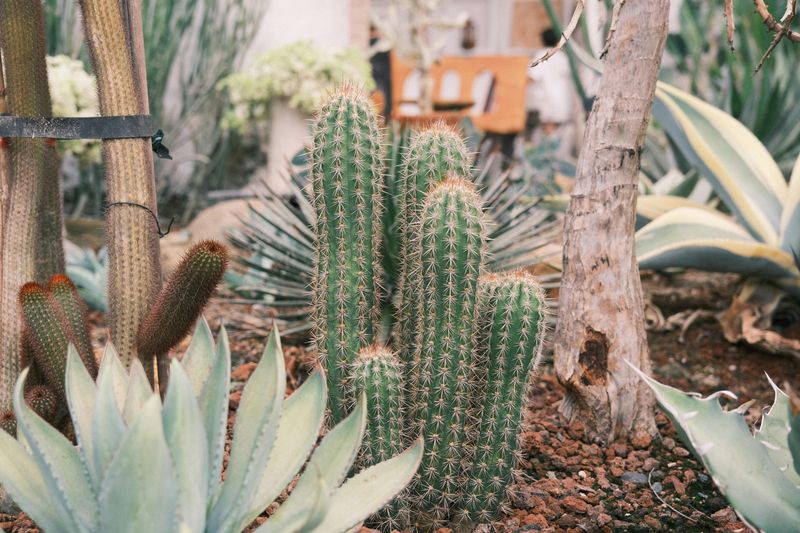
Living plants integrated into garden room design provide cooling through transpiration as they release moisture into the air during their natural processes.
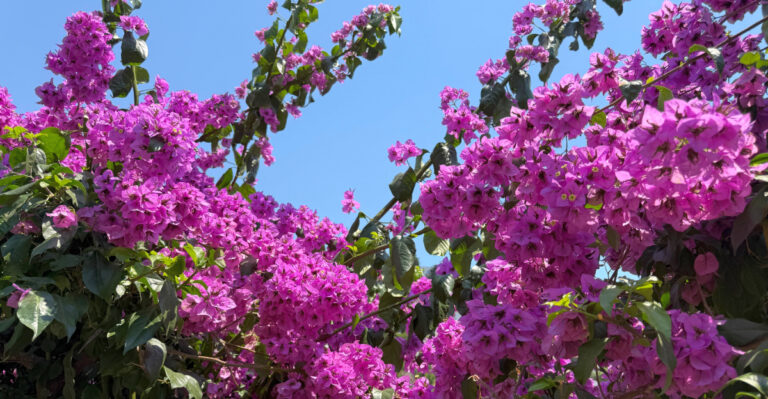
Vines trained over pergola beams create dense green canopies that block sunlight while adding humidity that makes dry Arizona air feel more comfortable.
Potted trees placed strategically around the perimeter offer shade that moves with the sun throughout the day providing flexible coverage as needed.
Native plants adapted to desert conditions thrive with minimal water while still providing cooling benefits that exotic species cannot match in this climate.
Vertical gardens on walls or trellises add cooling surface area without taking up valuable floor space in the outdoor living area here.
The combination of shade and moisture from plants can lower temperatures in the immediate area by several degrees compared to bare structures alone.
Deciduous vines offer summer shade but drop leaves in winter allowing warming sunlight through when temperatures drop during cooler Arizona months annually.
Plants also filter dust and improve air quality making the garden room feel fresher and more inviting for extended periods of outdoor relaxation.
7. The Importance Of Floor Materials That Do Not Hold Heat
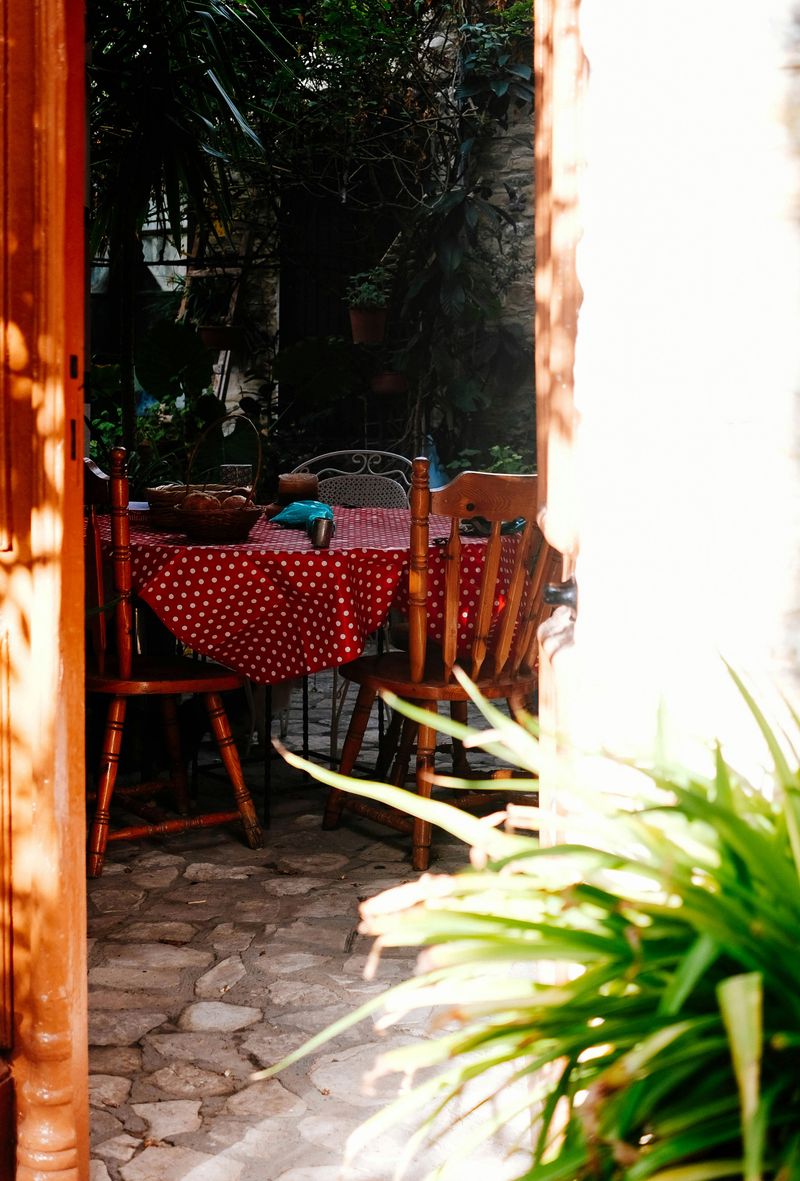
Choosing flooring that stays cool underfoot makes the entire garden room more comfortable especially during barefoot summer evenings in hot Arizona weather.
Natural stone like flagstone or limestone absorbs less heat than concrete and releases it quickly once the sun sets each evening here.
Porous pavers allow air circulation beneath the surface preventing heat buildup that occurs with solid slabs that trap warmth for hours afterward.
Light colored gravel or decomposed granite reflects sunlight and permits airflow making these affordable options for budget conscious homeowners seeking cooling solutions.
Wood decking elevated slightly above ground level allows air to circulate underneath carrying heat away rather than letting it accumulate below the surface.
Textured surfaces in lighter tones stay cooler than smooth dark materials while also providing better traction when wet during Arizona monsoon season rains.
Proper drainage prevents water pooling that would increase humidity and make the space feel warmer and more uncomfortable during already hot weather conditions.
Strategic placement of rugs in seating areas adds comfort without covering the entire floor which would trap heat and reduce the cooling benefits.
8. Why Orientation Matters More Than Extra Features
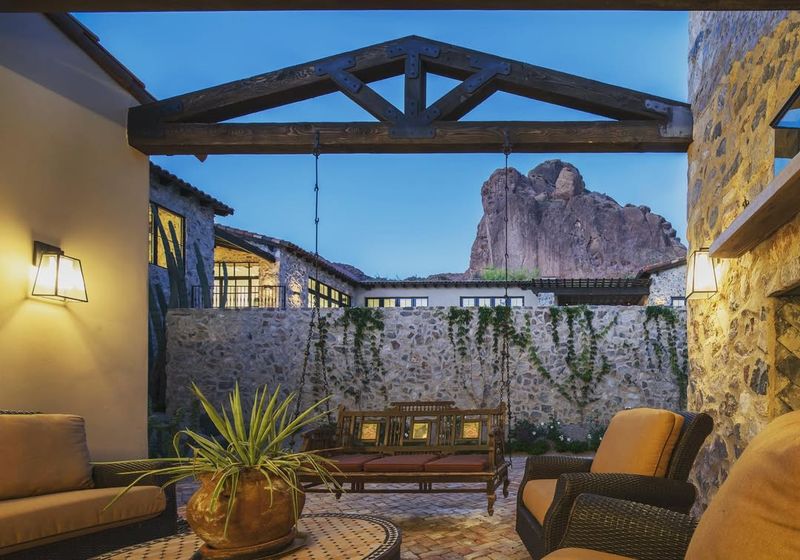
Positioning the garden room correctly on the property determines how much sun exposure it receives throughout the day in the Arizona desert climate.
North facing orientations receive the least direct sunlight making them naturally cooler but may feel too shaded during winter months when warmth is welcome.
East facing structures catch gentle morning light but avoid the intense afternoon sun that makes western exposures unbearable during summer afternoons here daily.
Understanding the sun path across the sky during different seasons allows designers to optimize placement for year round comfort without expensive additions later.
Existing landscape features like mature trees or neighboring buildings can provide natural shade that makes certain orientations more favorable than others on the property.
Wind patterns specific to the site influence where breezes will naturally flow making some locations better suited for cross ventilation than others nearby.
Getting orientation right from the start saves money on cooling features and mechanical systems that would otherwise be necessary to compensate for poor placement.
Arizona homeowners who prioritize proper orientation often find they need fewer fans or misters because the structure works with nature rather than against it.
9. How This Design Stays Comfortable Without Heavy Cooling Systems
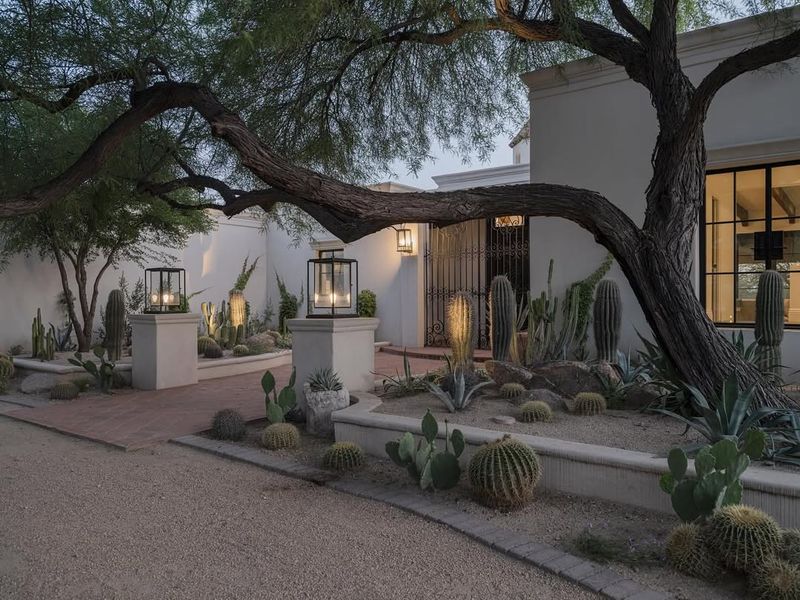
Combining all these natural cooling strategies creates garden rooms that remain comfortable without relying on expensive air conditioning units or constant electricity use.
Arizona residents appreciate the lower utility bills that result from passive cooling techniques that work continuously without ongoing energy costs or maintenance needs.
Occasional ceiling fans provide supplemental air movement during the stillest days but are not essential for basic comfort in well designed spaces here.
Misting systems can be added for extreme heat days but are used sparingly rather than constantly when the structure is properly designed initially.
The absence of mechanical systems means fewer things to break down or require repair over time reducing long term ownership costs significantly.
Natural cooling approaches also operate silently unlike air conditioners allowing conversation and relaxation without background noise disrupting the peaceful outdoor environment created.
Environmental benefits include reduced carbon footprint and lower energy consumption making these garden rooms more sustainable choices for conscientious Arizona homeowners today.
Guests often comment on how surprisingly comfortable the space feels even during hot months proving that thoughtful design outperforms mechanical solutions in many situations.