The 8 Arizona Native Plants You Should Prune In March
Some Arizona native plants actually grow better after a spring trim, and March is when that timing lines up just right.
After the cooler winter months, many desert shrubs begin pushing new growth, which makes early spring the perfect moment to clean them up and shape them before the strong heat returns.
A quick pruning session now can remove weak or damaged branches, encourage fuller growth, and help plants keep a healthier structure through the long desert season.
Native plants are already adapted to Arizona’s dry climate, but that does not mean they should be ignored once they are established.
Small seasonal tasks like pruning can make a noticeable difference in how strong, tidy, and vigorous these plants look later in spring and summer.
If certain shrubs in the landscape have started looking a little wild or uneven after winter, March is often the best time to step in. These Arizona native plants respond especially well to a careful early-spring trim.
1. Chuparosa Fills Out Quickly After A Light Seasonal Trim
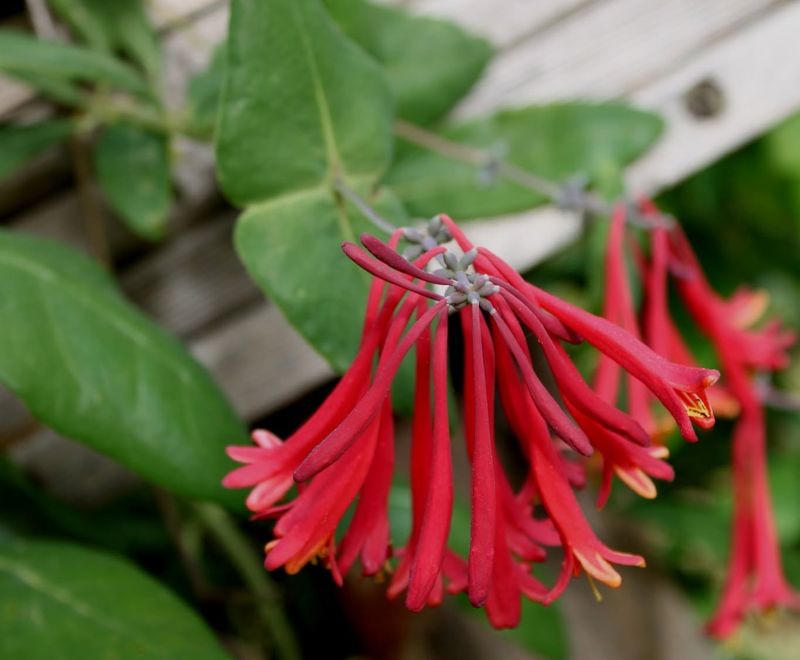
Chuparosa is a hummingbird magnet, and March is the perfect month to clean it up before the busy bloom season kicks in. Left alone through winter, it can sprawl in multiple directions and start to look more like a tangle than a shrub.
A light trim now pulls everything back into a manageable shape without sacrificing the blooms that are already forming.
Stick to removing about a quarter of the overall growth. Focus on crossing branches, damaged tips, and any stems that are rubbing against each other.
Sharp pruning shears make a cleaner cut, which reduces stress on the plant and speeds up recovery time. You do not need to be aggressive here — Chuparosa responds well to gentle seasonal shaping rather than heavy cutbacks.
What is great about this plant in Arizona gardens is how fast it fills back in. Within a couple of weeks after pruning, you will notice new side shoots pushing out along the trimmed stems.
Those new shoots are exactly where the best flowers tend to appear.
Gardeners in Tucson and the Phoenix metro area often skip pruning Chuparosa because it looks fine on the surface, but taking the time to trim it in March consistently leads to a denser, more productive plant through spring and into early summer.
2. Brittlebush Looks Neater And Stronger After A Late Winter Cutback
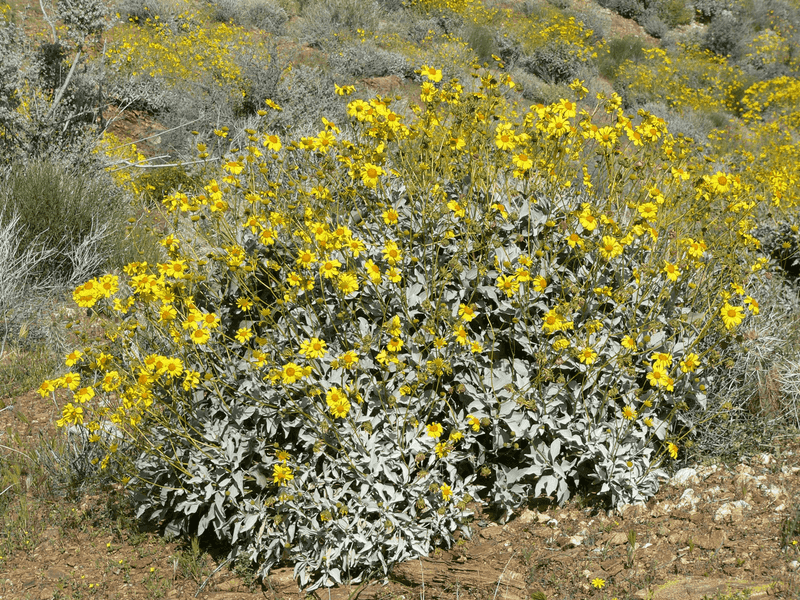
Walk through almost any Arizona hillside in late winter and you will spot Brittlebush everywhere — those silver-leafed mounds topped with cheerful yellow flowers. By March, the blooms are starting to fade and the plant can look a bit ragged.
Cutting it back now is one of the smartest things you can do to keep it healthy and tidy through the warmer months ahead.
Brittlebush responds really well to a hard cutback. You can cut stems down to about six to eight inches from the ground without worrying.
It might look dramatic right after the cut, but the plant pushes back with fresh, compact growth faster than most people expect. Wearing gloves is a good idea since the stems release a sticky resin when cut.
Skipping the March pruning often means dealing with a woody, hollow-centered shrub by midsummer. Older stems stop producing flowers and the plant loses its rounded shape.
Regular seasonal cutbacks prevent that buildup of crowded interior wood.
In Arizona, where Brittlebush is widely used along roadsides, in medians, and in home landscapes, a little attention in early spring keeps these plants looking sharp and full for the rest of the season.
The effort takes maybe ten minutes per plant and the payoff in appearance and plant health is absolutely worth it.
3. Fairy Duster Bounces Back Fast With Fresh Spring Growth
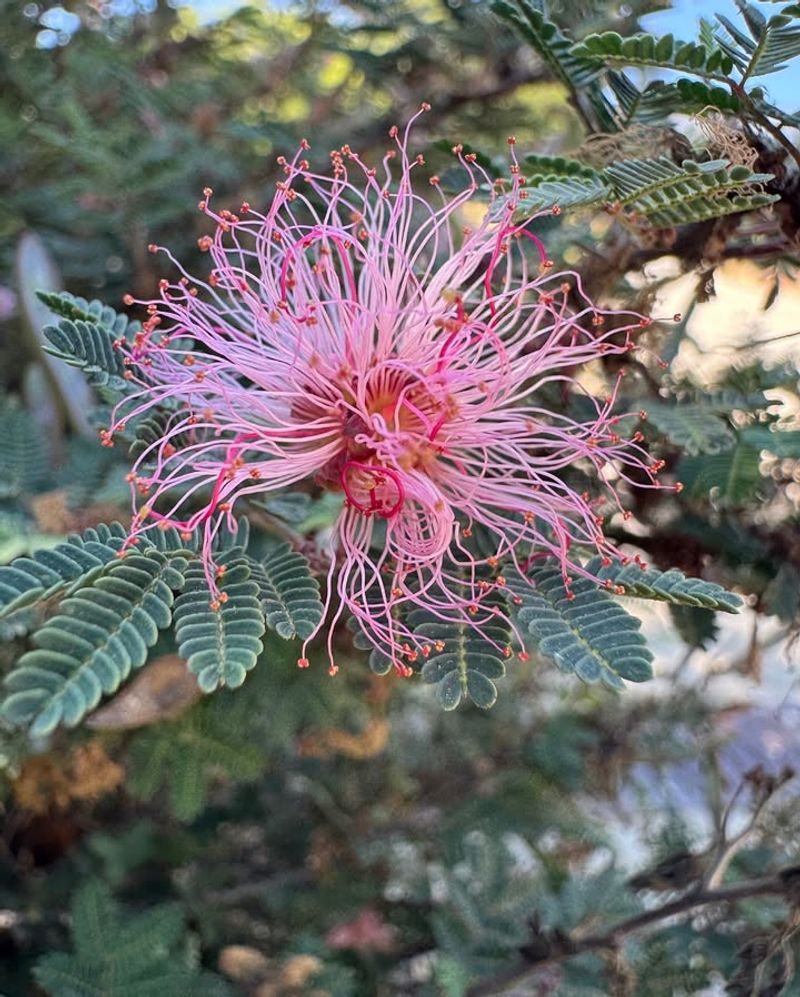
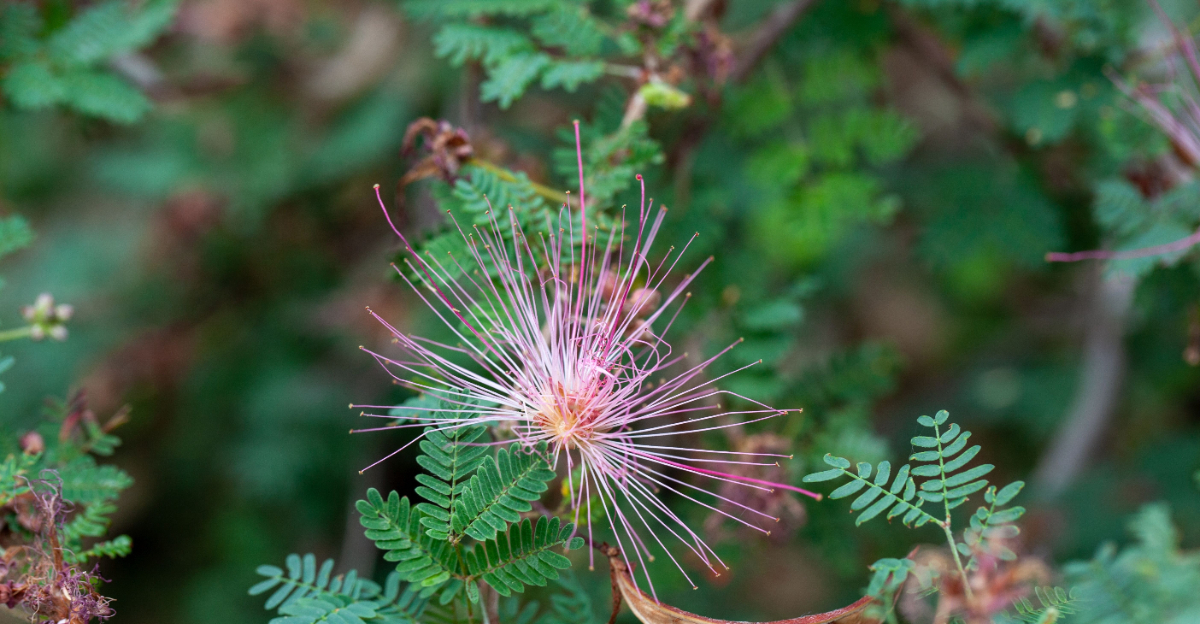
Few desert shrubs snap back as quickly as Fairy Duster after a good March trim. Cut it back by about one-third, and within a few weeks you will see a flush of fresh stems loaded with those fluffy pink blooms that hummingbirds absolutely cannot resist.
It is one of those plants that almost rewards you for touching it.
Fairy Duster tends to get a little leggy and open through the winter months. Pruning in March tightens the shape before the heat arrives and encourages branching lower on the plant, which keeps it looking full rather than sparse.
Use clean, sharp bypass pruners and cut just above a leaf node or side branch.
In Arizona landscapes, this plant is often underestimated. It handles full sun and rocky soil without complaint, and after a March pruning it tends to bloom more heavily than plants left untouched.
Avoid cutting into old woody stems with no green growth showing, since those sections are slow to recover. Focus on the younger, greener growth and you will get a much better result.
A light cleanup at this time of year sets Fairy Duster up for a strong and colorful spring performance across Arizona yards.
4. Bush Dalea Grows Denser And More Balanced After Pruning
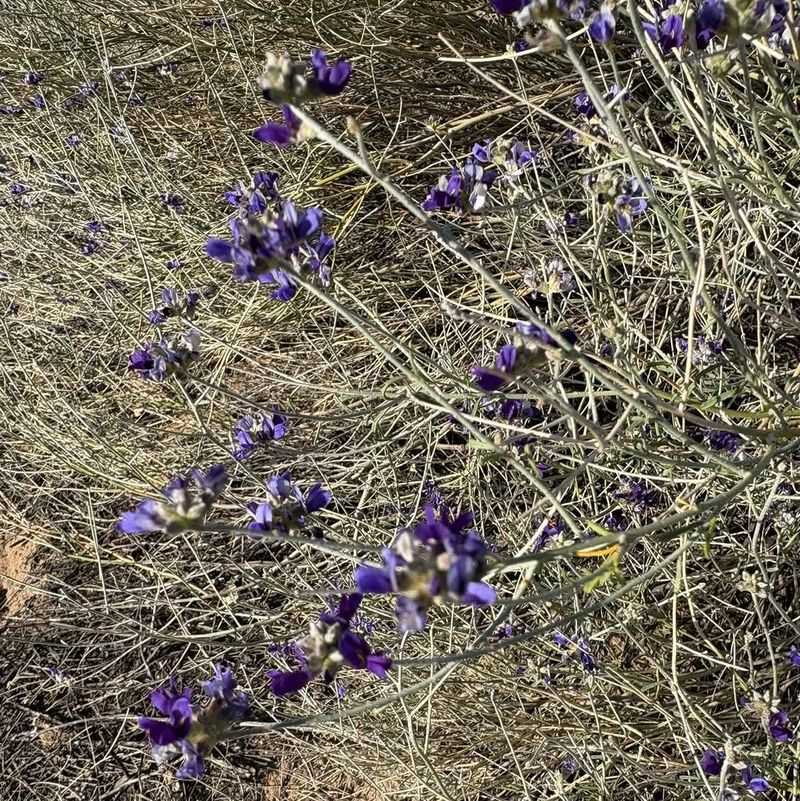
Bush Dalea is one of those plants that earns its place in an Arizona garden every single fall when those deep purple flower spikes show up.
But by late winter, the plant often looks uneven — heavy on one side, sparse on another, with some older stems going woody at the base.
March is the right time to even things out.
Pruning Bush Dalea in early spring encourages the plant to branch out more evenly before the growing season picks up speed. Cut back the longest, most unruly stems by about one-third, and remove any woody or dry sections at the base.
The goal is a more balanced, rounded shape that will fill in naturally as temperatures rise through spring and into summer.
One thing worth knowing about Bush Dalea in Arizona landscapes is that it tends to look better and bloom more heavily when it gets a regular annual trim compared to plants that are left alone year after year.
Over time, unpruned plants develop a thick woody center that crowds out new growth and reduces flowering.
A consistent March cutback prevents that from happening. Bush Dalea also attracts native bees and butterflies, so keeping it productive is good for the local pollinator community too.
Pruning takes very little time but pays off with a healthier, more attractive plant all season.
5. Desert Senna Pushes Out Healthy New Growth Early In The Season
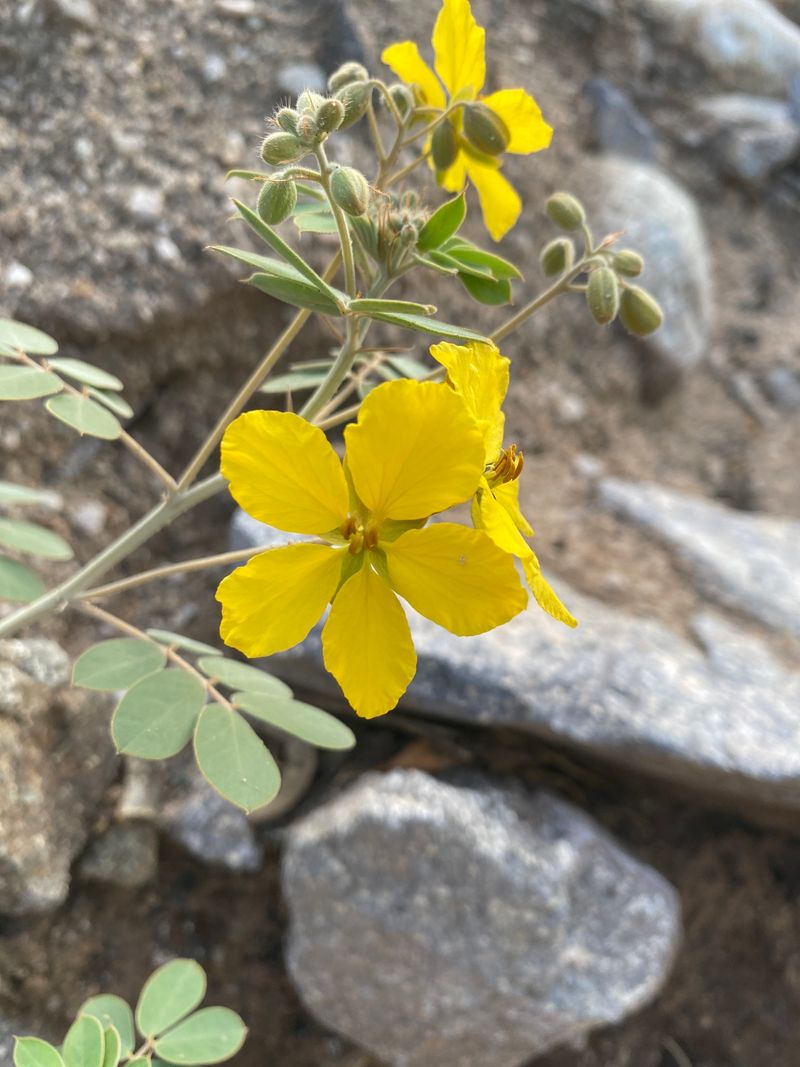
Desert Senna has a way of looking perfectly fine from a distance but surprisingly messy up close after winter. Older stems get brittle, seed pods from last season hang on the branches, and the overall shape becomes uneven.
Getting in there with pruners in March cleans all of that up and sets the plant up for a fresh round of growth.
Cut back about one-third of the overall plant, focusing on removing last season’s seed pods, dry branch tips, and any stems that are crossing or crowding each other.
Desert Senna grows quickly once Arizona temperatures warm up, so even a fairly significant trim in March will not leave the plant looking bare for long. New growth typically appears within two to three weeks after cutting.
Something a lot of Arizona gardeners appreciate about Desert Senna is how well it supports local wildlife. Sulphur butterflies use it as a host plant, and bees love the yellow flowers that appear in spring and sometimes again in fall.
Keeping the plant pruned and productive means better habitat value over time.
In Tucson and other parts of southern Arizona where Desert Senna grows naturally along washes and roadsides, you can see how plants that get occasional disturbance tend to look fuller and more vigorous than those left completely untouched for years at a stretch.
6. Wolfberry Becomes Easier To Manage With A Quick Early Trim
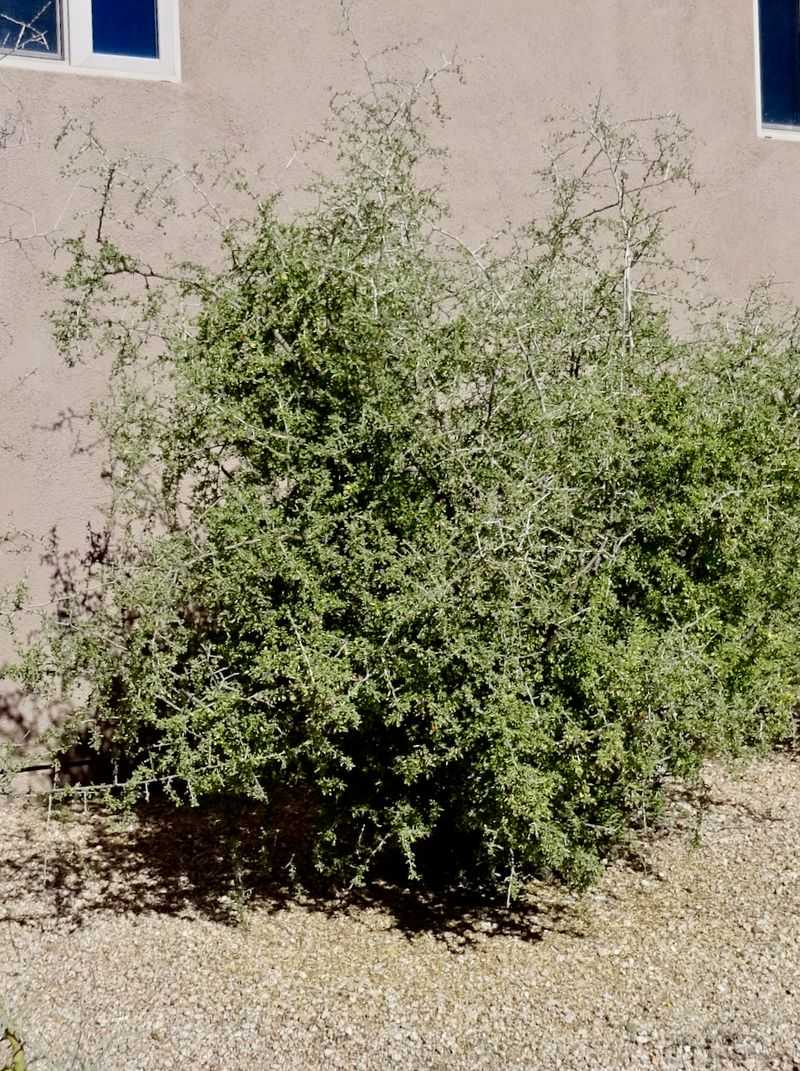
Wolfberry is a tough, spiny shrub that wildlife absolutely depends on — quail, coyotes, and songbirds all feed on the small red berries it produces.
But left completely unpruned, it turns into a dense, thorny thicket that can take over a section of your yard faster than you might expect.
A quick March trim keeps it manageable without reducing its value to local wildlife.
Because Wolfberry has thorns, wearing heavy gloves and long sleeves is non-negotiable before you start. Use long-handled loppers rather than hand pruners so you can reach into the plant without getting scratched up.
Remove the longest, most outward-reaching stems and thin out any sections that are growing too dense in the center. You do not need to reshape the entire plant — just keep it within bounds.
Early spring pruning gives Wolfberry time to push out new growth and set flower buds before the intense Arizona summer heat arrives. Plants that get trimmed in March tend to produce a better berry crop later in the year compared to those that go untouched.
In Arizona desert landscapes, Wolfberry often grows along fence lines and property edges where space can be limited.
Staying on top of it with an annual early spring trim makes the plant easier to live with while still letting it do its job as a wildlife resource throughout the year.
7. Turpentine Bush Keeps A Tidy Shape With A Simple Seasonal Cut
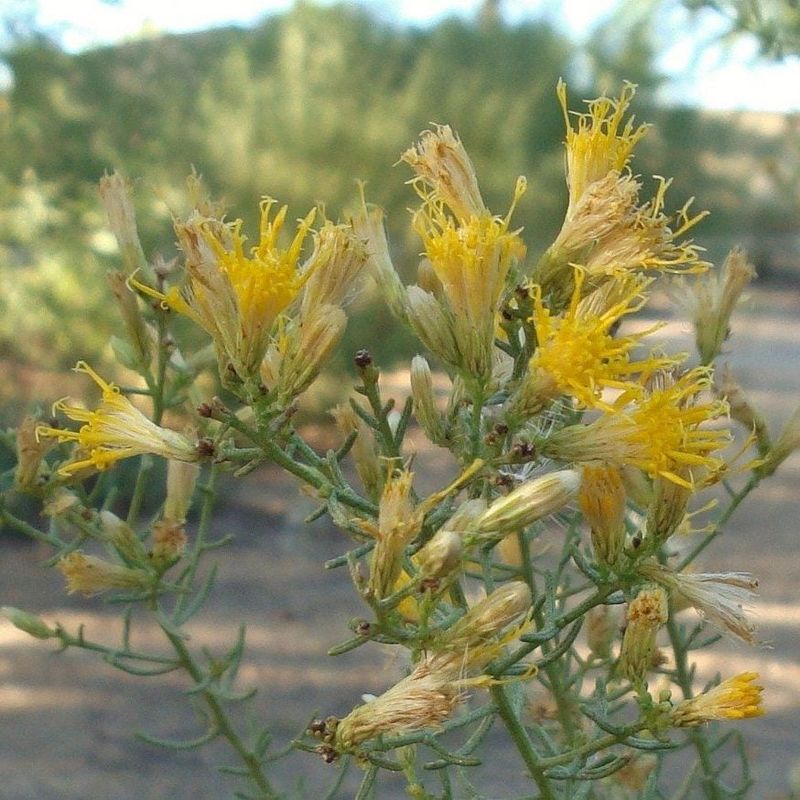
Rub a leaf between your fingers and you will immediately understand how Turpentine Bush got its name. That sharp, resinous smell is distinctive, and the plant itself is just as tough as its name suggests.
It handles drought, rocky soil, and full Arizona sun without any fuss — but it does benefit from a light seasonal trim in March to keep its shape clean and its growth productive.
By late winter, Turpentine Bush tends to develop some dry tips and a slightly open, irregular shape.
A light pruning — removing about twenty to twenty-five percent of the plant — tightens things up and encourages fresh branching before the spring growing season gets underway.
Avoid cutting back into old, completely leafless wood, since those sections are slower to recover. Focus on the green, actively growing stems.
In Arizona, Turpentine Bush is often overlooked in favor of showier native shrubs, but it earns its spot in the garden through sheer reliability.
It blooms in fall with clusters of small yellow flowers that attract native bees, and it holds its dark green color through most of the year.
Keeping it pruned in March means it stays compact and attractive rather than sprawling and woody.
For gardeners in southeastern Arizona and the higher desert elevations, Turpentine Bush is a solid performer that just needs a little seasonal attention to stay at its best.
8. Desert Lavender Responds With Fresh Silvery Growth In Spring
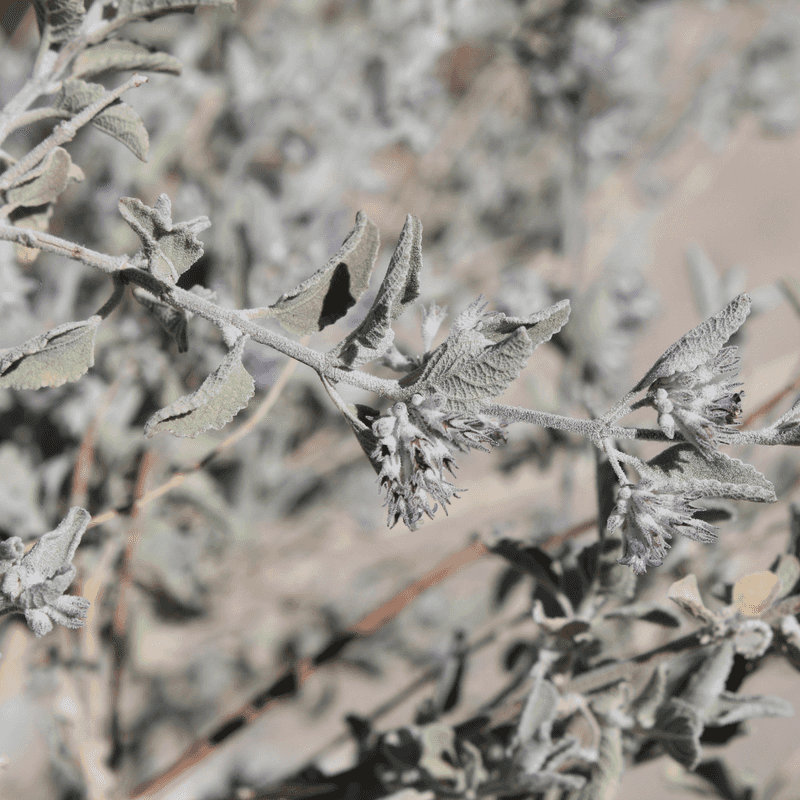
Desert Lavender is one of the most fragrant native shrubs growing in Arizona, and March pruning is one of the best ways to bring out that quality. After winter, the plant often carries a mix of old dried flower spikes and woody stems that dull its overall appearance.
Cutting back by about one-third refreshes the entire plant and triggers a flush of that soft, silvery new growth that looks so good in desert landscapes.
Use sharp bypass pruners and make clean cuts just above a leaf node or side branch. Avoid tearing or crushing the stems, which can slow healing and stress the plant.
Desert Lavender is relatively forgiving when it comes to pruning, but clean cuts always produce better results than ragged ones.
The fragrant oils in the leaves and stems are noticeable while you work, which makes this one of the more pleasant pruning tasks in any Arizona garden.
Pollinators are drawn to Desert Lavender in big numbers when it blooms, so keeping the plant healthy and well-shaped directly benefits the local bee population.
In Arizona landscapes from the Tucson basin up through the lower elevations of the Maricopa County area, Desert Lavender is a reliable shrub that earns its place near walkways and patios where its fragrance can be appreciated up close.
A consistent March trim keeps it looking its very best all season long.