The Backyard Habitat Trick That Brings More Wildlife To Oregon
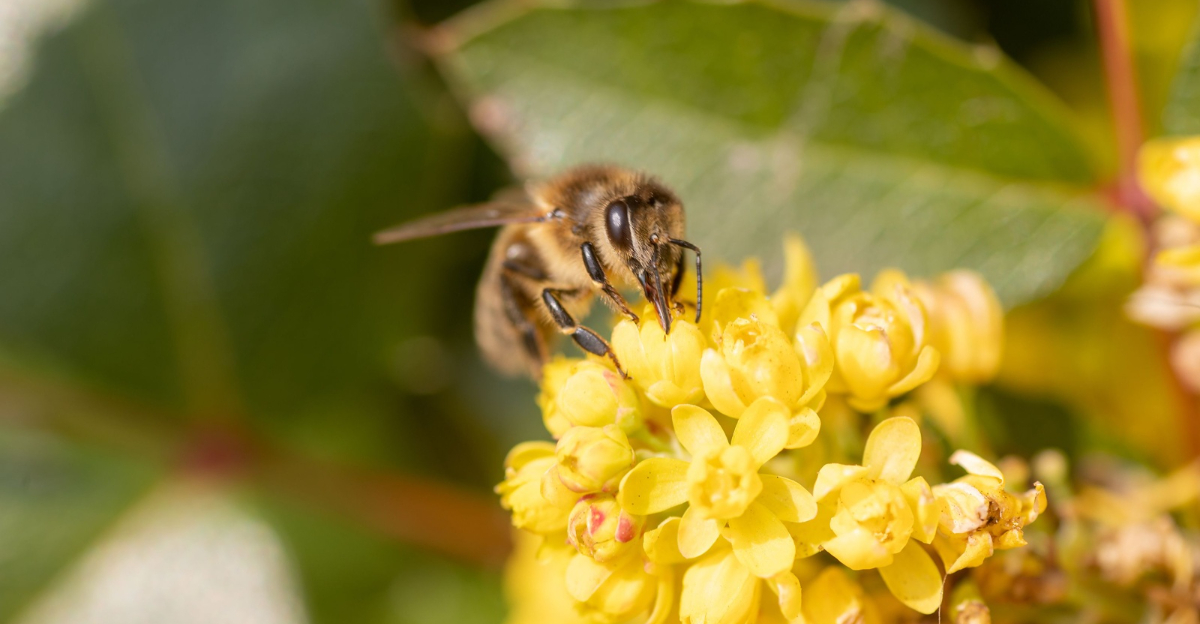
It often starts with a few birds returning or the first bumblebee drifting through, and suddenly your Oregon garden feels full of possibility again.
But just as quickly, that activity can fade when wildlife moves on in search of better conditions.
Many Oregon yards look inviting but miss the key elements animals need to stay.
The difference usually comes down to one simple shift: creating a layered, natural habitat that provides food, water, shelter, and space all in one connected system.
Once those pieces come together, your garden can become a place wildlife keeps coming back to throughout the season.
1. Native Plants Form The Foundation Of A Wildlife Habitat
Walk through any wild corner of Oregon and you will notice something that most manicured yards are missing – plants that actually belong there.
Native plants have spent thousands of years developing relationships with local insects, birds, and mammals, and that history makes them far more valuable to wildlife than ornamental imports.
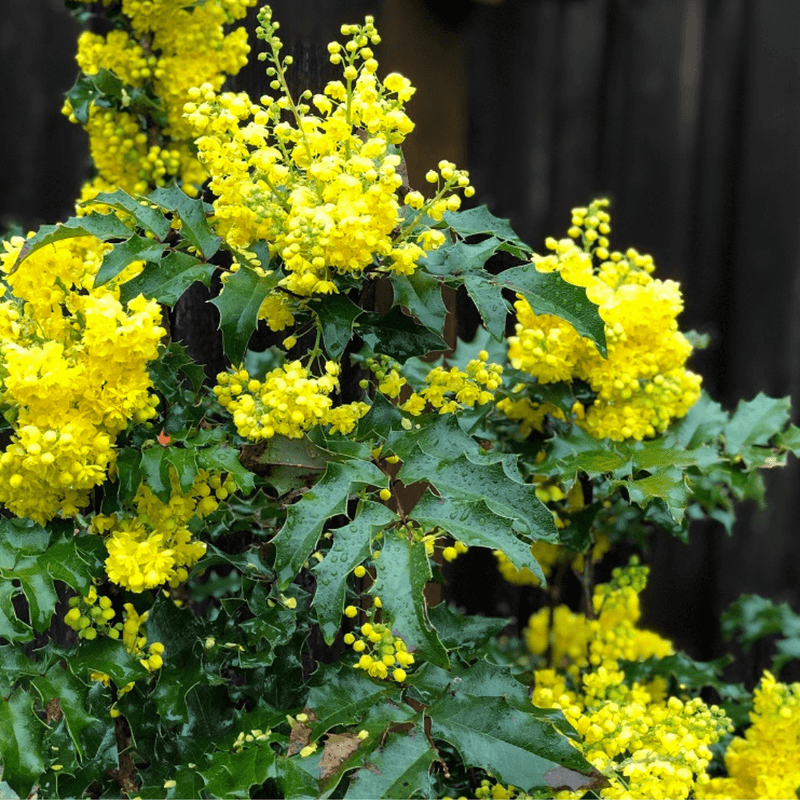
Oregon grape (Mahonia aquifolium), red-flowering currant (Ribes sanguineum), and camas (Camassia quamash) are a few standout choices that offer pollen, nectar, fruit, and seeds at different times of year.
Hummingbirds are drawn to the bright tubular flowers of red-flowering currant as early as February, which lines up perfectly with their spring migration through western Oregon.
Beyond feeding wildlife directly, native plants support the insects that birds rely on.
Research consistently shows that native oaks, willows, and native shrubs host dramatically more caterpillar species than non-native plants, and caterpillars are one of the most critical food sources for nesting birds.
When you build your habitat around natives, you are essentially restocking the local food web from the ground up.
Starting small is completely fine. Even replacing a strip of lawn with a cluster of native shrubs and wildflowers can noticeably increase insect and bird activity within a single season.
Oregon’s mild, wet winters and warm summers create ideal growing conditions for many native species that need very little maintenance once established.
2. Layered Planting Creates Food And Shelter At Every Level
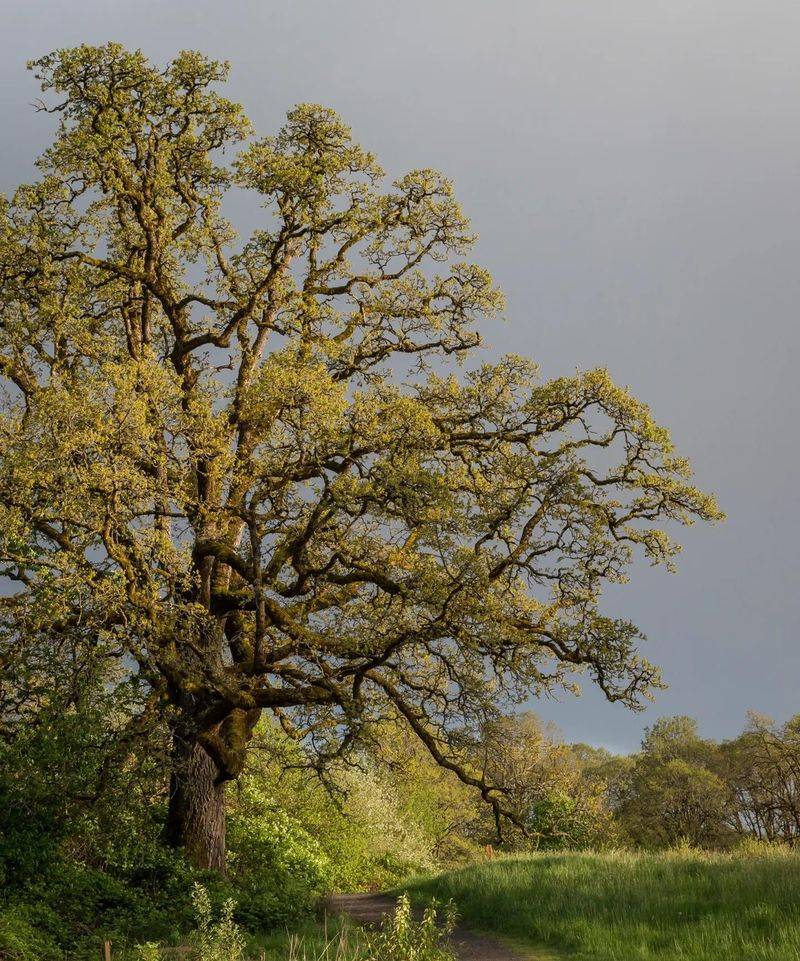
Most Oregon gardens are planted in a single flat layer – a lawn, a flower bed, maybe a tree or two at the edges. Wildlife, though, lives in three dimensions.
Birds forage at different heights, insects nest in different zones, and small mammals move through dense understory cover that most tidy gardens simply don’t provide.
Layered planting mimics the structure of Oregon’s natural forests and meadows.
Think of it as stacking your garden from the ground up: a canopy layer of taller native trees like Oregon white oak or vine maple, a shrub layer of species like snowberry or osoberry, a herbaceous layer of native wildflowers and ferns, and a ground layer of low plants and leaf litter.
Each layer serves a different group of wildlife. Warblers and chickadees hunt for insects in the shrub layer, while towhees and juncos scratch through the ground layer for seeds and bugs.
Bats and swallows work the upper airspace catching insects that rise from the vegetation below. When all the layers are present, the habitat functions like a complete system rather than just a collection of individual plants.
You don’t need a large yard to pull this off.
Even a modest Oregon backyard can support two or three vertical layers using compact native shrubs, a small understory tree, and a diverse mix of groundcover plants placed thoughtfully together.
3. Year-Round Bloom Cycles Keep Wildlife Coming Back
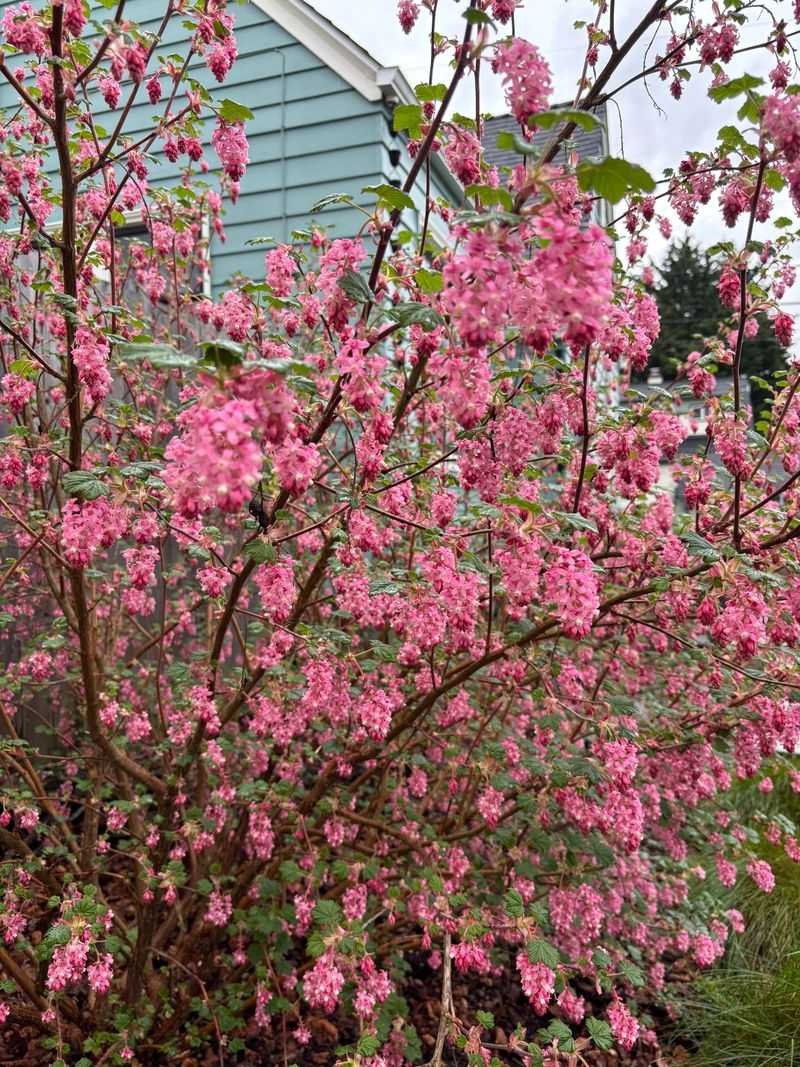
One of the quieter mistakes in garden planning is choosing plants that all bloom at the same time. When the flowers fade, so does the wildlife.
Oregon’s growing season stretches from late winter into early fall, and a well-planned habitat can keep something blooming or fruiting through almost every month of that window.
Early-season natives like red-flowering currant and Indian plum (Oemleria cerasiformis) wake up in February and March, offering critical nectar to early bumblebee queens and hummingbirds just returning from their winter range.
Mid-season plants like native penstemons, camas, and wild strawberry carry the activity through late spring and summer.
In fall, species like red osier dogwood and native asters provide late nectar and berries that help birds and insects prepare for colder months.
Fruiting shrubs deserve special attention in an Oregon habitat garden. Elderberry, serviceberry, and native rose species all produce fruit that birds like cedar waxwings, thrushes, and robins depend on heavily during migration.
Planting a mix of these alongside flowering species means your yard is offering something valuable in nearly every season.
Keeping a simple planting calendar can help you spot gaps in your bloom cycle before they happen.
Even adding one or two new native species each year gradually builds a richer, more continuous habitat that gives wildlife consistent reasons to visit and stay.
4. Fresh Water Sources Complete The Habitat Setup
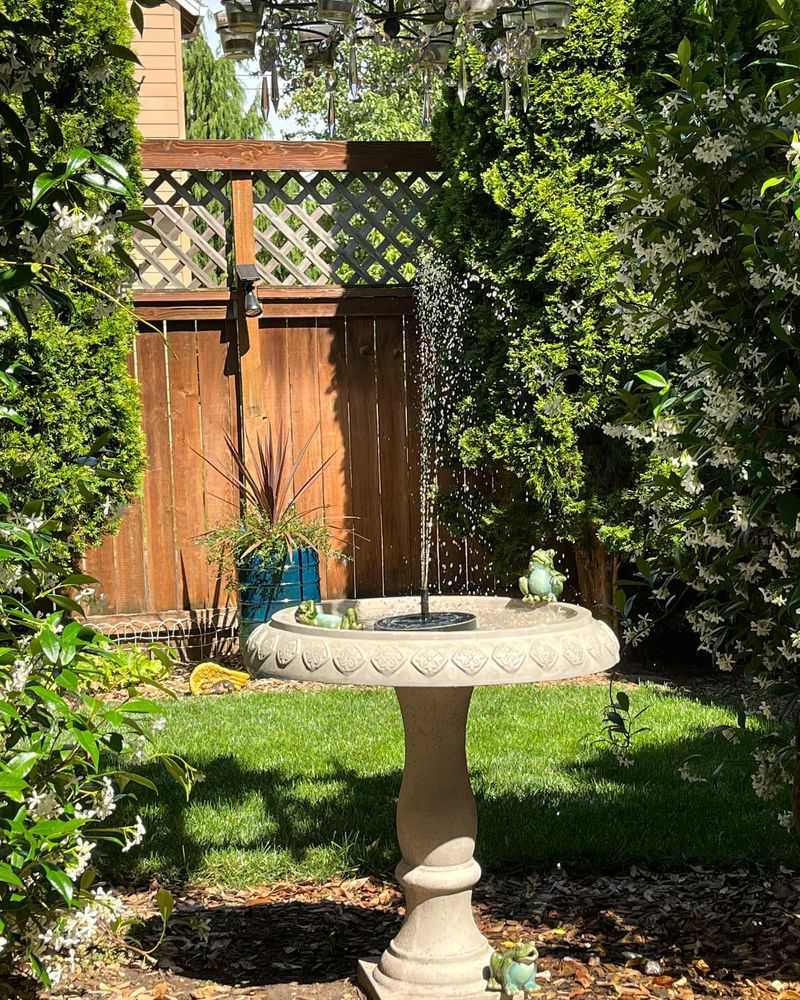
Food and shelter get most of the attention in habitat gardening, but water is just as important – and it’s often the element that’s hardest for wildlife to find in suburban Oregon neighborhoods.
A simple, reliable water source can bring more birds and insects to your yard than almost any other single addition.
Birdbaths work well as a starting point, but placement and maintenance matter more than the style of the basin.
Keeping the water clean and fresh, ideally refreshed every couple of days, helps prevent mosquito breeding and reduces the risk of spreading avian diseases.
Shallow water is better than deep – most songbirds prefer water that’s no more than two inches deep at the center.
Adding a dripper, mister, or small recirculating pump increases the appeal significantly.
Moving water catches light and creates sound that birds can detect from a distance, which is especially useful during Oregon’s dry summers when natural water sources become scarce.
Hummingbirds in particular are attracted to fine misting features that they can fly through.
For a more ambitious setup, a small backyard pond with gently sloping edges and native aquatic plants can support frogs, dragonflies, and a wide range of bird species that don’t typically visit birdbaths.
Oregon’s Pacific tree frog is a charming resident that will readily colonize even a modest garden pond if the habitat feels safe and undisturbed.
5. Dense Shrubs Provide Safe Cover And Nesting Spots
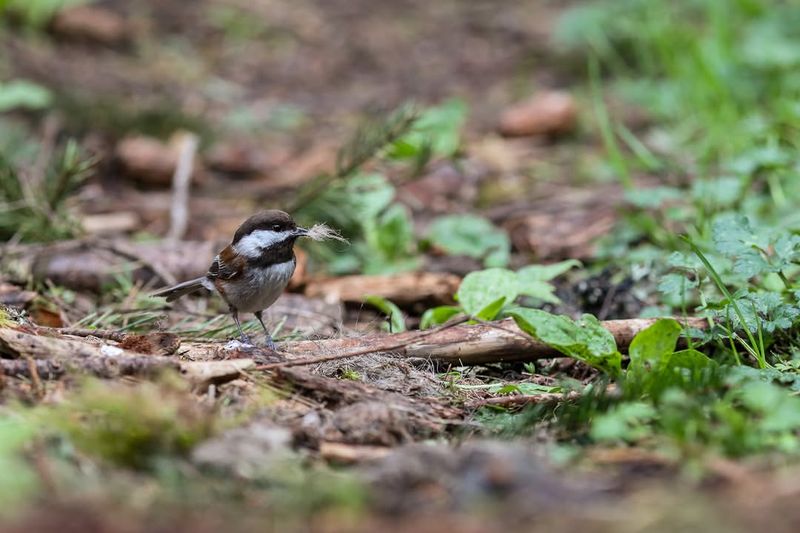
Seeing a bird in your yard is satisfying, but getting birds to nest there is a whole different level of habitat success.
Nesting requires something most ornamental gardens don’t offer – dense, protected shrubs where birds feel genuinely safe from predators and weather.
Native shrubs like snowberry (Symphoricarpos albus), nootka rose (Rosa nutkana), and red twig dogwood (Cornus sericea) form exactly the kind of thickets that Oregon’s song sparrows, spotted towhees, and yellow warblers prefer for nesting.
These shrubs grow densely enough to hide a nest from most predators while still allowing birds easy access from multiple angles.
Planting shrubs in clusters rather than as isolated specimens creates a more effective refuge. A group of three to five shrubs planted close together provides the interior shelter that single plants simply can’t offer.
Birds like the dark-eyed junco, which nests on or near the ground, also benefit from shrub clusters that break up open sightlines and give them a quick escape route.
Avoid pruning these shrubs heavily in spring and early summer, which is peak nesting season in Oregon. Waiting until late summer or early fall to do any major trimming gives nesting birds the full season to raise their young undisturbed.
A little less tidiness in the garden can translate directly into more successful wildlife families calling your yard home.
6. Undisturbed Areas Support Insects And Soil Life
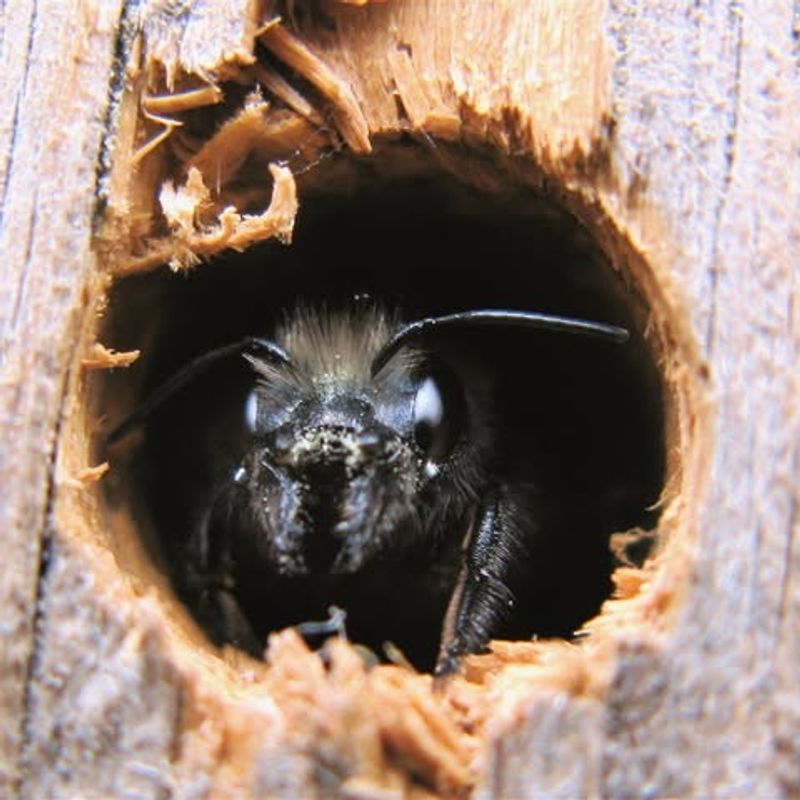
There’s a version of a wildlife habitat that looks almost like neglect – a corner where stems are left standing through winter, where soil isn’t turned every season, and where a log sits quietly on the ground going soft.
That corner is often the most ecologically active spot in the entire yard.
Many of Oregon’s native bee species are ground-nesters, meaning they lay their eggs in undisturbed patches of bare or lightly covered soil. Others nest in hollow plant stems and old wood.
When every inch of a garden is cultivated, raked, and turned over, these nesting sites disappear and the bee populations that depend on them quietly decline with them.
Leaving a section of your yard in a more natural state doesn’t require much planning – it mostly requires resisting the urge to clean everything up.
Hollow stems from plants like native sunflowers, yarrow, and joe-pye weed can be left standing through winter to shelter overwintering native bees and other beneficial insects.
A small brush pile in a back corner provides cover for lizards, ground beetles, and small mammals like shrews.
Oregon’s rich insect diversity is genuinely one of the Pacific Northwest’s ecological treasures, and much of that diversity depends on having places to shelter and reproduce.
Giving even a small section of your yard over to a less-managed state can support dozens of insect species that in turn feed the birds, bats, and other wildlife you’re hoping to attract.
7. Reducing Chemical Use Protects The Entire Habitat
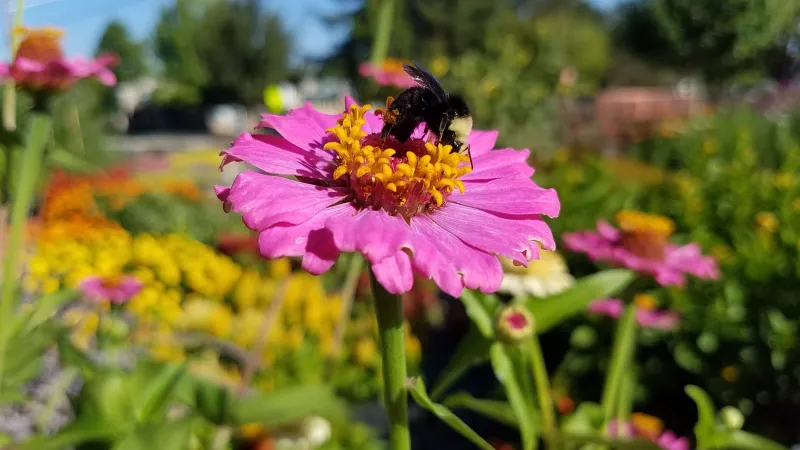
Building a habitat full of native plants, water, and shelter only to spray pesticides through it is a bit like setting up a bird feeder and then removing all the seeds.
Chemicals intended to remove pest insects rarely stop there – they move through the food chain in ways that can harm the very wildlife a habitat is designed to support.
Systemic insecticides like neonicotinoids are particularly concerning for Oregon’s pollinators.
These chemicals are absorbed into plant tissue, including pollen and nectar, meaning that bees and other pollinators can be exposed even when a plant looks healthy and untreated.
The effects can include disorientation, reduced reproduction, and colony decline in social bee species like bumblebees.
Herbicides used to control weeds can eliminate native plant seedlings along with the target species and may reduce the diversity of ground-level plants that insects and small birds depend on.
Synthetic fertilizers, while not directly toxic, can encourage aggressive non-native plants to outcompete the native species you’re trying to establish.
Switching to organic practices – hand-pulling weeds, using compost instead of synthetic fertilizer, and tolerating a reasonable level of insect damage on plants – creates a much safer environment for the habitat’s residents.
Many Oregon gardeners find that once a native plant community establishes itself, pest pressure naturally decreases as beneficial predatory insects like ground beetles, lacewings, and parasitic wasps increase in number.
8. Leaf Litter And Natural Debris Build A Living Ecosystem
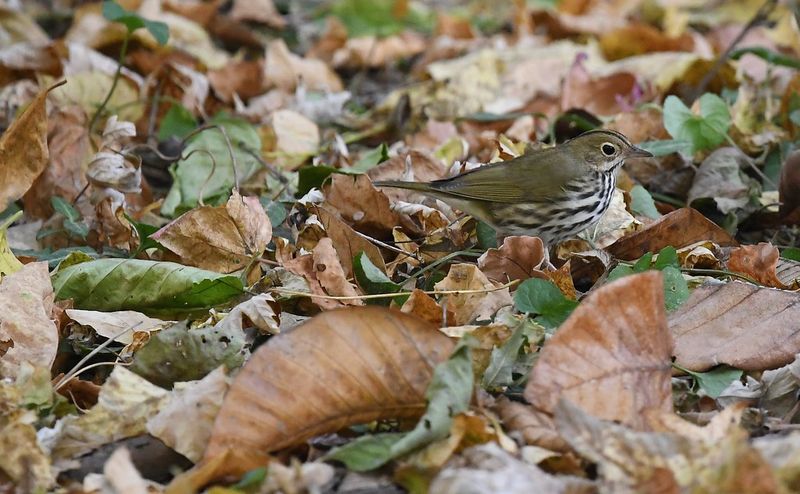
Every fall, Oregon yards produce something remarkably valuable that most homeowners bag up and haul to the curb – leaf litter.
That layer of fallen leaves, twigs, and organic debris sitting under your trees and shrubs is one of the most biologically active places in any habitat garden, and removing it strips the ecosystem of a foundation it genuinely needs.
Salamanders, ground beetles, centipedes, and a wide range of decomposer insects live in and under leaf litter, breaking down organic material and cycling nutrients back into the soil.
These small creatures form the base of a food chain that supports larger animals – thrushes like the Swainson’s and hermit thrush are well known for flipping through leaf litter in search of invertebrates during their migration through Oregon each fall.
Leaving leaves in place under shrubs and at the base of native plantings also suppresses weeds naturally and helps soil retain moisture through Oregon’s dry summers.
Rather than a tidy mulch, a natural layer of mixed leaf litter provides the varied texture and moisture levels that soil organisms and ground-nesting insects prefer.
You don’t have to let leaves pile up across the entire yard. Even keeping a few leaf-deep pockets under shrubs or along a fence line gives the decomposer community enough space to thrive.
Over time, this living layer of debris builds richer, more biologically complex soil that benefits every plant and animal in the habitat above it.