The Balcony Container Plants That Handle Arizona’s Heat Waves Best
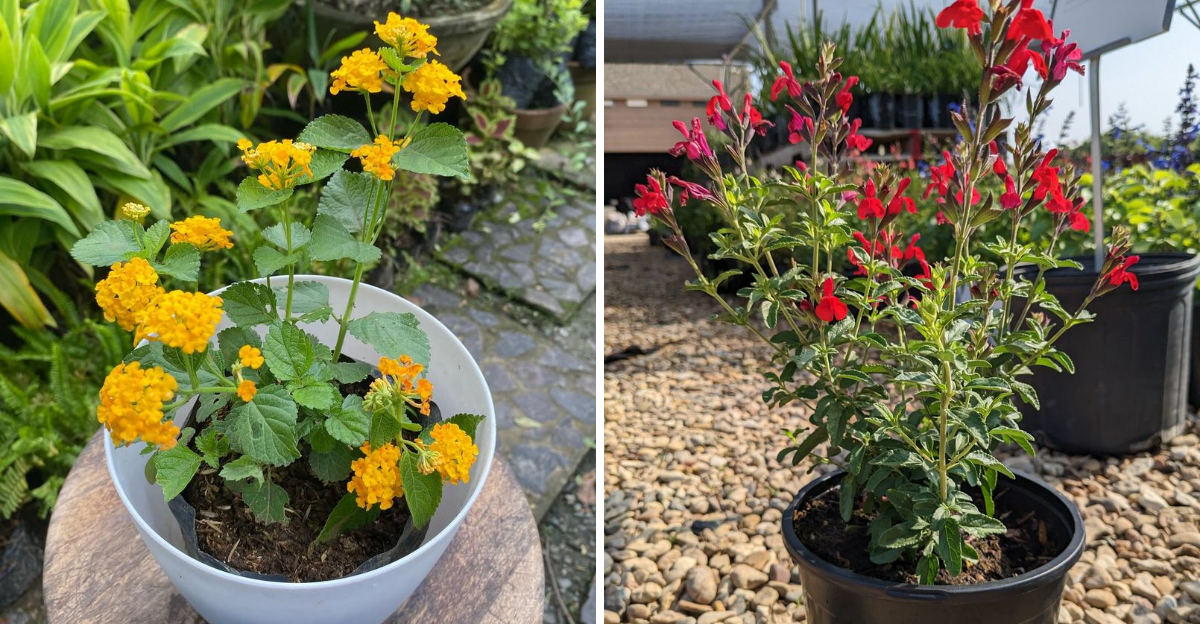
Arizona balconies can turn brutally hot once summer settles in. Concrete reflects heat, containers dry out fast, and many plants struggle to keep up with the intense sun.
Still, some plants handle those conditions far better than others. The right container choices can keep a balcony looking lively even when temperatures climb and the air feels relentless.
These plants are known for tolerating strong sunlight, dry air, and the kind of heat that sends more delicate varieties into decline.
Once established, many continue blooming or holding their color while asking for surprisingly little attention.
A few well-chosen pots can turn a harsh balcony into a small, vibrant retreat that still looks good through the toughest heat waves Arizona throws at it.
1. Bougainvillea Thrives In Full Sun
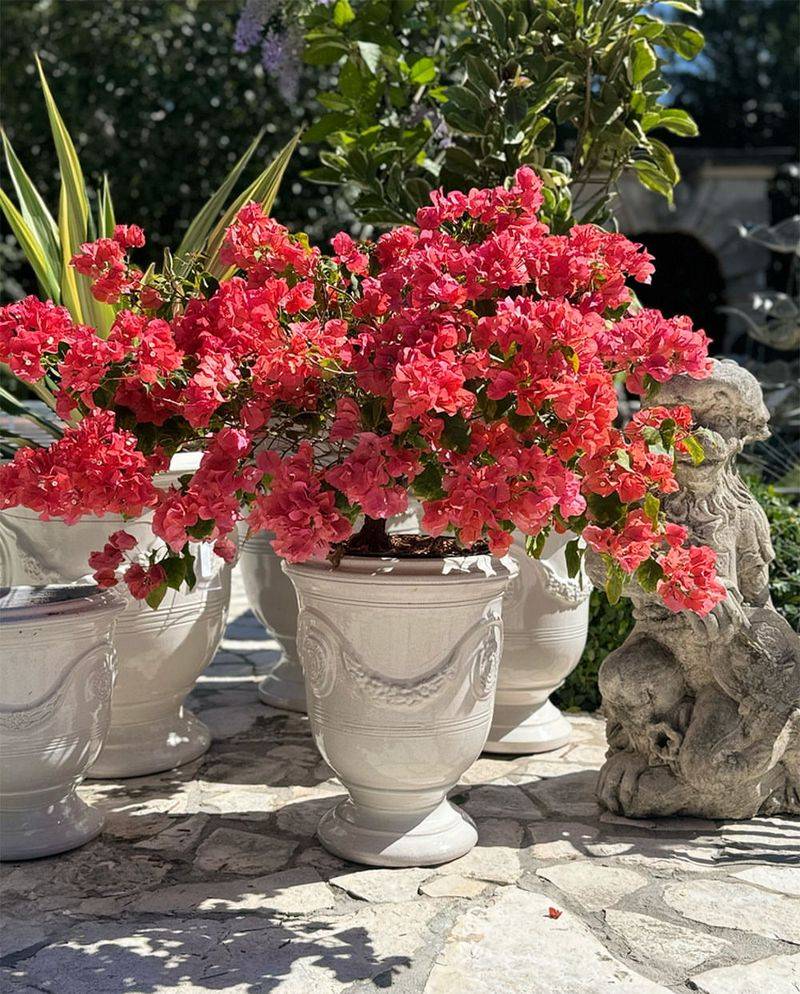
Walk through any neighborhood in Tucson or Scottsdale and you’ll spot bougainvillea practically everywhere. There’s a reason for that — this plant was practically built for Arizona’s scorching summers.
In containers, bougainvillea needs a few things to really perform: full sun all day, a pot with excellent drainage, and soil that dries out between waterings.
Once it settles in, it rewards you with waves of papery blooms in electric shades of magenta, coral, red, or orange.
Cutting back on water actually triggers more blooming, which feels counterintuitive but absolutely works.
Keep it in a large, sturdy container because the roots need room and the plant can get top-heavy. Light-colored pots help prevent roots from overheating on a blazing Arizona balcony.
Fertilizing once a month during the growing season keeps the color coming strong.
Bougainvillea does have thorns, so handle it with gloves during pruning. Regular trimming after each bloom cycle keeps the shape tidy and encourages the next round of flowers.
It’s not fussy about much else. Through heat waves that knock out almost everything else on the balcony, bougainvillea just keeps going, making it a cornerstone plant for anyone serious about Arizona container gardening.
Let the soil dry slightly between waterings to keep the roots healthy and encourage stronger blooming. With plenty of sun and occasional pruning, bougainvillea can stay colorful and vigorous on an Arizona balcony for most of the year.
2. Lantana Keeps Blooming Through Intense Heat
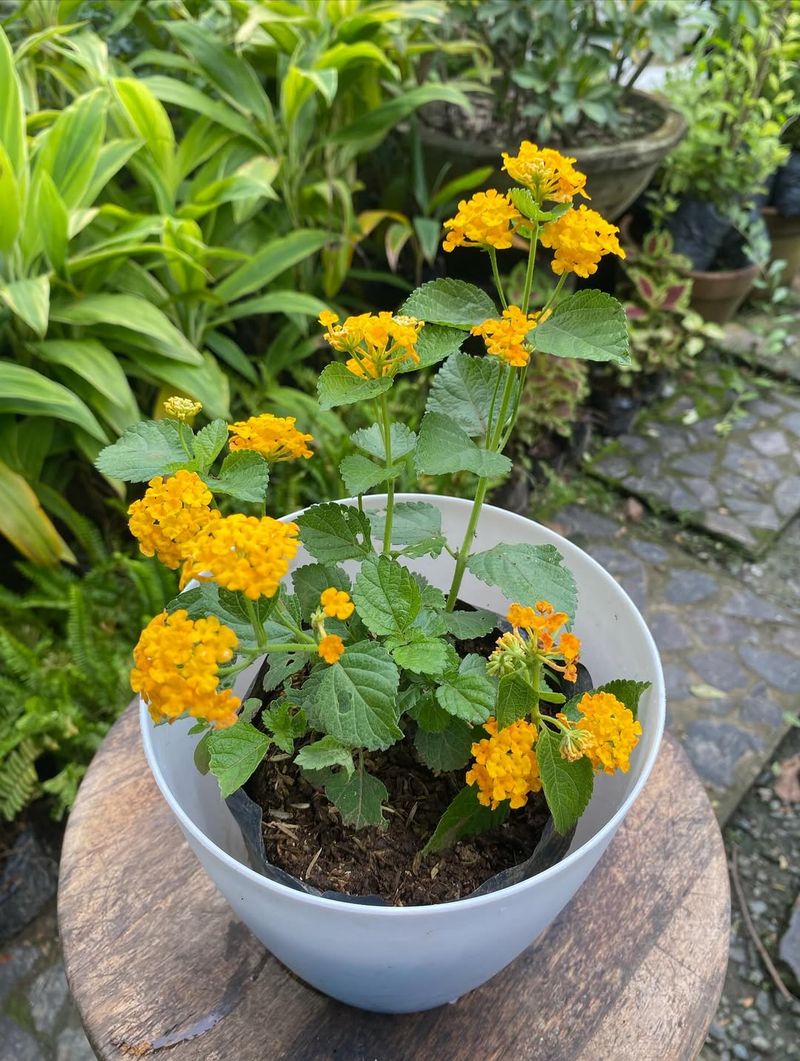
Lantana is one of those plants that seems to get better the hotter it gets. In Arizona, where summer afternoons hit brutal highs, lantana keeps pushing out clusters of tiny blooms in shades of orange, yellow, pink, and red without missing a beat.
Plant it in a container with good drainage and set it where it gets full sun. Sandy or gritty potting mix works better than anything heavy or moisture-retaining.
Overwatering is actually the bigger risk here — lantana prefers to dry out between waterings rather than sit in soggy soil.
Butterflies absolutely love it, so expect some lively visitors on your balcony. Deadheading spent blooms helps encourage fresh flower clusters, though lantana is pretty forgiving even if you skip a week.
Trim it back occasionally if it starts getting leggy.
One thing worth knowing: the foliage has a strong, slightly pungent smell when you brush against it. Some people enjoy it, others don’t.
Either way, it won’t stop this plant from being one of the most reliable performers on any Arizona balcony during peak heat season. Few plants match its combination of color, toughness, and wildlife appeal.
Give the container a deep watering, then allow the top layer of soil to dry before watering again. Too much water can slow blooming and make the plant grow more leaves than flowers.
With strong sun and occasional trimming, lantana keeps looking full and colorful even through the toughest Arizona heat.
3. Portulaca Blooms Even In Scorching Afternoons
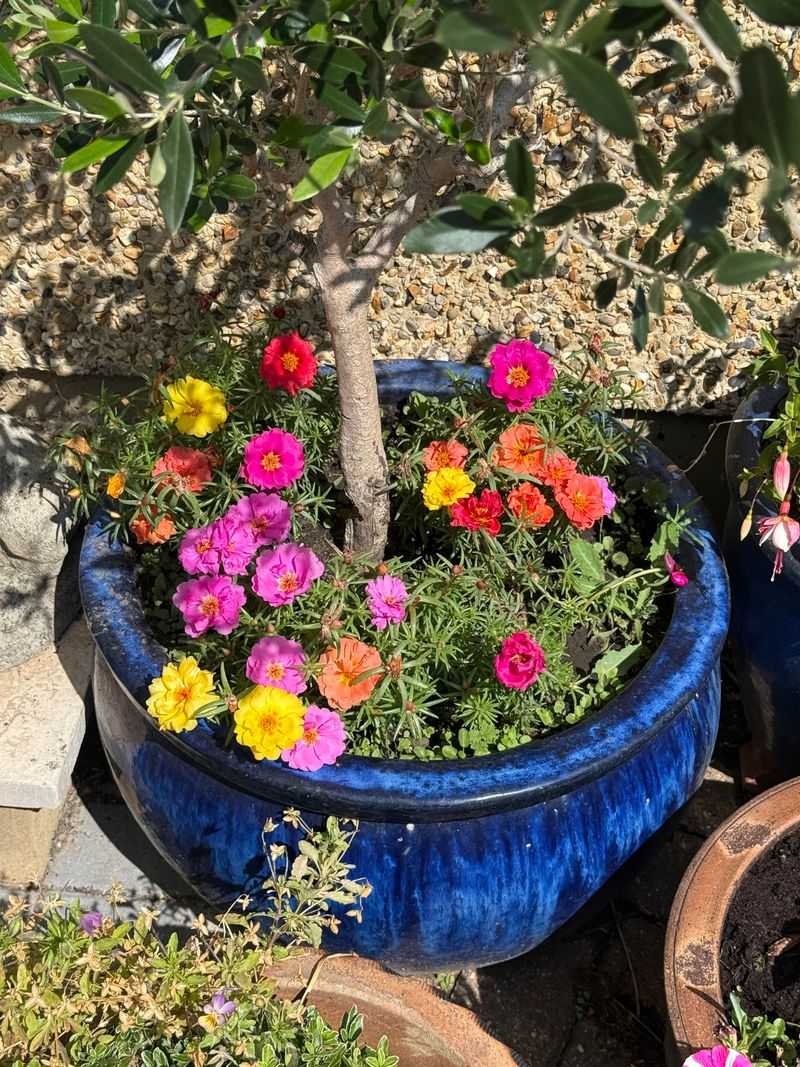
Portulaca, sometimes called moss rose, is almost shockingly tough for how delicate its blooms look. In Arizona, where afternoon temperatures can fry most annuals, portulaca opens its cheerful flowers right in the thick of the heat.
Its thick, succulent leaves store water efficiently, which means it can handle dry spells without drama. Plant it in a shallow container with fast-draining cactus mix, water it lightly, and then mostly leave it alone.
Overwatering will cause problems far faster than underwatering ever will with this plant.
Colors range from hot pink and magenta to yellow, orange, cream, and red — sometimes all in the same pot if you grab a mixed variety pack. Blooms close at night and on cloudy days, which is just how portulaca works.
On a bright Arizona morning, those flowers pop right back open.
Spacing matters a little in containers. Give each plant a few inches of room so air can move around the stems.
Portulaca spreads and fills gaps nicely without getting out of control. It doesn’t need deadheading, which makes it genuinely easy to manage.
For balconies in Phoenix or Mesa where afternoon sun is relentless, portulaca handles that punishment better than almost anything else in a pot.
Because it thrives in heat and bright sun, portulaca rarely struggles during the peak of Arizona summer. Even when temperatures climb well past one hundred degrees, it keeps blooming without much extra care.
4. Plumbago Survives Dry Spells With Ease
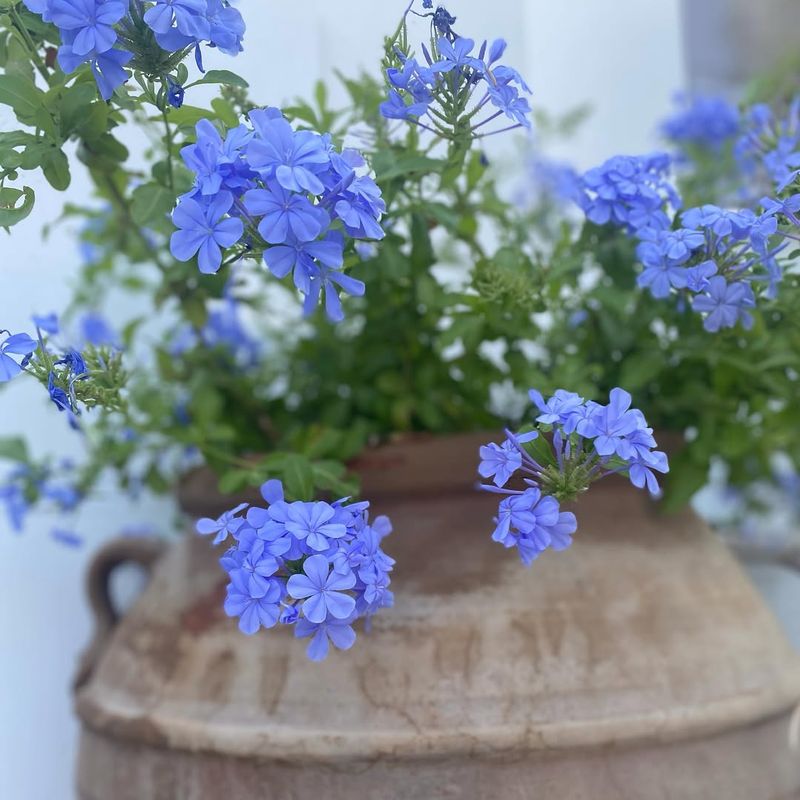
That cool, powdery blue color plumbago produces stands out on any balcony, and in Arizona’s sea of dusty tans and browns, it’s genuinely refreshing.
Beyond the looks, plumbago is one tough shrub that handles heat and irregular watering without throwing a fit.
In containers, it does best with morning sun and some afternoon shade, especially during the peak summer months in Arizona. Full afternoon exposure can scorch the foliage, so positioning matters.
A spot on the east-facing side of a balcony tends to work really well.
Water it when the top inch or two of soil feels dry. Plumbago won’t fall apart if you forget for a few days, but consistent watering during the hottest weeks keeps it looking its best.
Use a well-draining potting mix and a container with drainage holes — standing water at the roots is the one thing that will cause real trouble.
Fertilize every four to six weeks through summer with a balanced fertilizer. Plumbago grows quickly and can get rangy, so pinching back the tips keeps it bushy and full.
Butterflies are drawn to the blooms, and in Arizona’s monsoon season, the plant tends to surge with fresh growth. Few container plants offer that shade of blue alongside this level of heat resilience.
Light pruning after each flush of blooms helps encourage another round of flowers. With a little shaping now and then, plumbago stays compact and colorful through much of the warm season.
5. Autumn Sage Attracts Hummingbirds All Summer
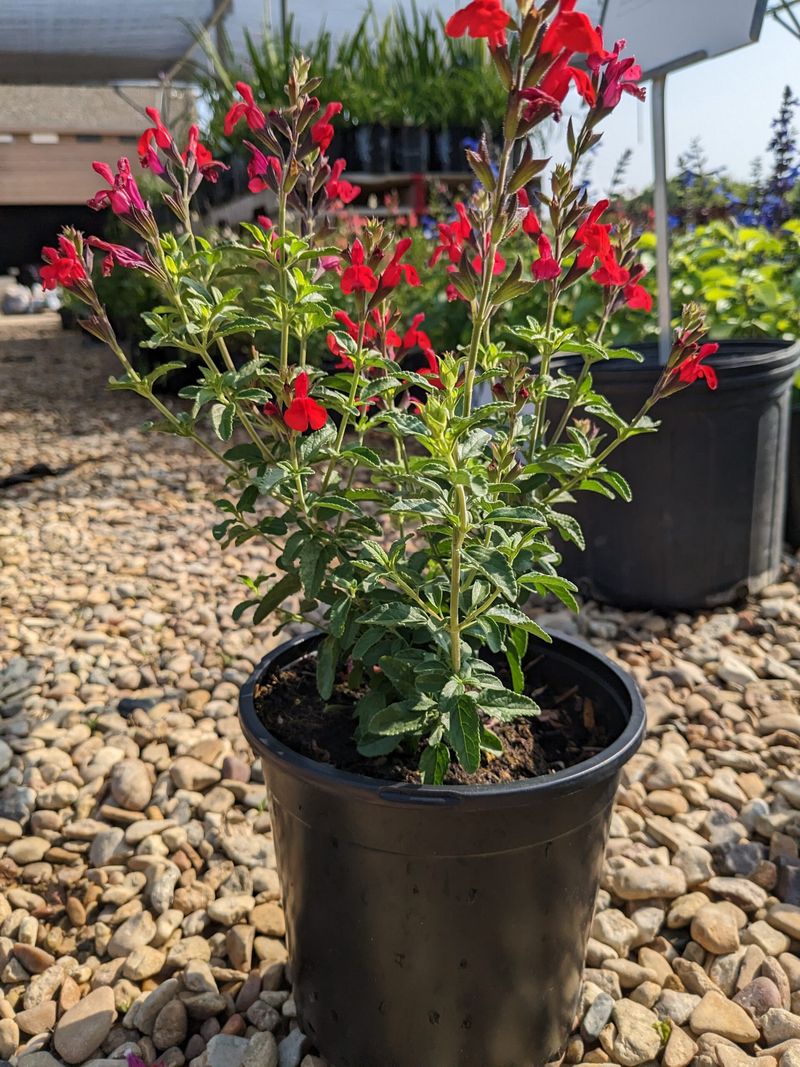
Hummingbirds show up like clockwork whenever autumn sage is in bloom. For Arizona balcony gardeners, that’s a serious perk — watching a hummingbird hover just a few feet away while you’re sipping coffee is hard to beat.
Autumn sage is a native-friendly salvia that handles desert heat with zero drama. It blooms in waves of red, coral, or pink from spring straight through fall, pausing only briefly between flushes.
In containers, it needs full sun and a well-draining mix. Water it deeply but allow the soil to dry out before the next watering cycle.
Size-wise, expect it to reach about two feet in a container. A five-gallon pot is usually enough room for a single plant to establish comfortably.
Cutting stems back by about a third after each bloom cycle triggers the next round of flowers pretty quickly.
Autumn sage handles the kind of heat waves that roll through Phoenix and Tucson each July without showing much stress. The foliage stays aromatic and the stems stay upright even when temperatures are punishing.
It doesn’t need much fertilizer — a light feeding in spring and again mid-summer is sufficient. For attracting wildlife and keeping color going through Arizona’s brutal summer months, this plant earns its spot on the balcony every single year.
Give it good air circulation so the plant stays healthy during humid monsoon periods. Removing a few older stems each season also helps keep the plant from becoming woody.
6. Desert Zinnia Brightens Pots In Strong Sun
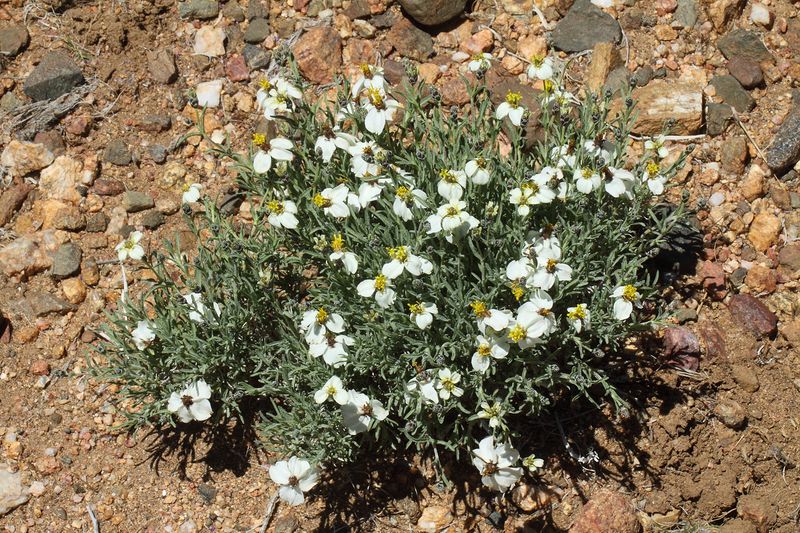
Desert zinnia brings that burst of golden yellow that looks almost painted against Arizona’s intense blue summer skies. Unlike common garden zinnias that struggle in triple-digit heat, desert zinnia is adapted to exactly these conditions and doesn’t flinch in the sun.
It’s a compact plant, typically staying under a foot tall in containers, which makes it ideal for balconies where space is tight. Plant it in a fast-draining cactus or sandy mix, water it sparingly, and let the sun do the rest.
Overwatering is genuinely the main mistake people make with this plant in Arizona.
Butterflies flock to the cheerful yellow blooms, adding movement and life to the balcony. Blooms appear from late spring and keep coming through early fall if you deadhead regularly.
Snipping off spent flowers takes about two minutes and makes a noticeable difference in how long the show lasts.
Desert zinnia is also incredibly drought-adapted, pulling from deep root systems even in containers once it gets settled. During Arizona’s monsoon season, it actually surges with fresh energy as the humidity briefly increases.
Pair it with blue plumbago or red lantana in nearby pots for a striking color contrast. For a no-fuss, sun-loving container plant that earns its keep all summer in Arizona, desert zinnia is a smart, underused choice worth trying.
7. Texas Sage Stays Vibrant In Heat Waves
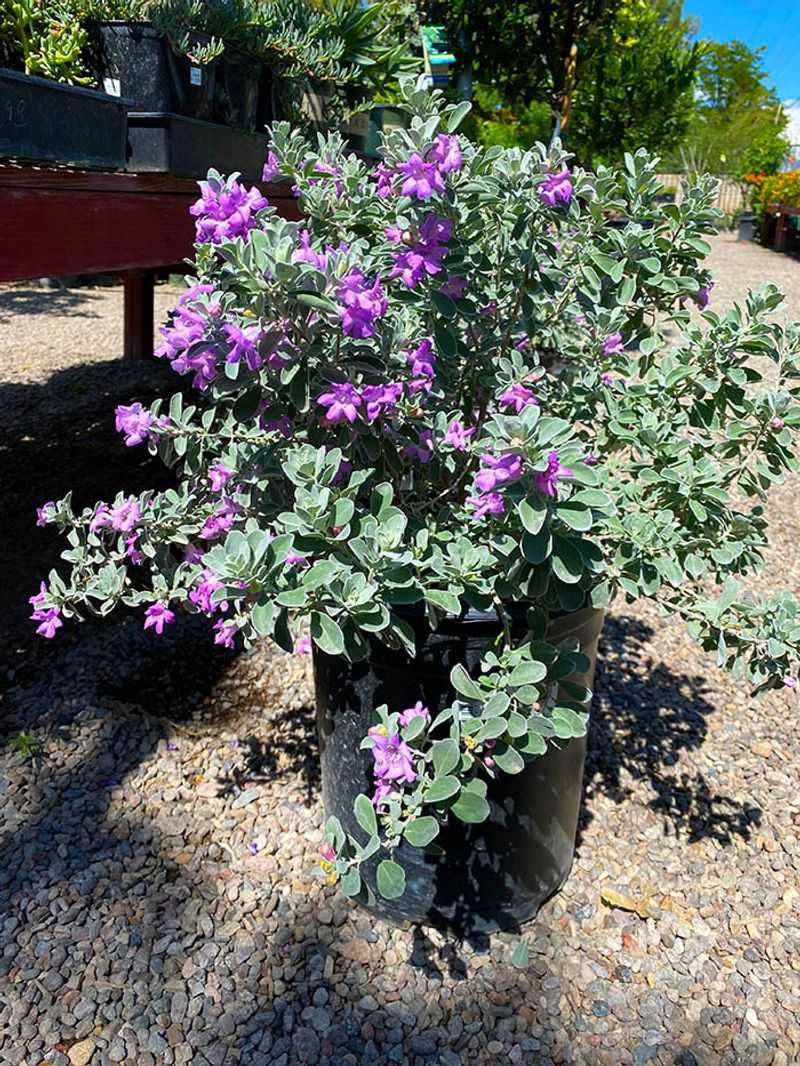
Right before Arizona’s monsoon rains arrive, Texas sage bursts into purple bloom almost overnight — locals actually call it a “barometer bush” because the blooms predict incoming moisture. On a balcony, that seasonal display is genuinely spectacular.
Beyond the dramatic bloom cycles, Texas sage earns its place as a year-round container plant through its silver-gray foliage, which stays attractive even between flowering periods.
In Arizona’s blazing summer sun, that silvery color reflects heat and keeps the plant looking cool and polished when everything else around it looks stressed.
Use a large container — at least seven to ten gallons — because Texas sage develops a substantial root system. Sandy, well-draining soil is essential.
Water it infrequently and deeply rather than giving it small frequent sips. In the hottest months in Phoenix, once a week is usually enough.
Skip heavy fertilizing. Too much nitrogen pushes leafy growth at the expense of flowers.
A light application of slow-release fertilizer in early spring is all it really needs. Pruning after bloom cycles keeps the shape tidy without stressing the plant.
Texas sage is also remarkably unbothered by reflected heat from walls and railings, which is a common problem on Arizona balconies. For reliable structure, seasonal drama, and zero fuss through brutal summers, few container shrubs match what Texas sage delivers.
8. Verbena Canadensis Trails Beautifully In Pots
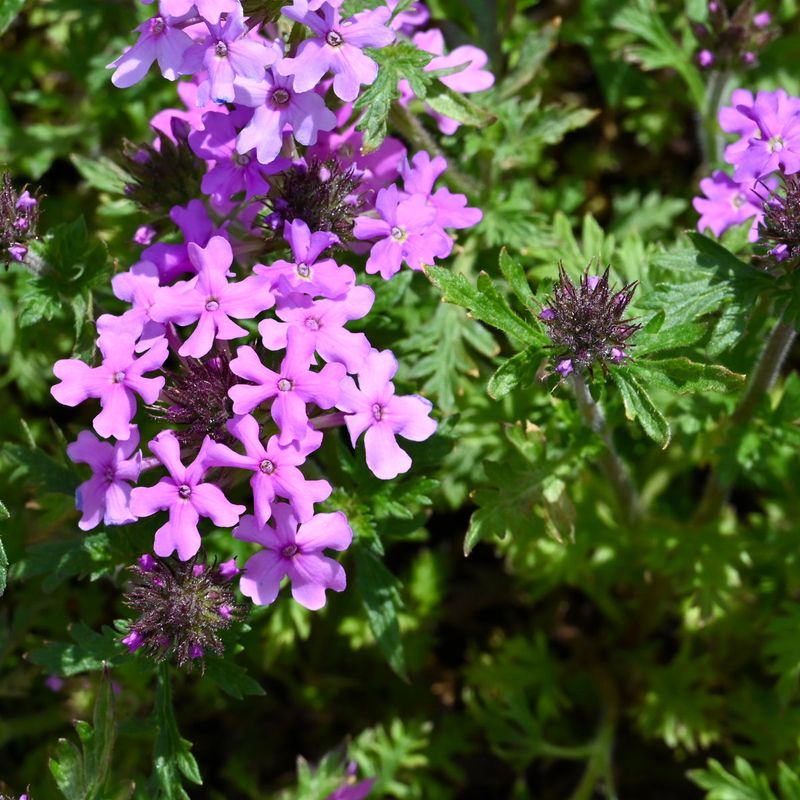
Trailing verbena has a way of softening a balcony that nothing else quite replicates. Stems spill over the edges of pots in cascades of rose-purple, lavender, or pink, and the blooms just keep coming through Arizona’s long, hot summers.
Verbena canadensis specifically handles heat better than many of the hybrid verbenas sold at garden centers. It’s more drought-adapted, more resilient in containers, and less prone to the powdery mildew that sometimes plagues other verbena varieties.
Full sun all day suits it perfectly on an Arizona balcony.
Water it when the top inch of soil dries out. During the peak of summer in Tucson or Phoenix, that might mean every two to three days in smaller pots.
Hanging baskets dry out faster than floor containers, so check those more frequently. A balanced liquid fertilizer every three weeks keeps the blooms coming in strong waves.
Trim stems back by about a third if the plant starts to look stretched or tired. Within a week or two, fresh growth emerges with new flower buds ready to open.
Pair trailing verbena with upright plants like autumn sage or Texas sage for a layered look that adds real visual depth to a balcony space.
For color, movement, and a relaxed, flowing aesthetic through Arizona’s intense summer heat, Verbena canadensis consistently delivers.