The Balcony Micro-Garden Idea That’s Catching On Fast In New York
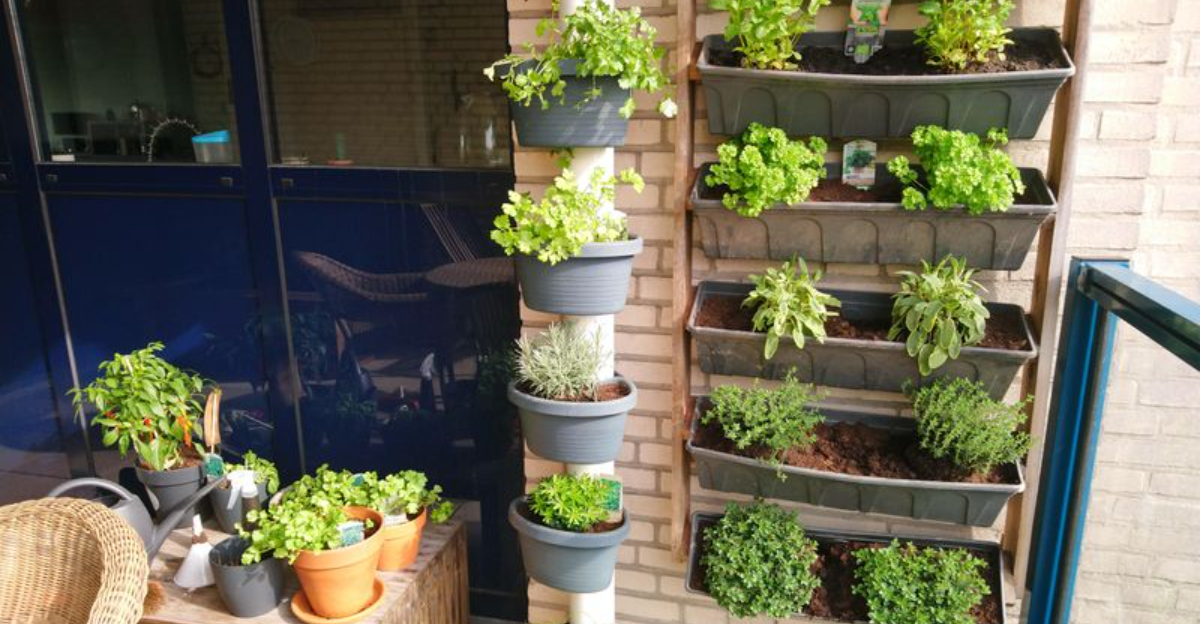
New York residents are turning their balconies into micro-gardens that feel playful and creative, giving small city spaces a burst of green energy.
Gardeners often grab tiny pots, slim planters, and hanging containers to build layered setups that make the most of every inch.
A balcony suddenly feels brighter once a few plants settle in, and the whole space gains a cozy charm that encourages people to step outside more often.
1. Vertical Planters Save Space
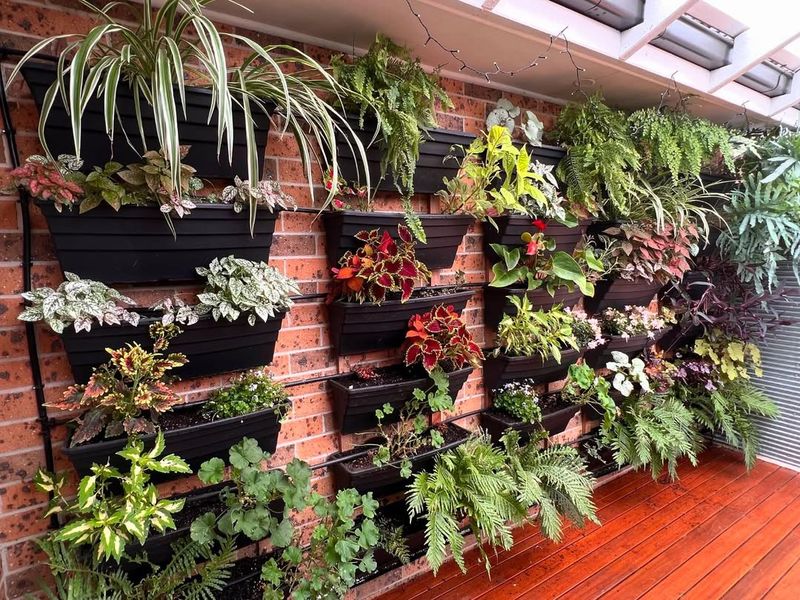
Apartment dwellers across New York have discovered that vertical planters allow them to grow more plants without taking up precious floor space on tiny balconies.
Wall-mounted systems and hanging structures let residents stack multiple layers of herbs, lettuce, and strawberries in areas that would otherwise remain empty and unused.
Many gardeners in the state find that vertical setups can hold three times as many plants compared to traditional horizontal arrangements on small surfaces.
These space-saving designs work perfectly for people who want fresh basil, mint, and tomatoes but only have a narrow balcony or fire escape available.
Installation is simple because most vertical planters attach securely to railings or walls using hooks, brackets, or tension rods that require no drilling or damage.
New Yorkers love how these systems turn boring walls into living green artwork that produces actual food they can harvest and enjoy with their families.
Vertical gardening has become a creative solution that maximizes every square inch of outdoor space in crowded city neighborhoods throughout the state.
2. Container Gardening Offers Flexibility
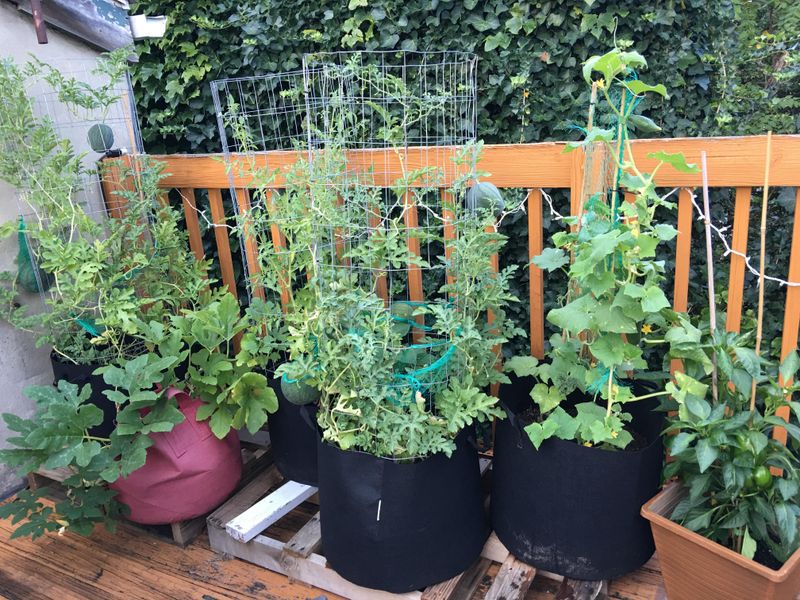
Container gardening has exploded in popularity because it gives New York residents complete control over their plants, soil quality, and garden layout on small balconies.
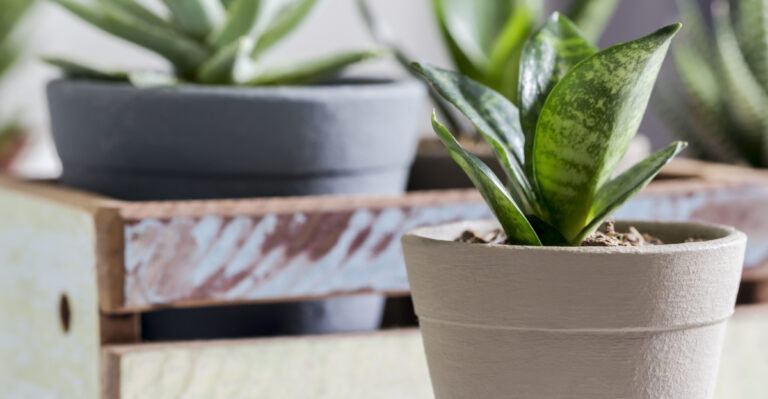
Pots and containers come in countless sizes, shapes, and colors, allowing gardeners to customize their space while growing everything from peppers to flowers in portable vessels.
Residents across the state appreciate that containers can be easily moved to follow sunlight patterns or brought indoors when harsh weather threatens delicate plants.
This flexibility means beginners can start with just a few pots and gradually expand their collection as they gain confidence and experience with different varieties.
Many New Yorkers enjoy experimenting with colorful ceramic pots, recycled buckets, or even old crates that add personality and charm to their outdoor areas.
Container gardening also prevents soil-borne diseases from spreading between plants since each one lives in its own separate environment with fresh potting mix inside.
Urban gardeners find that this method works beautifully for growing compact vegetables like cherry tomatoes, radishes, and salad greens throughout the growing season.
3. Herb Gardens Provide Fresh Flavors
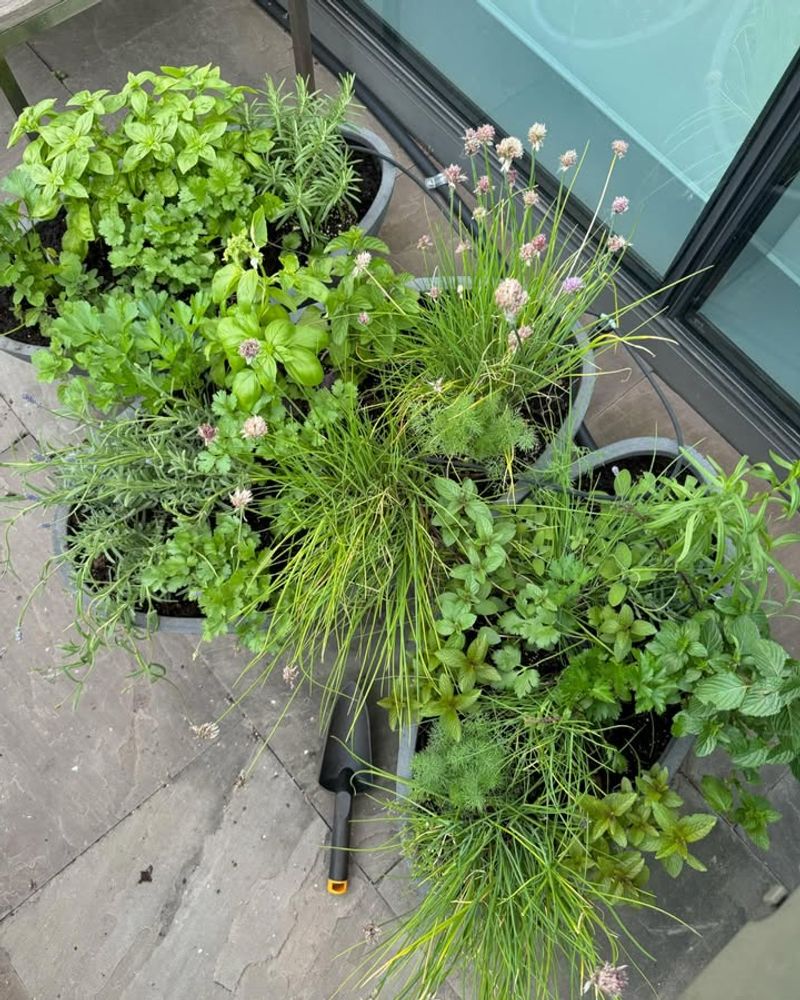
Fresh herb gardens have become incredibly popular among New York cooks who want to add amazing flavors to their meals without spending money at expensive grocery stores.
Basil, cilantro, parsley, and mint grow quickly on sunny balconies, providing endless supplies of aromatic leaves that taste far better than dried store-bought versions from supermarkets.
Many residents in the state plant multiple herb varieties in small pots arranged along railings or windowsills where they receive adequate sunlight throughout the day.
Growing your own herbs means you can snip exactly what you need for recipes without wasting entire bunches that spoil before you use them completely.
Herb gardens require minimal care compared to vegetables, making them perfect for busy New Yorkers who want gardening success without dedicating hours to maintenance tasks.
Popular choices include oregano, thyme, and chives, which are hardy plants that tolerate occasional neglect and still produce flavorful leaves for cooking Italian and Mediterranean dishes.
The wonderful scents from these plants also make balconies smell amazing and attract beneficial pollinators like bees and butterflies to urban neighborhoods.
4. Community Support Groups Share Tips
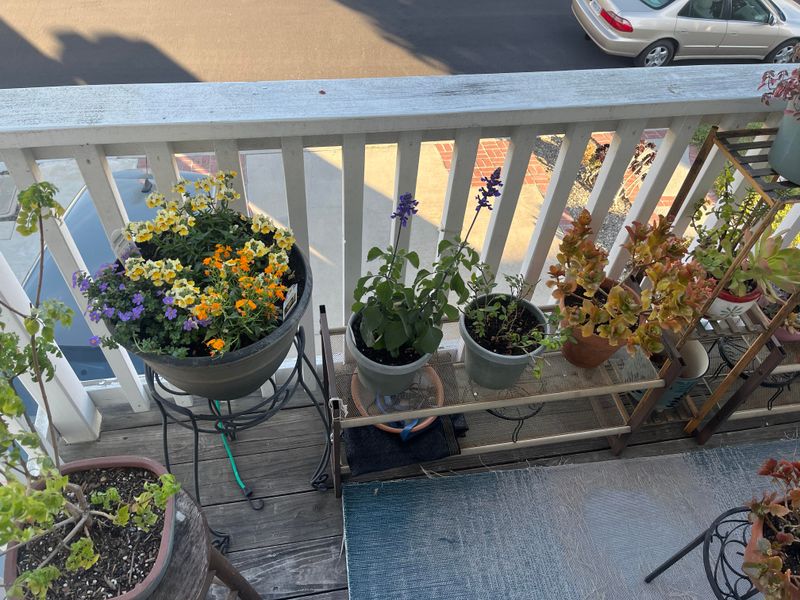
Gardening clubs and online communities across New York have created supportive networks where balcony gardeners exchange advice, seeds, and encouragement with fellow urban plant enthusiasts.
Social media groups dedicated to micro-gardening help residents troubleshoot problems, celebrate successes, and learn new techniques from experienced growers living throughout the state and beyond.
These communities organize seed swaps, garden tours, and workshops that bring neighbors together while teaching valuable skills for growing food in limited outdoor spaces.
New Yorkers appreciate having access to local knowledge about which plant varieties thrive in their specific climate, sunlight conditions, and seasonal temperature fluctuations throughout the year.
Many beginners gain confidence by asking questions in friendly forums where veteran gardeners share photos, videos, and step-by-step instructions for common challenges.
Community support makes the hobby less intimidating and more enjoyable because members realize they are not alone in facing issues like pests, diseases, or poor germination.
Shared enthusiasm for balcony gardening strengthens neighborhood bonds and inspires more people to start their own micro-gardens on apartment balconies across the city.
5. Affordable Starter Kits Lower Barriers
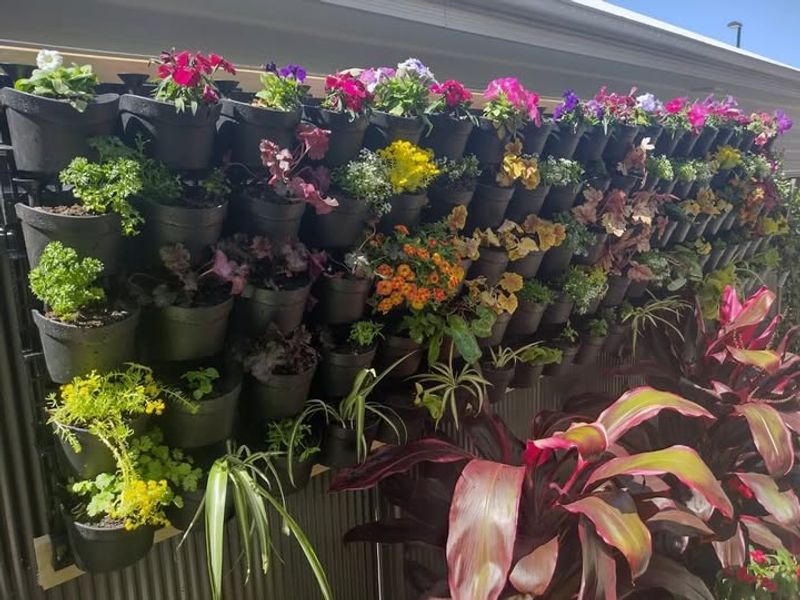
Affordable starter kits have made balcony gardening accessible to New Yorkers who previously thought growing their own food required expensive equipment or specialized knowledge.
These convenient packages include everything beginners need to start gardening immediately, such as seeds, pots, soil, fertilizer, and simple instructions that eliminate guesswork and confusion.
Many kits cost less than thirty dollars and focus on easy-to-grow plants like lettuce, radishes, and herbs that produce quick results for first-time gardeners.
Residents across the state appreciate that these kits remove barriers by providing pre-selected varieties that work well in small spaces with limited sunlight and basic care.
Local garden centers and online retailers now offer dozens of kit options tailored specifically for urban balcony conditions common in New York apartment buildings.
Starter kits also make thoughtful gifts for friends and family members who express interest in gardening but feel overwhelmed by the planning and shopping involved.
The simplicity and low cost of these packages encourage more people to try micro-gardening without worrying about making expensive mistakes or wasting money on wrong supplies.
6. Educational Workshops Teach Skills
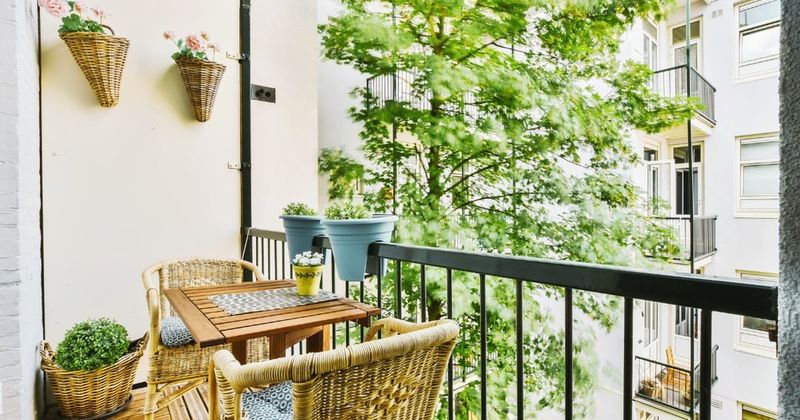
Libraries, community centers, and botanical gardens throughout New York now offer free or low-cost workshops that teach residents essential skills for successful balcony micro-gardening projects.
These hands-on classes cover topics like soil selection, watering schedules, pest management, and seasonal planting calendars that help urban gardeners maximize their harvests throughout the year.
Participants in the state learn by doing, potting their own plants and practicing techniques under the guidance of experienced instructors who answer questions and provide personalized advice.
Workshops create welcoming environments where beginners feel comfortable admitting they know nothing about gardening while gaining confidence through practical experience and supportive encouragement from teachers.
Many New Yorkers attend multiple sessions to deepen their knowledge and tackle more advanced topics like seed saving, composting, and extending growing seasons.
Educational programs also connect participants with local resources, suppliers, and fellow gardeners who can provide ongoing support after the workshop ends and they return home.
The popularity of these classes demonstrates growing interest in urban agriculture and the desire to learn sustainable food production methods in small spaces.
7. Environmental Benefits Appeal Widely
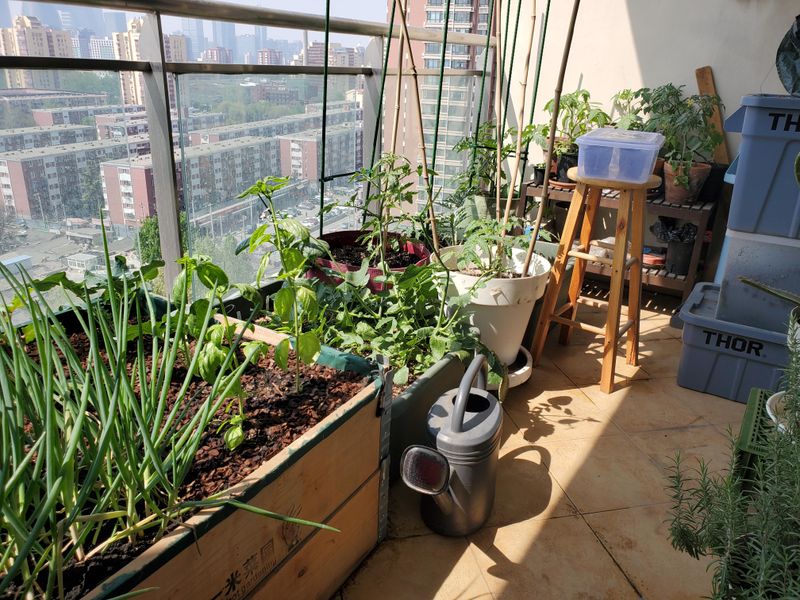
Many New Yorkers embrace balcony micro-gardens because they contribute to environmental health by reducing carbon footprints, improving air quality, and supporting urban biodiversity in concrete jungles.
Growing food at home eliminates transportation emissions associated with shipping produce from distant farms to city supermarkets, making each homegrown tomato an eco-friendly choice for consumers.
Plants on balconies also filter pollutants from the air, produce oxygen, and help cool buildings during hot summers common throughout the state each year.
Micro-gardens provide habitat and food for beneficial insects like bees and butterflies, which struggle to survive in urban areas lacking sufficient green spaces and flowering plants.
Environmentally conscious residents appreciate that even small gardens make measurable differences when thousands of balconies across New York transform into productive green spaces simultaneously.
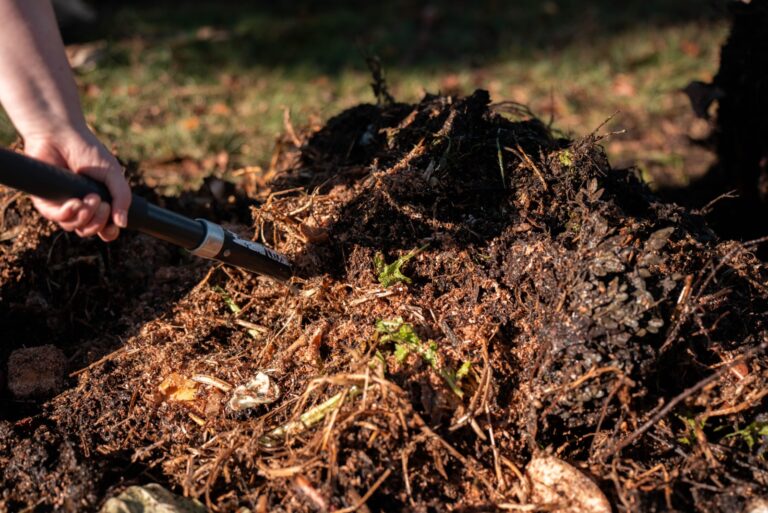
Composting kitchen scraps to fertilize balcony plants further reduces waste sent to landfills while creating nutrient-rich soil that helps vegetables and herbs grow stronger and healthier.
The environmental advantages of micro-gardening align perfectly with values held by many city dwellers who want to live more sustainably without leaving their apartments.
8. Year-Round Growing Extends Seasons
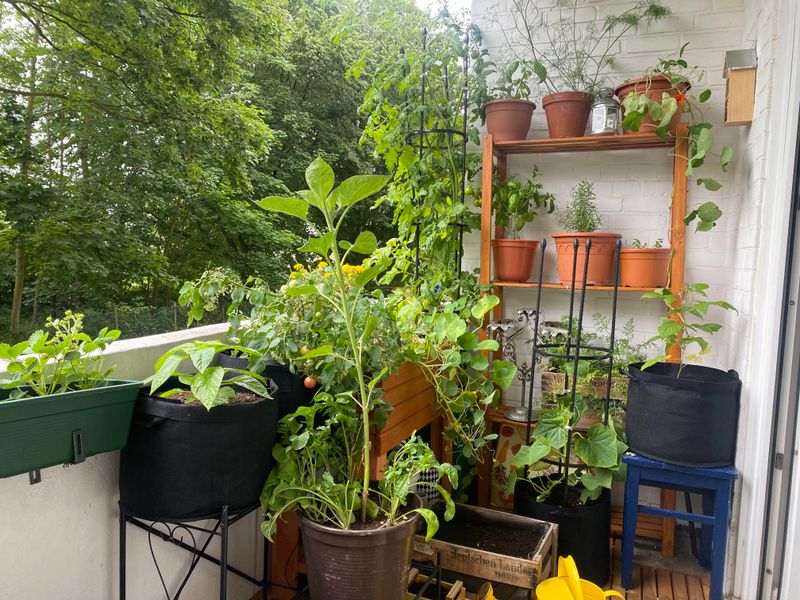
Innovative techniques like cold frames, row covers, and indoor grow lights allow determined New Yorkers to continue harvesting fresh produce even during freezing winter months.
Cold-hardy vegetables such as kale, spinach, and carrots can survive on protected balconies throughout the state when gardeners use simple structures that shield plants from harsh winds.
Many residents bring potted herbs and small vegetables indoors to sunny windowsills where they continue growing and producing edible leaves during the coldest parts of the year.
LED grow lights have become affordable and energy-efficient, enabling apartment dwellers to cultivate microgreens, lettuce, and other crops in interior spaces when outdoor conditions become too severe.
Year-round gardening provides psychological benefits by keeping people connected to nature and gardening routines even when snow covers balconies and parks across the city.
Extending the growing season means New Yorkers can enjoy fresh homegrown food for more months, reducing their dependence on grocery stores and imported produce with questionable freshness.
Season-extension strategies demonstrate that balcony gardening can be a twelve-month hobby rather than just a warm-weather activity limited to spring and summer.
9. Social Media Inspiration Spreads Ideas
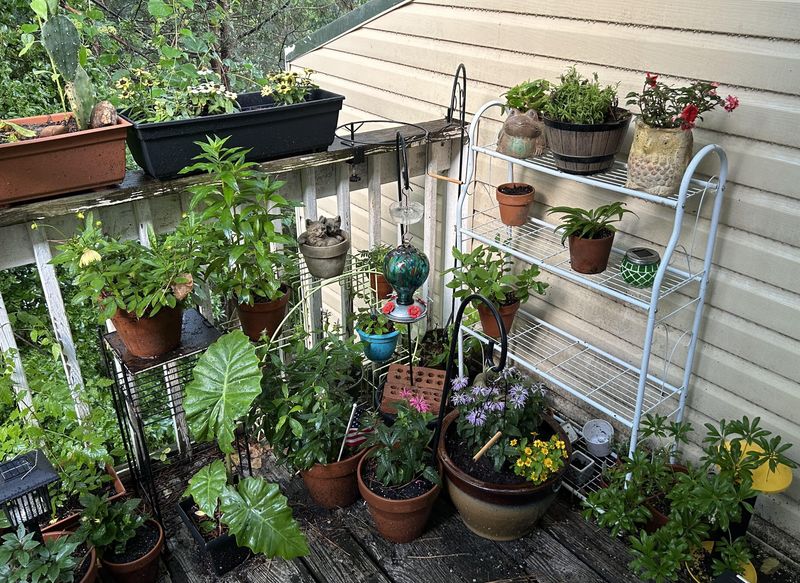
Instagram, Pinterest, and TikTok have become powerful platforms where New York gardeners showcase their balcony micro-gardens, inspiring thousands of followers to start their own urban projects.
Beautiful photos and videos of thriving plants, bountiful harvests, and creative container arrangements motivate city residents who never considered gardening before seeing these achievable examples.
Hashtags like BalconyGarden and UrbanFarming connect users across the state with ideas, troubleshooting tips, and encouragement from a global community of micro-gardening enthusiasts.
Social media allows gardeners to document their progress from seed to harvest, creating visual journals that help them learn from mistakes and celebrate successes publicly.
Many New Yorkers discover new plant varieties, space-saving techniques, and decorative ideas by scrolling through feeds filled with innovative balcony garden designs from around the world.
The viral nature of social media means that one impressive balcony garden can inspire hundreds of people to try growing their own food in small spaces.
Online inspiration makes micro-gardening feel trendy, accessible, and exciting rather than old-fashioned or difficult, attracting younger generations to this rewarding hobby with enthusiasm.
10. Health Benefits Motivate Growers
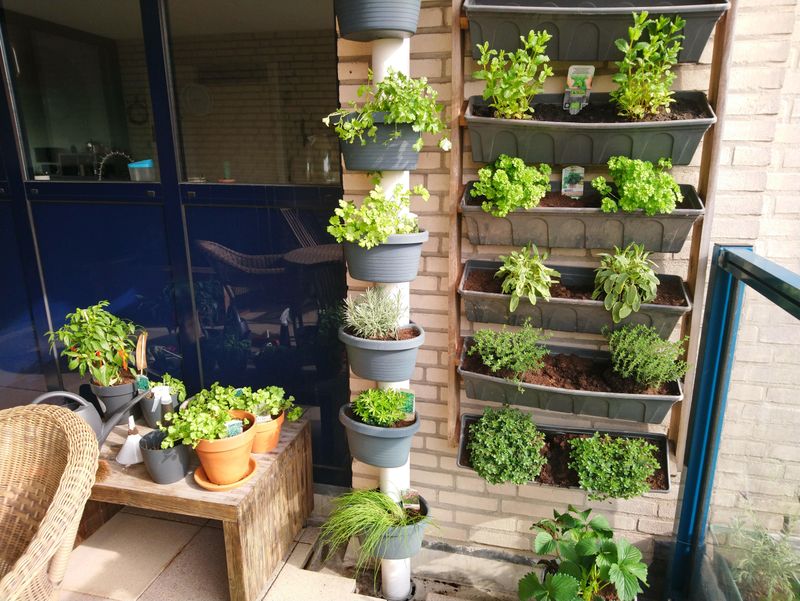
Growing and eating fresh vegetables from balcony gardens provides New Yorkers with nutrient-rich foods that taste better and contain more vitamins than produce shipped long distances.
Gardening itself offers excellent physical exercise through activities like lifting pots, watering plants, and tending to growing crops, helping residents stay active without gym memberships.
Mental health benefits include reduced stress, increased mindfulness, and feelings of accomplishment that come from nurturing living things and watching them flourish on balconies.
Many people across the state find that spending time with plants provides peaceful breaks from busy city life, screens, and constant noise that can overwhelm urban dwellers.
Homegrown vegetables are pesticide-free when gardeners choose organic methods, giving families peace of mind about what they feed their children at mealtimes.
The simple act of stepping outside to check on plants encourages New Yorkers to get fresh air and sunlight, which boost mood and overall wellness.
Health-conscious residents appreciate that balcony micro-gardens support physical, mental, and nutritional well-being while producing delicious food they can enjoy with pride and satisfaction.