The Bedroom Herb That Can Help You Sleep Better (And It’s Not Lavender)
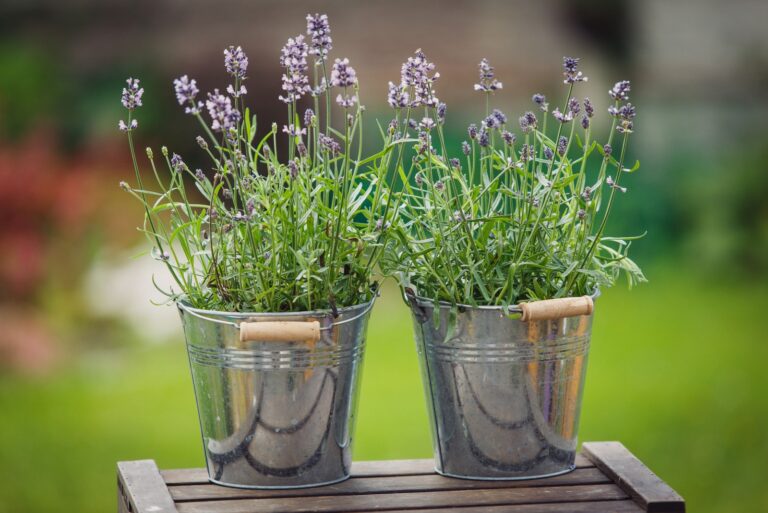
Lavender gets all the credit when it comes to bedtime plants, and I fell for the hype like everyone else. I bought a pot, set it on my nightstand, and waited for the calm to arrive.
The calm did not show up. The plant dropped leaves, leaned toward the window, and looked about as relaxed as a cat at the vet.
Bedrooms tend to be dim, and lavender wants blazing sun. It was a mismatch from the start, and the plant made sure I noticed.
A friend who grows herbs on her kitchen sill laughed and handed me a soft green cutting that smelled like citrus candy. She said it had been settling her evenings for years.
My lavender has since moved to the porch, where it sulks in full sun and refuses to say thank you.
A Citrus-Scented Mint Relative Has Soothed Restless Evenings For Ages
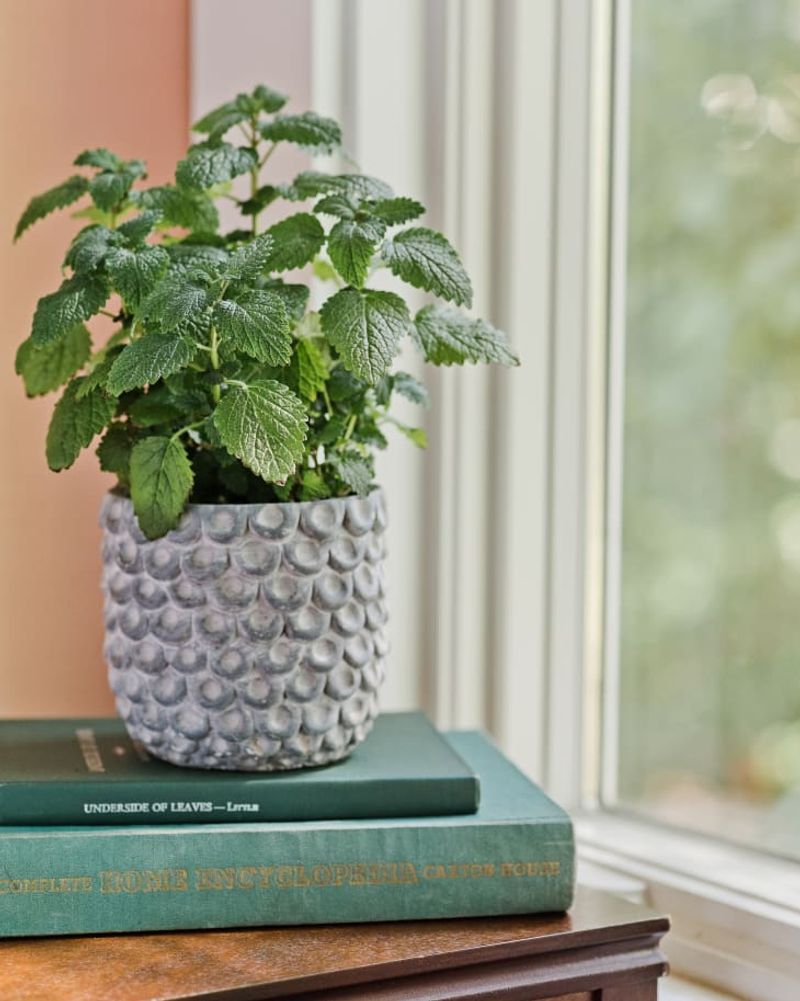
The plant is lemon balm, a leafy member of the mint family with crinkled, heart-shaped leaves that smell like lemon candy when you brush them.
Natural oils such as citral and citronellal create that bright scent, and similar compounds give lemongrass its aroma.
Its Latin name is Melissa officinalis, and Melissa is the Greek word for honeybee. Bees adore the tiny white flowers, which is how the plant earned its sweet name.
Herb growers in ancient Greece and Rome planted it near their hives and brewed the leaves into soothing drinks. Folk healers later turned to it for restless nights and frayed nerves.
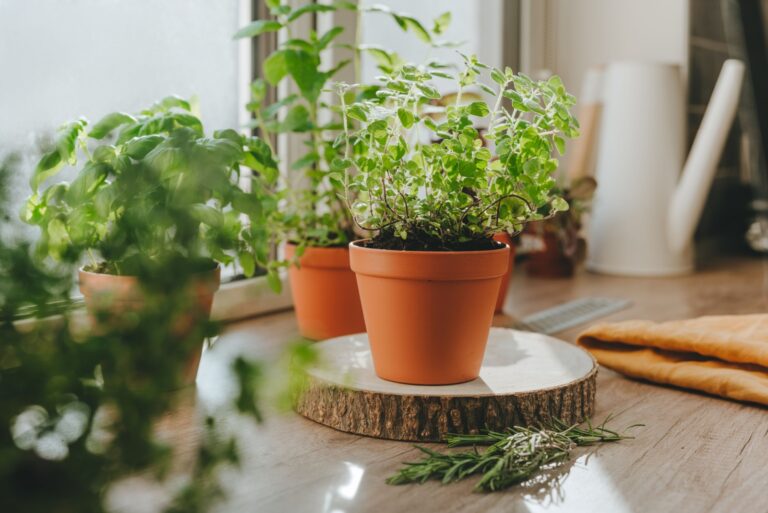
Here is what makes it a true bedroom herb. It grows happily in a pot on a bright windowsill, and the leaves are the part people use, so you can snip a sprig whenever the evening calls for tea.
Its soft leaves and mild flavor make it friendly to beginners, which is a big reason it has stayed in kitchen gardens for centuries. It stays compact indoors, usually reaching one to two feet tall.
Pet owners get a bonus too. The ASPCA lists lemon balm as non-toxic to cats and dogs, and cats may sniff it with interest but it does not send them into a frenzy the way valerian roots do.
Small Studies Hint At A Calming Effect But Proof Remains Thin
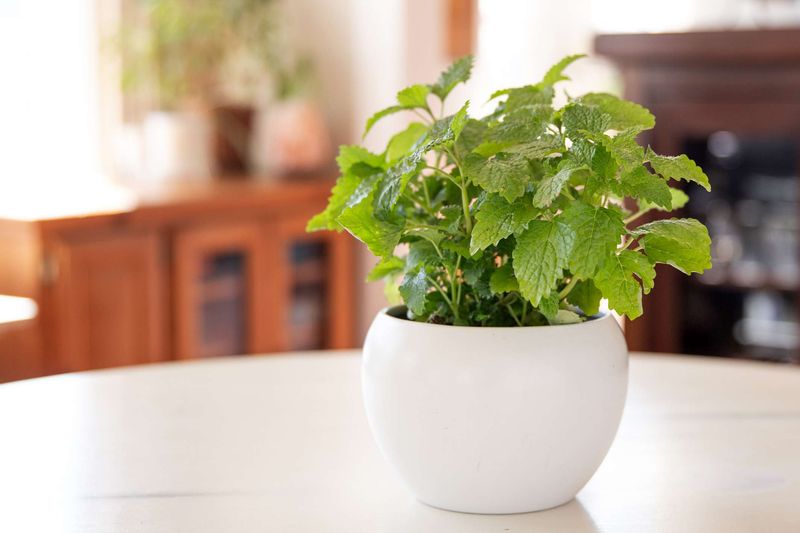
Lemon balm has been used as a calming tea for centuries, and modern researchers have taken a closer look. The results so far are encouraging but modest.
Some small studies suggest that lemon balm extracts may ease feelings of stress and help people relax in the evening. Others found little difference compared with a placebo.
Reviews of the research describe the evidence as limited, because many studies were small, short, and used different preparations. Some ran for only a few days, while others lasted several weeks.
Dose and preparation vary widely too, from fresh tea to concentrated capsules, so a result with one form may not apply to another.
Lemon balm is often paired with other calming herbs such as valerian in these studies. That makes it hard to tell what each plant is actually doing.
Some researchers think rosmarinic acid and other compounds in the leaves may influence GABA, the same calming messenger that valerian is thought to affect.
So the honest takeaway is simple. A warm cup of lemon balm tea is a pleasant, low-effort bedtime ritual, but it is not a proven sleep aid, and the quiet routine itself may deserve some of the credit.
As for the scent of the living plant, no solid research shows it improves sleep, though a fragrant leaf rub is a pleasant way to wind down.
Stem Cuttings Root Faster Than Stubborn Seeds
Starting lemon balm from seed is possible, but it tests your patience. The seeds are tiny and need light to sprout, so press them onto the surface of moist seed-starting mix and leave them uncovered.
Germination is slow and uneven, often taking a couple of weeks or more. Warm room temperatures around 70 degrees help.
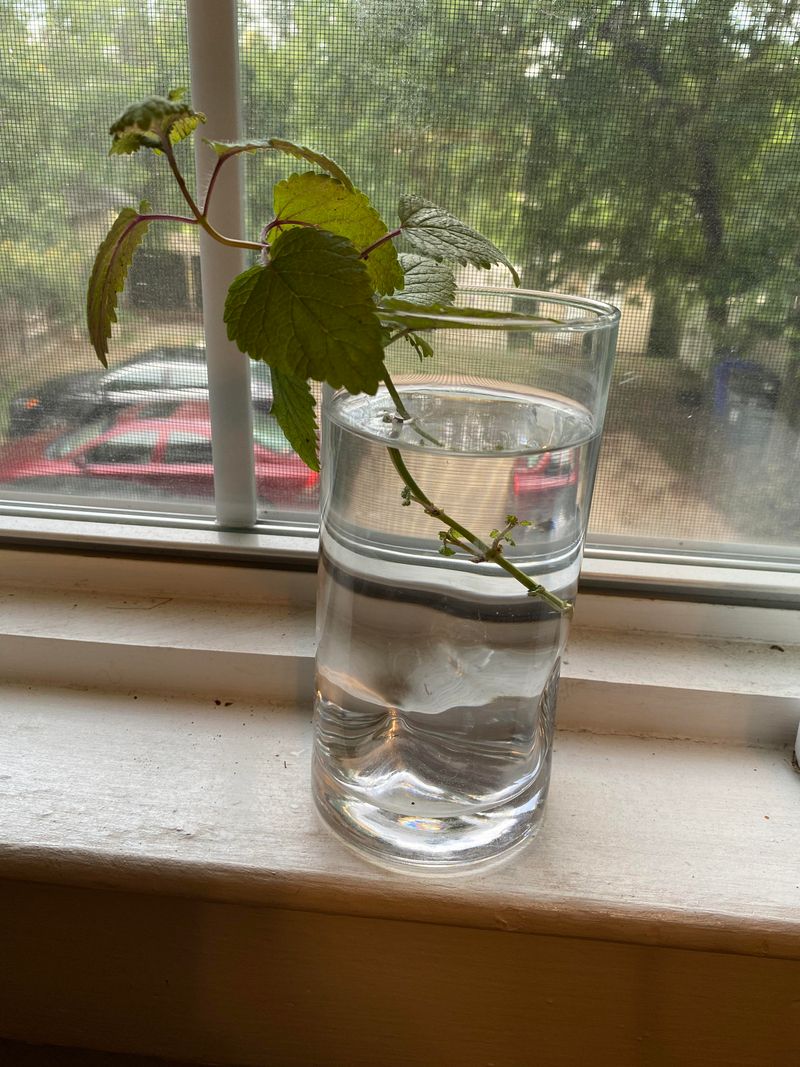
Stem cuttings are far easier. Snip a four-inch piece from a healthy plant, strip the lowest leaves, and set the stem in a glass of water on a bright sill.
Roots usually appear within about two weeks. Pot the cutting once the roots are an inch or two long.
Water-rooted cuttings may need a gentle adjustment to soil, so keep the mix lightly moist for the first week or two. Rooted cuttings settle in quickly and can be ready for light harvests within a few weeks.
A small nursery plant is the fastest route of all. Look for bright green leaves without spots or webbing, and check the undersides for tiny pests before bringing it home.
If a friend grows lemon balm, ask for a cutting. The plant is generous and roots readily, so most gardeners are happy to share.
Whichever route you choose, repot into a clean container with fresh potting mix so you do not carry pests or disease indoors. Fresh mix gives young roots a clean start.
A Bright Window Gives This Herb The Light It Craves
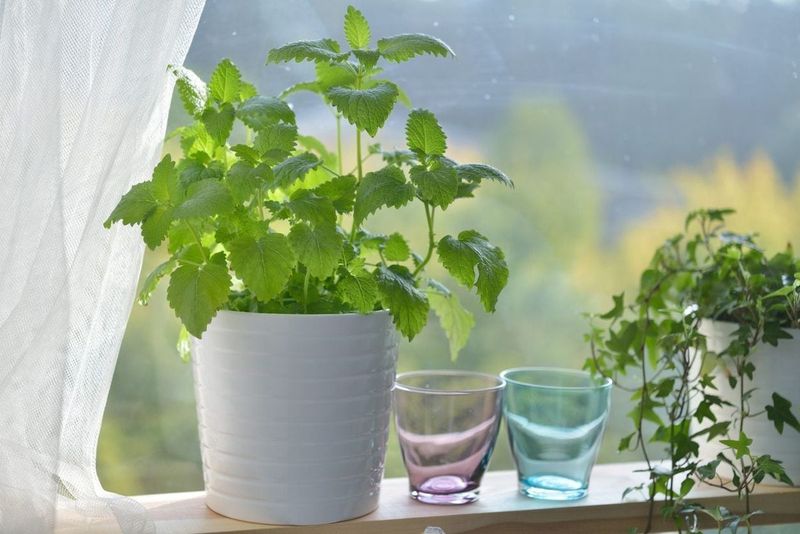
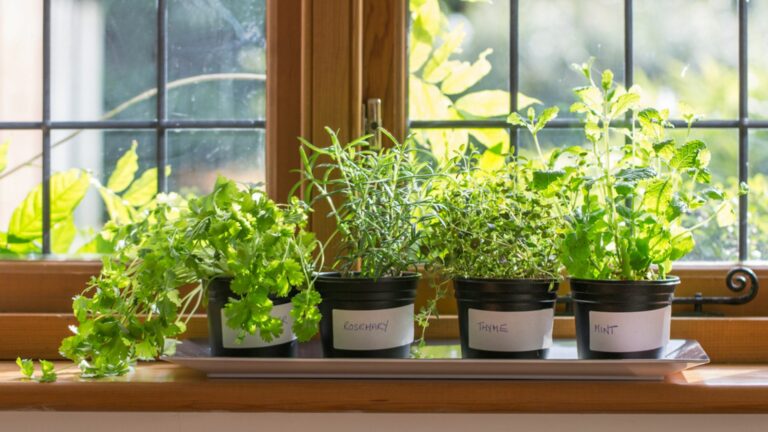
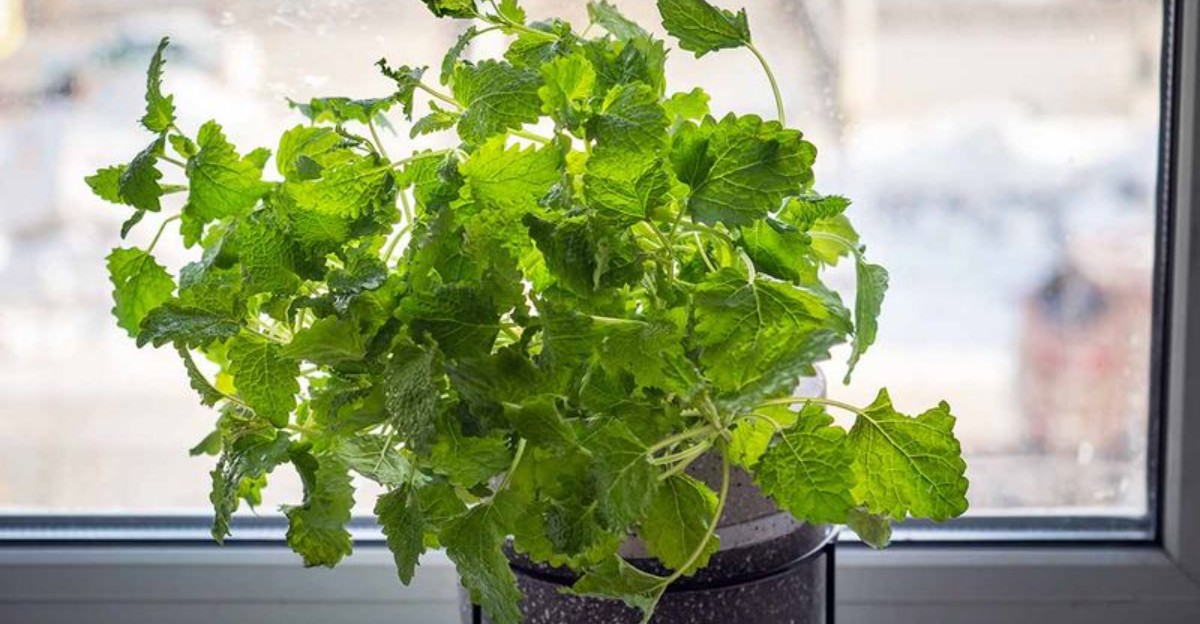
Lemon balm wants light, and a south-facing or west-facing window gives it the best chance indoors. Aim for at least six hours of bright light each day.
A spot right at the glass is ideal, but keep an eye on the leaves in midsummer. Intense afternoon sun through a window can scorch the tips, and a sheer curtain softens it.
In dim rooms, the plant stretches toward the window and the stems turn long and thin. Pale, sparse leaves are another sign that it wants more light.
A grow light solves that problem. Hang a full-spectrum LED above the plant at the distance listed on the package and run it for twelve hours or so a day.
Bedroom windows often face the wrong way, so the plant may need a sunnier room. That is fine, because a sprig carried to the nightstand gives you the scent without asking the plant to live in the dark.
Temperature matters less. Lemon balm is comfortable at normal household temperatures, roughly 60 to 75 degrees, and it dislikes cold drafts from leaky windows in winter.
Turn the pot a quarter turn every week so all sides get sun and growth stays even instead of leaning one way.
Winter growth slows when days are short, so do not worry if the plant looks quiet. Lemon balm is a hardy perennial that naturally rests in the cold season, and extra light helps it keep producing leaves.
A Roomy Pot With Good Drainage Keeps The Leaves Lush
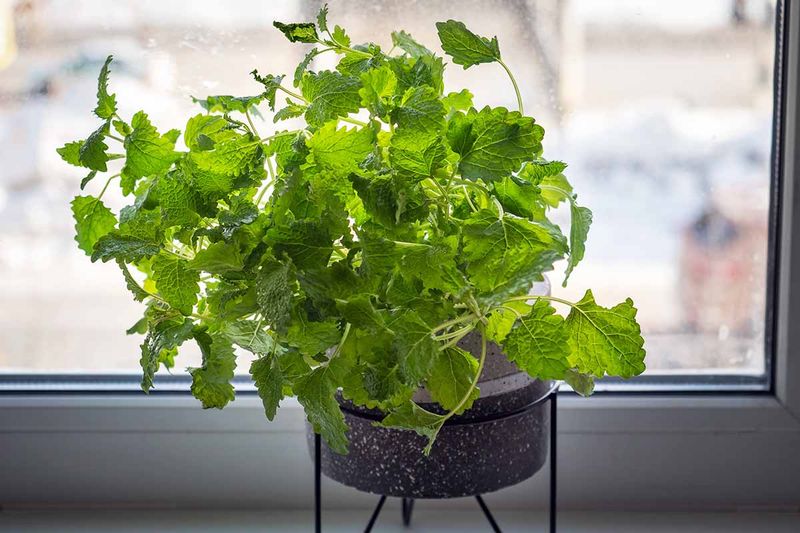
A pot about eight to twelve inches wide suits a single lemon balm plant. Choose one with drainage holes, because soggy roots are the fastest way to lose this herb.
Fill it with a light, well-draining potting mix. Adding a handful of perlite helps water move through.
Water when the top inch of soil feels dry. Lemon balm likes steady moisture, but it does not enjoy sitting in a saucer of water.
Drooping leaves usually mean thirst, while yellowing leaves often point to too much water. Checking the soil with a finger beats guessing.
Feed lightly. A half-strength liquid fertilizer about once a month in spring and summer is plenty, and heavy feeding can dull the flavor and scent.
Pinching is the secret to a bushy plant. Snip the stem tips just above a pair of leaves, and two new shoots will grow from that spot.
Pinch off flower buds as soon as they appear too. Flowering can lead to woody stems and less flavorful leaves, and removing the buds keeps the plant leafy.
Indoor plants can attract aphids, whiteflies, or spider mites. Wipe the leaves with a damp cloth and give the plant space for airflow to reduce powdery mildew.
Repot into a slightly larger container each spring if roots poke from the drainage holes, or divide the clump to share with friends. Keep it in its own pot, since the roots spread quickly and crowd out neighbors.
Fresh Leaves Make A Gentle Evening Tea With A Few Cautions
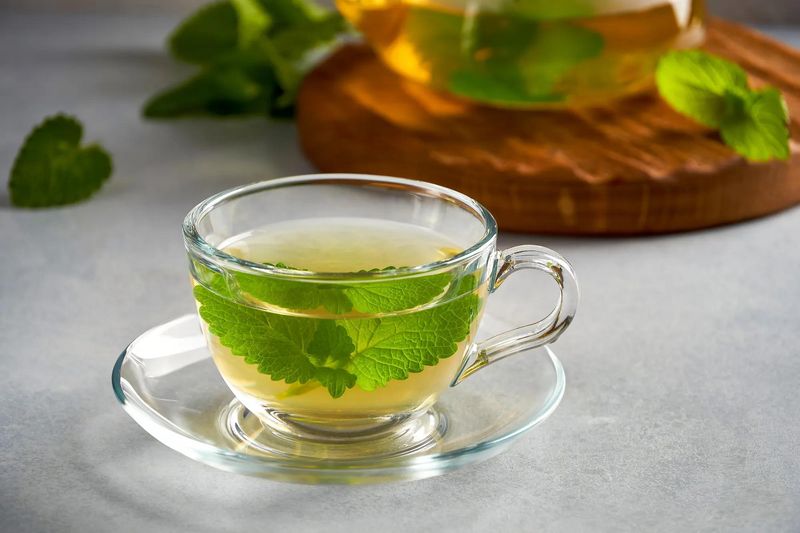
Fresh leaves make the best tea. Place a small handful of leaves in a mug, bruise them gently with a spoon, and pour hot water over them.
Cover the mug and steep for about five to ten minutes. Covering traps the fragrant oils that would otherwise drift away with the steam.
The flavor is mild, lemony, and slightly minty. A little honey is nice, but plenty of people enjoy it plain.
To dry extra leaves, hang small bundles in a warm, airy spot or use a dehydrator on a low setting. Store the crumbled leaves in a sealed jar away from light.
Dried leaves lose some of their lemon scent, so use them within several months for the best flavor.
Lemon balm is gentle, but it is still an herb with real effects. Some people report nausea, dizziness, or stomach discomfort, and it may interact with thyroid medicines and sedatives.
Check with your doctor or pharmacist before using it regularly, especially during pregnancy or breastfeeding or if you take medication. Children should skip it unless a pediatrician approves.
Start with a weaker cup the first time to see how your body responds, and skip it before driving if you feel drowsy.
Treat it as one piece of a calm routine. Pair it with a cool, dark bedroom, a steady bedtime, and less screen time, and bring any lingering sleep troubles to a doctor.