The Beneficial Garden Shrub Virginia Gardeners Can Easily Propagate From Hardwood Cuttings In Winter

Winter may slow the garden down, but for Virginia gardeners, it opens the door to one of the easiest propagation opportunities of the year.
While most plants lie dormant, this hardy shrub can be multiplied with nothing more than a pair of pruners and a little patience.
Hardwood cuttings taken during winter dormancy root reliably and require minimal fuss.
The shrub itself is valued for its resilience, wildlife benefits, and ability to thrive in Virginia’s variable climate.
It supports pollinators, provides structure, and often fills problem spots where other plants struggle.
Gardeners love it not just for its usefulness, but for how generous it is.
One mature plant can become several, allowing homeowners to expand hedges, share with neighbors, or replace aging shrubs without spending a dime.
This method feels old-fashioned—and that’s part of the appeal.
In a season when growth seems distant, winter propagation reminds Virginia gardeners that progress often starts quietly, below the surface, long before spring makes its grand entrance.
It’s The American Elderberry (Sambucus Canadensis)
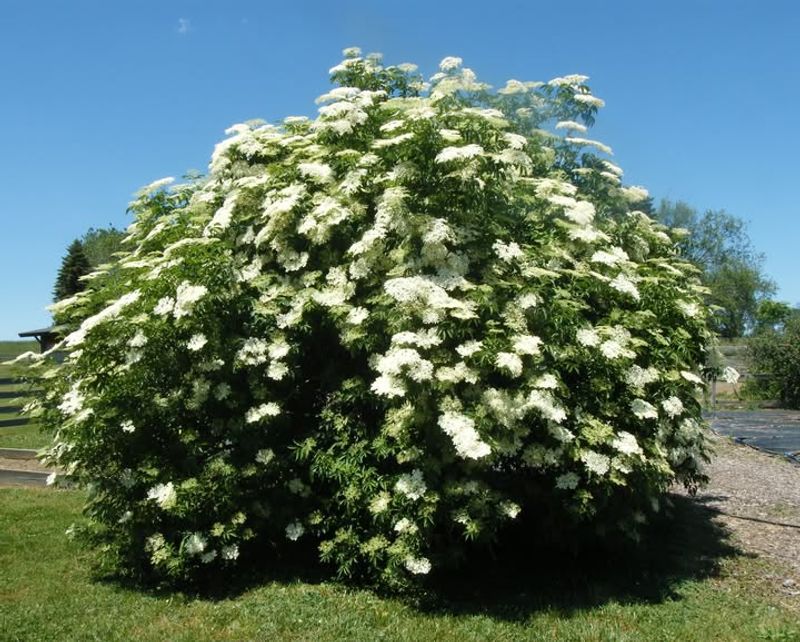
American elderberry stands out as one of Virginia’s most valuable native shrubs, offering benefits that extend far beyond its attractive appearance.
This deciduous plant grows naturally throughout the state, thriving in hedgerows, woodland edges, and along stream banks where it forms dense, wildlife-friendly thickets.
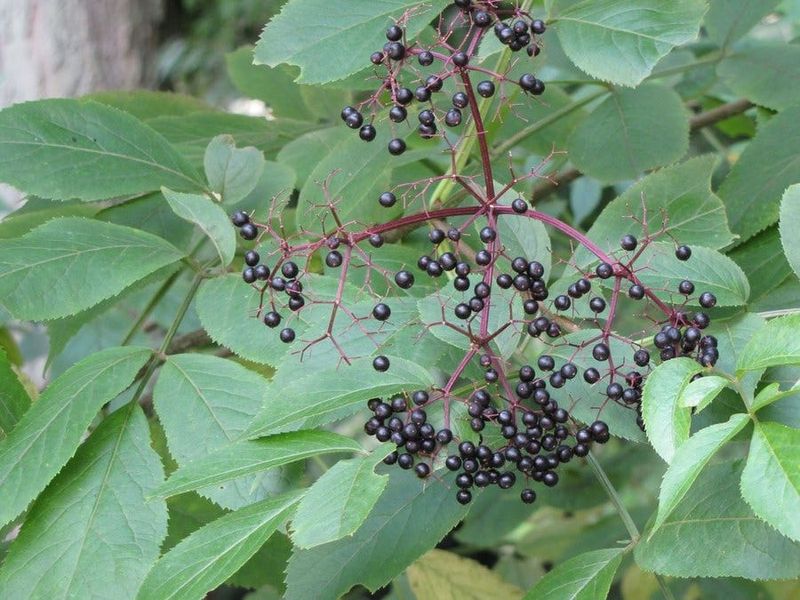
Gardeners appreciate its fast growth rate and ability to fill spaces quickly while providing year-round interest with creamy white flower clusters in late spring and deep purple berries by midsummer.
Native plant enthusiasts particularly value elderberry because it evolved alongside Virginia’s ecosystems, meaning local insects, birds, and other wildlife have developed relationships with this shrub over thousands of years.
Unlike many ornamental shrubs imported from other continents, American elderberry supports complex food webs that keep gardens healthy and balanced.
The shrub typically reaches six to twelve feet tall with an equally wide spread, making it suitable for property borders, rain gardens, or naturalized areas.
Its compound leaves create a lush, tropical appearance during the growing season, while the pithy stems remain architecturally interesting through winter.
What makes elderberry especially exciting for home gardeners is how easily it propagates from hardwood cuttings taken during dormancy.
This characteristic allows you to start dozens of new plants from a single mature shrub without spending money at nurseries or waiting years for seedlings to mature.
By choosing to propagate American elderberry, you’re investing in a plant perfectly adapted to Virginia’s climate, soil types, and seasonal patterns.
Hardwood Cuttings Root Reliably In Winter
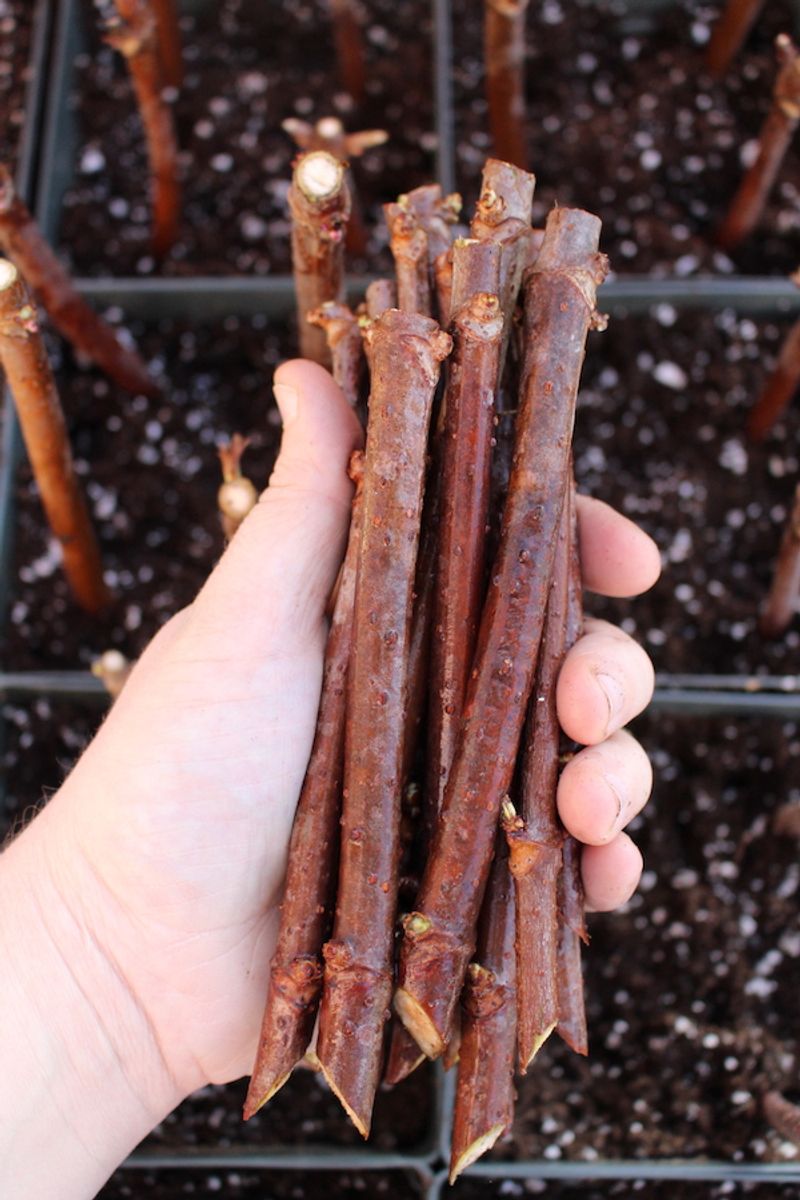
Winter propagation might seem counterintuitive, but dormant elderberry stems actually root more reliably during cold months than actively growing shoots do in summer.
When temperatures drop and leaves fall, elderberry enters a resting phase where energy reserves concentrate in the woody stems rather than being directed toward foliage and flowers.
This dormancy period creates ideal conditions for propagation because the cuttings won’t lose moisture through transpiration while they’re developing roots.
Virginia gardeners can collect cuttings anytime from late November through February, selecting pencil-thick stems from the previous season’s growth.
These sections should be eight to ten inches long with several nodes where buds are visible along the stem.
The beauty of hardwood cuttings lies in their simplicity—you can stick them directly into prepared garden beds, insert them into pots filled with regular potting mix, or even bundle them and store them in moist sand until spring planting.
Many experienced gardeners report success rates above seventy percent when using this method with elderberry, making it one of the most beginner-friendly propagation projects available.
The cuttings don’t require constant monitoring or misting systems like softwood cuttings do.
Instead, winter rains and naturally moist soil provide adequate moisture while cold temperatures prevent fungal diseases that sometimes plague warm-season propagation attempts.
By early spring, roots begin forming at the base of each cutting, and by late spring, new shoots emerge from the buds along the stem.
This reliable rooting behavior means even gardeners attempting propagation for the first time can expect multiple successful plants from a single afternoon’s work.
No Special Equipment Or Hormones Are Required
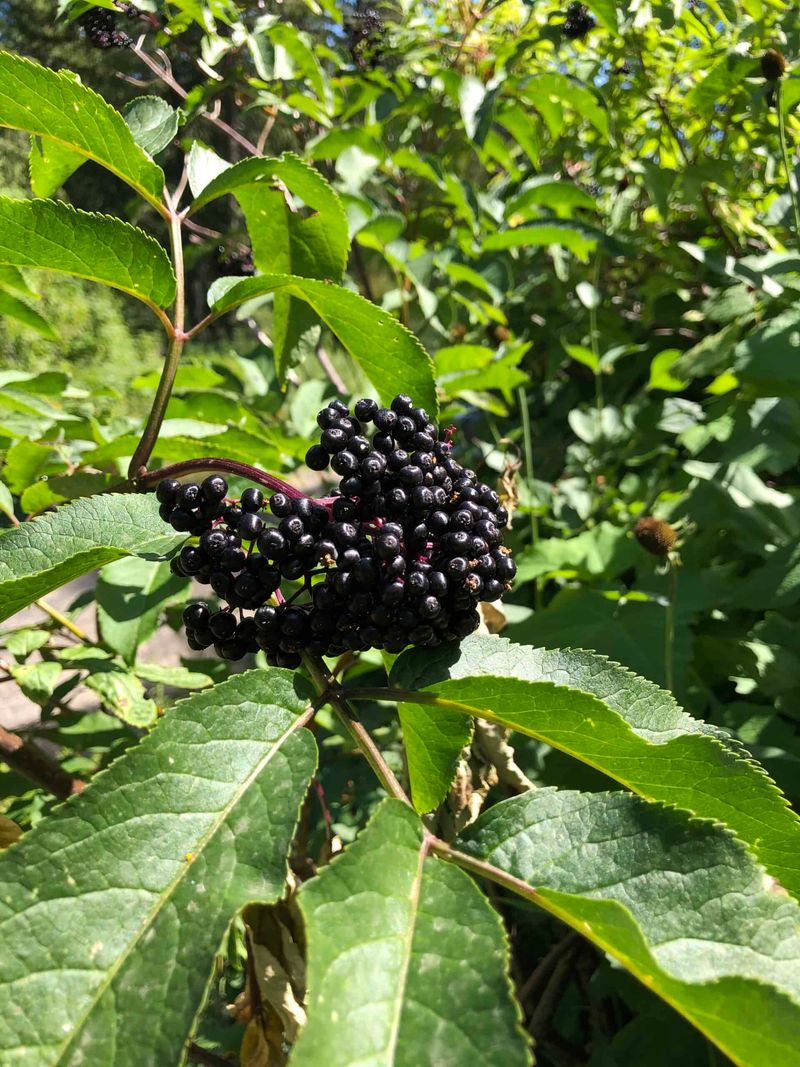
One of elderberry’s most appealing characteristics is how it roots without the expensive supplies and specialized equipment many other plants demand.
While rooting hormones can slightly increase success rates, elderberry cuttings produce their own natural auxins in sufficient quantities to stimulate root development without synthetic help.
This natural rooting ability makes elderberry propagation accessible to every gardener regardless of budget or experience level.
You won’t need heated propagation mats, humidity domes, or climate-controlled greenhouses to achieve excellent results.
The only tools required are sharp pruning shears for making clean cuts and a suitable planting location with reasonably moist soil.
Some gardeners prefer starting cuttings in containers where they can monitor progress more easily, but even this approach requires nothing more than basic pots and standard potting mix.
The simplicity of this process stands in stark contrast to propagation methods for many ornamental shrubs that demand precise temperature control, specific soil mixtures, and constant attention to humidity levels.
Elderberry’s forgiving nature means you can prepare cuttings during a mild winter afternoon, stick them in the ground, and return months later to find healthy new plants establishing themselves.
This low-maintenance approach particularly appeals to gardeners managing large properties or those interested in restoration projects where propagating hundreds of plants would be prohibitively expensive using traditional nursery stock.
The lack of special requirements also makes elderberry propagation an excellent teaching project for children or beginning gardeners who might feel intimidated by more complex techniques.
Success with elderberry often builds confidence that encourages people to try propagating other plant species and developing deeper connections with their gardens.
Supports A Wide Range Of Native Pollinators
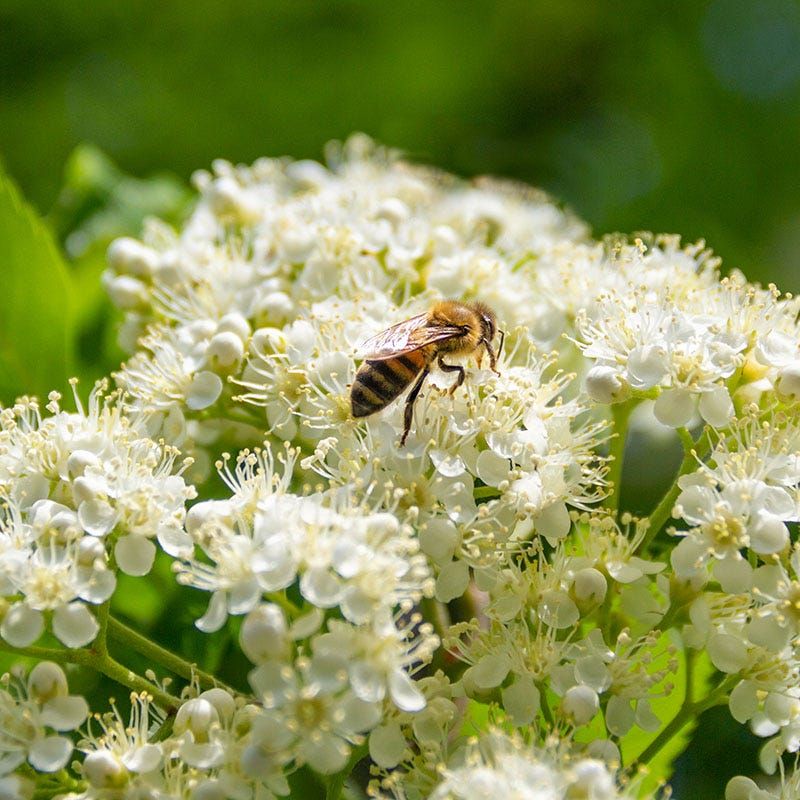
When elderberry blooms in late spring, its massive flat-topped flower clusters become some of the busiest insect gathering spots in Virginia gardens.
Each flower head contains hundreds of tiny individual blossoms packed with easily accessible nectar and pollen, creating landing platforms perfectly suited for insects of many sizes.
Native bees including bumblebees, mason bees, and sweat bees visit elderberry flowers constantly during the blooming period, collecting protein-rich pollen to provision their nests.
Butterflies and moths also frequent the flowers, though they’re often outnumbered by the diverse array of beneficial flies that elderberry particularly attracts.
Hover flies, tachinid flies, and other fly families that provide natural pest control services rely heavily on elderberry nectar as an energy source between their larval stages spent parasitizing garden pests.
This relationship between elderberry and beneficial insects creates a self-regulating system where your garden naturally maintains healthier pest-predator balances.
The timing of elderberry blooms fills an important gap in Virginia’s pollinator season, providing abundant resources after spring ephemerals have finished but before midsummer flowers reach their peak.
For gardeners concerned about declining pollinator populations, planting elderberry represents a meaningful contribution to conservation efforts.
Each mature shrub you establish can produce dozens of flower clusters annually, multiplying the available resources for struggling bee populations.
When you propagate elderberry from cuttings, you’re not just growing more shrubs—you’re expanding habitat for the intricate web of insects that pollinate crops, control pests, and form the foundation of healthy ecosystems.
The pollinator value alone justifies giving elderberry prominent placement in landscape designs rather than relegating it to hidden corners.
Feeds Birds And Strengthens The Local Food Web
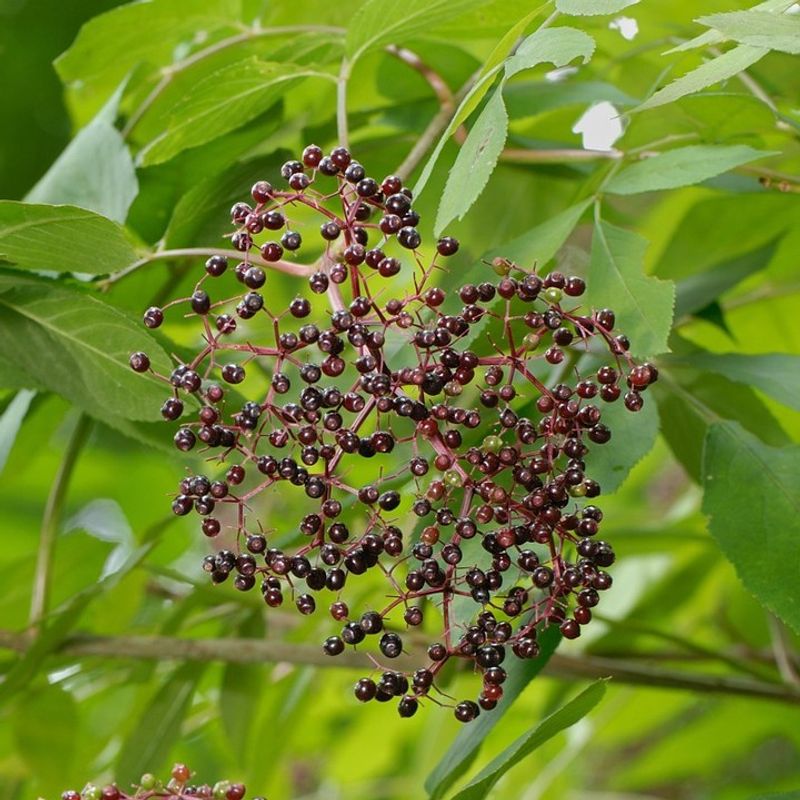
American elderberry berries rank among the most important food sources for Virginia’s bird populations during late summer and early fall.
Research has documented over forty bird species feeding on elderberries, including robins, thrushes, waxwings, woodpeckers, and catbirds that strip branches clean within days of the fruit ripening.
The berries provide critical nutrition when birds are preparing for migration or storing energy reserves for winter survival.
Young birds recently fledged from nests particularly depend on the abundant, easy-to-harvest elderberries as they learn foraging skills.
The relationship between elderberries and birds extends beyond simple nutrition—it represents a crucial link in ecosystem function that benefits entire gardens.
Birds attracted to elderberry shrubs also consume enormous quantities of caterpillars, beetles, and other insects while moving through your property.
This natural pest control reduces damage to vegetables, ornamentals, and fruit trees without requiring chemical interventions.
Additionally, birds serve as pollinators for some plant species and distribute seeds from native plants throughout your landscape, increasing biodiversity.
When you propagate elderberry and establish multiple shrubs across your property, you create reliable feeding stations that keep bird populations healthy and active in your area.
These sustained populations then support predators higher up the food chain, including hawks, owls, and foxes that maintain balanced ecosystems.
Gardeners often notice increased bird activity throughout their entire property after planting elderberry, not just around the shrubs themselves.
This ripple effect demonstrates how a single native plant species can strengthen ecological connections that benefit everything from soil microorganisms to top predators.
Winter propagation allows you to affordably establish the multiple elderberry plants needed to create these significant wildlife benefits.
Thrives In Difficult Virginia Growing Conditions
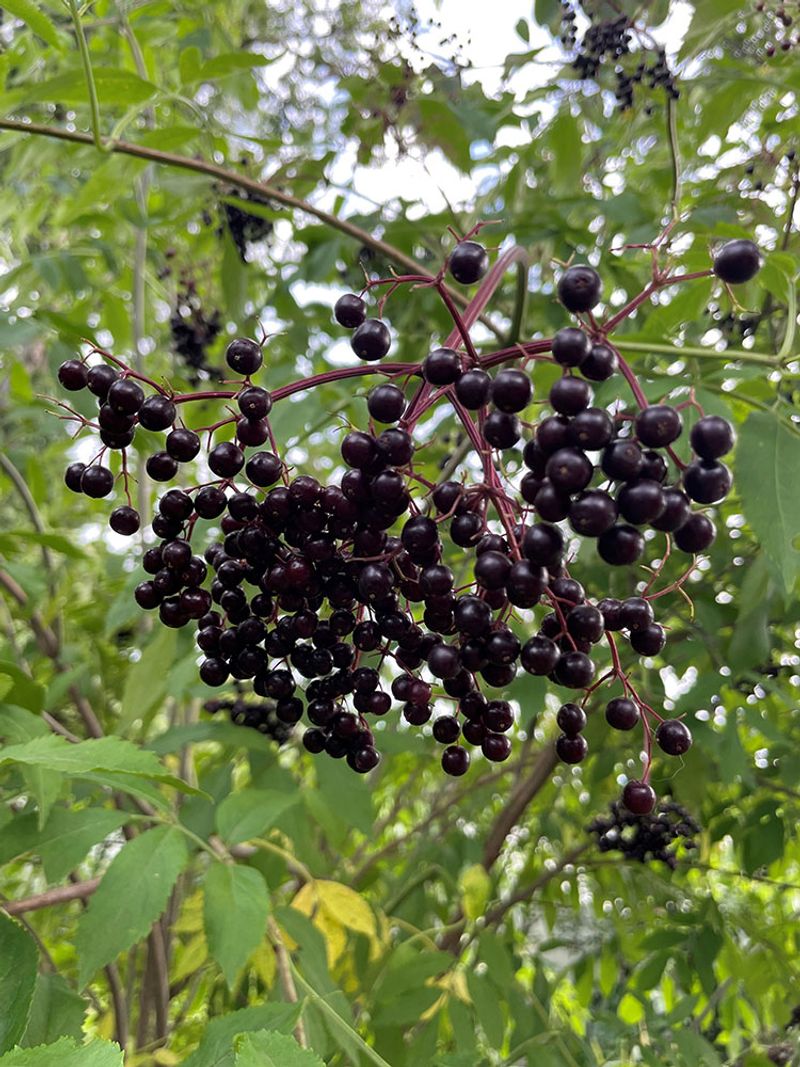
Many Virginia homeowners struggle with challenging areas where typical landscape plants refuse to grow—low spots that collect water, heavy clay soil, or partially shaded sites beneath tree canopies.
American elderberry solves these problems by thriving in conditions that stress or eliminate most ornamental shrubs.
The plant naturally occurs along stream banks and wetland edges, meaning it tolerates and even prefers consistently moist to wet soil that would cause root rot in less adapted species.
Gardeners dealing with poor drainage, seasonal flooding, or areas near downspouts can plant elderberry with confidence that it will establish successfully rather than languish.
Clay soil, which many Virginia properties have in abundance, poses no challenge for elderberry’s vigorous root system.
The shrub also performs well in partial shade, though it produces more flowers and fruit with at least four to six hours of direct sunlight daily.
This flexibility makes elderberry valuable for transitional areas between sunny lawns and shaded woodlands where few other flowering shrubs succeed.
The plant’s adaptability extends to pH tolerance as well, growing equally well in slightly acidic to neutral soils common throughout Virginia.
Once established, elderberry demonstrates impressive resilience during both wet springs and dry summer periods, though supplemental watering during extended droughts helps maintain optimal growth.
For gardeners frustrated by repeated failures with finicky ornamentals, elderberry offers reliable success in those problem spots that have defeated previous planting attempts.
Propagating elderberry through winter cuttings allows you to fill these difficult areas affordably rather than investing in expensive nursery plants that might struggle despite their higher cost.
The satisfaction of transforming a troublesome site into a productive wildlife habitat using plants you propagated yourself adds another layer of reward to this already beneficial native shrub.
Winter Propagation Helps Preserve Native Plant Genetics
Every elderberry plant growing wild in Virginia carries genetic adaptations refined over thousands of years to match local climate patterns, soil chemistry, and pest pressures.
These locally adapted genetics represent irreplaceable resources that often get lost when gardeners purchase mass-produced nursery stock propagated from plants originating in distant states.
By taking cuttings from elderberry shrubs already thriving in your neighborhood, you preserve genetic diversity specifically suited to your region’s unique conditions.
This practice becomes especially important as climate patterns shift and extreme weather events become more common.
Plants with local genetics often demonstrate superior resilience during unusual droughts, late frosts, or other environmental stresses because their ancestors survived similar challenges in the same location.
Winter propagation also allows you to select cuttings from individual plants showing particularly desirable characteristics—abundant fruit production, compact growth habit, or exceptional vigor.
Over time, propagating from your best-performing elderberries gradually improves the overall quality of plants in your landscape.
This selection process mirrors traditional agricultural practices that developed superior crop varieties before modern breeding programs.
Beyond individual garden benefits, widespread propagation of local elderberry genetics contributes to regional conservation efforts.
As development fragments natural habitats, maintaining genetic diversity in cultivated landscapes helps ensure that adapted plant populations persist even if wild populations decline.
Sharing rooted cuttings with neighbors, friends, and community groups multiplies these conservation benefits while building connections among gardeners interested in native plants.
The simple act of sticking elderberry cuttings in the ground during winter thus serves multiple purposes—beautifying your property, supporting wildlife, solving landscape challenges, and preserving the genetic heritage of Virginia’s native flora for future generations to enjoy and depend upon.