The Beneficial Shrub Pennsylvania Homeowners Can Propagate From Cuttings In Winter
Pennsylvania winters strip the landscape bare, yet red twig dogwood refuses to fade into the background.
Its fiery stems cut through gray days and prove that cold season gardens still hold plenty of promise.
Beyond good looks, this shrub brings real value, from wildlife support to erosion control, all while standing tough against frost.
Winter also opens a quiet window of opportunity, when simple cuttings can spark new growth without fancy tools or greenhouses.
Homeowners who act during dormancy gain an edge and stretch their plant budget further.
This shrub rewards patience, not fuss, and fits neatly into borders, rain gardens, and natural screens.
When snow rests on the ground, red twig dogwood keeps working behind the scenes, ready to shine again when spring returns.
Why Red Osier Dogwood Is Easy To Propagate In Winter
Winter dormancy creates the perfect conditions for starting new red osier dogwood plants from existing branches.
The shrub naturally slows down all its growth processes when temperatures drop, which means cuttings face less stress during the rooting phase.
Cold weather also reduces the chance of fungal infections and bacterial problems that often plague cuttings taken during warmer seasons.
Pennsylvania winters provide ideal temperatures that keep the stems dormant while allowing root development to begin slowly underground.
The process works because the plant stores energy in its stems throughout fall, and this stored food helps new roots form even without leaves present.
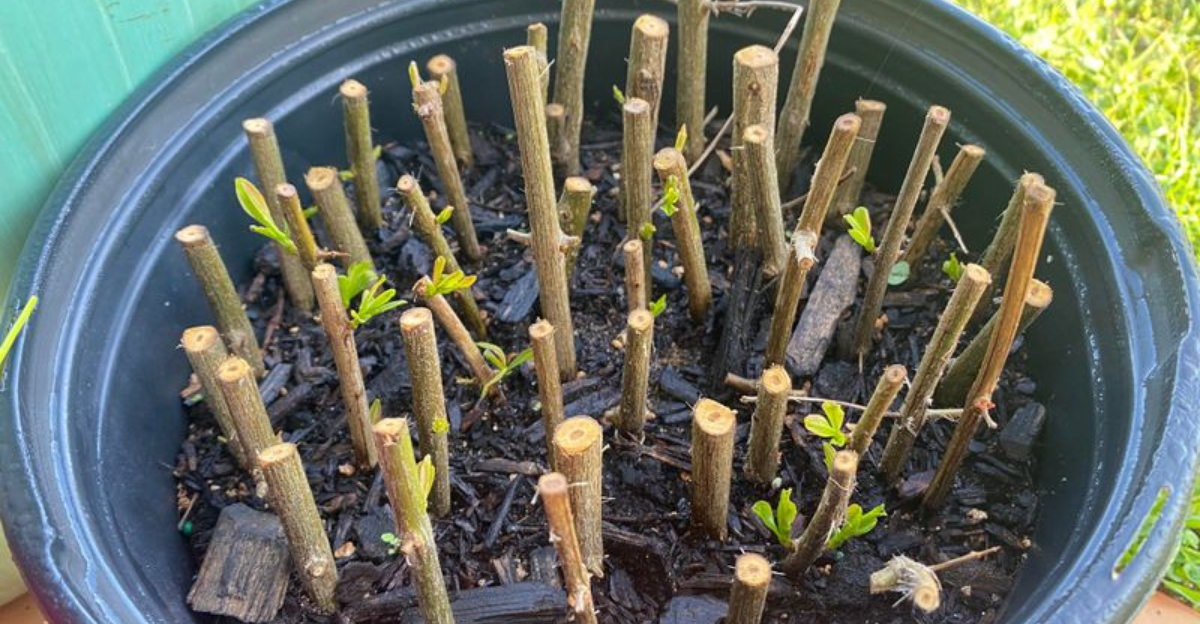
Homeowners can collect pencil-thick branches from healthy parent plants between December and early March.
Each cutting should measure about eight to ten inches long and include several buds along its length.
The simplicity of this method means anyone can try it without needing greenhouses, rooting hormones, or expensive equipment.
Success rates often exceed seventy percent when cuttings receive proper moisture and protection from extreme temperature swings.
This natural approach mirrors how the shrub spreads in wild settings, where broken branches root themselves after falling into moist soil.
How Dormant Hardwood Cuttings Root Successfully

Hardwood cuttings rely on stored nutrients inside the stem to develop roots before spring arrives.
Once you trim a section from a mature red osier dogwood branch, that piece contains everything needed to grow into a complete plant.
The bottom end of each cutting should receive a fresh angled cut just below a bud node, which is where root formation happens most readily.
Burying two-thirds of the cutting in moist soil or sand keeps the lower portion protected while allowing the top buds to remain exposed to air.
Root cells begin forming slowly even in cold temperatures, though visible growth waits until warmer weather triggers active development.
Moisture is critical throughout the process because dried-out cuttings cannot transport nutrients or form the callus tissue that precedes root growth.
Many gardeners bundle several cuttings together and store them in damp sawdust or peat moss in an unheated garage or cold frame.
This strategy maintains consistent humidity while preventing the stems from freezing solid or experiencing repeated freeze-thaw cycles.
By late spring, successful cuttings show new leaf growth at the top and white root tips emerging from the buried portion.
Patience matters most during this waiting period, as rushing the process or checking too frequently can disturb developing roots.
When To Take Cuttings In Pennsylvania’s Climate

Timing matters greatly when collecting branches for winter propagation in Pennsylvania’s variable climate.
The best window opens after the first hard frost has triggered full dormancy but before the coldest part of winter arrives.
Late December through February offers the most reliable period for gathering healthy stems that will root successfully.
Branches collected too early in autumn may still contain active sap flow, which increases the risk of rot once cuttings are planted.
Waiting until March can work in northern counties where spring comes late, but southern Pennsylvania homeowners should finish collecting by mid-February.
Choose a mild day when temperatures rise above freezing to make cutting easier and less stressful on both you and the parent plant.
Avoid gathering stems during ice storms or when branches are brittle from extreme cold, as this can cause damage that prevents proper rooting.
The parent shrub should look healthy with no signs of disease, and selected branches should show good color and flexibility.
Current-year growth works best, meaning stems that grew during the previous growing season rather than older, thicker branches.
Mark your calendar each year to maintain a consistent schedule that aligns with your local frost dates and typical weather patterns.
Soil And Water Conditions That Help Cuttings Succeed
Moisture balance determines whether your red osier dogwood cuttings thrive or fail during the rooting period.
The growing medium needs to stay consistently damp but never waterlogged, as soggy conditions suffocate developing roots and encourage rot.
A mixture of equal parts peat moss and coarse sand provides excellent drainage while retaining enough moisture for steady root development.
Some gardeners prefer perlite mixed with regular potting soil, which also creates the loose, airy texture that young roots need to spread easily.
Pennsylvania’s native soil tends toward clay in many areas, so amending your planting bed with organic matter improves results dramatically.
Check moisture levels weekly by feeling the soil an inch below the surface rather than relying on surface appearance alone.
During dry winter spells with little snow cover, water cuttings lightly to prevent complete drying, but avoid creating muddy conditions.
A location with partial shade works better than full sun, which can warm the tops of cuttings prematurely and trigger leaf growth before roots establish.
Cold frames or hoop houses covered with clear plastic offer protection from harsh winds while maintaining the cool temperatures dormant cuttings require.
Proper drainage prevents standing water that could freeze and heave cuttings out of the ground during temperature fluctuations.
Wildlife Benefits Of Planting Red Osier Dogwood
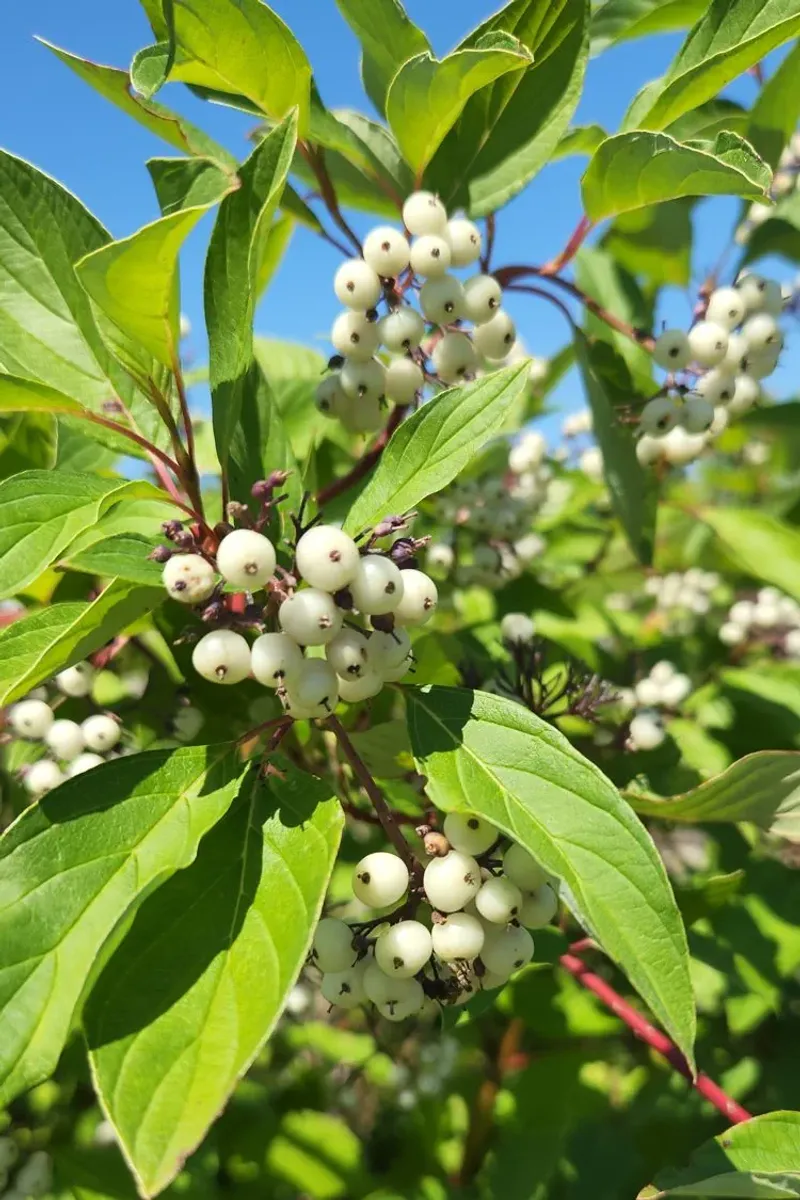
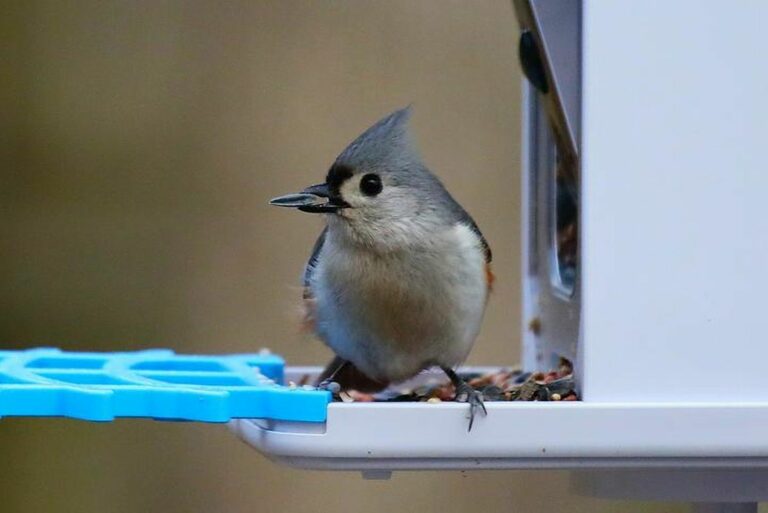
Birds flock to red osier dogwood throughout the year, finding both food and shelter within its dense branching structure.
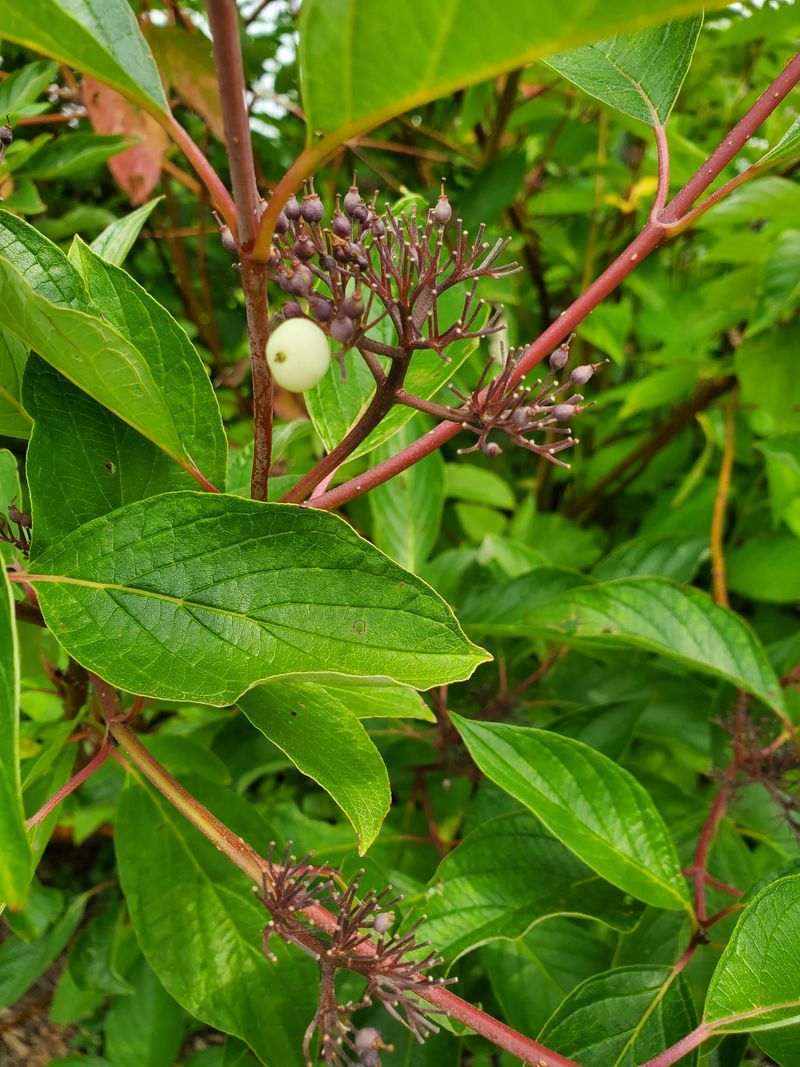
The small white berries that appear in late summer provide high-fat nutrition that helps songbirds prepare for migration or winter survival.
More than forty bird species rely on dogwood berries as a primary food source during late fall when other options become scarce.
Cardinals, robins, and cedar waxwings particularly favor these fruits and will visit yards repeatedly once they discover a reliable dogwood patch.
The thick tangle of stems creates safe nesting sites for smaller birds that need protection from predators and harsh weather.
Pollinators visit the creamy white flower clusters in late spring, gathering nectar and pollen while helping nearby garden plants reproduce successfully.
Deer occasionally browse the foliage but rarely cause serious damage, and the shrub recovers quickly from light grazing pressure.
Small mammals like rabbits and voles find shelter beneath mature dogwood clumps during winter storms and extreme cold snaps.
By propagating multiple plants from cuttings, homeowners can create wildlife corridors that connect different parts of their property and support diverse animal populations.
Native plants like red osier dogwood support far more insects than non-native species, which means more food for baby birds during nesting season.
Erosion Control And Soil Improvement Advantages
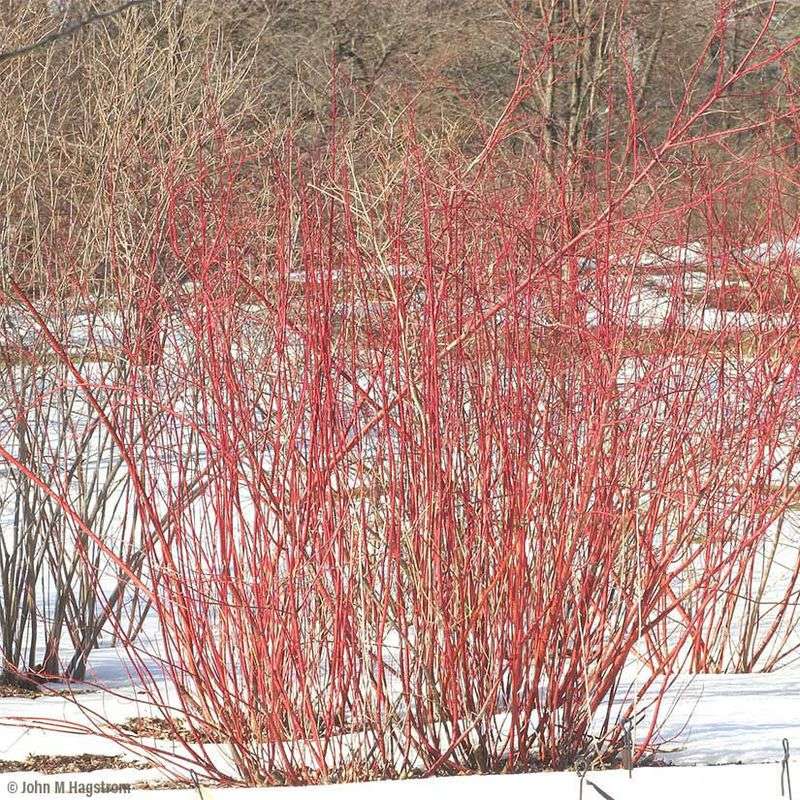
Steep banks and slopes across Pennsylvania properties often suffer from erosion that washes away valuable topsoil during heavy rains.
Red osier dogwood develops an extensive fibrous root system that holds soil particles firmly in place even during spring floods and summer thunderstorms.
The roots spread both deep and wide, creating a living net that stabilizes hillsides without requiring expensive retaining walls or engineering solutions.
Planting cuttings in rows along stream banks or drainage ditches prevents channel widening and protects water quality by filtering runoff before it reaches waterways.
This shrub tolerates wet feet better than most landscape plants, thriving in soggy areas where other species would struggle or fail completely.
Fallen leaves decompose quickly and add organic matter to poor soils, gradually improving texture and fertility over several growing seasons.
The dense growth above ground slows water flow during storms, giving rainfall more time to soak into the earth rather than running off immediately.
Homeowners facing erosion problems can propagate dozens of plants at no cost and establish effective living barriers within two to three years.
The shrub also tolerates road salt and urban pollution, making it valuable for properties near streets or parking areas where runoff carries contaminants.
Pennsylvania’s conservation districts often recommend red osier dogwood for streamside restoration projects because of its proven effectiveness and low maintenance needs.
Where This Shrub Thrives Best In Home Landscapes
Red osier dogwood adapts to various landscape positions but performs exceptionally well in locations that mimic its natural wetland habitat.
Low-lying areas that stay damp throughout summer make perfect homes for this moisture-loving shrub, solving the problem of what to plant in soggy spots.
The plant tolerates full sun in northern Pennsylvania but appreciates afternoon shade in warmer southern counties where summer heat can stress foliage.
Rain gardens benefit greatly from dogwood plantings, as the shrub processes excess water while adding year-round visual interest with its colorful stems.
Property borders transform into attractive natural screens when multiple plants grow together, eventually forming dense thickets that block unwanted views and noise.
The shrub reaches heights between six and nine feet with similar spread, so allow adequate room when planning placement near structures or walkways.
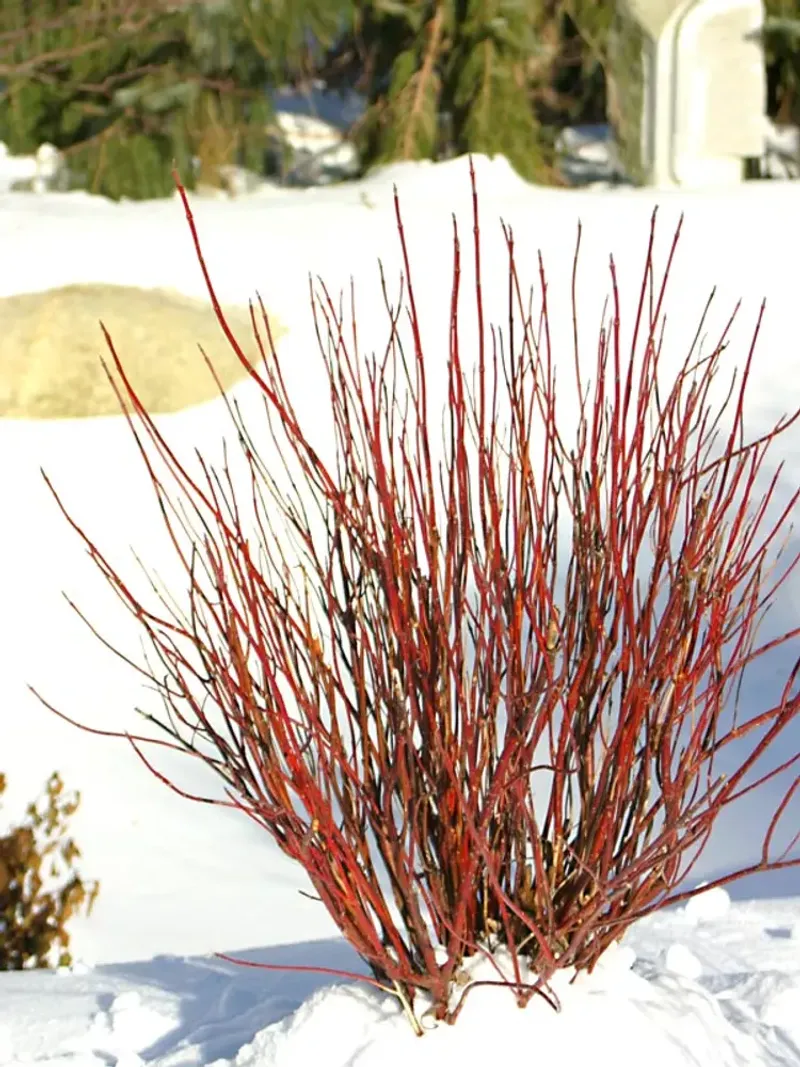
Winter landscapes come alive when red stems appear near evergreens or against light-colored fencing, creating dramatic color contrasts during the dreariest months.
Avoid placing dogwood in extremely dry, sandy soils unless you commit to regular watering, as drought stress weakens plants and reduces the brilliant stem color.
Mixed native plantings that include dogwood alongside serviceberry, viburnum, and winterberry create diverse habitat while ensuring something looks attractive throughout every season.
Foundation plantings work well on north or east-facing walls where reflected heat stays minimal and natural moisture levels remain higher.
How Winter Propagation Saves Money And Builds Native Habitat

Garden centers charge fifteen to thirty dollars per potted red osier dogwood, but winter cuttings cost nothing except your time and effort.
A single mature shrub provides enough cutting material to start twenty or more new plants, turning one purchase into an entire hedge or wildlife planting.
The money saved through propagation can fund other landscape improvements or go toward purchasing different native species to increase yard diversity.
Native plant habitat restoration benefits greatly from this economical approach, allowing homeowners to establish large naturalized areas without breaking the budget.
Schools and community groups can teach propagation skills while creating plants for local parks, trails, and public spaces at minimal expense.
Sharing rooted cuttings with neighbors and friends spreads native plants throughout communities and creates connected corridors that support migrating wildlife populations.
The satisfaction of growing your own landscape plants from scratch adds personal value that purchased specimens cannot match.
Winter provides the perfect timing because outdoor garden tasks slow down, leaving more time for propagation projects that require patience and regular attention.
Pennsylvania’s native ecosystems benefit when homeowners choose regionally appropriate plants like red osier dogwood rather than importing non-native species that offer little ecological value.
Each successfully rooted cutting represents a small victory for conservation and demonstrates how individual actions contribute to larger environmental improvements across the state.