The Benefits Of Fertilizing Christmas Cactus In March In Georgia
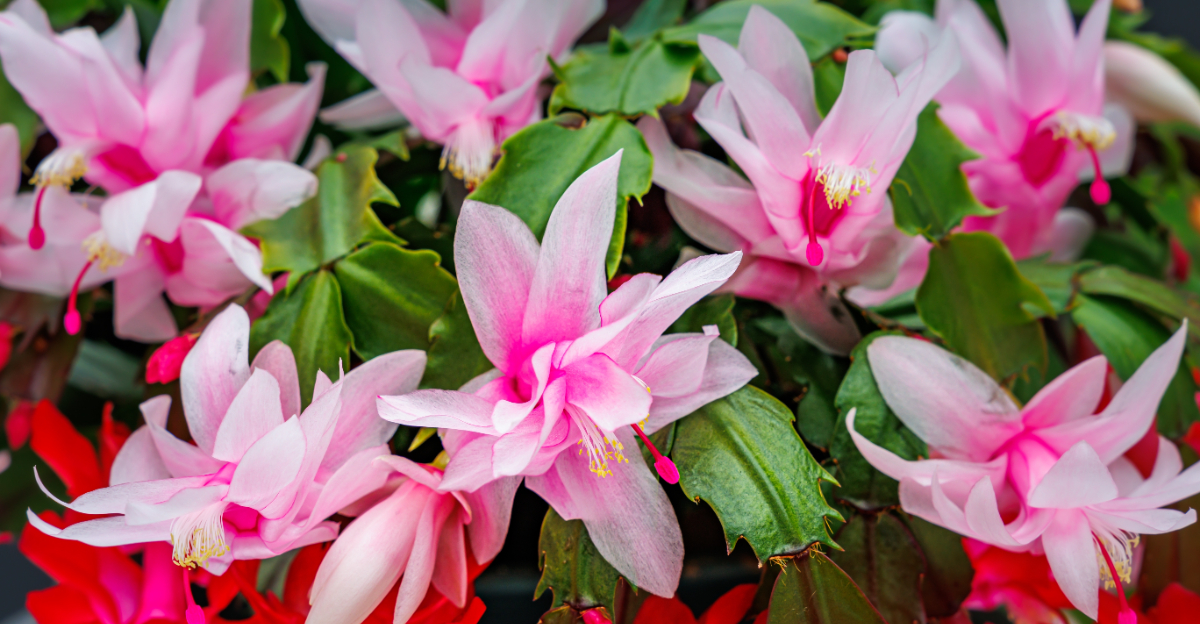
Fertilizing a Christmas cactus in March might seem early, but in Georgia it often lines up perfectly with the plant’s natural growth cycle.
After the slower winter months, this is when many Christmas cacti begin waking up and preparing for a new season of fresh growth. Giving the plant a light feeding at the right time helps it rebuild energy and strengthen stems.
Many gardeners overlook this step and only think about care during the holiday blooming season, but what happens in early spring plays a big role in how the plant performs later.
March fertilizing supports stronger growth now and can lead to fuller plants and better blooms when the next flowering season arrives.
1. March Nutrients Support Strong New Stem Growth
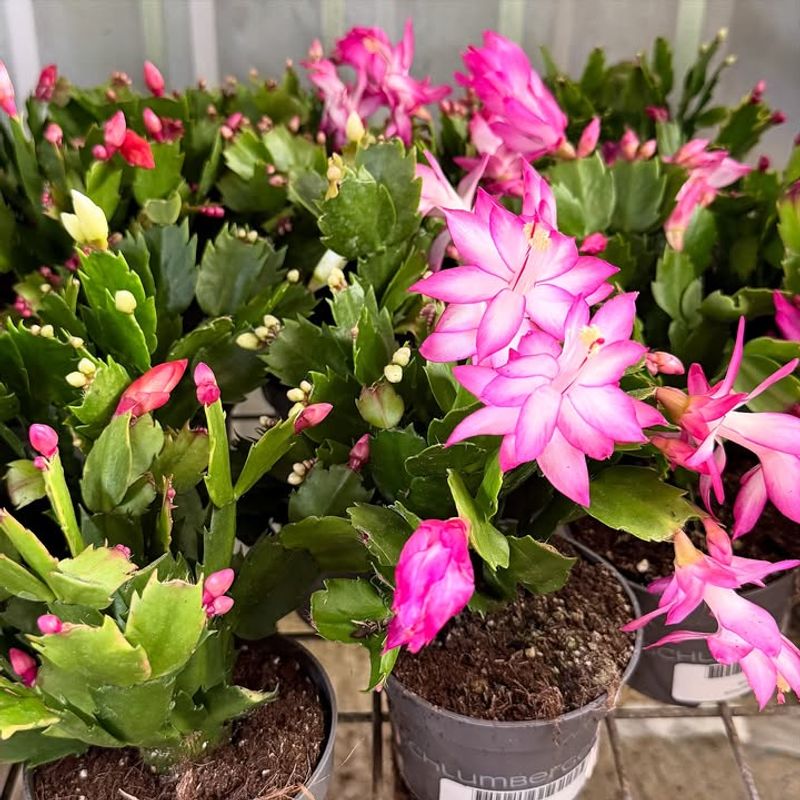
New stem growth on a Christmas cactus does not just appear out of nowhere. Right around March in Georgia, the plant begins pushing out fresh segments, and what you feed it during this window matters more than most people realize.
Without the right nutrients available in the soil, those new stems come out thin, pale, or just plain stunted.
A balanced, water-soluble fertilizer with an N-P-K ratio of 20-20-20 is a solid starting point. Dilute it to half strength before applying, because too much fertilizer at once can actually stress the plant rather than help it.
Apply it every two to four weeks while new growth is actively showing up.
Here in Georgia, March temperatures are already warming up enough to push the plant into active mode. That shift from dormancy to growth is exactly when nitrogen becomes critical for building strong, green stem segments.
Nitrogen is the nutrient most directly tied to leafy, structural growth, so a fertilizer that includes a healthy dose of it makes a noticeable difference.
Watch the new segments as they emerge. Healthy ones should be firm, a deep green color, and roughly the same size as the older ones.
If they look smaller or yellowish, that is often a sign the plant needed feeding sooner. Starting your March fertilizing routine early in the month gives those new stems the best possible foundation to grow from.
2. Balanced Fertilizer Encourages Healthy Green Segments
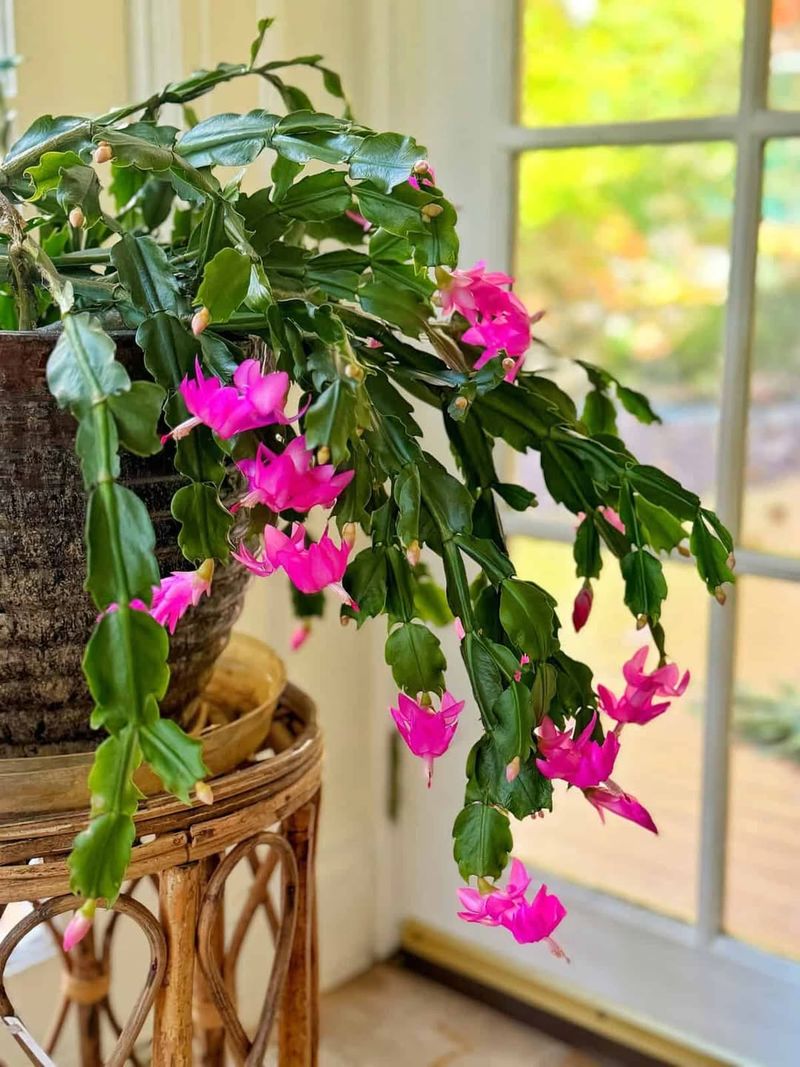
Color tells the whole story with a Christmas cactus. Segments that are deep, rich green mean the plant is getting what it needs.
Pale, washed-out segments usually point to a nutrient gap, and that gap tends to show up most clearly in spring when the plant is working hard to grow.
A balanced fertilizer with equal parts nitrogen, phosphorus, and potassium gives the plant a full nutritional package. Nitrogen handles green growth, phosphorus supports root and bud development, and potassium keeps the overall plant functioning efficiently.
Skipping any one of those three leaves a weak spot in the plant’s health.
Diluting to half strength is not just a suggestion. Christmas cacti are sensitive to fertilizer salts, and a full-strength dose can damage roots or cause brown tips on segments.
Half strength applied consistently is far more effective than a heavy dose applied once and forgotten.
Georgia gardeners who keep their plants indoors near east or west-facing windows will notice the fertilizer working alongside good light.
Bright, indirect sunlight combined with steady nutrition is what produces those thick, glossy segments you see on really well-tended plants.
Avoid south-facing windows where direct afternoon sun can scorch the plant during warmer March days in Georgia.
Stick with a regular feeding schedule every two to four weeks from March through late summer. Consistency is what separates a so-so plant from one that looks genuinely impressive by the time the holidays roll around.
3. Early Nutrition Helps Prepare Future Buds
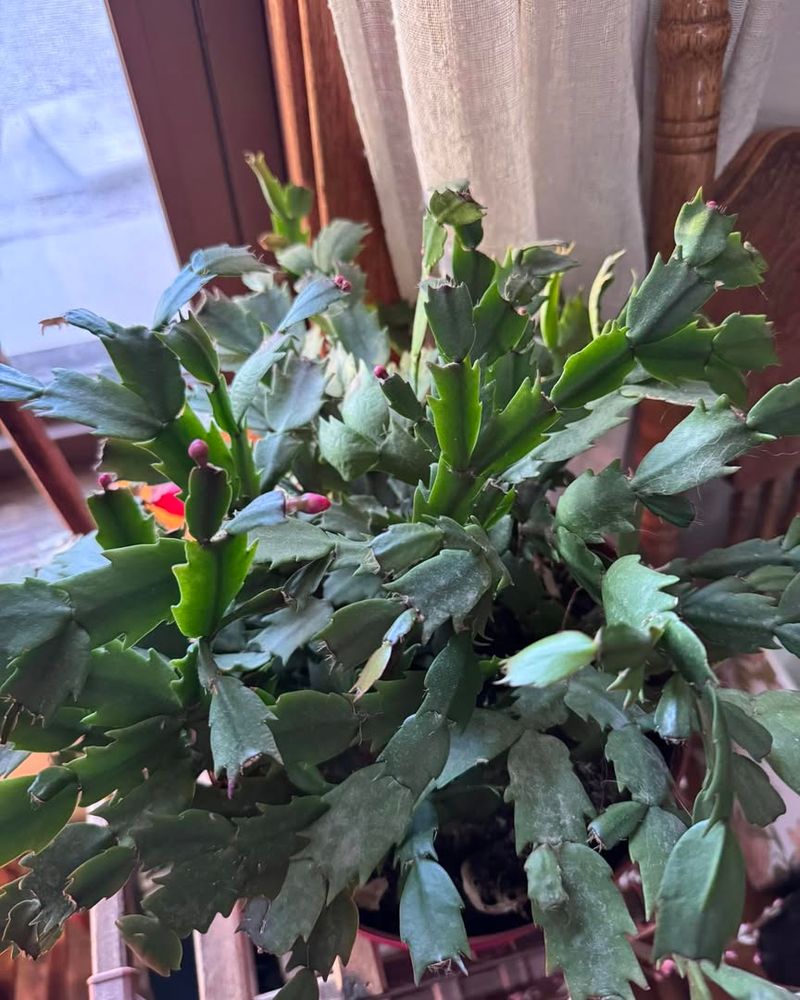
Buds do not just show up in November by accident. What happens to a Christmas cactus in March in Georgia directly influences whether it blooms heavily or barely at all later in the year.
Early nutrition lays down the foundation for bud development months before you ever see a single flower.
Phosphorus is the key player when it comes to future blooms. A fertilizer that includes a solid phosphorus component, like a 20-20-20 blend, gives the plant what it needs to start building the internal structures that eventually become flower buds.
Skipping early feeding means the plant has to rely on whatever depleted nutrients are left in the potting soil from the previous season.
Potting soil loses nutrients fast, especially in containers that get watered regularly. By March, most of the available nutrition in the soil from the previous year is simply gone.
That is exactly why fertilizing in early spring is not optional if you want a strong bloom cycle later on.
Georgia’s mild March weather is actually ideal for this kind of early care. Indoor temperatures tend to stay in the 60 to 70 degree range, which is right where a Christmas cactus likes to be while it is actively growing.
Comfortable temperatures plus consistent feeding create the right environment for the plant to invest energy into future bud sites.
Think of March fertilizing as a long game. You will not see blooms until fall, but the work you put in now is exactly what makes those blooms happen.
4. Feeding After Winter Rest Restores Plant Energy
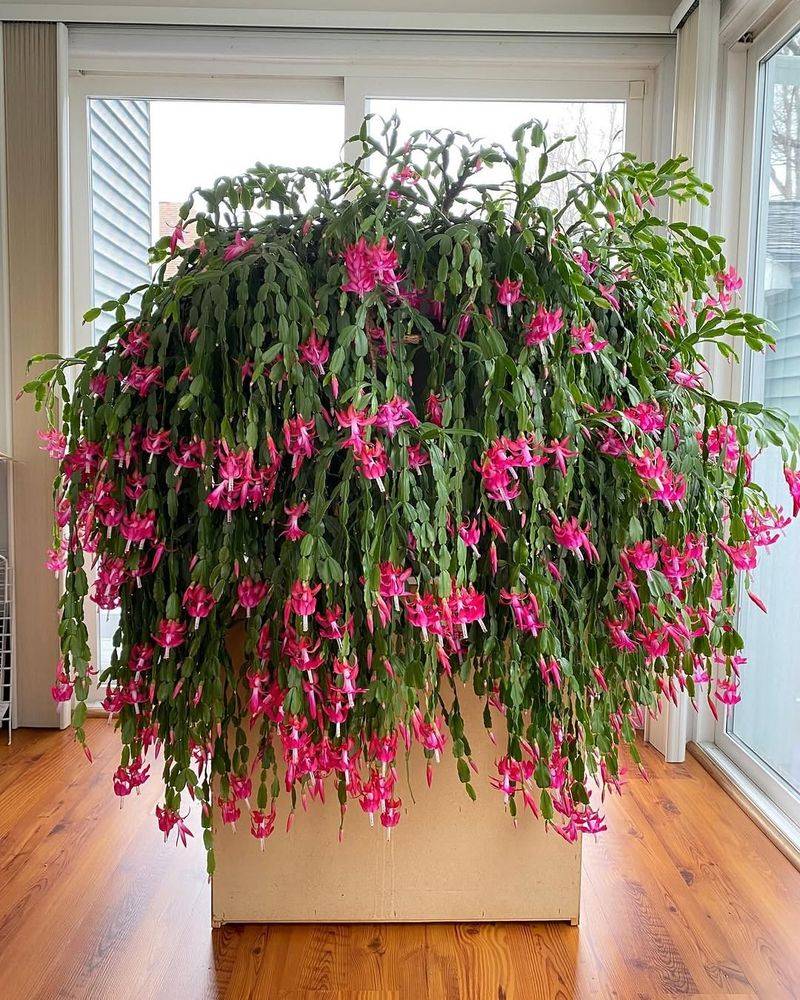
Winter is tough on a Christmas cactus, even indoors. The plant spends those months in a kind of low-energy state, burning through stored nutrients and doing very little in terms of visible growth.
By the time March arrives in Georgia, it is running on empty and ready for a recharge.
Restarting fertilization after the winter rest period is one of the most effective things you can do for plant recovery. Resume feeding gradually, starting with a half-strength dose in early March before moving to a regular schedule.
Jumping straight to full-strength feeding after months of dormancy can shock the root system.
Epsom salts are worth adding into the routine at this stage. Christmas cacti have a higher-than-average need for magnesium, and Epsom salts deliver exactly that.
Mix one teaspoon per gallon of water and apply it monthly, but not in the same week you use your regular fertilizer. Alternating them keeps the plant from getting an overwhelming hit of nutrients all at once.
Segments that looked a little limp or soft through January and February usually perk back up within a few weeks of consistent spring feeding. It is satisfying to watch, honestly.
Georgia gardeners who stick to a post-winter feeding routine tend to see noticeably faster recovery compared to those who wait until May or June to start fertilizing again.
Restoring plant energy in March sets the rhythm for the entire growing season ahead and keeps the plant building strength steadily through spring and summer.
5. Added Nutrients Strengthen Root Activity
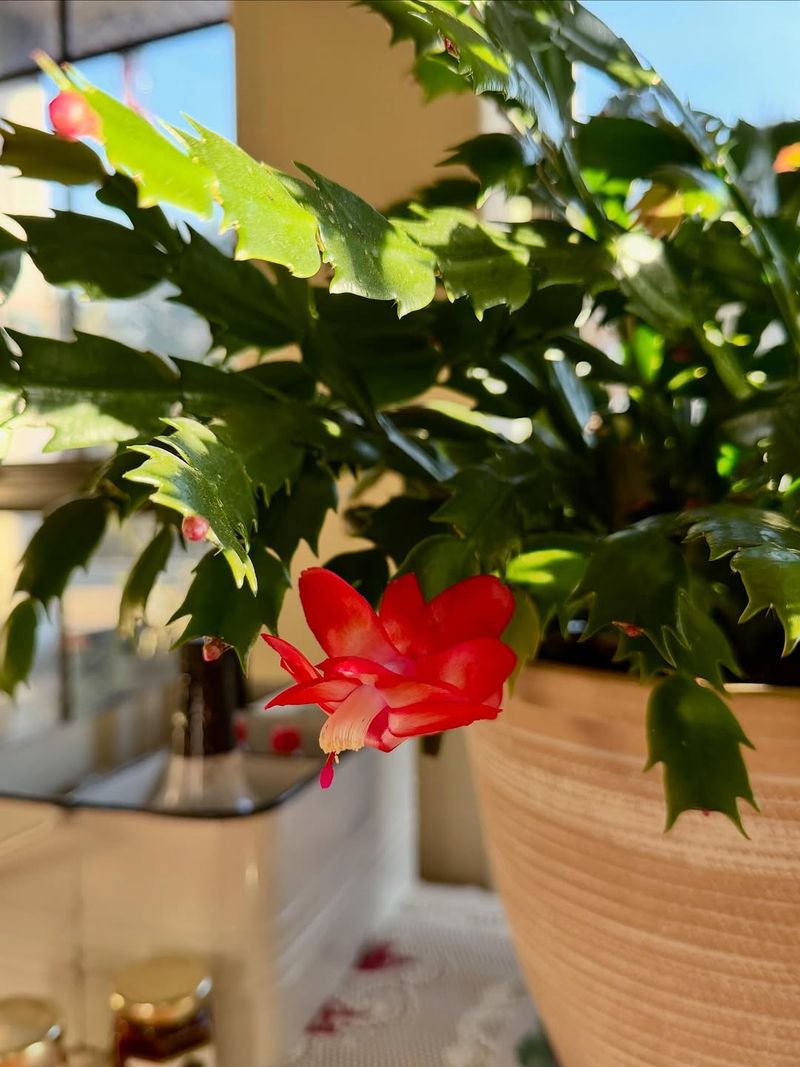
Roots do all the work that nobody ever sees. Strong root activity in March means the plant has a reliable system for pulling water and nutrients up into its stems and segments throughout the entire growing season.
Weak roots, on the other hand, limit everything the plant can do above the soil line.
Phosphorus plays a big role in root health. A balanced 20-20-20 fertilizer provides phosphorus alongside nitrogen and potassium, giving the root system the support it needs to expand and stay active.
Healthy roots are white, firm, and spread evenly through the potting mix. Roots that have been sitting in depleted soil through winter can look pale and sluggish, but they respond quickly once feeding begins.
Drainage matters just as much as fertilizer when it comes to root health. In Georgia, indoor humidity can be higher than in drier climates, which means pots without proper drainage holes can hold moisture too long.
Always make sure the pot drains freely before fertilizing, because waterlogged roots cannot absorb nutrients effectively no matter how much you feed the plant.
Water the plant thoroughly before applying liquid fertilizer. Fertilizing dry soil concentrates the nutrients too heavily in one area and can irritate roots.
Moist soil distributes the fertilizer more evenly and helps the roots absorb it at a steady rate.
Root activity in March sets the pace for everything that follows. A strong underground system means stronger stems, better hydration, and a plant that is genuinely prepared for a productive growing season in Georgia.
6. Proper Fertilization Supports Denser Growth
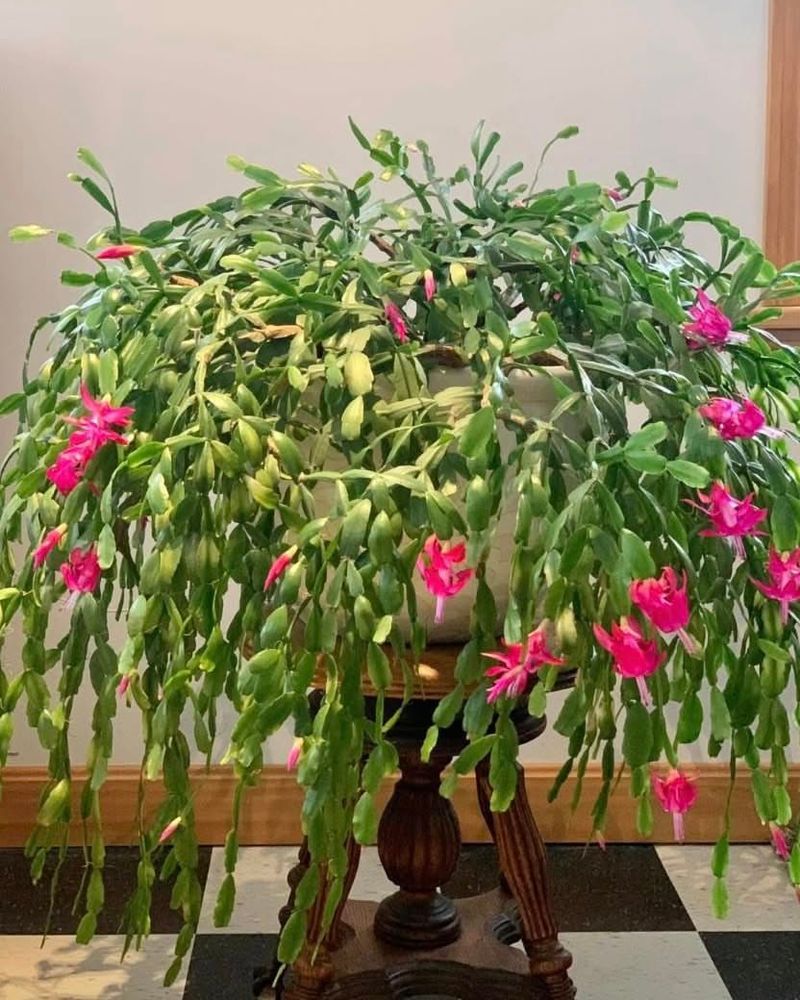
Sparse, leggy Christmas cacti are almost always the result of inconsistent care, and fertilizing is usually the missing piece.
A plant that gets fed properly through spring produces noticeably denser growth, with more segments branching off in multiple directions rather than growing in a single thin line.
Starting fertilization in March in Georgia gives the plant a full growing season to fill out. Each new segment that develops in spring can itself branch and produce additional segments later in summer.
Feed the plant consistently and you end up with a much fuller, more substantial plant by fall compared to one that was left to fend for itself.
Potassium is the nutrient most associated with overall plant structure and resilience. A balanced fertilizer that includes potassium helps the plant build thicker, sturdier segments that hold their shape well.
Segments that flop or droop are sometimes a sign of low potassium, especially in plants that have not been fertilized in a while.
Repotting every two to three years also supports denser growth by giving roots more room to expand. If your Christmas cactus has been in the same pot for several years, March is a reasonable time to move it up one pot size before beginning your spring feeding routine.
Fresh potting mix combined with regular fertilizer gives the plant a clean slate to grow from.
Dense, lush growth does not happen by luck. It is the result of steady nutrition, good light, and a little bit of patience applied consistently across the growing season right here in Georgia.
7. Spring Feeding Helps Improve Later Flowering
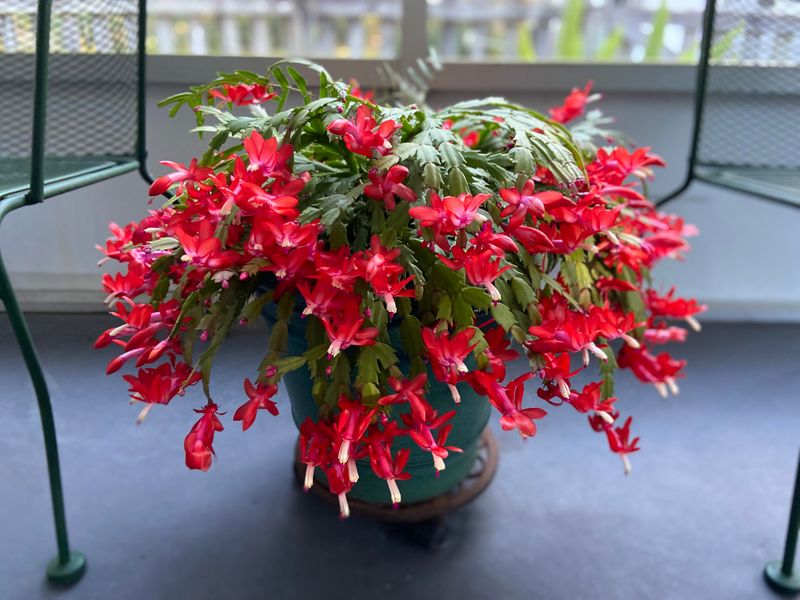
Few things are more rewarding than a Christmas cactus that blooms heavily right when the holidays hit. But that kind of performance does not come from what you do in November.
It comes from what you did back in March when the plant was just waking up and most people were not thinking about it at all.
Spring feeding directly influences bloom quantity and quality. A plant that receives consistent nutrients from March through late summer enters its fall bud-setting phase with strong reserves.
Those reserves are what the plant draws on when it starts forming flower buds as day length shortens in autumn.
Stopping fertilization at the right time matters just as much as starting it. Most Georgia gardeners find that cutting back on feeding in late September or early October, as the plant begins its pre-bloom rest phase, helps trigger a stronger bud set.
Fertilizing too late in the season can actually delay or reduce blooming by pushing the plant toward vegetative growth instead of flower production.
Light exposure through fall also plays a role. Keeping the plant in a spot that gets 12 to 14 hours of darkness per night starting in early October encourages bud formation.
Combined with the nutrient reserves built up through proper spring and summer feeding, that darkness triggers reliable, heavy blooming.
Georgia gardeners who commit to a March-to-September feeding schedule consistently report better bloom results. Starting in spring is the move that makes holiday flowering truly spectacular rather than just occasional.