The Berry Bushes Oregon Gardeners Should Mulch Before Warm Weather Arrives
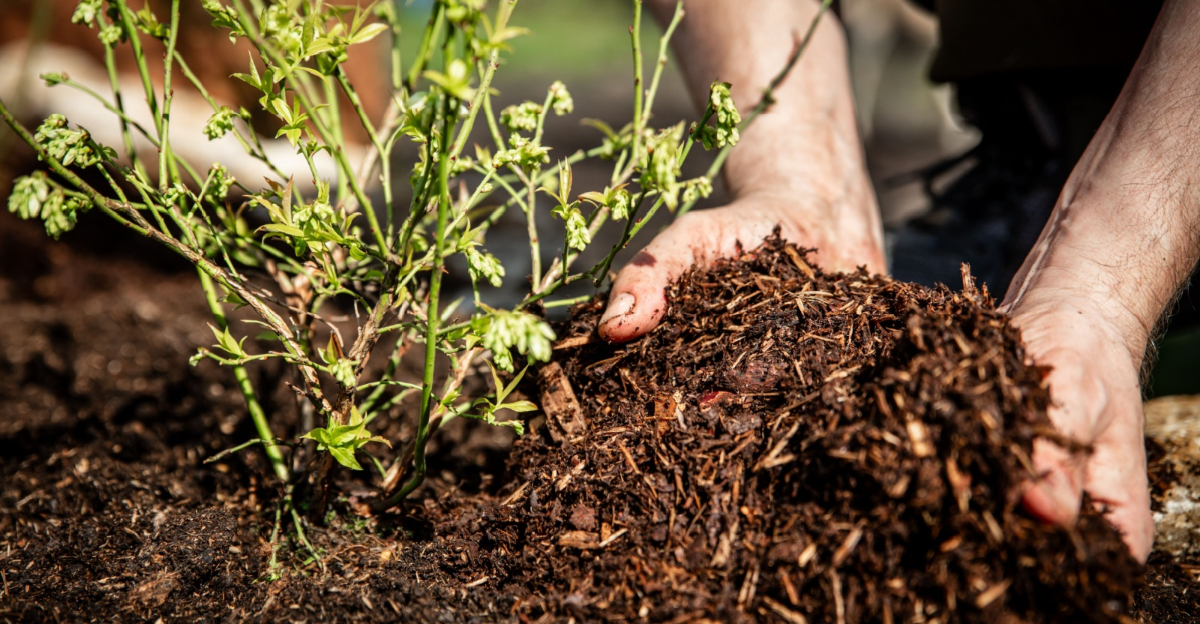
Early spring in Oregon flips the “go” switch in your garden. Rain-soaked soils are warming, days are lengthening, and berry bushes are waking from dormancy, ready for growth and fruit.
From the misty Willamette Valley to the drier central Oregon foothills, gardeners have a golden window to mulch their plants before summer heat and dryness arrive.
Mulching now locks in moisture, suppresses weeds, moderates soil temperature, and enriches the soil as it breaks down.
Whether you are tending blueberries, raspberries, blackberries, currants, haskap, saskatoons, or lingonberries, applying mulch at the right time supports healthier plants, bigger harvests, and attracts pollinators to spring blossoms.
Roll up your sleeves! Your Oregon berry patch is about to come alive.
Blueberries Produce Sweet Fruit And Attract Pollinators
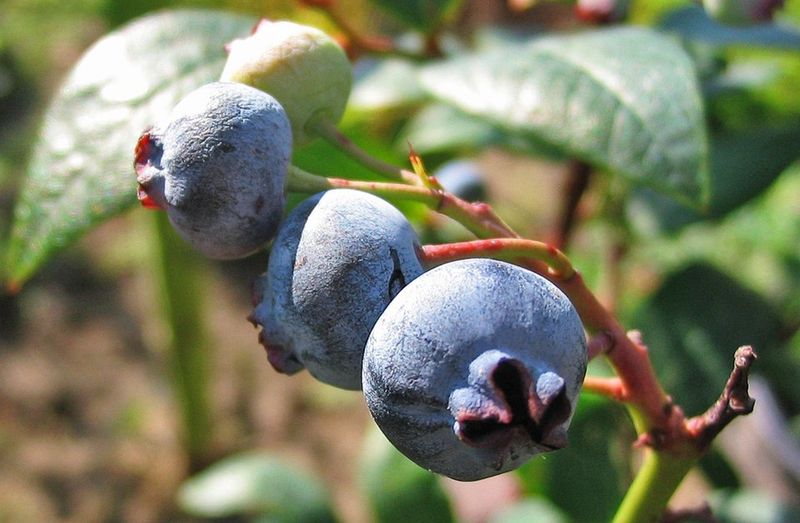
Few plants reward Oregon gardeners quite like a well-mulched blueberry bush loaded with ripe, sweet fruit in midsummer.
Blueberries thrive in Oregon’s naturally acidic soils, particularly in the Willamette Valley, where conditions closely match what these plants love most.
Getting mulch down before warm weather arrives helps lock in the cool, moist soil environment that blueberry roots depend on.
Blueberries are shallow-rooted plants, which means their root systems sit close to the soil surface and are especially vulnerable to heat and moisture loss.
A 3- to 4-inch layer of acidic mulch such as pine needles, sawdust, or wood chips helps maintain the ideal soil pH while also keeping the root zone cool.
Oregon State University Extension recommends avoiding mulch piled directly against the main stem to reduce the risk of rot and pest activity.
Timing matters more than many gardeners realize. Applying mulch in mid to late April, after the soil has started to warm but before summer heat sets in, gives blueberries the moisture buffer they need during Oregon’s dry months.
Replenishing mulch each spring keeps the layer effective as organic material gradually breaks down and enriches the soil.
Blueberries also attract native bees, mason bees, and bumblebees when they bloom in spring, making them a pollinator-friendly addition to any Oregon garden.
Supporting healthy soil through consistent mulching leads to stronger root systems, more vigorous growth, and heavier fruit set season after season.
Raspberries Offer Juicy Berries And Early Summer Color
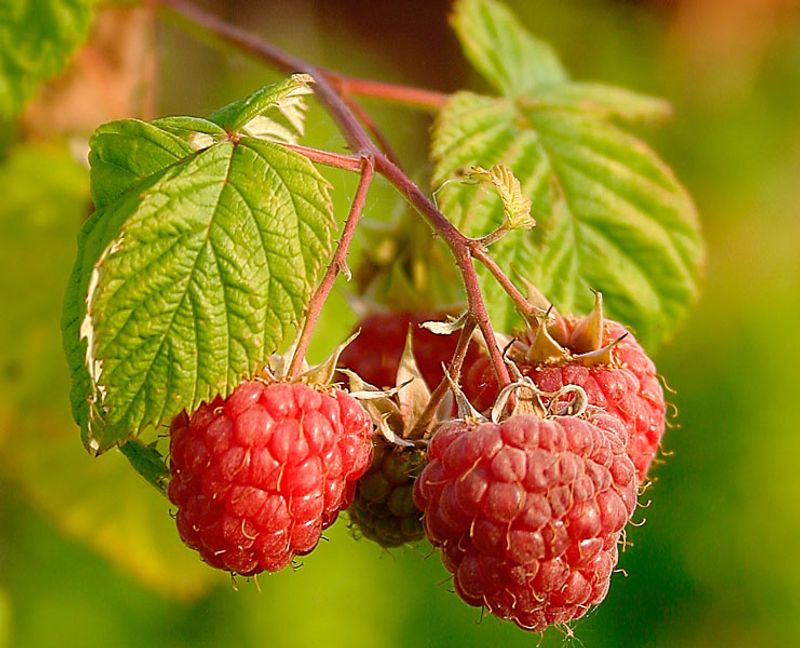
Walking through an Oregon garden in early summer and spotting the first flush of red raspberries is one of those small, satisfying moments that makes all the spring prep worthwhile.
Raspberries are vigorous growers that produce an abundance of canes, and keeping the soil around them mulched before warm weather arrives helps channel more of the plant’s energy into fruit production rather than stress recovery.
Oregon’s climate suits raspberries well, especially in areas with cool winters and warm, dry summers. The challenge comes when summer heat arrives quickly and soil moisture drops.
Straw and wood chip mulch applied at a depth of 2 to 3 inches around raspberry canes helps slow evaporation significantly, reducing how often gardeners need to water during the dry season.
Keeping mulch a few inches away from the base of the canes prevents moisture from sitting against the stems.
Raspberries produce fruit on second-year canes, so protecting the root zone and encouraging healthy new cane development each spring is essential.
Mulch supports that process by moderating soil temperature and suppressing weeds that would otherwise compete for nutrients and water.
In Oregon’s wetter regions, mulch also helps reduce soil compaction from heavy spring rains.
Adding a fresh layer of compost beneath the mulch in early spring gives raspberries a slow-release nutrient boost just as growth picks up.
The combination of compost and mulch creates a productive, low-maintenance growing environment that Oregon gardeners can count on year after year.
Blackberries Provide Abundant Fruit And Wildlife Foraging
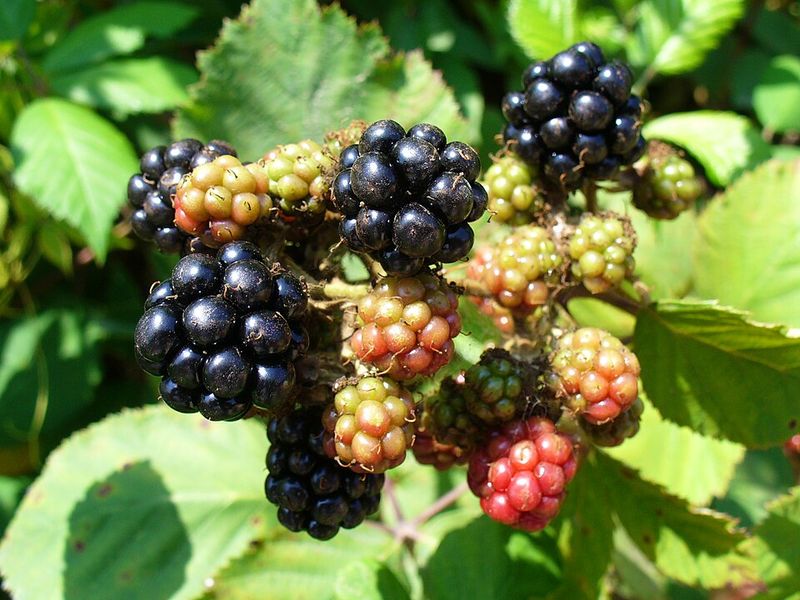
Oregon is practically synonymous with blackberries, and for good reason. Cultivated varieties like Triple Crown and Chester Thornless produce heavy crops of large, flavorful berries that ripen from midsummer into early fall.
Mulching these productive bushes before warm weather sets in gives them the moisture and temperature stability they need to push through Oregon’s dry summer months without skipping a beat.
Blackberry canes grow vigorously and can spread quickly, so keeping the soil around established plants mulched helps gardeners maintain some order while also improving plant health.
A 3-inch layer of wood chips or shredded bark applied in mid-April locks in soil moisture and keeps weed pressure manageable without requiring constant attention.
Oregon State University Extension notes that well-mulched blackberries generally show stronger cane development and more consistent fruiting than plants grown in bare soil.
One thing worth knowing about blackberries is that their canes arch outward and can root where they touch the ground.
Mulch helps gardeners stay ahead of unwanted spread by making it easier to spot and remove rooted tips before they establish.
Keeping the growing area tidy with a good mulch layer also makes harvesting much more comfortable.
Wildlife in Oregon, including birds and small mammals, are drawn to blackberry patches for both fruit and shelter.
Supporting a healthy, well-mulched planting creates a more productive habitat corridor while still leaving plenty of berries for the household.
Consistent mulching year after year builds richer soil and stronger plants across every growing season.
Currants And Gooseberries Bring Tart Berries And Bird Activity
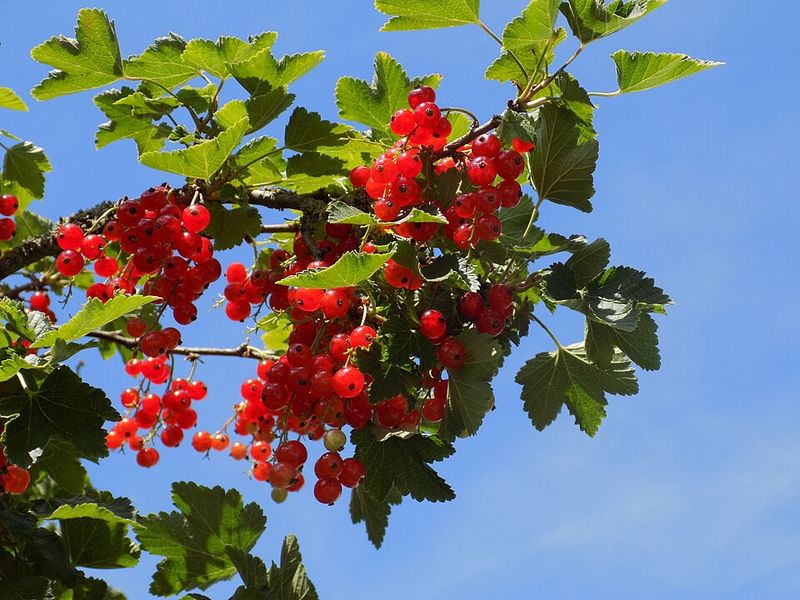
Tart, jewel-like, and surprisingly productive, currants and gooseberries are two of the most underappreciated berry bushes in Oregon gardens.
Both plants belong to the Ribes genus and share similar growing requirements, making them easy to manage together.
They thrive in Oregon’s mild climate and tolerate partial shade better than most other fruiting shrubs, which makes them a smart choice for spots that do not get full sun all day.
Mulching currants and gooseberries before warm weather hits helps these shallow-rooted plants maintain consistent soil moisture through Oregon’s summer dry period.
A 2- to 3-inch layer of compost-enriched wood chips or straw spread around the base of each plant in April creates a stable growing environment that reduces watering frequency and keeps soil temperatures from swinging too dramatically.
Keeping the mulch pulled back slightly from the main stems reduces the chance of fungal issues, which can be a concern in Oregon’s wetter coastal regions.
Both plants attract significant bird activity once berries start ripening, which Oregon gardeners tend to either love or manage with netting depending on the harvest goals.
The dense branching structure also provides nesting cover for small songbirds throughout the season.
Currants are particularly well-suited to Oregon’s Willamette Valley, where the cool, moist climate mirrors their native habitat. Gooseberries tolerate slightly drier conditions and can handle heavier clay soils with good drainage.
Mulching both plants annually builds soil organic matter over time, creating progressively better growing conditions with each passing year.
Haskap Bushes Yield Early Fruit And Support Native Bees
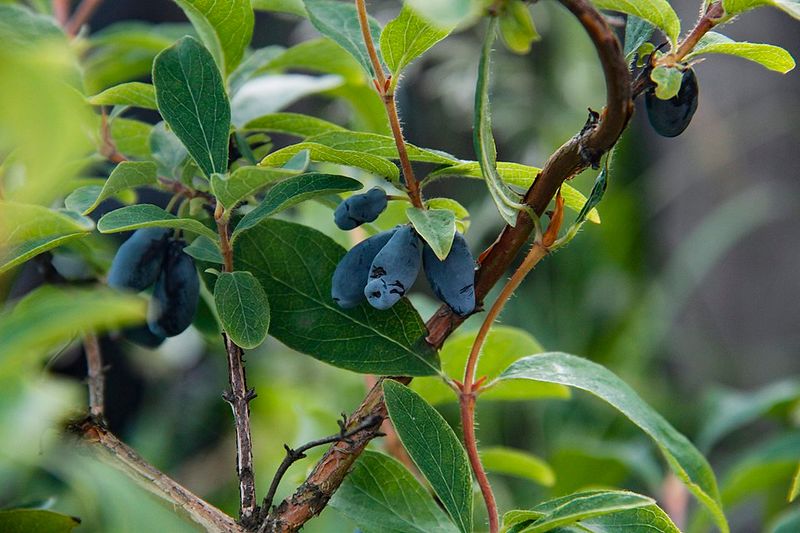
Haskap berries, sometimes called honeyberries, are one of the earliest fruiting plants in the Oregon garden, often ripening a full month before strawberries.
That early harvest window is one of the reasons interest in haskap has grown steadily among Oregon growers over the past decade.
The plants are cold-hardy, adaptable, and surprisingly low-maintenance once established, but they respond especially well to spring mulching before the heat of summer arrives.
Because haskap bushes bloom very early in the season, they are among the first plants to draw in native bees, including Oregon’s native bumblebee species, at a time when other food sources are still scarce.
Healthy, well-fed plants supported by good soil conditions tend to produce more flowers and, in turn, more fruit.
Applying a 3-inch layer of wood chips or straw in mid-April helps maintain the moist, cool soil conditions that haskap roots prefer through Oregon’s warmer months.
Haskap plants prefer slightly acidic to neutral soil and grow well in many parts of Oregon, including higher elevation areas where late frosts can be a concern.
Mulch helps moderate soil temperature fluctuations that can stress root systems during unexpected cold snaps in spring.
Oregon State University research on haskap cultivation highlights the importance of consistent moisture during fruit development for achieving good berry size and flavor.
Replenishing mulch each spring and adding a layer of compost beneath it gives haskap bushes a gradual nutrient supply that supports steady growth.
Most plants begin producing meaningful harvests within two to three years of planting.
Saskatoons Offer Edible Berries And Spring Blossom Appeal
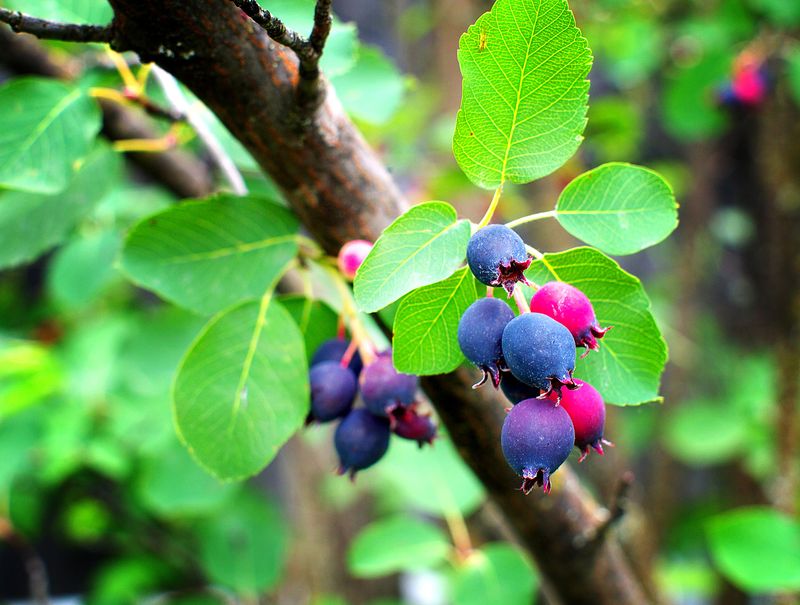
Before the berries appear, saskatoon bushes put on a show that rivals any ornamental shrub in the spring garden.
Clusters of white blossoms cover the branches in early spring, drawing in pollinators and adding real visual impact to the Oregon landscape before most other plants have woken up.
Then, by early summer, those blossoms give way to sweet, blueberry-like fruits that are excellent fresh, dried, or baked into pies and jams.
Saskatoons, also known as serviceberries, are native to western North America and have a natural toughness that makes them well-suited to Oregon’s variable climate.
They handle both wet winters and dry summers better than many other berry bushes, but they still benefit considerably from spring mulching.
A 3-inch layer of wood chips or shredded bark applied around the base of each plant in April helps reduce soil moisture loss during Oregon’s dry summer months and keeps the root zone at a stable temperature.
One of the practical advantages of saskatoons is their adaptability to a range of Oregon soil types, from the loamy soils of the Willamette Valley to the heavier clay soils found in parts of the state.
Mulching helps improve drainage in heavier soils while also building organic matter over time as the mulch breaks down.
Keeping the mulch layer a couple of inches away from the main stems is a good habit to maintain.
Birds are particularly fond of saskatoon berries, so gardeners who want a full harvest often use bird netting once fruit begins to color. The plants are long-lived and can produce for decades with basic annual care.
Lingonberries Feature Evergreen Foliage And Winter Interest
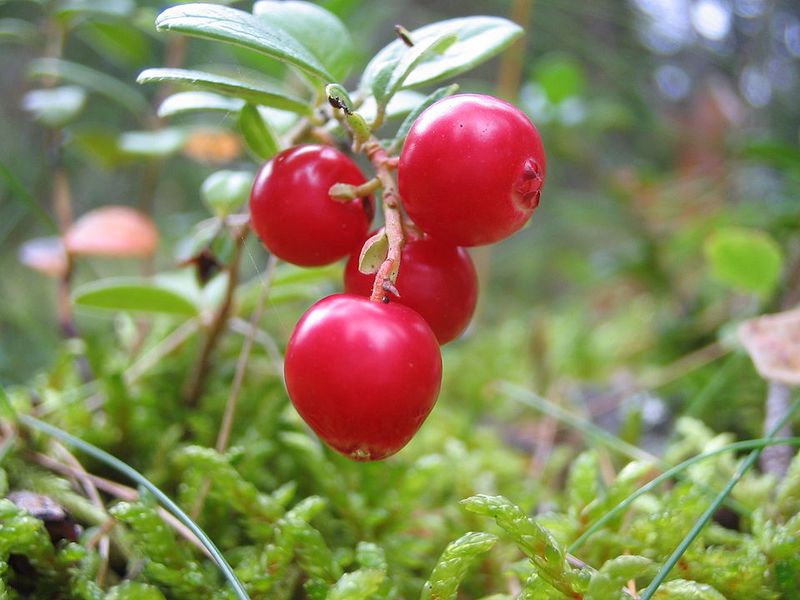
Most berry bushes go dormant and bare in winter, but lingonberries hold onto their glossy, dark green leaves year-round, giving Oregon gardens a splash of color even in the depths of January.
These low-growing evergreen shrubs rarely top 12 inches in height, making them a great option for edging beds, filling shaded corners, or growing as a ground cover beneath taller fruit trees.
Their small stature does not hold back their productivity, as established plants can produce two crops of tart red berries per year in favorable Oregon conditions.
Lingonberries share blueberries’ preference for acidic, well-drained soil and thrive in the cool, moist conditions found across much of western Oregon.
Applying a 2-inch layer of pine needle mulch or acidic wood chips in mid-April helps maintain the low soil pH these plants need while also protecting their shallow roots from drying out over summer.
Because lingonberries spread slowly through underground runners, keeping the soil consistently mulched encourages steady expansion without stressing the existing plants.
Oregon’s mild coastal climate is particularly well-suited to lingonberries, which perform best where summers stay relatively cool and winters are not too severe.
Inland Oregon gardeners can also grow them successfully with attention to irrigation and mulching.
The Oregon State University Extension Service notes that lingonberries are a promising specialty crop for small-scale Oregon growers interested in niche markets and value-added products like jams and sauces.
Refreshing the mulch layer each spring keeps soil conditions stable and reduces the amount of weeding required throughout the growing season. Lingonberries are a long-term investment that reward consistent, thoughtful care.