The Best Asthma-Friendly Plants For California Homes
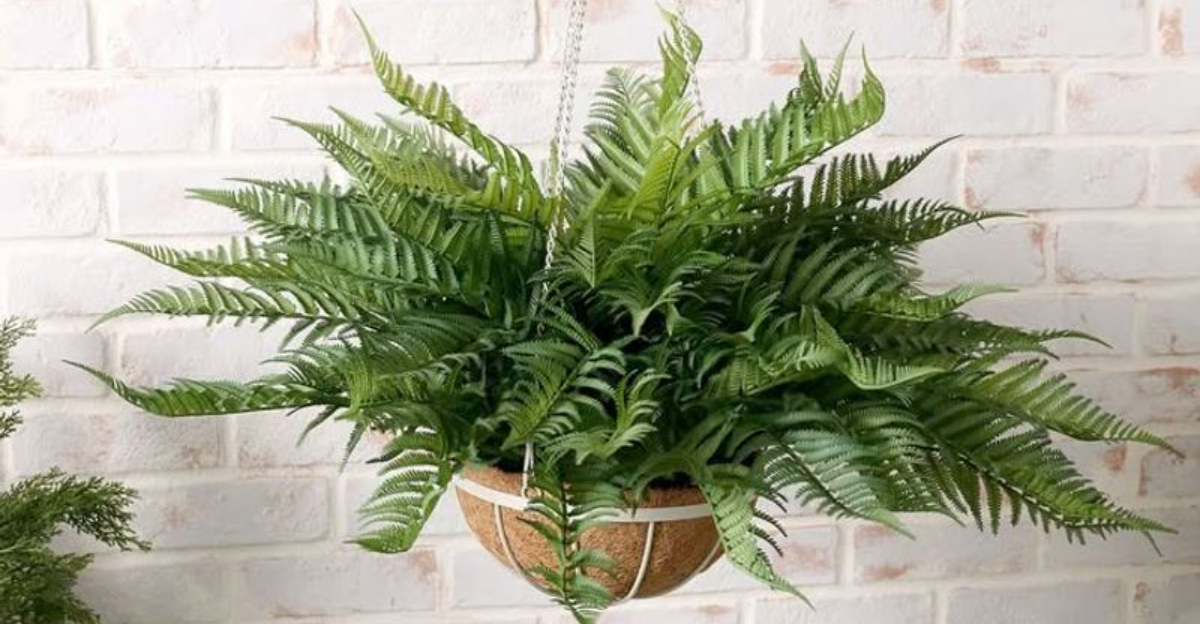
Creating a healthy home environment in California doesn’t have to mean sacrificing greenery. Some plants can actually support better air quality and be gentle on asthma sufferers.
Breathe easier while enjoying lush greenery. From vibrant foliage to subtle, decorative varieties, these asthma-friendly plants thrive indoors without triggering allergies or irritants.
Your home can be both stylish and safe. Many of these plants naturally filter the air, removing toxins and adding a touch of nature to any room.
Beauty and wellness go hand in hand. Even busy homeowners can enjoy the benefits, as these plants are low-maintenance and resilient.
A healthier indoor atmosphere starts with the right choices. With the proper selection, California homes can be full of life, color, and clean, breathable air – all without worrying about asthma triggers.
1. Spider Plant
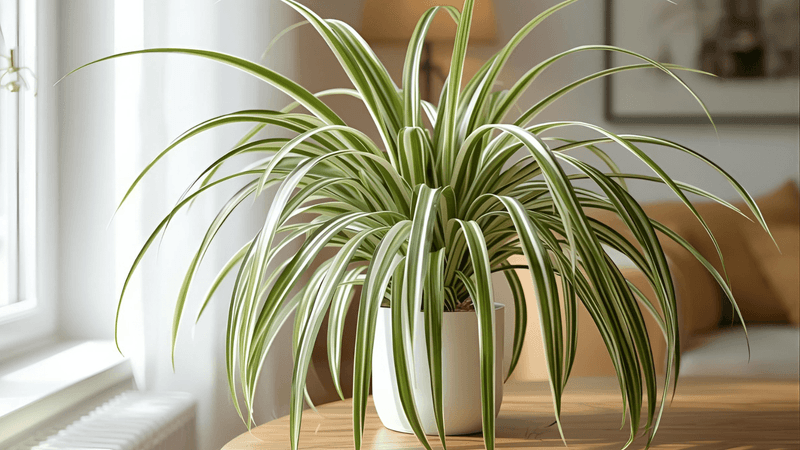
Air purification comes naturally to this hardy houseplant, making it a top choice for California residents concerned about respiratory health.
Spider plants excel at removing formaldehyde, xylene, and carbon monoxide from indoor environments, all common irritants found in homes throughout Los Angeles, Sacramento, and other urban areas.
Their ability to thrive in various lighting conditions means they adapt well whether your home gets bright coastal light or filtered sunshine through apartment windows.
One remarkable feature is their complete lack of pollen production, which eliminates a major asthma trigger right from the start.
These plants reproduce through baby plantlets that dangle from long stems, creating cascading greenery without any flowering process that might release allergens.
Maintenance requires minimal effort since they prefer their soil to dry out between waterings, reducing the moisture levels that encourage mold growth in your California home.
Spider plants also tolerate the dry indoor air common in heated or air-conditioned California spaces without complaint. Their arching leaves create visual interest while continuously working to clean your breathing space.
Even beginners find success with these forgiving plants, as they bounce back quickly from occasional neglect.
For families managing asthma in California homes, spider plants deliver maximum air-cleaning benefits with virtually zero respiratory risks, making them an ideal starting point for your indoor garden journey.
2. Snake Plant
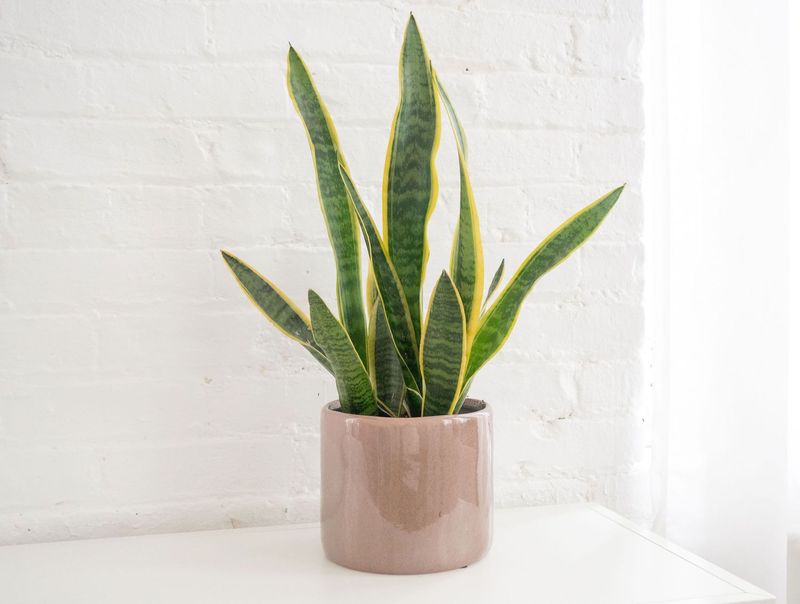
Nearly indestructible and exceptionally beneficial, the snake plant stands out as a respiratory-friendly choice for California households.
Unlike most plants that release oxygen during daylight hours, this unique variety continues producing oxygen throughout the night, making it perfect for bedrooms where asthma symptoms often worsen during sleep.
Its upright, sword-shaped leaves add architectural interest to any room from San Jose to San Diego without taking up much floor space.
Drought tolerance is another advantage that makes snake plants ideal for California living, especially during dry seasons when maintaining proper humidity becomes challenging. These plants actually prefer neglect over attention, thriving when their soil stays dry for extended periods.
This characteristic prevents the damp conditions where mold spores multiply, keeping your indoor environment safer for sensitive airways.
The waxy coating on snake plant leaves naturally repels dust and rarely requires cleaning, unlike fuzzy-leaved varieties that trap particles and allergens.
NASA research identified snake plants as excellent filters for benzene, formaldehyde, trichloroethylene, and other household chemicals that can trigger asthma attacks.
Their slow growth means minimal maintenance and no need for frequent repotting that might disturb soil and release particles into your California home.
Whether placed in a sunny corner or a dimly lit hallway, snake plants quietly improve your breathing environment while requiring almost nothing in return.
3. Bamboo Palm
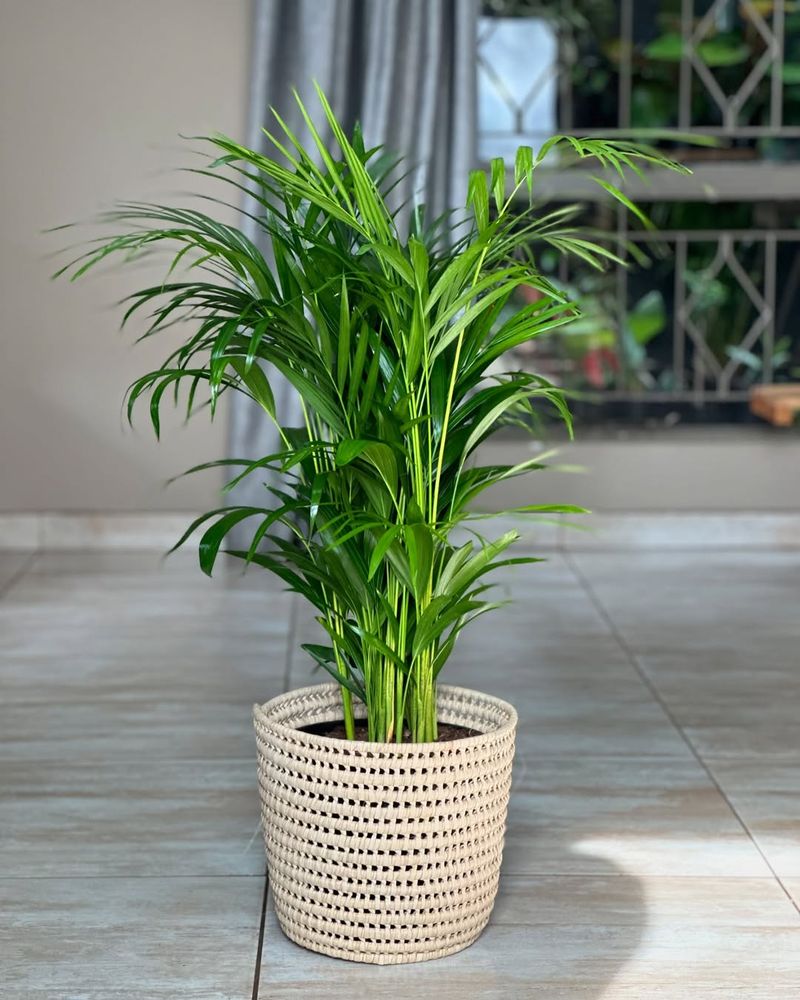
Tropical elegance meets air-purifying power in this graceful palm that thrives in California’s mild climate zones.
Bamboo palms consistently rank among the most effective plants for filtering indoor air pollutants, particularly excelling at removing benzene and trichloroethylene from home environments throughout the state.
Their feathery fronds create a lush, resort-like atmosphere while working continuously to improve the air quality around them.
What makes bamboo palms especially suitable for asthma management is their natural humidifying effect without creating excessive moisture.
They release water vapor through transpiration at levels that help prevent dry airways without encouraging mold development, striking a perfect balance for California homes with climate control systems.
This gentle humidity regulation can actually reduce nighttime coughing and morning congestion that many asthma sufferers experience in dry indoor environments.
These palms prefer bright, indirect light similar to what they would receive under a forest canopy, making them perfect for rooms with large California windows fitted with sheer curtains.
Regular misting keeps their leaves dust-free and vibrant without saturating the soil, maintaining that crucial balance between humidity and dryness.
Bamboo palms grow slowly and steadily, eventually reaching several feet tall to create a dramatic focal point. For Oakland, Fresno, or anywhere across California, these palms offer both aesthetic appeal and measurable respiratory benefits, transforming your indoor space into a healthier breathing zone.
4. Rubber Plant
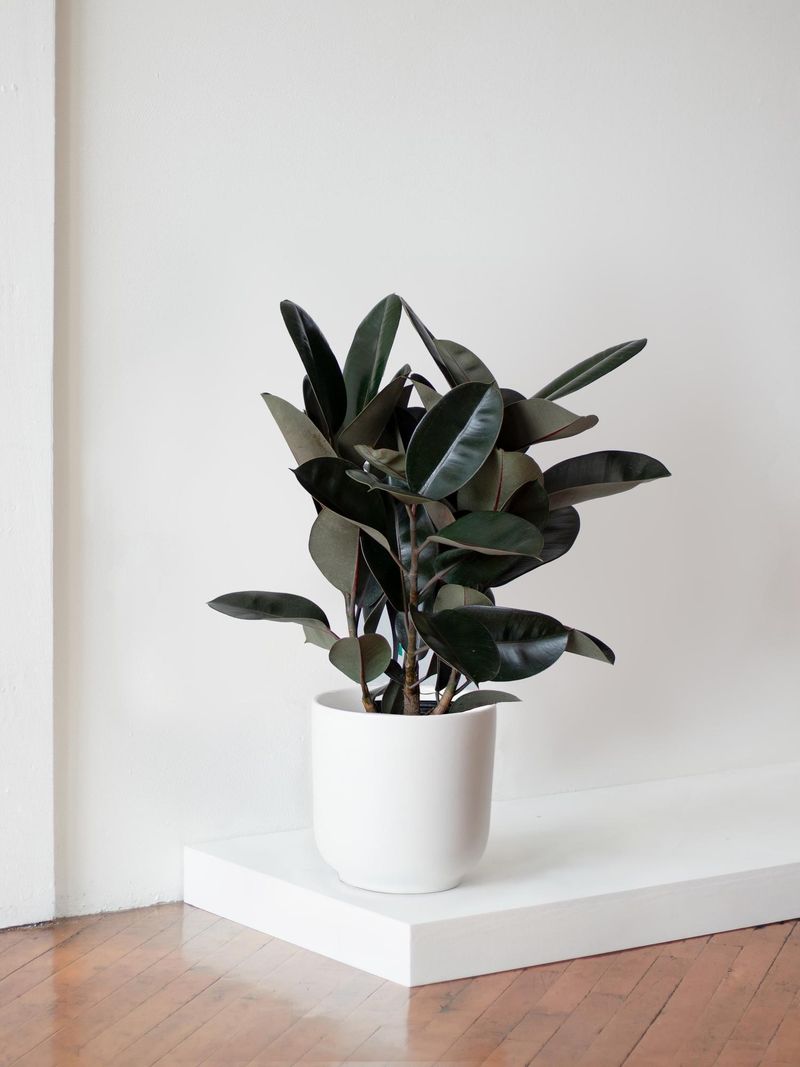
Bold, glossy leaves make the rubber plant a stunning addition to any California interior while simultaneously working as a powerful air filtration system.
Research shows these plants effectively remove airborne mold spores and bacteria, directly addressing two common asthma triggers that plague indoor environments.
Their large, waxy leaves trap dust particles on their surface rather than releasing them back into the air, creating cleaner breathing space in your Sacramento or Riverside home.
Rubber plants handle California’s diverse indoor climates with remarkable adaptability, tolerating everything from the coastal humidity of Monterey to the drier conditions found inland.
They prefer their soil to dry out between waterings, which prevents the soggy conditions that promote fungal growth and musty odors.
This low-moisture requirement makes them particularly suitable for people with respiratory sensitivities who need to minimize mold exposure.
The thick, sturdy leaves of rubber plants rarely attract pests and require only occasional wiping to remove accumulated dust, keeping maintenance simple and reducing airborne particles. These plants grow steadily upward, creating vertical interest without sprawling or dropping leaves that might decompose and release spores.
Bright, indirect light brings out the deep burgundy or variegated colors in different varieties, adding visual drama to your California living space.
For asthma-conscious households seeking both style and substance, rubber plants deliver impressive air-cleaning capabilities wrapped in an attractive, low-maintenance package that enhances rather than compromises respiratory health.
5. Aloe Vera
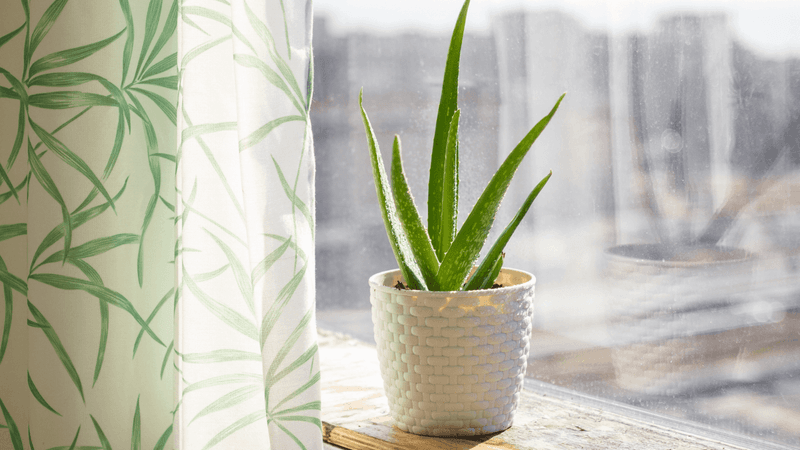
Succulent simplicity defines this multitasking plant that offers both medicinal properties and air-purifying benefits for California households.
Aloe vera excels at filtering formaldehyde and benzene from indoor air, common chemicals released by paints, cleaners, and furniture finishes used in homes across the state.
Its thick, water-storing leaves mean this desert native thrives in the dry conditions that many California residents maintain through air conditioning and heating systems.
People managing asthma appreciate aloe vera for reasons beyond air filtration. The gel inside its leaves provides natural relief for minor burns and skin irritations without introducing synthetic fragrances or chemicals that might trigger respiratory symptoms.
Having this natural remedy growing on a sunny windowsill in your Anaheim or Bakersfield home means immediate access to soothing treatment without purchasing products containing potential irritants.
Minimal watering requirements make aloe vera perfect for busy California lifestyles, as these plants actually suffer from overwatering more than drought.
Their preference for dry soil between waterings eliminates the damp environment where mold flourishes, keeping your indoor air cleaner and safer.
Aloe plants occasionally produce tall flower stalks, but these bloom infrequently and can be removed before flowering if pollen concerns arise. Bright, direct sunlight keeps aloe plants compact and healthy, making south-facing California windows ideal placement spots.
For respiratory-conscious homeowners seeking practical plants that earn their space through multiple benefits, aloe vera delivers reliable performance with almost zero maintenance demands.
6. Dracaena
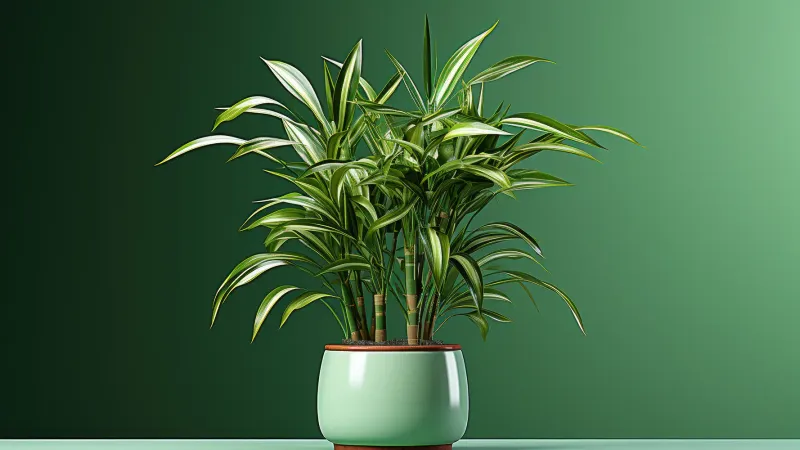
Architectural beauty combines with serious air-cleaning credentials in this diverse plant family that adapts beautifully to California indoor environments.
Dracaena varieties effectively remove trichloroethylene, xylene, and formaldehyde from household air, tackling multiple pollutants that accumulate in sealed homes throughout the state.
Their tall, tree-like growth pattern creates vertical interest while occupying minimal floor space, making them perfect for apartments and condos in San Francisco, Long Beach, and other urban California locations.
What sets dracaenas apart for asthma management is their exceptional tolerance for low light and irregular watering, reducing stress for plant owners while maintaining air-purifying performance.
These plants actually prefer their soil to dry completely between waterings, creating conditions inhospitable to mold development.
Their slow growth rate means stable, predictable care requirements without sudden changes that might disturb soil or release particles into your breathing space.
Dracaena leaves grow in rosettes atop sturdy stems, creating layers of foliage that filter air at multiple heights throughout your California room. Different varieties offer striped, solid, or multicolored leaves, allowing you to match your decor preferences while improving indoor air quality.
These plants rarely flower when grown indoors, eliminating concerns about pollen release that might trigger respiratory symptoms. Regular dusting of their long, narrow leaves keeps them functioning efficiently as natural air filters.
For California residents seeking low-maintenance plants that make a dramatic visual statement while supporting respiratory health, dracaenas offer reliable performance in a stylish package.
7. Peace Lily
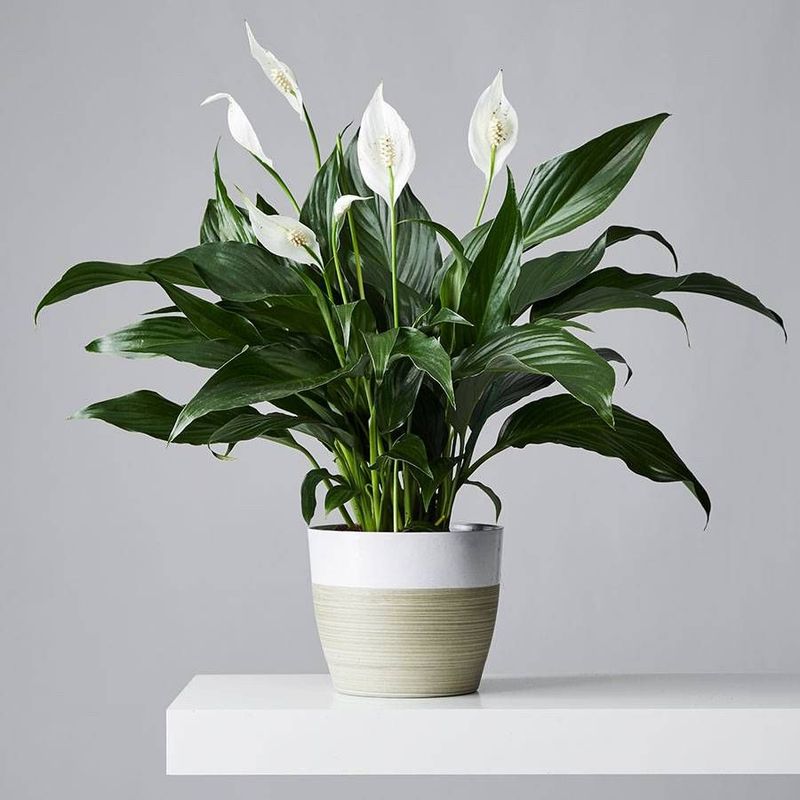
Elegant white blooms emerge from glossy green foliage on this exceptional air purifier that consistently ranks among the most effective plants for removing indoor pollutants.
Peace lilies excel at filtering ammonia, benzene, formaldehyde, and trichloroethylene from California home environments, making them particularly valuable in kitchens and bathrooms where cleaning products concentrate.
Their ability to thrive in low to medium light makes them versatile choices for various rooms throughout your California residence.
Despite producing flowers, peace lilies present minimal allergy concerns because their pollen remains largely contained within the distinctive white spathe that surrounds each bloom.
These modified leaves protect the actual flower structure, preventing widespread pollen dispersal that triggers respiratory symptoms.
If you prefer complete caution, simply snip off flower stalks before they fully develop, maintaining the plant’s air-cleaning benefits without any blooming process.
Peace lilies communicate their watering needs clearly by drooping slightly when thirsty, then perking up within hours of receiving moisture. This responsive behavior helps California homeowners avoid overwatering that leads to mold growth in soil.
Their preference for consistent but not excessive moisture mirrors the balanced humidity levels ideal for managing asthma symptoms. These plants also naturally increase humidity through transpiration without creating the dampness that encourages mildew.
From Irvine to Stockton, peace lilies adapt to California’s varied microclimates while continuously working to create cleaner, more breathable indoor spaces that support rather than challenge respiratory health.
8. Boston Fern
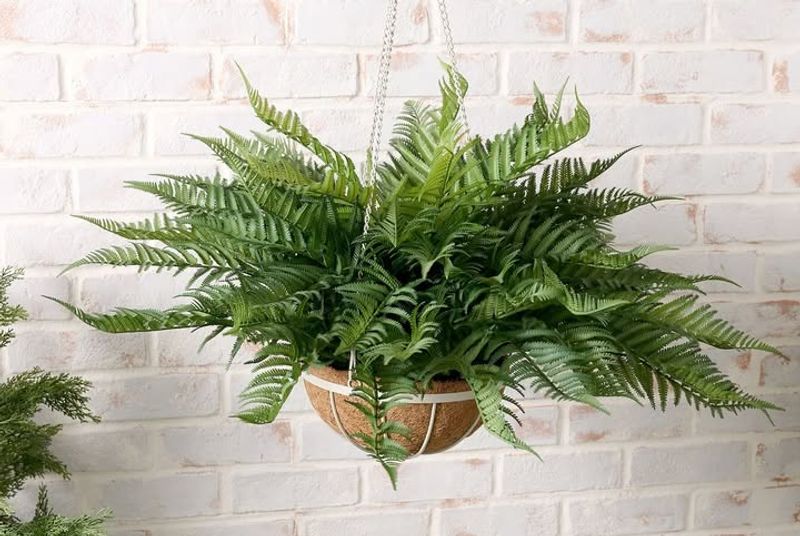
Lush, cascading fronds create a waterfall of greenery while this classic fern works overtime to purify indoor air in California homes.
Boston ferns rank among the most effective plants for removing formaldehyde and adding humidity to dry indoor environments, addressing two concerns that frequently affect asthma sufferers.
Their preference for bright, indirect light makes them perfect for California rooms with filtered sunshine, where they can hang in baskets or rest on pedestals to show off their graceful form.
Humidity regulation is where Boston ferns truly shine for respiratory health management. These plants naturally release moisture into the air through transpiration, helping to prevent the dry airways that trigger coughing and breathing difficulties.
However, they accomplish this without creating the excessive dampness that encourages mold growth, especially when properly watered and given adequate air circulation.
California’s generally mild climate means these ferns can even spend time on covered patios or balconies during moderate weather.
Regular misting keeps Boston fern fronds fresh and dust-free while maintaining the slightly higher humidity they prefer compared to other houseplants. Their feathery leaves trap airborne particles effectively, acting as natural air filters that capture dust and pollutants before they reach your lungs.
These ferns do require more consistent moisture than drought-tolerant varieties, but their soil should never become waterlogged.
For California homeowners in Pasadena, Chula Vista, or anywhere seeking plants that actively improve air quality while adding classic beauty, Boston ferns deliver measurable respiratory benefits in an undeniably attractive package.