The 10 Best California Ground Covers For A Softer Cottage-Garden Look
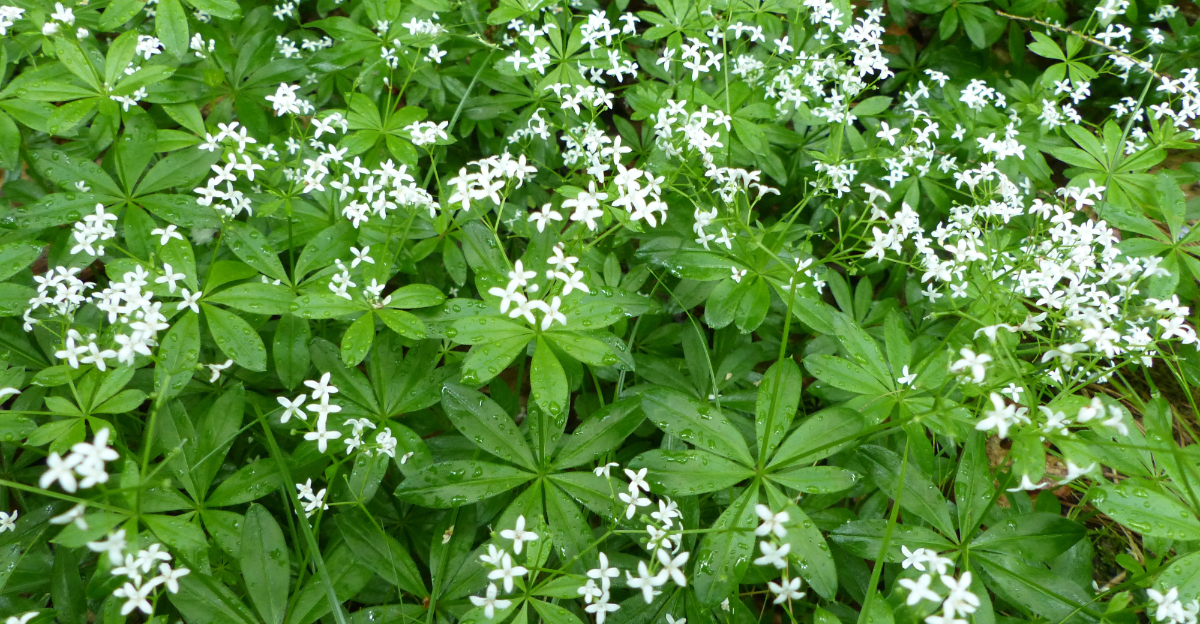
There’s something magical about a cottage garden. Soft layers of flowers, relaxed pathways, and plants that spill gently over edges create a space that feels welcoming instead of perfectly polished.
One of the easiest ways to capture that look in a California garden is by choosing the right ground covers.
Ground covers do more than just fill empty space. They soften hard edges, weave different plants together, and create that lush, slightly wild feeling that cottage gardens are known for.
Instead of bare soil or harsh mulch lines, you get a living carpet of color and texture that makes the whole garden feel fuller.
In California’s sunny climate, the right ground cover can also help retain soil moisture, reduce weeds, and thrive with relatively little care once established.
With a few well-chosen varieties, it’s easy to create a garden that feels relaxed, layered, and beautifully alive all season long.
1. Creeping Thyme
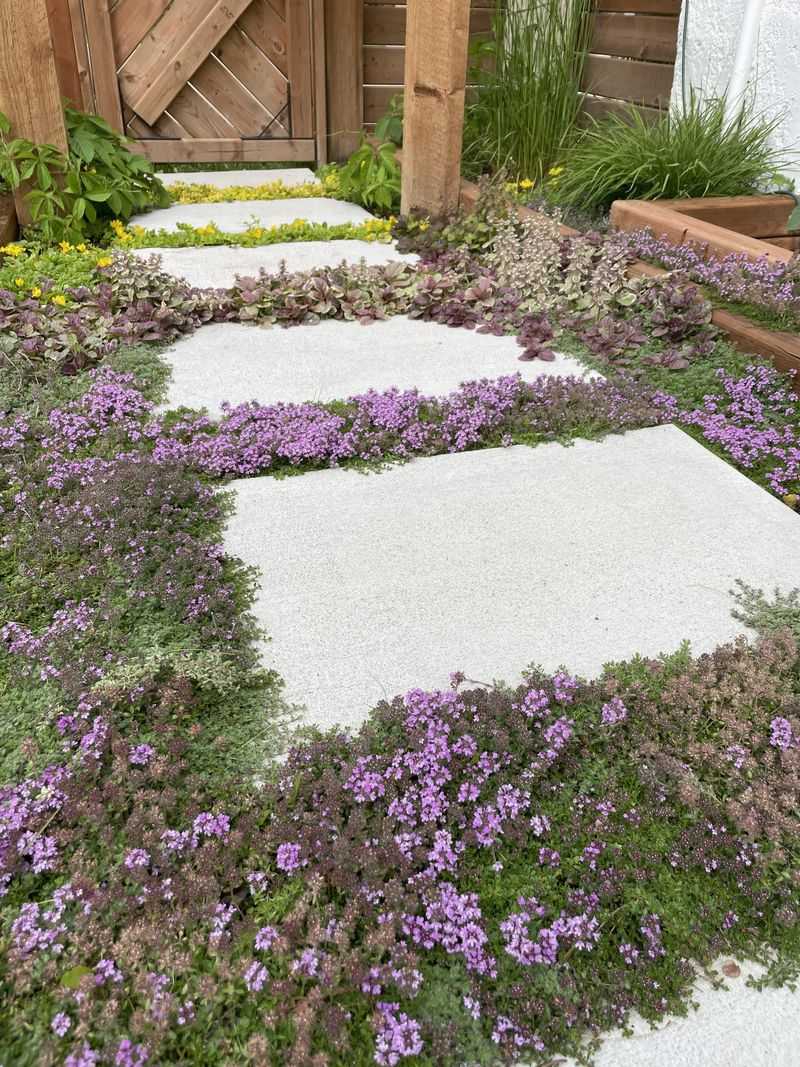
Walk barefoot through a patch of creeping thyme and you will immediately understand why gardeners love it. Every step releases a light, herby fragrance that makes the whole yard feel alive.
It is one of those plants that rewards you just for being near it.
Creeping thyme forms a thick, low mat of tiny leaves that can reach just two to three inches tall. In late spring and early summer, it bursts into bloom with small flowers in shades of pink, purple, and white.
Bees and butterflies flock to it, making your California garden feel like a little nature scene.
It handles drought well once established, which is a big plus in California where water can be scarce. Plant it in full sun for the best results, though it can manage in partial shade.
It does great between stepping stones or along garden edges.
Creeping thyme spreads steadily but never aggressively, so it fills in bare spots without taking over. It stays evergreen in mild California climates, giving you year-round color.
Trim it lightly after blooming to keep it tidy and encourage fresh growth the following season.
2. Sweet Woodruff
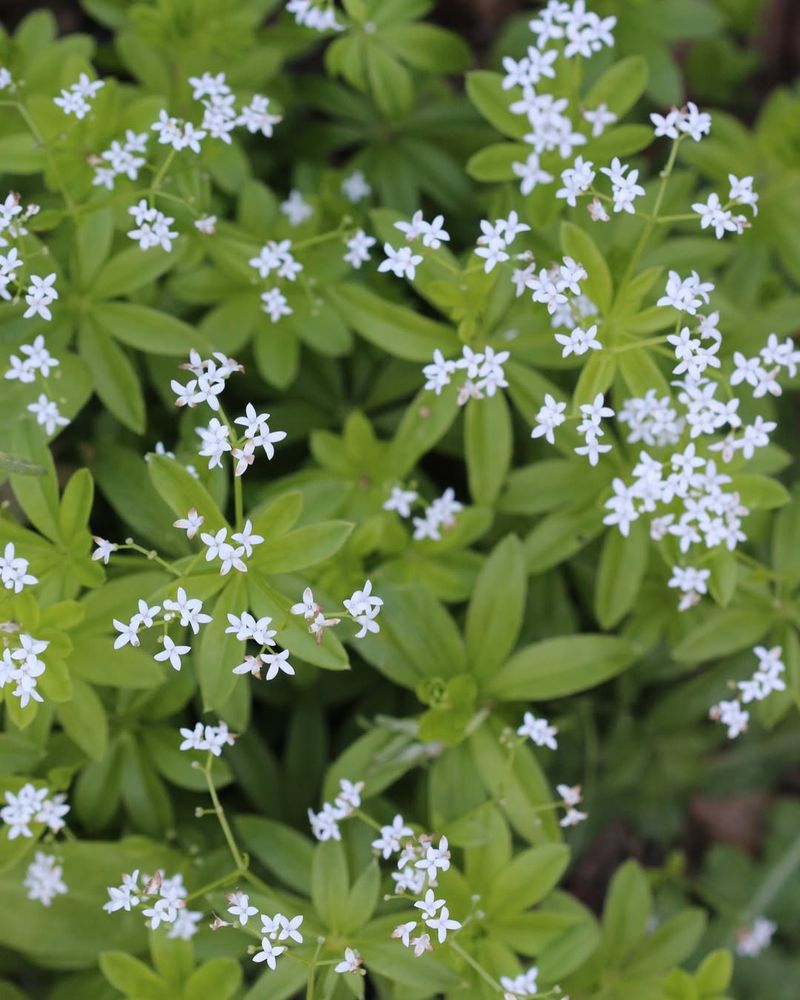
Shade gardens in California often struggle to find plants that look soft and pretty without needing a lot of attention. Sweet woodruff is the answer.
It thrives in dappled shade and creates a lush green carpet that feels almost magical underfoot.
The leaves grow in star-shaped whorls along the stems, giving the plant a very delicate, fine-textured look. In spring, clusters of tiny white flowers appear above the foliage, adding a sweet, airy charm that fits perfectly into a cottage-garden setting.
The flowers even carry a light, pleasant scent.
Sweet woodruff spreads by underground runners, filling in shaded areas where grass and other plants struggle to grow. It works especially well under trees or along north-facing garden walls.
In California, it appreciates consistent moisture, so plant it where the soil stays a bit cooler and does not dry out too fast.
It grows about six to eight inches tall, making it a great mid-layer plant in a layered garden design. Once established, it needs very little care.
Pull out any stray runners if it starts spreading beyond where you want it, and enjoy the rest of the season with minimal effort.
3. Mazus
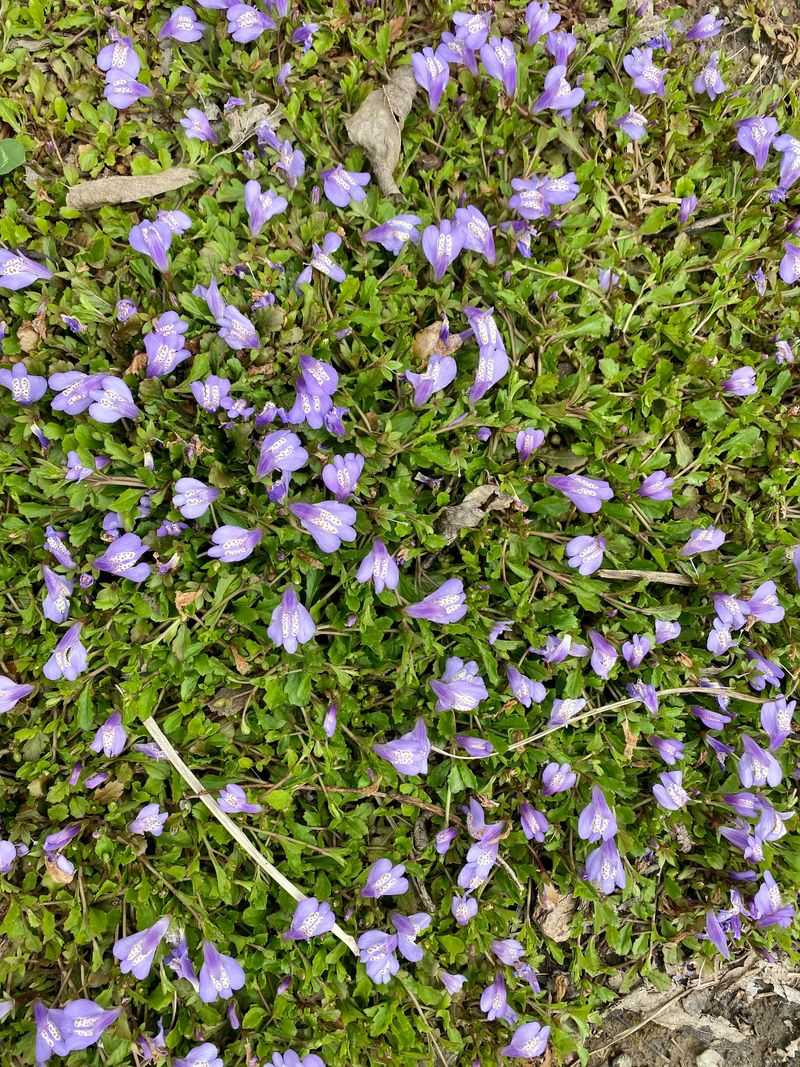
Some plants look too delicate to be tough, but mazus proves that looks can be deceiving. This tiny ground cover spreads quickly across the soil, forming a flat, dense mat of bright green leaves.
It stays low, usually under two inches tall, making it one of the most ground-hugging options available.
In spring, mazus puts on a real show. Small flowers in shades of purple, lavender, and white pop up across the mat, giving the garden a cheerful, cottage-style look.
The flowers have a slightly spotted throat that adds a fun detail up close. Pollinators enjoy visiting them too.
Mazus handles foot traffic better than most ground covers, which makes it a smart choice for planting between stepping stones or pavers. In California gardens, it does best with regular watering and some shade during the hottest parts of the day.
It tolerates both sun and partial shade fairly well.
It spreads at a good pace without becoming a problem plant. You can easily pull or trim it back if it creeps too far.
Mazus is also fairly cold-hardy, so it holds up well through cooler California winters in higher elevation areas. It is a reliable, low-maintenance charmer for any cottage garden.
4. Bugleweed
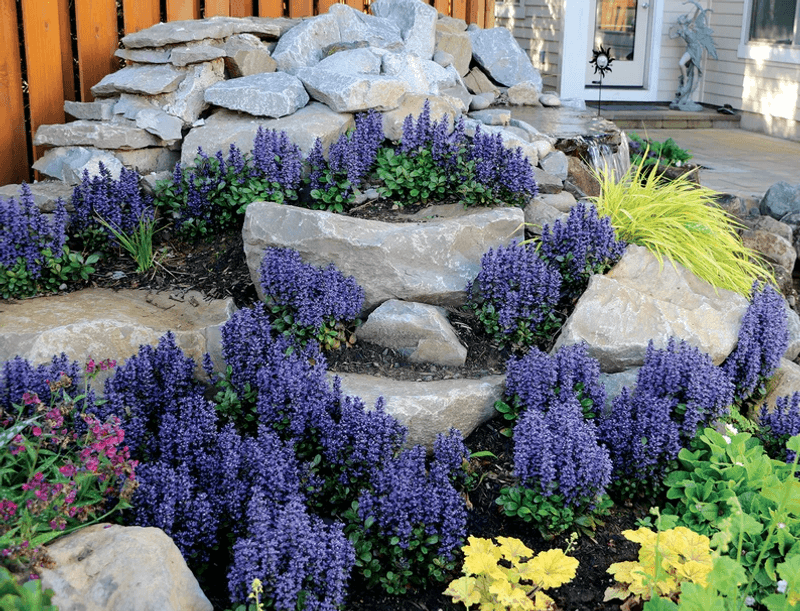
Not every ground cover relies on flowers to make a statement. Bugleweed, also called ajuga, leads with its foliage.
The leaves come in deep purple, bronze, or variegated green and white, creating a rich carpet of color even when the plant is not blooming.
When it does bloom, usually in late spring, tall spikes of small blue or violet flowers shoot up above the leaves. The contrast between the dark foliage and bright flower spikes is genuinely striking.
It gives any California garden bed a layered, intentional look that feels very cottage-garden appropriate.
Bugleweed spreads by sending out horizontal runners called stolons, filling in bare areas quickly. It grows well in partial to full shade, which makes it useful in spots where other plants might struggle.
It can handle some sun in cooler coastal California areas, but afternoon shade helps in hotter inland regions.
Water it regularly during the first season to help it get established. After that, it becomes quite easy to maintain.
Divide clumps every few years to prevent overcrowding and keep the plant looking its best. Bugleweed is a bold, dependable choice that earns its place in the garden without demanding too much attention.
5. Corsican Mint
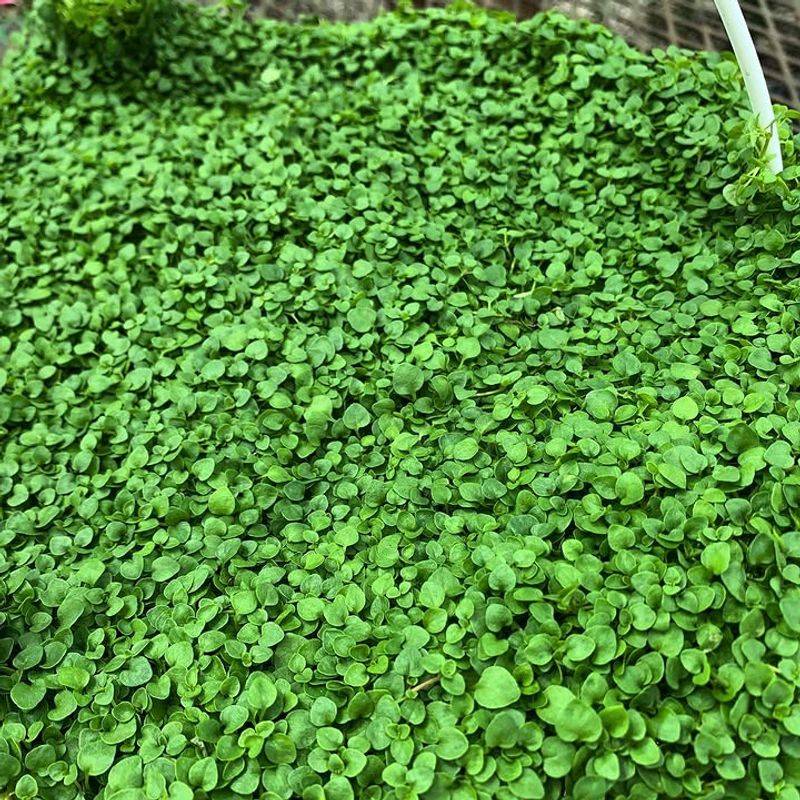
Imagine a ground cover so small and fine that it looks like a layer of green velvet pressed against the soil. That is exactly what Corsican mint delivers.
It grows only a quarter to half an inch tall, making it one of the tiniest ground covers you can plant in a California garden.
Despite its miniature size, it packs a strong peppermint scent. Brush against it or step lightly on it, and the fragrance rises immediately.
That sensory detail makes it a favorite for planting between pavers or along garden paths where foot traffic is light but regular.
Corsican mint prefers moist, well-draining soil and does best in partial shade. In California, it performs well in coastal gardens or shaded spots that stay relatively cool.
Hot, dry inland conditions can stress it, so keep an eye on soil moisture during summer months.
It spreads slowly but steadily, forming a tidy, seamless mat over time. Tiny purple flowers appear in summer, though they are so small you might miss them at first glance.
The real appeal here is the texture and fragrance, not the blooms. For a sensory garden experience with a soft, lush appearance, Corsican mint is hard to beat.
6. Creeping Jenny
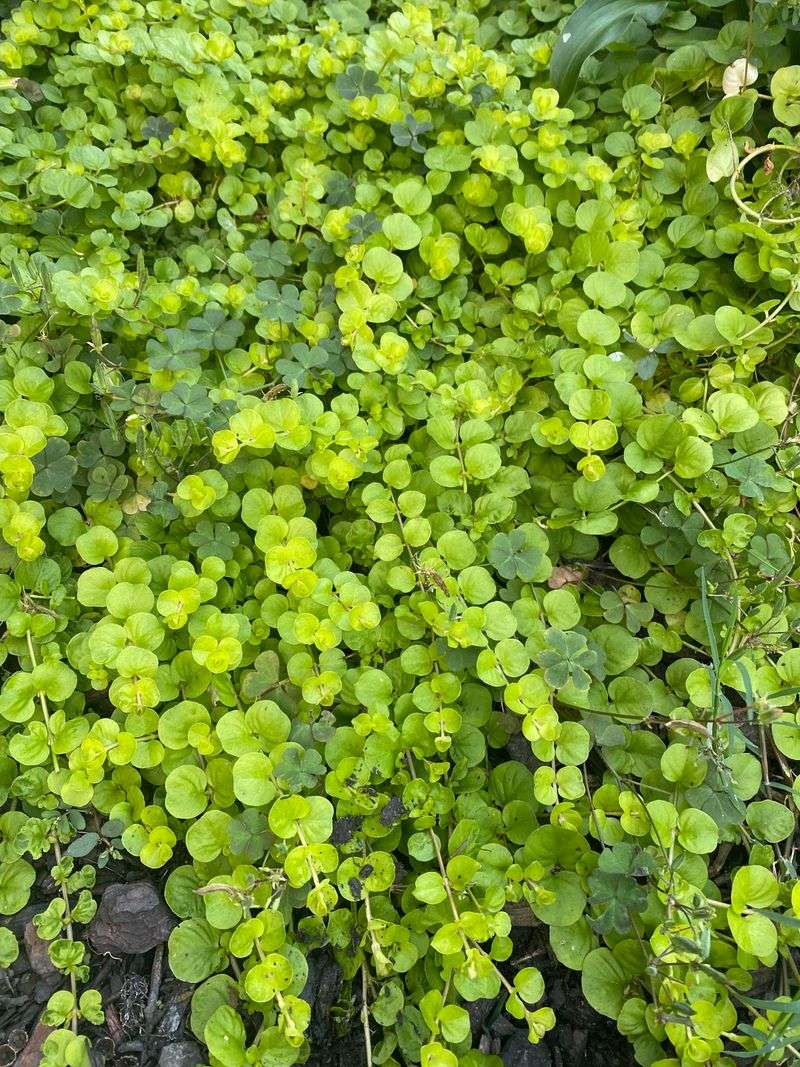
Few ground covers bring as much brightness to a garden as creeping Jenny. Its round, coin-shaped leaves glow in a vivid chartreuse yellow-green that practically lights up a shaded corner.
If your California garden needs a pop of color without a lot of effort, this plant delivers beautifully.
Creeping Jenny spreads quickly along the ground, trailing over edges and spilling down slopes with an effortless, flowing look. It grows about two to four inches tall and produces small yellow flowers in summer that complement the bright foliage perfectly.
The combination feels fresh and cheerful all season long.
It thrives in moist soil and partial shade, though it can handle full sun in cooler California coastal areas. In hotter inland spots, some afternoon shade helps keep the foliage looking vibrant.
Regular watering is important, especially during dry California summers, to keep the plant healthy and spreading well.
Creeping Jenny works wonderfully along pond edges, in rain gardens, or cascading over retaining walls. It can spread aggressively in very moist conditions, so check on it occasionally and trim back any areas where it goes beyond its intended space.
Overall, it is a joyful, low-care plant that adds real energy to a cottage-style garden.
7. Woolly Thyme
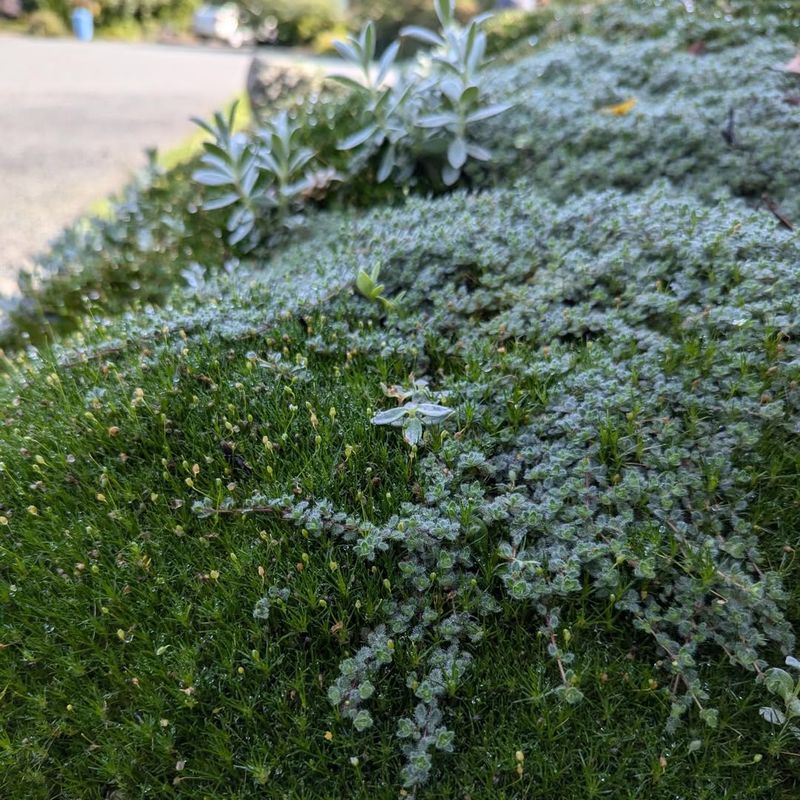
There is something almost irresistible about woolly thyme. Run your fingers across it and you will feel a soft, fuzzy texture that is surprisingly satisfying.
The tiny silver-green leaves are covered in fine hairs that give the plant its signature woolly look and feel.
Woolly thyme grows very low to the ground, usually under one inch tall, and spreads into a tight, cushiony mat. In summer, small pale pink flowers appear across the surface, adding a delicate blush of color.
The overall effect is soft, romantic, and perfectly suited to a cottage-garden aesthetic in California.
This plant loves full sun and well-draining soil, which makes it an excellent fit for California’s sunny climate. It handles drought well once established, needing very little supplemental water in most parts of the state.
Rocky or sandy soils actually work in its favor, as it dislikes sitting in wet conditions.
Plant woolly thyme between stepping stones, along dry garden borders, or in rock gardens for the best visual impact. It tolerates light foot traffic and releases a mild, pleasant herby scent when touched.
Unlike some ground covers that need frequent trimming, woolly thyme stays naturally tidy with minimal intervention. It is a dependable, tactile delight for any California garden.
8. Baby’s Tears
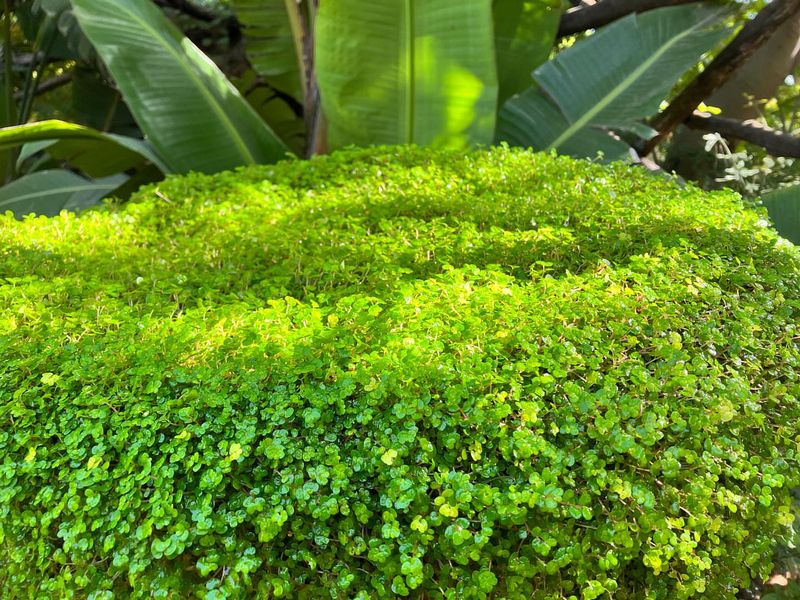
Few plants create a more lush, verdant carpet than baby’s tears. The leaves are incredibly tiny and round, packed so closely together that the plant looks almost like a living green cushion.
It has a soft, almost moss-like appearance that adds instant charm to any shaded California garden space.
Baby’s tears grows only one to four inches tall but spreads generously, filling in shaded areas with a seamless, flowing mat of green. It works beautifully around the base of ferns, under trees, or alongside shaded pathways.
The fine texture contrasts nicely with larger-leaved plants, adding visual interest through layering.
In California, this plant thrives in coastal and foggy areas where humidity stays higher and temperatures stay moderate. It needs consistent moisture and does not handle drought well at all, so regular watering is a must.
Avoid planting it in hot, dry inland locations unless you can provide consistent shade and irrigation.
One fun fact: baby’s tears is sometimes called mind-your-own-business in parts of Europe, a nod to its habit of creeping quietly into every available space. It can spread into areas you did not intend, so a gentle trim around the edges keeps it well-behaved.
For a soft, mossy, fairy-tale look in your California cottage garden, it is truly one of a kind.
9. Periwinkle
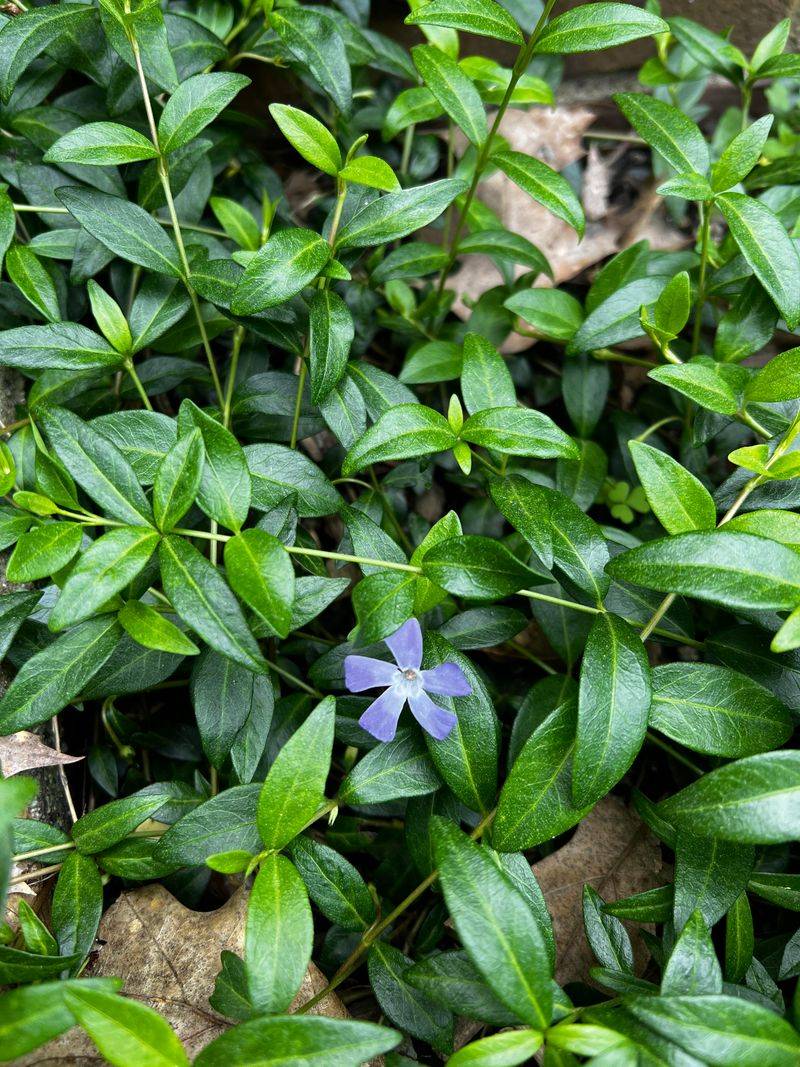
Periwinkle has been a cottage-garden favorite for generations, and it is easy to see why. The glossy, dark green leaves stay attractive year-round, and in spring the plant bursts into bloom with cheerful lavender-blue flowers that carry a subtle elegance.
It is classic, reliable, and genuinely beautiful.
Also known as vinca minor, periwinkle spreads by trailing stems that root wherever they touch the ground. It fills in shaded areas quickly and forms a dense, weed-suppressing carpet that reduces garden maintenance over time.
In California, it performs well under trees, along slopes, and in areas where lawn grass struggles to grow.
Periwinkle tolerates a wide range of conditions, including dry shade, which is one of the toughest environments in any garden. Once established, it needs very little watering, making it a smart choice for water-conscious California gardeners.
It does best in partial to full shade, though it can handle some morning sun in cooler coastal regions.
Some gardeners worry about periwinkle spreading too aggressively. Keep it contained by trimming the edges once or twice a year.
The effort is minimal compared to the reward. With its shiny foliage and soft blue blooms, periwinkle brings a timeless, storybook quality to any California cottage garden that is hard to replicate with other plants.
10. Chocolate Chip Bugleweed
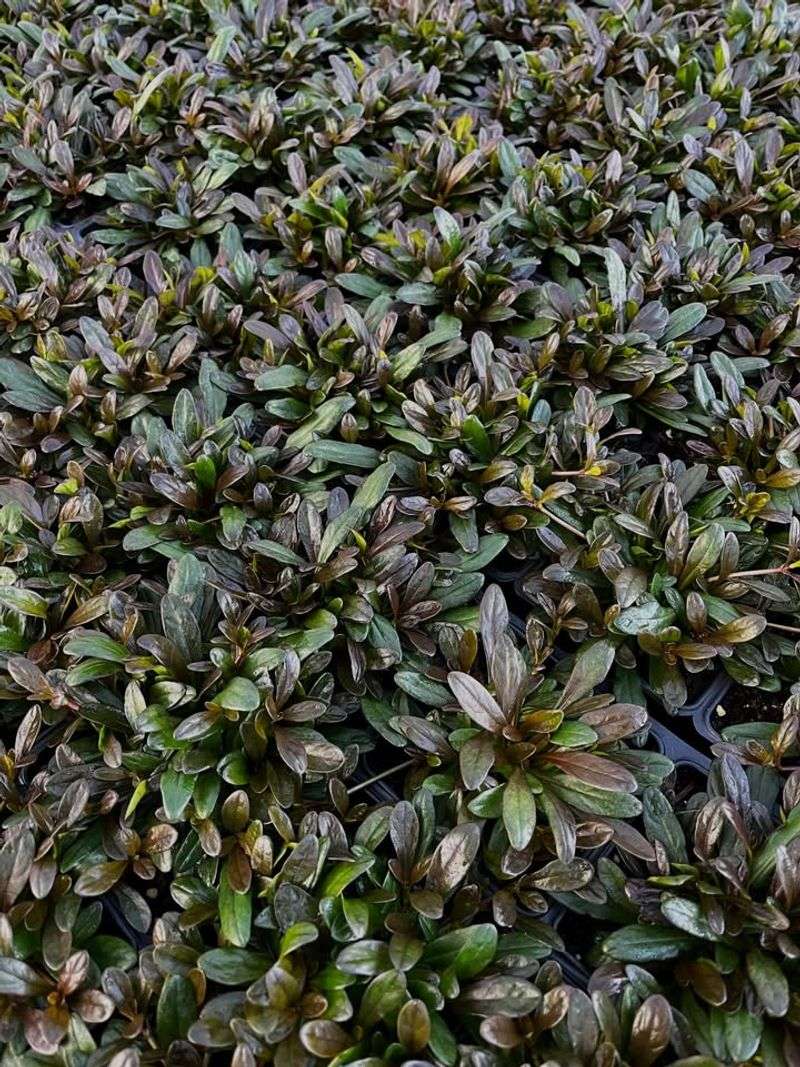
Meet the smaller, more refined cousin of standard bugleweed. Chocolate chip bugleweed earns its name from its petite, dark bronze-green leaves that look almost like little chocolate chips scattered across the soil.
It has all the charm of regular ajuga but in a more compact, tidy package.
The leaves stay low, usually under three inches tall, and spread into a neat, dense mat over time. In spring, slender spikes of blue-violet flowers rise above the foliage, creating a lovely two-toned display.
The combination of dark leaves and cool blue flowers gives it a sophisticated look that fits beautifully into a cottage-garden setting in California.
Chocolate chip bugleweed grows well in partial shade and handles a range of soil types. It is more tolerant of dry conditions than many other shade-loving ground covers, which makes it practical for California gardens dealing with seasonal drought.
Still, some regular watering during summer helps keep it looking lush.
Because it stays so compact, it is less likely to crowd out neighboring plants than its larger relatives. Use it along borders, between perennials, or as edging along a garden path for a polished, layered effect.
It is a small plant with a big personality, and it fits seamlessly into the soft, romantic style of a California cottage garden.