The 9 Best California Native Plants To Plant Right Now
California native plants are more than beautiful, they’re built for this place. They handle our sun, our soils, and our seasons without extra fuss.
When you plant natives at the right time, they get established faster and grow stronger.
Right now is a great window to add them to your garden. The soil is cool, roots can settle in, and many natives will start growing before summer heat arrives.
That means healthier plants with less watering and upkeep.
A lot of gardeners don’t realize how much a native plant can change a space. They attract pollinators, support local wildlife, and stay dependable year after year.
They also fit California conditions better than many imported choices.
These selections are suited to plant now and will reward you with color, texture, and resilience.
1. California Poppy (Eschscholzia californica)
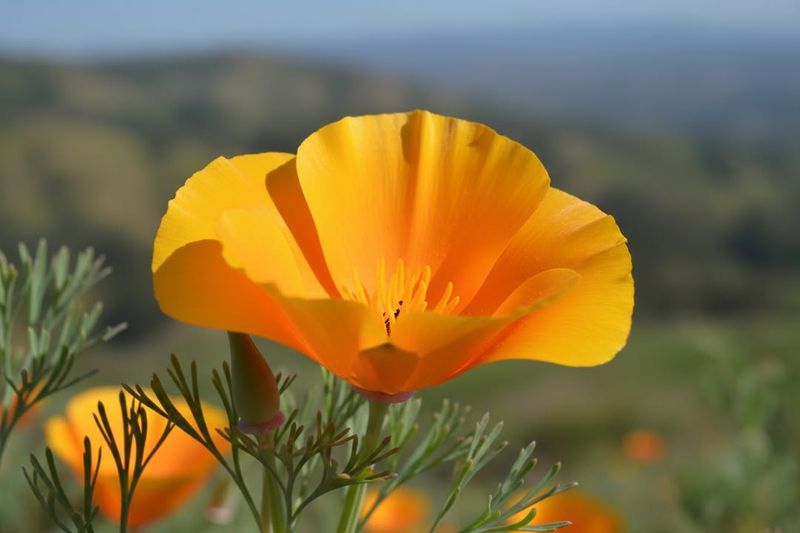
When bare patches of soil sit empty after summer, many homeowners wonder what they can plant that will actually thrive without constant watering. California poppies are the answer, and fall is one of the best times to scatter their seeds.
These golden-orange blooms are famous for carpeting hillsides across the state, and they’re incredibly easy to establish in your own yard.
You don’t need perfect soil or a green thumb. Poppies prefer sandy or rocky ground and full sun, making them ideal for slopes, parkways, or neglected corners where nothing else seems to grow.
They resent heavy watering once established, so they’re perfect for water-wise gardens.
Plant seeds directly in the ground now, and winter rains will do the work for you. By spring, you’ll have cheerful blooms that attract native bees and butterflies.
Poppies self-seed readily, so after the first year, they’ll come back on their own with minimal effort.
Coastal and inland gardeners alike can succeed with poppies. They handle heat, poor soil, and drought like champs.
Once they finish blooming, let the seed pods dry and scatter naturally. Your yard will thank you with waves of color year after year, and you’ll barely lift a finger.
2. Cleveland Sage (Salvia clevelandii)
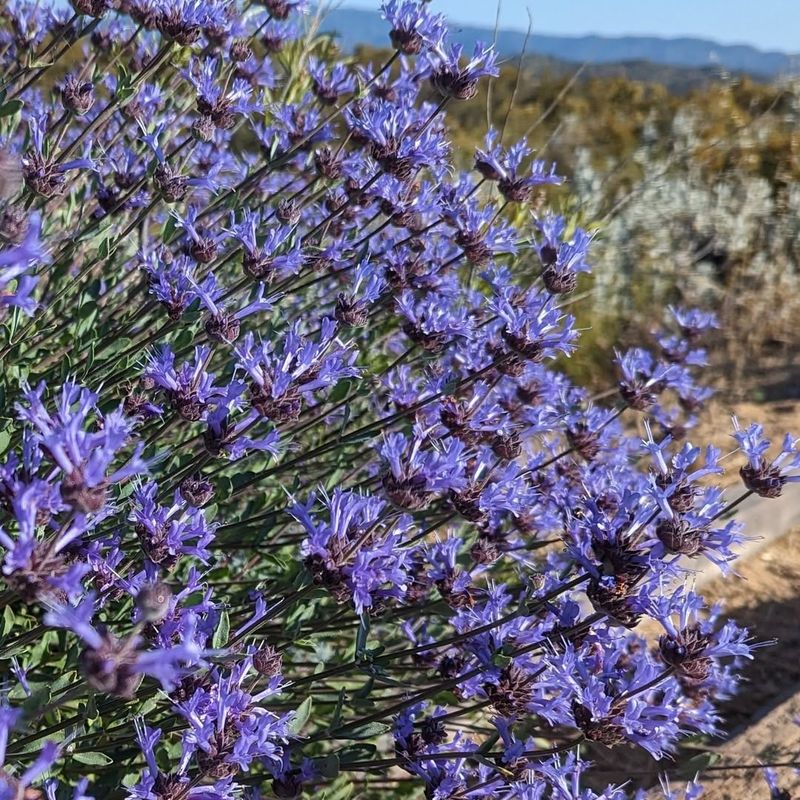
Aromatic shrubs that smell amazing on warm afternoons are hard to find, but Cleveland sage delivers that experience beautifully. Brushing past this plant releases a sweet, herbal fragrance that instantly reminds you why native plants belong in every California garden.
Right now is an excellent time to get one in the ground, especially if you’re in a coastal or inland area with mild fall temperatures.
Cleveland sage thrives in full sun and rocky, well-drained soil. It’s drought-tolerant once established, making it perfect for water-conscious landscapes.
The silvery-green foliage looks attractive year-round, and in late spring through summer, tall spikes of purple-blue flowers draw hummingbirds and native bees by the dozen.
This shrub grows into a compact mound, usually three to five feet tall and wide. It works beautifully along pathways, in mixed native borders, or as a low-maintenance hedge.
Pruning lightly after bloom keeps it tidy and encourages fresh growth.
Inland valleys and foothill gardens are ideal, though coastal gardeners can succeed with good drainage. Avoid overwatering, especially in clay soil, as Cleveland sage prefers dry conditions.
Once it’s settled in, you’ll enjoy years of fragrant foliage, pollinator activity, and effortless beauty with almost no maintenance required.
3. Toyon (Heteromeles arbutifolia)
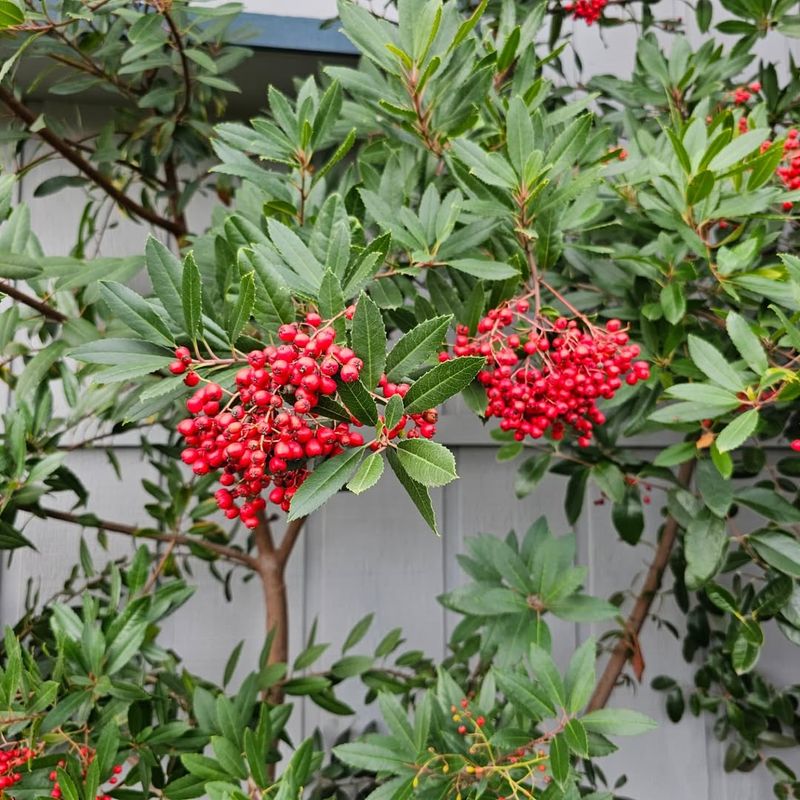
Large shrubs that provide year-round structure and seasonal color are worth their weight in gold for California landscapes. Toyon, also called California holly, is one of those dependable performers that looks good in every season.
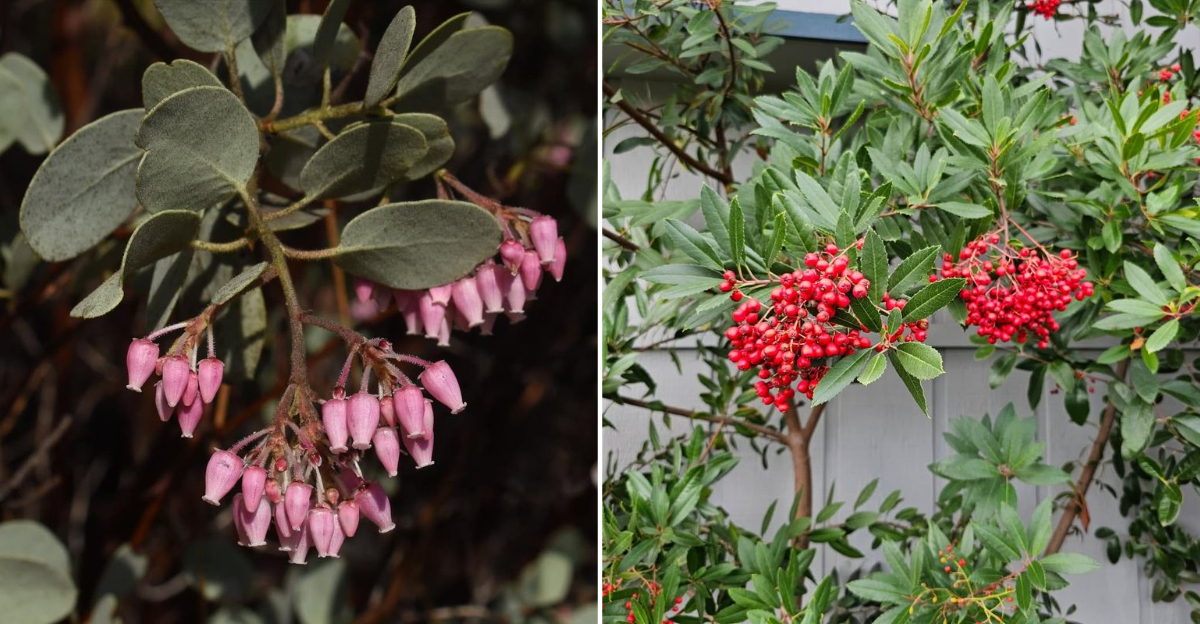
Fall planting gives this evergreen shrub time to root deeply before summer heat arrives, and it rewards you with clusters of bright red berries that ripen just in time for winter.
Toyon grows well in sun or part shade and tolerates a wide range of soils, from clay to sand. It’s naturally drought-tolerant once established, but it also handles occasional summer water if planted near other garden beds.
The glossy green leaves and white spring flowers are attractive on their own, but the real showstopper is the berry display that brings cedar waxwings, robins, and mockingbirds to your yard.
This shrub can reach eight to fifteen feet tall, making it ideal for privacy screens, hedges, or background plantings. It works beautifully in coastal, inland, and foothill gardens.
Prune lightly to shape if needed, but toyon looks great with minimal intervention.
Planting now means you’ll have a mature, berry-laden shrub by next winter. It’s one of the most reliable natives for adding structure, wildlife value, and seasonal interest to your landscape with very little effort.
4. Coffeeberry (Frangula californica)
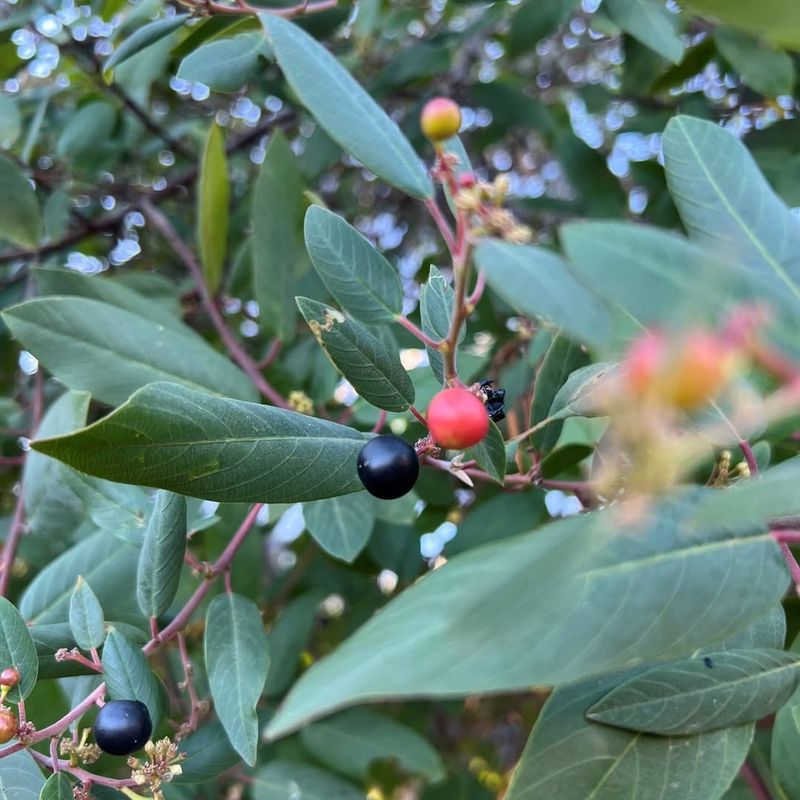
Shady spots under oaks or along north-facing walls can be tricky to fill, but coffeeberry handles those conditions beautifully. This versatile evergreen shrub tolerates shade, part sun, or full sun, making it one of the most adaptable natives you can plant.
Fall is prime time to get it established, and it will reward you with glossy foliage, attractive berries, and zero fuss.
Coffeeberry grows into a rounded shrub, typically four to eight feet tall depending on the variety. The leaves are dark green and leathery, providing a lush backdrop for other plants.
In summer, small greenish flowers appear, followed by berries that ripen from green to red to black. Birds love the berries, and you’ll enjoy watching them flock to your yard.
This shrub is remarkably drought-tolerant once established, though it appreciates occasional deep watering during prolonged dry spells. It works well in mixed borders, under trees, or as a low hedge.
Coastal and inland gardeners both have great success with coffeeberry.
Pruning is optional, but light shaping after fruiting keeps it tidy. The plant naturally maintains a neat form without much intervention.
If you’re looking for a reliable, attractive shrub that supports wildlife and thrives in a variety of conditions, coffeeberry is hard to beat. Plant it now, and it’ll be a garden workhorse for years to come.
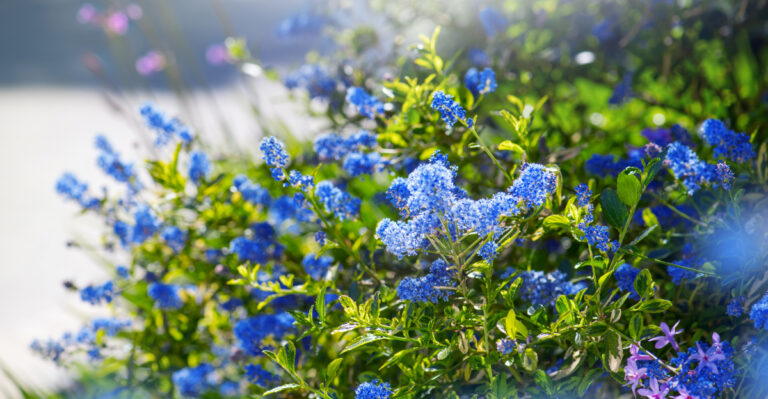
5. California Lilac (Ceanothus spp.)
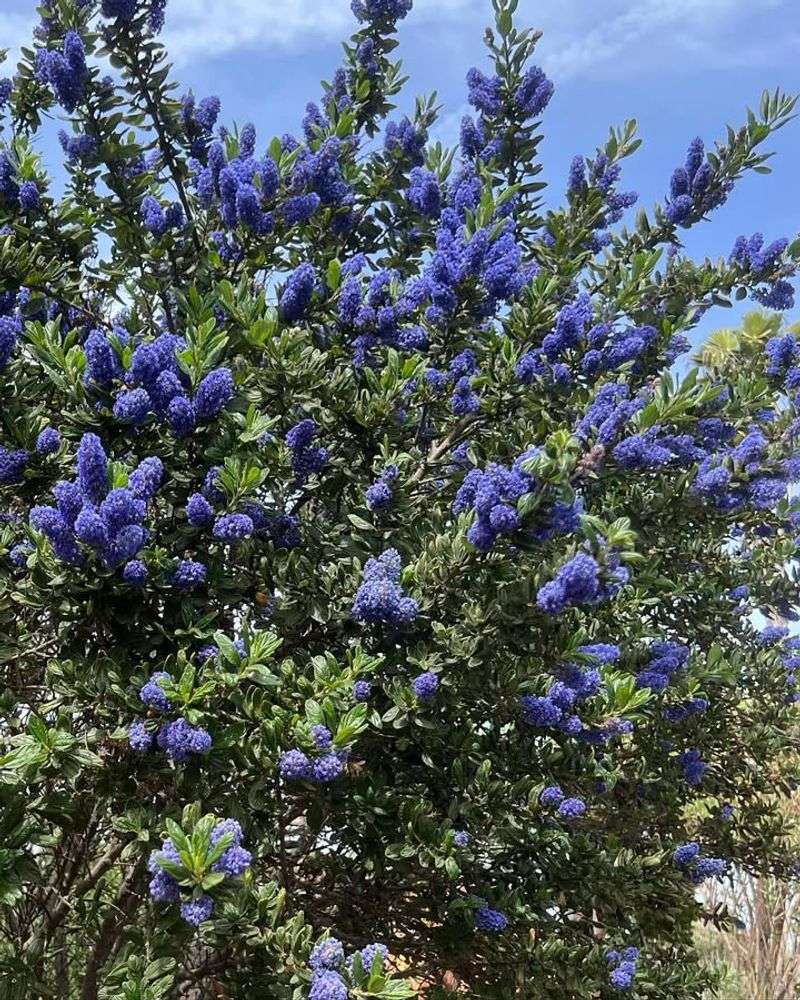
Spring flower displays that rival any exotic import are possible with California natives, and ceanothus proves it every year. These shrubs explode with clouds of blue, purple, or white flowers that cover the plant so densely you can barely see the leaves.
Fall planting is ideal because it gives roots time to establish before the spring bloom, and you’ll be amazed at how quickly these plants take off.
Ceanothus species vary in size, from low groundcovers to large shrubs reaching ten feet or more. Choose a variety that fits your space and microclimate.
Most prefer full sun and excellent drainage, making them perfect for slopes, hillsides, or raised beds. Once established, they’re extremely drought-tolerant and require no summer water.
The flowers are magnets for native bees, butterflies, and other pollinators. After blooming, the evergreen foliage provides year-round structure and color.
Avoid overwatering or planting in heavy clay, as ceanothus roots need air circulation and dislike soggy conditions.
Coastal and inland gardeners can both succeed with the right variety. Some ceanothus types handle coastal wind and salt spray, while others thrive in hot interior valleys.
Prune lightly after flowering if needed, but these plants look best with a natural, informal shape. Plant ceanothus now, and next spring your yard will be buzzing with life and color.
6. Manzanita (Arctostaphylos spp.)
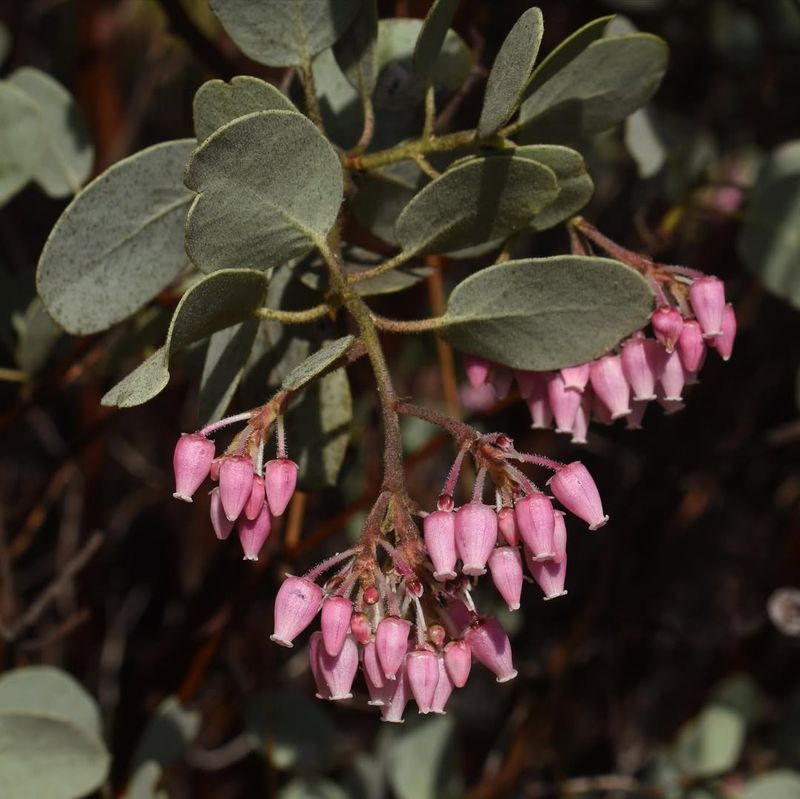
Sculptural plants with striking bark and architectural form are rare, but manzanita delivers both in spades. The smooth, reddish bark peels naturally, revealing shades of cinnamon and mahogany that catch the eye even from a distance.
Planting manzanita now, during fall’s cooler weather, gives this evergreen shrub the best chance to establish strong roots before summer arrives.
Manzanita species range from low groundcovers to small trees, so choose one that fits your space. Most prefer full sun and excellent drainage, thriving in sandy or rocky soil where other plants struggle.
They’re highly drought-tolerant and should never be overwatered once established. In fact, summer water can be fatal, so plant them away from irrigated areas.
In late winter to early spring, clusters of small, urn-shaped flowers appear, ranging from white to pink. Hummingbirds adore them, and the berries that follow feed birds and small mammals.
The evergreen foliage and sculptural branches provide year-round interest.
Coastal and foothill gardeners have the best success, though some varieties tolerate inland heat. Avoid planting in heavy clay or areas with poor drainage.
Manzanita rarely needs pruning, and its natural form is part of its charm. Once established, it’s one of the most beautiful, low-maintenance natives you can grow, adding structure, wildlife value, and visual interest to any landscape.
7. Sticky Monkeyflower (Diplacus aurantiacus)
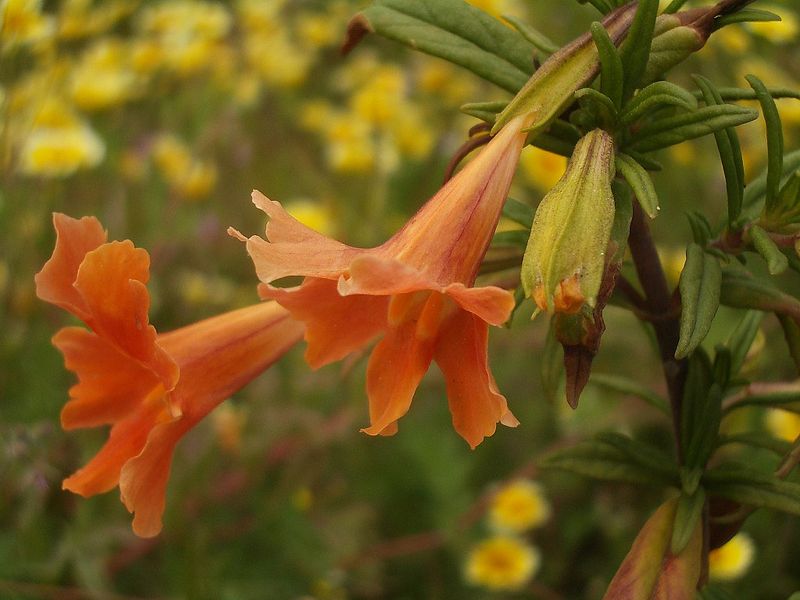
Bright pops of color throughout summer are hard to achieve without constant watering, but sticky monkeyflower makes it look effortless.
This cheerful shrub produces tubular orange, yellow, or red flowers from spring through fall, and it thrives in hot, dry conditions where other plants wilt.
Fall planting is perfect because it allows roots to establish before the next blooming season begins.
Sticky monkeyflower grows into a compact, rounded shrub, usually two to four feet tall. It prefers full sun and well-drained soil, making it ideal for slopes, rock gardens, or mixed native borders.
Once established, it’s remarkably drought-tolerant and requires no summer water. The sticky, aromatic foliage is part of its charm and helps it survive dry periods.
Hummingbirds are obsessed with the tubular flowers, and you’ll see them visiting throughout the day. The plant blooms heavily in spring, then continues producing flowers sporadically through summer and fall if temperatures stay moderate.
Deadheading spent blooms encourages more flowers, but it’s not necessary.
Coastal and inland gardeners both have great success with sticky monkeyflower. It handles heat, wind, and poor soil without complaint.
Prune lightly in late fall or early winter to keep it tidy and encourage fresh growth. Plant it now, and you’ll enjoy months of vibrant color and hummingbird visits with almost no effort required.
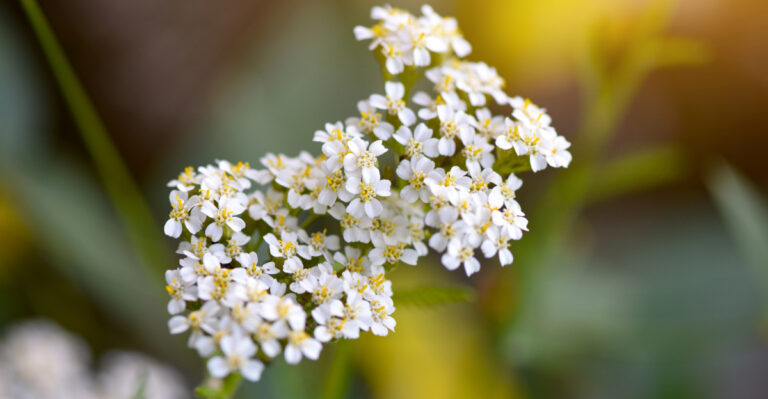
8. Yarrow (Achillea millefolium)
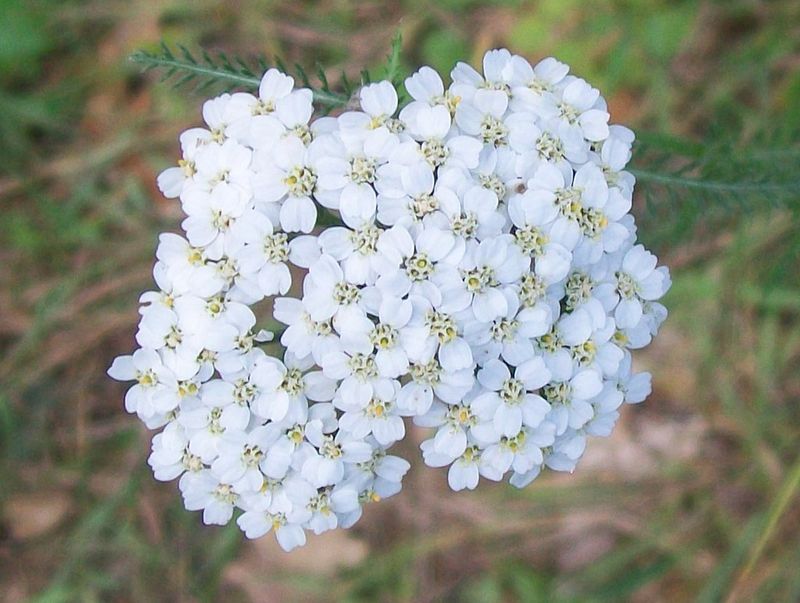
Groundcovers that handle foot traffic and bloom reliably are worth their weight in gold, and yarrow fits that bill perfectly. This low-growing perennial spreads gently to form a soft, ferny carpet that tolerates occasional walking.
Fall is an excellent time to plant it, as cooler weather helps it establish without stress, and by next spring you’ll have a lush mat of foliage topped with clusters of white, pink, or yellow flowers.
Yarrow thrives in full sun and well-drained soil, though it’s remarkably adaptable to different conditions. It’s drought-tolerant once established and requires very little water during summer.
The finely divided leaves are aromatic and attractive year-round, and the flat-topped flower clusters attract butterflies, bees, and beneficial insects.
This plant works beautifully as a lawn replacement, in meadow gardens, or along pathways. It spreads by rhizomes but isn’t invasive, filling in spaces without choking out other plants.
Mow or cut it back after blooming to encourage fresh growth and keep it tidy.
Coastal, inland, and foothill gardeners all have success with yarrow. It handles heat, cold, and poor soil without complaint.
Avoid overwatering, as yarrow prefers dry conditions. Once established, it’s one of the easiest, most versatile natives you can grow, providing color, texture, and wildlife value with minimal maintenance throughout the year.
9. Douglas Iris (Iris douglasiana)
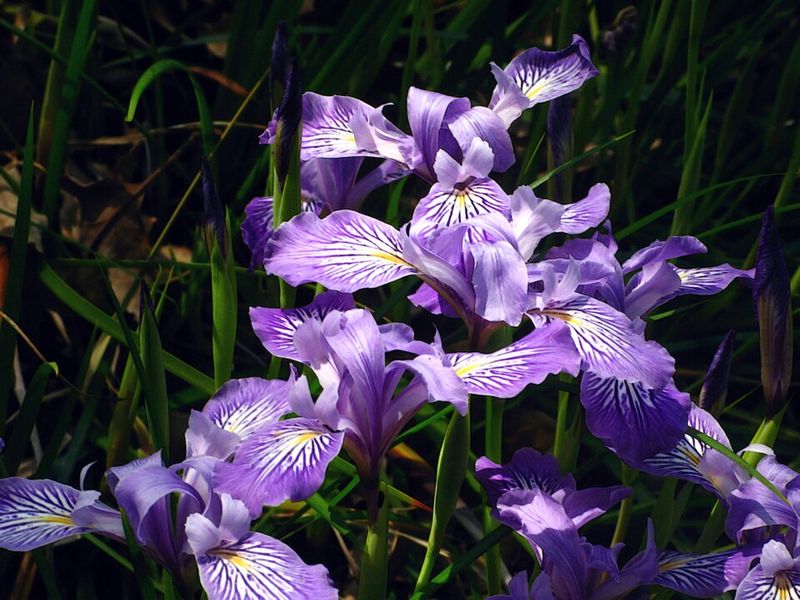
Elegant blooms that thrive in shade are hard to come by, but Douglas iris delivers them beautifully. This graceful perennial produces stunning flowers in shades of purple, blue, white, or yellow, and it tolerates shade better than most natives.
Fall planting is ideal because it gives rhizomes time to settle in before spring’s flowering season, and you’ll be rewarded with a spectacular display when the blooms arrive.
Douglas iris prefers part shade to full sun and well-drained soil, though it tolerates a range of conditions including clay if drainage is decent.
The grass-like foliage forms attractive clumps that look good year-round, and in spring, the flowers rise above the leaves on slender stems.
Hummingbirds and butterflies visit the blooms, and the foliage provides cover for small wildlife.
This iris works beautifully under oaks, along shaded pathways, or in mixed native borders. It’s drought-tolerant once established but appreciates occasional summer water in hot inland areas.
Coastal gardeners find it especially easy to grow, as it thrives in cool, foggy conditions.
Divide clumps every few years if they become crowded, but otherwise, Douglas iris requires very little maintenance. Cut back old foliage in late summer to keep it tidy.
Plant it now, and by next spring you’ll have elegant, colorful blooms that bring life and beauty to shady corners where few other plants succeed.