The 10 Best Coastal Native Plants For California Front Yards
Designing a front yard along the California coast comes with salty air, sandy soil, steady breezes, and bright sun.
The secret to a landscape that looks effortless year round is choosing natives that already thrive in these exact conditions.
Coastal native plants bring natural beauty, soft movement, and a relaxed, ocean friendly style while asking for far less water and care than traditional ornamentals.
Silvery foliage, textured grasses, and seasonal blooms create a layered look that feels both polished and perfectly at home near the shore.
Many also support pollinators and local wildlife, adding life and motion to the garden without extra effort.
With the right plant choices, your front yard can stay vibrant, resilient, and beautifully in tune with the coastal environment, proving that low maintenance and high impact can go hand in hand along California’s stunning shoreline.
1. Douglas Iris (Iris douglasiana)
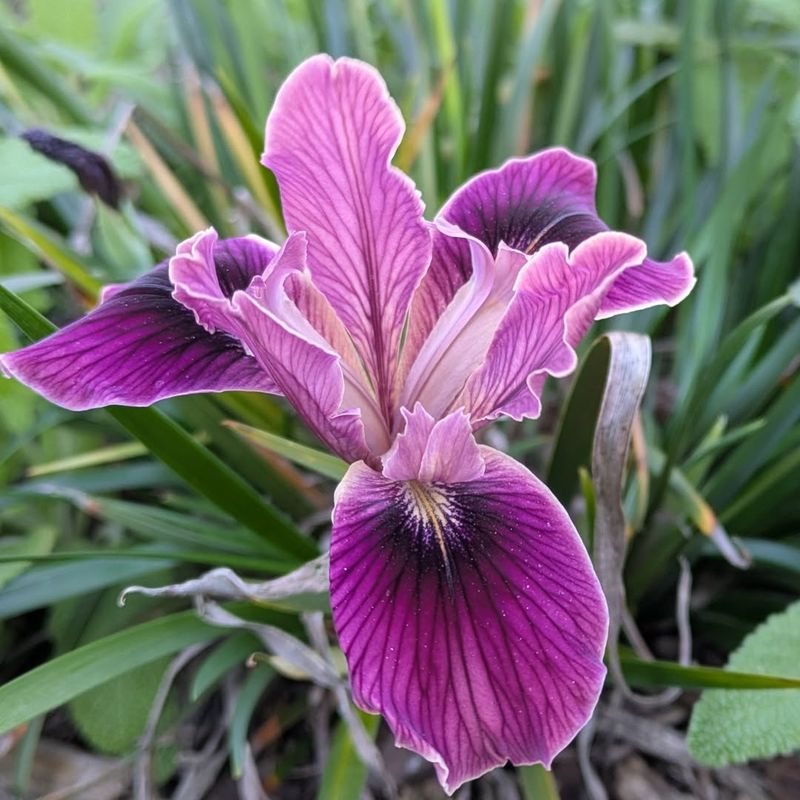
There is something almost magical about Douglas Iris in full bloom. The flowers range from deep purple to pale lavender, soft white, and even golden yellow, and they appear in early spring when the rest of the garden is just waking up.
Along the California coast, this plant is a true sign that the season has changed.
Iris douglasiana grows in clumps of long, narrow, dark green leaves that stay attractive all year. Even when the flowers are not present, the foliage adds texture and structure to a front yard.
It works well as a border plant or grouped in clusters for a natural, meadow-like effect.
This iris is wonderfully adapted to coastal California conditions. It tolerates shade, which makes it useful under trees or along north-facing areas where other plants might struggle.
It also handles clay soil better than many native plants, giving it extra versatility.
Water needs are low once the plant is established. It prefers to dry out between waterings, especially during summer.
Dividing the clumps every few years keeps them healthy and encourages more blooms. For a spring-flowering native that feels elegant and effortless, Douglas Iris is a standout choice for California front yards.
2. Coastal Sagebrush (Artemisia californica)
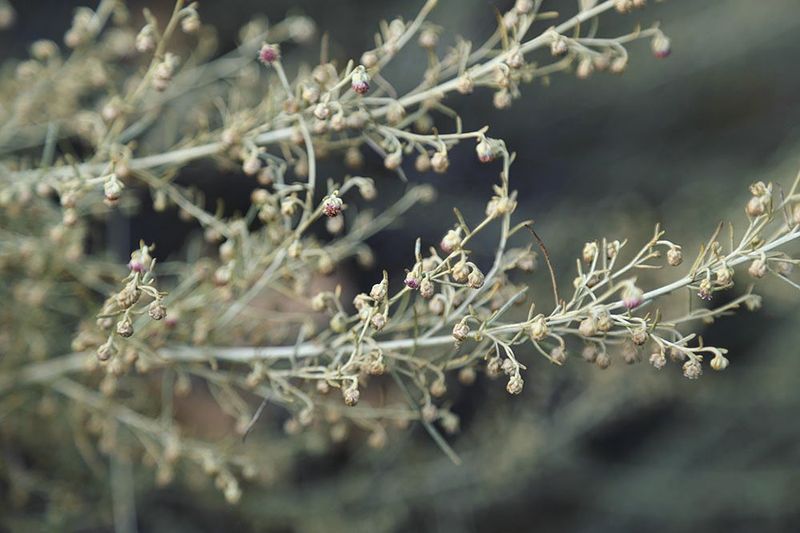
Close your eyes and imagine the scent of the California coast after a light rain. That clean, earthy, herbal smell?
A lot of it comes from Coastal Sagebrush. This plant brings serious sensory appeal to any front yard, and it does it while barely asking for anything in return.
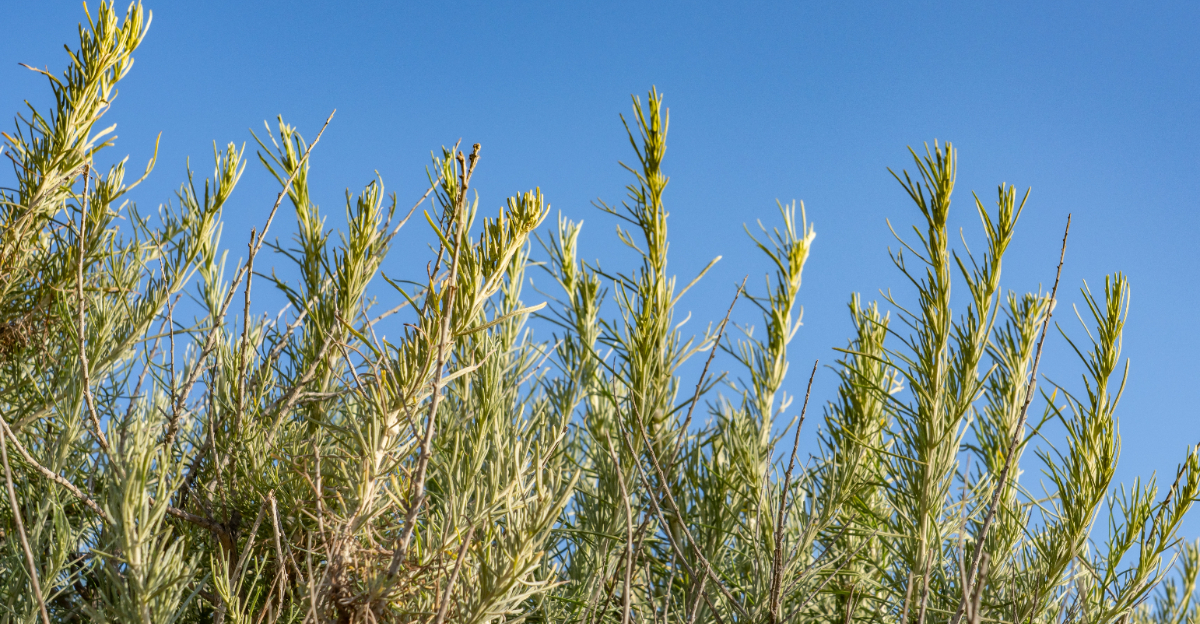
Artemisia californica is a low-growing, silvery-green shrub that looks soft and feathery. Its fine, thread-like leaves catch the light beautifully, especially in the morning fog that rolls in along the California coastline.
The silver color also pairs well with bolder green or flowering plants nearby.
This plant is built for tough conditions. Sandy or rocky soil, dry summers, salty air, it handles all of it without complaint.
It is one of the most drought-tolerant native plants available for California gardens. Once planted and established, it needs very little water or attention.
Beyond its looks and smell, Coastal Sagebrush plays an important role in the local ecosystem. Birds use it for nesting cover, and several native butterfly species depend on it as a host plant.
Adding it to your front yard supports the wildlife that belongs to the California coast.
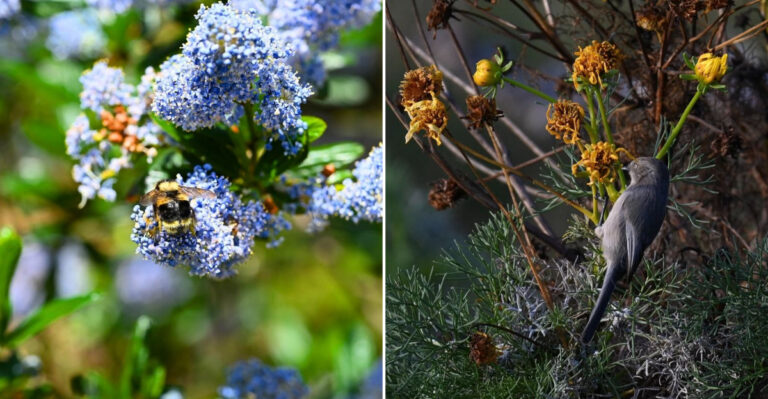
3. California Lilac (Ceanothus spp.)
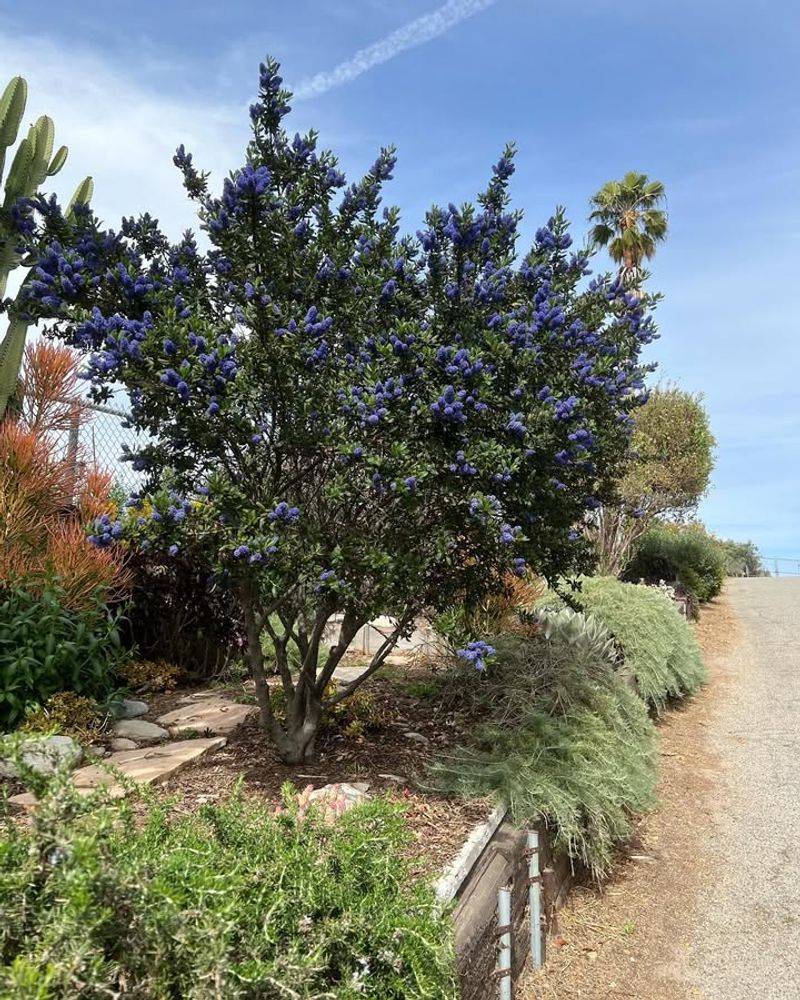
Few plants stop people in their tracks the way a blooming California Lilac does. When spring arrives along the California coast, this shrub explodes into clouds of blue, violet, or white flowers that cover nearly every inch of the plant.
It is one of the most dramatic and beloved native plants in the state.
California Lilac, or Ceanothus, grows in many sizes. Some varieties stay low and spreading, making them great as ground covers.
Others grow tall and bushy, working well as privacy screens or focal points in a front yard. No matter the size, they all share that same stunning spring bloom.
Once established, this plant is incredibly tough. It thrives in the dry, rocky, or sandy soils common along the California coastline.
It handles drought well and actually prefers little to no summer watering after its first year. Overwatering is the one thing to avoid.
Bees and butterflies absolutely love the flowers. Planting Ceanothus near a walkway or porch means you will enjoy both the blooms and the buzzing activity all season long.
It is a win for your yard and for local pollinators.
4. California Fuchsia (Epilobium canum)
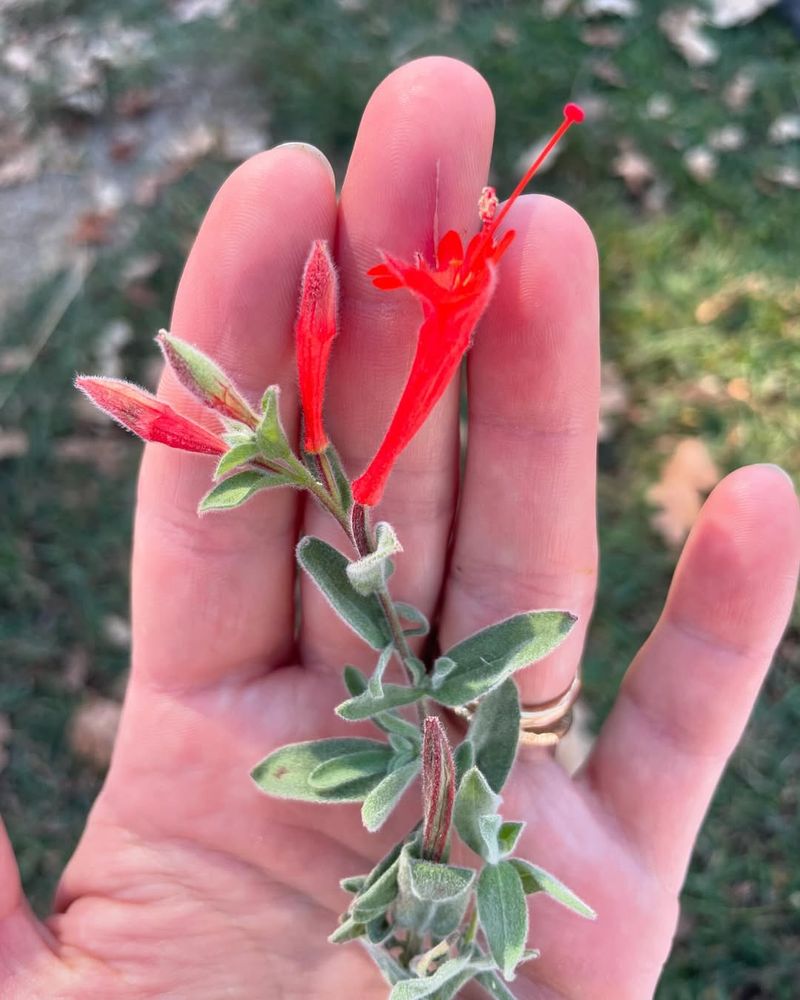
Just when summer starts to wind down and most flowers have faded, California Fuchsia steps up and steals the show. Its bright red-orange, trumpet-shaped flowers burst open in late summer and fall, giving your California front yard a bold pop of color exactly when you need it most.
Hummingbirds go absolutely wild for this plant. The tubular flowers are perfectly shaped for hummingbird feeding, and once word gets out, you can expect regular visits throughout the blooming season.
Planting California Fuchsia near a window or porch is a great way to enjoy the action up close.
Epilobium canum spreads along the ground in a low, sprawling habit. It works beautifully as a ground cover on slopes or along borders where you want something colorful without a lot of height.
It handles the dry summers and coastal conditions of California with ease.
Pruning it back in late winter keeps the plant looking tidy and encourages fresh, vigorous new growth each season. It is a low-effort plant with a high-impact payoff.
For California gardeners who want fall color and wildlife activity, this one belongs at the top of the list.
5. Beach Strawberry (Fragaria chiloensis)
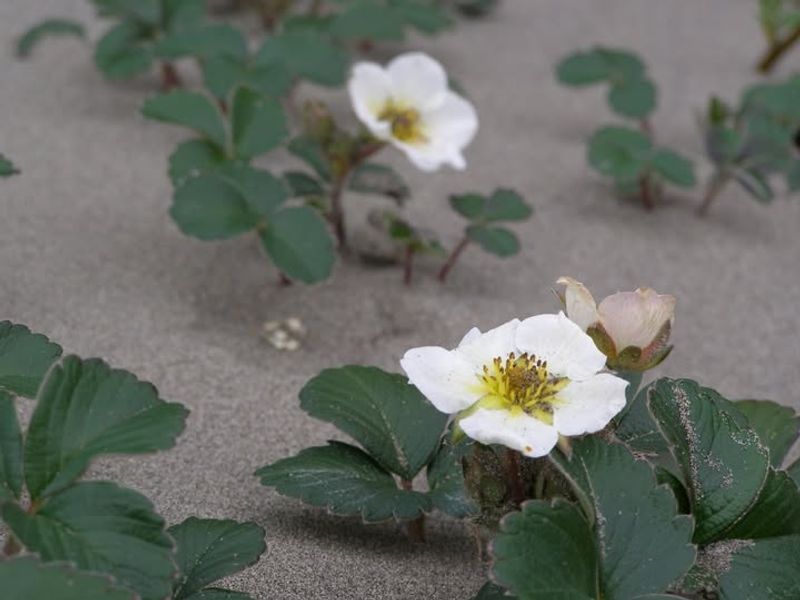
Here is a ground cover that pulls double duty in a California front yard. Beach Strawberry is both beautiful and functional, spreading its glossy green leaves across the ground while producing small white flowers and tiny red berries that birds and other wildlife love to snack on.
Fragaria chiloensis is one of the parent species of the modern garden strawberry. It has been growing along the California coast for thousands of years, long before anyone thought to cultivate strawberries for food.
That deep history makes it feel like a true piece of California’s natural heritage.
As a ground cover, it is hard to beat. Beach Strawberry spreads by runners, filling in bare patches of soil and crowding out weeds over time.
It stays low, usually just a few inches tall, and looks lush and green even in coastal conditions with salty air and sandy soil.
It does best in full sun to partial shade and needs moderate water until established. After that, it becomes quite drought tolerant.
For California homeowners looking to replace a water-hungry lawn with something native, low-maintenance, and visually appealing, Beach Strawberry is one of the smartest choices available.
6. Seaside Daisy (Erigeron glaucus)
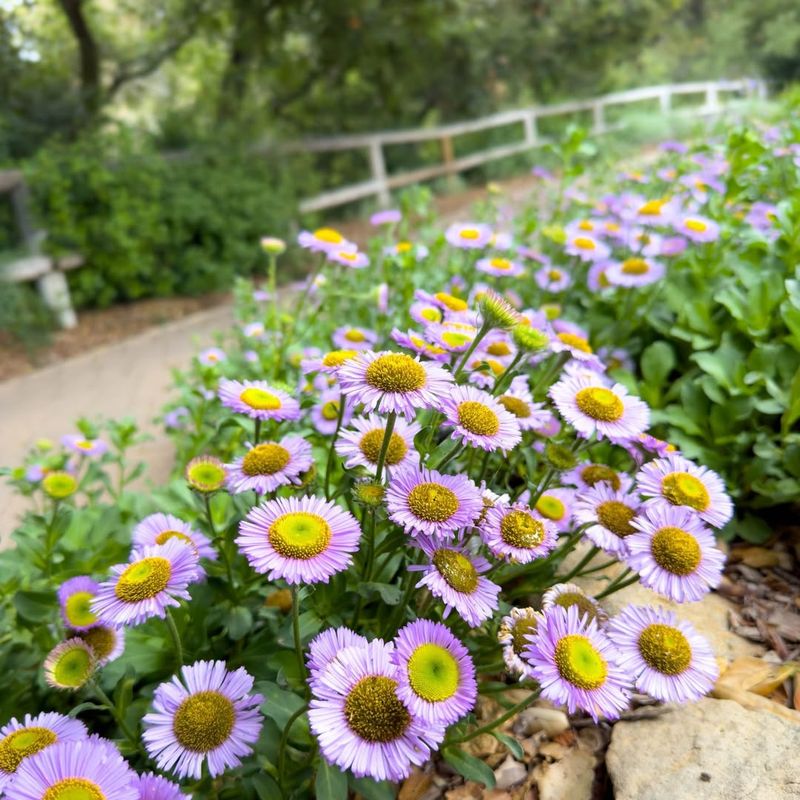
Walk along almost any bluff or rocky shoreline in coastal California and you are likely to spot Seaside Daisy tucked into a crevice or sprawling happily across a slope. It is one of those plants that looks like it belongs exactly where it is, because it does.
In a front yard, it brings that same effortless, natural charm.
Erigeron glaucus produces cheerful lavender to purple daisy-like flowers with bright yellow centers. It blooms heavily in spring and often continues sporadically through summer and into fall.
The low, mounding habit makes it ideal as a border plant, ground cover, or filler between larger shrubs.
Few plants handle coastal exposure as gracefully as this one. Salt spray, wind, sandy soil, and drought do not faze it.
It actually thrives in the challenging conditions that frustrate less adapted plants. Full sun brings out the best blooms, though it tolerates some light shade.
Trimming it back after the main bloom period encourages fresh growth and more flowers. It attracts bees and small butterflies, adding life to your California front yard throughout the growing season.
For a cheerful, low-care native that truly belongs on the California coast, Seaside Daisy earns its place every single time.
7. Toyon (Heteromeles arbutifolia)
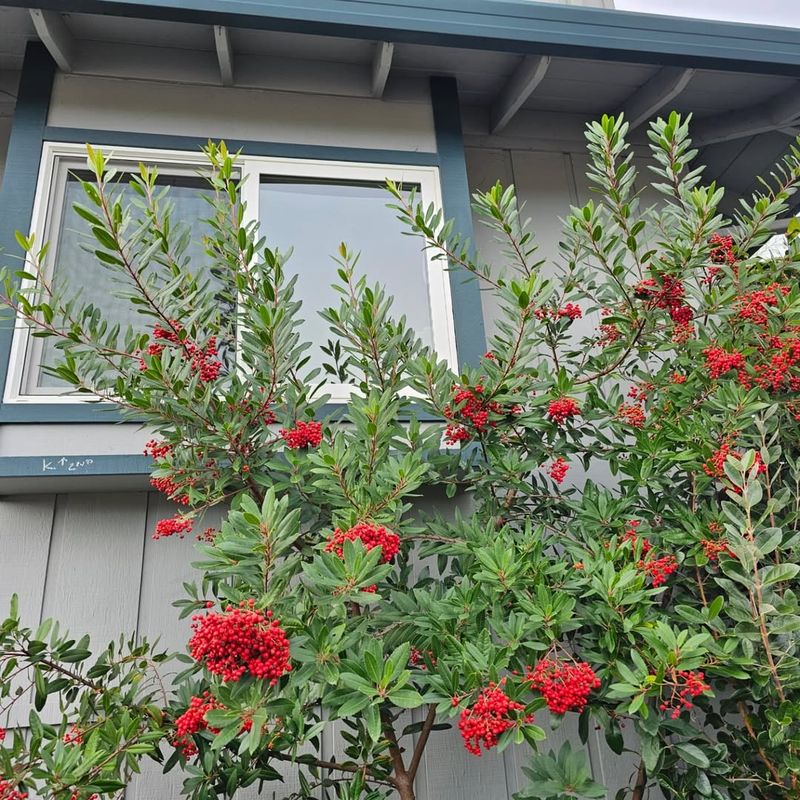
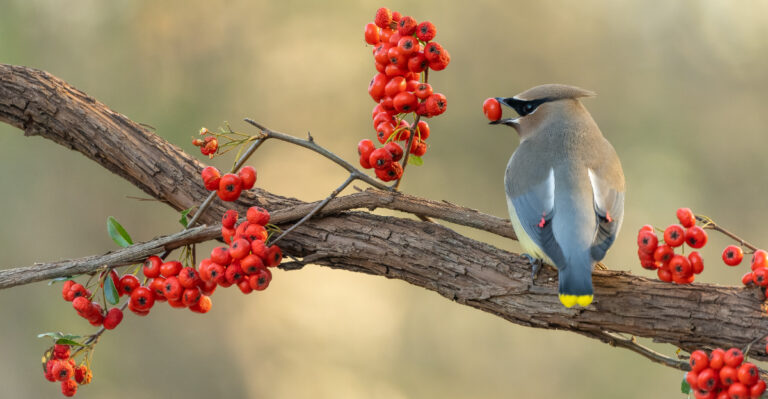
Toyon is the plant that gave Hollywood its name. Early settlers saw the hillsides covered in this shrub’s bright red berries each December and were reminded of English holly, calling the area Hollywood.
That same striking plant can bring a touch of California history and winter color to your front yard today.
Heteromeles arbutifolia is a large, evergreen shrub or small tree that earns its keep in every season. Clusters of small white flowers appear in summer, followed by those famous red berries in fall and winter.
The dark, leathery leaves stay green and glossy all year, providing structure when other plants look bare.
Birds love Toyon. Cedar waxwings, robins, and mockingbirds flock to the berries, turning your front yard into a busy wildlife hotspot during the cooler months.
It is one of the best plants for supporting birds along the California coast.
Toyon grows well in full sun to partial shade and tolerates a wide range of soil types, including the sandy and clay soils common near the California coastline. It is very drought tolerant once established and requires minimal pruning.
For a native plant with year-round beauty and serious wildlife value, Toyon is hard to top.
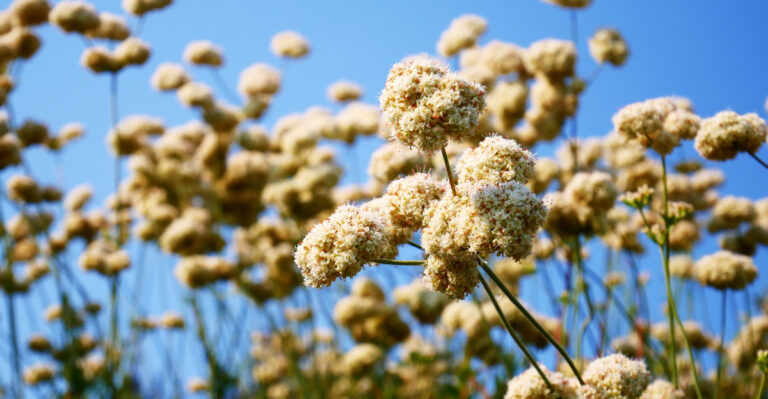
8. California Buckwheat (Eriogonum fasciculatum)
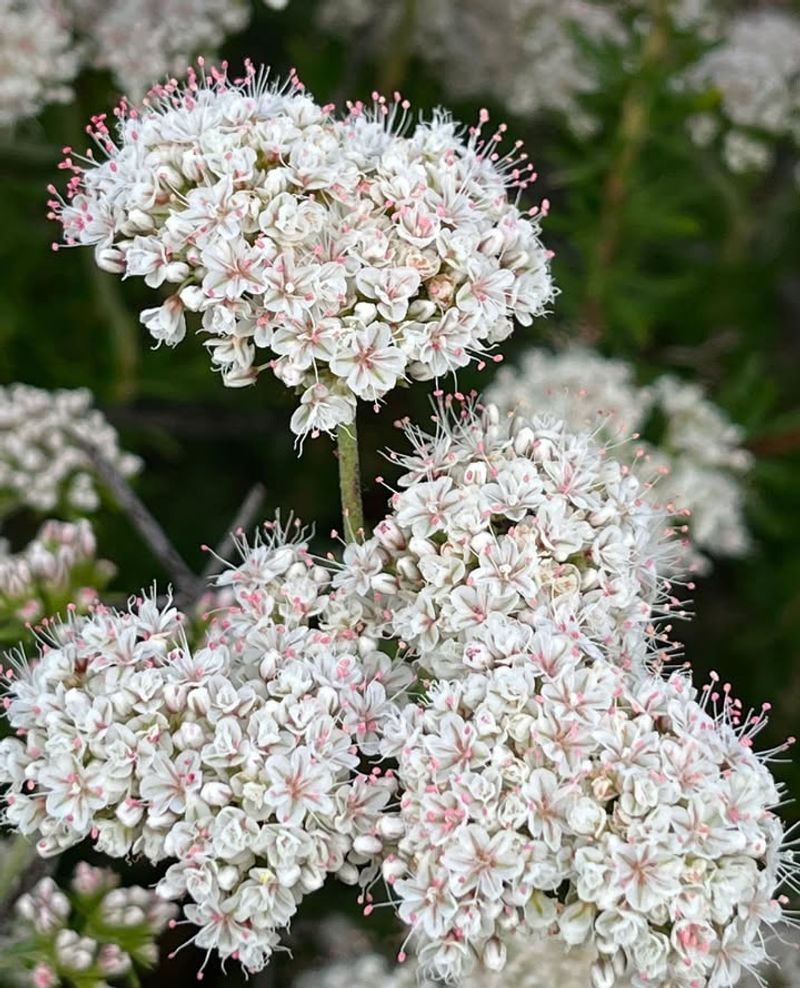
If you want one plant that pollinators absolutely cannot resist, California Buckwheat is it. On a warm summer day, the clusters of tiny white and pink flowers are covered in bees, butterflies, and other beneficial insects.
It is one of the most important pollinator plants native to California, and it looks great doing it.
Eriogonum fasciculatum grows as a low to mid-sized shrub with small, narrow leaves and flat-topped flower clusters that bloom from late spring through summer. As the flowers age, they turn a warm rusty-red color, adding another layer of visual interest.
The plant looks good through multiple seasons without any extra effort.
Tough and adaptable, California Buckwheat thrives in the dry, sandy, or rocky soils found throughout coastal California. It is extremely drought tolerant and actually prefers poor soil over rich, amended garden beds.
Too much water or fertilizer can shorten its life, so a hands-off approach works best.
It pairs beautifully with other California natives like Ceanothus, Artemisia, and Toyon. Use it as a filler shrub, a slope stabilizer, or a border plant.
For a low-maintenance native that works hard for local wildlife and looks naturally at home along the California coast, this one is a must-have.
9. Coast Manzanita (Arctostaphylos spp.)
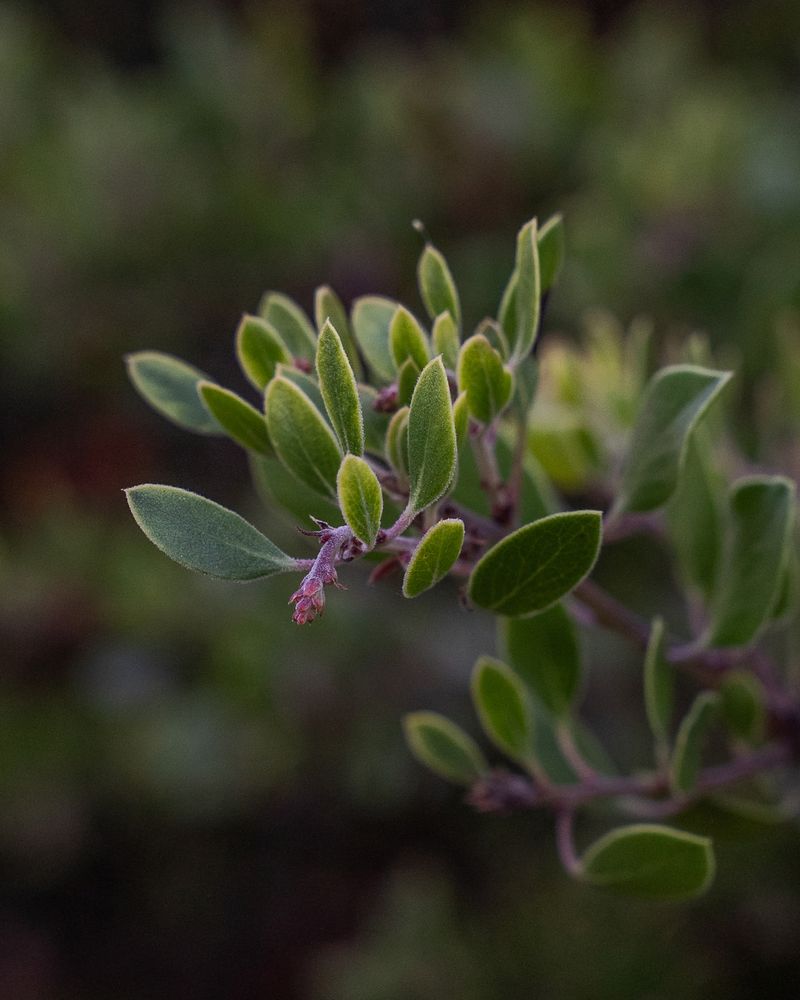
Few plants have as much personality as Coast Manzanita. The smooth, deep red-brown bark practically glows in the afternoon sun, making it a sculptural focal point even when the plant is not in bloom.
Add clusters of small, urn-shaped white or pink flowers in late winter, and you have something truly special for a California front yard.
Arctostaphylos is a large genus with many species and varieties native to California. Some grow as low, spreading ground covers.
Others develop into tall, multi-branched shrubs with striking architectural forms. The variety of options means there is a Manzanita suited for almost any size or style of front yard along the California coast.
Wildlife benefits are significant. Birds eat the small berry-like fruits, and the flowers provide nectar early in the year when other food sources are scarce.
Bees, especially native species, are frequent visitors during bloom time.
Coast Manzanita is well suited to the dry summers and mild winters of coastal California. It needs excellent drainage and very little summer water once established.
Avoid planting it in heavy clay without amending the soil. With the right placement and minimal care, Manzanita can live for decades and become a defining feature of your front yard.
10. Red Flowering Currant (Ribes sanguineum var. glutinosum)
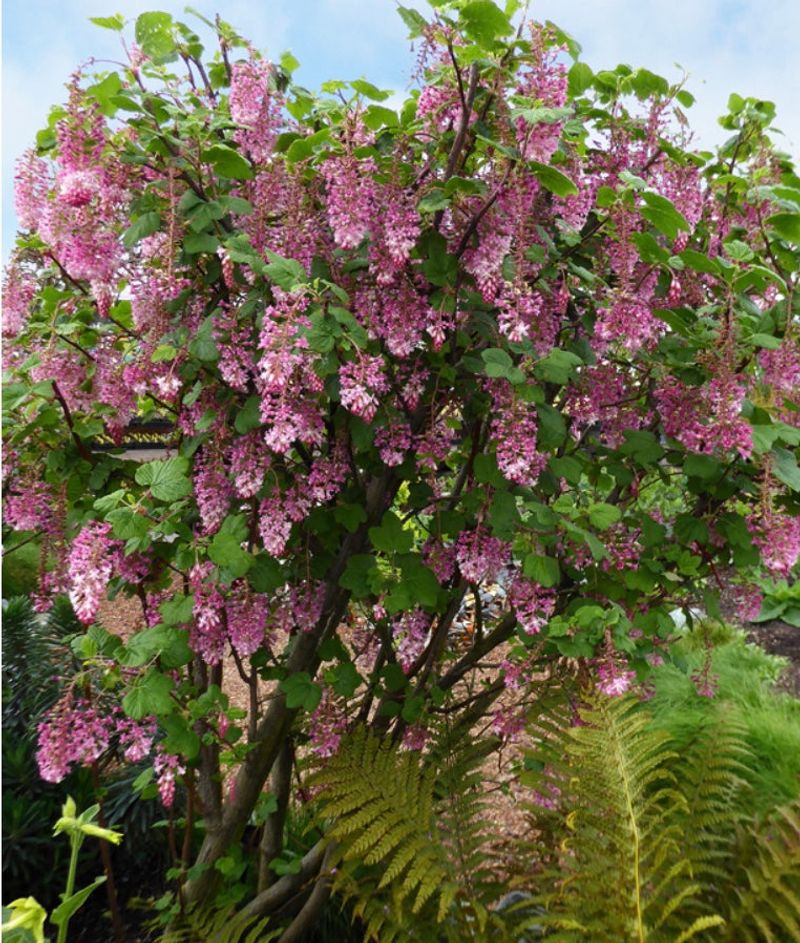
Every spring, Red Flowering Currant puts on a show that is hard to forget. Long, drooping clusters of deep pink to red flowers hang from the branches before the leaves have even fully opened.
It is one of the earliest native bloomers along the California coast, and hummingbirds arrive right on schedule to meet it.
Ribes sanguineum var. glutinosum is the coastal California variety of this beloved native shrub. It grows to a medium size, making it easy to fit into most front yard spaces.
The lobed, maple-like leaves have a pleasant, slightly spicy scent when brushed or crushed, adding another sensory layer to the garden.
After the flowers fade, small dark berries appear that birds enjoy through summer. The plant goes semi-dormant in the dry California summer, dropping some leaves and slowing down.
This is completely normal and not a cause for concern. A light trim after blooming keeps it looking tidy.
It grows best in partial shade to full sun and prefers well-drained soil with occasional deep watering during the dry season.
For California homeowners who want to attract hummingbirds early in the year and add genuine seasonal drama to a front yard, Red Flowering Currant is an outstanding and reliable choice.