The Best Cold-Hardy Perennials Pennsylvania Gardeners Should Plant In Late Winter
Late winter in Pennsylvania might still feel frosty, but it’s actually the perfect time to plan ahead and get your garden started with the right plants.
If you’re itching to see life return to your outdoor space, cold-hardy perennials are your best bet.
These tough plants can handle chilly temps and even a dusting of snow, waking up early to bring color and texture to your landscape when most others are still sleeping.
From cheerful hellebores to early-blooming lungwort, there are plenty of beautiful, low-maintenance options that come back year after year, stronger and fuller each time.
Planting them in late winter gives them a head start before spring growth kicks in, so you’ll enjoy healthier roots and earlier blooms.
Whether you’re new to gardening or just want to fill in some bare spots, this guide will walk you through the best cold-hardy perennials to plant now in Pennsylvania.
1. Hellebore (Lenten Rose)
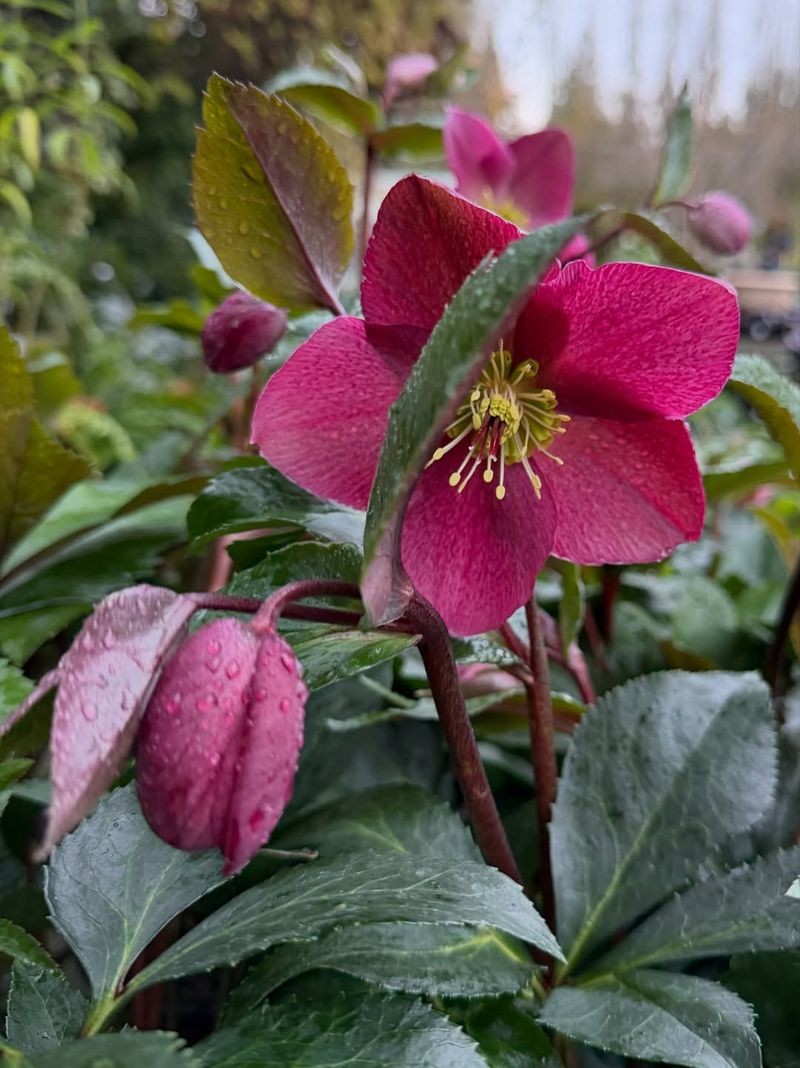
Winter might still have its grip on Pennsylvania, but hellebores laugh in the face of cold weather. These remarkable perennials push through frozen ground to deliver flowers when almost nothing else dares to bloom.
Their nodding blossoms come in shades ranging from deep purple to pale green, often speckled or streaked with contrasting colors that make each flower unique.
Planting hellebores in late winter gives them time to settle before their early spring show begins. Pennsylvania’s fluctuating temperatures don’t bother these tough customers one bit.
They prefer partial shade, making them perfect for spots under deciduous trees or along north-facing walls where other plants struggle.
The leathery, evergreen foliage stays attractive year-round, providing structure to your garden even when snow blankets the ground. Hellebores spread slowly into handsome clumps that require almost no maintenance once established.
They resist deer browsing, which is a huge bonus for Pennsylvania gardeners battling hungry wildlife.
These plants perform best in well-draining soil enriched with compost. Late winter planting allows their roots to anchor deeply before summer heat arrives.
Once settled, hellebores can live for decades in the same spot, becoming more beautiful with each passing year.
From Erie to Harrisburg, Pennsylvania gardeners appreciate hellebores for their reliability and early color. Their ability to bloom while frost still threatens makes them invaluable for anyone craving garden beauty before winter fully releases its hold on the landscape.
2. Creeping Phlox
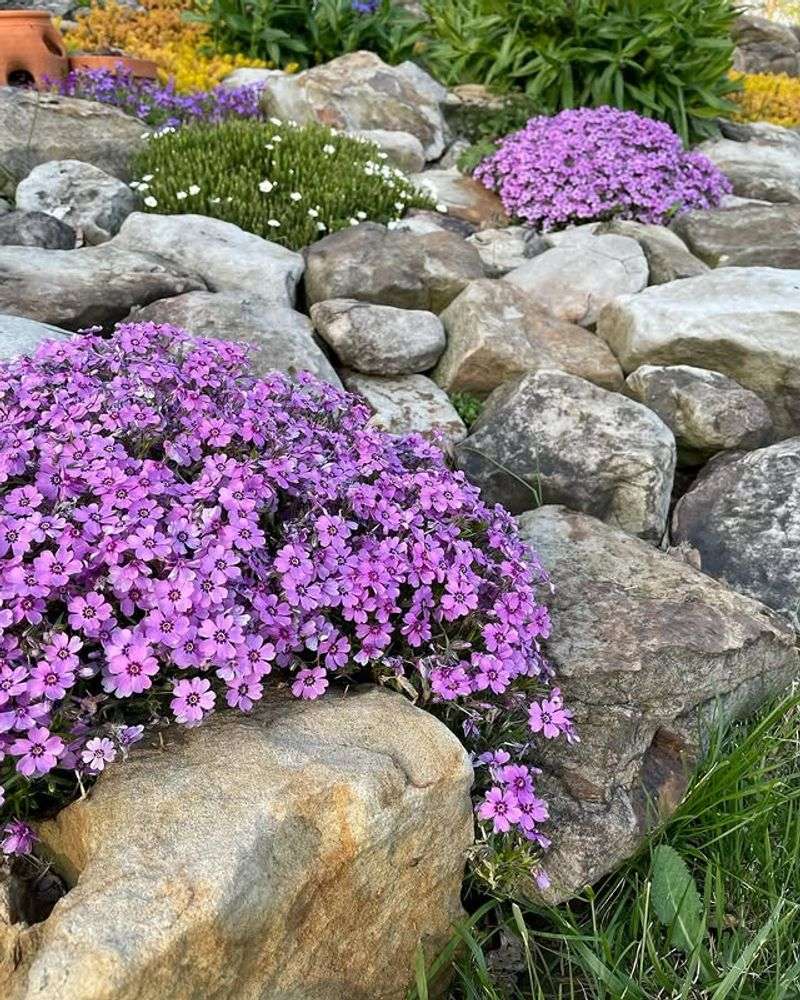
Picture a carpet of vibrant color spreading across your garden like someone spilled paint across the landscape. Creeping phlox delivers exactly that effect when it bursts into bloom each spring.
This low-growing perennial forms dense mats of needle-like foliage that stays green through Pennsylvania winters, then explodes with pink, purple, white, or red flowers that practically glow in the sunlight.
Late winter planting gives creeping phlox roots time to establish before the plant channels energy into its spectacular floral display.
The timing works perfectly for Pennsylvania’s climate, allowing the plant to settle during cool weather before spring warmth triggers growth.
This perennial thrives in full sun and well-drained soil, making it ideal for rock gardens, slopes, or border edges.
Gardeners across Pennsylvania use creeping phlox to solve erosion problems on hillsides while adding stunning seasonal color. The plant spreads reliably without becoming invasive, filling spaces between stepping stones or cascading over retaining walls.
Pollinators adore the nectar-rich flowers, bringing butterflies and bees to your yard right when they emerge from winter dormancy.
Once established, creeping phlox needs minimal water and tolerates poor soil better than many flowering perennials. It handles Pennsylvania’s temperature swings with ease, from late winter freezes to summer heat waves.
The plant’s drought tolerance makes it practical for busy gardeners who want beauty without constant attention.
From Philadelphia gardens to rural properties in the Alleghenies, creeping phlox proves its worth year after year with reliable performance and breathtaking spring color.
3. Bleeding Heart
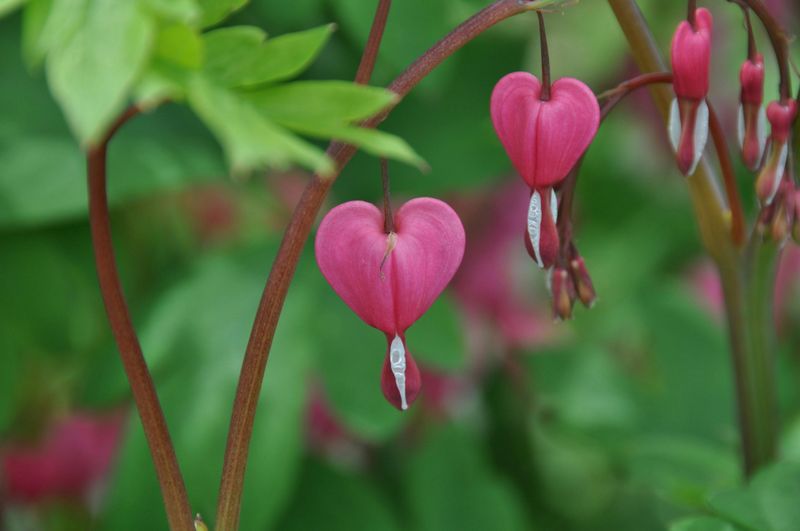
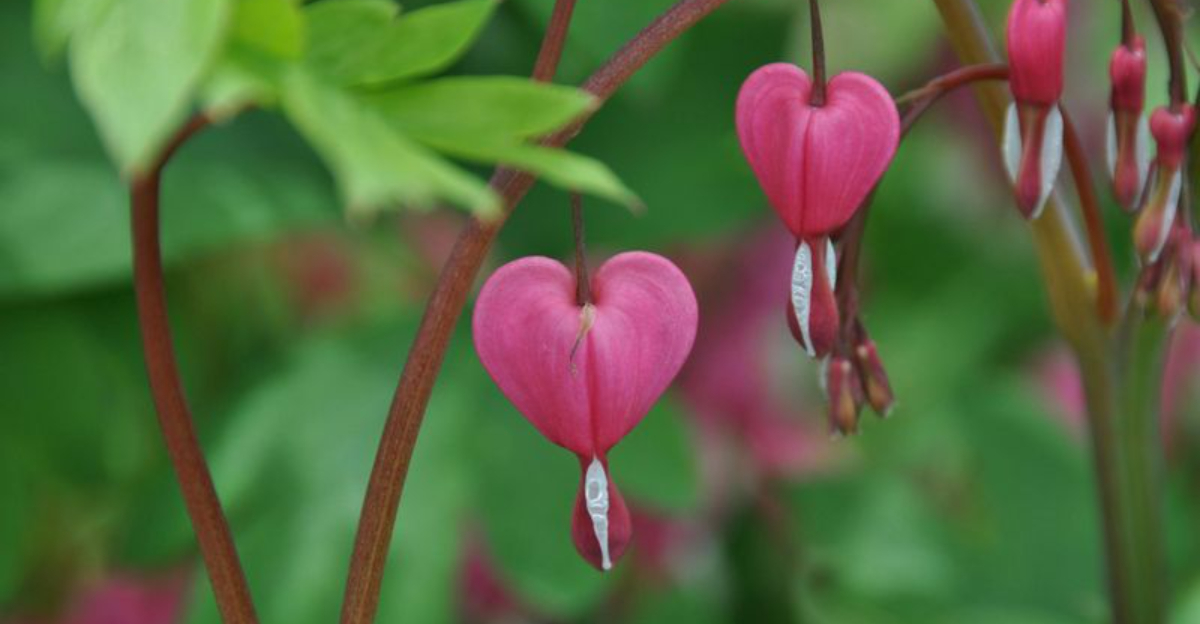
Few perennials capture the imagination quite like bleeding heart with its distinctive heart-shaped flowers dangling from arching stems.
Each blossom looks like a tiny Valentine complete with a droplet at the bottom, creating a romantic focal point in shaded Pennsylvania gardens.
The ferny foliage emerges in early spring, followed by chains of pink or white flowers that seem almost too delicate to survive cold weather.
Don’t let the delicate appearance fool you. Bleeding hearts are incredibly tough, handling Pennsylvania’s late winter cold snaps without complaint.
Planting them while temperatures still dip below freezing actually benefits these perennials, giving roots time to spread through cool, moist soil. They prefer shade or partial shade, making them perfect companions for hostas and ferns in woodland gardens.
Pennsylvania gardeners appreciate bleeding heart’s ability to brighten dim corners where sun-loving plants refuse to bloom.
The plant goes dormant in summer heat, so pair it with later-blooming perennials that will fill the space after bleeding heart foliage fades.
This natural cycle works perfectly in Pennsylvania’s climate, where summer temperatures can stress shade plants.
Bleeding hearts prefer rich, organic soil that stays consistently moist but never waterlogged. Adding compost at planting time helps them establish quickly.
These perennials can live for many years in the right location, forming substantial clumps that produce dozens of flower stalks each spring.
Whether you garden in Pittsburgh’s suburbs or the countryside near Scranton, bleeding hearts bring old-fashioned charm and reliable spring beauty to shaded areas that desperately need color and interest.
4. Coral Bells (Heuchera)
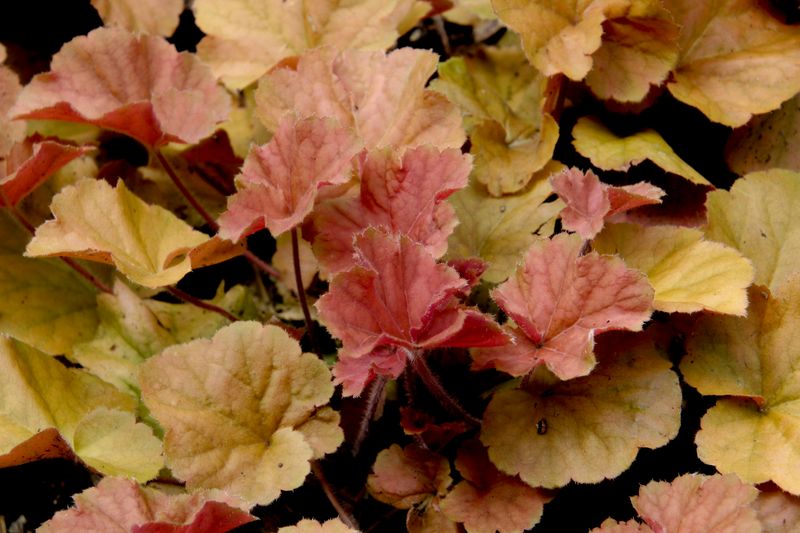
Foliage takes center stage with coral bells, though the delicate flower spikes add their own charm in late spring.
These perennials offer leaves in every color imaginable, from deep burgundy to bright lime green, often with silver overlays or contrasting veins that create living artwork in your garden beds.
Pennsylvania gardeners use coral bells to add year-round color because the foliage stays attractive even through winter.
Late winter planting works beautifully for coral bells in Pennsylvania’s climate. The plants establish quickly in cool weather, developing strong root systems before summer arrives.
They tolerate both sun and shade, though leaves often show more intense colors when protected from harsh afternoon sun. This flexibility makes coral bells useful throughout your landscape.
Modern breeding has created coral bell varieties with astounding foliage colors that stay vibrant through changing seasons. Some leaves shimmer with metallic sheens while others display ruffled edges or dramatic color combinations.
The compact size makes them perfect for container gardens or tight spaces where larger perennials won’t fit.
These plants prefer well-drained soil and benefit from a layer of mulch to protect their shallow roots.
Pennsylvania’s freeze-thaw cycles can sometimes push coral bells out of the ground, so check them periodically and gently press them back if needed. They resist deer browsing and tolerate dry conditions once established.
From Reading to State College, Pennsylvania gardeners rely on coral bells to provide reliable color without requiring constant deadheading or fussy maintenance.
The plants multiply slowly, forming attractive clumps that look better each year without spreading aggressively or demanding frequent division.
5. Siberian Iris
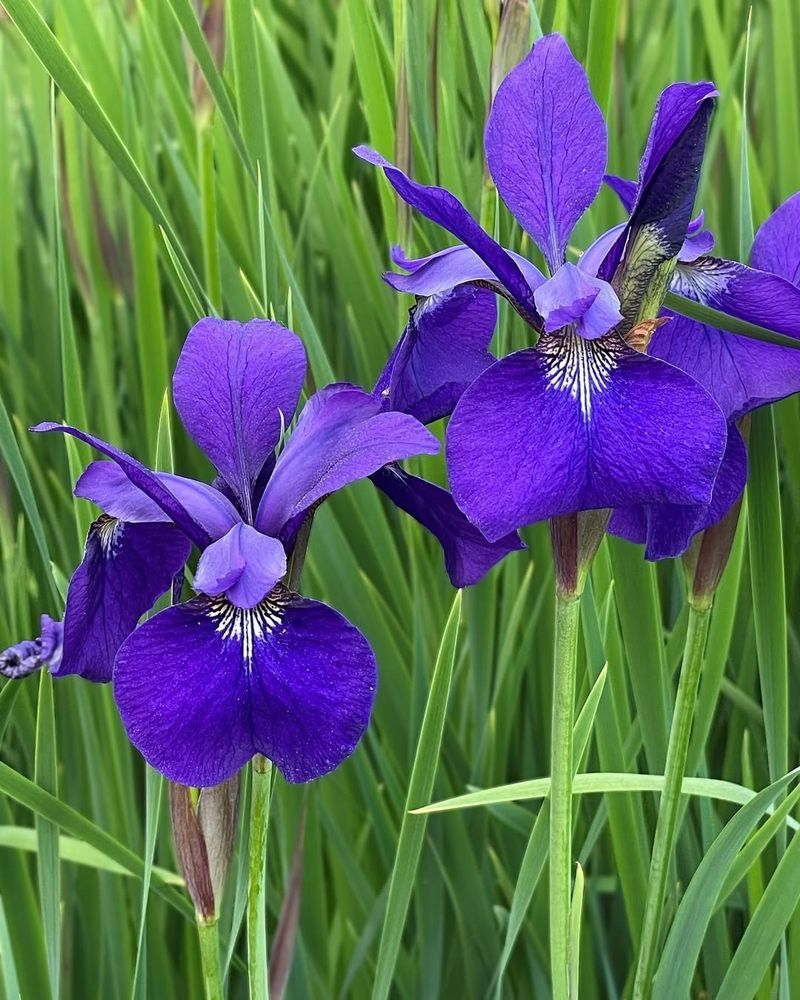
Elegant describes Siberian iris perfectly, with its slender leaves and graceful flowers rising on tall stems above the foliage. These perennials bloom later than bearded iris varieties, extending the iris season well into early summer.
The flowers come in shades of blue, purple, white, and yellow, with delicate veining and falls that create intricate patterns worth examining up close.
Pennsylvania’s late winter provides ideal planting conditions for Siberian iris. Unlike some perennials that resent root disturbance, these iris establish quickly when planted while still dormant.
They tolerate wet soil better than bearded iris, making them perfect for spots near downspouts or low areas that stay moist. The grass-like foliage remains attractive all season, providing vertical interest even after flowers fade.
Gardeners across Pennsylvania value Siberian iris for their disease resistance and low maintenance requirements. They don’t suffer from the borers that plague bearded iris, and they rarely need dividing.
The plants form dense clumps that suppress weeds while creating substantial presence in perennial borders or alongside ponds and streams.
These iris prefer full sun but tolerate partial shade, especially in southern Pennsylvania where afternoon sun can be intense.
They bloom reliably year after year without requiring special soil amendments or frequent fertilizing. The seed pods that form after flowering add architectural interest through fall and winter.
From the Lehigh Valley to the Ohio border, Pennsylvania gardeners find Siberian iris perfectly suited to the state’s climate and growing conditions.
Their cold hardiness means late winter planting poses no risk, while their summer toughness ensures they’ll thrive through hot, humid weather.
6. Sedum (Stonecrop)
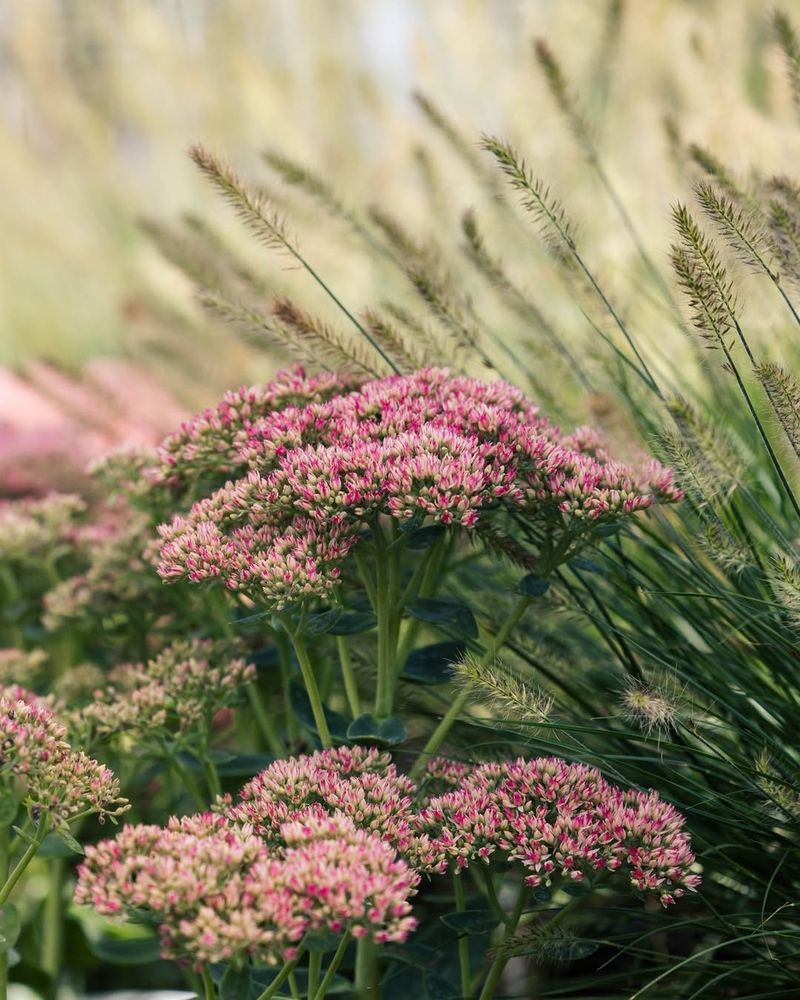
Succulent leaves and incredible drought tolerance make sedum a Pennsylvania gardener’s best friend. These perennials store water in their thick foliage, allowing them to survive dry spells that would stress other plants.
The upright varieties form sturdy clumps topped with flat flower clusters that start green, mature to pink or red, and finally turn russet brown, providing interest through multiple seasons.
Planting sedum in late winter takes advantage of Pennsylvania’s cool, moist soil conditions. The plants establish quickly, developing roots that will support them through summer heat and drought.
Sedum thrives in full sun and well-drained soil, making it perfect for rock gardens, xeriscapes, or any spot where water conservation matters.
Butterflies and bees flock to sedum flowers in late summer and fall when many other nectar sources have finished blooming. Pennsylvania gardeners appreciate this extended season of pollinator support.
The dried flower heads remain attractive through winter, especially when frosted or dusted with snow, and provide food for seed-eating birds.
These perennials tolerate poor soil and require virtually no maintenance once established. They resist deer browsing and handle Pennsylvania’s temperature extremes without complaint.
Sedum spreads slowly into handsome clumps that can be easily divided if you want more plants for other garden areas.
Whether you live in Allentown or the rural areas around Gettysburg, sedum adapts to Pennsylvania’s growing conditions with remarkable ease.
Late winter planting gives these tough perennials time to settle before their main growth period begins, ensuring strong performance for years to come.
7. Astilbe
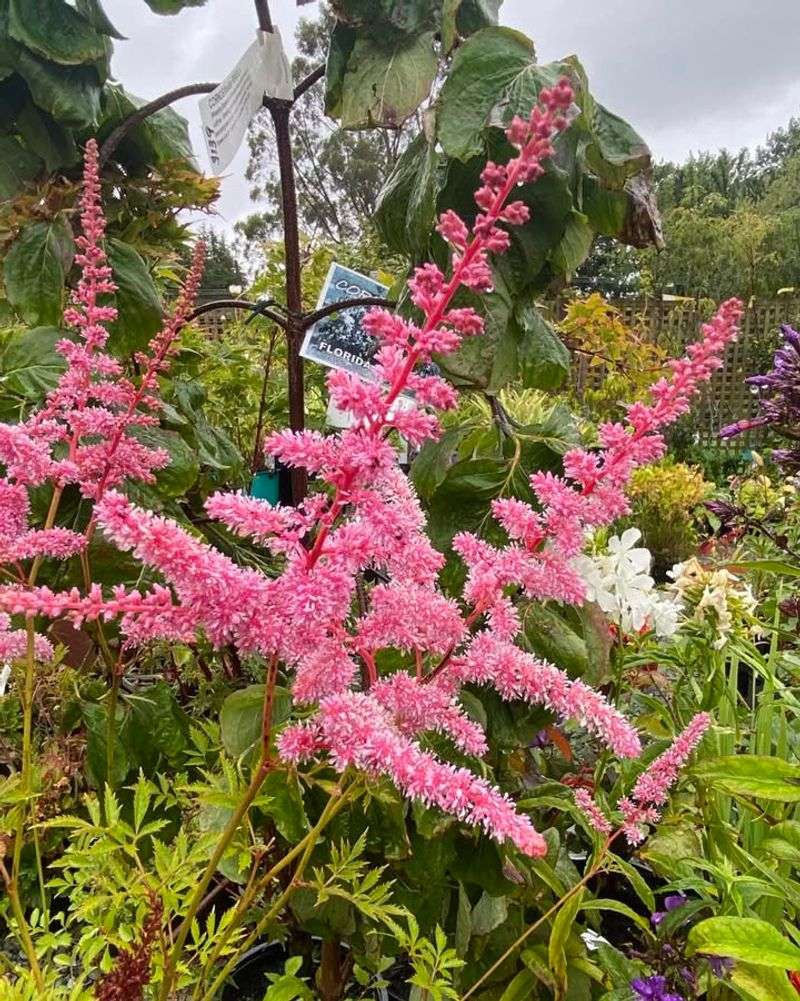
Feathery plumes in shades of pink, red, white, and lavender rise above astilbe’s fern-like foliage, creating a soft, romantic effect in shaded gardens.
These perennials excel where many flowering plants struggle, bringing color and texture to dim spots under trees or along north-facing walls.
The flowers appear in early to mid-summer, lasting for weeks and remaining attractive even as they fade to russet tones.
Late winter planting suits astilbe perfectly in Pennsylvania’s climate. The roots establish during cool weather, preparing the plant for vigorous growth when spring warmth arrives.
Astilbe prefers consistently moist soil rich in organic matter, making it ideal for areas that stay damp or for gardeners willing to water regularly during dry spells.
Pennsylvania gardeners use astilbe to solve the challenge of bringing color to shade, where sun-loving perennials refuse to bloom. The plants form attractive clumps that expand slowly, never becoming aggressive or invasive.
The foliage alone provides interest, with some varieties offering bronze or burgundy-tinted leaves that enhance the overall garden picture.
These perennials work beautifully alongside hostas, ferns, and bleeding hearts in woodland settings. They tolerate Pennsylvania’s humid summers better than many shade perennials and resist most pests and diseases.
The dried flower plumes can be left standing through winter for added texture, or cut for dried arrangements.
From gardens in Lancaster to landscapes in Erie, astilbe proves its worth in Pennsylvania’s varied growing regions. Late winter planting ensures these shade-loving perennials have time to develop strong roots before summer heat and humidity test their endurance.