The 9 Best Cut Flowers For Oregon Cottage Gardens
There is nothing quite like the whimsical, overflowing charm of a cottage garden to make a home feel like a storybook retreat.
In Oregon, our unique blend of mild springs and long, sun-drenched summers provides the perfect stage for a cutting garden that looks just as good in a vase as it does in the ground.
The key is choosing plants that can handle our local rhythm while pumping out enough stems to keep your indoor spaces blooming all season long.
You do not need a massive acreage or a professional greenhouse to pull this off. These nine selections are absolute workhorses, offering that classic “gathered from the meadow” aesthetic with minimal fuss.
From the romantic spikes of foxgloves to the cheerful, sun-loving faces of zinnias, these flowers are the reliable favorites every local gardener should have in their rotation.
It is time to grab your shears and start planning a landscape that offers a fresh, fragrant harvest every single morning.
1. Dahlia
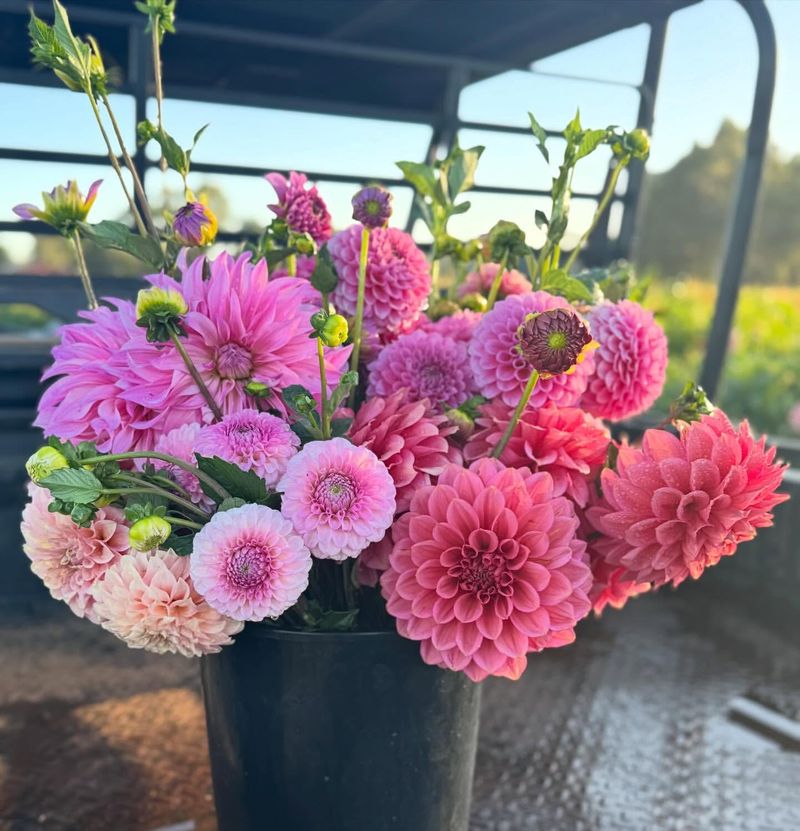
Few flowers can match the showstopping drama of a dahlia in full bloom. With dinner-plate-sized blooms or delicate pompom shapes, dahlias offer something for every style of cottage garden.
In Oregon, they thrive especially well because the state’s mild summers keep temperatures from getting too extreme.
Plant dahlia tubers in spring after the last frost, usually around mid-April in the Willamette Valley. Give them full sun and well-drained soil.
They will reward you with blooms from late June all the way until the first frost of fall. That is a long season of gorgeous cut flowers for your home.
For the best vase life, cut dahlias early in the morning when the blooms are just starting to open. Place them immediately in cool water.
Remove any leaves that would sit below the waterline to keep the water clean and fresh longer. Oregon gardeners love dahlias because they multiply each year, meaning more tubers to plant or share with neighbors.
Try bold colors like deep burgundy or bright coral to make your cottage garden truly unforgettable.
2. Sweet Pea
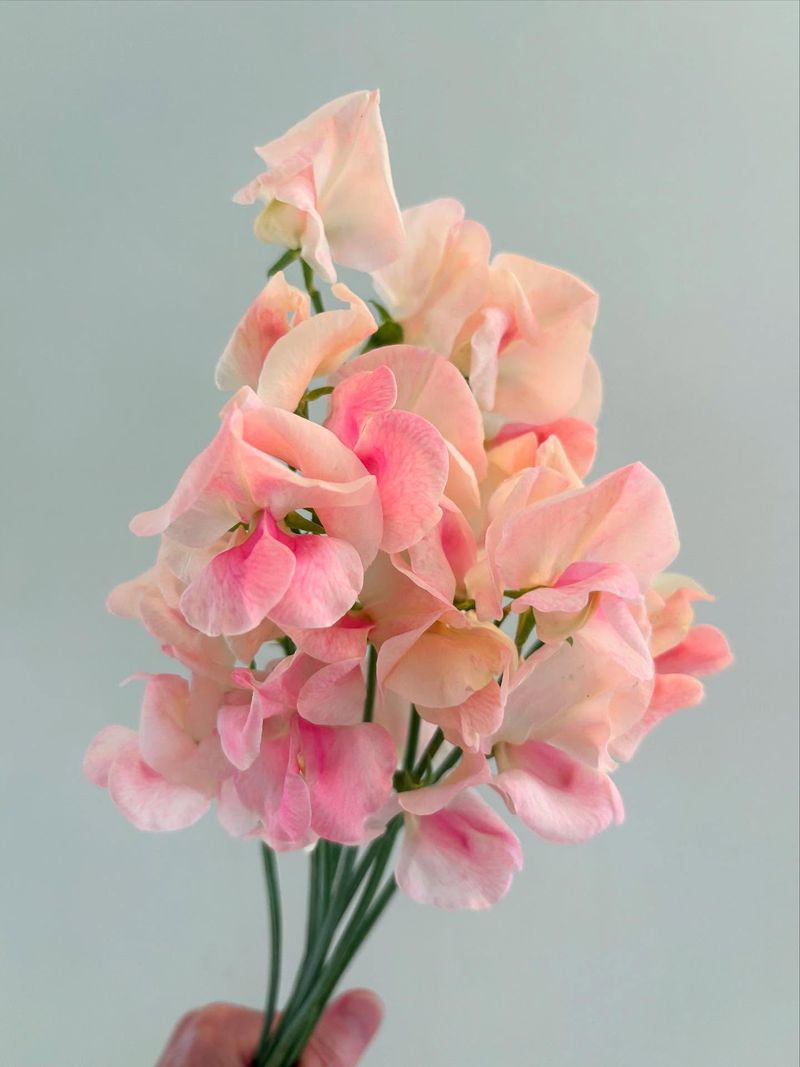
Walk past a patch of sweet peas in bloom and you will stop in your tracks. The fragrance is simply incredible, sweet and floral in a way that instantly feels nostalgic.
Sweet peas have been a favorite in cottage gardens for centuries, and Oregon’s cool, moist springs make them absolutely love it here.
Sow seeds directly in the garden in early spring, or even in late fall for a head start. Sweet peas need something to climb, so set up a trellis, fence, or wire support before planting.
They prefer cooler weather, which is great news for Oregon gardeners in places like Eugene or Salem where spring temperatures stay mild for weeks.
The more you cut sweet peas, the more they bloom. Regular harvesting keeps the plant producing new flowers all season long.
Arrange them in small vases or mix them into larger bouquets for a soft, romantic look. Their pastel shades of pink, lavender, and white pair beautifully with almost any other cottage garden flower.
Pick stems in the morning and condition them in water for a few hours before arranging for the longest vase life possible.
3. Cosmos
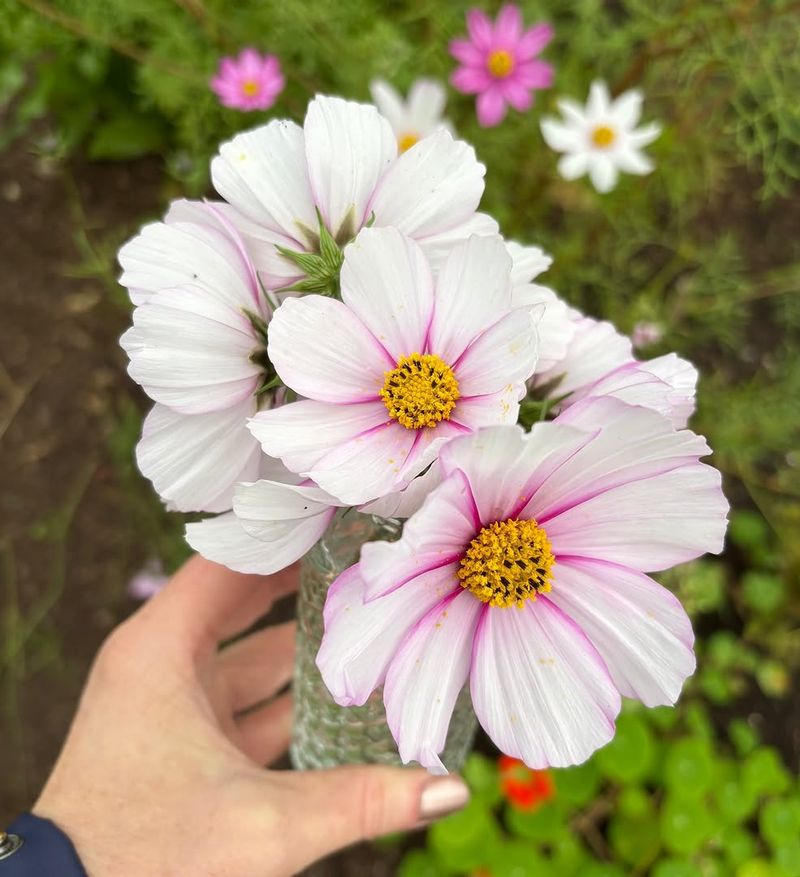
Cosmos are the laid-back, cheerful friends of the flower garden. They sway gracefully in the breeze on long, wispy stems and ask for very little in return.
For Oregon gardeners who want maximum color with minimal effort, cosmos are an easy and rewarding choice.
Direct sow cosmos seeds after the last frost in spring. They actually prefer poor to average soil, so there is no need to fuss over fertilizing.
Too much nitrogen will give you lots of lush leaves but fewer flowers. Plant them in a sunny spot and step back and watch them take off through the summer months.
Cosmos bloom in shades of pink, white, crimson, and even orange and yellow depending on the variety. They grow tall, sometimes reaching four to six feet, which makes them excellent for adding height to a cottage garden border.
As a cut flower, cosmos have a light, airy quality that softens any bouquet. In Oregon, they often bloom well into October if the weather stays mild.
Cut stems just as the flowers open fully and place them in fresh water right away. They are a wonderful low-maintenance option for beginning gardeners in the Pacific Northwest.
4. Zinnia
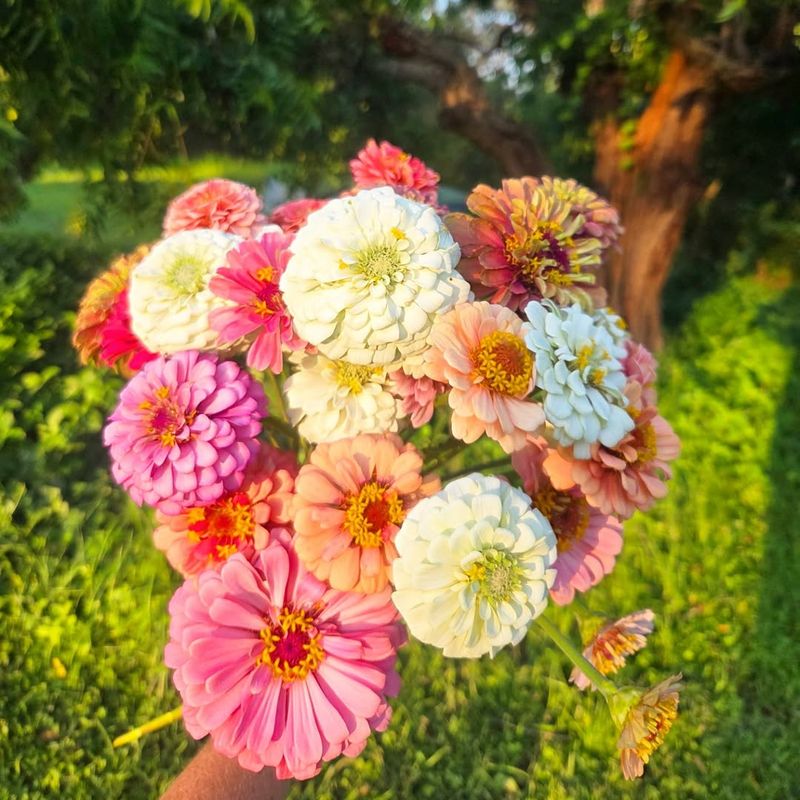
Zinnias are pure summer joy packed into a single flower. They come in almost every color imaginable, from soft pastels to blazing neon shades, and they bloom nonstop from midsummer until frost.
For Oregon cottage gardens that need reliable, long-season color, zinnias are hard to beat.
Start zinnia seeds indoors about four to six weeks before the last frost date, or direct sow them once the soil warms up in late spring. They love heat and full sun, so pick the sunniest spot in your garden.
In warmer parts of Oregon like the southern Rogue Valley, zinnias can put on an especially impressive show.
One of the best things about zinnias as cut flowers is how long they last in the vase. With proper care, a zinnia stem can stay fresh for up to two weeks.
Cut them when the flower is fully open and the stem feels firm. Zinnias also attract butterflies and bees, which adds even more life to your cottage garden.
Try mixing tall varieties like ‘Benary’s Giant’ with shorter types for a layered, lush look. They are a must-grow for any Oregon gardener who loves big, bold bouquets.
5. Snapdragons
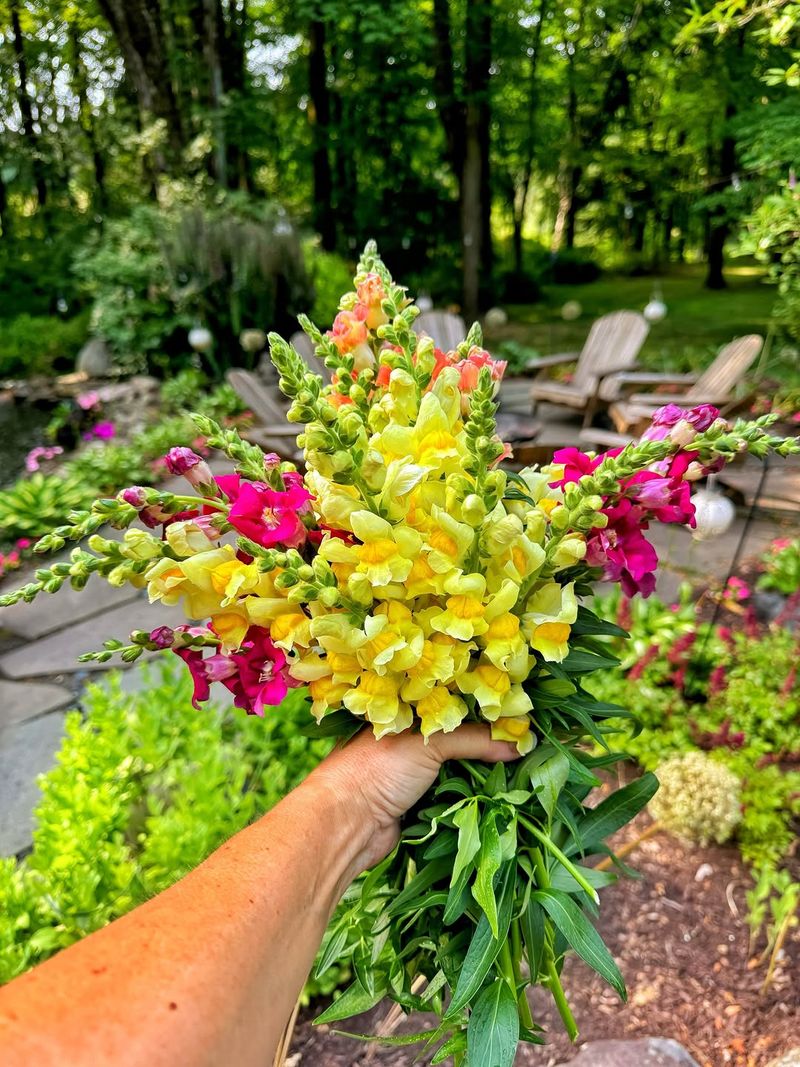
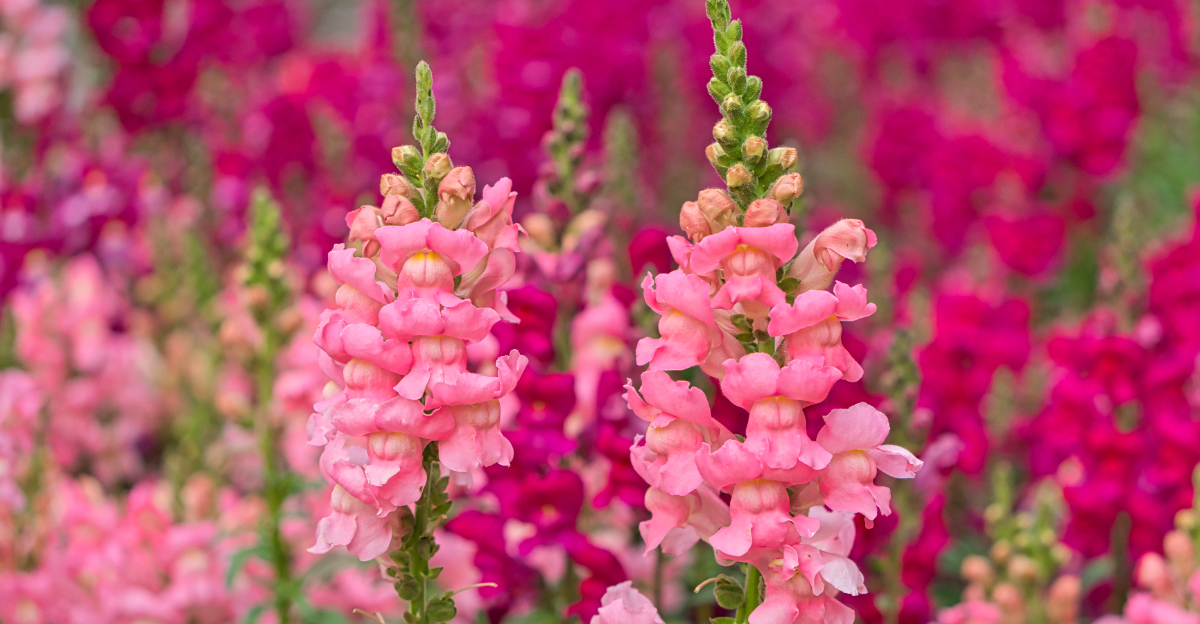
Snapdragons have a playful side that makes them stand out from other cottage garden flowers. Squeeze the sides of a bloom and it opens and closes like a little mouth, which is how they got their fun name.
Beyond their charm, snapdragons are incredibly practical cut flowers that thrive in Oregon’s cool-season weather.
Plant snapdragon transplants or direct sow seeds in early spring while temperatures are still cool. In Oregon, this often means late February or March in milder coastal and valley areas.
Snapdragons actually prefer cooler growing conditions, so they peak in spring and again in fall when summer heat fades away.
Tall varieties like ‘Rocket’ or ‘Madame Butterfly’ produce long, sturdy stems that are perfect for cutting. The flower spikes add wonderful vertical interest to any bouquet.
For the longest vase life, cut snapdragon stems when about one-third of the flowers on the spike have opened. The remaining buds will continue to open after cutting.
Snapdragons come in a wide range of colors including white, yellow, pink, orange, and deep red. They pair especially well with peonies and sweet peas in cottage-style arrangements, making them a staple in Oregon cutting gardens.
6. Shasta Daisy
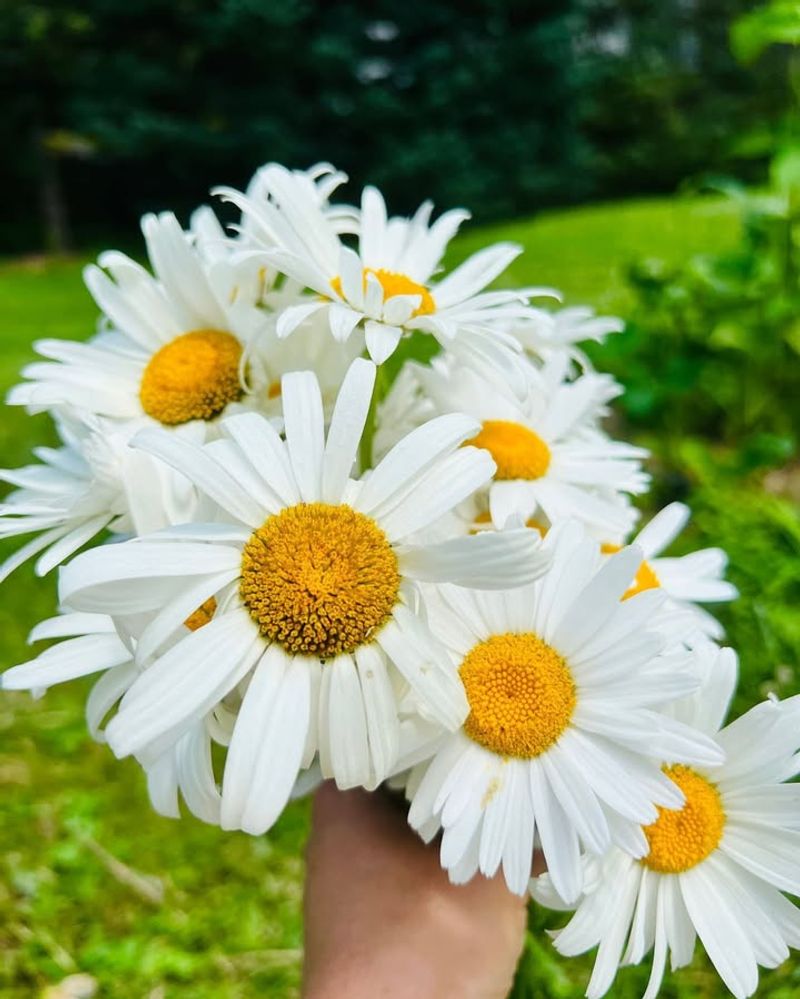
There is something timeless about a Shasta daisy. That crisp white petals surrounding a sunny yellow center is the classic image of a cheerful summer garden.
Shasta daisies are perennials, which means once you plant them, they come back year after year with very little effort on your part.
In Oregon, Shasta daisies are right at home. They handle the wet winters and warm summers without complaint.
Plant them in full sun to partial shade in well-drained soil. They spread over time, forming bigger clumps each season, so you will have more and more blooms to cut as the years go on.
Shasta daisies typically bloom from late June through August in Oregon. Cut them when the petals are fully open and the centers look fresh and tight.
They last well in a vase, usually staying fresh for around a week. Their clean, simple look makes them incredibly versatile in floral arrangements.
Mix them with bold dahlias or colorful zinnias for contrast, or let them stand alone in a mason jar for effortless cottage charm. Dividing the clumps every few years keeps them healthy and blooming at their best throughout the Oregon growing season.
7. Peony
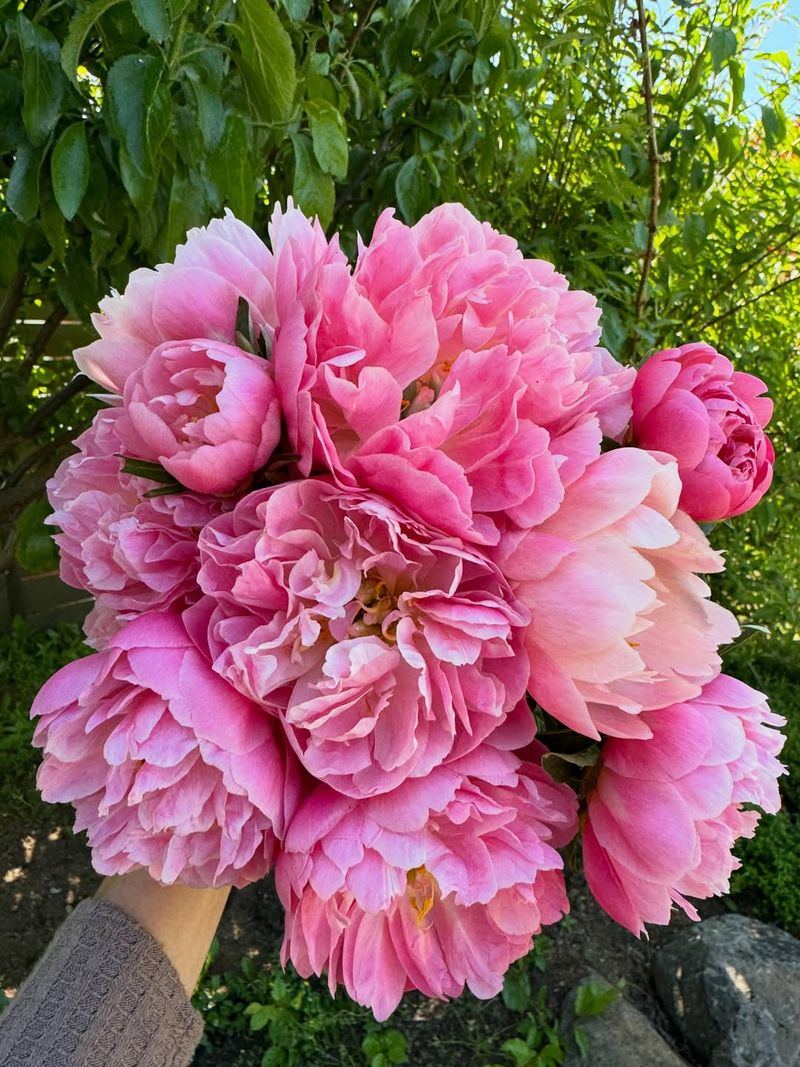
Peonies are the royalty of the cottage garden world. Their enormous, ruffled blooms and intoxicating fragrance make them one of the most beloved flowers among Oregon gardeners.
Plant a peony once and it can live and bloom in the same spot for decades, making it one of the best long-term investments for your garden.
Oregon’s climate is well suited for peonies, especially in the Willamette Valley where cool springs encourage strong bud development. Plant bare-root peonies in fall, making sure the eyes are no more than two inches below the soil surface.
Planting too deep is the most common reason peonies fail to bloom, so pay close attention to depth.
Peonies bloom in late spring, usually May through early June in Oregon. Cut stems when the buds are still slightly soft, like a marshmallow when you gently squeeze them.
They will open beautifully in the vase over the next day or two. A single peony stem can fill a whole room with fragrance.
For a classic cottage look, pair them with sweet peas or snapdragons in a soft, romantic arrangement. Ants are often seen on peony buds and are harmless, just give the stems a gentle shake before bringing them inside.
8. Coneflower
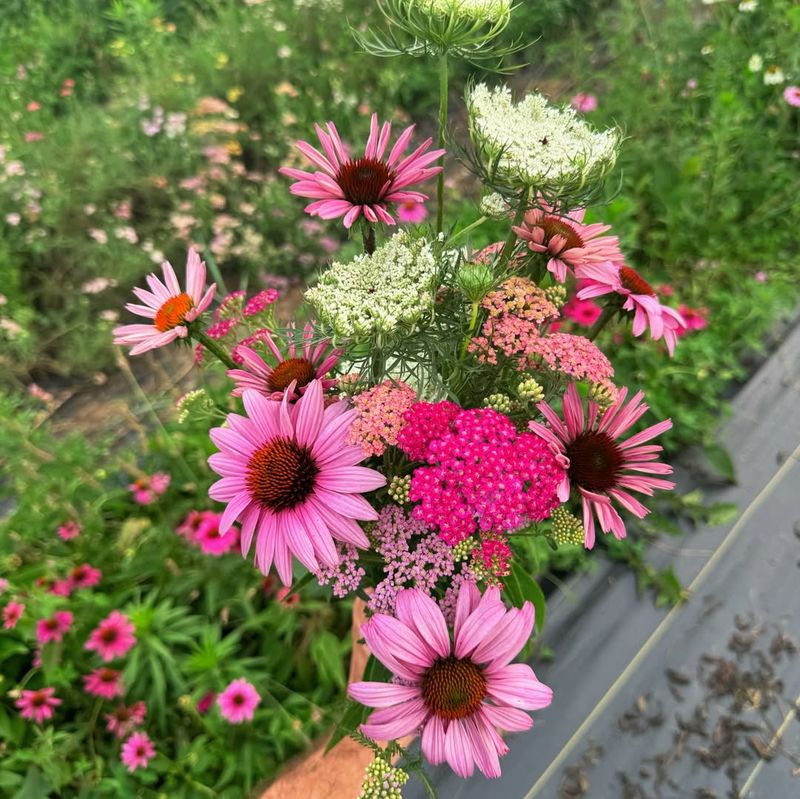
Coneflowers, also known as echinacea, are one of the toughest and most reliable flowers you can grow in an Oregon cottage garden. Their spiky, raised centers surrounded by swept-back petals give them a bold, unique look that stands out from more traditional blooms.
They also happen to be magnets for butterflies and bees, which keeps the whole garden buzzing with life.
Plant coneflowers in full sun with average, well-drained soil. Once established, they are quite drought-tolerant, which is handy during Oregon’s drier summer months.
They are native to North America, so they are naturally tough and low-maintenance. Varieties come in purple, pink, white, orange, and even yellow, giving you plenty of options to work with.
Coneflowers make excellent cut flowers with a vase life of around one to two weeks. Cut stems when the petals have just begun to open and the center cone is still tight.
Remove the lower leaves and place them in cool water right away. In Oregon gardens, coneflowers typically bloom from July through September.
They also look beautiful left standing in the garden through fall and winter, where their dried seed heads provide food for birds and add interesting texture to the landscape during the colder months.
9. Salvia
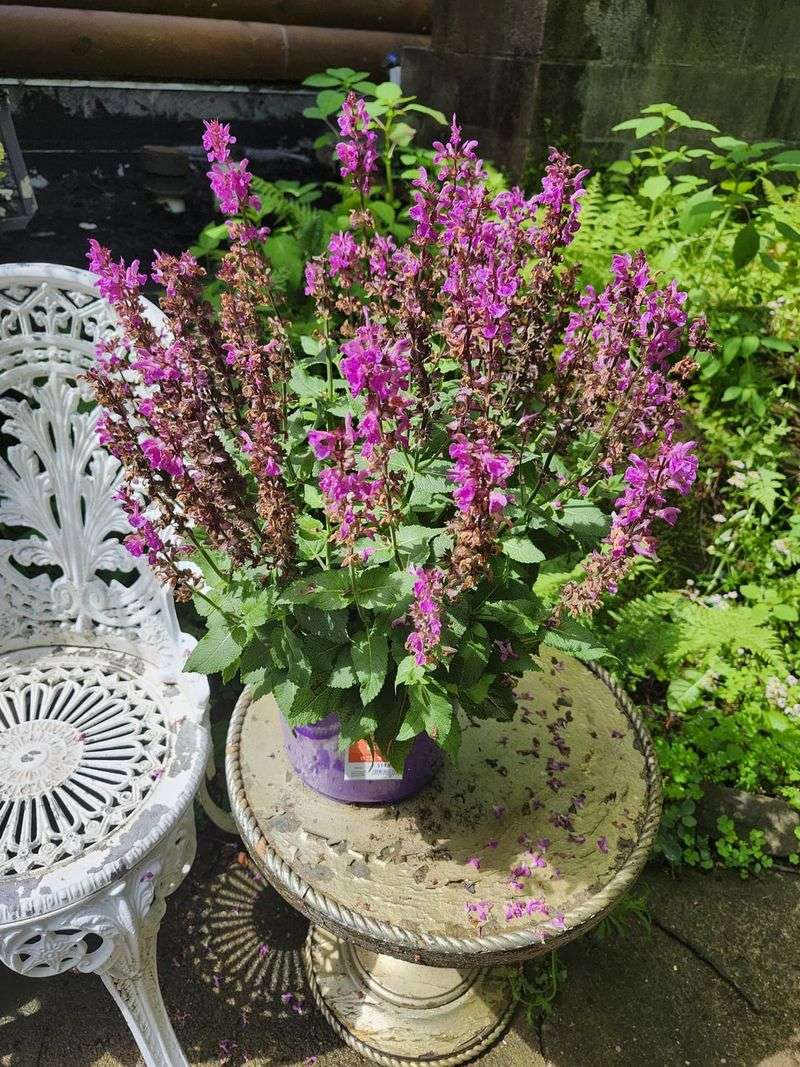
Salvia might not always be the first flower that comes to mind for a cutting garden, but it absolutely deserves a spot in every Oregon cottage garden.
The tall, elegant spikes of deep blue, purple, or red flowers bring a striking vertical element to both the garden and to floral arrangements.
It is a flower that works just as hard as it looks beautiful.
Annual salvias like ‘Victoria Blue’ or ‘Sizzler’ are easy to grow from transplants started indoors in late winter. Perennial salvias, like Salvia nemorosa, come back each year and are especially well suited to Oregon’s climate.
Both types prefer full sun and well-drained soil. They are also quite tolerant of dry spells once established, which is helpful during Oregon’s warm, dry summers.
As a cut flower, salvia adds wonderful color and texture to mixed bouquets. Cut stems when about half the flowers on the spike have opened.
The remaining buds will continue to open after cutting, extending the arrangement’s life. Salvia blooms from late spring through fall in Oregon, giving you months of material to work with.
Its rich, jewel-toned colors pair especially well with white Shasta daisies or soft pink cosmos for a classic, cottage-inspired bouquet that looks like it was pulled straight from a garden painting.