The 9 Best Deer-Resistant Plants For Oregon Winters
I’ve had my share of deer visits in my Oregon garden, and while I love seeing wildlife, I don’t love coming outside to find my carefully planted flowers and shrubs nibbled to bits.
It can be frustrating, especially during the winter months when food is scarce and deer seem extra determined.
Over time, I’ve learned that one of the best ways to protect your garden is by choosing plants that deer tend to leave alone.
Deer-resistant doesn’t mean deer-proof, but it gives your garden a fighting chance.
Certain textures, scents, and flavors naturally discourage deer from feasting on your plants, which is especially helpful in Oregon’s wet, chilly winters when food options for wildlife are limited.
I’ve experimented with a few myself and have been pleasantly surprised by how beautiful and hardy these plants can be, even under less-than-ideal winter conditions.
From shrubs and perennials to flowering favorites, picking the right deer-resistant plants makes it easier to enjoy a thriving, attractive garden without constant worry.
Try these deer-resistant plants, they handle Oregon winters well and help your garden stay intact and vibrant.
1. Rosemary
Aromatic herbs have a secret weapon against deer: their strong scent.
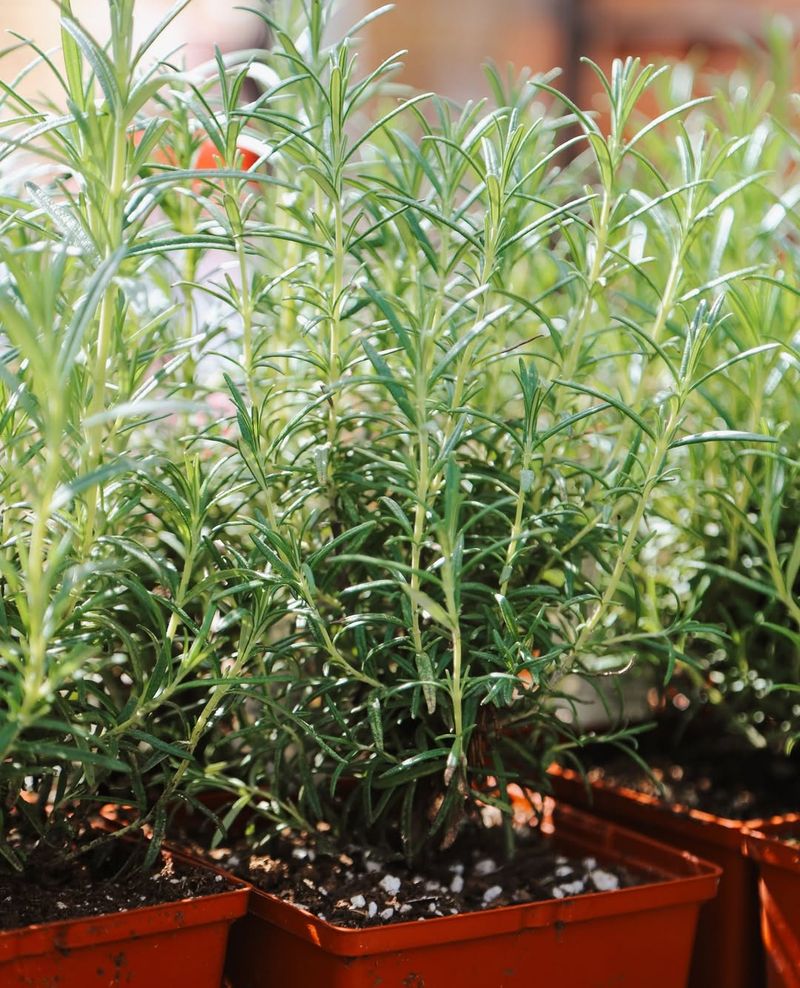
Rosemary packs a punch with its piney fragrance that deer find off-putting, making it an excellent choice for Oregon gardens.
This Mediterranean native adapts surprisingly well to our wet winters, especially when planted in well-draining soil.
The needle-like leaves stay green all year, providing texture and color even when other plants have gone dormant.
You can snip fresh sprigs for cooking throughout winter, adding flavor to roasts, soups, and bread.
Rosemary grows into a lovely shrub that can reach three feet tall, creating a natural border or hedge.
Plant it near pathways or patios where you can brush against it and release its wonderful aroma.
It prefers full sun but tolerates partial shade, though it may grow more slowly.
Once established, rosemary needs minimal water, making it a low-maintenance addition to your landscape.
The small blue or purple flowers that appear in late winter attract early pollinators like bees.
Deer steer clear of this herb, so your rosemary will stay intact and beautiful all season long.
In many Oregon gardens, rosemary also works beautifully as a companion plant, helping protect more vulnerable flowers and vegetables nearby simply by its presence.
Gardeners often notice fewer browsing problems when rosemary is planted around the edges of beds or mixed among ornamentals.
Over time, the plant becomes woody and sturdy, standing up well to rain, wind, and occasional cold snaps.
With just a little care and pruning, rosemary can thrive for years, rewarding you with fragrance, flavor, and dependable deer resistance.
2. Oregon Grape
Native plants often make the smartest choices for regional gardens, and Oregon grape proves this perfectly.
This evergreen shrub thrives in our climate because it evolved here over thousands of years, making it exceptionally well-adapted to local soils and weather patterns.
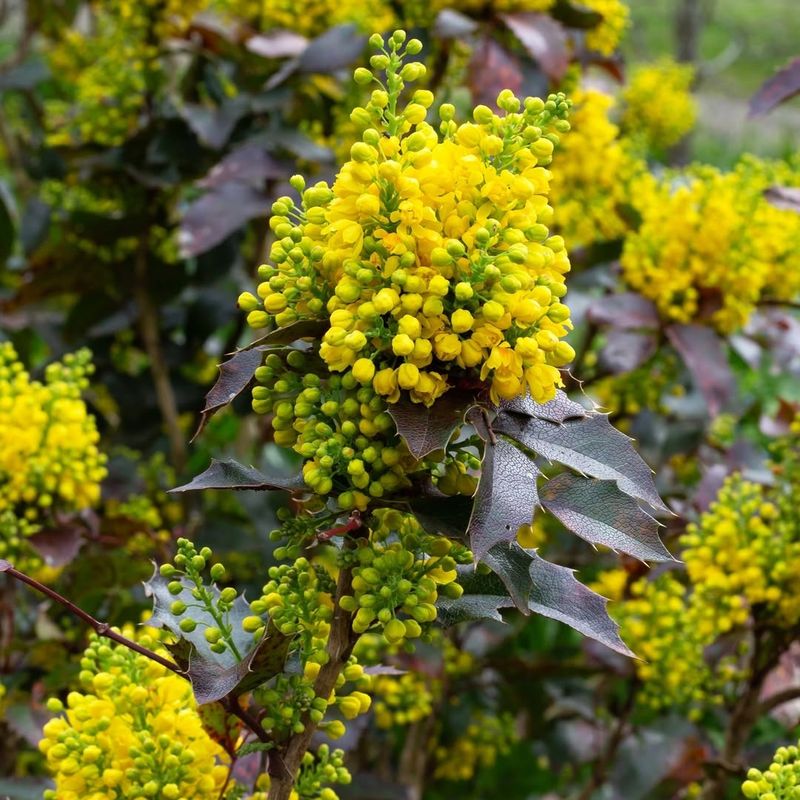
The holly-like leaves have spiny edges that deer avoid, making it a natural deterrent and a reliable choice for keeping wildlife from nibbling your garden.
Bright yellow flower clusters emerge in early spring, bringing a cheerful pop of color, followed by dark blue berries that birds adore, adding life and movement to your yard.
Oregon grape handles shade beautifully, making it perfect for those tricky spots under trees or along north-facing walls where other plants may struggle.
The foliage takes on burgundy and bronze tones during winter, giving your garden unexpected seasonal color.
This tough plant tolerates drought once established, though it appreciates occasional watering during dry spells, and it can be used as groundcover for larger varieties or as a mid-height shrub for borders.
The berries are technically edible but quite tart, making them better suited for jams, jellies, or wildlife than fresh eating.
Oregon grape requires almost no maintenance once planted in the right location and is extremely reliable—deer consistently pass it by, even when other food sources run low during harsh winters, making it one of the most resilient and low-effort additions to any Oregon garden.
3. Lavender
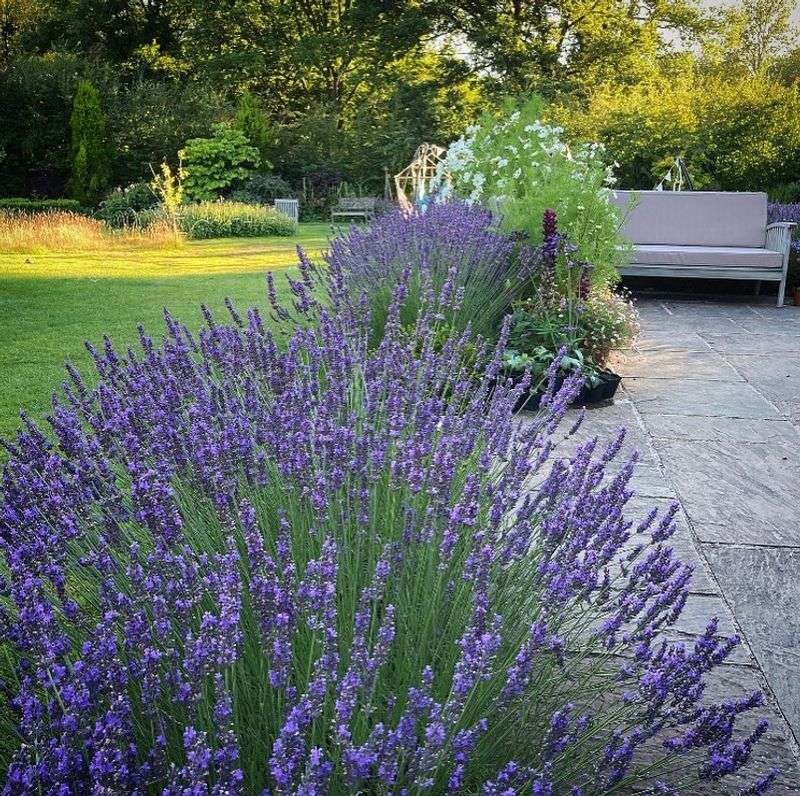
Few plants combine beauty, fragrance, and deer resistance as effectively as lavender.
The silvery-green foliage and purple flower spikes make it a garden favorite across Oregon, adding texture and color to borders, rock gardens, and containers alike.
Deer dislike the strong essential oils in lavender leaves, so they typically avoid it entirely, giving you peace of mind.
English lavender varieties handle our wet winters better than their French cousins, though both need excellent drainage.
Plant lavender in raised beds or on slopes where water won’t pool around the roots.
The aromatic foliage stays evergreen in mild Oregon winters, providing year-round interest, while the summer blooms attract bees and butterflies, supporting local pollinators.
You can harvest the flowers for sachets, crafts, or baking, bringing that lovely scent indoors.
Lavender grows best in full sun, requiring at least six hours of direct light daily.
Trim plants back lightly after flowering to maintain their compact, bushy shape.
This Mediterranean herb asks for very little water once established, making it perfect for busy gardeners.
With minimal care, your lavender will remain untouched by deer while filling your garden with color, fragrance, and even a touch of wildlife-friendly charm.
4. Japanese Pieris
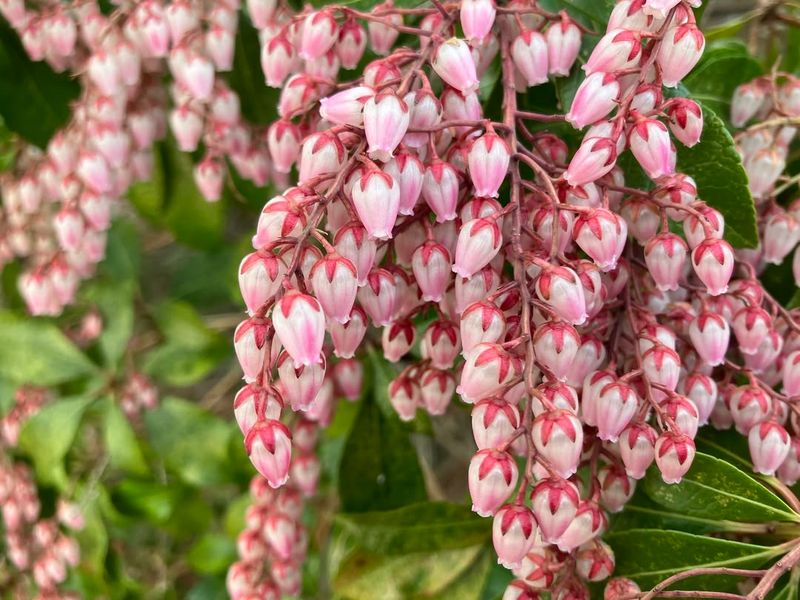
Evergreen shrubs bring structure to winter gardens, and Japanese pieris delivers elegance and toughness.
The glossy leaves remain vibrant green throughout the coldest months, providing reliable color.
New growth emerges in shades of red, pink, or bronze, creating a stunning contrast against mature foliage.
Cascading clusters of bell-shaped flowers appear in early spring, ranging from white to deep pink.
Deer avoid pieris because the leaves contain compounds that taste unpleasant and can cause digestive upset.
This shrub prefers acidic soil, which Oregon naturally provides in many areas.
Plant it in partial shade where it receives morning sun and afternoon protection.
Japanese pieris grows slowly but steadily, eventually reaching four to eight feet tall depending on the variety.
The compact growth habit makes it suitable for foundation plantings or mixed borders.
Water regularly during the first year to help establish strong roots, then reduce frequency.
This shrub pairs beautifully with rhododendrons, azaleas, and other acid-loving plants.
Your pieris will remain pristine all winter while deer browse elsewhere in the neighborhood.
5. Boxwood
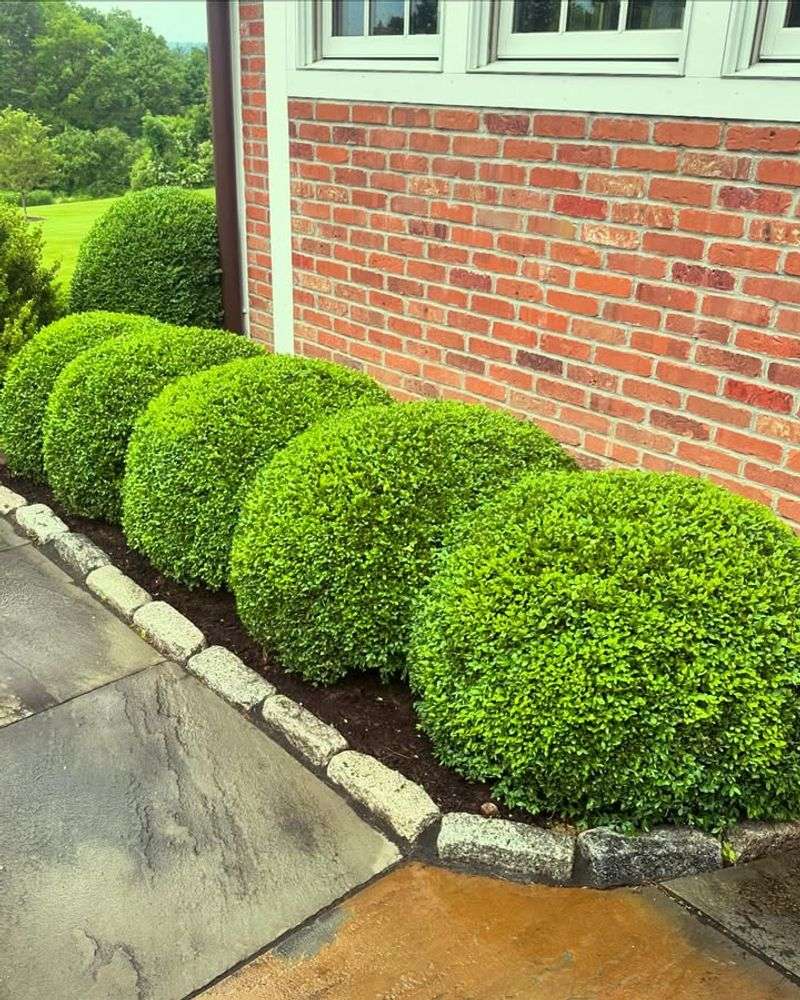
Formal gardens and casual landscapes both benefit from the timeless appeal of boxwood.
These dense evergreen shrubs create living sculptures that hold their shape beautifully through Oregon winters.
Deer find the small, leathery leaves unappetizing due to their bitter taste and tough texture, making them a reliable choice for deer-resistant landscaping.
Boxwood works wonderfully as hedging, edging, or standalone specimens in containers.
The tight growth habit allows for precise shaping, from simple spheres to elaborate topiaries, giving gardeners flexibility in design.
Choose varieties suited to our climate, such as English boxwood or Korean boxwood, which handle moisture well.
Plant boxwood in locations with good air circulation to prevent fungal issues common in wet climates.
The evergreen foliage provides year-round structure, acting as a backbone for seasonal plantings and offering contrast against flowering perennials.
Boxwood grows slowly, which means less pruning but also requires patience while establishing your design.
Water consistently during dry periods, but avoid overwatering, which can lead to root problems.
These shrubs tolerate both sun and partial shade, adapting to various garden conditions.
Even during the harshest winters, deer consistently walk right past boxwood, making it one of the most dependable evergreen options for Oregon gardens.
6. Hellebore
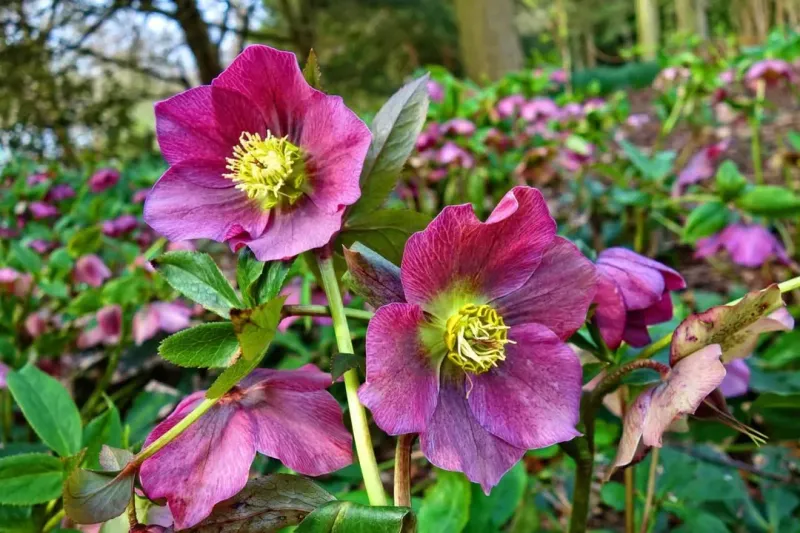
When most perennials hide underground, hellebores burst into bloom with remarkable courage.
These shade-loving plants flower from late winter through early spring, often pushing through snow.
The nodding blooms come in white, pink, purple, green, and even near-black shades.
Deer avoid hellebores because all parts of the plant contain toxic compounds that cause discomfort.
The leathery, deeply divided leaves remain evergreen in Oregon, providing foliage interest year-round.
Plant hellebores under deciduous trees where they receive winter sun and summer shade.
They prefer rich, well-draining soil amended with compost for best performance.
Once established, hellebores self-seed readily, creating natural drifts of color over time.
These plants require minimal care, making them perfect for low-maintenance woodland gardens.
The flowers last for weeks, transitioning from vibrant blooms to attractive seed pods.
Pair hellebores with ferns, hostas, and other shade perennials for layered texture.
Your hellebores will bloom reliably each year while deer keep their distance, ensuring a spectacular winter display.
7. Salal
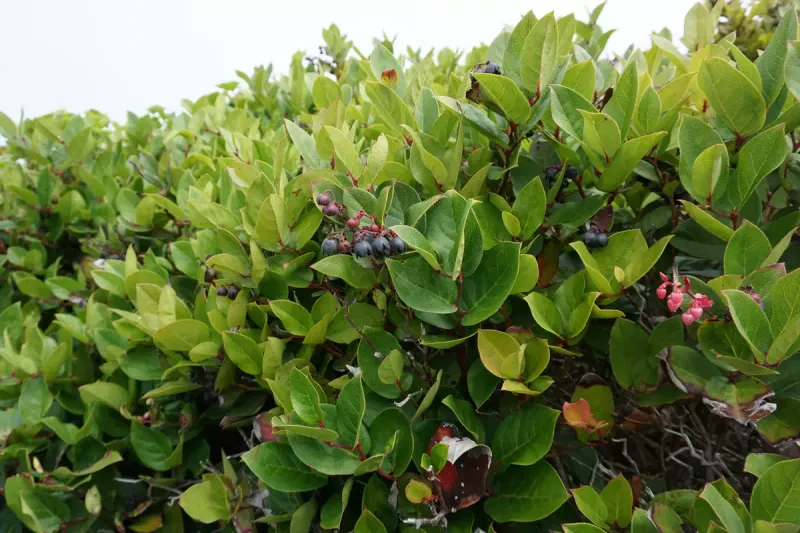
Another Pacific Northwest native, salal thrives in Oregon’s wet winters with effortless grace.
The glossy, oval leaves stay green all year, creating a lush backdrop for other plants and adding structure to both formal and casual garden spaces.
Small, urn-shaped flowers dangle from stems in spring, followed by edible dark purple berries that attract birds and other wildlife.
Indigenous peoples have harvested salal berries for centuries, though modern gardeners often grow it for its striking foliage and reliable evergreen presence.
Deer typically ignore salal, making it a reliable choice for areas with heavy browsing pressure.
This versatile shrub tolerates deep shade, making it valuable for challenging garden spots, but it also handles sun if given adequate moisture, showing remarkable adaptability.
The plant grows two to six feet tall depending on conditions, spreading slowly to form colonies that work well as groundcover.
Florists prize salal branches for arrangements because the leaves last incredibly long after cutting.
Plant it on slopes to prevent erosion while adding evergreen beauty.
Salal requires virtually no maintenance once established, thriving on natural rainfall alone.
Your salal will flourish through Oregon winters while deer browse more palatable plants nearby, providing both greenery and a sense of continuity in your garden year-round.
8. Juniper
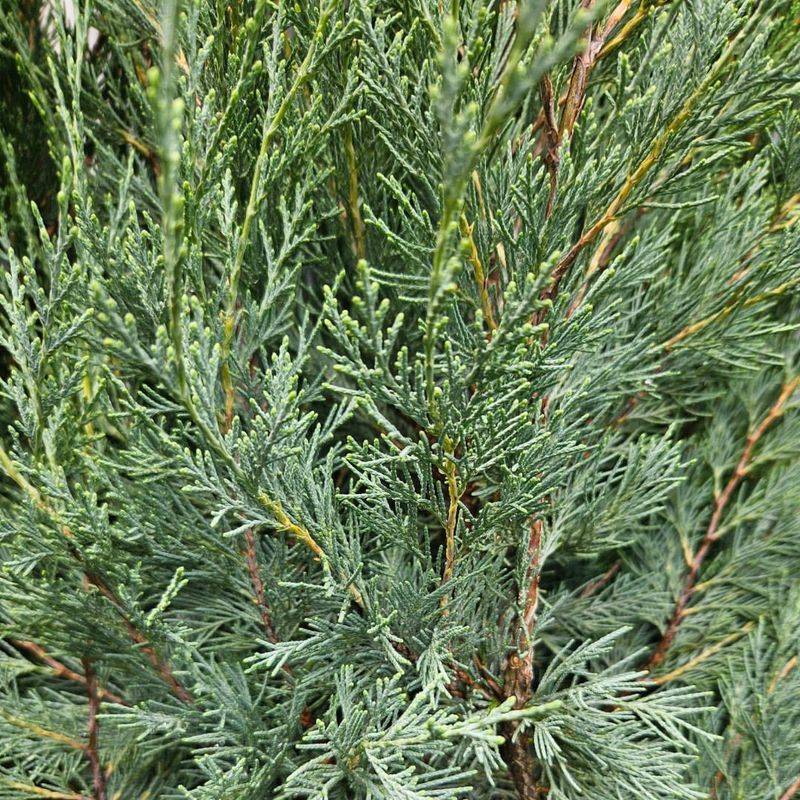
Tough, adaptable, and remarkably diverse, junipers offer something for every garden style.
These coniferous evergreens range from low-growing groundcovers to upright trees, making them incredibly versatile for both large landscapes and smaller urban yards.
The needle-like or scale-like foliage contains aromatic oils that deer find unpleasant, providing a reliable natural deterrent.
Junipers come in a variety of colors—blue, green, gold, and silver—so it’s easy to find options that complement your existing plants or create striking contrasts.
They handle Oregon’s wet winters surprisingly well when planted in locations with good drainage, though it’s best to avoid heavy clay soils or spots where water tends to pool, which can stress these drought-tolerant plants.
The berries that appear on female plants add winter interest and attract birds, adding both visual appeal and wildlife value.
Groundcover junipers work beautifully on slopes, preventing erosion with minimal maintenance, while upright varieties serve as dramatic focal points, hedges, or privacy screens in sunny locations.
These hardy evergreens tolerate urban conditions, including pollution, compacted soil, and heat, better than many alternatives.
Once established, junipers need very little water, making them ideal for dry summer microclimates.
Deer consistently avoid junipers, ensuring your landscape stays intact through the toughest winters, and their low-maintenance nature makes them perfect for gardeners who want beauty without constant upkeep.
9. Barberry
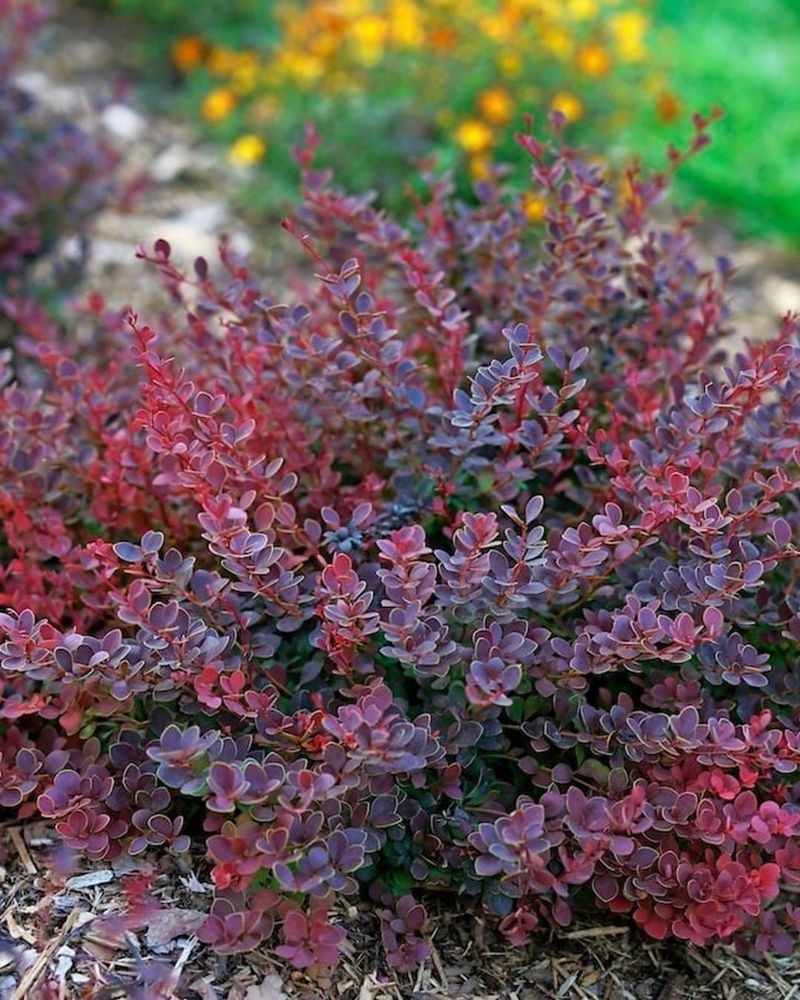
Sometimes the best defense is a good offense, and barberry brings serious protection.
Sharp thorns covering the stems make this shrub extremely unappealing to browsing deer.
The small, rounded leaves come in shades of green, burgundy, gold, and variegated patterns.
Tiny yellow or orange flowers appear in spring, followed by bright red berries in fall.
Japanese barberry varieties offer the widest color selection, though some areas restrict certain types due to invasiveness.
Check with local extension services to ensure you choose appropriate varieties for your region.
Barberry tolerates various soil types and moisture levels, adapting easily to Oregon conditions.
The dense growth habit makes it excellent for barrier plantings or informal hedges.
Plant barberry in full sun for the most vibrant foliage colors, though it tolerates light shade.
These shrubs require minimal pruning, maintaining their compact shape naturally.
The thorny branches provide nesting sites for small birds while deterring predators.
Deer give barberry a wide berth, protecting not only itself but nearby plants as well.