The Best Drought-Tolerant Groundcovers For Your Arizona Landscape
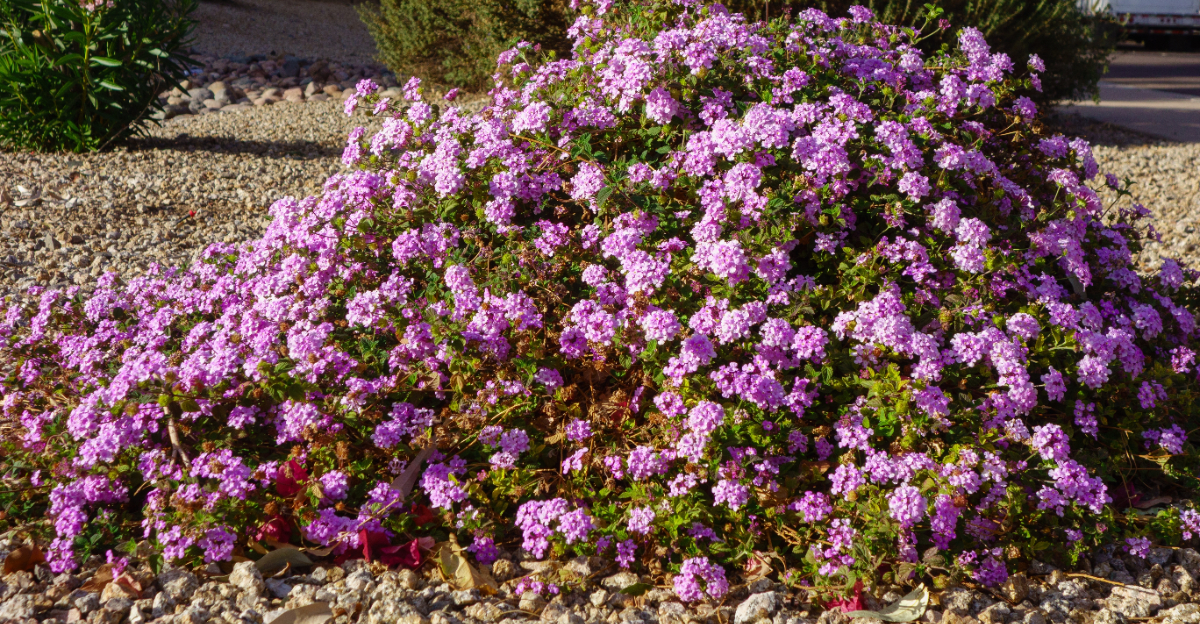
Arizona landscapes demand plants that can handle long dry stretches without falling apart. Groundcovers play a quiet role here, filling space while protecting soil and reducing water loss.
Choosing groundcovers that tolerate drought isn’t just about survival, so what actually keeps some looking good while others thin out or burn back? The answer usually comes down to how well a plant matches Arizona’s sun exposure, soil conditions, and watering rhythm.
When those pieces line up, groundcovers spread steadily and hold their form instead of struggling through the season.
Drought-tolerant groundcovers aren’t meant to be high-maintenance fillers. They work best when they’re allowed to do what they’re built for.
With the right choices in place, landscapes stay more stable, irrigation needs drop, and open areas look intentional rather than unfinished as heat builds.
1. Trailing Lantana
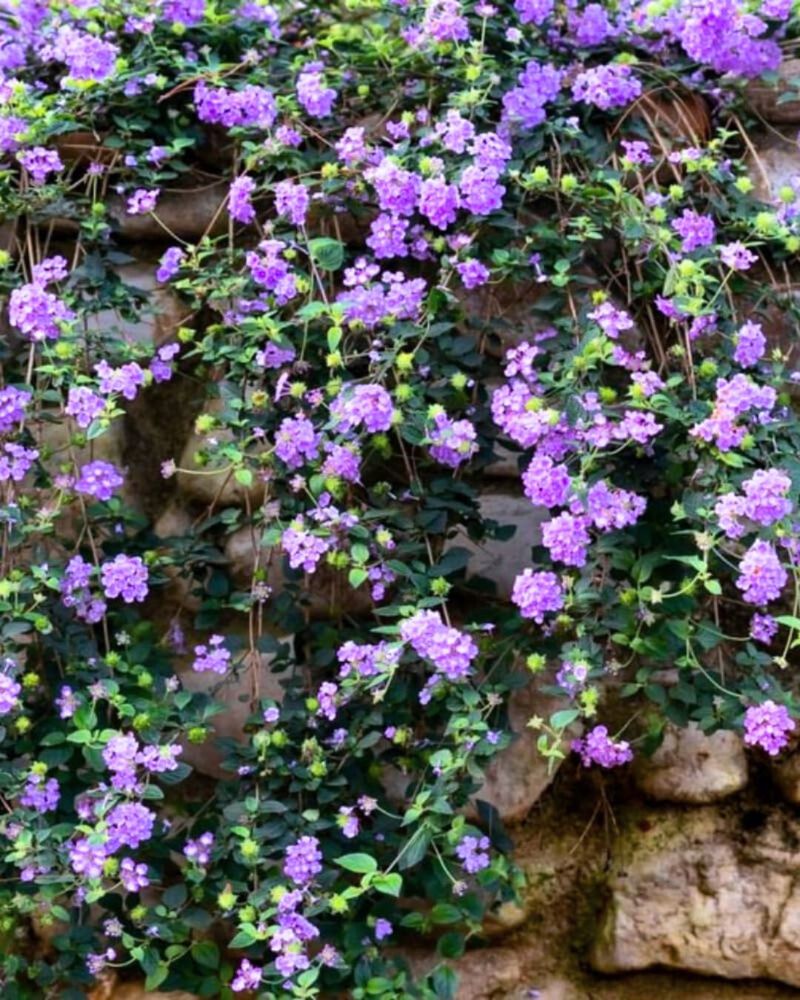
Trailing lantana brings explosive color to Arizona landscapes with flower clusters that shift from yellow to orange to red as they mature.
This vigorous grower spreads quickly across slopes and banks, creating a living carpet that blooms from spring through fall in our desert climate.
Hummingbirds and butterflies flock to these nectar-rich blossoms, turning your yard into a wildlife haven without any extra effort on your part.
Once established in Arizona soil, this groundcover needs watering only every week or two during the hottest months, making it incredibly water-wise.
The trailing stems can spread several feet wide, covering large areas with minimal planting, which saves both money and time. Lantana tolerates our alkaline soils beautifully and actually prefers the rocky, well-drained conditions common throughout Arizona.
Pruning back the stems in late winter encourages bushier growth and even more abundant flowering when warm weather returns. This plant handles full sun without complaint, even during those brutal 110-degree summer days that stress so many other groundcovers.
Different varieties offer purple, white, or classic sunset color combinations, letting you customize your landscape design. Trailing lantana also provides excellent erosion control on slopes where rainfall runoff might otherwise wash away soil.
Deer typically avoid this plant, which is a real bonus for Arizona gardeners in areas where wildlife browsing creates problems.
During the hottest parts of the Arizona summer, occasional deep watering helps maintain flowering without encouraging weak, overly lush growth.
Planted along walls, driveways, or open desert-style beds, trailing lantana creates bold groundcover coverage that stays attractive even when temperatures soar and rainfall is scarce.
2. Damianita Daisy
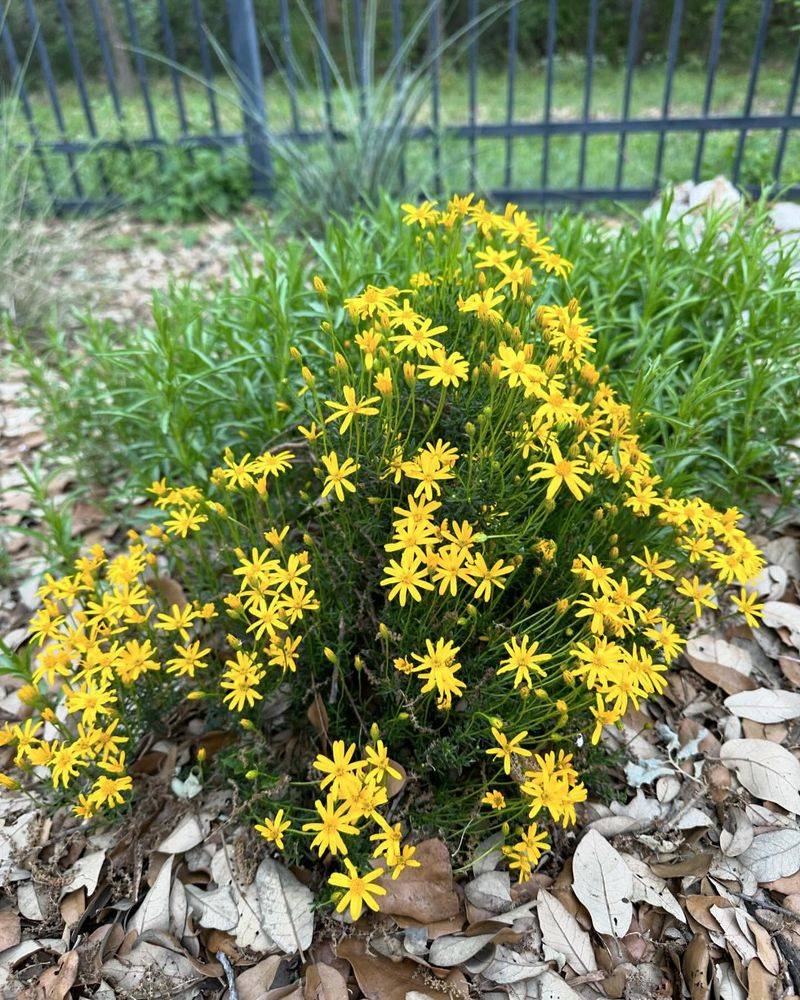
Golden blooms cover damianita daisy twice yearly, creating spectacular displays in spring and again in fall across Arizona landscapes.
This compact mounding plant stays low to the ground, typically reaching only about a foot tall while spreading twice as wide. The fine-textured evergreen foliage releases a pleasant aroma when brushed, adding a sensory dimension to pathways and borders.
Arizona gardeners appreciate how this native plant thrives in our toughest conditions, including caliche soil and intense reflected heat from walls.
Established plants need supplemental water only once or twice monthly during summer, making them exceptionally drought-tolerant even by desert standards.
The cheerful yellow flowers attract beneficial insects that help control garden pests naturally throughout the growing season. Damianita works beautifully as an edging plant along walkways or driveways, softening hardscape edges with its rounded form.
This groundcover tolerates occasional foot traffic, though it performs best when planted slightly away from high-traffic zones. The plant’s natural compact habit means you’ll rarely need to prune or shape it, saving considerable maintenance time.
In Arizona’s low desert regions, damianita remains evergreen year-round, providing consistent texture even when not flowering. Pairing this plant with purple-flowering groundcovers creates stunning color contrasts that elevate any landscape design.
Damianita daisy also resists most common pests and diseases, eliminating the need for chemical treatments in your yard.
3. Blackfoot Daisy
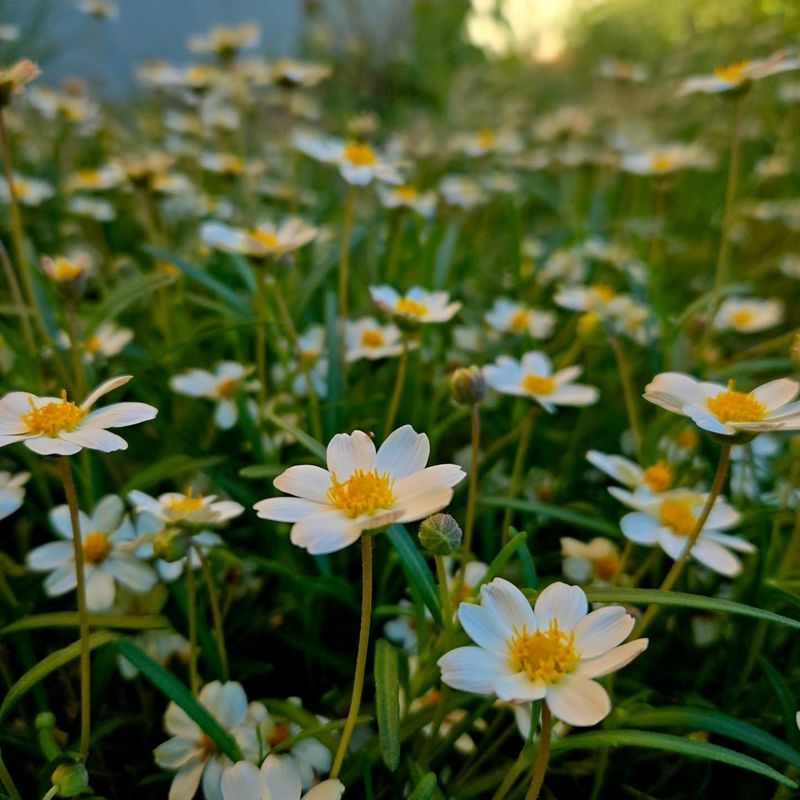
Cheerful white daisies with sunny yellow centers appear nearly year-round on this charming groundcover, bringing cottage garden appeal to Arizona landscapes.
Blackfoot daisy forms low mounds that hug the ground, creating soft billows of gray-green foliage that contrast beautifully with darker plants.
This native Texas transplant has completely adapted to Arizona conditions, thriving in our alkaline soils and low-humidity environment.
Established plants can survive on rainfall alone in many Arizona locations, though occasional deep watering encourages more prolific blooming.
The flowers attract native bees and small butterflies, supporting pollinator populations while adding movement and life to your garden. Blackfoot daisy works wonderfully between stepping stones or in rock gardens, where its delicate appearance softens harsh stone surfaces.
Unlike some groundcovers that go dormant in winter, this plant often continues blooming during Arizona’s mild cool season.
The plant self-seeds moderately, filling in bare spots naturally without becoming invasive or overwhelming other plantings.
Trimming back the foliage by one-third in early spring rejuvenates older plants and promotes fresh growth and heavier flowering.
This groundcover handles reflected heat from south and west-facing walls better than many alternatives, making it ideal for challenging microclimates. Blackfoot daisy combines perfectly with ornamental grasses and succulents in contemporary Arizona landscape designs.
The fine-textured foliage provides visual interest even when flowers are sparse, ensuring your landscape looks polished throughout the year. Once established, blackfoot daisy prefers to be left alone, since overly rich soil or frequent watering can reduce flowering and shorten the plant’s lifespan.
Good air circulation and excellent drainage are key to long-term success, especially in areas where summer monsoon moisture can linger around the base of plants.
4. Angelita Daisy
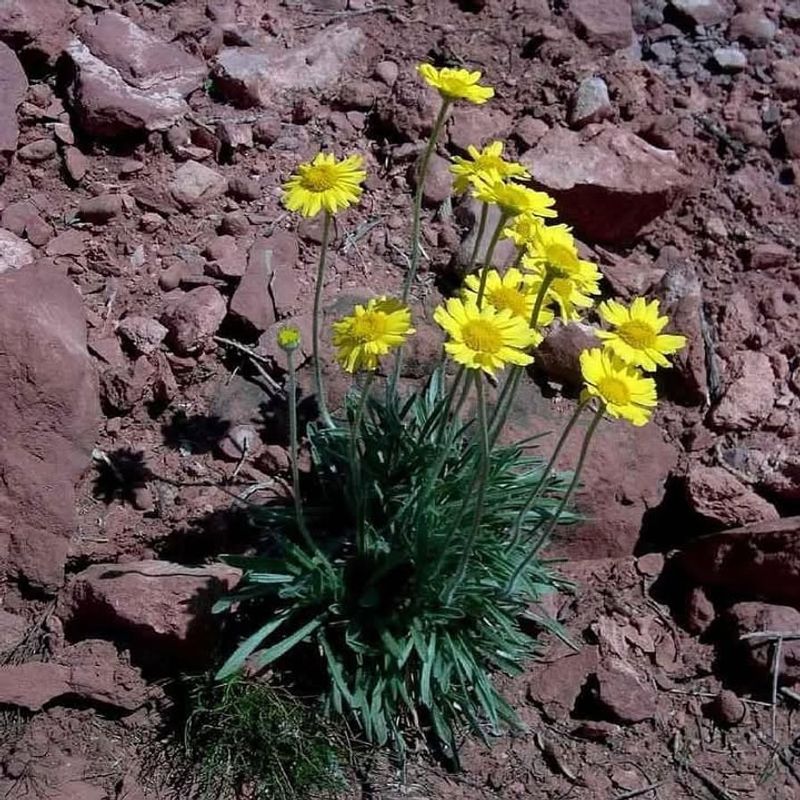
Masses of golden-yellow flowers transform angelita daisy into glowing mounds of color during peak bloom periods in Arizona gardens.
This southwestern native demonstrates remarkable heat tolerance, actually performing better in our scorching summers than in cooler climates. The silvery-green foliage creates a beautiful backdrop for the brilliant flowers, offering color interest even between blooming cycles.
Angelita daisy typically flowers heaviest in spring and fall, with sporadic blooms appearing throughout summer when temperatures moderate slightly.
Established plants require minimal supplemental irrigation, perhaps once weekly during the hottest parts of Arizona summers. This groundcover maintains a neat, compact shape naturally, rarely exceeding 12 to 15 inches in height or spread.
The plant works exceptionally well in parking strips and other challenging spots where reflected heat and limited water create tough growing conditions.
Angelita daisy pairs beautifully with purple-flowering salvias and penstemons, creating vibrant color combinations that celebrate desert aesthetics.
Butterflies visit the flowers regularly, adding another layer of beauty and ecological value to your Arizona landscape. The fine-textured foliage contrasts nicely with bold architectural plants like agaves and yuccas in contemporary desert designs.
Shearing plants lightly after major bloom periods encourages bushier growth and can trigger additional flowering waves.
This groundcover adapts to various soil types common throughout Arizona, from sandy to clay-heavy, as long as drainage remains adequate.
5. Ice Plant (Delosperma)
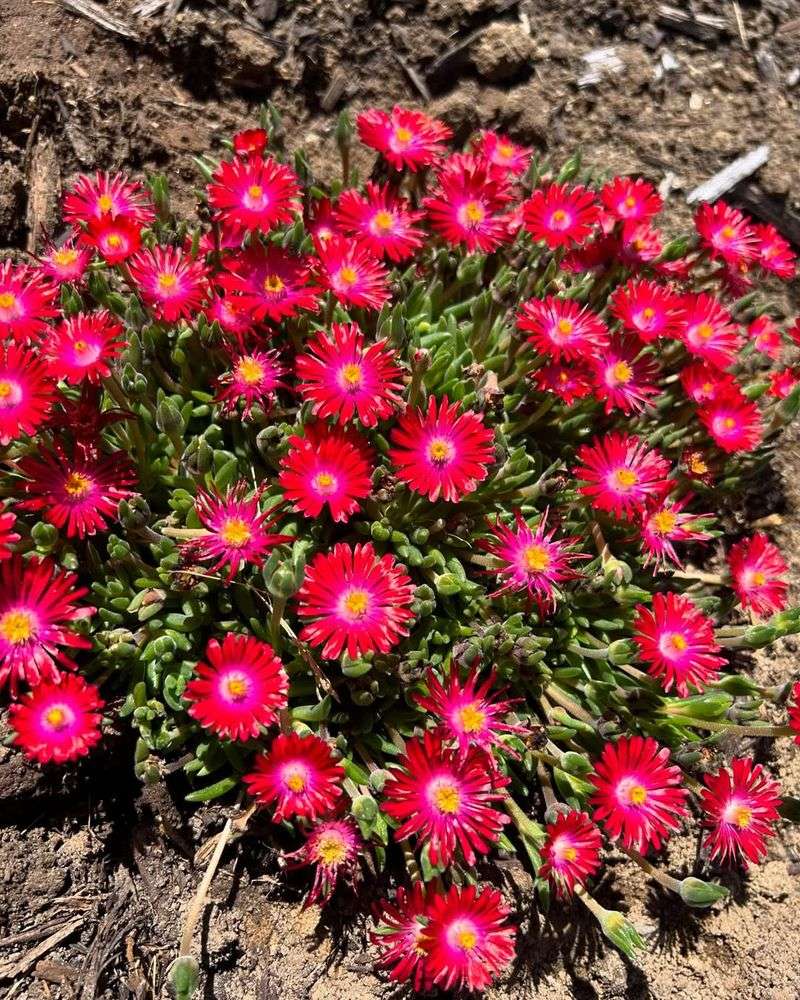
Brilliant magenta, pink, orange, or yellow flowers blanket ice plant during spring bloom season, creating eye-catching carpets of color across Arizona landscapes.
The succulent leaves store water efficiently, allowing this groundcover to survive extended dry periods that would stress less adapted plants.
Ice plant spreads steadily but not aggressively, filling spaces between rocks and along borders while remaining easy to control.
Arizona gardeners find this groundcover particularly valuable for slopes where erosion control and visual impact are both important considerations.
The fleshy foliage stays evergreen throughout the year in low desert areas, maintaining landscape interest even during winter months. Established ice plant needs watering only every two to three weeks during summer, making it one of the most drought-tolerant flowering groundcovers available.
Different Delosperma varieties offer various flower colors, allowing you to create custom color schemes that complement your home’s exterior.
This plant handles poor, rocky soils exceptionally well, thriving in conditions where many traditional groundcovers would struggle.
Ice plant works beautifully in container plantings and living walls, cascading gracefully over edges with minimal maintenance required. The flowers attract bees during bloom time, supporting beneficial pollinator populations in Arizona gardens.
Avoid overwatering this succulent groundcover, as excessive moisture can lead to root problems in our heavy soils.
Ice plant combines wonderfully with other succulents and cacti, creating cohesive desert-adapted landscape designs that celebrate Arizona’s unique environment. Good drainage is critical for long-term success, since ice plant performs best when excess water drains away quickly and roots stay dry between waterings.
Planted in full sun with plenty of airflow, this groundcover stays compact, flowers more heavily, and avoids the rot issues that can shorten its lifespan in desert landscapes.
6. Trailing Rosemary
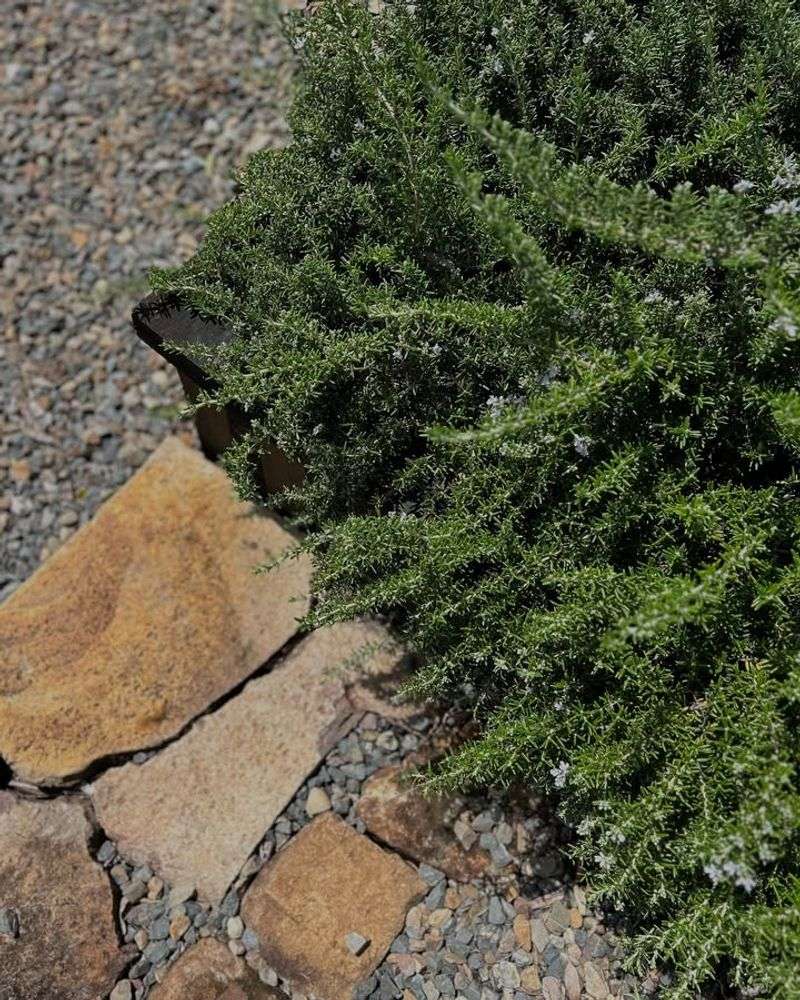
Fragrant needle-like foliage releases wonderful aromatic oils when brushed, making trailing rosemary a sensory delight along pathways and patios.
Delicate blue or purple flowers appear in winter and spring, providing nectar for early-season bees when few other plants are blooming in Arizona.
This Mediterranean native has adapted beautifully to our desert climate, handling heat, drought, and alkaline soils with remarkable resilience. The cascading stems work spectacularly well spilling over walls and retaining structures, softening hard edges throughout your landscape.
Established trailing rosemary needs watering only every two to three weeks during Arizona summers, and even less frequently during cooler months.
You can harvest sprigs for cooking, adding fresh flavor to your kitchen while grooming the plant to maintain its shape. This groundcover tolerates reflected heat from walls and pavement better than many alternatives, making it ideal for urban Arizona landscapes.
Deer and rabbits typically avoid rosemary due to its strong scent, protecting your landscape investment from wildlife browsing.
The evergreen foliage provides year-round structure and color, ensuring your garden looks intentional even during winter dormancy of other plants.
Trailing rosemary grows moderately fast, covering areas within a season or two without becoming invasive or overwhelming neighboring plants. This plant handles occasional light foot traffic, releasing its pleasant fragrance when stepped on near pathways.
Combining trailing rosemary with flowering groundcovers creates layered interest and extends the blooming season across your Arizona landscape.
7. Silver Carpet (Dymondia)
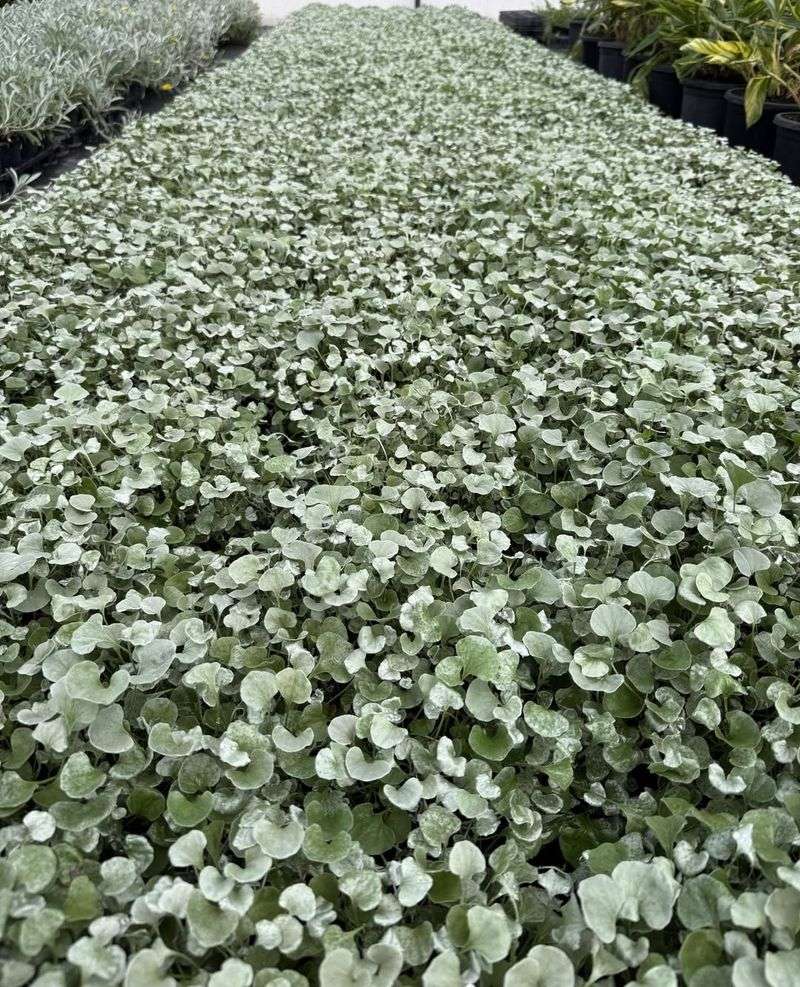
Tiny silver-gray leaves create a dense, carpet-like mat that handles foot traffic better than almost any other groundcover suitable for Arizona.
This South African native has proven itself remarkably adaptable to desert conditions, thriving in the low desert regions throughout the state. Small yellow flowers peek through the foliage during warm months, adding subtle color without overwhelming the plant’s refined texture.
Silver carpet works brilliantly between stepping stones and pavers, filling joints while tolerating the occasional footstep without damage. The low-growing habit keeps this groundcover under two inches tall, creating a truly ground-hugging effect that emphasizes horizontal space.
Established dymondia needs watering only once or twice weekly during Arizona summers, significantly less than traditional lawn grasses.
This groundcover stays evergreen year-round in low desert areas, maintaining its attractive silvery appearance through all seasons.
The dense growth pattern naturally suppresses weeds, reducing maintenance time and eliminating the need for chemical herbicides. Silver carpet handles both full sun and partial shade, making it versatile for various exposures throughout your Arizona property.
The plant spreads steadily through underground runners, filling areas completely without creating gaps or bare spots.
Reflected heat from nearby hardscaping doesn’t stress this tough groundcover, making it perfect for urban Arizona landscapes.
Dymondia combines beautifully with darker foliage plants, creating striking contrasts that add depth and sophistication to landscape designs.
8. Purple Heart (Tradescantia pallida)
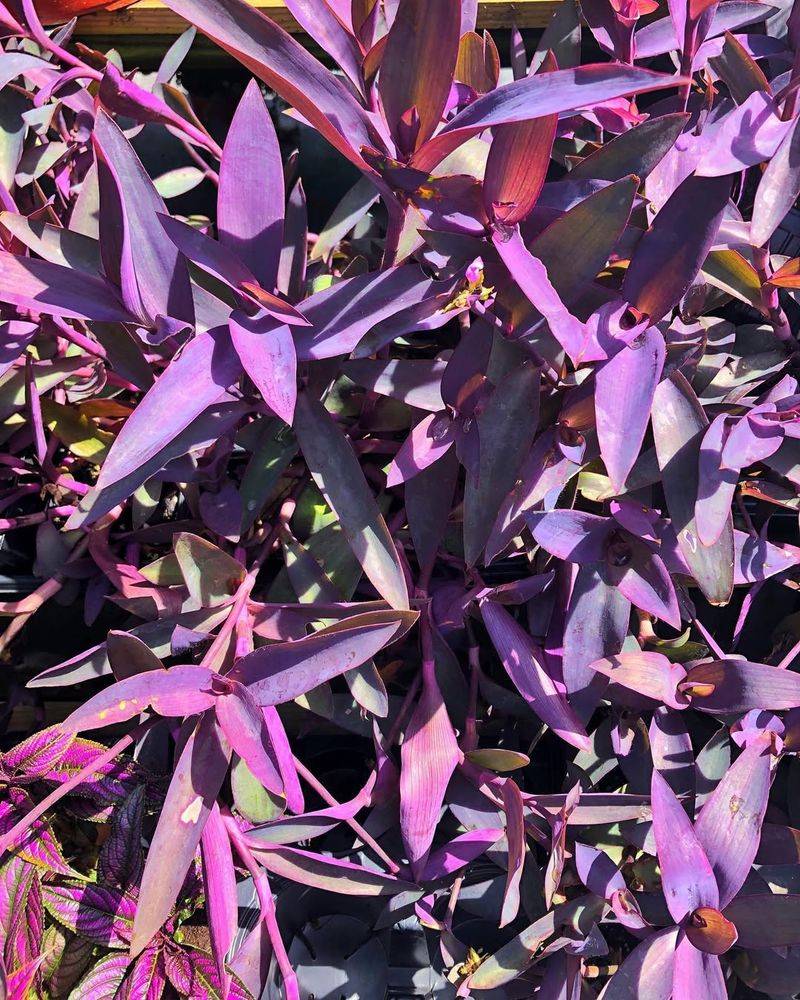
Stunning purple-burgundy foliage creates dramatic color impact that intensifies in full sun, making this groundcover a bold statement in Arizona landscapes.
Small pink flowers appear sporadically throughout the growing season, adding delicate contrast against the deep purple leaves. This tropical-looking plant surprisingly tolerates desert heat well, though it performs best with some afternoon shade in the hottest Arizona locations.
The succulent-like stems and leaves store moisture, helping purple heart survive periods between waterings that would stress less adapted plants.
Established plants need watering twice weekly during summer in Arizona, more than some desert natives but still considerably less than traditional groundcovers. Purple heart spreads quickly, filling bare areas within a single growing season and creating full coverage without excessive maintenance.
The vibrant foliage color provides stunning contrast when paired with silver-leaved plants or bright flowering perennials.
This groundcover works beautifully in containers and hanging baskets, cascading dramatically over edges with minimal care required. Frost can damage purple heart in higher elevation Arizona areas, but plants typically recover quickly when warm weather returns.
The plant roots easily from stem cuttings, allowing you to propagate new plants and expand your coverage inexpensively.
Purple heart tolerates various soil types found throughout Arizona, adapting to both sandy and heavier clay-based soils.
Trimming back leggy stems encourages bushier growth and maintains the plant’s attractive appearance throughout the growing season.