The Best Feng Shui Spot For A Peace Lily In Illinois Homes In 2026
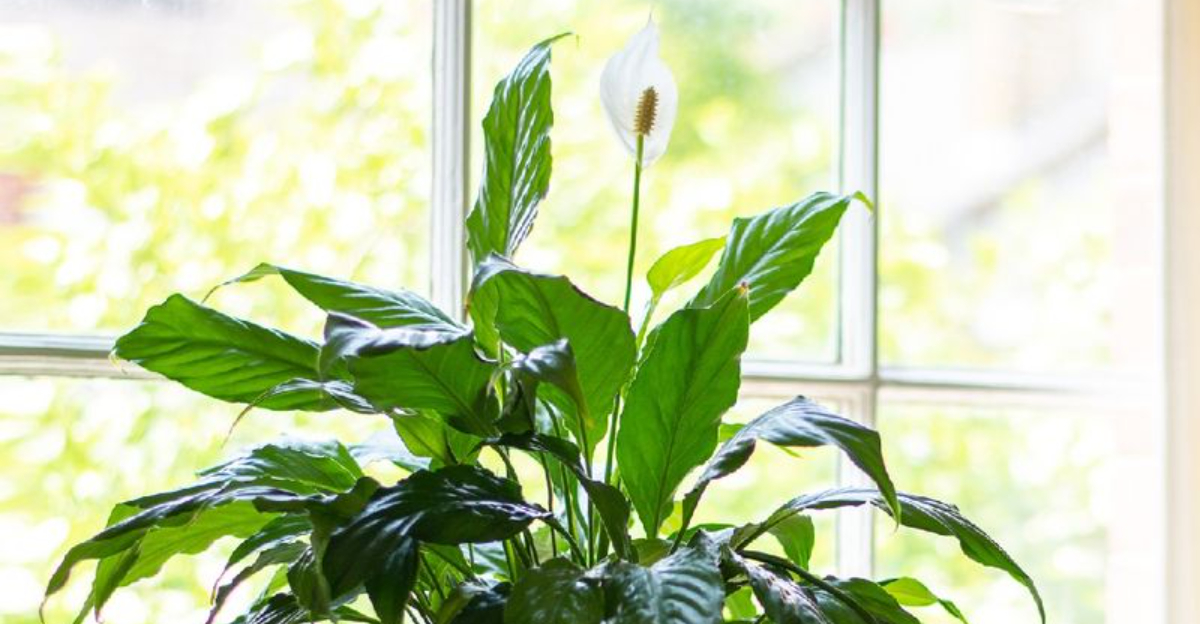
For Illinois homeowners looking to invite balance, harmony, and positive energy in 2026, placement of a peace lily matters as much as care.
Positioned on the east-facing side of the home, this elegant plant captures morning light and aligns with Feng Shui principles that encourage vitality, growth, and fresh energy.
Its glossy leaves and gentle blooms not only brighten a room but also help purify the air and create a calming atmosphere.
Choosing the right spot enhances the flow of chi throughout living spaces, turning ordinary corners into areas of renewal and tranquility.
This guide explains why the east-facing side of the home offers the ideal Feng Shui setting for a peace lily, helping homeowners maximize its benefits and create a more balanced, inviting interior.
1. Why The East Area Is The Best Feng Shui Location For A Peace Lily In 2026
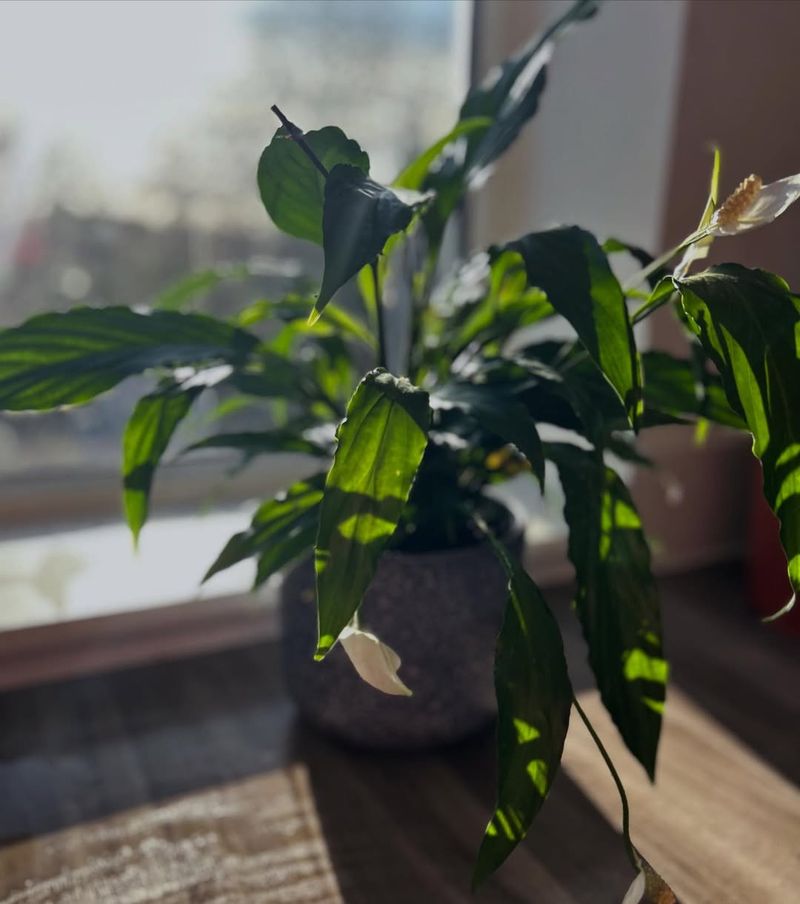
Ancient Feng Shui wisdom connects the east direction with the Wood element, which represents growth, vitality, and family bonds.
When you place a peace lily in the east area of your home, you align with natural energy patterns that support health and renewal.
The Wood element thrives with living plants, making this combination incredibly powerful for your space.
Morning sunlight naturally flows from the east, providing the gentle, indirect light that peace lilies prefer without harsh afternoon rays.
This positioning creates a harmonious balance between plant needs and energy flow.
In 2026, astrological influences emphasize the Wood element even more strongly, amplifying the benefits of east placement.
Your peace lily becomes a living symbol of fresh beginnings and family wellness when positioned correctly.
Illinois homes benefit particularly from this placement because the moderate eastern exposure protects plants from intense western heat during summer months.
The east zone also corresponds to ancestors and family history in the Bagua map, making it ideal for nurturing plants that symbolize peace and harmony.
Your home’s energy circulation improves dramatically when you honor these traditional placement principles.
Consider mapping your home’s east area using a compass to find the perfect spot for maximum benefit.
2. How An East-Facing Living Room Supports Health And Renewal Energy
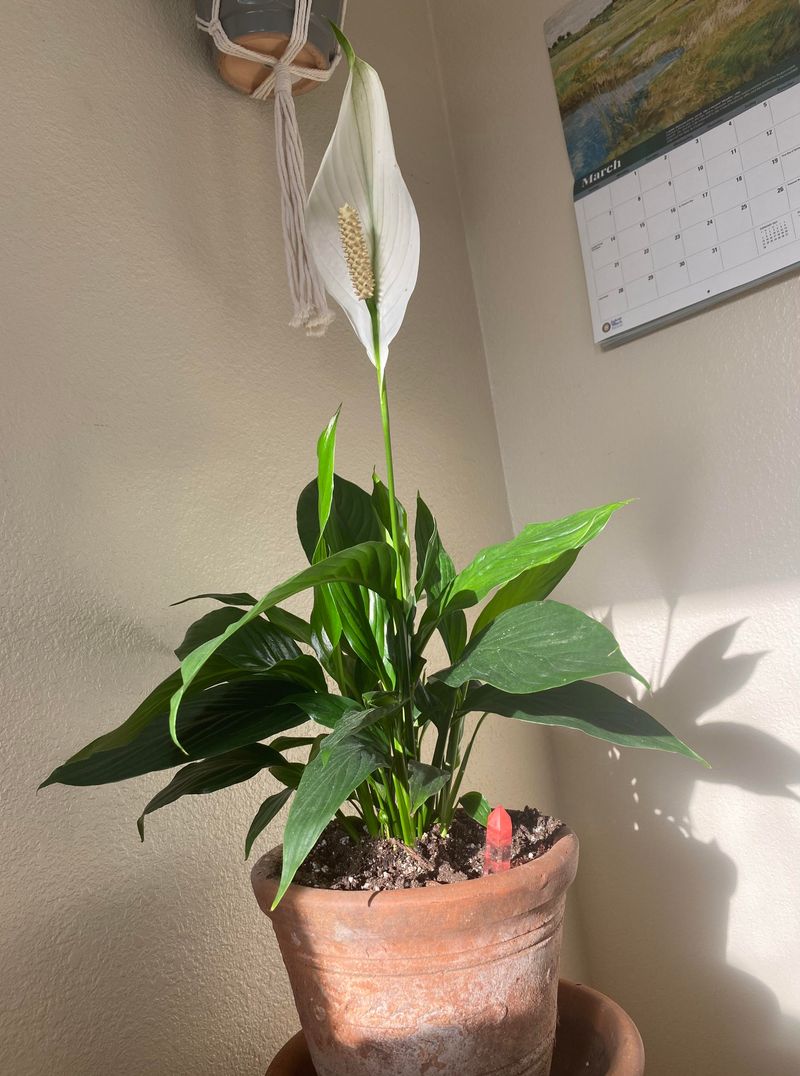
Morning light carries a special quality that Eastern philosophies have celebrated for thousands of years.
An east-facing living room captures this gentle dawn energy, which promotes awakening, clarity, and fresh perspectives.
Peace lilies respond beautifully to this soft illumination, growing strong without stress from harsh rays.
The living room serves as the heart of family gatherings, conversations, and shared moments, making it the perfect space to amplify positive chi.
When you combine an east-facing orientation with a peace lily’s natural air-purifying abilities, you create a wellness powerhouse.
Studies show that peace lilies remove toxins like formaldehyde and benzene from indoor air, supporting physical health alongside energetic balance.
Your family naturally gravitates toward spaces that feel good, and the east living room placement encourages togetherness.
Illinois winters can make indoor air quality challenging, but peace lilies work continuously to improve breathing conditions.
The renewal energy of the east zone helps family members feel refreshed and optimistic when they spend time in this space.
Position your peace lily where morning light reaches it for at least two to three hours daily.
This timing matches the plant’s natural growth rhythms while maximizing Feng Shui benefits for everyone in your household.
3. What Makes The Peace Lily A Perfect Match For The East Bagua Zone

Every plant carries its own energetic signature, and the peace lily resonates deeply with the qualities of the east Bagua zone.
This zone governs health, family relationships, and new beginnings, all areas where the peace lily naturally excels.
The plant’s white blooms symbolize purity and peace, aligning perfectly with the harmonious family energy of the east.
Peace lilies require consistent but not excessive care, mirroring the balanced approach Feng Shui recommends for maintaining family wellness.
Their dark green leaves represent the Wood element’s vibrant life force, creating visual and energetic harmony in the east zone.
Unlike spiky or aggressive-looking plants, peace lilies have soft, rounded leaves that promote gentle, flowing energy rather than sharp chi.
This characteristic makes them ideal for spaces where you want to encourage cooperation, understanding, and emotional support.
The plant’s ability to bloom indoors even during Illinois’s gray winter months brings hope and beauty when external nature seems dormant.
Feng Shui practitioners often recommend peace lilies for bedrooms and living areas because they release oxygen at night, unlike most plants.
This unique quality supports restful sleep and recovery, further connecting to the health aspects of the east zone.
Your peace lily becomes a living remedy that works on multiple levels simultaneously.
4. Ideal Placement Rules For A Peace Lily In An Illinois Living Room
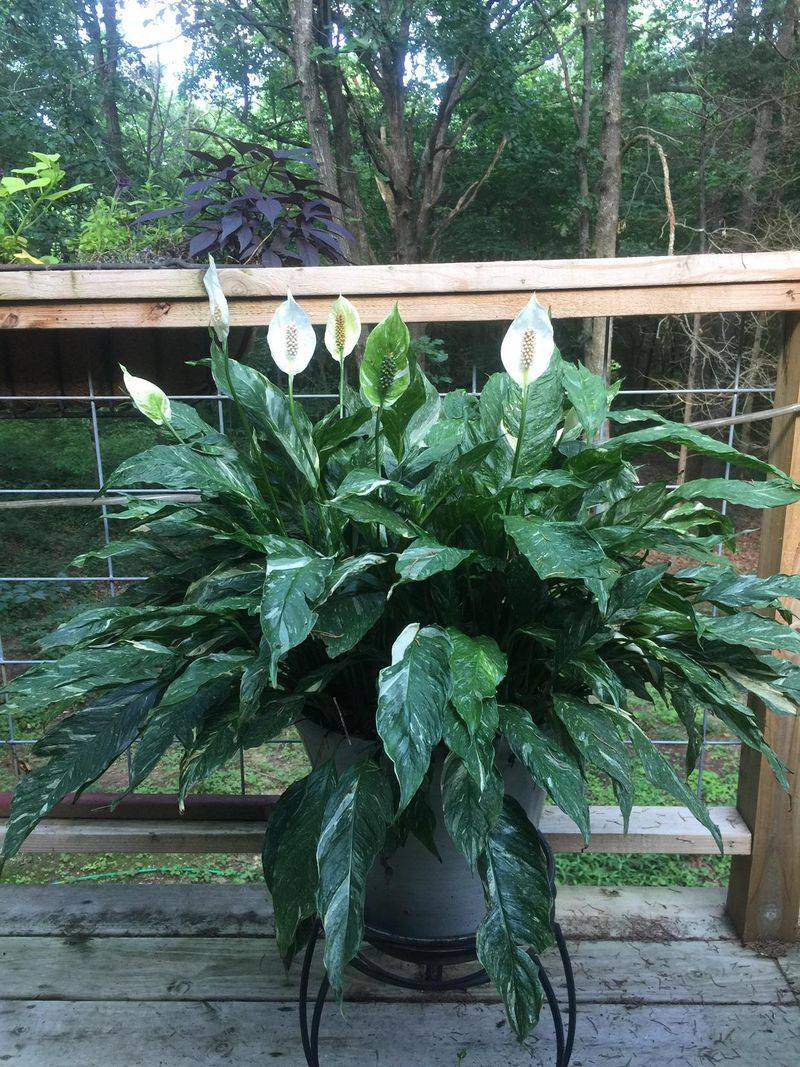
Placement involves more than just choosing the east side of your room.
Your peace lily should sit three to six feet from east-facing windows to receive bright, indirect light without leaf burn.
Direct sunlight causes brown spots and stress, so filter intense morning rays with sheer curtains if needed.
Avoid placing your peace lily near heating vents, radiators, or cold drafts from doors, as temperature fluctuations harm the plant and disrupt energy flow.
Illinois homes often have forced-air heating that creates dry conditions, so keep your plant away from direct airflow.
Choose a stable surface at eye level or slightly below, such as a plant stand, side table, or low bookshelf.
This height allows the plant’s energy to interact comfortably with human activity without being overlooked or towering awkwardly.
Never place peace lilies on the floor in high-traffic areas where they might get bumped or forgotten.
The plant should have space around it to allow chi to circulate freely rather than being crowded by clutter or other objects.
Keep at least eight inches of clearance on all sides for optimal energy movement.
Position your peace lily where family members can see and appreciate it daily, reinforcing the connection between plant care and family wellness.
Regular interaction strengthens the positive energy exchange between living beings and plants.
5. Light, Temperature, And Winter Considerations for Illinois Homes
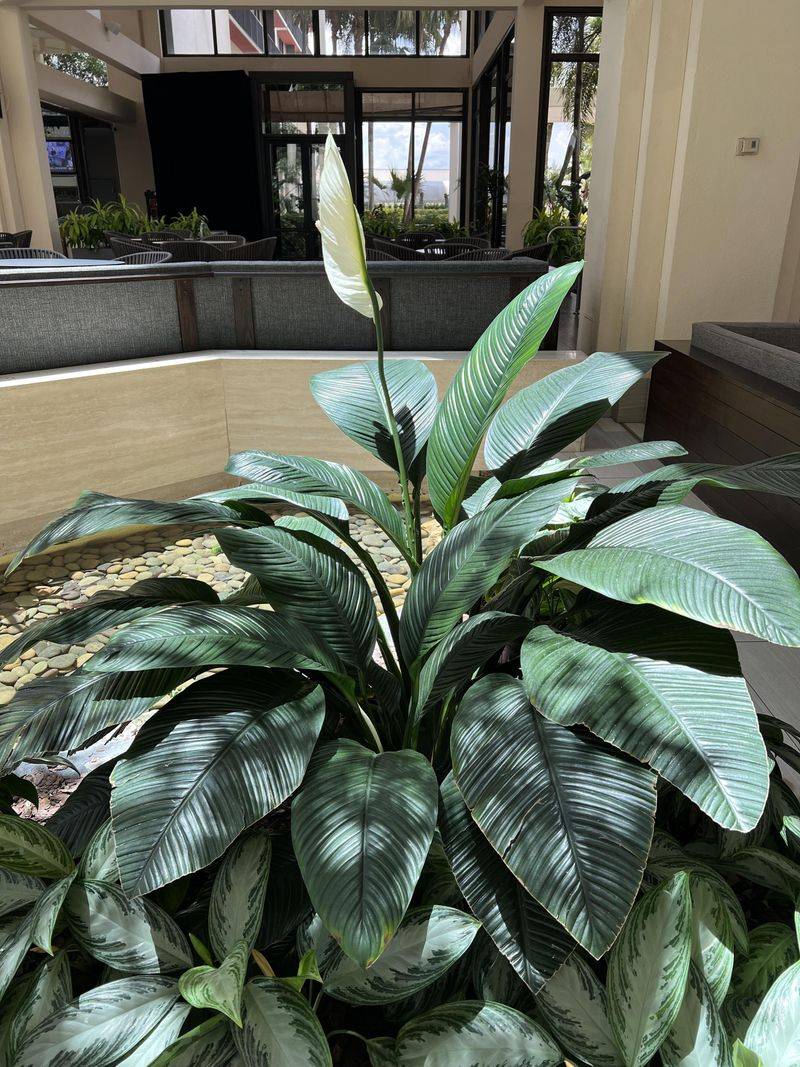
Illinois experiences dramatic seasonal changes that challenge indoor plant care and Feng Shui practices.
Winter months bring shorter days, meaning your east-facing window provides less light than during spring and summer.
Peace lilies can tolerate lower light but may stop blooming if conditions become too dim for extended periods.
Consider supplementing natural light with a full-spectrum grow light during December through February to maintain plant vitality and positive energy.
Temperature stability matters tremendously for both plant health and energy flow.
Peace lilies prefer temperatures between 65 and 80 degrees Fahrenheit, which matches comfortable human living conditions.
However, Illinois winters often create cold spots near windows where temperatures drop significantly at night.
Move your peace lily slightly away from windows on extremely cold nights, or use insulating window treatments to prevent chill damage.
Dry indoor air from heating systems causes brown leaf tips and weakens the plant’s energetic contribution to your space.
Maintain humidity levels between 40 and 60 percent using a humidifier, pebble trays, or regular misting.
Healthy, vibrant plants generate stronger positive chi than struggling ones, so winter care directly impacts Feng Shui benefits.
Monitor your peace lily’s appearance and adjust care seasonally to keep energy flowing smoothly throughout the year.
6. Common Peace Lily Placement Mistakes That Disrupt Feng Shui Flow
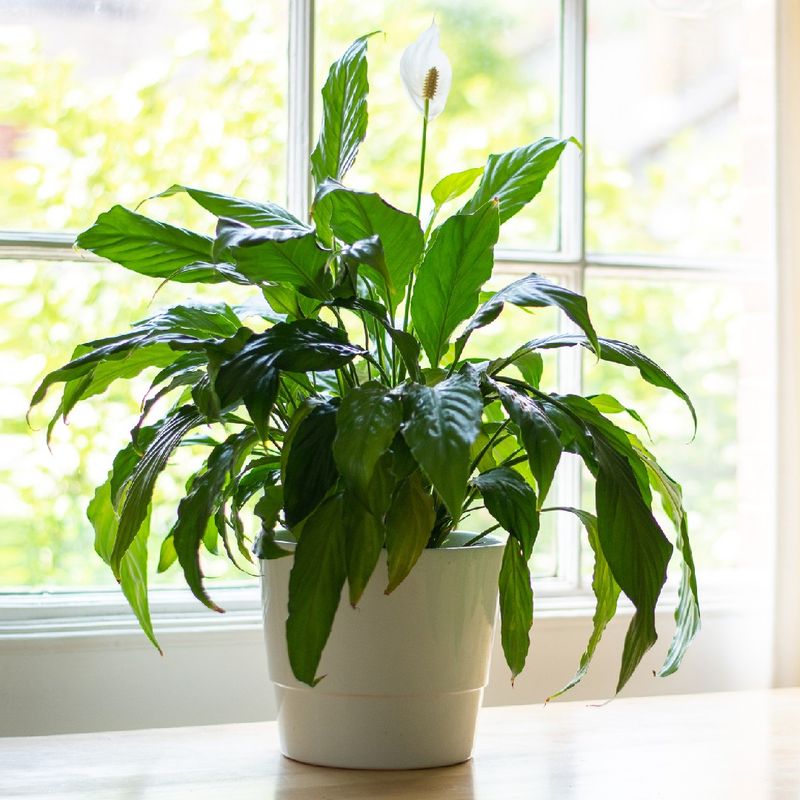
Many well-meaning plant owners accidentally undermine their Feng Shui efforts through simple placement errors.
Bathrooms and laundry rooms might seem practical for humidity-loving peace lilies, but these spaces carry draining energy that conflicts with the plant’s nurturing purpose.
Water energy in bathrooms flows away, symbolically taking positive chi with it rather than building family wellness.
Corners filled with clutter, forgotten items, or broken objects create stagnant energy that even healthy plants cannot overcome.
Clear the east zone of your home before placing your peace lily to allow fresh energy circulation.
Some people position plants behind furniture where they become invisible and neglected, which defeats the purpose of intentional placement.
Your peace lily should be visible and accessible for both care and energetic interaction.
Avoid placing peace lilies directly on electronics like televisions or WiFi routers, as electromagnetic fields may interfere with natural energy patterns.
Multiple plants crowded together compete for space and energy rather than supporting each other harmoniously.
Give each plant adequate room to express its individual contribution to your home’s atmosphere.
Never position peace lilies near exterior doors where they face constant drafts and unstable chi from people coming and going.
The east living room zone provides stability that transient spaces cannot offer for optimal Feng Shui benefits.
7. How To Enhance Positive Chi Around Your East Living Room Peace Lily
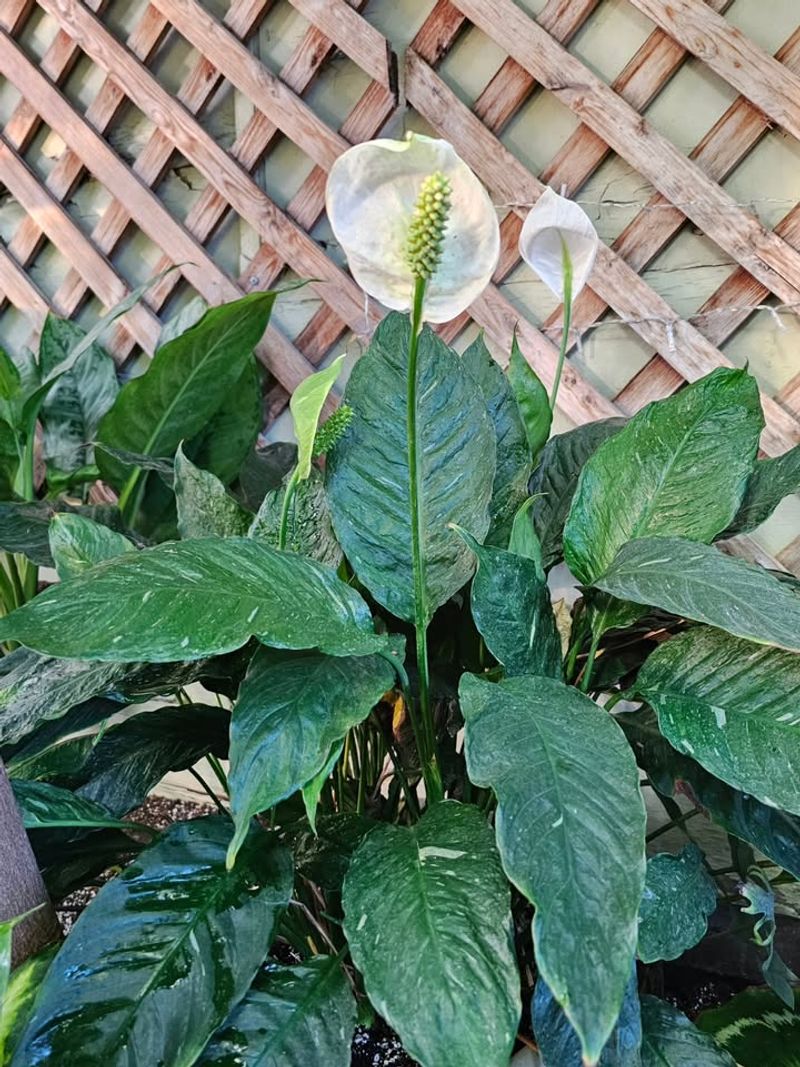
Placement forms the foundation, but additional elements can amplify your peace lily’s positive energy contribution.
Wooden plant stands or natural fiber baskets strengthen the Wood element connection, reinforcing the east zone’s inherent qualities.
Avoid metal containers or stands in this area, as metal cuts Wood in the five-element cycle, creating energetic conflict.
Small water features like tabletop fountains near your peace lily support growth since Water nourishes Wood in elemental relationships.
The gentle sound of flowing water also promotes tranquility and covers disruptive household noise.
Display family photographs or meaningful heirlooms in the east zone alongside your peace lily to strengthen family bonds and ancestral connections.
These personal items create emotional resonance that enhances the zone’s relationship-building energy.
Choose green, blue, or brown accent colors for nearby pillows, artwork, or decorative objects to harmonize with Wood and Water elements.
Keep the area clean and dust-free, as cleanliness allows chi to move freely and shows respect for the energy you’re cultivating.
Wipe your peace lily’s leaves monthly to remove dust that blocks both photosynthesis and energy exchange.
Speak positive affirmations or express gratitude near your plant, as intention and attention magnify Feng Shui practices.
Your mindful care creates a feedback loop of positive energy that benefits everyone in your Illinois home throughout 2026.