The Best Flowering Plants For Pennsylvania’s Unpredictable Spring Weather
Have you ever planted spring flowers in Pennsylvania just to watch them get hit by a cold snap, a stretch of rain, and a surprise warm spell all in the same week? That kind of weather can make spring gardening feel like a guessing game.
One day the yard looks ready to burst into color, and the next it feels like winter is trying to make a comeback. That is exactly why choosing the right flowering plants matters so much.
Some plants handle Pennsylvania’s unpredictable spring far better than others. They can deal with chilly nights, shifting temperatures, and damp conditions without giving up at the first sign of trouble.
Those reliable bloomers make it easier to enjoy color early in the season without constantly worrying that one rough week will ruin the whole display.
For gardeners, that kind of dependability is a big win. The best flowering plants for Pennsylvania’s spring weather do not just survive the ups and downs.
They keep the garden looking lively when the season cannot seem to make up its mind. With the right choices, your yard can stay bright, cheerful, and full of promise even when spring is all over the place.
1. Pansies
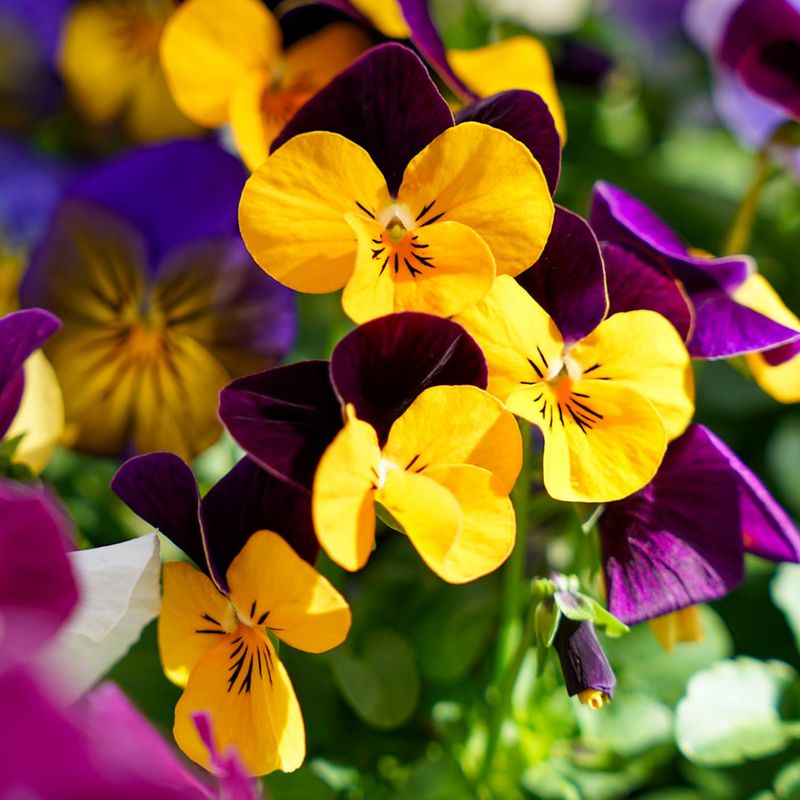
Few flowers are as cheerful or as tough as pansies. With their bright, face-like blooms in shades of purple, yellow, orange, and white, pansies bring instant color to any Pennsylvania garden right when winter is losing its grip.
They are one of the first flowers you can plant outdoors in spring, even when temperatures are still dipping low at night.
Pansies can handle light frost without missing a beat. They are actually happiest when temperatures are cool, somewhere between 45 and 65 degrees Fahrenheit.
When a surprise cold snap rolls through Pennsylvania, pansies can survive brief periods of freezing temperatures and bounce right back once things warm up a little. That makes them one of the most reliable choices for early spring planting in the region.
Plant pansies in a sunny or partly shaded spot with well-drained soil. Water them regularly but avoid overwatering, since soggy roots can cause problems.
Deadheading spent blooms, which means pinching off old flowers, keeps them producing new ones throughout the season.
Once summer heat arrives, pansies tend to slow down, but during Pennsylvania’s cool spring months, they are absolutely unstoppable. They work great in garden beds, window boxes, and containers on porches or patios.
2. Violas
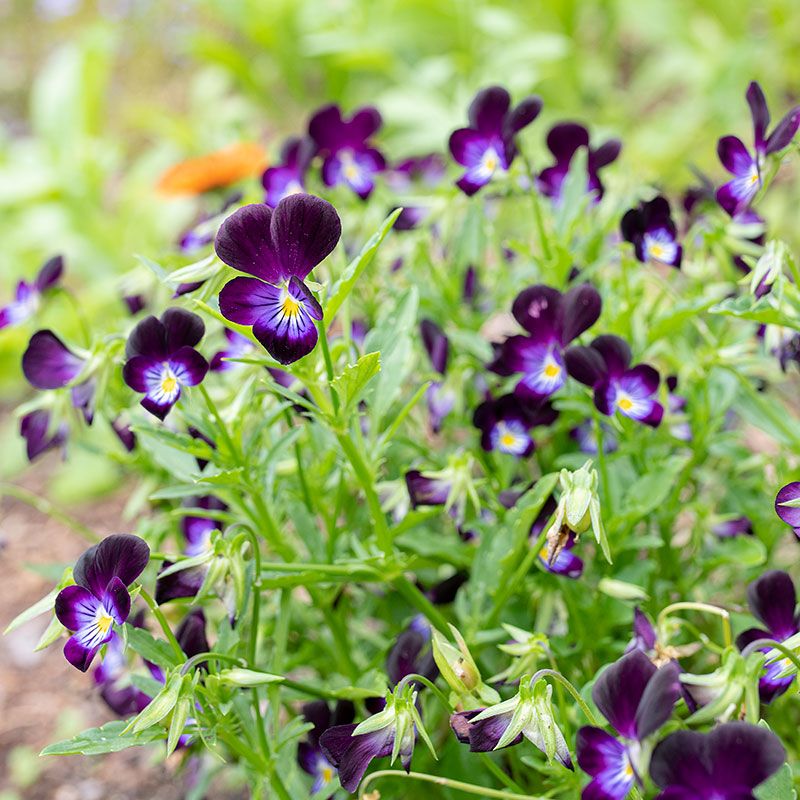
Think of violas as pansies’ tougher, smaller cousins. They might be more compact in size, but what they lack in scale they more than make up for in resilience.
Violas have been thriving in cool-weather gardens for centuries, and Pennsylvania’s unpredictable spring climate is practically made for them. Their tiny blooms pack a serious punch of color, covering the plant so thickly that you can barely see the leaves underneath.
One of the best things about violas is their ability to keep blooming even when temperatures swing wildly from warm afternoons to frosty mornings.
They handle these fluctuations better than many other flowering plants, making them a smart pick for gardeners in Pennsylvania who never quite know what the weather will bring from one week to the next.
Violas self-seed readily, which means they can come back on their own year after year if conditions are right. Plant them in garden beds, borders, or containers in a spot that gets full sun to partial shade.
They prefer moist, well-drained soil and appreciate consistent watering during dry spells. Unlike pansies, violas tend to stay compact and tidy without much fuss.
They bloom continuously through spring and often into early summer, giving Pennsylvania gardeners weeks of reliable, cheerful color with very little effort required.
3. Daffodils
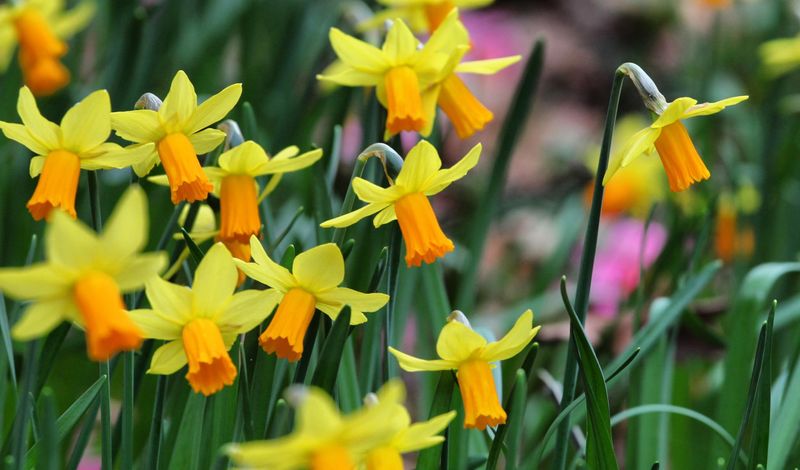
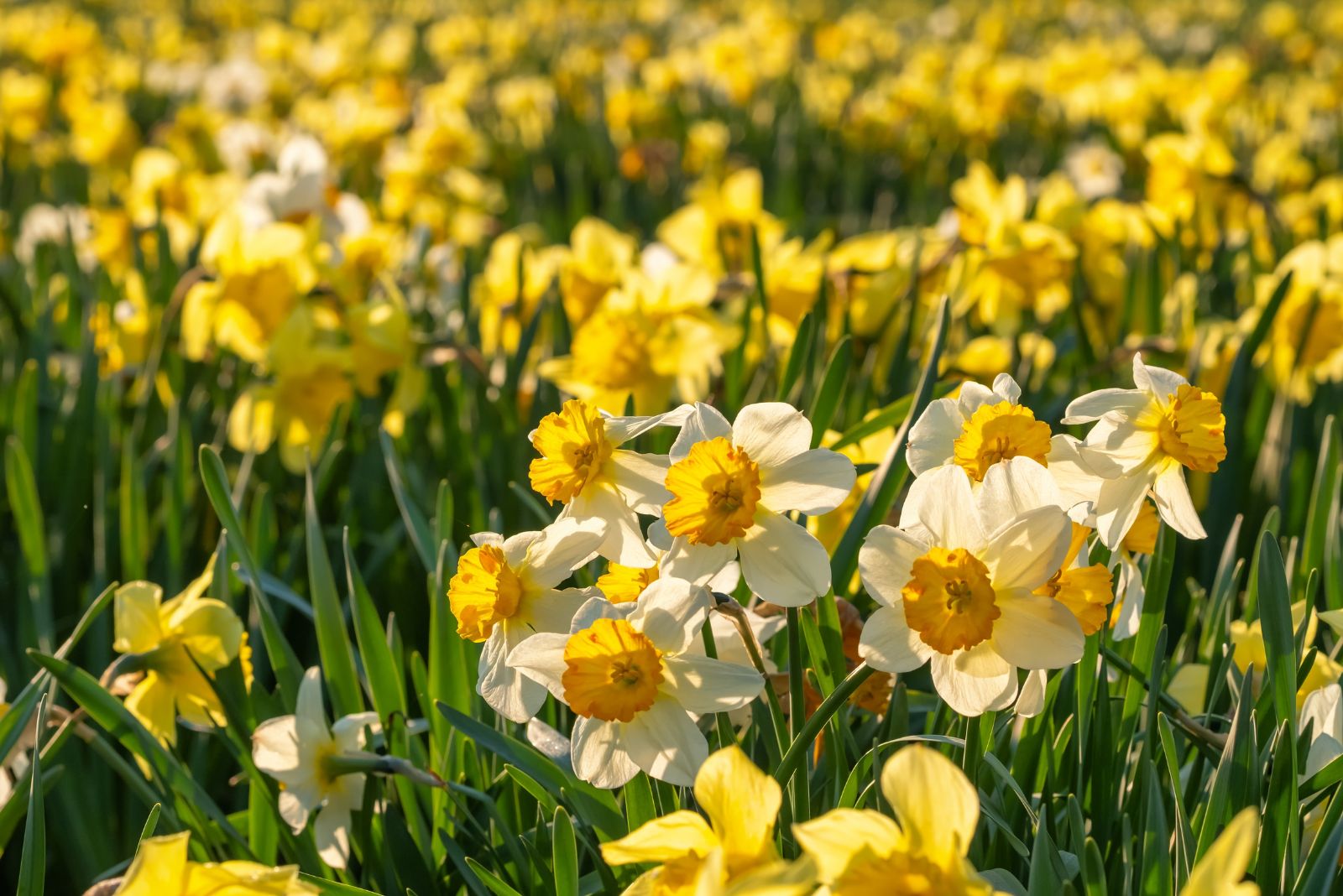
Daffodils are one of spring’s most welcome sights, especially after a long Pennsylvania winter. Their bold yellow and white blooms push up through the soil before most other plants even think about waking up.
What makes daffodils truly special is their ability to shrug off late frosts that would flatten less hardy flowers. They can handle cold snaps and even light snow without losing a single petal.
Did you know that daffodils are perennials, meaning they come back every single year? Once you plant the bulbs in the fall, you can enjoy their cheerful blooms spring after spring with almost no effort.
They naturalize over time, meaning they spread and multiply slowly, giving you more flowers each year. That kind of low-maintenance reward is hard to beat for busy Pennsylvania gardeners.
Plant daffodil bulbs in the fall, about six inches deep, in a sunny or lightly shaded location with well-drained soil. They are not picky about soil type as long as it does not stay waterlogged.
After blooming, let the foliage die back naturally so the bulb can store energy for next year. Daffodils are also naturally resistant to deer and squirrels, which is a real bonus for gardeners dealing with wildlife in Pennsylvania’s suburbs and rural areas.
4. Tulips (Early Varieties)
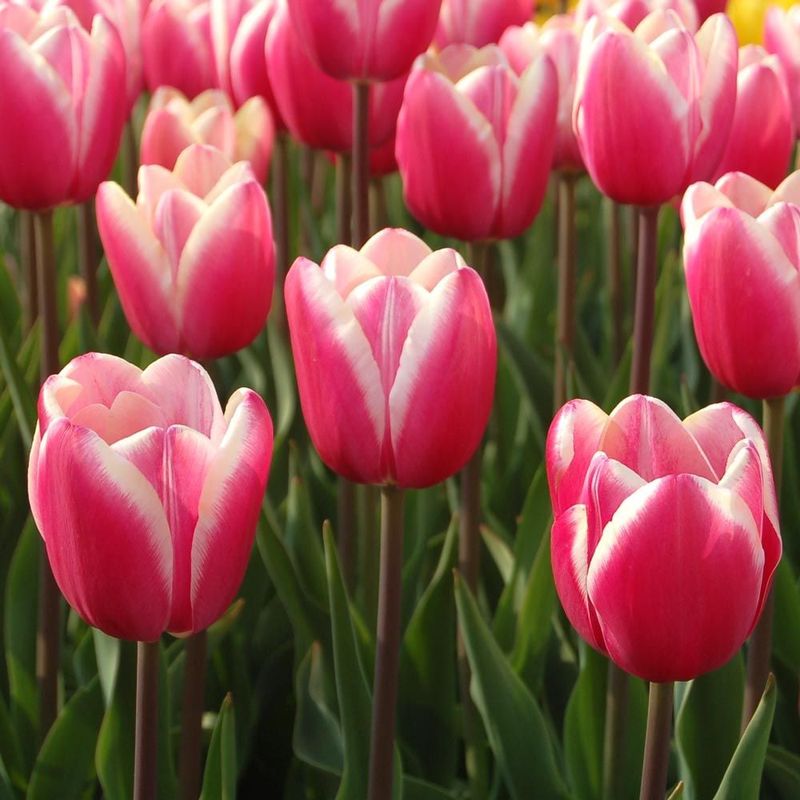
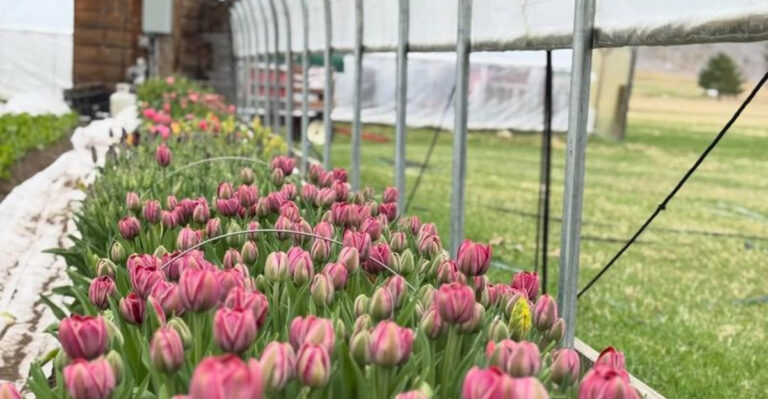
Tulips are a classic spring flower, and the early-blooming varieties are especially well suited to Pennsylvania’s unpredictable climate. While mid-season and late tulips can get caught off guard by sudden cold snaps, early varieties are already adapted to cooler conditions.
They tend to bloom when temperatures are still fluctuating, and they handle those changes with ease. Choosing early tulip varieties gives Pennsylvania gardeners a head start on spring color.
Planting location matters a lot with tulips. To protect them from unexpected late frosts, plant them near a south-facing wall, fence, or structure that can provide some shelter.
These spots tend to be a few degrees warmer than open garden beds, which can make a big difference during a surprise cold night. Raised beds are another great option since they drain well and warm up faster in spring.
Like daffodils, tulip bulbs go in the ground in fall, about six to eight inches deep. Choose a spot with full sun and well-drained soil.
Tulips do not like sitting in wet conditions, so good drainage is essential. After blooming, allow the leaves to yellow before removing them so the bulb can recharge.
Early tulip varieties like ‘Apeldoorn’ and ‘Fosteriana’ types are excellent choices for Pennsylvania gardens where cold spring weather is always a possibility.
5. Hellebores
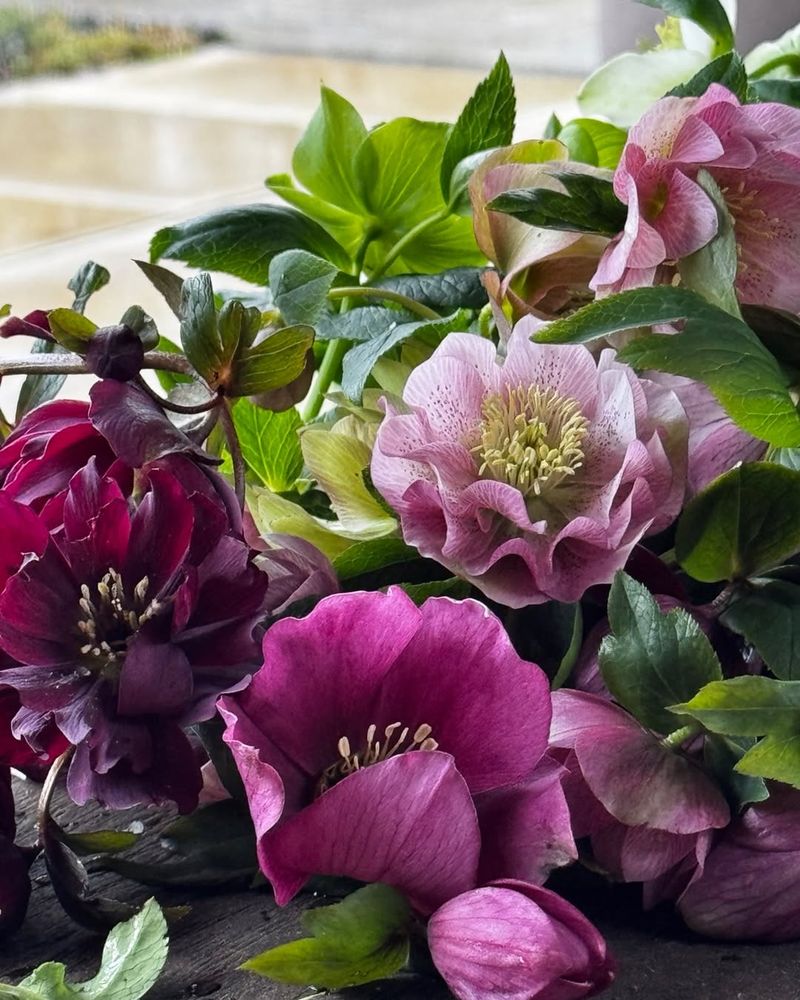
Hellebores are the quiet overachievers of the spring garden. While most plants are still waiting for warmer temperatures, hellebores are already putting on a show.
They bloom from late winter into early spring, sometimes pushing up flowers even when snow is still on the ground. In Pennsylvania, where late winter can drag on longer than anyone wants, hellebores are a genuinely exciting sight in the garden.
Also known as Lenten Rose, hellebores thrive in partial to full shade, which makes them perfect for spots under trees or along the north side of a house where other flowering plants struggle.
Their nodding blooms come in shades of white, pink, purple, and deep burgundy, and the flowers last for weeks, sometimes even months.
The evergreen foliage stays attractive all year long, adding structure and greenery even in the depths of winter.
Hellebores are remarkably low maintenance once established. Plant them in well-drained, humus-rich soil and give them a layer of mulch to keep moisture in and temperature swings from shocking the roots.
They are slow to establish but reward patience with decades of reliable blooming. They rarely need dividing and are generally resistant to deer, which is a huge advantage in many parts of Pennsylvania.
Once you plant hellebores, you will wonder how your spring garden ever got along without them.
6. Bleeding Heart
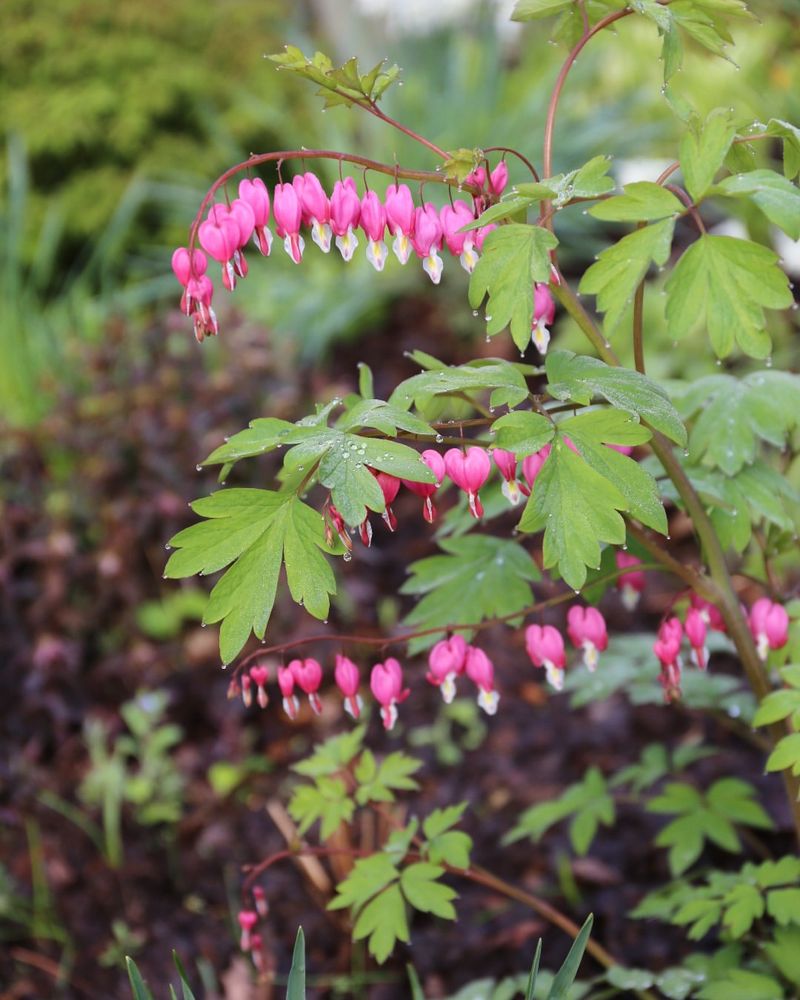
There is something almost magical about a bleeding heart in full bloom. The arching stems lined with rows of dangling, heart-shaped pink or white flowers look like something out of a fairy tale.
Bleeding heart thrives in the cool, moist conditions that Pennsylvania springs so often deliver, making it a natural fit for gardens across the state. It is one of those plants that seems perfectly designed for the region.
Bleeding heart prefers partial to full shade and moist, well-drained soil rich in organic matter. It does especially well planted under deciduous trees, where it gets filtered light in spring before the tree canopy fully fills in.
Protection from intense afternoon sun is important because sudden heat spikes can stress the plant and cause it to go dormant earlier than expected. In cooler, shadier spots, the blooms can last well into late spring.
Once the warmer summer temperatures arrive, bleeding heart naturally dies back to the ground. This is completely normal.
Planting it alongside ferns, hostas, or other shade-loving perennials helps fill in the gap it leaves. In Pennsylvania’s climate, bleeding heart typically blooms from April through May, providing stunning color right when the garden needs it most.
Plant it in fall or early spring, water it consistently, and it will reward you with gorgeous blooms year after year without much intervention from you.
7. Primrose
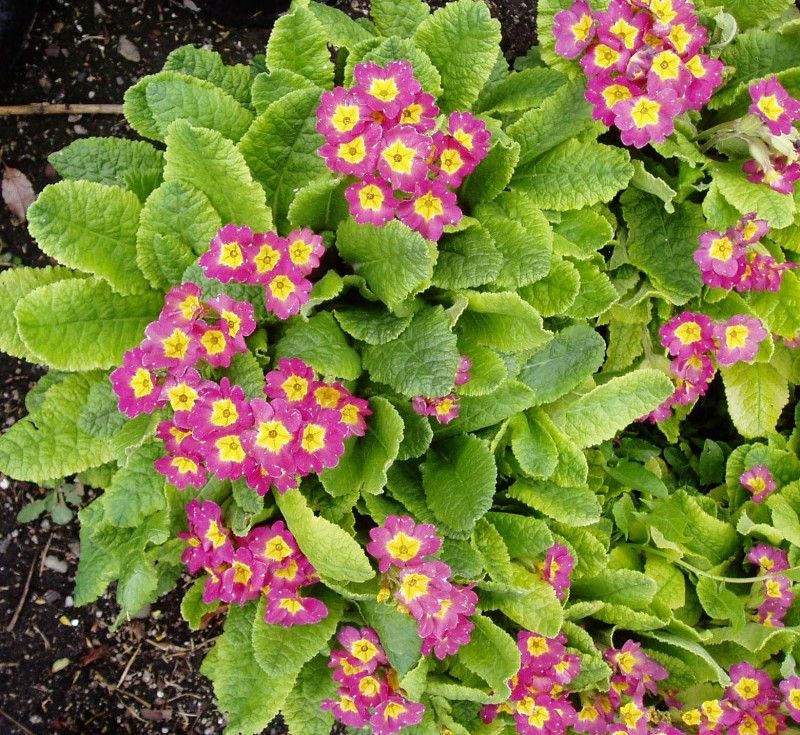
Walking through a garden center in early spring, it is hard to miss a flat of primroses. Their bold, saturated colors, including fiery reds, sunny yellows, soft lavenders, and vivid pinks, practically leap off the shelf.
Primroses are built for exactly the kind of cool, moist spring weather that Pennsylvania delivers reliably every year. They are one of the earliest flowering plants to bring serious color to the garden after winter.
Primroses perform best in cool temperatures and partial shade. Too much direct sun or heat can cause them to struggle, but in Pennsylvania’s spring conditions, they tend to be right in their comfort zone.
They prefer consistently moist, well-drained soil, so adding compost or organic matter to the planting area helps a lot. Regular watering during dry spells keeps them looking their best throughout the season.
One of the most reassuring things about primroses is their ability to handle light frost without significant damage. A surprise cold night in April, which is very common in Pennsylvania, is not likely to set them back much.
Plant them in garden beds, along pathways, or in containers on a shaded porch for a pop of early season color.
Many primrose varieties are perennial in Pennsylvania’s climate zones, meaning they can return year after year when given the right growing conditions and a little extra care.
8. Lungwort
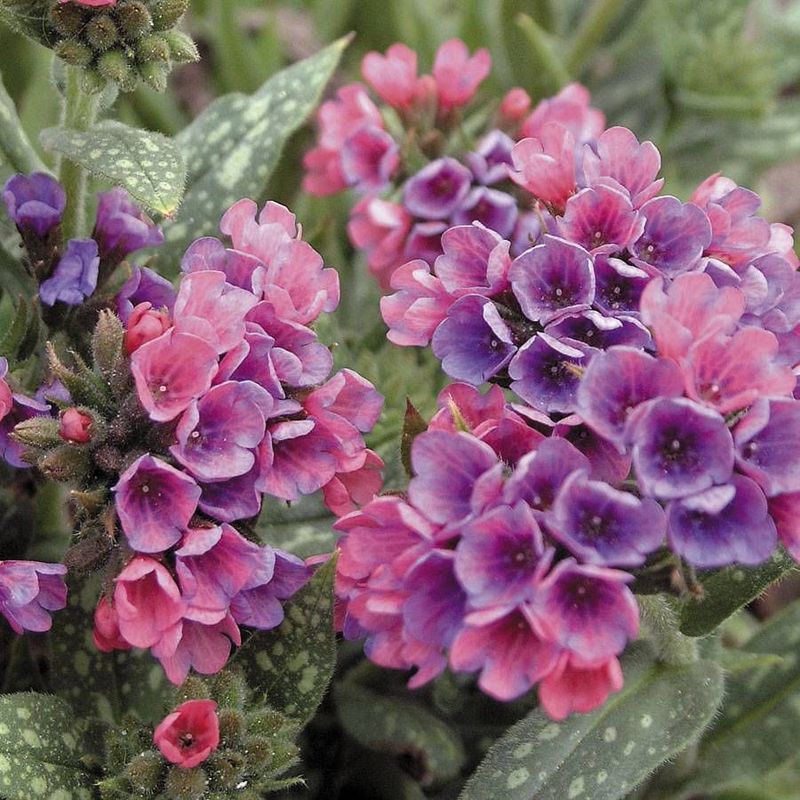
Lungwort might not have the most glamorous name, but this plant is a true standout in the early spring garden.
It is one of the very first perennials to bloom in Pennsylvania, often showing off its small tubular flowers in March or even late February if the weather cooperates.
The blooms are fascinating because they change color as they age, starting out pink and shifting to a rich blue-purple, so you often see both colors on the same plant at the same time.
Beyond the flowers, lungwort’s foliage is genuinely eye-catching. The leaves are spotted or streaked with silvery white markings that brighten up shady garden corners all season long.
Even after the flowers fade, the attractive foliage keeps earning its place in the garden. Lungwort is an excellent choice for shady areas in Pennsylvania where other flowering plants would struggle to perform.
Cold and damp conditions are no problem for lungwort. It actually prefers the cool, moist environment that Pennsylvania springs provide.
Plant it in partial to full shade with consistently moist, well-drained soil. It spreads gradually over time, forming tidy clumps that can be divided every few years to create new plants.
Lungwort pairs beautifully with hellebores, hostas, and ferns in a shade garden. It is low maintenance, deer resistant, and blooms reliably every single spring without fail.