The Best Flowering Plants To Plant In Pennsylvania This April
April is when Pennsylvania gardens start waking up in a real way. The air feels softer, the days get longer, and suddenly it becomes a lot harder to ignore that empty space in the yard that could be full of color.
After a long winter, planting flowers this time of year feels especially satisfying because it is the moment the garden starts looking alive again. A few good choices now can completely change how your beds, borders, and containers look as the season moves forward.
That is what makes April such a great time to think about flowering plants. Some varieties settle in beautifully during this stretch of spring and reward you with fresh color, fuller growth, and a stronger start before the warmer months really take over.
Whether you want something cheerful near the front walk, a brighter backyard border, or pots that make the porch feel more inviting, the right flowers can do a lot of heavy lifting. Pennsylvania weather can still be a little unpredictable, so choosing plants that match the season matters.
With the right blooms in the ground now, your garden can head into spring looking far more vibrant and ready to impress.
1. Pansies
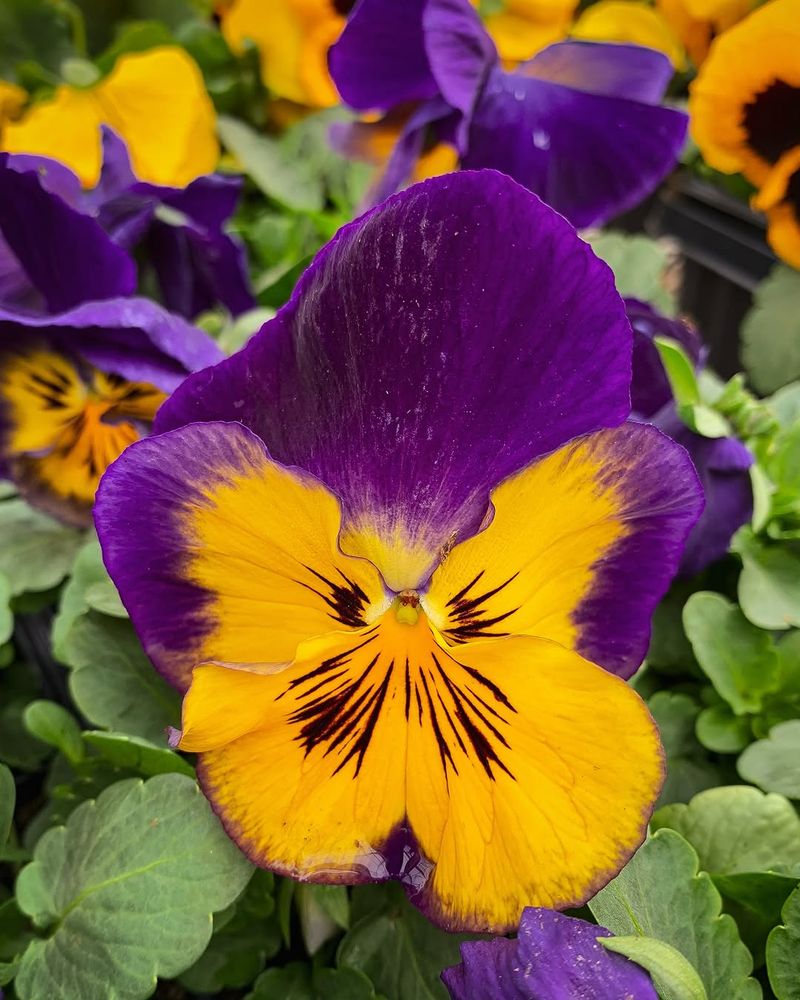
Few flowers say “spring is here” quite like a pot overflowing with bright, cheerful pansies. These cold-hardy bloomers are one of the best choices for Pennsylvania gardeners who want instant color in April.
They can handle light frosts without missing a beat, making them a reliable pick when the weather is still unpredictable.
Pansies grow well in both garden beds and containers, so you have plenty of options for where to plant them. They love cool temperatures and actually bloom best when the air is still a little chilly.
Once summer heat kicks in, they tend to slow down, but by then your warm-season flowers will be ready to take over.
When planting pansies in Pennsylvania, choose a spot with full sun to partial shade. Make sure the soil drains well so the roots do not sit in water. Add a layer of compost before planting to give them a strong start.
Water them regularly but avoid overwatering. A light fertilizer every couple of weeks will keep the blooms coming.
Deadhead spent flowers by pinching them off to encourage new buds. Pansies come in dozens of color combinations, from deep purple and bright yellow to soft pink and white, so you can mix and match to create a stunning spring display right outside your door.
2. Snapdragons
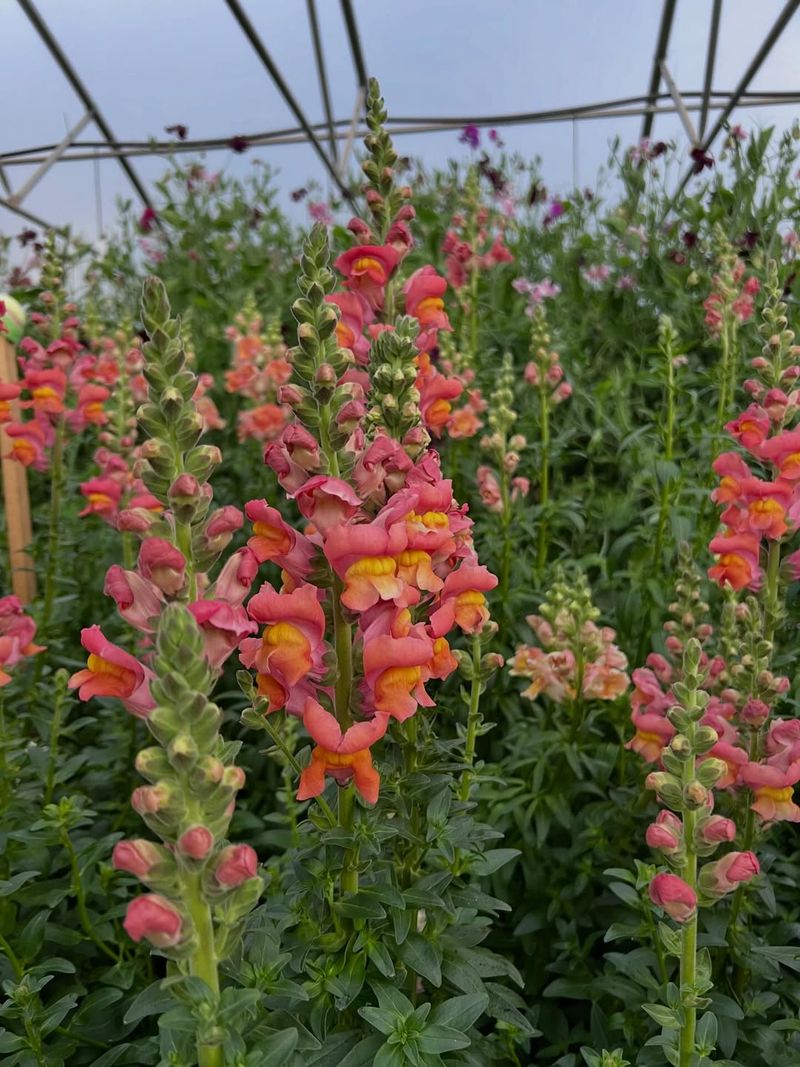
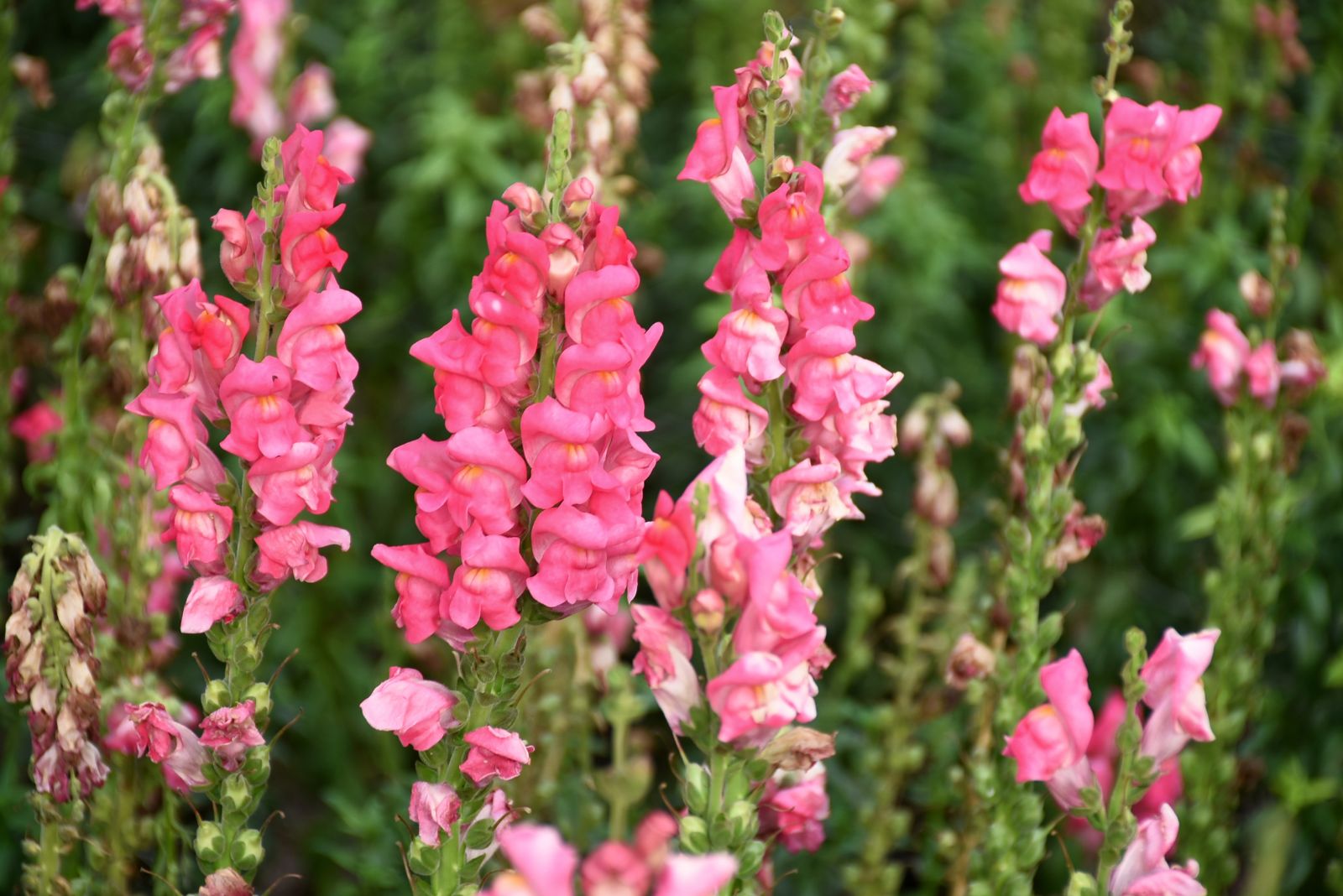
Snapdragons have a fun little secret: squeeze the sides of their blooms and they open and close like a tiny mouth. That playful quirk has made them a favorite with kids and adults alike for generations. But beyond the fun factor, snapdragons are serious performers in the spring garden.
These cool-weather lovers thrive in Pennsylvania’s April temperatures. They produce tall, colorful spikes that add real vertical interest to your garden beds.
Plant them toward the back of a border or in the middle of a container arrangement for a dramatic layered look.
Snapdragons can handle chilly spring nights without a problem, which is why April is such a great time to get them in the ground across Pennsylvania. They prefer full sun but can manage in partial shade.
Well-draining, slightly fertile soil is all they need to get going strong. Water consistently and avoid wetting the leaves to reduce the risk of fungal issues. Pinching the top of young plants encourages bushier growth and more blooms.
As temperatures warm into late spring, snapdragons will really hit their stride. They come in nearly every color imaginable, from pure white to deep burgundy and bright orange.
Whether you are planting in Harrisburg or Erie, snapdragons will bring bold, beautiful color to your spring garden.
3. Violas
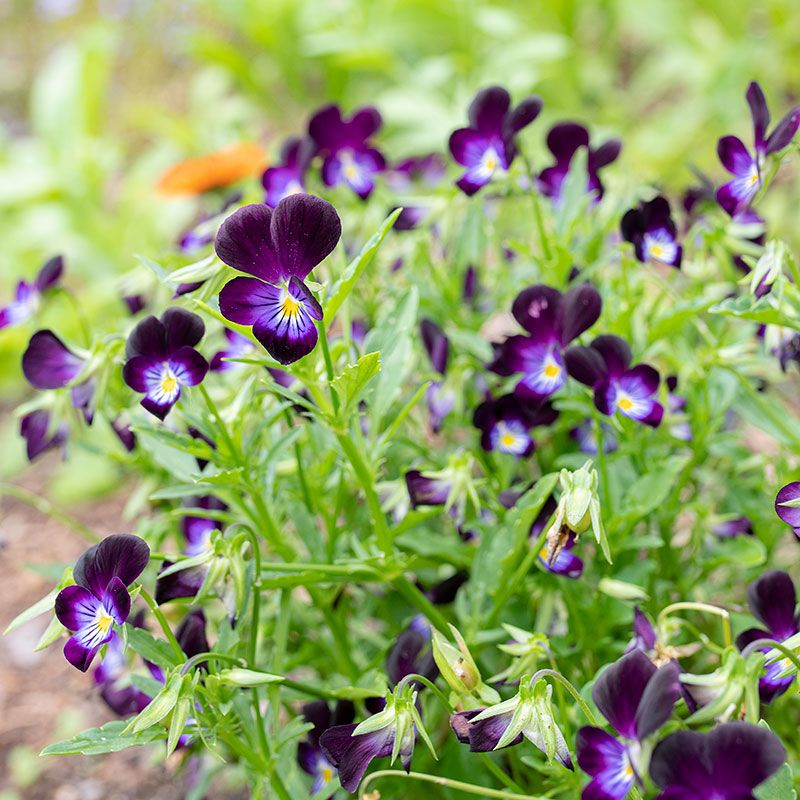
Violas are like pansies’ smaller, slightly more delicate cousins, and they are absolutely worth planting this April in Pennsylvania. They produce a nonstop show of tiny, cheerful blooms that last well into the cool spring season.
Gardeners who love a lot of color without a lot of fuss will find violas hard to resist. One of the best things about violas is how versatile they are. Use them to edge garden paths, fill window boxes, or tuck them into the front of a mixed border.
They spread gently and fill in gaps beautifully, creating a lush, colorful carpet of blooms. They are also known to reseed themselves, so you might get a bonus crop next spring without any extra effort.
Violas prefer cool weather and will bloom their hearts out in April’s mild Pennsylvania temperatures. Give them full sun or partial shade and soil that stays evenly moist.
They do not like to dry out completely, so check the soil regularly and water when the top inch feels dry.
Fertilize lightly every few weeks to keep the blooms going strong. Remove faded flowers to encourage fresh ones to open.
Violas come in a wide range of colors including purple, yellow, white, and bicolor varieties. They are one of the most rewarding plants you can add to a Pennsylvania spring garden.
4. Calendula (Pot Marigold)
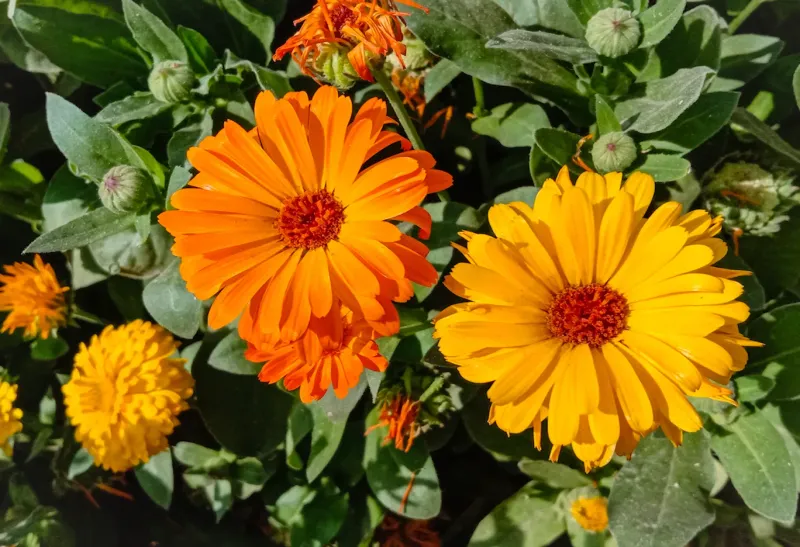
Calendula, also called pot marigold, is one of those plants that just makes you feel happy when you look at it. Its bold orange and yellow flowers are like little suns planted right in your garden.
Best of all, calendula loves cool weather, which makes it a fantastic choice for April planting in Pennsylvania.
You can grow calendula directly from seed, which makes it one of the most budget-friendly flowers you can add to your garden. Scatter seeds in a prepared bed, cover lightly with soil, water gently, and watch them sprout within a week or two.
Starting from seed is easy enough for first-time gardeners and kids who want to try growing their own flowers.
Calendula prefers full sun and well-draining soil. It does not need a lot of fertilizer, just a basic soil preparation with compost is usually enough.
Water regularly but do not overdo it. Once established, calendula is fairly low maintenance and can bloom well into early summer in Pennsylvania.
Beyond looking beautiful, calendula has a long history of use in herbal remedies and skin care products. Its petals are even edible and can be sprinkled on salads for a pop of color.
Deadhead regularly to keep the blooms coming. With its cheerful colors and easy-going nature, calendula is a spring garden staple worth planting every year.
5. Sweet Alyssum
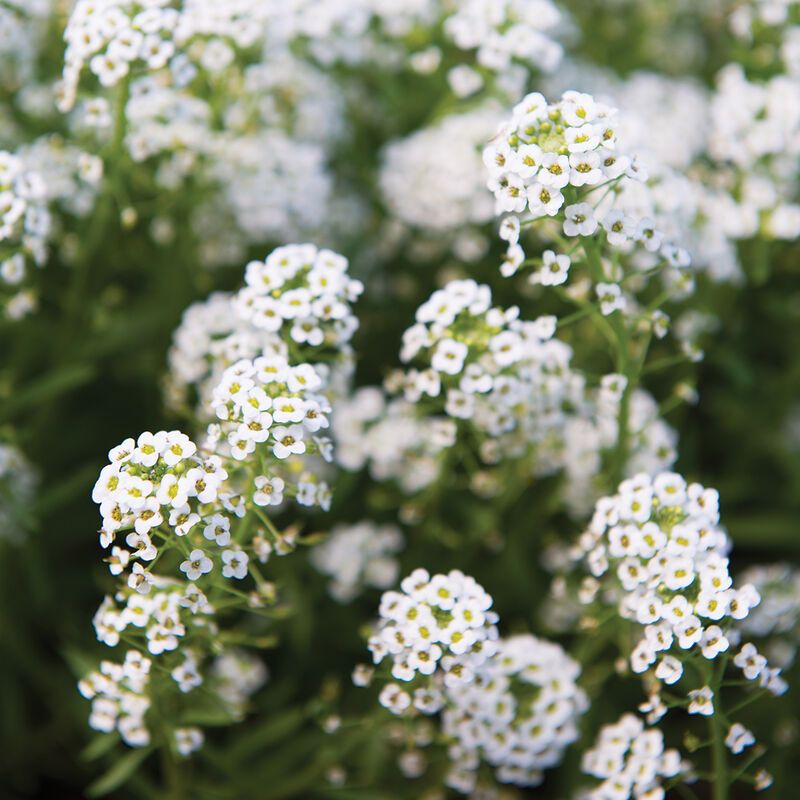
Walk past a patch of sweet alyssum in bloom and you will immediately notice its soft, honey-like fragrance drifting through the air.
This low-growing plant produces dense clusters of tiny flowers that spill beautifully over the edges of containers, raised beds, and garden borders.
It is one of those plants that looks delicate but is actually quite tough for early spring planting.
Sweet alyssum is a pollinator magnet. Bees, butterflies, and beneficial insects flock to its small but plentiful blooms right at the start of the season.
Planting it in your Pennsylvania garden in April helps support local pollinators when they are just waking up and searching for early food sources.
This plant thrives in full sun to partial shade and prefers cool temperatures, which makes April the perfect time to get it established across Pennsylvania.
It stays compact, usually only reaching about four to six inches tall, making it ideal for edging paths or filling in the front of a flower bed.
Water regularly until the plant is established, then ease off a bit since sweet alyssum is somewhat drought tolerant once settled. If blooming slows in midsummer heat, shear the plant back by about a third and it will often rebound beautifully in the cooler days of fall.
It comes in white, pink, and purple, and all varieties smell wonderful. A true underrated gem for Pennsylvania spring gardens.
6. Dianthus
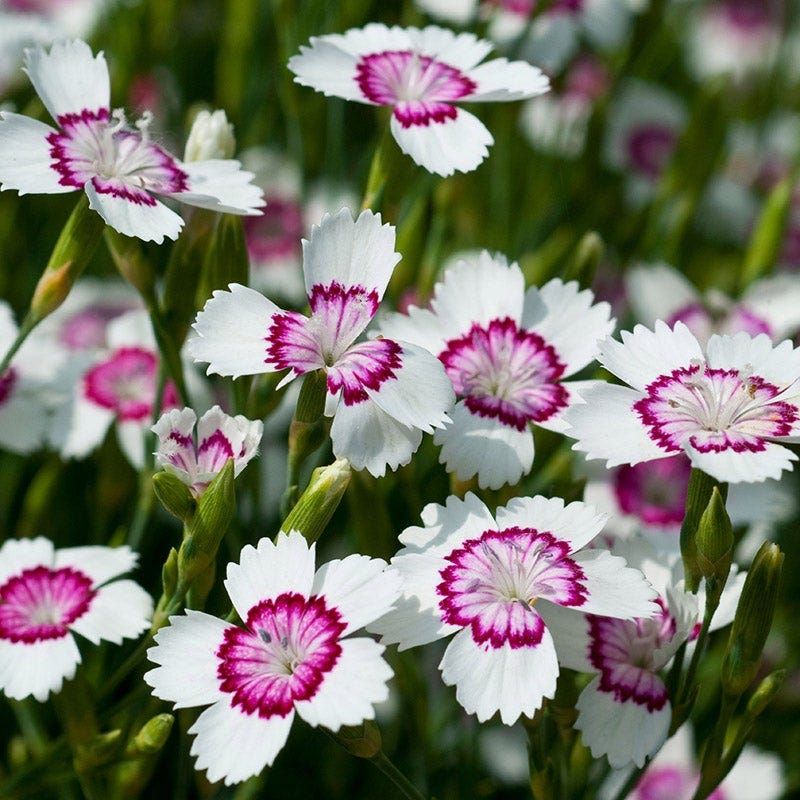
If you have ever leaned down to smell a dianthus flower and been surprised by how strong and sweet it is, you already understand why gardeners have loved this plant for centuries.
Dianthus produces vibrant, fringed blooms with a clove-like scent that fills the garden air. It is one of the most fragrant cool-season flowers you can plant in Pennsylvania this April.
Dianthus is very cold-tolerant and handles the unpredictable spring weather that Pennsylvania gardeners know all too well. It can shrug off a late frost and keep right on blooming.
This toughness makes it one of the most dependable early-season plants in the garden. Plant dianthus in full sun with well-draining soil for best results. It does not like soggy roots, so avoid planting in low spots where water tends to collect.
Raised beds and rock gardens are excellent spots for dianthus because they offer the drainage it craves. It works beautifully as a border plant too, forming neat mounds of color.
Water at the base of the plant rather than overhead to help prevent disease. Fertilize lightly in spring and again after the first bloom cycle.
Deadheading spent flowers encourages a second or even third round of blooms. Dianthus comes in shades of red, pink, white, and bicolor, and some varieties have beautiful striped or spotted patterns. It is a standout addition to any Pennsylvania spring garden.
7. Larkspur
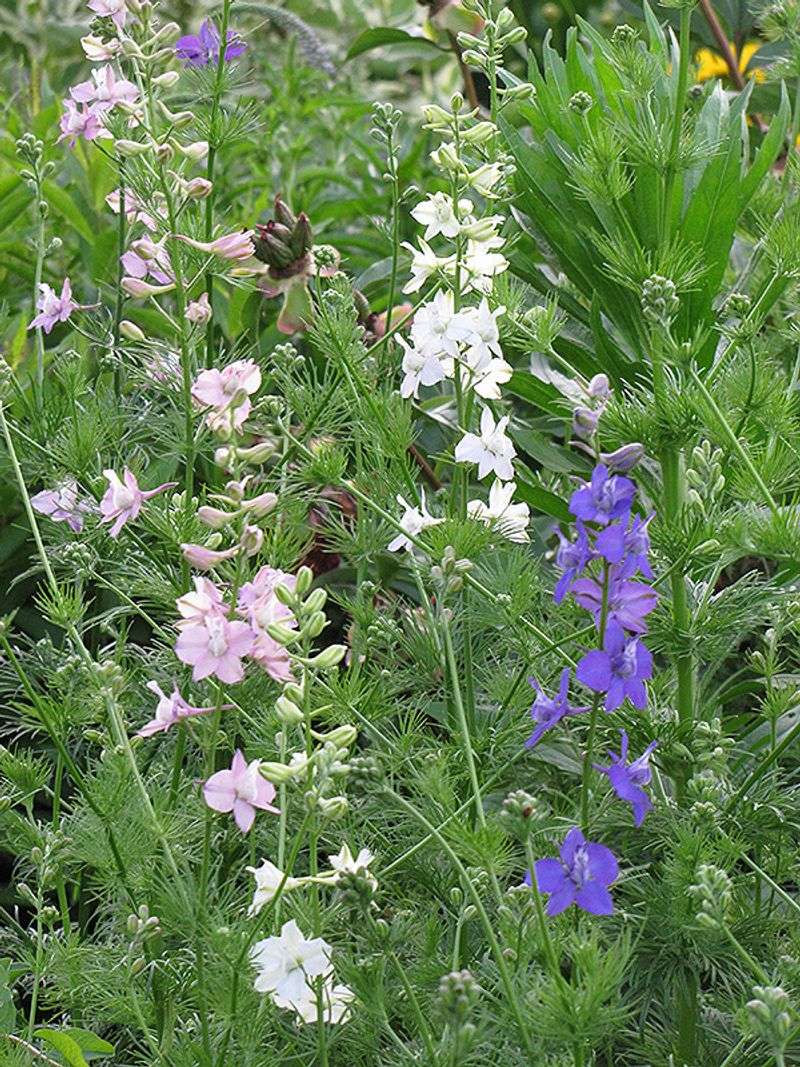
There is something almost old-fashioned and romantic about larkspur. Its tall, elegant spikes of blue, purple, pink, and white flowers have been a staple of cottage gardens for generations.
If you want to add a little charm and height to your Pennsylvania spring garden, larkspur is exactly what you are looking for.
Larkspur is a cool-season annual, which means it thrives in the chilly temperatures of early spring and tends to fade as summer heat arrives. That makes April the ideal time to direct sow seeds in Pennsylvania.
Scatter them directly in the garden bed, press them lightly into the soil, and keep them moist. They need a cold period to germinate well, so spring planting works perfectly.
Choose a spot with full sun and well-draining soil. Larkspur does not transplant well, so sowing seeds directly where you want them to grow is the best approach.
Thin seedlings to about a foot apart once they sprout so each plant has enough room to grow tall and strong.
Larkspur can reach two to four feet in height, making it a dramatic backdrop for shorter flowers in a mixed border. It pairs especially well with pansies, violas, and dianthus for a layered cottage-garden effect.
Once established, it needs minimal care beyond occasional watering. In Pennsylvania, larkspur often reseeds itself, giving you a natural return performance the following spring.
8. Bleeding Heart
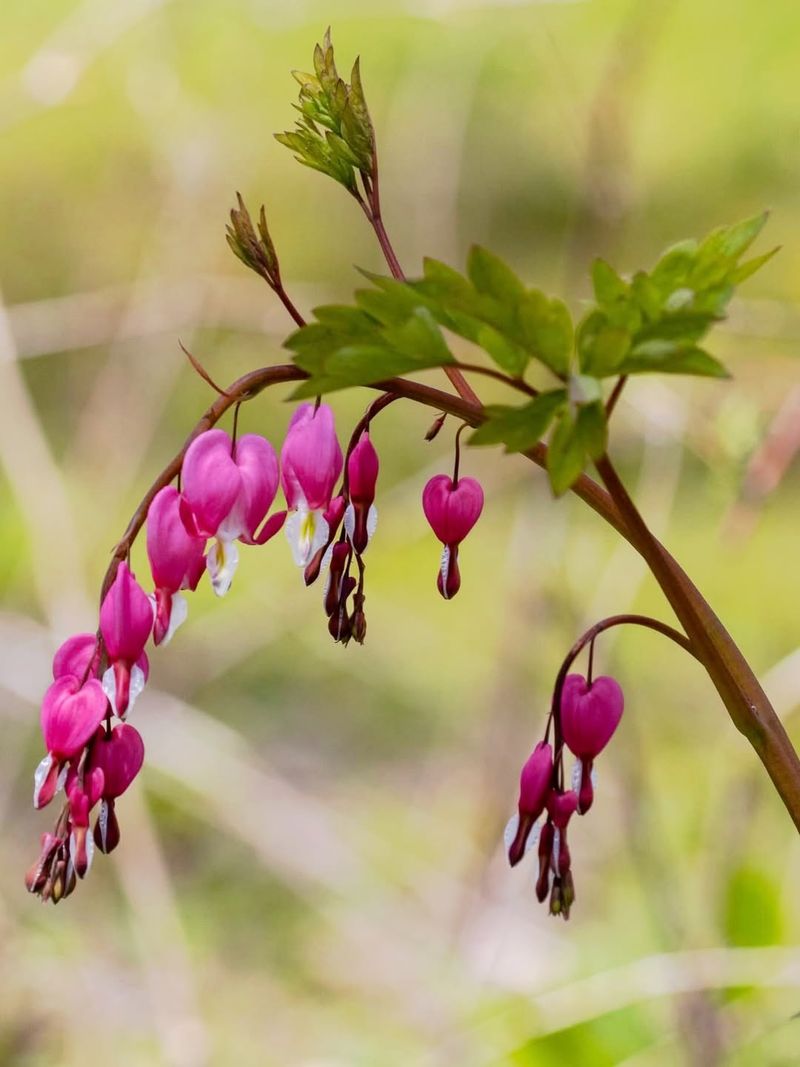
Few plants stop visitors in their tracks quite like a bleeding heart in full bloom. Its graceful, arching stems carry rows of perfectly heart-shaped flowers in soft pink and white, hanging like tiny pendants in the spring breeze.
It is one of the most beloved classic perennials for Pennsylvania gardens, and April is exactly when it shines brightest.
Bleeding heart, known scientifically as Lamprocapnos spectabilis, thrives in the cool, moist conditions that Pennsylvania’s spring weather provides.
It is especially well-suited for shaded or partly shaded spots, like areas under trees or along the north side of a house where other flowers might struggle. If you have a challenging shady corner in your garden, this is your answer.
Plant bleeding heart in rich, well-draining soil amended with compost. Keep the soil consistently moist but never waterlogged.
Once established, it is a reliable perennial that comes back every spring with minimal effort on your part. It pairs beautifully with hostas, ferns, and astilbe in a shade garden setting.
After the blooms fade in late spring or early summer, the foliage will naturally die back. Plan ahead by planting summer perennials or annuals nearby to fill the gap.
Bleeding heart can live for many years in Pennsylvania gardens with just a little basic care. Its unique, whimsical flowers make it one of the most memorable plants you can grow, and every garden deserves at least one.