The Best Food To Feed Cardinals In Pennsylvania (And Make Them Stay All Season)
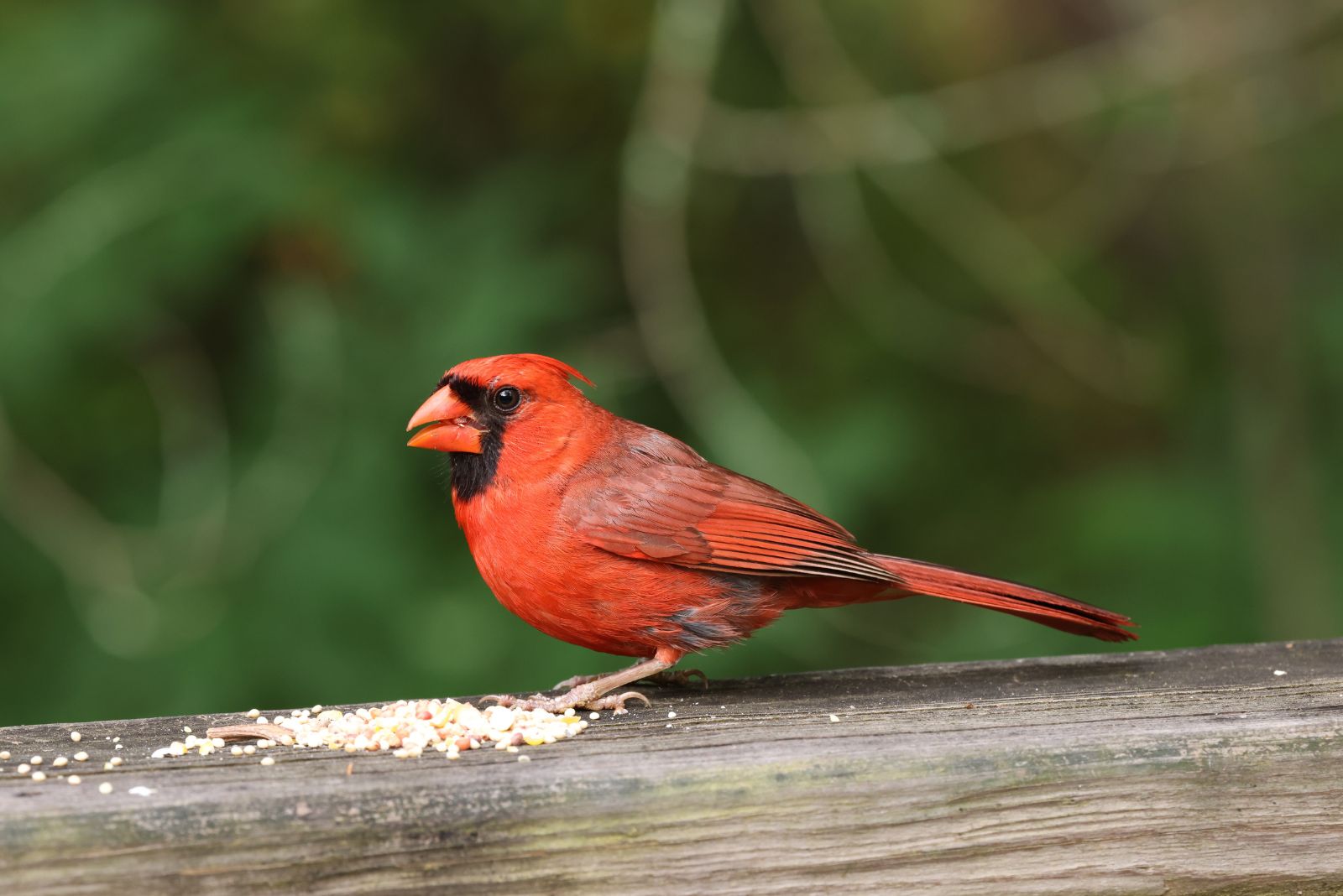
There is something about spotting a bright red cardinal in the yard that never gets old. In Pennsylvania, these birds bring a burst of color to every season, but once they start showing up regularly, most people want to know the same thing.
How do you keep them coming back? The answer has a lot to do with what is in the feeder.
Cardinals are not especially shy once they find a yard they like, but they are picky enough that the wrong food can send them elsewhere pretty quickly.
That is why choosing the best food matters more than many people realize. A feeder filled with the right seeds can turn a random visit into a daily routine, especially when cardinals know they can count on an easy, reliable meal.
The fun part is that it does not take anything fancy or complicated to make your yard more appealing.
With a few smart choices, you can create a setup that keeps these beautiful birds nearby through spring, summer, fall, and even the colder months. Once they settle in, your backyard can feel a whole lot livelier.
1. Black Oil Sunflower Seeds
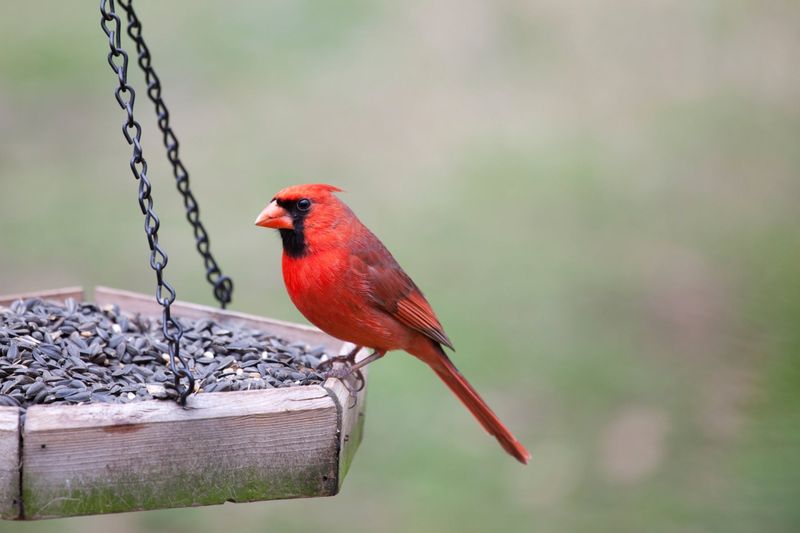
Ask any experienced bird watcher in Pennsylvania what the number one cardinal food is, and they will almost always say the same thing: black oil sunflower seeds. These small, dark seeds are packed with fat and protein, giving cardinals the energy they need to stay active through all four seasons.
Cardinals are not picky eaters, but when black oil sunflower seeds are available, they will keep coming back for more.
What makes these seeds so special is their thin shell. Cardinals have strong, cone-shaped beaks built perfectly for cracking open seeds.
Black oil sunflower seeds are much easier to crack than other seed types, which means less work for the bird and more time at your feeder. That is great news if you want to watch them linger a little longer.
You can offer these seeds in a tube feeder, hopper feeder, or platform feeder. Platform feeders work especially well because cardinals prefer to feed with plenty of space around them.
Place your feeder near shrubs or low-hanging branches so the birds feel safe while eating.
In Pennsylvania, cardinals stay active even during cold winters, so keeping your feeder stocked year-round is important. Black oil sunflower seeds do not spoil quickly, making them easy to store in a cool, dry place.
Buying in bulk can also save you money over time. If you want to attract more cardinals to your yard consistently, this seed is the best place to start.
2. Safflower Seeds
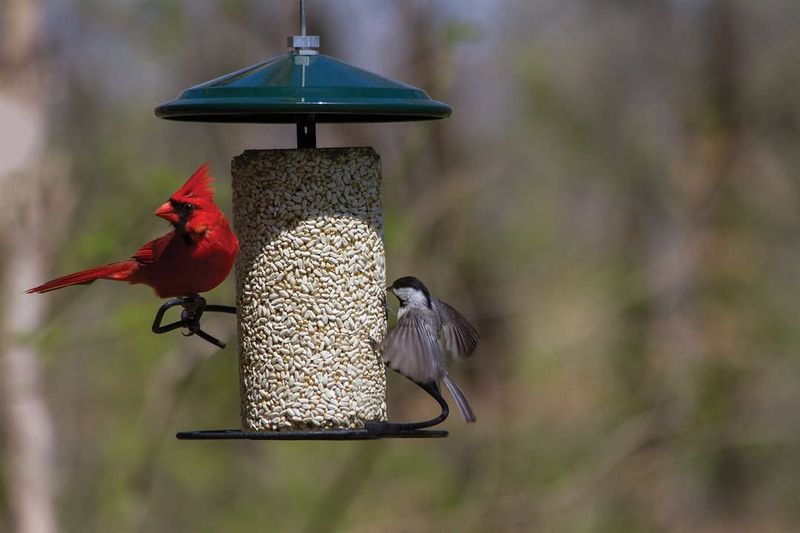
Safflower seeds might not get as much attention as sunflower seeds, but they are a secret weapon for Pennsylvania bird lovers who want more cardinals and fewer unwanted guests.
Cardinals absolutely love safflower seeds, but many nuisance birds like starlings and grackles tend to avoid them.
That means offering safflower is one of the smartest ways to attract cardinals specifically without turning your yard into a free-for-all feeding station.
These seeds are round, white, and slightly bitter, which is exactly why most squirrels and pesky birds leave them alone. Cardinals, on the other hand, do not mind the taste at all.
Their thick beaks handle the hard shell with ease, and the high fat content makes safflower a nutritious and satisfying meal. Many bird enthusiasts across Pennsylvania have switched to safflower as their go-to seed for this very reason.
Safflower works well in tube feeders, hopper feeders, and platform feeders. You can also mix it with black oil sunflower seeds to create a powerful blend that cardinals will love. Just be sure to keep the feeder clean and dry to prevent mold from forming on the seeds.
One bonus tip: if you have been struggling to keep squirrels away from your feeders, safflower is one of the few seeds they tend to skip. That alone makes it worth trying.
Adding safflower seeds to your Pennsylvania backyard setup could be the game-changer that finally brings a steady stream of cardinals your way all season long.
3. Cracked Corn
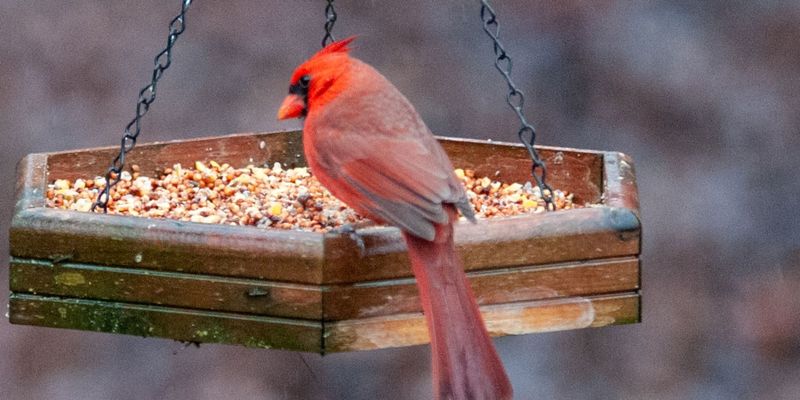
Not every bird feeding setup needs to be expensive, and cracked corn proves that point perfectly. Cardinals enjoy cracked corn, and it is one of the most affordable options you can find at any feed store or garden center in Pennsylvania.
If you are feeding birds on a budget, cracked corn is a solid choice that still gets results. Just keep in mind that it works best when paired with higher-quality seeds rather than used on its own.
Cardinals tend to prefer feeding close to the ground or on flat surfaces, which makes cracked corn an ideal match for platform feeders or ground feeding stations.
You can scatter a small amount directly on the ground under a tree or shrub, and cardinals will often hop around and pick through it happily.
Just avoid placing too much at once, since leftover corn can get wet and attract mold or unwanted pests.
One thing to watch for is that cracked corn also attracts other birds like sparrows, doves, and jays. That is not necessarily a bad thing, but if you want to focus specifically on cardinals, mix the corn with safflower seeds to keep the balance in your favor.
Keeping the feeding area tidy also helps reduce competition.
During the colder months in Pennsylvania, cracked corn can give cardinals a quick energy boost when other food sources are scarce.
It is not the most nutrient-dense option on this list, but when offered alongside better seeds, it adds helpful variety to your feeder and gives cardinals another reason to visit your yard regularly.
4. Peanuts
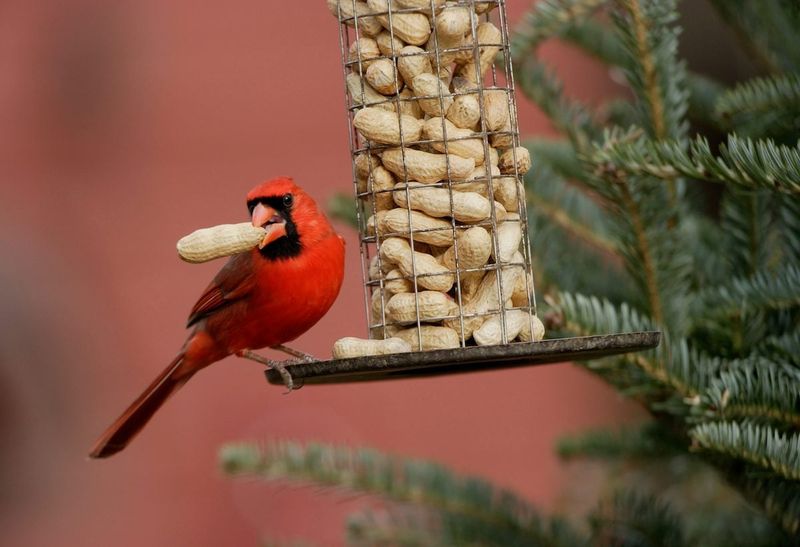
Peanuts are like a power snack for cardinals, and once you start offering them, you will notice the birds coming back more often and staying longer. Shelled, unsalted peanuts are the way to go.
Salted peanuts can be harmful to birds, so always make sure you are buying the plain, raw variety. Cardinals will crack and eat peanut pieces with enthusiasm, especially when the weather turns cold and they need extra fuel.
The protein and healthy fat content in peanuts makes them especially valuable during two key times of year: the breeding season in spring and the colder months of fall and winter. During breeding season, cardinals need high-protein food to feed their chicks and keep their own energy up.
In winter, the extra fat helps them stay warm during Pennsylvania’s chilly nights and freezing temperatures.
You can offer shelled peanuts in a platform feeder, a mesh feeder, or simply scatter them on a flat surface near your other feeders. Make sure the peanuts are fresh and dry.
Stale or moldy peanuts should be removed right away to protect the birds. Buying peanuts in small batches is a good habit until you know how quickly your local cardinals go through them.
Did you know that cardinals are known to cache food, meaning they sometimes hide seeds and nuts for later? Peanuts are a great option for this behavior.
Watching a cardinal tuck a peanut piece under a leaf or into a crack in the bark is one of the more delightful backyard moments Pennsylvania bird watchers get to enjoy.
5. Sunflower Hearts
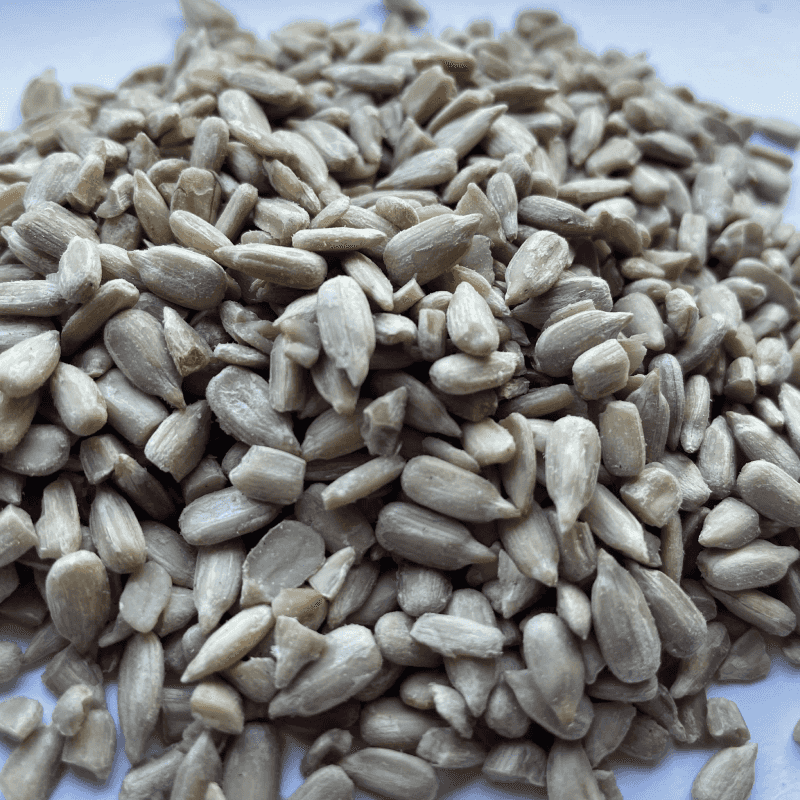
Sunflower hearts are basically black oil sunflower seeds with all the hard work already done for you. The shell has been removed, leaving behind the soft, nutritious inner seed that cardinals find irresistible.
For birds, this means faster feeding and more energy gained per visit. For you, it means less shell debris scattered under your feeder, which is a welcome bonus if you care about keeping your Pennsylvania yard tidy.
Because there are no shells to crack, cardinals can eat sunflower hearts much more quickly than whole seeds. This makes them a favorite among birds that visit frequently throughout the day.
If you want to encourage more visits and watch cardinals linger at your feeder, sunflower hearts are one of the most effective options available. They are especially popular with female cardinals, who tend to be a little more cautious and appreciate easy-to-eat food.
One thing to keep in mind is that shelled seeds can go bad faster than whole seeds because moisture gets in more easily.
During humid Pennsylvania summers, check your feeder every few days and replace the seeds if they look clumped or smell off. Using a feeder with a cover or roof can help protect the seeds from rain.
Sunflower hearts work well in tube feeders, hopper feeders, and platform feeders. They are a slightly pricier option compared to whole seeds, but the reduced mess and increased bird activity make them well worth the investment.
Many Pennsylvania backyard birders consider sunflower hearts their go-to upgrade once they get serious about attracting cardinals.
6. Berries (Fresh Or Dried)
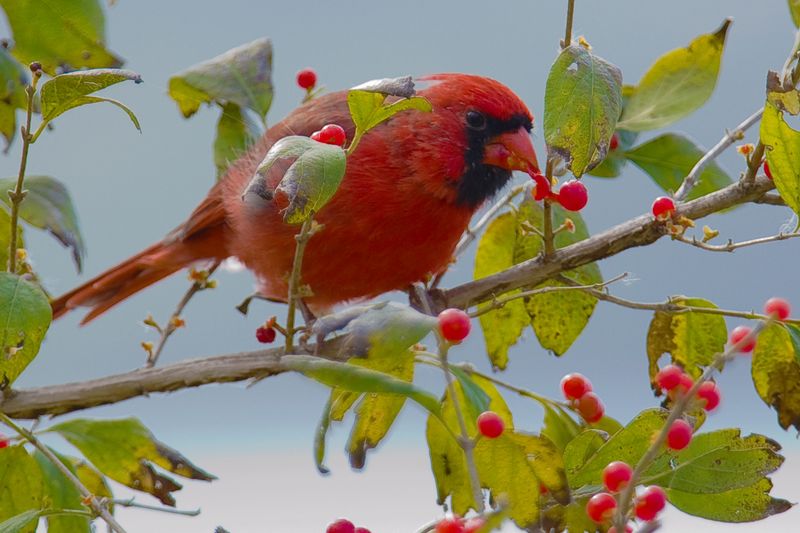
Cardinals are not just seed eaters. Out in the wild, they naturally snack on a wide variety of fruits and berries, and you can bring that same natural variety right to your Pennsylvania backyard.
Blueberries, raisins, chopped grapes, and dried cranberries are all foods that cardinals enjoy. Offering berries alongside seeds is a great way to mimic their natural diet and give them a more balanced nutritional boost throughout the year.
Fresh berries work wonderfully in spring and summer when fruit is abundant. You can place a small dish of blueberries or halved grapes on a platform feeder and watch cardinals discover them.
Dried fruits like raisins and currants are convenient year-round options because they store easily and do not spoil as quickly. Just make sure any dried fruit you offer is free of added sugar, sulfites, or artificial preservatives, which can be harmful to birds.
One fun approach is to plant native berry-producing shrubs in your Pennsylvania yard. Plants like dogwood, elderberry, and serviceberry naturally attract cardinals and give them a living food source they can return to again and again.
This also makes your yard more beautiful and supports the local ecosystem at the same time.
Cardinals that have access to fruit tend to be healthier and more vibrant in color, especially the males. The pigments found in berries contribute to the rich red feathers that make Northern Cardinals so recognizable.
Feeding berries is not just good for the birds. It also makes your backyard visits more colorful and exciting throughout every season in Pennsylvania.
7. Suet (Especially In Cooler Months)
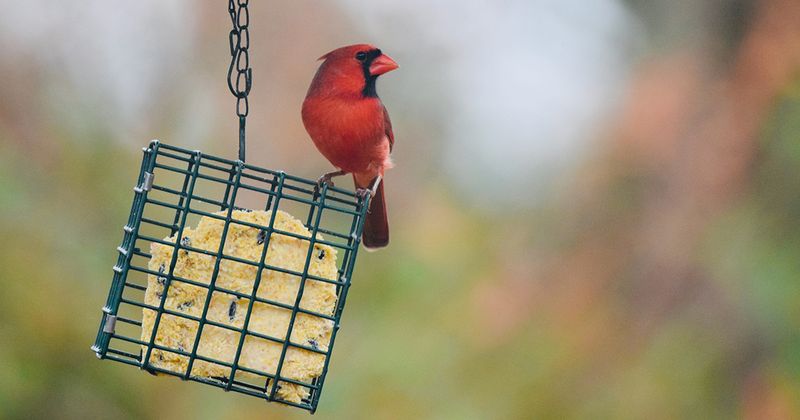
When the temperatures drop in Pennsylvania and food becomes harder to find, suet becomes one of the most valuable things you can put out for cardinals. Suet is a high-energy food made from rendered animal fat, often mixed with seeds, nuts, or dried berries.
It packs a serious caloric punch, which helps birds like cardinals maintain their body heat and stay strong through cold weather. Early spring and fall are especially good times to offer suet, when birds are either recovering from winter or preparing for it.
Cardinals are not the most common suet feeders compared to woodpeckers or nuthatches, but they will visit suet cages when the weather is cool and energy demands are high. Choosing a suet blend that includes sunflower seeds, peanuts, or dried berries will make it even more appealing to them.
Avoid offering suet during the hottest summer months in Pennsylvania, since it can melt and become rancid in high heat, which is harmful to birds.
Suet cages are inexpensive and easy to hang from a tree branch or shepherd’s hook near your other feeders. Placing the cage close to cover like dense shrubs or evergreen trees gives cardinals a sense of safety while they feed.
The combination of suet near natural shelter is a proven strategy for bringing more birds into your yard during the colder seasons.
Many wild bird supply stores across Pennsylvania carry a wide variety of suet blends. Trying a few different types can help you figure out which one your local cardinals prefer.
Once you find the right blend, suet can become a reliable and much-loved part of your year-round feeding routine.