The Best Food To Feed Pennsylvania Birds In The Spring (And Make Them Stay)
Spring is the perfect time to watch your Pennsylvania backyard come alive with birds. As temperatures warm up, local songbirds, robins, and other feathered friends are looking for food to fuel their busy nesting and migration schedules.
If you want to attract and keep them around, providing the right food is essential. But it’s not just about offering any birdseed; the type of food you provide can make all the difference in luring in a variety of species and keeping them coming back for more.
In Pennsylvania, the right mix of seeds, suet, and fruit can draw in everything from vibrant finches to beautiful woodpeckers. Certain foods help provide the energy birds need for their busy spring activities, while also supporting their health and survival.
Whether you’re a seasoned birdwatcher or a beginner, learning what to feed them this spring will ensure your backyard becomes their favorite hangout spot all season long.
1. Suet Cakes
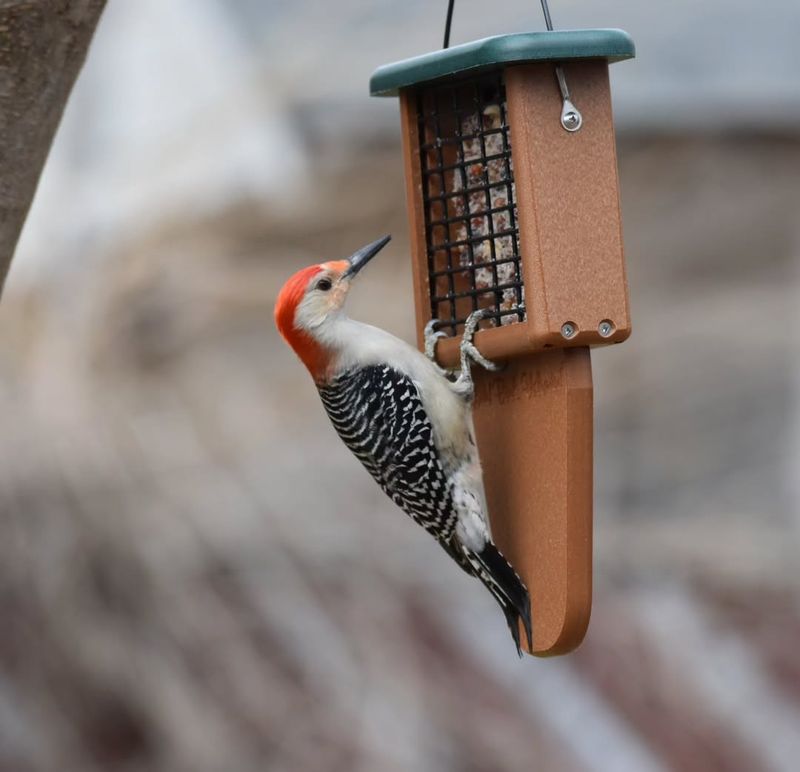
Walk outside on a crisp Pennsylvania spring morning and you might spot a downy woodpecker clinging to a suet feeder, pecking away like it has not eaten in days. That is the magic of suet cakes.
They are one of the best foods you can offer birds during the spring season, and once birds find them, they keep coming back.
Suet is basically rendered animal fat, and it is packed with calories. Birds like woodpeckers, nuthatches, and chickadees burn a lot of energy during the spring breeding season.
They need those extra calories to build nests, find mates, and raise their young. Suet gives them exactly what they need in a quick, easy-to-eat form.
You can find suet cakes at most garden centers and hardware stores across Pennsylvania. Many suet cakes come with added ingredients like seeds, berries, or even insects to make them even more appealing.
Look for varieties with no artificial flavors or preservatives to keep things as natural as possible.
Hang your suet feeder from a tree branch or a shepherd’s hook in a shaded spot. Direct sunlight can cause suet to melt and go rancid quickly, especially on warmer spring days. A cage-style suet feeder works best because it keeps the cake secure while birds feed.
One fun thing about suet feeders is that they attract a wide variety of birds. You might see red-bellied woodpeckers, white-breasted nuthatches, Carolina wrens, and even starlings all sharing the same feeder. Spring is a great time to watch the action.
2. Black Oil Sunflower Seeds
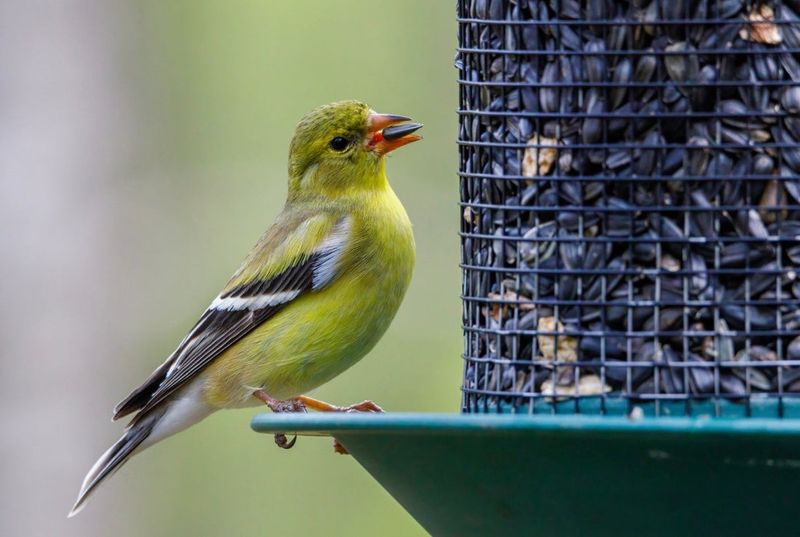
Ask any experienced bird watcher in Pennsylvania what one food they would never go without, and most will say black oil sunflower seeds without hesitation. These small, dark seeds are basically a universal bird food.
Almost every backyard bird species in Pennsylvania will eat them, which makes them the best bang for your buck at the feeder.
What makes black oil sunflower seeds so popular with birds? It comes down to their thin shells and high oil content.
The shells are easy for even small birds to crack open, and the seeds inside are rich in fat and protein. Cardinals, house finches, goldfinches, chickadees, nuthatches, and sparrows all go absolutely wild for them.
Spring is the perfect time to load up your feeder with these seeds. Birds returning from migration need quick energy to recover from their long flights.
Nesting birds need protein to help their eggs develop and to feed their chicks. Black oil sunflower seeds deliver on both counts.
You can use a tube feeder, a hopper feeder, or even a simple platform feeder to serve these seeds. They work well in almost any feeder style.
Just make sure to clean your feeder regularly to prevent mold and bacteria from building up, especially during Pennsylvania’s rainy spring weeks.
Buying in bulk is a smart move if you plan to keep feeders stocked all season. Many farm supply stores and pet shops throughout Pennsylvania sell large bags at a reasonable price.
Your backyard birds will thank you for it.
3. Niger (Thistle) Seed
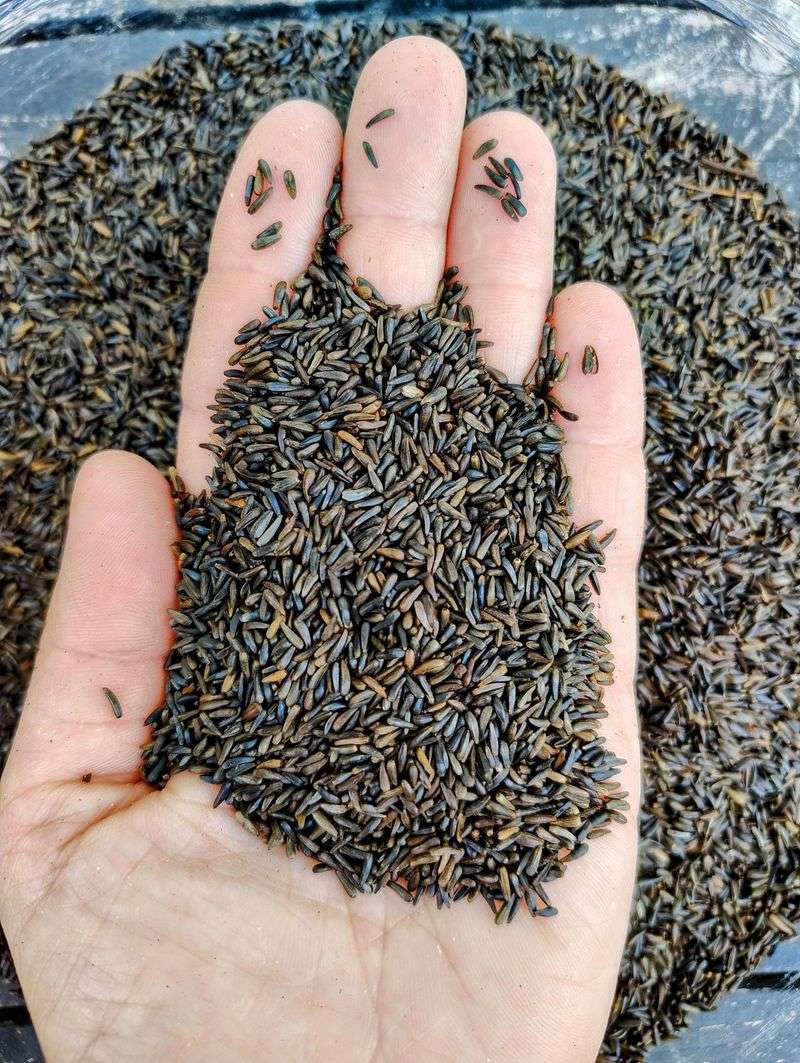
There is something almost magical about watching a bright yellow American Goldfinch land on a feeder in spring.
If you want to attract these stunning little birds to your Pennsylvania yard, niger seed is your secret weapon. Also called thistle seed, this tiny black seed is a goldfinch’s absolute favorite food.
Niger seed is imported from Africa and Asia, which is why it is sometimes pricier than other bird foods. But the payoff is worth every penny.
American Goldfinches, pine siskins, and common redpolls flock to niger seed feeders. During spring migration in Pennsylvania, you might see dozens of goldfinches visiting your yard at once, which is quite a sight.
You will need a special feeder to serve niger seed properly. Tube feeders with small ports or mesh sock feeders work best because the seeds are so tiny they fall right through standard feeder openings.
Mesh feeders let birds cling to the sides and pick seeds from any angle, which finches seem to love.
One thing to keep in mind is that niger seed can go stale if it sits in the feeder too long without being eaten. Fresh seed has a slight oily texture to it.
If the seed looks dry or dusty, replace it with a fresh batch. Keeping the seed fresh is key to keeping those colorful finches coming back.
Pennsylvania spring is truly the best time to put out a niger feeder. Goldfinches are transitioning into their bright breeding plumage, and they are actively looking for reliable food sources. Give them a reason to stay in your yard all season long.
4. Fruit (Apples, Oranges, Grapes)
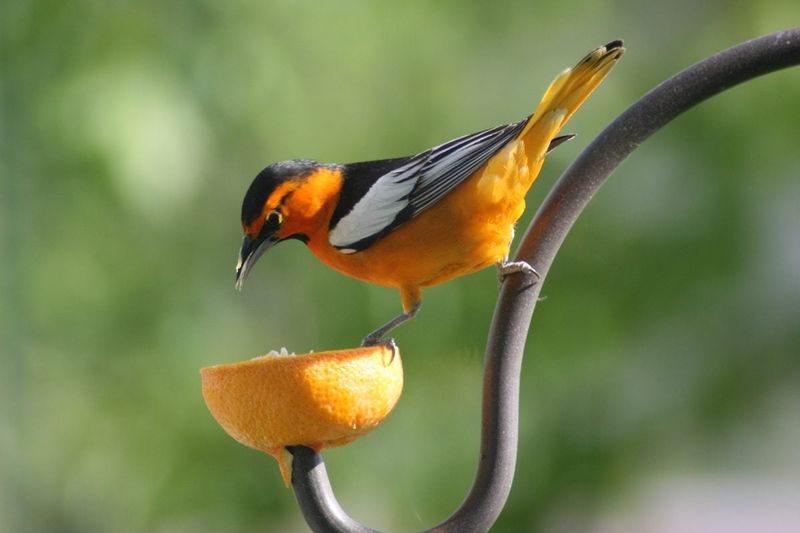
Few things are more exciting for a Pennsylvania bird watcher than spotting a brilliant orange Baltimore Oriole at the feeder. And the best way to lure one in?
Fresh fruit. Orioles have a well-known love affair with oranges, and they will visit your yard again and again if you keep a steady supply of halved citrus on offer.
But orioles are not the only ones who appreciate a fruity snack. American robins, gray catbirds, cedar waxwings, and thrushes also enjoy fresh fruit, especially early in the spring when insects are still scarce.
Fruit gives these birds a quick source of natural sugars, hydration, and vitamins when they need it most.
Setting up a fruit station is simple and inexpensive. Cut oranges in half and spike them onto a nail or skewer on a platform feeder.
Slice apples into quarters and lay them out on a flat surface. Halved grapes work wonderfully too, especially for smaller birds that might struggle with larger pieces of fruit.
Try to replace the fruit every day or two, especially during warmer Pennsylvania spring days when fruit spoils faster. Old, fermented fruit can make birds sick, so freshness matters.
Avoid fruit that has been treated with pesticides or wax coatings. Organic fruit is the safest choice if you can find it.
Placing your fruit feeder near a tree or shrub gives birds a place to perch nearby and feel safe while they eat. Once orioles discover your yard, they tend to return to the same spots year after year, which means your spring fruit station could become a beloved tradition.
5. Peanuts (Unsalted)
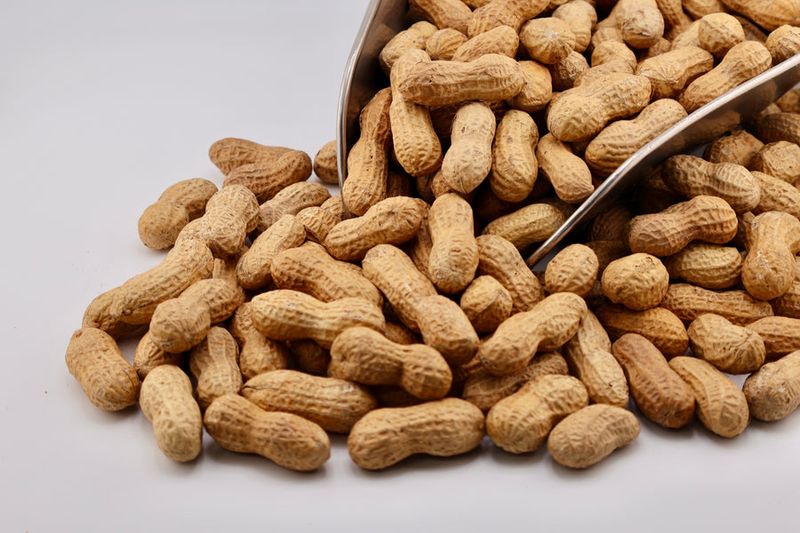
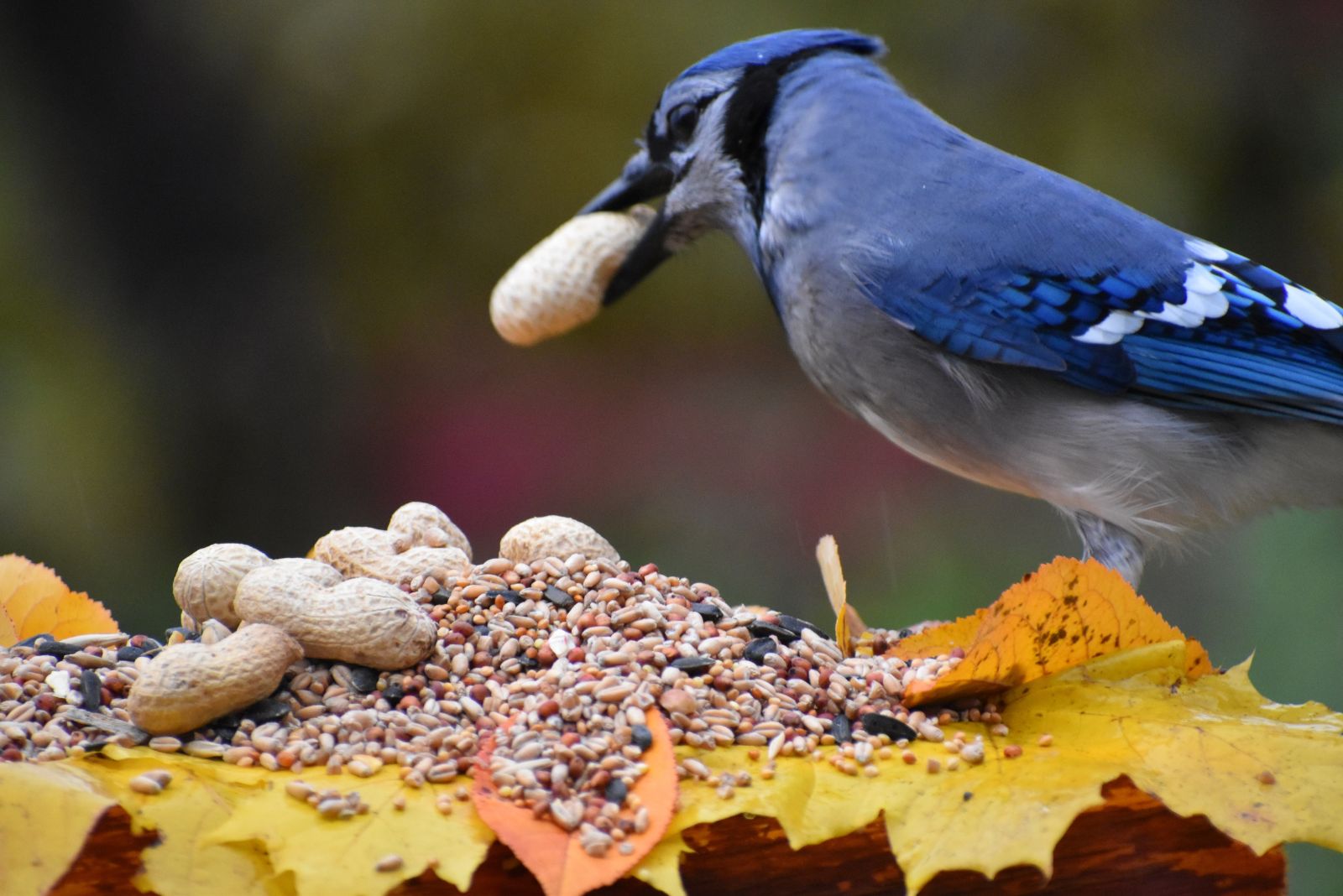
Blue jays are bold, loud, and absolutely obsessed with peanuts. If you have ever tossed a handful of peanuts into your yard, you already know how fast these flashy birds show up.
Peanuts are one of the most protein-packed and fat-rich foods you can offer Pennsylvania birds in the spring, and they attract an impressive variety of species.
Woodpeckers, tufted titmice, chickadees, nuthatches, and even crows will visit a peanut feeder. The key is to always use unsalted, unroasted peanuts.
Salted peanuts can be harmful to birds because their bodies are not built to handle high amounts of sodium. Plain raw peanuts are the way to go.
You can offer peanuts in a mesh feeder, a platform feeder, or even scattered on a flat surface like a deck railing. Whole peanuts in the shell work great for blue jays and larger birds.
Shelled peanut pieces are easier for smaller birds like chickadees and titmice to handle. Offering both types can attract a wider range of visitors.
Spring is a great time to put out peanuts because birds are busy building nests and raising chicks. They need high-energy food to keep up with all that activity.
Peanuts provide a concentrated source of nutrition that birds can grab quickly and carry back to their young.
Did you know blue jays sometimes bury peanuts to save for later? Watching a jay stuff its throat pouch with three or four peanuts at once before flying off is one of the funniest and most entertaining things you will see at a Pennsylvania feeder this spring.
6. Mealworms (Live Or Dried)
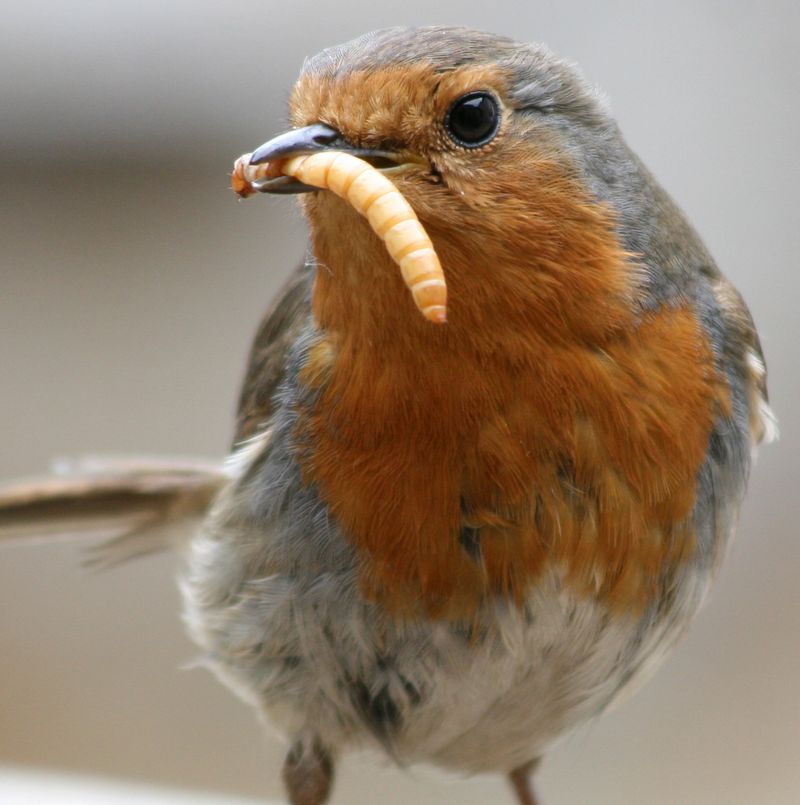
Eastern Bluebirds are one of Pennsylvania’s most beloved spring visitors, and if you want to attract them up close, mealworms are your best tool. These little worm-like larvae are basically irresistible to insect-eating birds.
Once a bluebird discovers your mealworm dish, it will return every single day like clockwork.
Mealworms are the larvae of a beetle called the darkling beetle. They are packed with protein, moisture, and fat, making them an ideal food for birds during the busy spring breeding season.
Bluebirds, Carolina wrens, American robins, and even some warblers will happily snack on mealworms when they are available.
You can offer mealworms either live or dried. Live mealworms are more attractive to birds because they wiggle and catch a bird’s attention from a distance.
However, dried mealworms are easier to store and still work very well. Some bird watchers rehydrate dried mealworms in a little water before serving to make them more appealing.
A shallow ceramic or plastic dish makes a great mealworm feeder. Place it on a post or platform where birds can easily spot it.
You do not need a special feeder, just something that keeps the mealworms contained and visible. Bluebirds especially like open dishes with a clear sightline around them.
Spring is when mealworms matter most in Pennsylvania. Female bluebirds are laying eggs and need protein-rich food to stay strong.
Offering mealworms during this time can genuinely help support local bluebird populations and give you a front-row seat to one of nature’s most colorful shows right in your own backyard.
7. Corn (Cracked Or Whole)
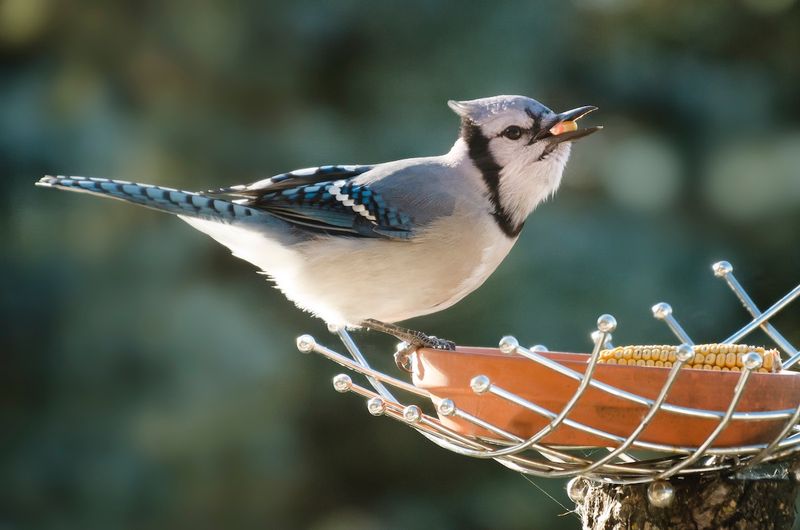
Not every bird in Pennsylvania prefers to eat from a hanging feeder. Plenty of species spend most of their time on the ground, scratching through leaves and soil for food.
For these birds, cracked corn is a perfect offering. Spread it on the ground or on a low platform feeder and you will quickly attract a whole different crowd of backyard visitors.
Mourning doves, dark-eyed juncos, house sparrows, and song sparrows all love cracked corn. In more rural parts of Pennsylvania, you might even attract ring-necked pheasants or wild turkeys if you offer whole corn kernels.
Ground-feeding birds tend to be more wary than feeder birds, so placing corn in a quiet, open area gives them the space they need to feel comfortable.
Cracked corn is affordable and easy to find at farm supply stores, feed stores, and garden centers across Pennsylvania. It is a filling food that provides steady carbohydrate energy, which is helpful during the cool mornings of early spring when birds need fuel to warm up and get moving.
One downside of corn is that it can attract squirrels, raccoons, and other wildlife. If that is a concern, offer smaller amounts at a time and clean up any leftover corn at the end of each day.
Keeping the feeding area tidy also helps prevent mold from forming, which is especially important during wet Pennsylvania spring weather.
Mixing cracked corn with a little millet can make your ground feeding station even more attractive.
Millet is another ground-feeding favorite, and together with corn, it creates a budget-friendly blend that keeps a wide range of Pennsylvania birds well-fed and happy throughout the spring season.