The 7 Best Foods Ohio Bird Feeders Should Use Now And 3 To Avoid
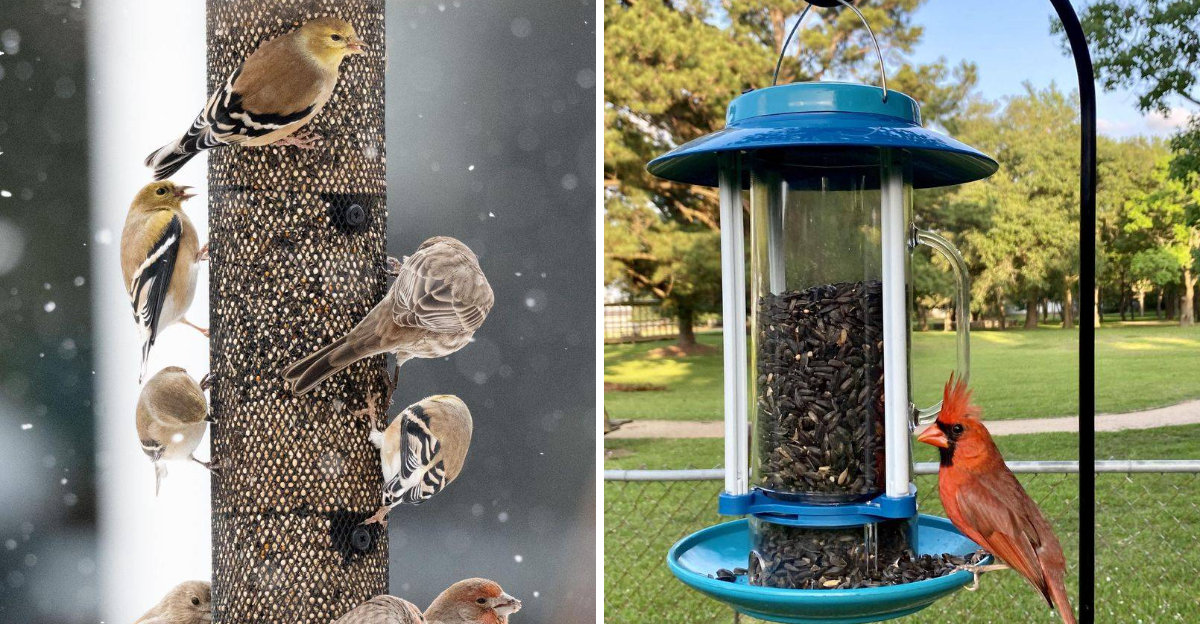
Birds are hungry and winter is still hanging on in Ohio. The right food can keep them strong, active, and coming back to your yard, while the wrong food can do more harm than good.
Gardeners across Ohio are stocking feeders with the best seeds, nuts, and suet to help birds survive the cold and build energy for spring. Sunflower seeds, peanuts, and nyjer are favorites that attract a variety of birds and keep them healthy.
At the same time, some common options can cause problems, so knowing what to skip matters just as much. Using the right mix fills your yard with movement, song, and life even before flowers bloom.
Feeders become a hotspot for birds while supporting local wildlife through the toughest months. Make every scoop count and turn your Ohio garden into a safe haven for winter birds.
1. Black Oil Sunflower Seeds Keep Birds Coming Back
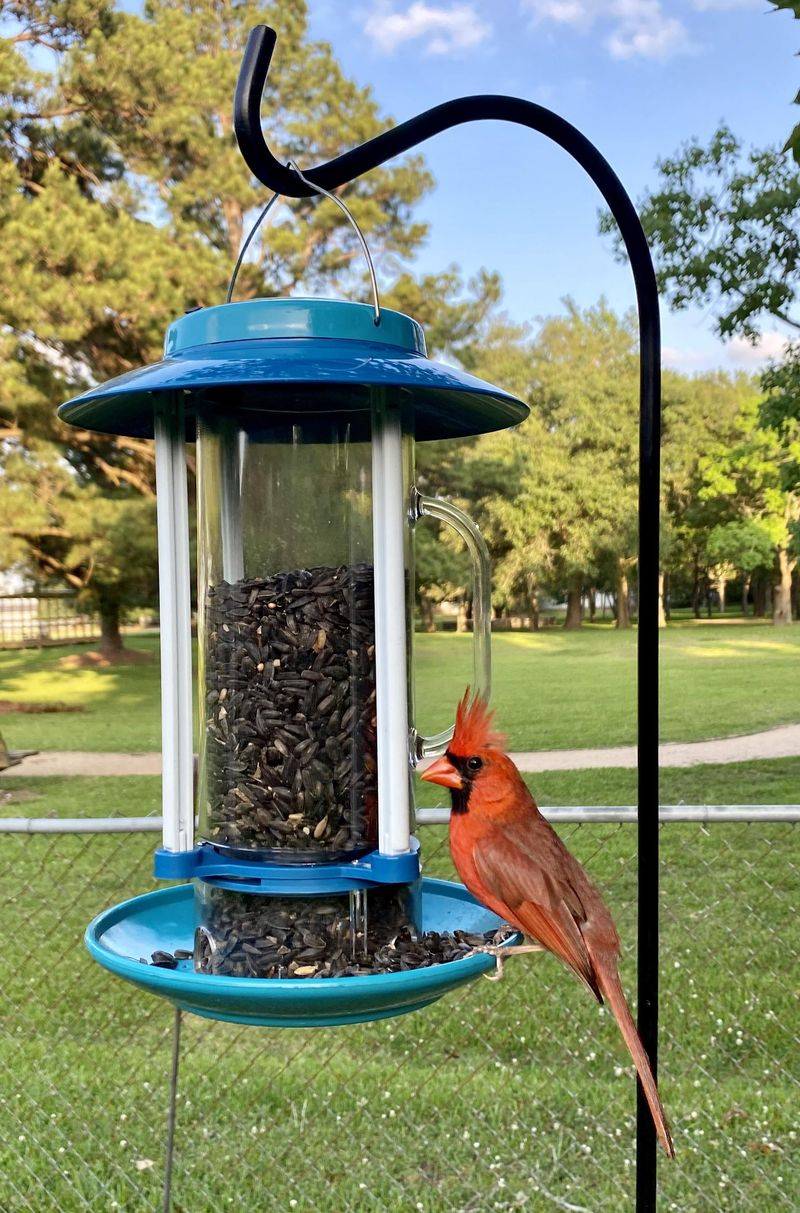
You step outside on a February morning and notice your feeder bustling with activity despite the frost covering your grass. Cardinals flash red against white snow while chickadees dart between branches and feeder perches.
Black oil sunflower seeds draw more bird species to Ohio yards than any other single food you can offer.
These small black seeds pack high oil content that gives birds the fat and protein they need during cold weather. The thin shells crack easily, which means even smaller birds like tufted titmice and nuthatches can access the nutritious kernel inside without wasting precious energy.
Northern cardinals, goldfinches, blue jays, and house finches all favor these seeds over striped varieties.
Many Ohio homeowners choose cheaper striped sunflower seeds thinking they work just as well. While not harmful, striped sunflower seeds have thicker shells and lower oil content, making them less efficient for cold-weather feeding.
Store your black oil seeds in a cool, dry place inside sealed containers to prevent moisture and mold growth that can make birds sick.
You will notice birds visiting your yard more frequently within days of switching to black oil sunflower seeds. Feeders stay busy from dawn until dusk, and you might even spot species you have not seen before as word spreads through the local bird population.
2. Nyjer Seeds Attract Finches Fast
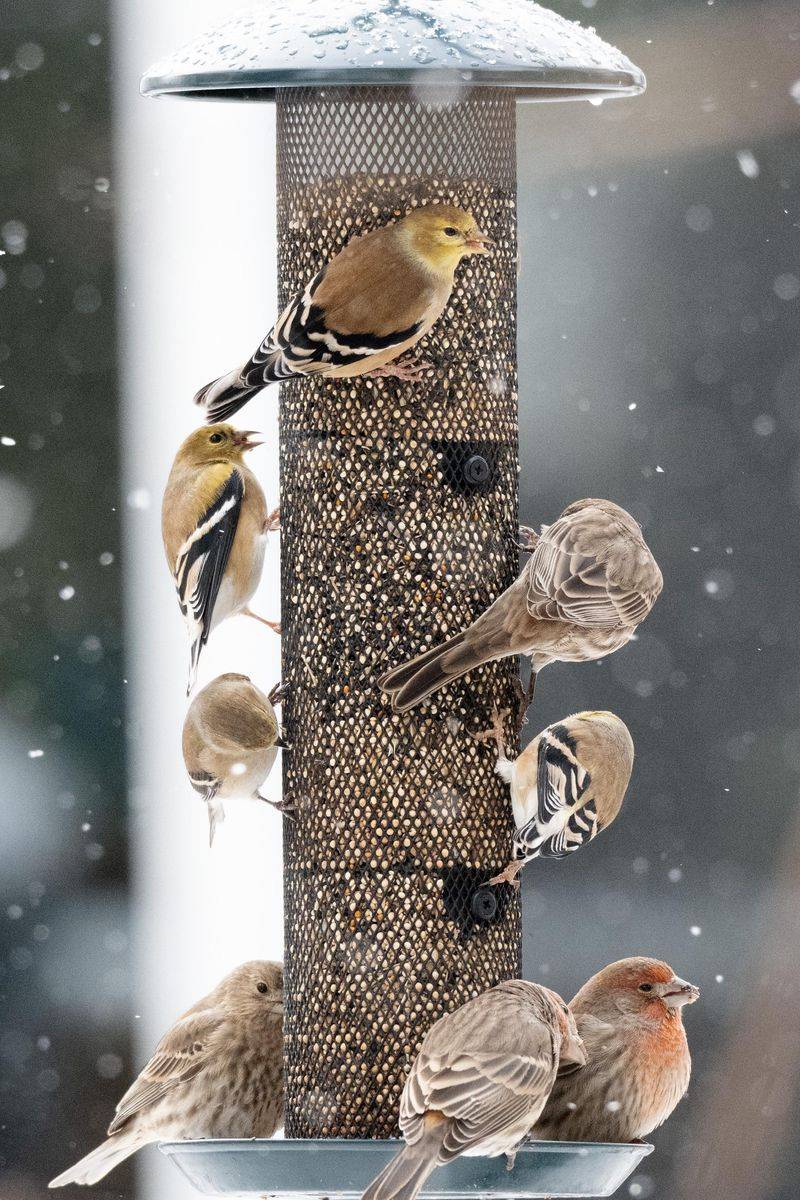
A flash of yellow catches your eye near the back fence where your nyjer feeder hangs. American goldfinches cluster around the tiny feeding ports, their winter plumage still showing hints of the brilliant color they will display come spring.
Nyjer seeds, sometimes called thistle seeds, bring finches to Ohio feeders like nothing else can.
These tiny black seeds are primarily imported from Ethiopia and are heat-sterilized before sale in the United States to prevent unwanted plant growth. Finches have thin, pointed beaks perfectly designed to extract these small seeds from specialized tube feeders with narrow ports.
Purple finches, house finches, and pine siskins also seek out nyjer when they visit Ohio yards during migration periods or winter months.
The biggest mistake homeowners make with nyjer involves using the wrong feeder type. Regular seed feeders with large openings let nyjer spill out and blow away in Ohio winds, wasting your investment.
Tube feeders with small metal ports or mesh sock feeders work best for dispensing these lightweight seeds efficiently.
Keep nyjer seeds dry because they clump and mold easily when exposed to moisture, which makes them unsafe for birds. Check your feeder weekly and replace seeds that look clumped or smell stale.
Within days to a week of hanging a nyjer feeder, many homeowners begin seeing goldfinches investigating, and they will return daily once they recognize your yard as a reliable food source.
3. Peanuts Pack Protein and Fat
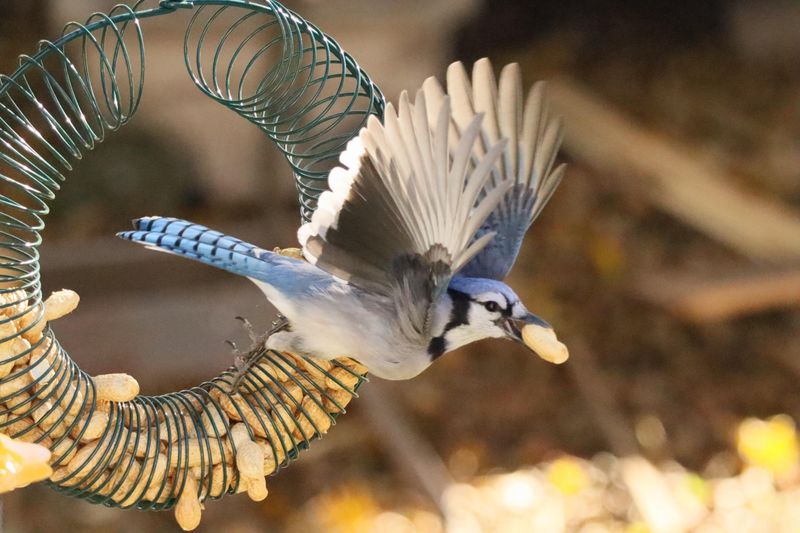
Your platform feeder empties faster than usual, and you spot a blue jay carrying off an entire peanut in its beak. Peanuts provide exceptional nutrition for Ohio birds facing the energy demands of late winter cold.
The protein and fat content in peanuts exceeds most other feeder foods, making them especially valuable when temperatures drop.
Woodpeckers, jays, nuthatches, and chickadees all seek out peanuts eagerly. You can offer them shelled or in the shell, though shelled peanuts reduce mess and let smaller birds access the food more easily.
Some Ohio birders crush peanuts into smaller pieces for birds that cannot handle whole nuts.
Raw, unsalted peanuts work best for bird health. Never use roasted, salted, or flavored peanuts from your pantry because the salt and seasonings harm birds.
Buy peanuts specifically labeled for wildlife feeding from farm stores or bird supply retailers. Store them in airtight containers to prevent mold growth, which produces aflatoxins dangerous to birds.
Platform feeders or specialized peanut feeders with wire mesh work well for dispensing whole or crushed nuts. You might notice squirrels competing for peanuts too, so consider using a squirrel baffle if you want to reserve more for your feathered visitors.
Birds learn quickly where reliable peanut sources exist, and repeat customers will visit your yard throughout the season.
4. Suet Cakes Fuel Cold-Weather Birds
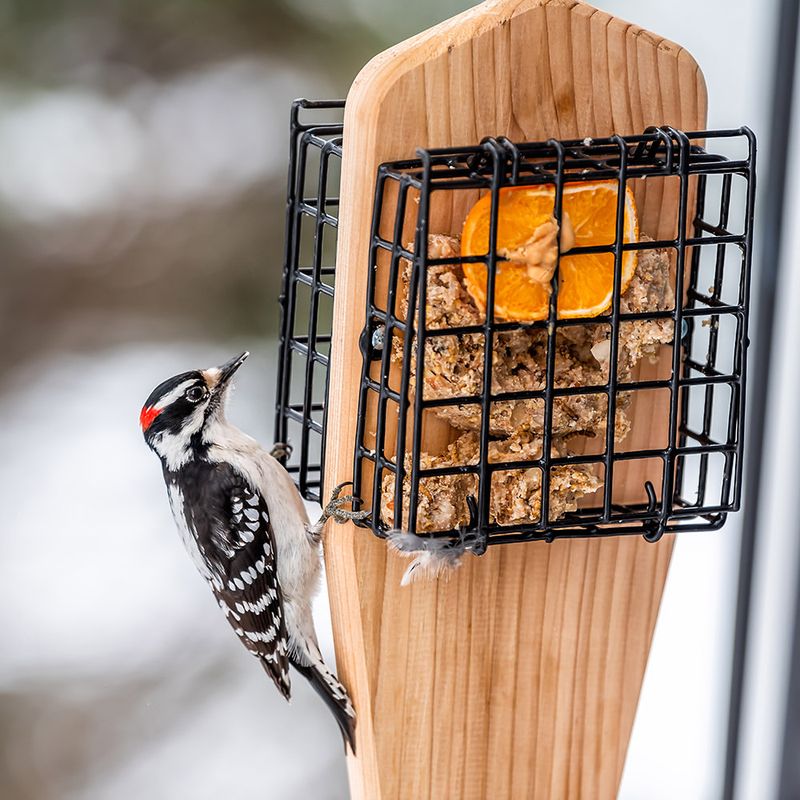
Morning light catches a downy woodpecker clinging to your suet cage, pecking steadily at the white block inside. Suet cakes deliver concentrated energy that helps Ohio birds maintain body heat during frigid nights and cold days.
This rendered animal fat provides calories that seeds alone cannot match when temperatures plunge.
Woodpeckers, nuthatches, chickadees, and Carolina wrens all depend heavily on suet during Ohio winters. The fat content helps these insect-eating birds survive when their natural prey hides under bark or remains dormant.
Central Ohio yards see regular visits from red-bellied woodpeckers and white-breasted nuthatches drawn specifically to suet feeders.
Choose suet cakes made for cold weather rather than no-melt varieties during winter months. Cold-weather formulas contain pure beef fat that stays solid even on milder late winter days.
When daytime temperatures rise above 40°F, switch to no-melt suet or remove suet feeders temporarily. Regular beef suet can soften, turn rancid, and smear onto bird feathers in warmer conditions, reducing insulation and flight ability.
Some suet cakes include seeds, nuts, or dried insects mixed in, offering extra nutrition and attracting more species to your feeder.
Hang suet cages on tree trunks or poles where woodpeckers feel comfortable feeding in their natural vertical position. Replace suet that looks dirty or develops an off smell, and clean your cage monthly with hot water to prevent disease transmission.
Birds find suet within hours of placement, and you will enjoy watching acrobatic feeding behaviors as different species visit throughout the day.
5. Cracked Corn Brings Ground Feeders
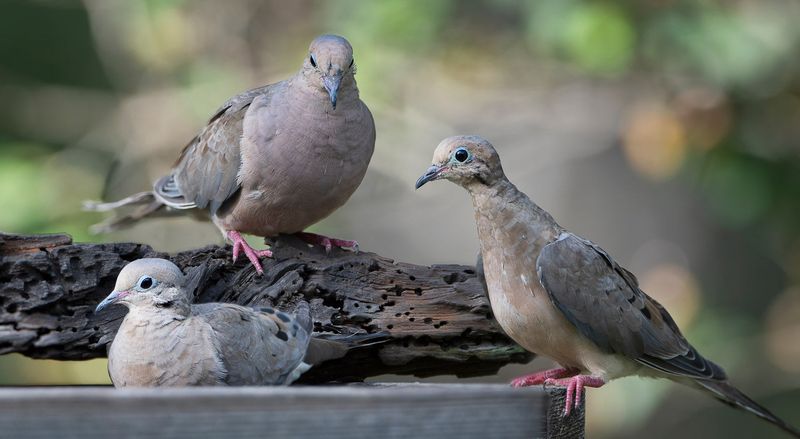
You glance toward your feeding area and count seven mourning doves pecking at yellow kernels scattered across the snow. Cracked corn attracts ground-feeding birds that prefer foraging below feeders rather than perching at elevated stations.
This affordable food source helps you support larger numbers of birds without breaking your budget. Use cracked corn sparingly.
It spoils faster than sunflower seed, attracts raccoons and rodents, and encourages crowding that can increase disease transmission at feeding areas.
Mourning doves, dark-eyed juncos, and native sparrows all seek out cracked corn in Ohio yards. These birds naturally forage on the ground for seeds and grain, making scattered corn feel like a natural food source.
Northern bobwhites may visit feeding areas in rural southern Ohio farmland regions, but they rarely appear in suburban or urban yards due to ongoing population declines.
Scatter cracked corn on bare ground or platform feeders rather than tube feeders designed for smaller seeds. Whole corn kernels prove too large for most songbirds to eat, so always buy cracked or coarsely ground corn instead.
Some homeowners worry about attracting unwanted visitors like starlings or grackles, but these species remain less common during Ohio winters compared to spring and summer months.
Buy corn from farm supply stores where you can get larger quantities at better prices than pet stores charge. Store it in metal containers that protect against moisture and rodents.
Ground feeders work best in areas you can monitor for spoilage, so avoid placing corn where melting snow creates muddy conditions that promote mold growth. Your ground-feeding birds will clean up offerings quickly once they discover this reliable food source.
6. Mealworms Give Birds Extra Energy
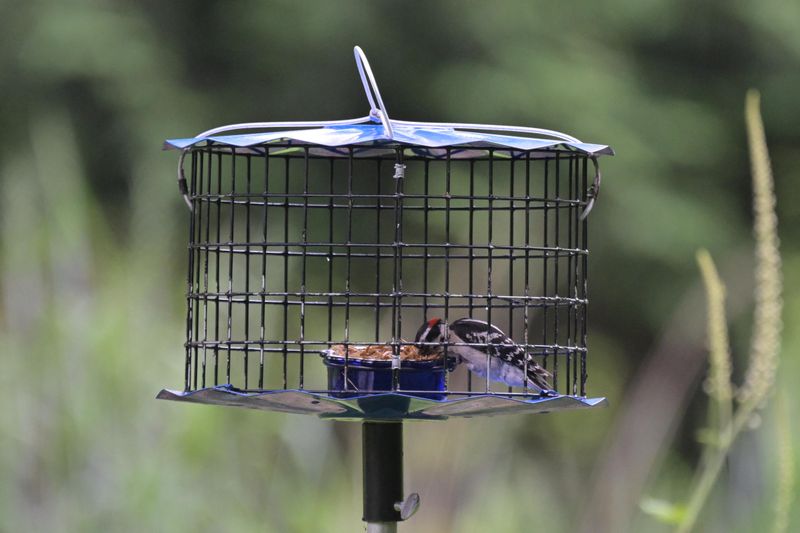
A bluebird lands on your deck railing, eyeing the small dish you recently filled with what looks like tiny brown cylinders. Mealworms offer protein-rich nutrition that helps Ohio birds prepare for the demanding nesting season ahead.
These dried or live insect larvae replicate the natural diet of many species better than seeds alone.
Bluebirds, wrens, and chickadees readily consume mealworms, while robins may take them occasionally depending on local conditions and natural food availability. Insect-eating birds struggle most during late winter when their natural prey remains scarce, making supplemental mealworms especially valuable from February through April.
Central and southern Ohio residents might spot early returning robins that benefit greatly from mealworm offerings.
Dried mealworms cost less and store easier than live ones, though some birds prefer the movement of living larvae. Start with dried mealworms in a small dish or specialized feeder with drainage holes.
Soak dried worms briefly in warm water to rehydrate them and make them more appealing to birds just discovering this food source.
Store dried mealworms in sealed containers in cool, dry locations to maintain freshness for months. A small amount goes a long way since each worm packs concentrated nutrition.
Place mealworm feeders near shrubs or trees where insect-eating birds feel safe approaching. You might wait several days before birds discover mealworms, but once bluebirds or robins find them, they will return regularly and bring their mates along as breeding season approaches.
7. Fruit Slices Feed Robins and Cardinals
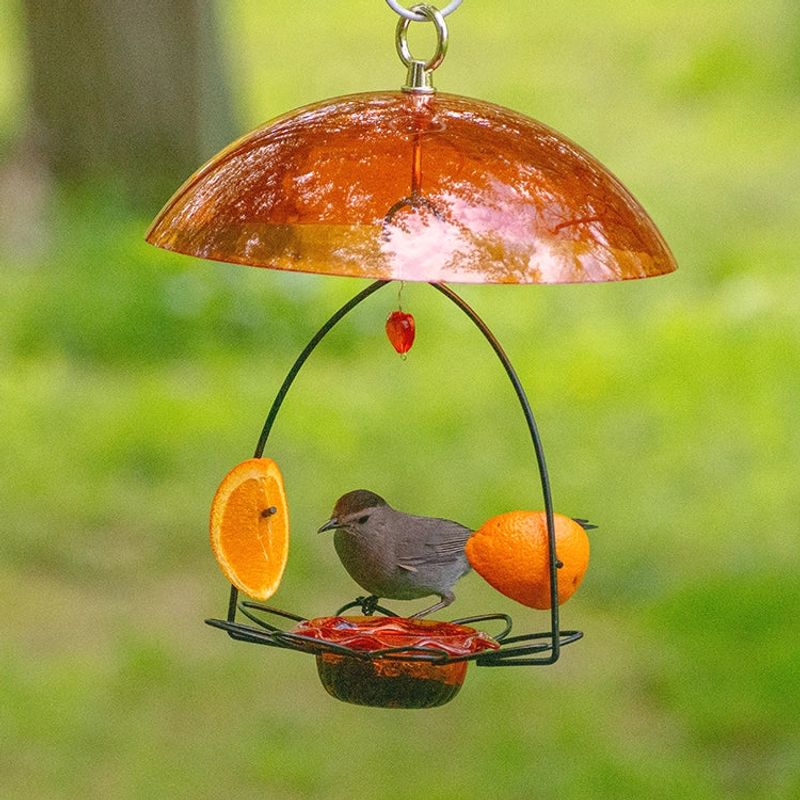
Your platform feeder holds an unexpected offering this morning: bright orange slices and apple halves that catch the early light. Fresh fruit attracts robins, cardinals, and other species that appreciate variety beyond seeds and suet.
Late winter fruit offerings help birds transition as natural food sources slowly reappear with warming temperatures.
Robins return to Ohio in waves throughout March, and fruit slices give them energy while earthworms remain difficult to find in still-frozen ground. Cardinals also nibble fruit occasionally, appreciating the moisture content and natural sugars.
Mockingbirds and catbirds visit fruit feeders too, though these species appear less commonly in Ohio compared to states farther south.
Offer apple slices, orange halves, or grape clusters on platform feeders or specialized fruit feeders with spikes. Replace fruit daily because it spoils quickly, especially as temperatures climb above freezing.
During freezing weather, remove fruit at night or offer it during warmer daylight hours only to prevent freezing injuries. Fruit that sits too long attracts insects and develops mold that can make birds sick.
Cut larger fruits into smaller pieces that birds can manage easily without struggling.
Avoid offering canned fruit or anything with added sugar, which provides empty calories without proper nutrition. Fresh or frozen fruit thawed to room temperature works best for backyard feeding.
You might notice fruit disappears slower than seeds initially, but be patient. Once robins discover your offerings during their spring arrival, your fruit feeder will see regular visitors enjoying this supplemental food source alongside their natural foraging.
8. Skip Bread That Harms Birds
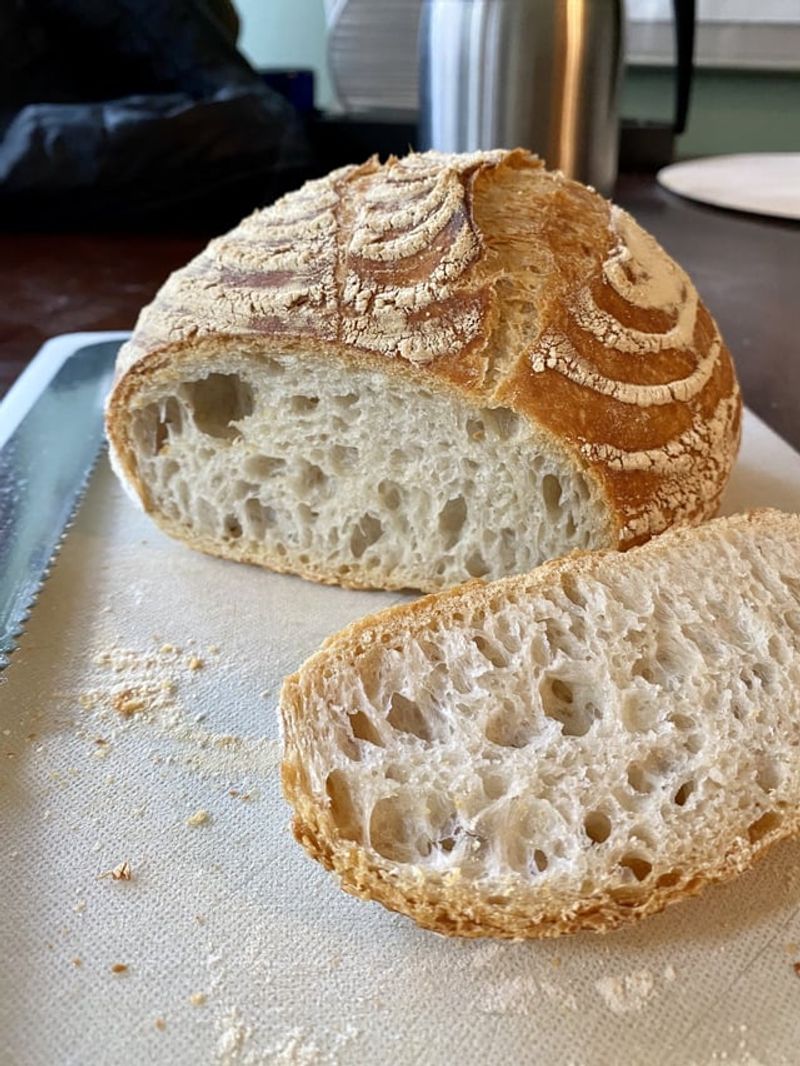
You spot your neighbor tossing bread crusts toward birds gathering in their yard, a common scene in Ohio neighborhoods. This well-meaning gesture actually causes serious health problems for birds rather than helping them survive.
Bread lacks the nutrition birds need and fills their stomachs with empty calories that provide no energy for maintaining body heat or fueling daily activities.
White bread, crackers, and baked goods contain almost no protein, fat, or essential nutrients that wild birds require. Birds eating bread feel full but remain malnourished, a condition sometimes called “angel wing” in waterfowl where poor nutrition causes wing deformities.
While angel wing primarily affects ducks and geese, songbirds still suffer malnutrition and weakened immune systems when bread replaces proper food sources. Bread also molds quickly when exposed to moisture from snow or rain.
Moldy bread produces toxins that cause respiratory illness and other serious health issues in birds. Uneaten bread attracts rats, mice, and other pests to feeding areas, creating problems for homeowners and birds alike.
When friends or family members want to feed birds, guide them toward proper foods like seeds, suet, or fruit instead of bread. Explain that saving stale bread for birds seems helpful but actually does more harm than good.
Many people simply do not know that bread causes problems, and they appreciate learning better ways to support backyard wildlife. Your birds will thrive when they receive nutritious foods matched to their actual dietary needs.
9. Avoid Salted Nuts and Flavored Snacks
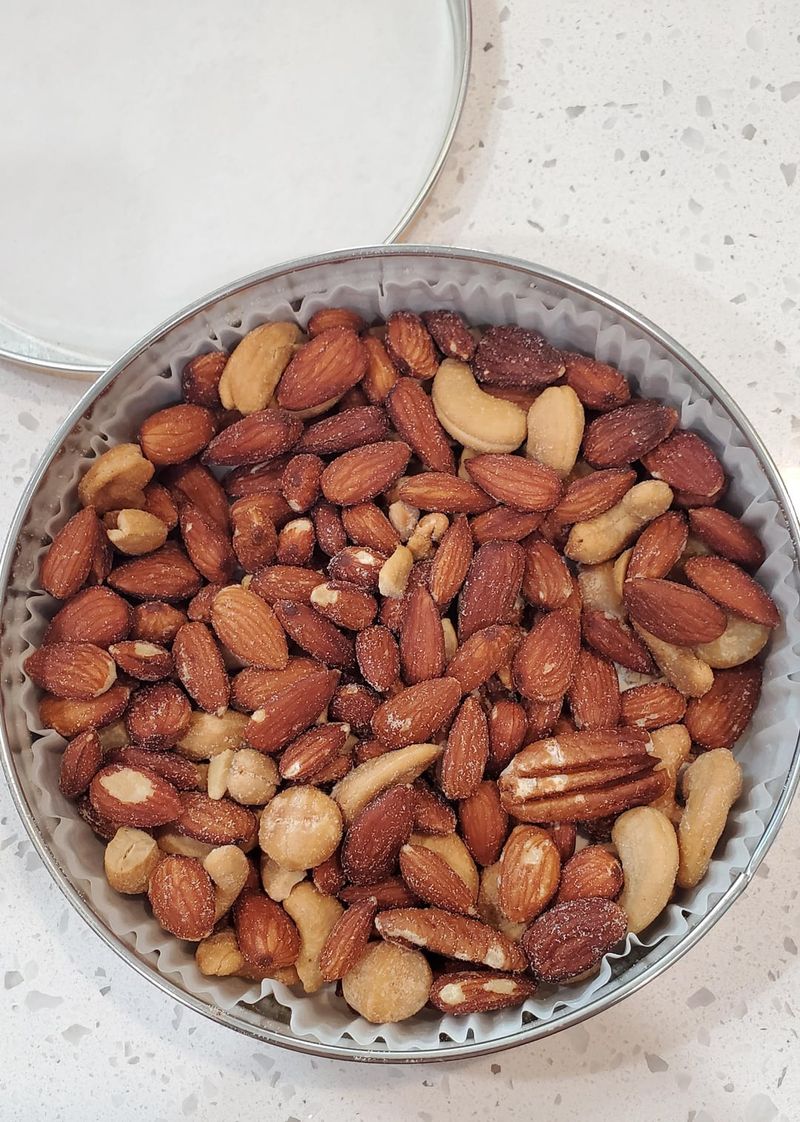
Your pantry holds roasted peanuts left over from a party, and you wonder whether birds might enjoy them. Salted nuts, flavored snacks, and processed human foods contain ingredients that harm birds even though the foods seem similar to proper bird feed.
Salt causes severe health problems for birds because their bodies cannot process sodium the way mammals do.
Even small amounts of salt can cause dehydration, kidney damage, and neurological problems in songbirds. Their small body size means that quantities humans consider insignificant prove toxic to birds weighing only a few ounces.
Flavored nuts with coatings like honey roasted, barbecue, or wasabi contain sugars, spices, and chemicals that birds cannot digest safely.
Some Ohio homeowners buy discounted mixed nuts thinking they provide good value for bird feeding. These products almost always contain salt and often include cashews or other tropical nuts processed with oils and seasonings.
Raw, unsalted peanuts cost only slightly more than flavored varieties and offer proper nutrition without dangerous additives.
Read labels carefully when buying nuts for bird feeding, and look specifically for products marked as raw and unsalted. Store-brand plain peanuts from farm supply stores provide the best value for backyard birders on a budget.
If you already bought salted nuts by mistake, save them for your own snacking rather than offering them to birds. Your feathered visitors depend on you making informed choices that protect their health throughout the feeding season.
10. Never Feed Moldy or Spoiled Food
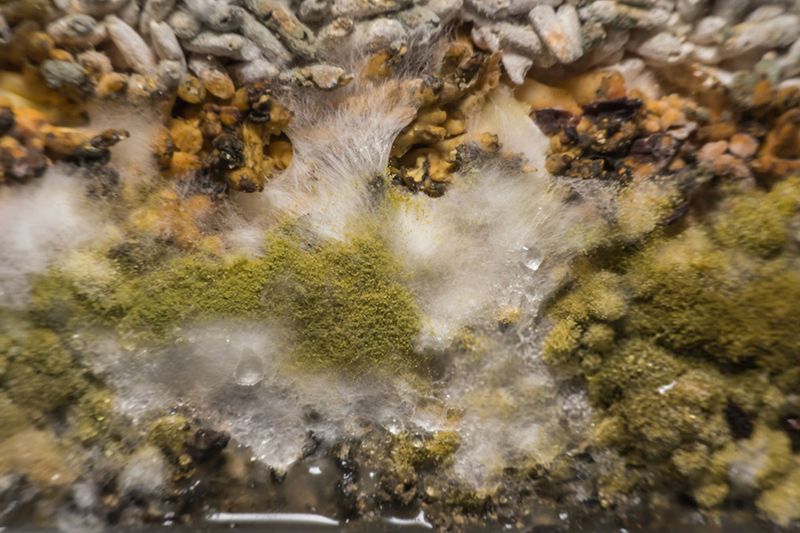
You lift the lid on your seed storage bin and notice a musty smell along with white fuzz growing on some kernels. Moldy or spoiled bird food causes serious illness and even threatens bird survival when consumed.
Ohio humidity and temperature fluctuations create perfect conditions for mold growth in stored seed and filled feeders, making vigilance essential for responsible bird feeding.
Mold produces toxins called aflatoxins that damage bird livers and immune systems. Birds eating moldy food become weak and vulnerable to predators, diseases, and harsh weather.
Aspergillosis, a respiratory infection caused by mold spores, spreads quickly among birds visiting contaminated feeders. Sick birds often cannot recover even with proper care.
Check your feeders weekly and discard any seed that looks clumped, discolored, or smells off. Clean feeders monthly using hot water and a bleach solution of one part bleach to nine parts water, rinse thoroughly, and dry completely before refilling.
Store bulk seed in sealed containers in cool, dry locations like garages or sheds rather than damp basements. Buy quantities you can use within a few weeks rather than bulk supplies that sit for months.
Rainy periods and snow melt create extra moisture that accelerates spoilage in feeders. Consider bringing feeders under cover during extended wet weather or using feeders with better drainage and weather protection.
Your investment in quality food and clean feeders means nothing if spoilage makes that food dangerous. Birds trust you to provide safe nutrition, and proper storage plus regular cleaning protects the wildlife you work so hard to support.