The Best Greens To Plant In Arizona During February Before Heat Sets In
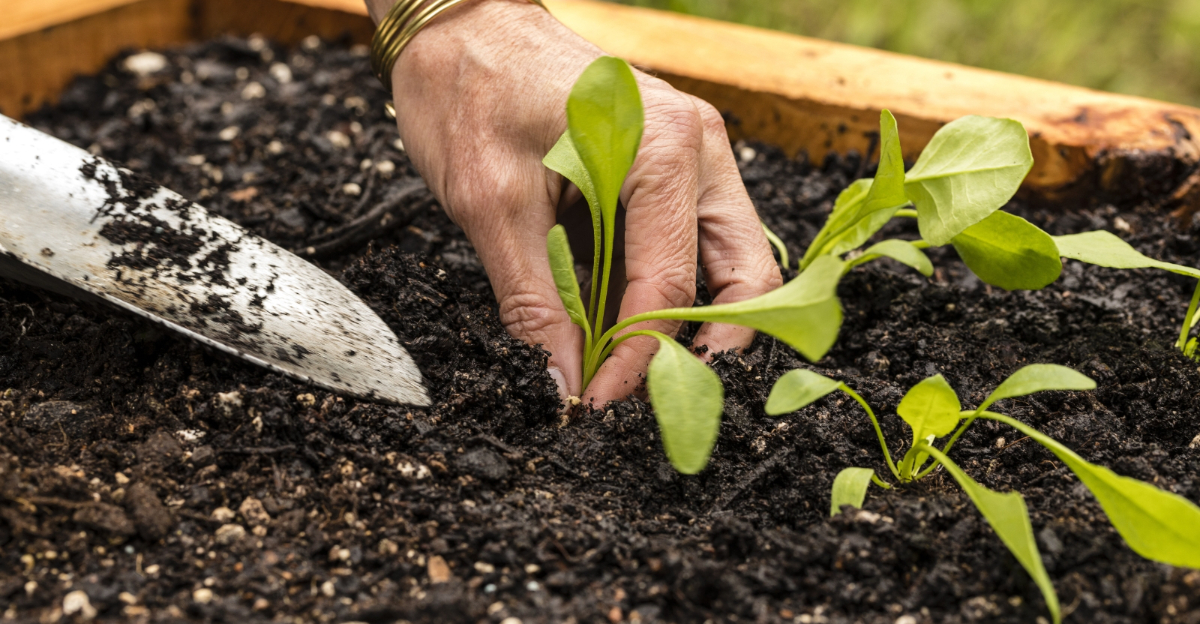
February in Arizona doesn’t give much warning, but it quietly sets up one of the most important planting windows of the season.
If you’re planning to grow greens, this short stretch before heat builds is when timing matters most.
Greens grow fast and react immediately to temperature changes. When they’re planted too late, they often rush through growth, turn bitter, or stall before they fully settle in.
February offers cooler soil, mild days, and just enough stability for roots to establish without stress.
That early footing makes a noticeable difference once spring speeds up. The greens planted now tend to grow more evenly, hold better flavor, and stay productive longer before heat takes over.
Choosing the right greens during this window helps you get the most out of Arizona’s brief late-winter conditions.
1. Spinach
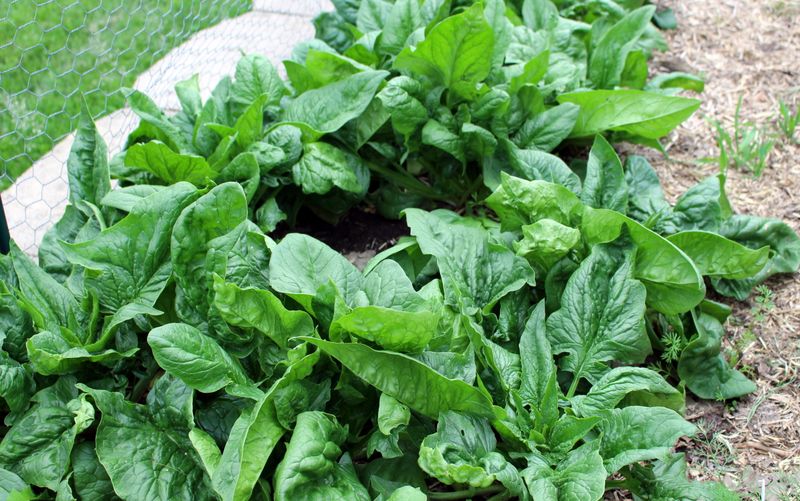
Cold soil does not scare spinach. In fact, it loves the chill and grows best when temperatures hover between 35 and 75 degrees Fahrenheit.
In Arizona, February offers ideal conditions for spinach seeds to germinate and establish roots without the stress of sudden heat waves.
Spinach seeds can handle light frosts, which makes them incredibly forgiving for beginners. You can sow them directly into your garden bed or start them in containers if your soil is still too frozen.
Spacing them about two inches apart gives each plant room to spread its leaves without crowding. Thin seedlings as they grow to prevent competition for nutrients.
Your spinach will be ready to harvest in as little as four to six weeks, depending on the variety. Baby spinach leaves taste sweet and mild, perfect for salads or smoothies.
Larger leaves work well in cooked dishes like pasta or stir-fries. Consistent watering keeps the leaves crisp and prevents bitterness.
Spinach grows quickly, so you can succession plant every two weeks to extend your harvest. This strategy ensures you always have fresh greens on hand.
Once the weather warms up past 75 degrees, spinach tends to bolt and produce flowers instead of leaves. Planting in February gives you the longest possible growing window before that happens.
Mulching around your spinach plants helps retain moisture and keeps the roots cool. Organic mulch like straw or shredded leaves works best.
Pests like aphids can sometimes appear, but a gentle spray of water usually takes care of them.
2. Leaf Lettuce
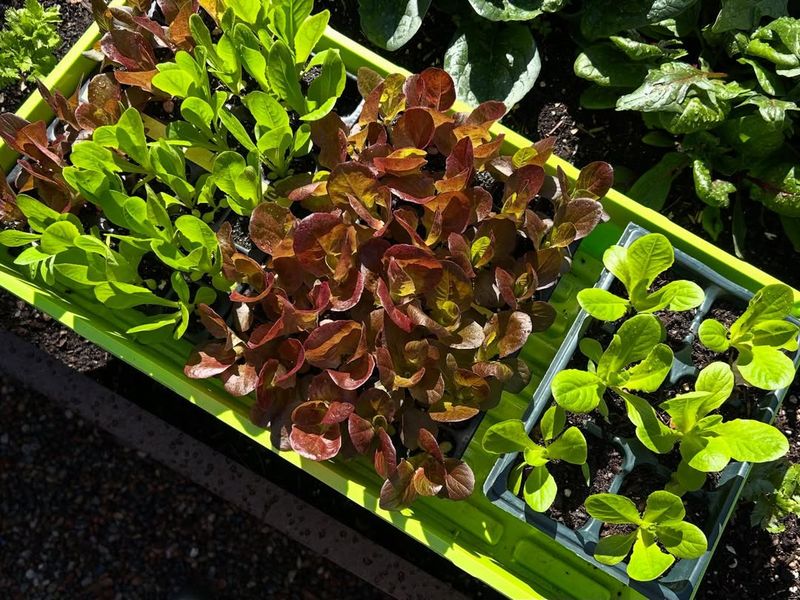
Quick growth and mild flavor make leaf lettuce a favorite among home gardeners. Unlike head lettuce, leaf varieties do not form a tight center, which means you can start harvesting outer leaves while the plant continues producing new growth.
In Arizona, planting leaf lettuce during February takes advantage of cooler days that support steady growth before heat becomes an issue.
The cooler temperatures prevent the leaves from turning bitter or wilting.
Leaf lettuce seeds are tiny, so handle them carefully when planting.
Scatter them lightly across prepared soil and cover with just a thin layer of dirt.
They need light to germinate, so avoid burying them too deep. Water gently to avoid washing the seeds away.
Within a week, you should see tiny green shoots emerging from the soil.
These greens prefer consistent moisture, so check your garden regularly and water whenever the top inch of soil feels dry. Lettuce roots are shallow, which makes them prone to drying out quickly.
A layer of mulch helps keep the soil cool and moist. You can also plant lettuce in partial shade if your area tends to warm up fast in late winter.
Harvest your lettuce by snipping off the outer leaves with scissors, leaving the inner leaves to keep growing. This method, called cut-and-come-again, extends your harvest for weeks.
Leaf lettuce comes in many colors and textures, from frilly red varieties to smooth green ones. Mixing different types in your garden adds visual interest and variety to your salads.
3. Romaine Lettuce
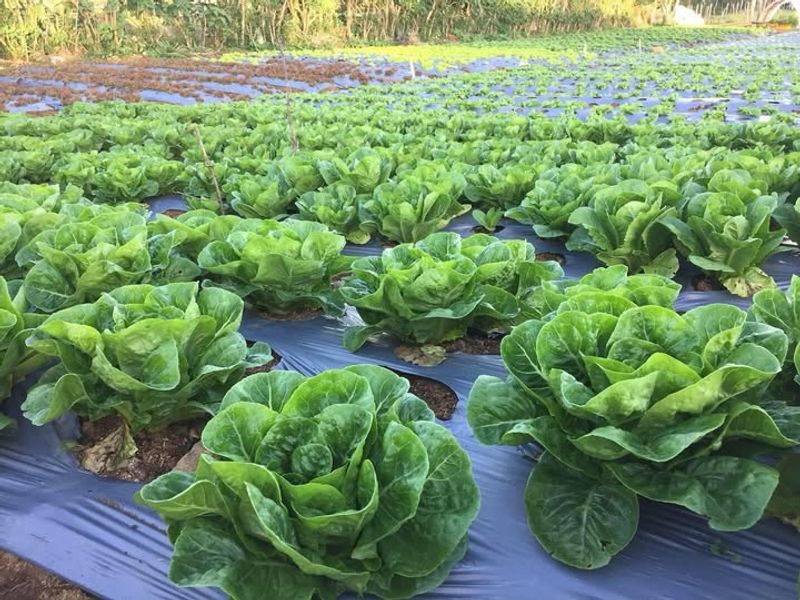
Crunch and nutrition come together beautifully in romaine lettuce. Its upright growth habit and sturdy leaves make it stand out from other lettuce types.
In Arizona gardens, romaine benefits from a February start because cooler conditions support strong leaf structure before heat speeds everything up.
Romaine takes a bit longer to mature than leaf lettuce, usually around 70 to 75 days from seed to harvest. Starting in February gives your plants plenty of time to grow before the heat becomes an issue.
You can also transplant seedlings started indoors if you want a head start. Space plants about eight to ten inches apart to allow the heads to fill out properly.
Watering deeply but infrequently encourages romaine roots to grow deeper into the soil. This makes the plants more drought-tolerant and sturdy.
Avoid overhead watering late in the day, as wet leaves can attract slugs and encourage fungal diseases. Drip irrigation or soaker hoses work best for keeping the soil consistently moist without wetting the foliage.
Romaine heads grow tall and tight, with dark green outer leaves and pale, tender inner leaves. The inner leaves have a mild, slightly sweet flavor that works perfectly in Caesar salads.
Outer leaves can be used for wraps or grilled for a smoky, charred flavor. Romaine is also packed with vitamins A, C, and K, along with fiber and folate.
4. Arugula
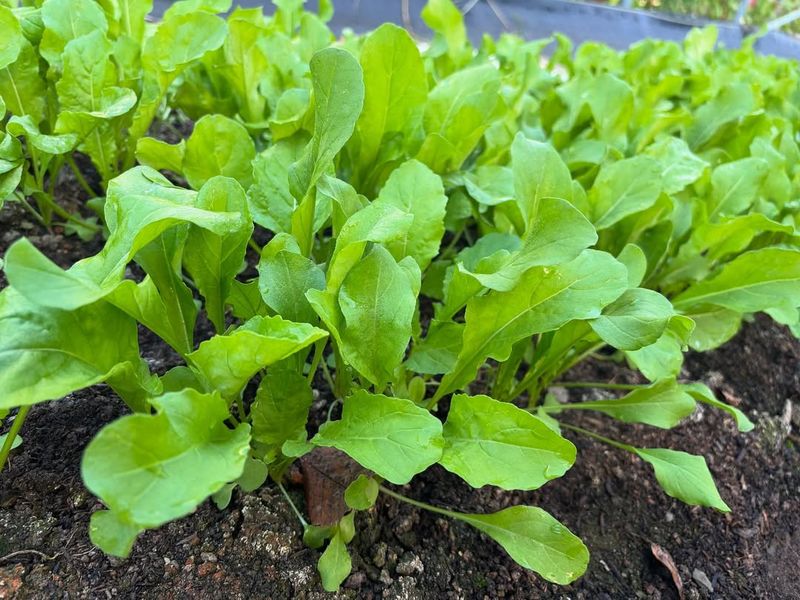
Peppery flavor and fast growth make arugula a must-have for any cool-season garden. This green thrives in temperatures between 45 and 65 degrees, which makes February planting ideal.
Arizona’s mild February weather gives arugula the breathing room it needs to grow fast without turning harsh or overly spicy.
Arugula seeds germinate quickly, often within five to seven days, and you can start harvesting leaves in as little as three weeks.
Sow arugula seeds directly into your garden bed, spacing them about an inch apart in rows.
You can also broadcast the seeds over a wide area and thin them as they grow.
Arugula does not transplant well, so direct seeding is usually the best option.
The seeds are small and should be planted shallow, just a quarter inch deep.
Arugula leaves taste best when harvested young and tender. As the plant matures, the flavor becomes more intense and spicy.
Some people love the strong taste, while others prefer the milder baby leaves. Either way, arugula adds a bold kick to salads, pasta dishes, and pizzas.
It also pairs well with citrus, cheese, and nuts.
Consistent watering is key to keeping arugula leaves tender and mild. If the soil dries out, the leaves can become tough and overly peppery.
Mulching helps retain moisture and keeps the roots cool. Arugula grows quickly, so you can succession plant every two weeks to keep a steady supply coming in.
5. Kale
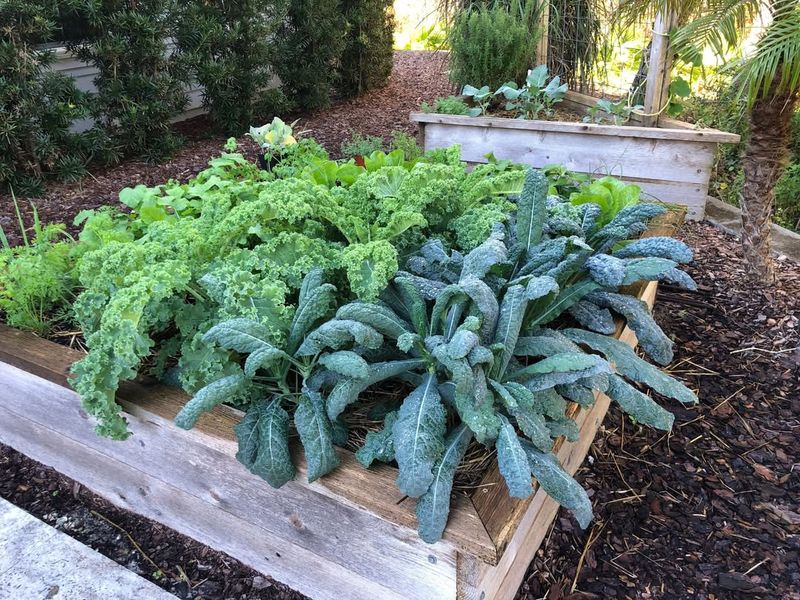
Tough, nutritious, and incredibly versatile, kale is one of the hardiest greens you can grow. It can tolerate freezing temperatures and even tastes sweeter after a frost.
Kale comes in many varieties, from curly to flat-leaf to colorful ornamental types, so you can choose the one that fits your garden and taste preferences.
Kale seeds germinate best in soil temperatures between 45 and 85 degrees, making February an ideal time to start them.
In Arizona, this wide temperature range makes kale especially well-suited for late winter planting, when days are mild and nights are still cool.
You can sow seeds directly into the garden or start them indoors and transplant seedlings later. Space plants about 12 to 18 inches apart to give them room to spread.
Kale grows into a large, bushy plant, so proper spacing prevents overcrowding and improves air circulation.
Watering kale regularly keeps the leaves tender and prevents bitterness. Kale is more drought-tolerant than other greens, but consistent moisture produces the best flavor and texture.
Mulching around the base of the plants helps retain moisture and suppresses weeds. Kale also benefits from a layer of compost or organic fertilizer to support its vigorous growth.
You can start harvesting kale leaves when they are about the size of your hand. Pick the outer leaves first, leaving the inner leaves to continue growing.
This method allows you to harvest from the same plant for months.
Kale leaves can be eaten raw in salads, massaged with dressing to soften them, or cooked in soups, stir-fries, and casseroles.
6. Swiss Chard
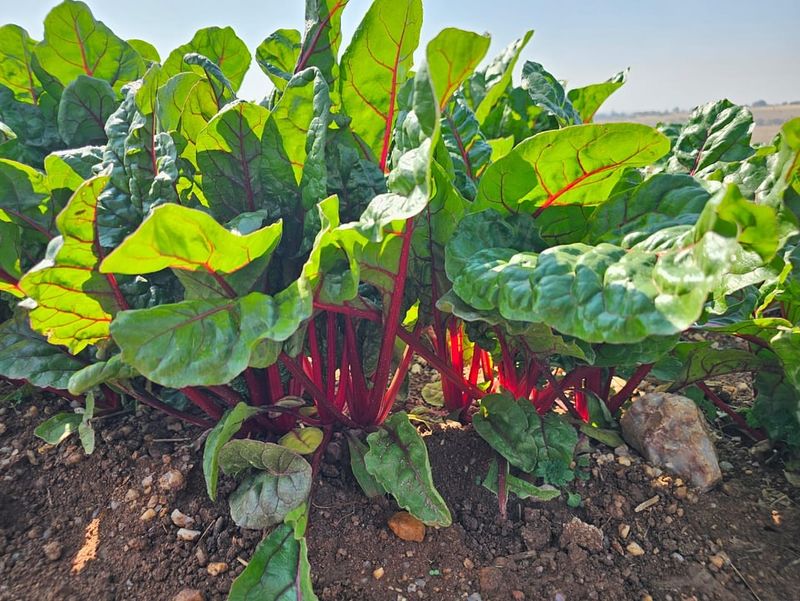
Colorful stems and tender leaves make Swiss chard a standout in any garden. This green is incredibly easy to grow and tolerates a wide range of temperatures, from cool spring weather to mild summer heat.
The vibrant red, yellow, and white stems add visual interest to your garden and your plate.
Swiss chard seeds are actually clusters of seeds, so you will often see multiple seedlings sprout from a single seed.
Thin the seedlings to about six inches apart to give each plant enough space to grow. Chard grows quickly and can reach full size in about 50 to 60 days.
You can start harvesting outer leaves as soon as they are large enough to eat.
Chard leaves have a mild, slightly earthy flavor similar to spinach, while the stems are crunchy and slightly sweet. Both parts are edible and can be cooked together or separately.
The stems take longer to cook than the leaves, so many gardeners chop them up and add them to the pan first. Chard works well in stir-fries, soups, and pasta dishes.
Swiss chard is more heat-tolerant than most greens, which means it can keep producing well into late spring and early summer. However, it still grows best in cooler weather, so planting in February gives you the longest harvest window.
February planting works especially well across much of Arizona, where cooler days and manageable soil temperatures support steady growth before intense heat arrives.
Consistent watering keeps the leaves tender and prevents the plant from bolting. Mulching helps retain moisture and keeps the roots cool.
7. Mustard Greens
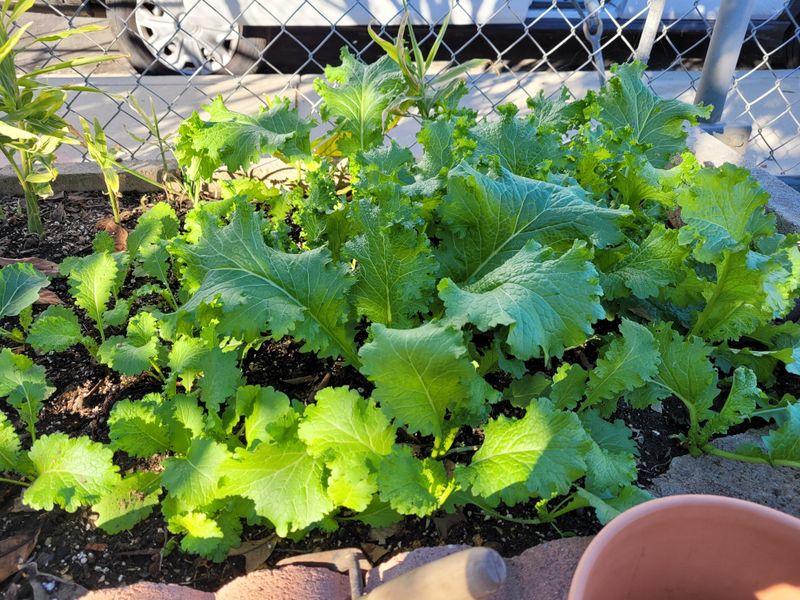
Bold flavor and rapid growth define mustard greens.
These spicy, peppery leaves add a kick to salads, sandwiches, and cooked dishes.
Mustard greens thrive in cool weather and can tolerate light frosts, making February the perfect time to plant them.
February conditions across much of Arizona provide the cool temperatures mustard greens need to grow quickly before spring heat sets in.
Mustard greens are incredibly fast-growing, often ready to harvest in just 30 to 40 days. You can sow seeds directly into the garden, spacing them about two inches apart.
Thin the seedlings as they grow to prevent overcrowding. Mustard greens do not transplant well, so direct seeding is the best method.
The seeds are small and should be planted shallow, about a quarter inch deep.
Young mustard greens have a mild, slightly spicy flavor that works well in salads. As the leaves mature, the flavor becomes more intense and peppery.
Some people love the strong taste, while others prefer to cook the greens to mellow the flavor. Mustard greens are traditionally used in Southern cooking, often simmered with bacon or ham for a rich, savory dish.
Consistent watering keeps mustard greens tender and prevents the leaves from becoming too tough or bitter. If the soil dries out, the flavor can become overly intense.
Mulching helps retain moisture and keeps the roots cool. Mustard greens grow quickly, so you can succession plant every two weeks for a continuous harvest.
Once temperatures rise above 75 degrees, mustard greens tend to bolt and produce flowers.
8. Collard Greens
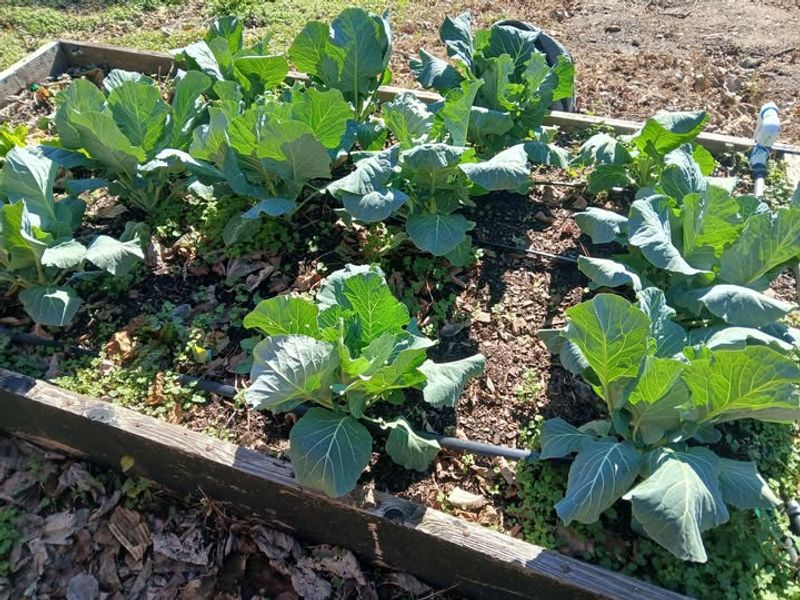
Sturdy, nutritious, and deeply rooted in Southern tradition, collard greens are a staple in many gardens. These large, flat leaves can handle cold weather and even improve in flavor after a frost.
Collards are slow-growing compared to other greens, taking about 60 to 85 days to reach maturity, so starting early is essential.
Starting collards in February works well across much of Arizona, where cool late-winter weather gives these slow-growing plants time to establish before heat increases.
Collard greens prefer well-drained soil rich in organic matter. Adding compost or aged manure to your garden bed before planting helps provide the nutrients collards need for strong growth.
You can sow seeds directly into the garden or start them indoors and transplant seedlings later. Space plants about 18 to 24 inches apart to give them room to spread.
Collard greens are incredibly hardy and can tolerate a wide range of temperatures.
They grow best in cool weather but can handle some heat if kept well-watered.
Consistent watering is important for keeping the leaves tender and preventing bitterness. Mulching around the base of the plants helps retain moisture and suppresses weeds.
You can start harvesting collard greens when the leaves are about the size of your hand. Pick the outer leaves first, leaving the inner leaves to continue growing.
This method allows you to harvest from the same plant for months. Collard greens are traditionally cooked low and slow with smoked meat, but they can also be sautéed, steamed, or added to soups and stews.
9. Beet Greens
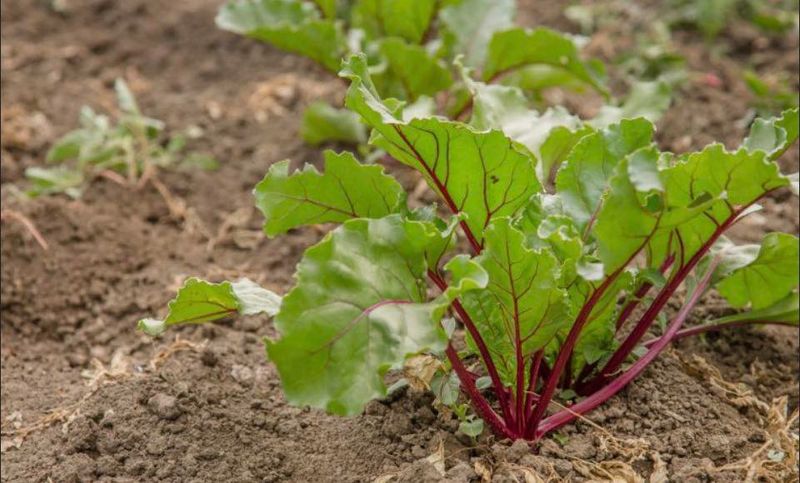
Most people grow beets for their sweet, earthy roots, but the leafy tops are just as delicious and nutritious. Beet greens have a mild, slightly sweet flavor similar to Swiss chard, and they can be harvested long before the roots are ready.
The greens grow quickly and can be harvested in as little as 30 days. February planting suits much of Arizona, where cool soil supports fast leaf growth before temperatures climb.
Beet seeds are actually clusters of seeds, so you will often see multiple seedlings sprout from a single seed. Thin the seedlings to about three to four inches apart to give each plant enough space to grow.
You can eat the thinned seedlings as microgreens. Beet greens prefer well-drained soil rich in organic matter.
Adding compost before planting helps provide the nutrients beets need for healthy growth.
Beet greens can be harvested by snipping off the outer leaves, leaving the inner leaves and the root to continue growing. This method allows you to enjoy the greens while waiting for the roots to mature.
Beet greens are tender and mild when young, making them perfect for salads.
Larger leaves can be sautéed, steamed, or added to soups and stir-fries.
Consistent watering keeps beet greens tender and prevents the leaves from becoming tough or bitter. Beets prefer even moisture, so water regularly and mulch around the plants to retain moisture.