The Best Herbs To Grow In Your Arizona Garden This February
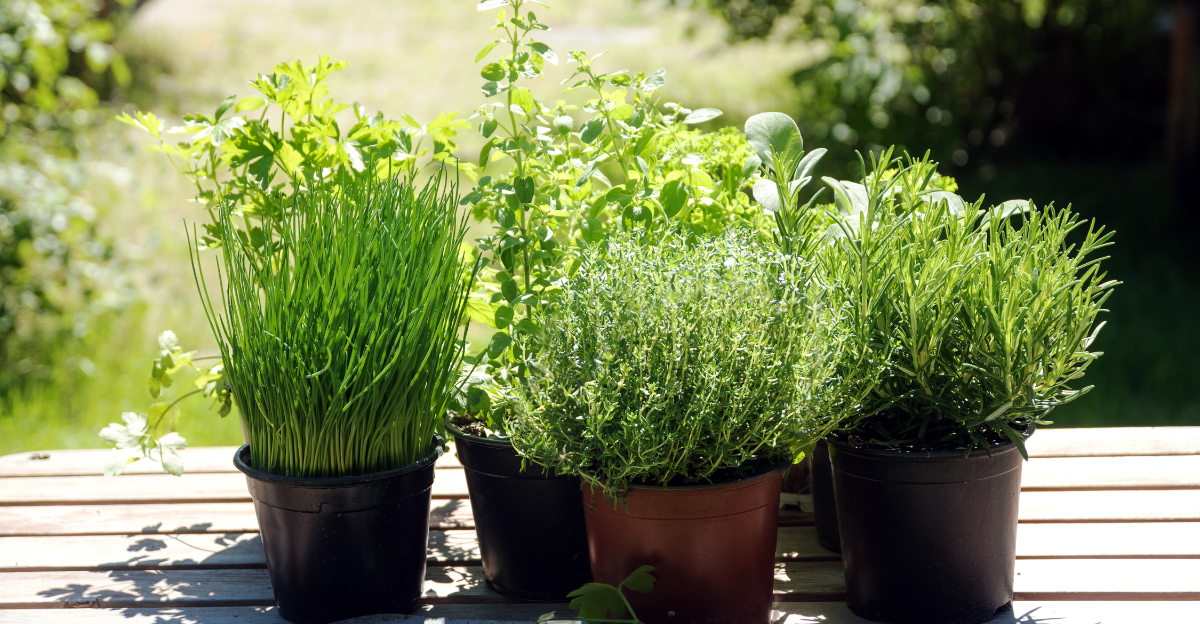
February in Arizona doesn’t slow gardens down the way it does elsewhere. It creates a narrow window where herbs can settle in comfortably before heat becomes the real challenge.
Cool mornings and longer days help herbs focus on root growth instead of stress.
Starting them now gives plants time to establish while conditions are forgiving, rather than forcing them to adjust during sudden warm spells. Waiting for spring often means herbs struggle just as temperatures begin climbing fast.
This is not about planting everything early. It’s about choosing herbs that appreciate a gentle start and respond well to February conditions.
When planted at the right time, these herbs tend to grow more evenly, develop better flavor, and handle Arizona’s seasonal shifts with far less effort later on.
1. Cilantro
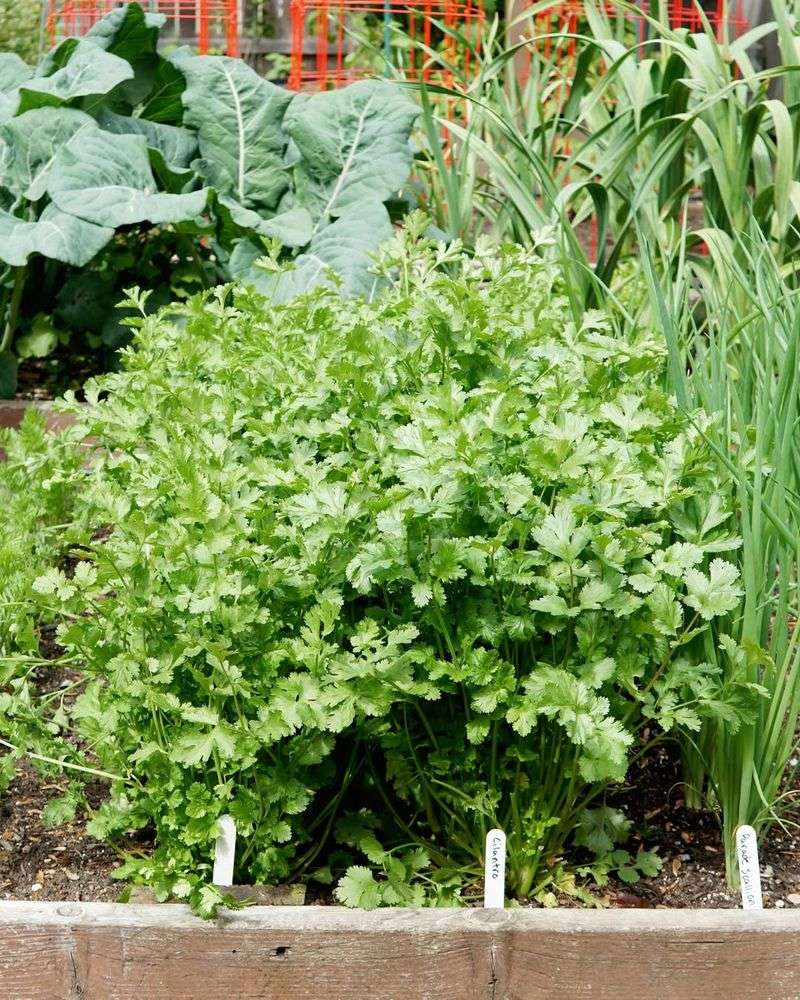
Cilantro absolutely loves the cooler temperatures that February brings to Arizona gardens. This fast-growing herb thrives when daytime temperatures hover between 50 and 85 degrees, making early spring the perfect planting window.
Plant your cilantro seeds directly into well-draining soil, spacing them about six inches apart to give each plant room to flourish.
Arizona gardeners should know that cilantro bolts quickly once temperatures climb above 85 degrees consistently. February planting gives you several months of harvest before the summer heat forces this herb to flower and set seed.
Water your cilantro regularly but avoid overwatering, as soggy soil leads to root problems in Arizona’s clay-heavy soils.
Fresh cilantro transforms Mexican dishes, salsas, and Asian cuisine with its distinctive flavor that store-bought versions simply cannot match. Harvest leaves frequently by snipping stems from the outside of the plant, which encourages bushier growth and extends your harvest period.
Many Arizona gardeners plant cilantro every few weeks through early spring to ensure a continuous supply.
Position your cilantro where it receives morning sun but afternoon shade, especially as March approaches and temperatures begin climbing. The herb grows quickly from seed, usually ready for first harvest within three to four weeks.
If your cilantro does bolt in the heat, let it go to seed and collect the coriander seeds for cooking or replanting when fall arrives in Arizona.
You can slow bolting even more by keeping soil consistently moist and using a light layer of mulch to moderate root temperatures.
For best results, grow cilantro in containers or raised beds where soil warms evenly but drains quickly.
2. Parsley
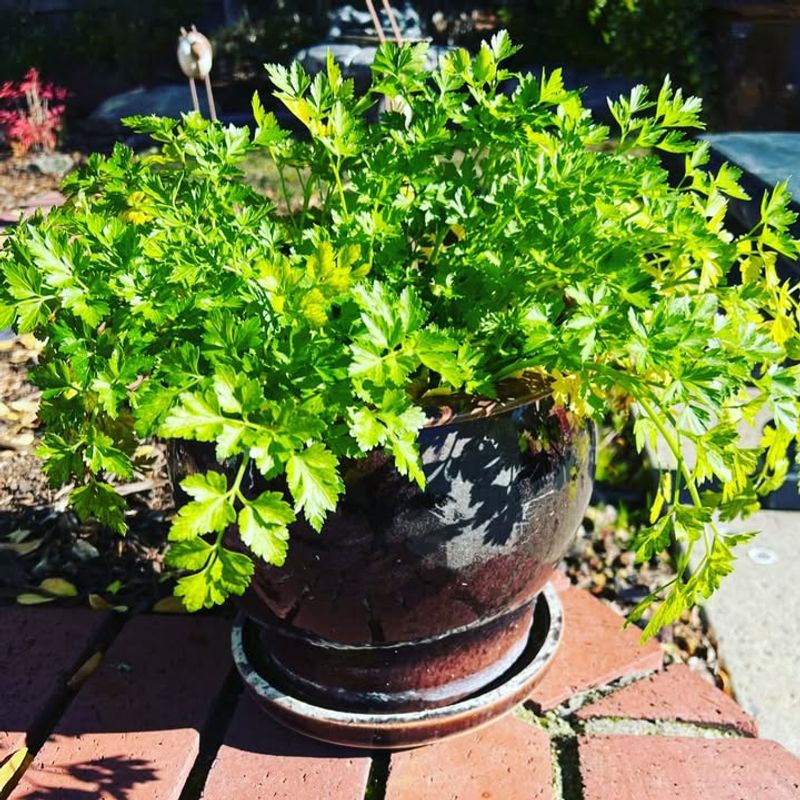
Parsley stands as one of the most reliable herbs for Arizona gardens planted in February. Both curly and flat-leaf varieties handle our climate beautifully when given proper care and positioning.
This biennial herb actually performs as an annual in Arizona’s intense summer heat, making February the ideal time to establish strong plants.
Choose a location that receives partial shade during the hottest part of the day. Parsley seeds germinate slowly, sometimes taking three weeks to sprout, so many Arizona gardeners opt for transplants from local nurseries.
Once established, parsley produces abundant foliage that you can harvest continuously throughout spring and into early summer.
Rich, well-amended soil helps parsley thrive in Arizona gardens. Mix compost into your planting area before setting out transplants or sowing seeds.
Water consistently to keep soil evenly moist but never waterlogged, as parsley roots need oxygen to develop properly.
Fresh parsley brightens up countless dishes from tabbouleh to garnishes, and growing your own means always having this nutritious herb available. The flat-leaf variety, also called Italian parsley, offers stronger flavor preferred by many cooks.
Harvest outer stems first, allowing the center to continue producing new growth throughout the season. Parsley planted in February typically provides harvests through May or June before Arizona’s summer heat becomes too intense for this cool-season herb.
3. Chives
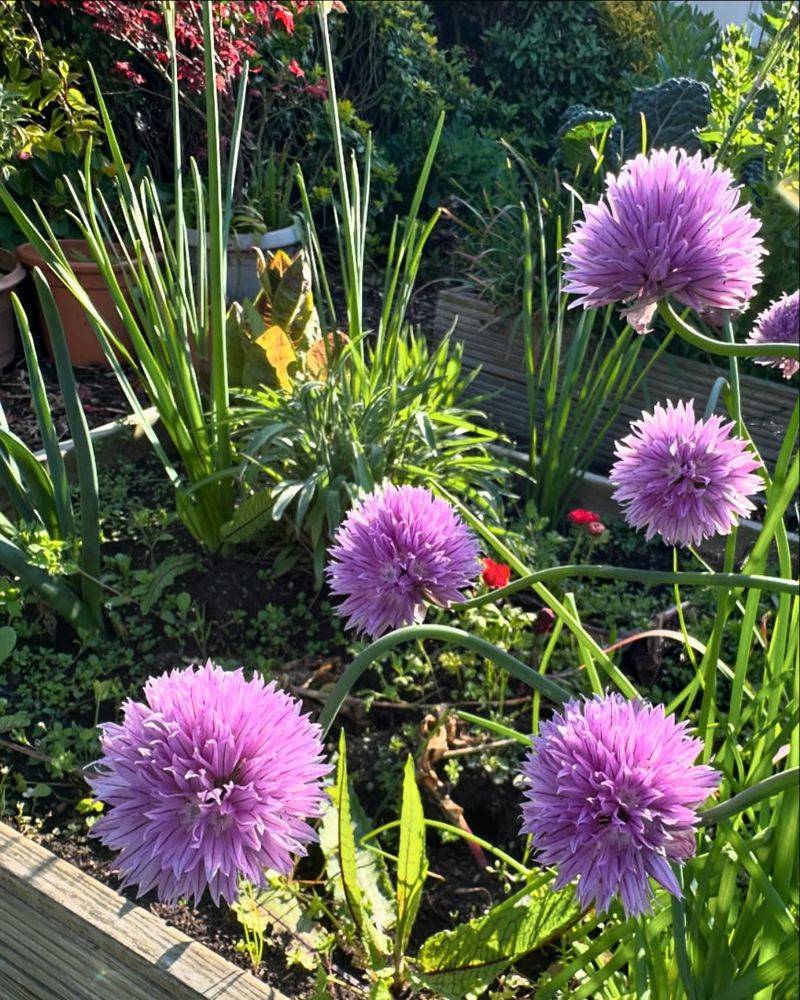
Chives bring mild onion flavor and beautiful purple blooms to Arizona gardens throughout spring. February planting allows these perennial herbs to establish before summer, and they’ll return year after year with minimal care.
Unlike many herbs, chives actually tolerate Arizona’s summer heat reasonably well, especially when provided afternoon shade.
These grass-like herbs grow in clumps that expand over time, making them excellent border plants for Arizona herb gardens. Plant chives in rich, well-draining soil amended with compost to support their growth.
Space clumps about eight inches apart, and water regularly during establishment, then reduce frequency once plants mature.
Harvest chives by snipping leaves near the base with scissors, taking only what you need for cooking. Regular harvesting encourages fresh growth and keeps plants productive.
The purple flowers that appear in spring are edible too, adding mild onion flavor and beautiful color to salads.
Chives require less water than many herbs once established, making them perfect for Arizona’s water-conscious gardeners. They prefer morning sun with protection from intense afternoon rays, especially during summer months.
Divide overcrowded chive clumps every few years to maintain vigor and share with fellow gardeners. February-planted chives in Arizona gardens typically begin producing harvestable leaves within a month, providing fresh flavor for eggs, baked potatoes, soups, and countless other dishes throughout the year.
Mulching lightly around chive clumps helps keep soil temperatures stable and reduces moisture loss as heat builds later in spring.
Growing chives near other herbs also makes harvesting easier and encourages regular use before summer temperatures peak.
4. Dill
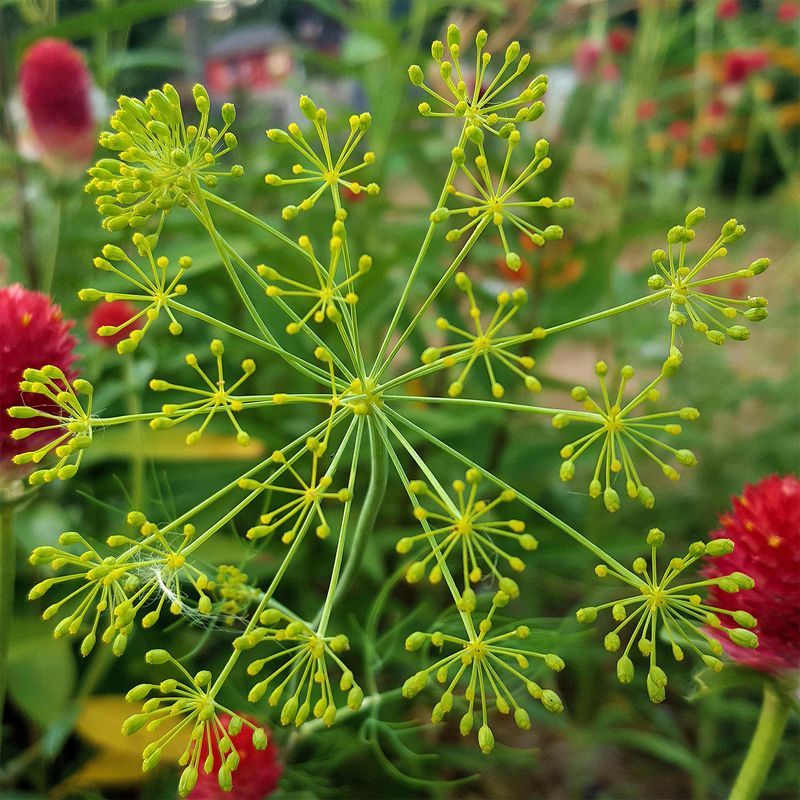
Dill’s feathery foliage and distinctive flavor make it a favorite among Arizona gardeners who plant in February. This fast-growing annual herb produces best during cooler months, making early spring planting essential for successful harvests.
Dill grows tall and airy, reaching two to three feet in height when conditions suit its needs.
Direct sow dill seeds in your Arizona garden rather than transplanting, as this herb develops a taproot that dislikes disturbance. Plant seeds about a quarter-inch deep in loose, well-draining soil enriched with organic matter.
Thin seedlings to stand twelve inches apart once they reach a few inches tall.
Arizona’s February weather provides perfect growing conditions for dill before summer heat causes this herb to bolt quickly. Water consistently to keep soil moderately moist, especially during germination and early growth.
Dill attracts beneficial insects like ladybugs and parasitic wasps that help control garden pests naturally.
Harvest dill leaves, called dill weed, by snipping stems as needed once plants reach about eight inches tall. The flavor peaks just before flowers appear, though dill seed heads are valuable for pickling and cooking too.
Successive plantings every two weeks through March ensure continuous harvests in Arizona gardens. Dill complements fish dishes, potato salad, pickles, and fresh vegetables beautifully.
Position dill where taller plants won’t shade lower-growing herbs, and stake plants if Arizona’s occasional spring winds threaten to topple them.
5. Thyme
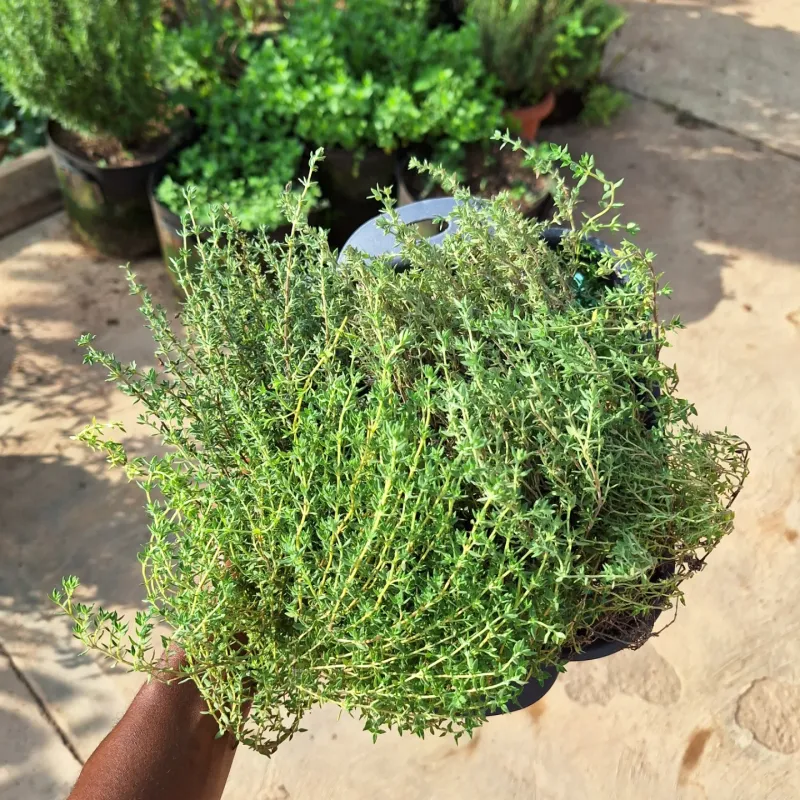
Thyme ranks among the toughest, most drought-tolerant herbs for Arizona gardens once established. February planting gives this Mediterranean native time to develop strong roots before summer’s intensity arrives.
This woody perennial thrives in Arizona’s climate, often outlasting many other herbs while requiring minimal maintenance.
Plant thyme in full sun locations with excellent drainage, as this herb absolutely cannot tolerate soggy soil. Arizona’s native soil often drains well naturally, but amending with sand or gravel improves drainage further.
Space thyme plants about twelve inches apart, and water sparingly once established, as overwatering causes more problems than drought for this tough herb.
Several thyme varieties grow successfully in Arizona, including common thyme, lemon thyme, and creeping thyme. Each offers slightly different flavors and growth habits, but all handle our climate admirably.
Thyme’s small leaves pack intense flavor, so a little goes a long way in cooking.
Harvest thyme by snipping stem tips regularly, which encourages bushier growth and prevents plants from becoming woody and unproductive. This herb complements roasted vegetables, grilled meats, soups, and Mediterranean dishes perfectly.
Thyme planted in February typically provides harvests within six to eight weeks and continues producing for years in Arizona gardens. The herb even tolerates our summer heat when given afternoon shade, making it one of the most valuable additions to any Arizona herb garden established this month.
6. Oregano
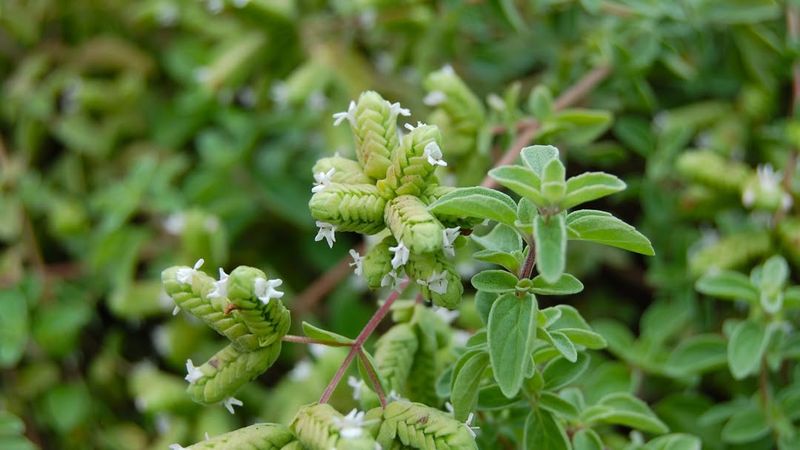
Oregano thrives spectacularly in Arizona gardens, handling our hot, dry climate better than almost any other culinary herb. February planting establishes this Mediterranean perennial before summer, allowing roots to spread deeply into the soil.
Once mature, oregano becomes incredibly drought-tolerant and heat-resistant, often looking its best during months when other herbs struggle.
Choose Greek or Italian oregano varieties for the strongest flavor in cooking. Plant in full sun with well-draining soil, spacing plants about eighteen inches apart to accommodate their spreading growth habit.
Oregano tolerates poor soil better than most herbs, though adding compost improves initial establishment in Arizona gardens.
Water oregano moderately during its first growing season, then reduce watering significantly once established. This herb actually develops more concentrated flavor when grown in drier conditions, making it perfectly suited to Arizona’s climate.
Overwatering leads to bland flavor and potential root problems.
Harvest oregano leaves anytime once plants reach six inches tall, snipping stems as needed for fresh use or drying. The flavor intensifies when leaves are dried, making oregano excellent for preserving.
Regular harvesting keeps plants compact and productive rather than leggy. Oregano blooms in summer with small purple or white flowers that attract beneficial pollinators to Arizona gardens.
February-planted oregano typically provides first harvests within two months and continues producing abundantly for years with minimal care, making it essential for pizza, pasta sauces, and countless Mediterranean dishes.
7. Sage
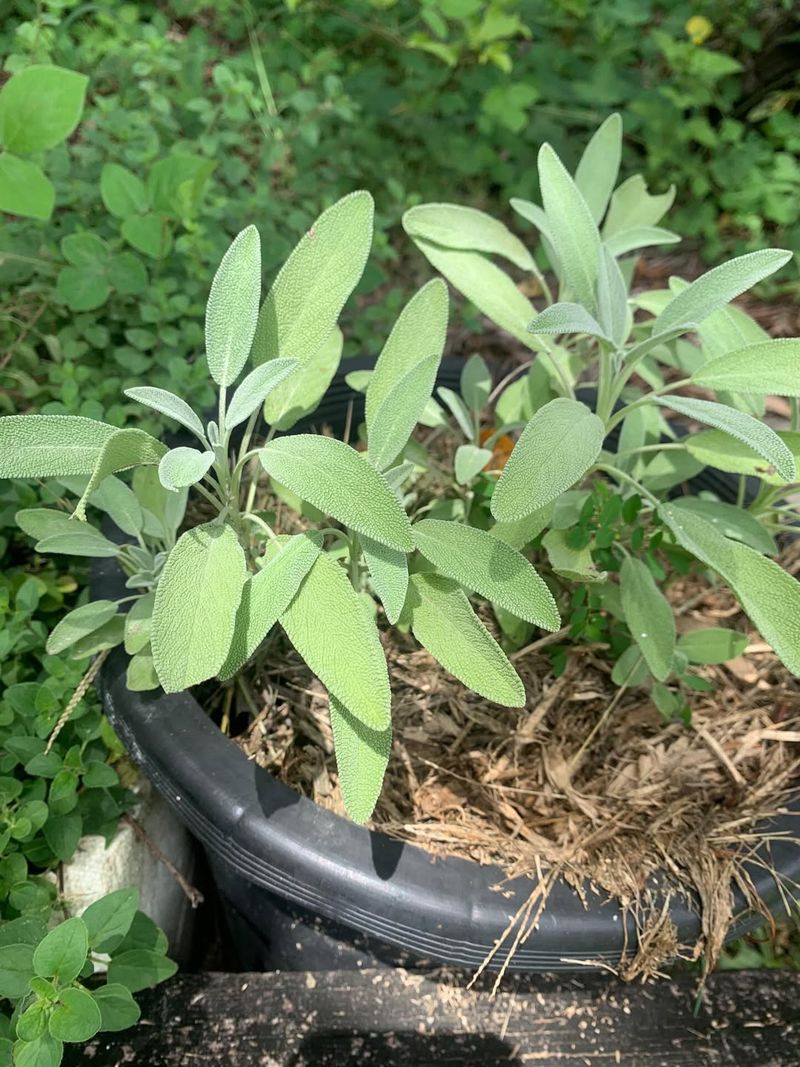
Sage brings beautiful silvery foliage and robust flavor to Arizona herb gardens planted in February. This woody perennial handles heat and drought exceptionally well once established, making it ideal for our desert climate.
Several sage varieties grow successfully here, including common garden sage, pineapple sage, and purple sage, each offering unique characteristics.
Plant sage in full sun with excellent drainage, as this Mediterranean native despises wet feet. Space plants about two feet apart since mature sage becomes quite bushy and substantial.
Arizona’s alkaline soil suits sage perfectly, though incorporating organic matter at planting time supports initial growth.
Water sage regularly during establishment, then transition to infrequent deep watering once plants mature. Sage tolerates considerable drought but produces more abundant foliage with occasional irrigation during Arizona’s dry spells.
Prune sage lightly after flowering to maintain compact shape and encourage fresh growth.
Harvest sage leaves throughout the growing season by snipping stems as needed. The flavor concentrates just before flowering, making this the prime time for preserving through drying.
Fresh sage leaves transform poultry dishes, pasta, and roasted vegetables with their distinctive savory flavor. Sage planted in February in Arizona gardens typically reaches harvestable size within eight to ten weeks and continues producing for many years.
The plant’s attractive foliage adds ornamental value beyond its culinary uses, and it requires remarkably little attention once established in our climate.
8. Mint
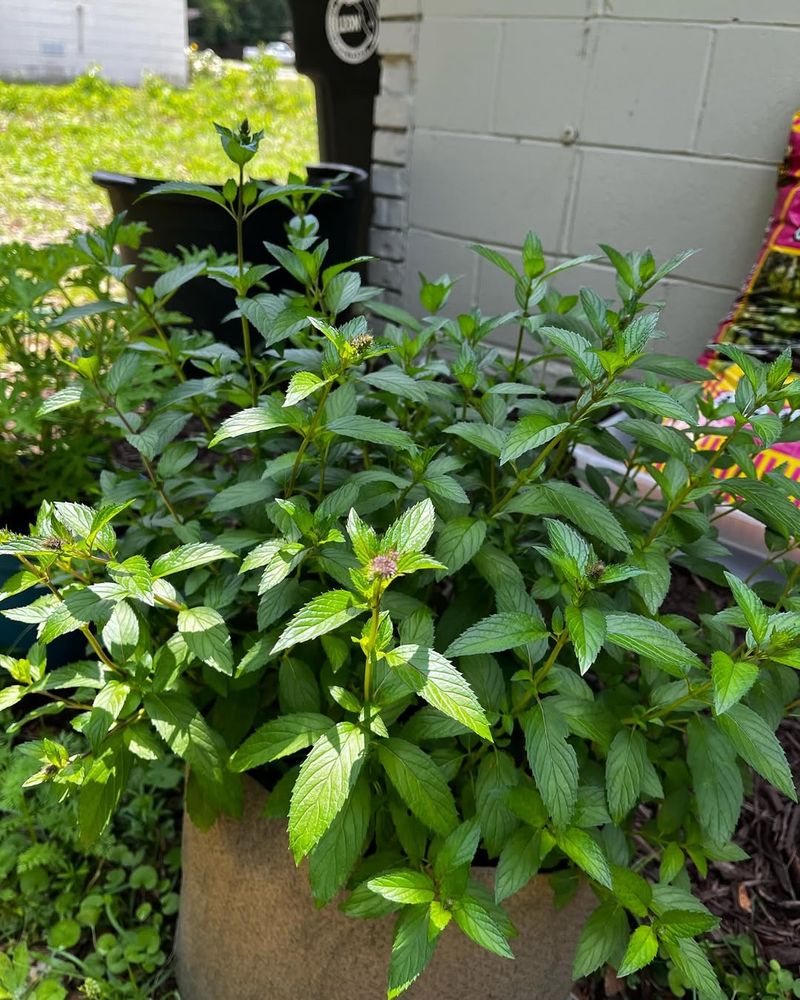
Mint grows with legendary enthusiasm in Arizona gardens, making February the perfect time to establish this refreshing herb. However, mint’s aggressive spreading habit means you should always plant it in containers rather than directly in garden beds.
This vigorous perennial will take over entire garden areas if given the chance, crowding out other plants.
Choose large containers at least twelve inches deep with drainage holes for growing mint in Arizona. Several mint varieties thrive here, including spearmint, peppermint, chocolate mint, and mojito mint.
Each offers distinct flavor profiles perfect for different culinary uses. Fill containers with quality potting mix rather than garden soil for best results.
Position mint containers where plants receive morning sun but afternoon shade, especially important as Arizona temperatures climb toward summer. Mint requires more consistent moisture than many herbs, so check soil regularly and water when the top inch feels dry.
Container growing makes controlling moisture levels easier than in-ground planting.
Harvest mint generously and often, as frequent cutting encourages bushier growth and prevents plants from becoming leggy. Fresh mint elevates beverages, desserts, salads, and Middle Eastern dishes wonderfully.
Mint planted in February in Arizona gardens grows rapidly, often ready for first harvest within just a few weeks. The herb continues producing abundantly through spring and summer when provided adequate water and afternoon shade.
Divide overcrowded mint plants every few years to maintain vigor and share with friends.