The 9 Best Host Plants For Native Moths In California Gardens
Moths don’t always get the same love as butterflies, but they play a surprisingly important role in California gardens. Many species are excellent nighttime pollinators, and their caterpillars provide a valuable food source for birds and other wildlife.
If you want a garden that truly supports local ecosystems, moths deserve a spot on the guest list. The secret to attracting them isn’t fancy feeders or special shelters. It’s plants.
More specifically, host plants where moths can lay their eggs and where hungry caterpillars can grow safely before becoming the winged visitors you see fluttering around porch lights at night.
Think of these plants as the nursery for the next generation of native moths. Without them, many species simply can’t complete their life cycle.
Add the right host plants to your garden and you’ll start supporting an entire hidden world of nighttime pollinators you may never have noticed before.
1. California Buckwheat
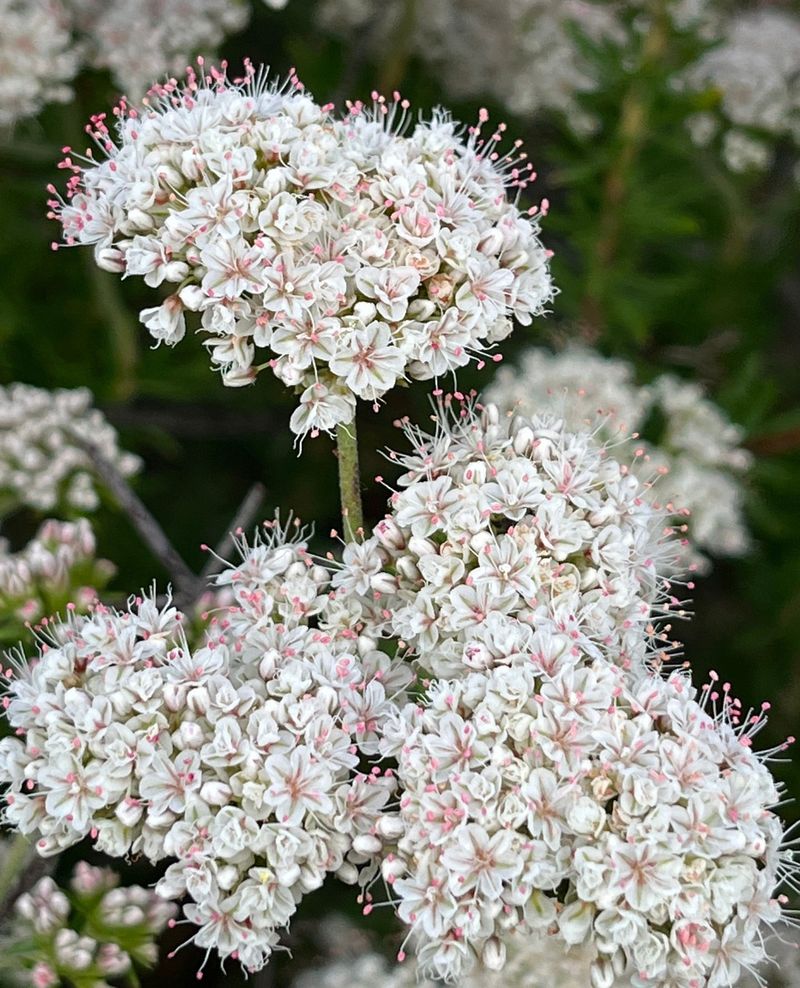
Few plants in California pull double duty quite like California Buckwheat. Known by its scientific name Eriogonum fasciculatum, this tough little shrub is a powerhouse for native moths.
Its clusters of tiny white and pinkish flowers attract dozens of species, and its foliage serves as a critical feeding ground for moth caterpillars throughout the season.
You will often spot this plant growing along dry hillsides and chaparral zones all across California. It handles drought like a champ, making it a smart pick for low-water gardens.
Once it is established, it basically takes care of itself.
For gardeners in Southern California especially, this shrub is a must-have. Moths like the gray hairstreak and several sphinx moth species rely on it.
Plant it in full sun and well-drained soil, and you will have a plant that blooms from spring through fall. The dried flower heads also add a rusty-orange color to the garden in winter, giving it year-round appeal.
It is truly one of the hardest-working native plants you can add to any California landscape.
2. California Lilac
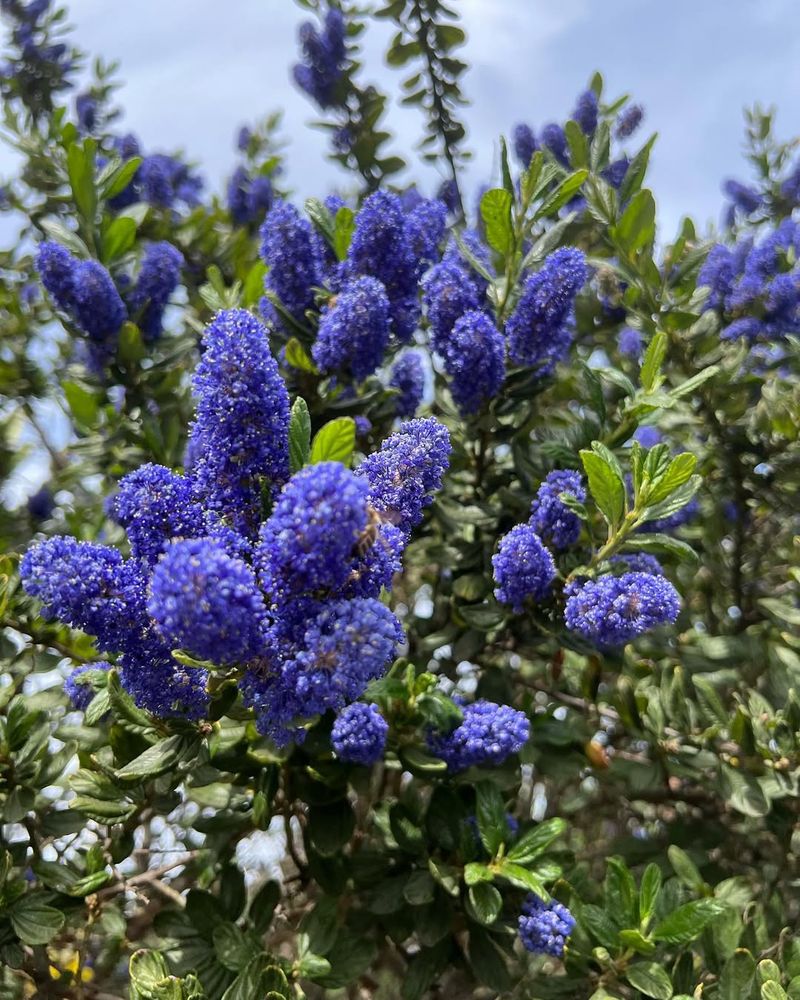
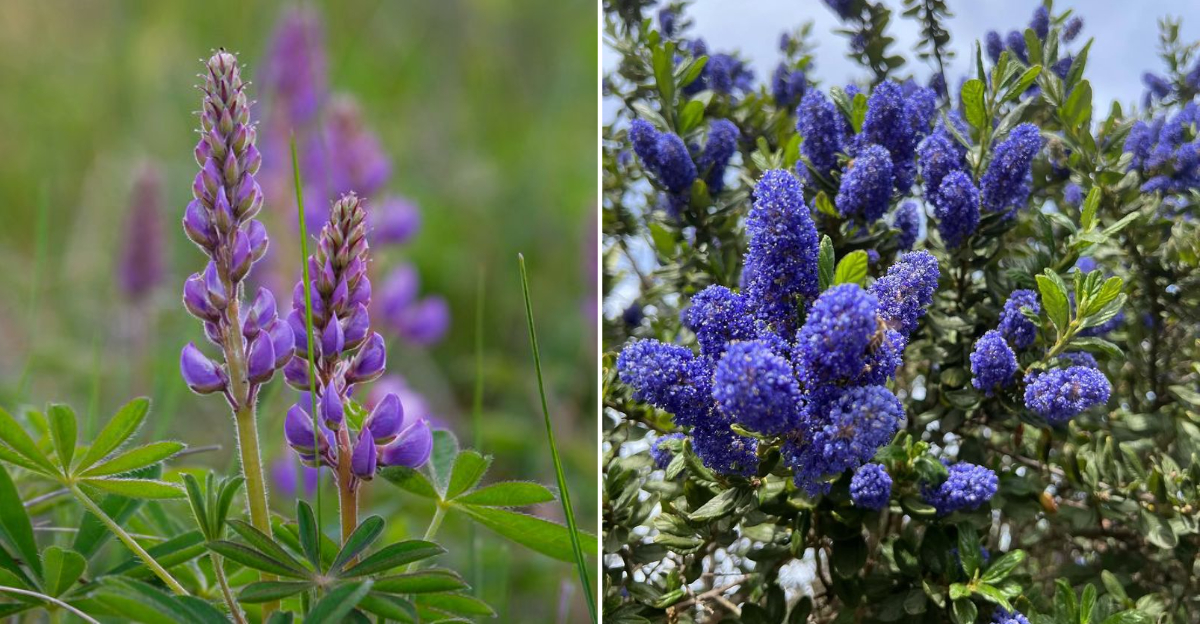
Walk past a blooming California Lilac in spring, and you will immediately understand why it is so beloved. The Ceanothus genus includes dozens of species native to California, and nearly all of them are excellent host plants for native moths.
Their dense clusters of blue, purple, or white flowers are a magnet for pollinators of every kind.
Caterpillars of the pale swallowtail and California tortoiseshell are well-known fans of this plant. But moth species also feed heavily on its leaves during their larval stage.
Having a few Ceanothus shrubs in your yard can seriously boost the number of native insects you attract throughout the year.
One of the best things about California Lilac is how adaptable it is. There are varieties that grow as ground covers, compact shrubs, or tall hedges.
Most prefer full sun and good drainage. They do not need much water once established, which makes them ideal for water-wise gardens across California.
Plant one near a fence or slope to prevent erosion while also giving local moths a safe place to feed and grow. It is a win all around.
3. Toyon
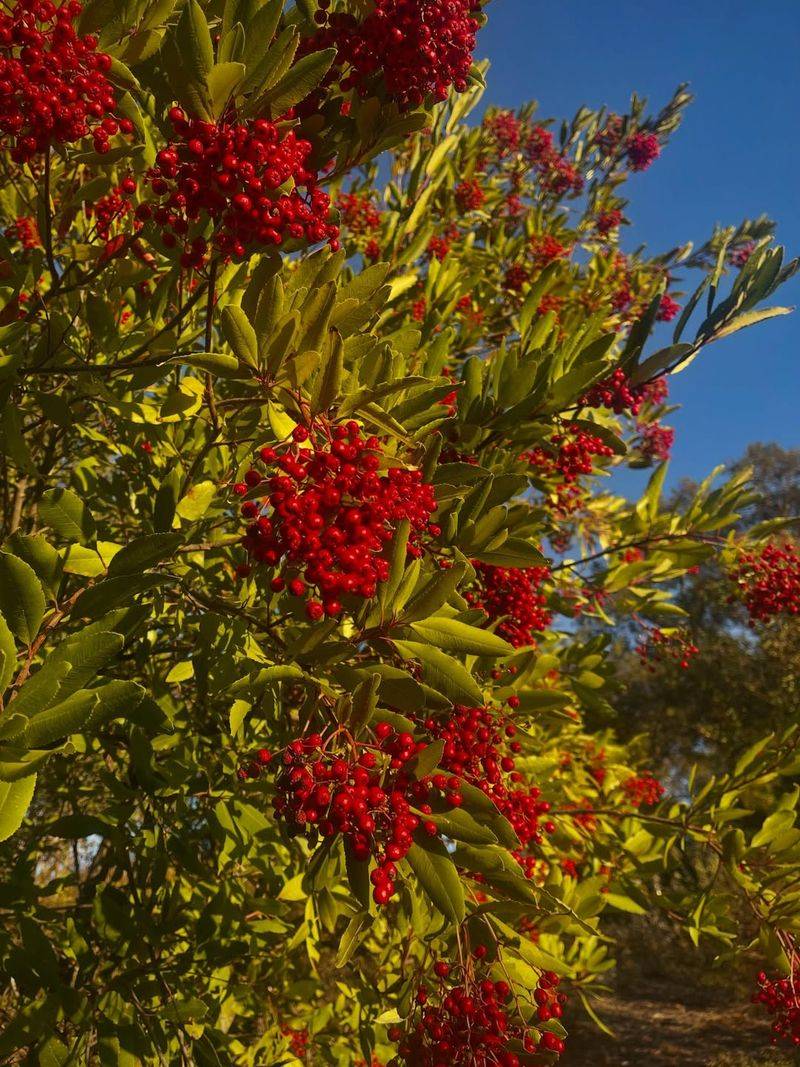
Toyon, also called Heteromeles arbutifolia, is sometimes known as California Holly because of its bright red berries that appear in winter. But beyond its good looks, Toyon is a serious player in the native moth world.
Several moth species use its leaves as a food source during their caterpillar stage, making it a valuable addition to any California wildlife garden.
This shrub can grow quite large, sometimes reaching 10 feet or more. It thrives in dry, rocky soils and handles both heat and drought without complaint.
In summer, clusters of small white flowers attract bees and butterflies. Then those berries arrive in fall and winter, feeding birds like cedar waxwings and American robins.
Toyon is one of those plants that gives back in every season. Moths benefit from it in spring and summer, birds feast on it in winter, and pollinators love it in between.
For gardeners in the Los Angeles area and throughout coastal and inland California, Toyon is a native treasure. It looks great as a hedge, a specimen plant, or even a small tree if you let it grow naturally.
Plant one and watch your garden come alive.
4. Willow
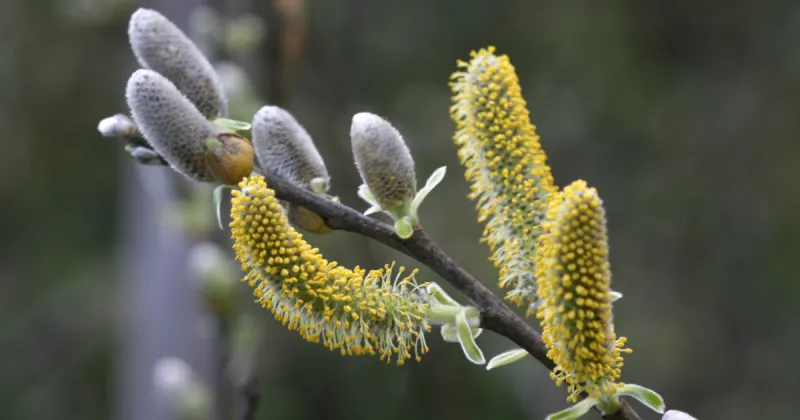
Willows are some of the most generous host plants in the entire California landscape. Species like Salix lasiolepis, the arroyo willow, support an enormous number of native insects including well over a hundred moth and butterfly species.
If you have space near a water feature or a low spot in your yard, a native willow can completely transform your garden into a wildlife hub.
Moth caterpillars absolutely love willow leaves. The soft, elongated foliage is easy to chew and packed with nutrients that help larvae grow quickly.
Many sphinx moth species and silk moths depend on willows during their caterpillar stage. You may even spot leaf rolls or silk shelters on the branches, which are signs that caterpillars are busy at work.
Growing a willow in California does require some moisture. They naturally grow along streams and in riparian zones, so they appreciate regular watering, especially in dry summers.
But if you have a rain garden or a spot that collects runoff, willows will thrive there. They also grow fast, providing shade and habitat in just a few years.
For supporting native moths across California, few plants match the sheer biodiversity value of a native willow tree.
5. Manzanita
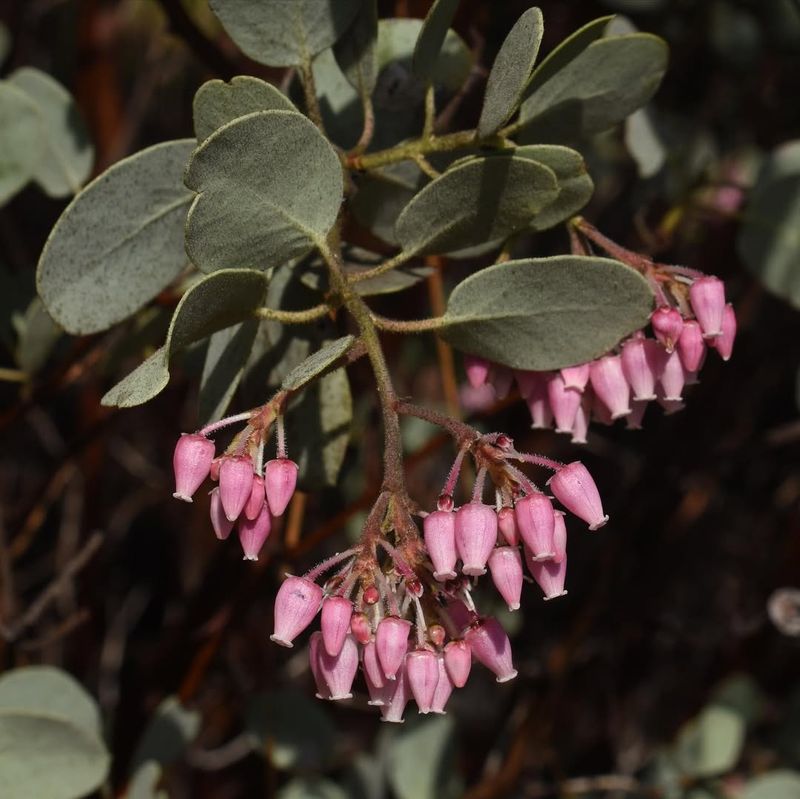
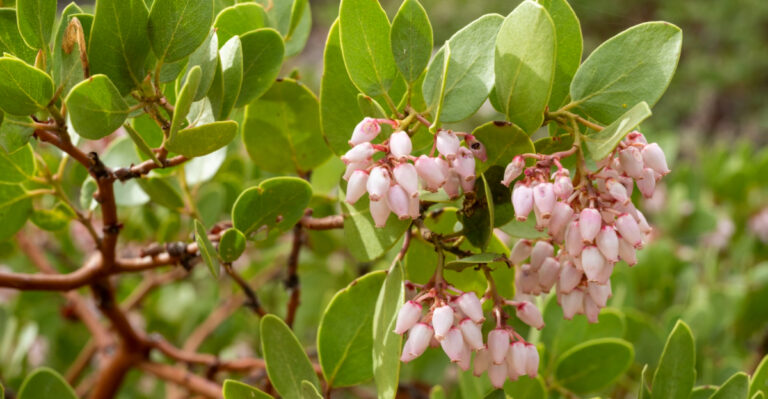
There is something almost magical about a Manzanita. Its smooth, cinnamon-red bark glows in the California sun, and its delicate urn-shaped flowers are among the first to bloom each winter.
Belonging to the genus Arctostaphylos, Manzanita is a beloved native shrub that supports a surprisingly wide range of native moth species throughout the year.
Several moth caterpillars feed specifically on Manzanita foliage. The elfin moth and various geometrid moths are known to use it as a larval host.
The dense, evergreen leaves provide shelter and food from late winter well into summer. Bees and hummingbirds love the flowers too, so planting Manzanita creates a full ecosystem in one spot.
For California gardeners, Manzanita is an excellent low-maintenance choice. Most species prefer full sun and excellent drainage.
They do not like wet feet, so avoid overwatering once they are established. There are dozens of Manzanita varieties native to different parts of California, from coastal forms to mountain species.
Choosing a variety local to your region will give you the best results. Whether you live in Northern California foothills or Southern California chaparral zones, there is likely a Manzanita that is perfectly suited for your garden.
6. Oak
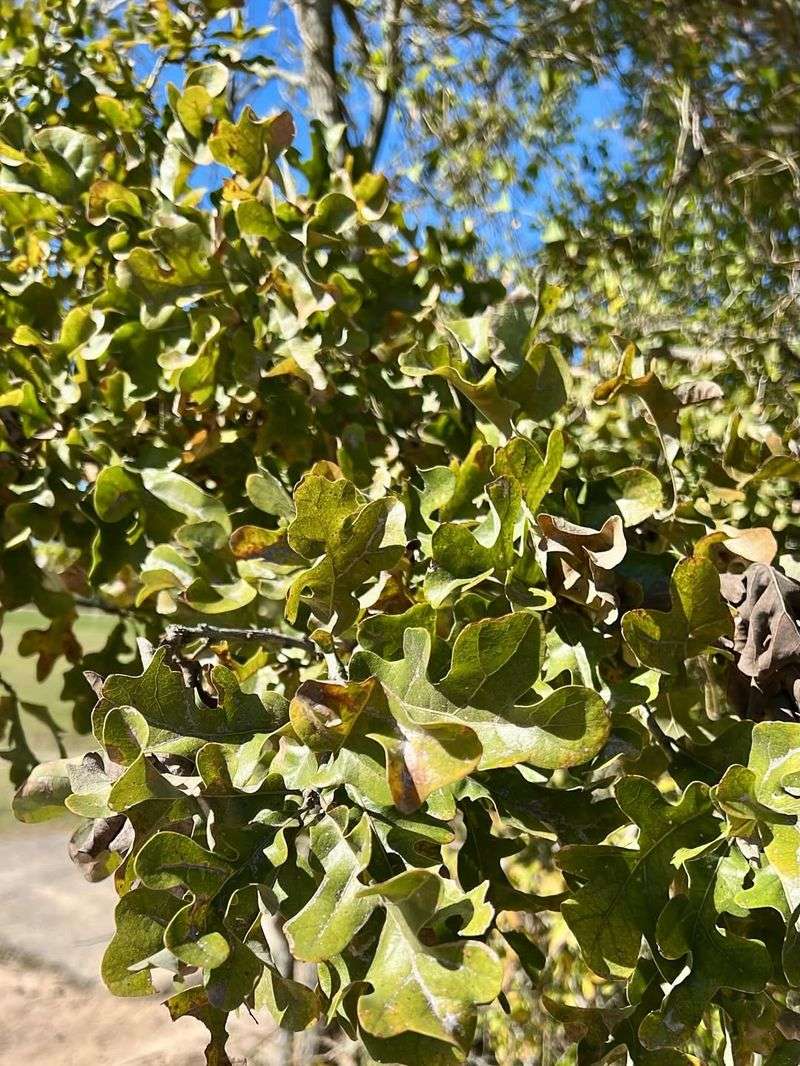
Ask any California naturalist which plant supports the most wildlife, and the answer will almost always be oak. Native oaks, including valley oak, blue oak, and coast live oak, are legendary host plants.
Research suggests that a single oak tree can support over 500 species of caterpillars, including an astonishing variety of native moths found throughout California.
The reason oaks are so valuable comes down to their leaves. Oak foliage is rich in tannins and nutrients that many moth caterpillars have evolved to process over thousands of years.
Species like the polyphemus moth, the California oak moth, and dozens of underwing moths depend on oaks during their larval stage. Without oaks, many of these moths simply could not survive.
Planting a native oak is a long-term investment in your California garden. These trees grow slowly but live for centuries, creating habitat that benefits generations of wildlife.
They need little water once established and are highly adapted to California’s dry summers. Give your oak plenty of space and avoid overwatering or planting grass beneath it.
Let fallen leaves accumulate under the canopy since many moth pupae overwinter in leaf litter. An oak tree is truly the crown jewel of any California native garden.
7. California Sagebrush
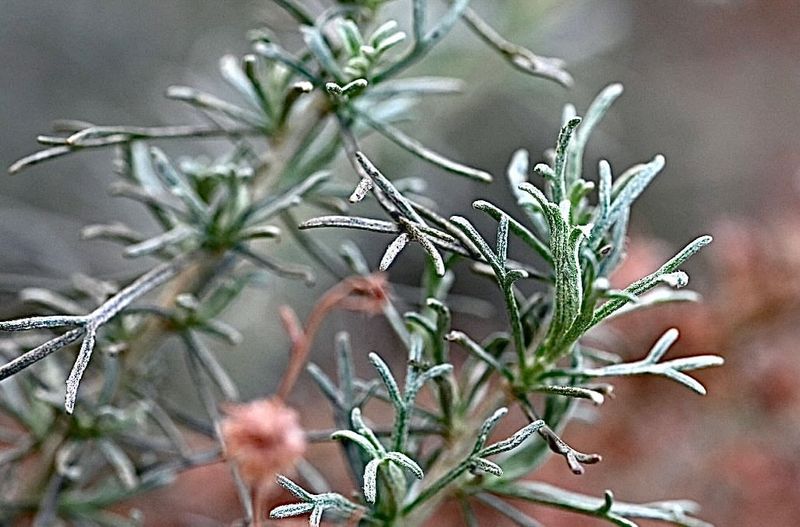
That silvery, feathery plant you often see along California trails and hillsides is California Sagebrush, or Artemisia californica. Its shimmering, silver-green foliage has a soft, aromatic quality that many gardeners absolutely love.
But beyond its beauty and fragrance, this native shrub is a key host plant for several native moth species found throughout the state.
The painted lady butterfly is a well-known fan of sagebrush, but moths benefit just as much. Caterpillars of various owlet moths and noctuid species feed on its foliage.
The plant is also a xeriscape superstar, needing almost no summer water once it gets settled in. That makes it a top pick for water-smart gardens across California.
California Sagebrush grows quickly and stays relatively compact, usually reaching three to four feet tall and wide. It works beautifully as a border plant, a slope stabilizer, or mixed into a native wildflower meadow.
Plant it in full sun with fast-draining soil and you will have very few problems. Pruning lightly after the rainy season helps keep it tidy.
If you want a plant that smells amazing, looks stunning, and actively supports native moths in your California garden, this is an easy and rewarding choice to make.
8. Lupine
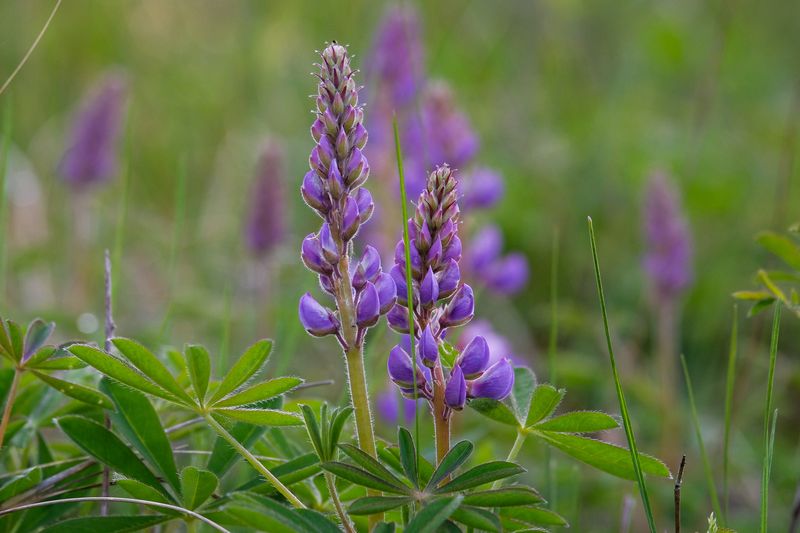
Bright spikes of purple and blue flowers rising above silvery, palm-shaped leaves make Lupine one of the most visually striking plants in any California garden. But there is far more going on beneath those beautiful blooms.
Lupines, especially species like Lupinus albifrons and Lupinus bicolor, are host plants for an incredible number of native moth and butterfly species throughout California.
Some sources suggest that certain lupine species support up to 49 different moth and butterfly species as larval hosts. That is a staggering number for a single plant.
Caterpillars of persius duskywing moths and several blue butterfly relatives feed on lupine foliage during the spring growing season. The plant also fixes nitrogen in the soil, improving the ground around it.
Lupines are not the easiest plants to grow from transplant, but starting them from seed in fall often works very well. They prefer full sun and loose, well-drained soil.
Once established, they are fairly drought-tolerant and come back reliably each year in many parts of California. They also look incredible when planted in drifts or mixed with California poppies.
For a garden that bursts with color while actively feeding native moth caterpillars, Lupine is an outstanding and rewarding plant to include.
9. Wild Cherry
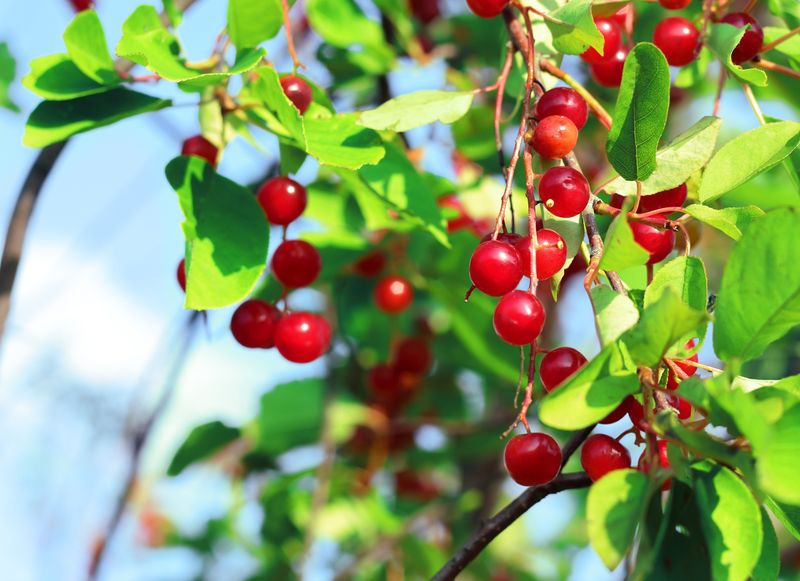
Wild Cherry, known botanically as Prunus ilicifolia or the hollyleaf cherry, is one of California’s most underrated native plants. Its glossy, dark green leaves have a holly-like shape, and in spring it produces clusters of small white flowers that are a delight for pollinators.
For native moths, this plant is an exceptional host, supporting caterpillars of many species found across California.
The Prunus family as a whole is one of the most important groups for moth larvae in North America. Silk moths, sphinx moths, and dozens of smaller moth species use wild cherry as a primary food source.
Spotting tiny caterpillars rolled up in the leaves is a common and exciting discovery for gardeners paying close attention to their plants.
Wild Cherry grows well in a variety of California conditions. It tolerates drought, heat, and poor soils better than most fruit trees.
It can be shaped into a hedge, trained as a small tree, or left to grow naturally as a large shrub. Birds love the small dark fruits that appear in late summer.
Planting Wild Cherry gives your California garden structure, seasonal interest, and a reliable food source for some of the most beautiful native moths in the region all year long.