The Best Houseplants For Bright California Windows That Get Hot Fast
A sunny window sounds like the perfect spot for houseplants until that afternoon heat starts building up.
In many California homes, light pours in strong and steady, and by midday, that same window can feel more like a greenhouse than a cozy corner. Leaves can scorch, soil dries out faster than expected, and plants that looked great at first suddenly struggle to keep up. It catches a lot of people off guard.
Not every plant is cut out for that kind of exposure, but some actually thrive in it. They handle the brightness, the warmth, and the dry air without losing their good looks.
Once you know which ones can take the heat, that tricky window can turn into one of the best spots in your home.
1. Aloe Vera
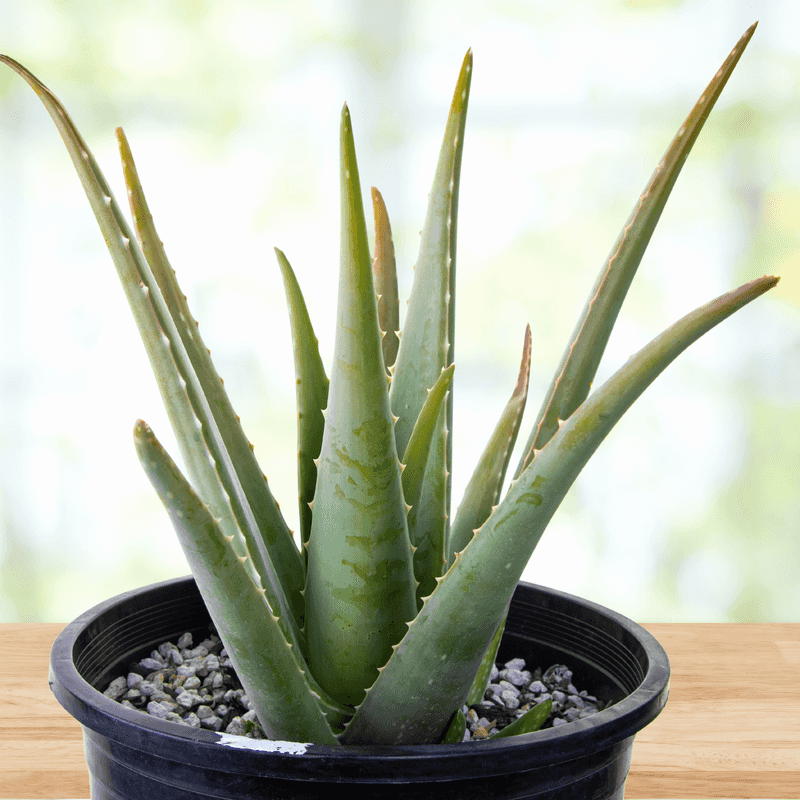
Few plants have earned their reputation quite like Aloe Vera. People have been growing this spiky succulent for thousands of years, and it is easy to see why it has stuck around.
Those thick, gel-filled leaves store water like a tiny reservoir, which means Aloe is built for exactly the kind of bright, hot California windows that send other plants into shock.
Place your Aloe in a south or west-facing window and provide bright light. Water it deeply but infrequently, allowing the soil to dry out completely between sessions.
Overwatering is the number one mistake people make with Aloe, so when in doubt, wait a few more days before reaching for the watering can.
Beyond its good looks, Aloe Vera is genuinely useful to have around the house. Snap off a leaf and apply the cool gel to minor sunburns or skin irritations.
It grows slowly but steadily, and as it matures, it produces small offset plants called pups that you can repot and share with friends. For California homes with blazing windowsills, Aloe Vera is practically a no-brainer addition to any plant collection.
2. Jade Plant
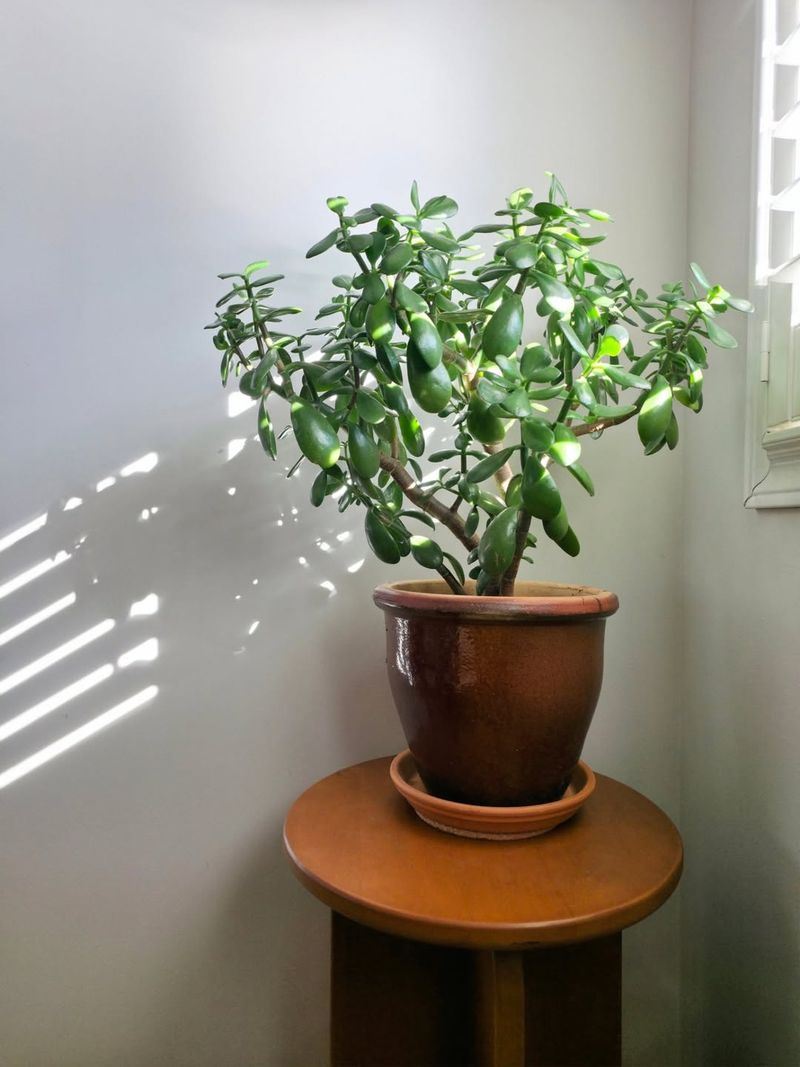
Walk into almost any California home that has been around for a few decades and you will likely spot a Jade Plant sitting proudly near a sunny window. Also known as Crassula ovata, this sturdy succulent has a tree-like appearance with thick, oval leaves that shine like polished jade stones.
It is a plant that practically radiates good energy, which is probably why so many cultures consider it a symbol of good fortune.
Jade Plants love bright, direct sunlight and warm temperatures, making them a natural fit for hot California windows. They prefer well-draining soil and need watering only when the top inch or two of soil feels completely dry.
During the winter months, you can cut back on watering even more since the plant naturally slows its growth.
One of the most charming things about Jade Plants is how long they live. With the right care, they can grow for decades and even develop a woody trunk that gives them a bonsai-like appearance.
They are slow growers, but patience pay off big time with this plant. If you are looking for something low-maintenance that brings character and longevity to your bright California window, the Jade Plant is a fantastic pick.
3. Snake Plant
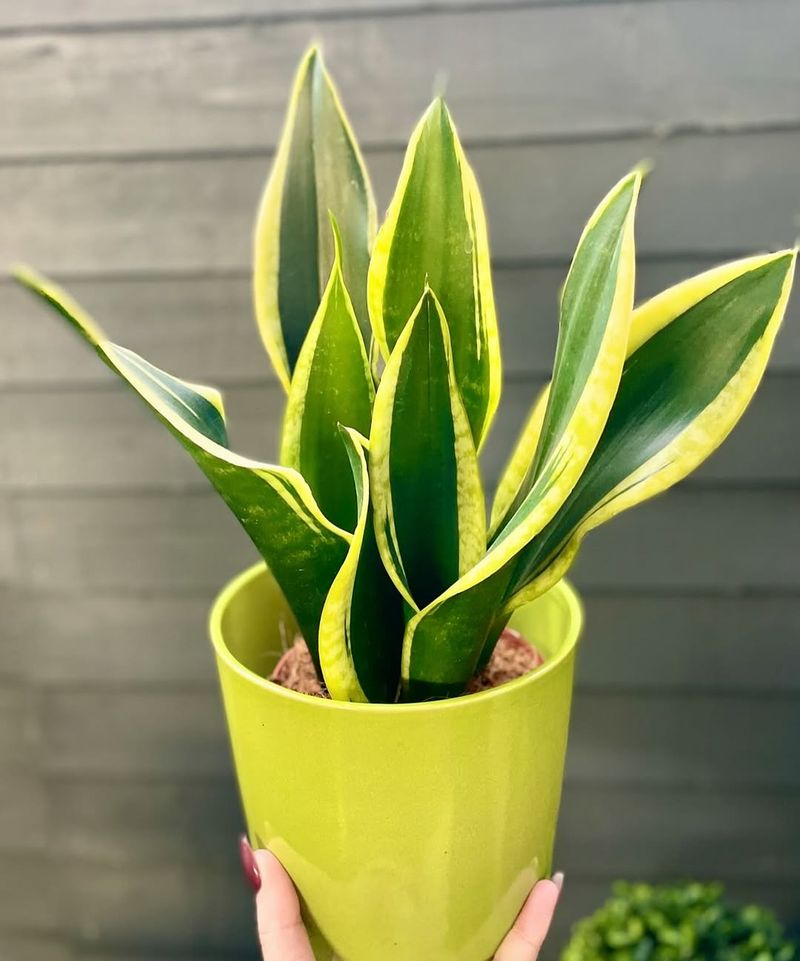
If there were a trophy for the toughest houseplant on the block, the Snake Plant would win it every single time. Officially named Sansevieria trifasciata, this plant has earned nicknames like mother-in-law’s tongue because of its sharp, upright leaves.
It is very tolerant of neglect, low humidity, and the heat that builds up in California windows during summer afternoons.
Snake Plants can handle a wide range of lighting conditions, from dim corners to full, blazing sun. That flexibility makes them incredibly versatile for California homes where light levels shift dramatically depending on the season or the room.
When placed in a bright, hot window, they tend to grow faster and show off their striking variegated patterns even more vividly.
Watering a Snake Plant is refreshingly simple. These plants store water in their thick leaves and prefer to stay on the drier side.
Water thoroughly every two to three weeks in summer, and cut back to once a month or less during cooler periods. They rarely need repotting and are happy being slightly root-bound.
If you want a plant that thrives in your sunniest California spot without demanding much in return, the Snake Plant is ready for the job.
4. Ponytail Palm
Do not let the name fool you. The Ponytail Palm is not actually a palm tree at all.
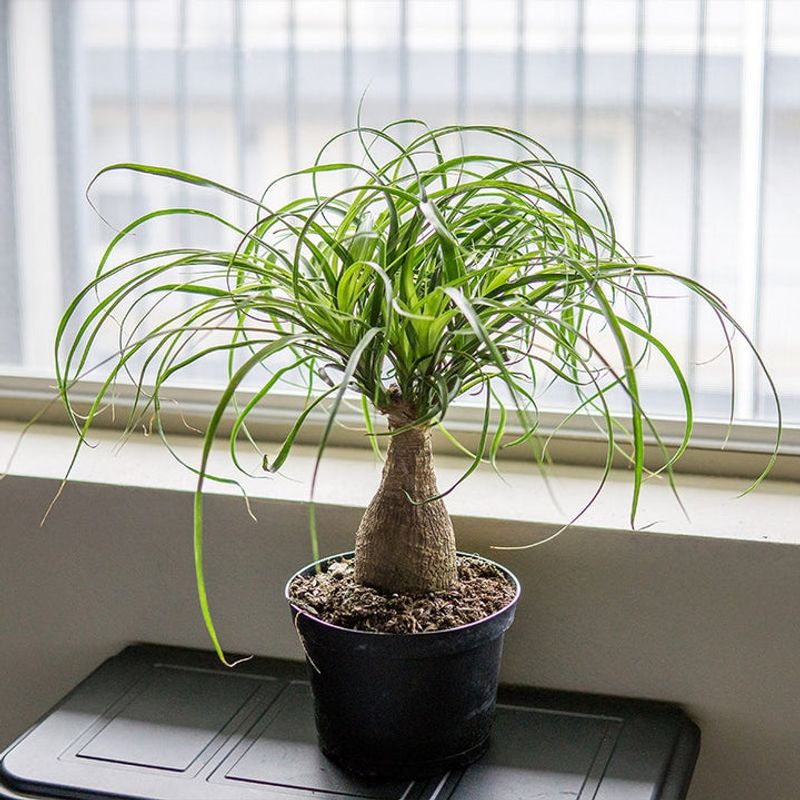
It belongs to the succulent family, and that swollen base at the bottom of its trunk is essentially a water tank that helps it survive long stretches without rain. This quirky feature makes it perfectly suited for the hot, dry conditions found near bright California windows.
Long, strap-like leaves cascade down from the top of the trunk like a wild ponytail, giving this plant its fun and memorable name. It loves full sun and thrives in warm temperatures, so placing it in your sunniest California window is exactly the right move.
It grows slowly, which means you will not have to repot it constantly, and it stays tidy without much fuss.
Watering should be minimal. During the growing season, water once every couple of weeks and allow the soil to dry out completely in between.
In cooler months, stretch that out even further. The Ponytail Palm is also a great conversation starter because of its unusual shape and texture.
Guests always seem to do a double-take when they spot it. For California plant lovers who want something visually interesting and genuinely easy to care for, this one delivers on every level.
5. Euphorbia Trigona
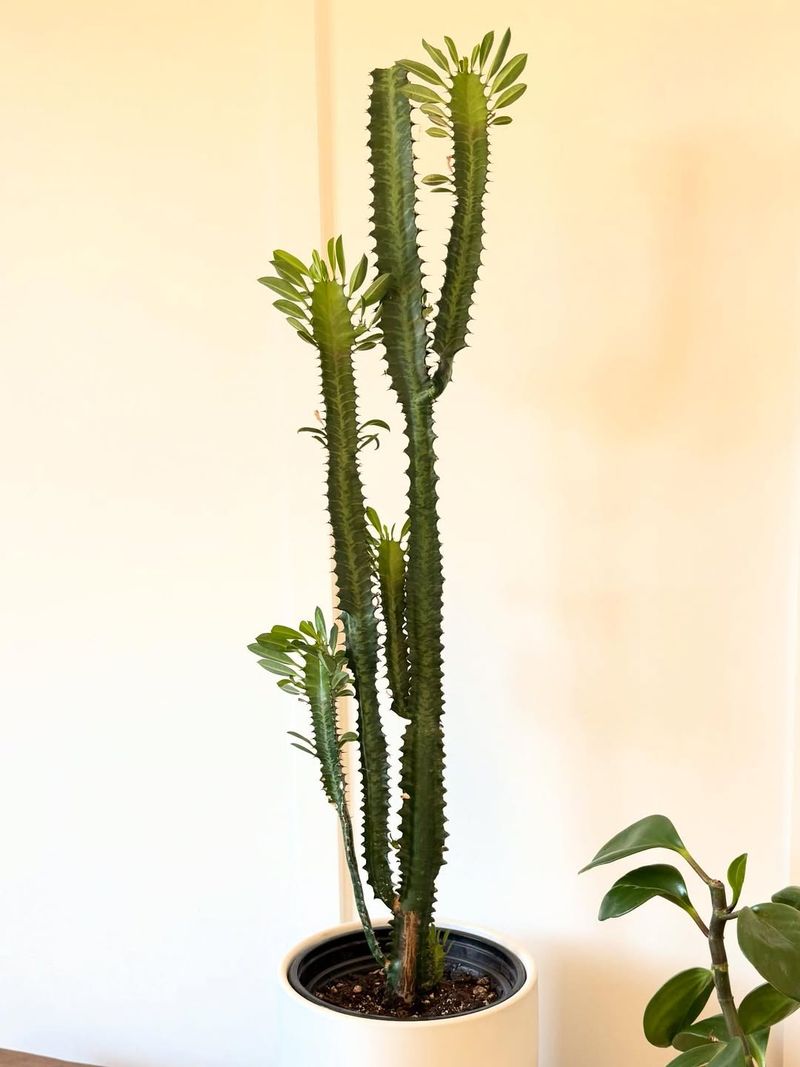
At first glance, Euphorbia Trigona looks like a cactus, but it is actually a member of the Euphorbia family, which makes it more closely related to poinsettias than to any desert cactus. Also called the African Milk Tree, it grows tall and dramatic with triangular stems lined with small leaves and tiny spines.
It is one of those plants that instantly adds architectural interest to any bright California room.
This plant thrives in bright light and warm temperatures, and can do well in a hot California window with proper care. It can grow several feet tall over time, making it a bold statement piece for large windows or open living spaces.
Keep it in well-draining cactus or succulent mix and make sure the pot has drainage holes to prevent soggy roots.
A quick caution worth knowing: Euphorbia Trigona produces a milky white sap when cut or broken that can irritate skin and eyes. Always wear gloves when handling it and keep it out of reach of young children and pets.
Water it every two to three weeks during summer and scale back significantly in winter. With minimal care and maximum sun, this striking plant will reward you with impressive vertical growth that makes every sunny California window look like a work of art.
6. Crown Of Thorns
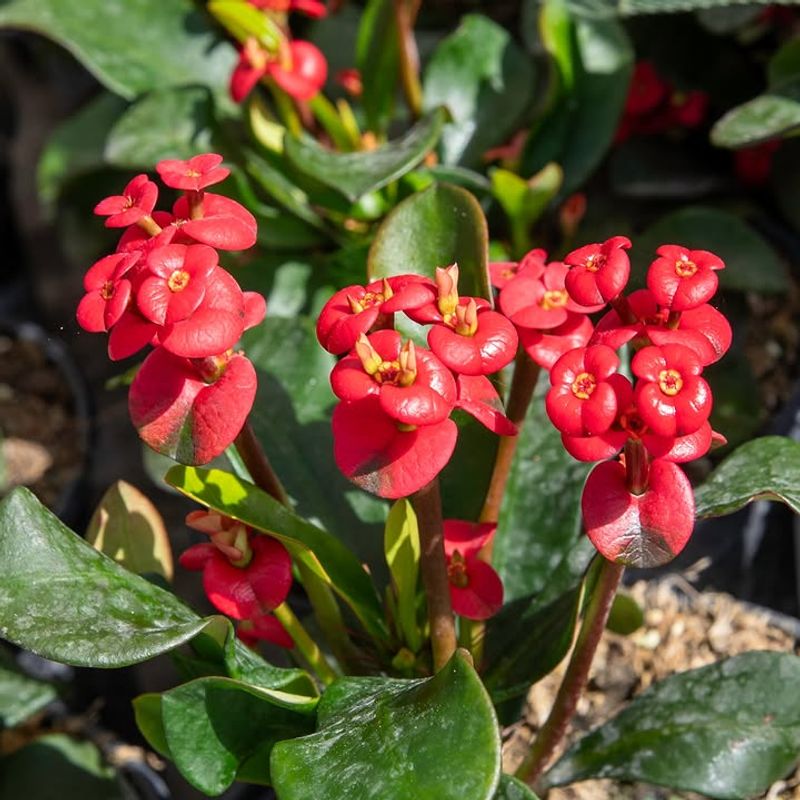
Named after its sharp, woody thorns and worn as a symbol of resilience for centuries, the Crown of Thorns is one of the most underrated flowering succulents you can grow indoors. Botanical name Euphorbia milii, this plant produces cheerful clusters of small, colorful blooms in shades of red, pink, yellow, and white almost year-round when given enough sunlight.
For California homes with windows that stay bright and warm, it can flower for extended periods with proper care.
Crown of Thorns thrives in full sun and warm temperatures, making it one of the best choices for south or west-facing California windows that heat up during the day. It stores water in its thick stems, so it handles drought conditions with ease.
Water it only when the soil feels dry to the touch, and avoid letting it sit in standing water, which can cause root problems fairly quickly.
Like other Euphorbia plants, Crown of Thorns produces a milky sap that can irritate skin, so handle it with care and wash your hands after touching it. Despite its prickly exterior, it is a genuinely rewarding plant to grow.
The combination of colorful blooms and zero-fuss maintenance makes it a crowd favorite among California plant enthusiasts who want beauty without the babysitting.
7. Kalanchoe
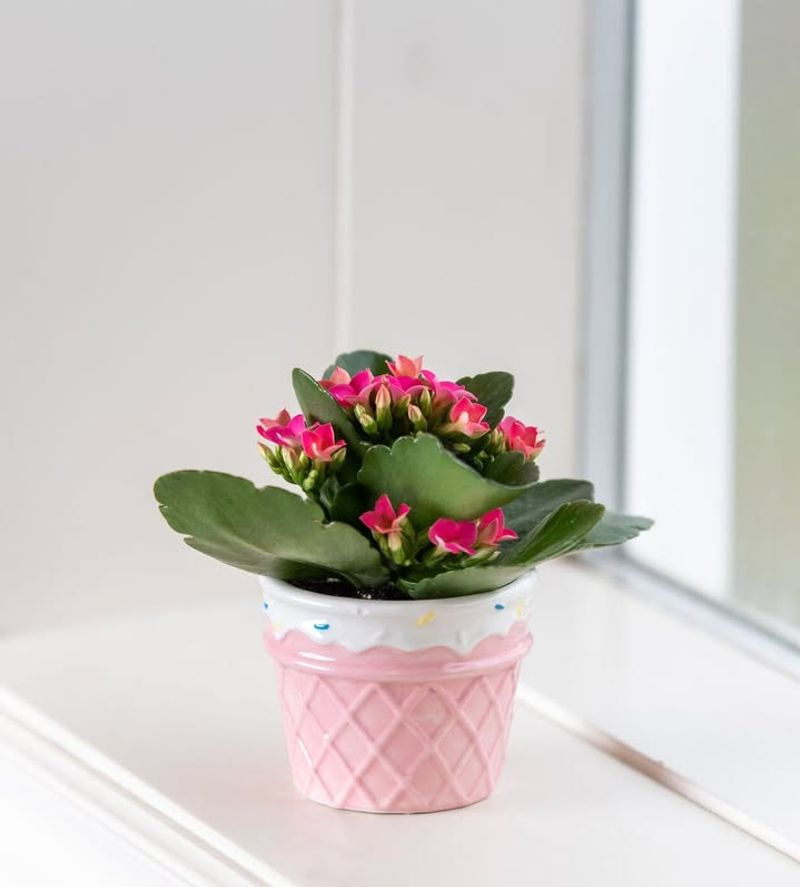
Bright, cheerful, and surprisingly tough, Kalanchoe is one of those plants that looks like it belongs in a florist’s shop but is actually one of the easiest succulents you can grow at home. Native to Madagascar, this compact plant produces clusters of tiny, long-lasting flowers in vivid shades of red, orange, yellow, pink, and white.
When placed in a bright California window, it soaks up the warmth and rewards you with blooms that last for weeks.
Kalanchoe loves direct sunlight and handles high temperatures well, which makes it a natural fit for California homes. Give it a spot in your sunniest window and water it only when the soil is completely dry.
It is a forgiving plant that bounces back quickly if you occasionally forget to water it, which makes it ideal for busy households or first-time plant owners.
After the flowers fade, do not toss the plant. Trim back the spent blooms, keep giving it plenty of light, and it will rebloom again with a little patience.
You can encourage new flowering by placing it in a dark spot for about six weeks, then returning it to bright light. This simple trick mimics its natural seasonal cycle.
For California windowsills that heat up fast, Kalanchoe is a colorful, low-effort winner.
8. Burro’s Tail
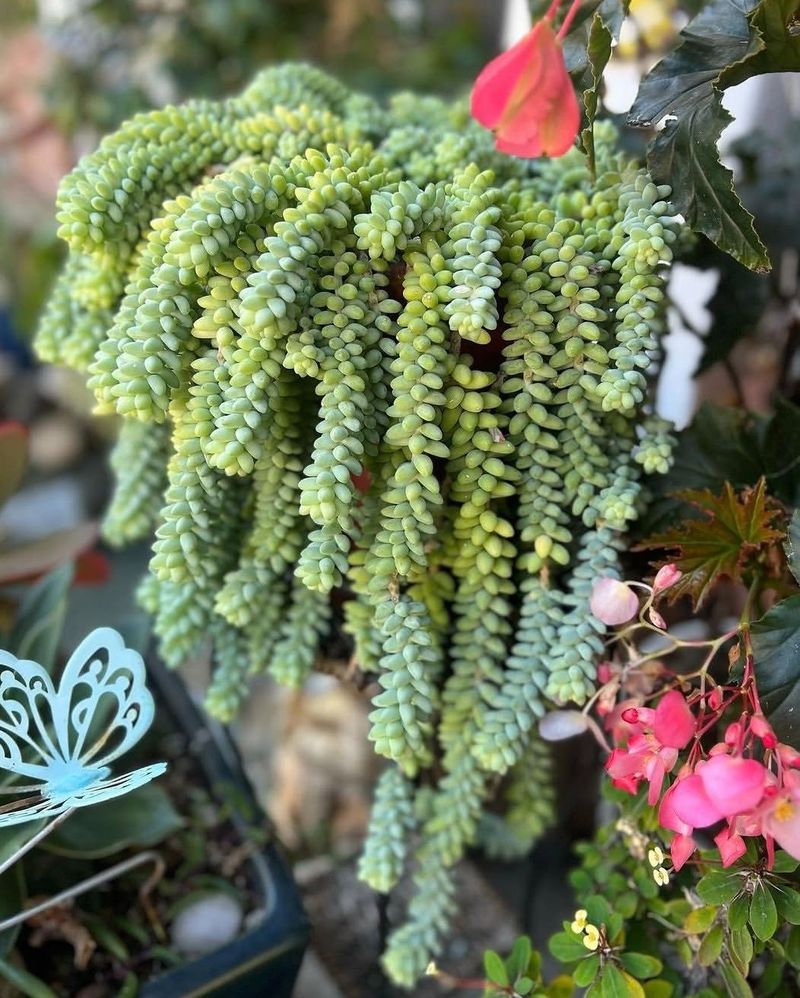
There is something almost hypnotic about a well-grown Burro’s Tail. Botanically called Sedum morganianum, this trailing succulent grows long, rope-like stems densely packed with plump, blue-green leaves that overlap like fish scales.
Hang it in a basket near a bright California window and the stems will cascade downward in a lush, flowing curtain that looks almost too beautiful to be real.
Burro’s Tail thrives in bright, direct sunlight and warm temperatures, making it perfectly suited for those California windows that heat up fast. It stores water in its fleshy leaves and prefers to stay on the dry side, so water sparingly and always let the soil dry out completely between waterings.
During hot California summers, check the soil every ten to fourteen days and adjust as needed.
One thing to know before you start moving this plant around: the leaves detach very easily with even gentle contact. That might sound frustrating, but here is the fun part.
Each fallen leaf can be placed on top of moist soil to grow an entirely new plant. It is one of the easiest plants to propagate, and those little leaf cuttings root quickly in warm California conditions.
If you want a trailing plant that is genuinely stunning and surprisingly simple to maintain, Burro’s Tail earns a top spot.
9. String Of Pearls
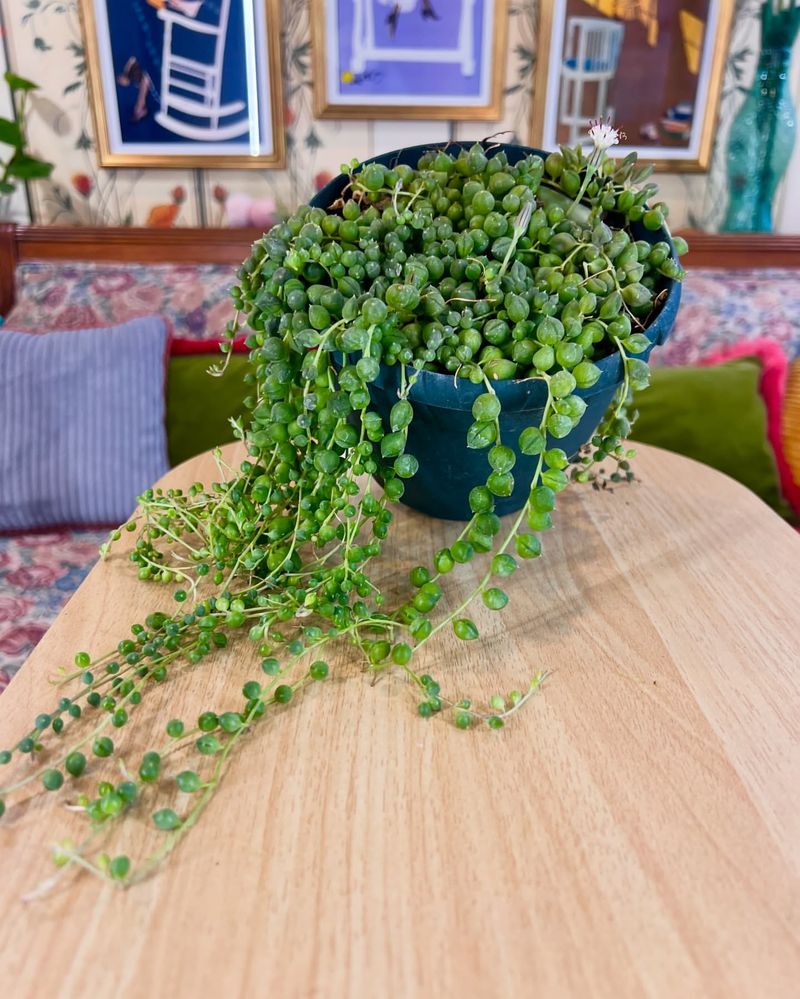
String of Pearls is the kind of plant that stops people in their tracks. Each long, draping strand is covered in perfectly round, pea-sized leaves that look exactly like a strand of green pearls.
Botanically known as Senecio rowleyanus, it is a South African native that evolved to survive intense sun and dry conditions, which makes it a natural fit for hot California windows.
Place String of Pearls in a bright window where it gets at least six hours of direct or very bright indirect light each day. It handles warm temperatures with ease but appreciates good airflow to prevent any humidity buildup around its delicate stems.
Water it thoroughly but infrequently, and make sure the pot drains well. Sitting in wet soil is the one thing this plant genuinely cannot handle for long.
Hanging baskets work especially well for String of Pearls because they allow the stems to trail freely and show off their full beauty. In California, where sunny days are plentiful almost year-round, this plant grows quickly and can develop strands that reach two to three feet long.
It also produces tiny white flowers with a faint cinnamon scent, which is a pleasant surprise for new owners. For a bright California window, String of Pearls is pure visual magic.
10. Echeveria
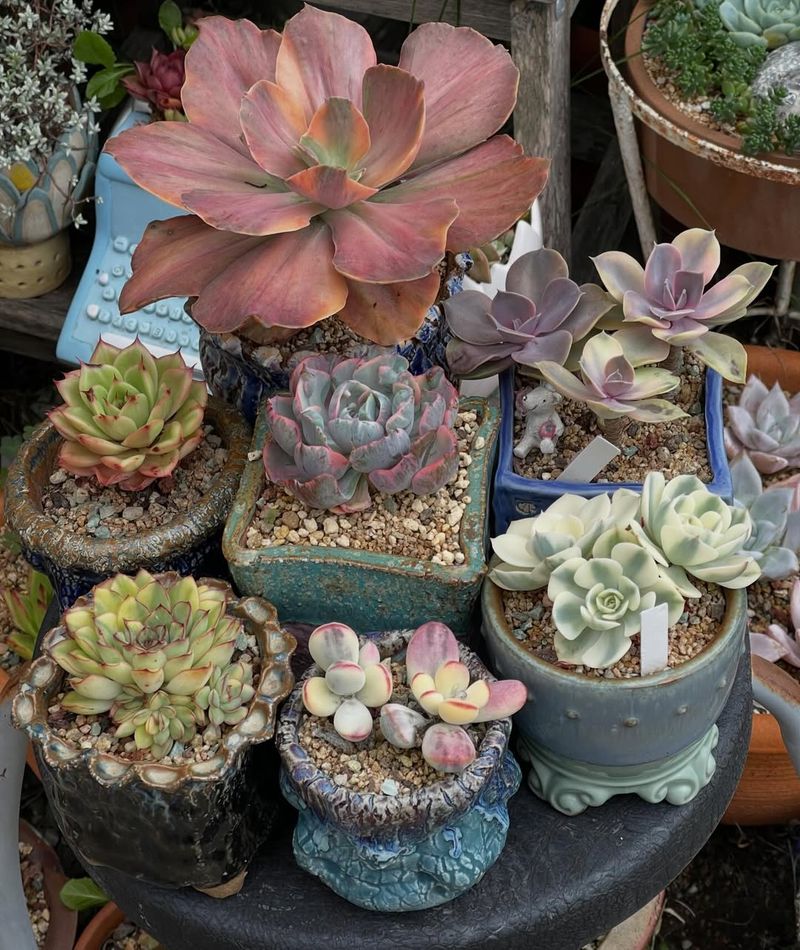
If succulents had a superstar, Echeveria would be it. These rosette-shaped beauties come in an incredible range of colors, from soft lavender and dusty rose to deep burgundy and silvery blue.
Each plant looks like a living flower, with layers of thick, symmetrical leaves fanning out from a central point. They are native to the semi-arid regions of Mexico and Central America, which means they were practically born for California sunshine.
Echeveria thrives in full sun and warm temperatures, making it one of the best options for California windows that heat up quickly during the day. Give it at least five to six hours of bright light daily for the best color and most compact growth.
When Echeveria does not get enough sun, it stretches out and loses its tight rosette shape in a process called etiolation, so a hot California window is actually ideal.
Water deeply but infrequently, using the soak-and-dry method. Pour water directly onto the soil rather than the leaves, since moisture trapped in the rosette can cause rot.
Echeveria also propagates easily from individual leaves, making it a fun plant to experiment with. Lay a healthy leaf on dry soil, mist lightly, and watch tiny new rosettes sprout within a few weeks.
For California plant lovers, Echeveria is endlessly rewarding.