The Best Methods For Overwintering Geraniums In New York Homes
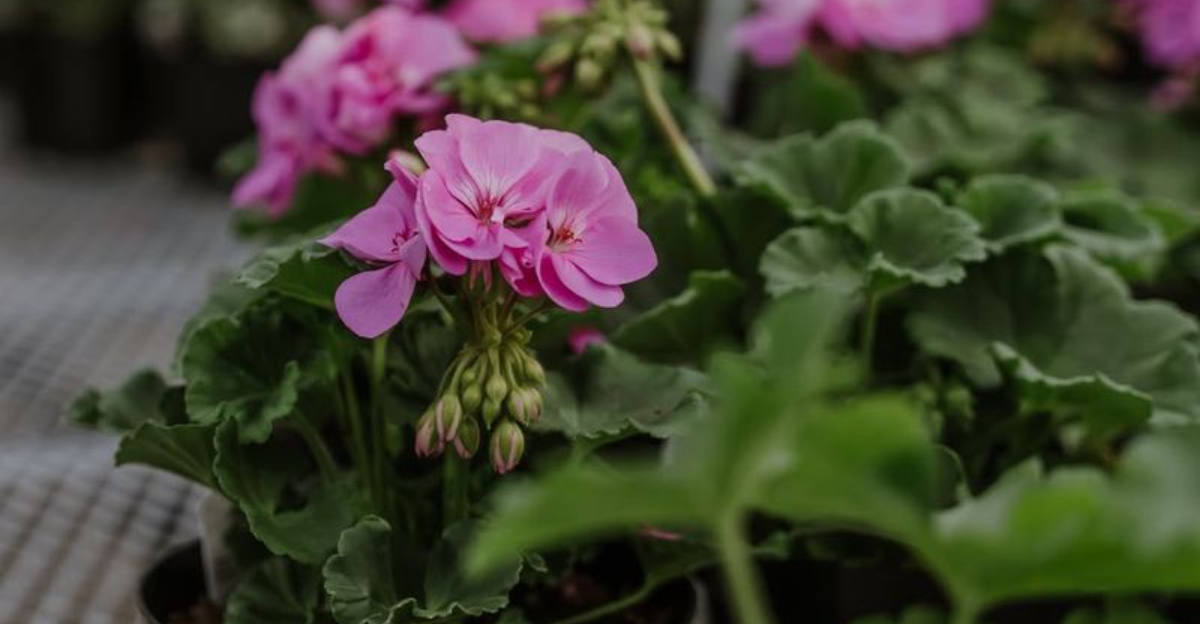
As the days grow shorter and the sharp chill of a New York winter begins to settle in, many home gardeners face the same familiar question: what happens to my geraniums now?
These bright, cheerful plants that thrived on sunny balconies and front porches all summer suddenly seem fragile against frost and snow.
Yet geraniums are tougher than they look, and with the right approach, they don’t have to be treated as one-season wonders. Overwintering geraniums indoors is not only possible, but surprisingly simple once you understand the methods that work best in New York homes.
Whether you live in a small apartment, a townhouse, or a suburban home, there is a way to keep your geraniums alive and ready for another season of blooms.
Some gardeners prefer bringing them inside as houseplants, while others rely on dormancy techniques that allow the plants to rest through winter.
Each method has its own benefits, and choosing the right one can save you money, preserve your favorite plants, and give you a head start when spring finally arrives.
1. Bringing Potted Geraniums Indoors As Houseplants
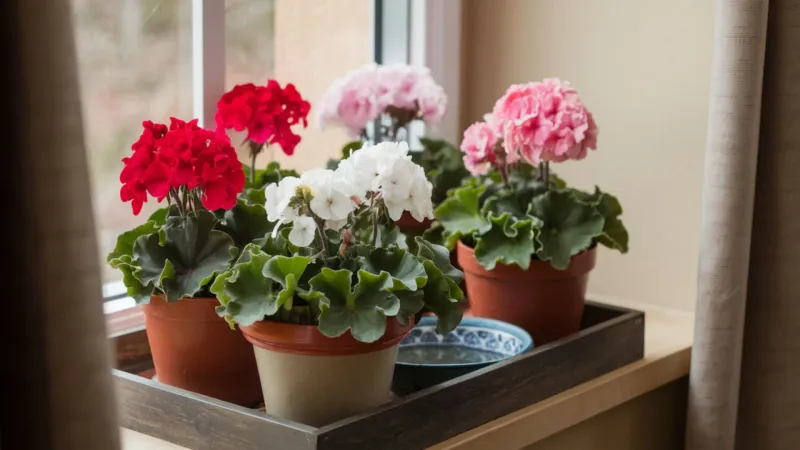
Treating your geraniums like regular houseplants is probably the easiest way to keep them alive through a New York winter.
Before the first frost hits, simply bring your potted geraniums inside and place them near a sunny window where they’ll get at least four to six hours of direct sunlight each day. South-facing windows work best because they provide the brightest light during those short winter days.
You’ll need to adjust your watering schedule since indoor air tends to be drier than outdoor conditions, especially when heating systems are running full blast.
Check the soil regularly and water when the top inch feels dry to the touch. Geraniums don’t like sitting in soggy soil, so make sure your pots have good drainage holes to prevent root rot.
Indoor geraniums might get a bit leggy or sparse during winter because there’s less natural light than they’re used to outdoors.
Don’t worry too much about this since you can trim them back in early spring before moving them outside again. Some New York gardeners even see their geraniums bloom indoors during winter if conditions are just right.
Keep an eye out for common houseplant pests like aphids or whiteflies, which sometimes show up on indoor geraniums. A gentle spray of water or insecticidal soap usually takes care of any problems quickly.
This method works particularly well if you have limited space and just a few favorite plants you want to keep growing actively all winter long.
2. Storing Dormant Geraniums In A Cool Basement
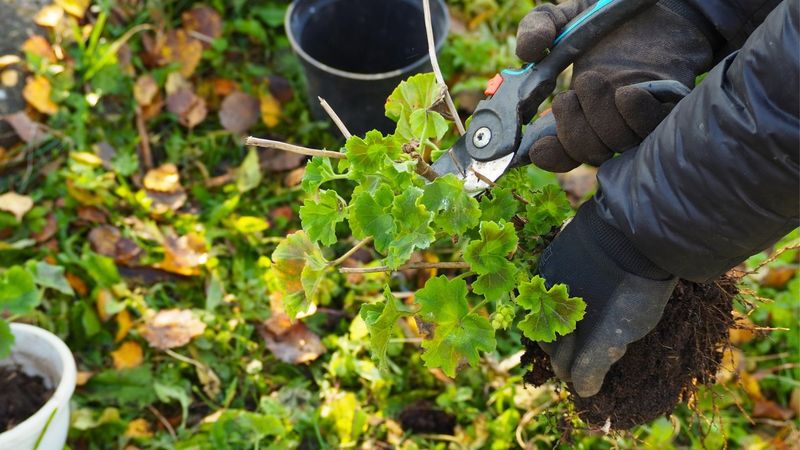
Many New York homeowners have discovered that a cool, dark basement provides perfect conditions for storing dormant geraniums through winter.
This method takes advantage of the natural dormancy period that geraniums can enter when temperatures drop and light decreases.
Your basement should stay between 45 and 55 degrees Fahrenheit, which is cool enough to keep plants dormant but warm enough to prevent freezing damage.
Before moving geraniums to the basement, cut them back by about one-third and reduce watering gradually over a week or two.
You can leave them in their pots or remove them from containers and shake off excess soil from the roots. Either way works fine as long as you check on them monthly throughout the winter.
Plants stored in pots need occasional watering, maybe once every three to four weeks, just enough to keep the soil barely moist. If you’ve removed the pots entirely, hang the plants upside down or lay them on shelves where air can circulate around them.
The goal is to keep the roots and stems from completely drying out while preventing mold and rot from too much moisture.
Come late February or early March in New York, bring your geraniums back into the light and start watering them more regularly. They’ll wake up from dormancy and begin producing new growth within a few weeks.
This traditional method has been used successfully for generations and works especially well when you have many plants to overwinter and limited sunny window space in your home.
3. Taking Cuttings To Start Fresh Plants
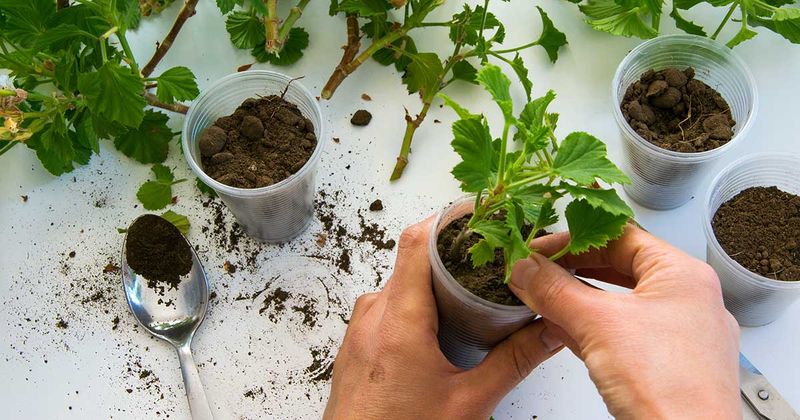
Instead of trying to save entire plants, lots of gardeners in New York prefer taking cuttings from their favorite geraniums in late summer or early fall.
This approach gives you fresh, compact plants that take up much less space indoors than full-sized geraniums. Cuttings root easily and often grow more vigorously than older plants that have been through multiple seasons.
Start by cutting four to six-inch stems from healthy, non-flowering shoots on your parent plants. Remove the lower leaves and any flower buds, leaving just two or three sets of leaves at the top of each cutting.
Stick the cut ends into small pots filled with moistened potting mix or perlite, making sure at least one leaf node is buried in the soil.
Place your cuttings in a bright location out of direct sunlight and keep the soil consistently moist but not waterlogged. Within three to four weeks, you should see new growth indicating that roots have formed.
These baby geraniums can sit on a sunny windowsill throughout the New York winter, taking up minimal space while providing you with lovely greenery.
By spring, you’ll have robust young plants ready to go outside once frost danger has passed. Many gardeners find they actually prefer these fresh starts to their old, woody plants.
You can take cuttings from multiple varieties to preserve your entire collection without needing much storage space at all, making this method perfect for apartment dwellers or anyone with limited indoor growing areas.
4. Using Bare-Root Storage In Paper Bags
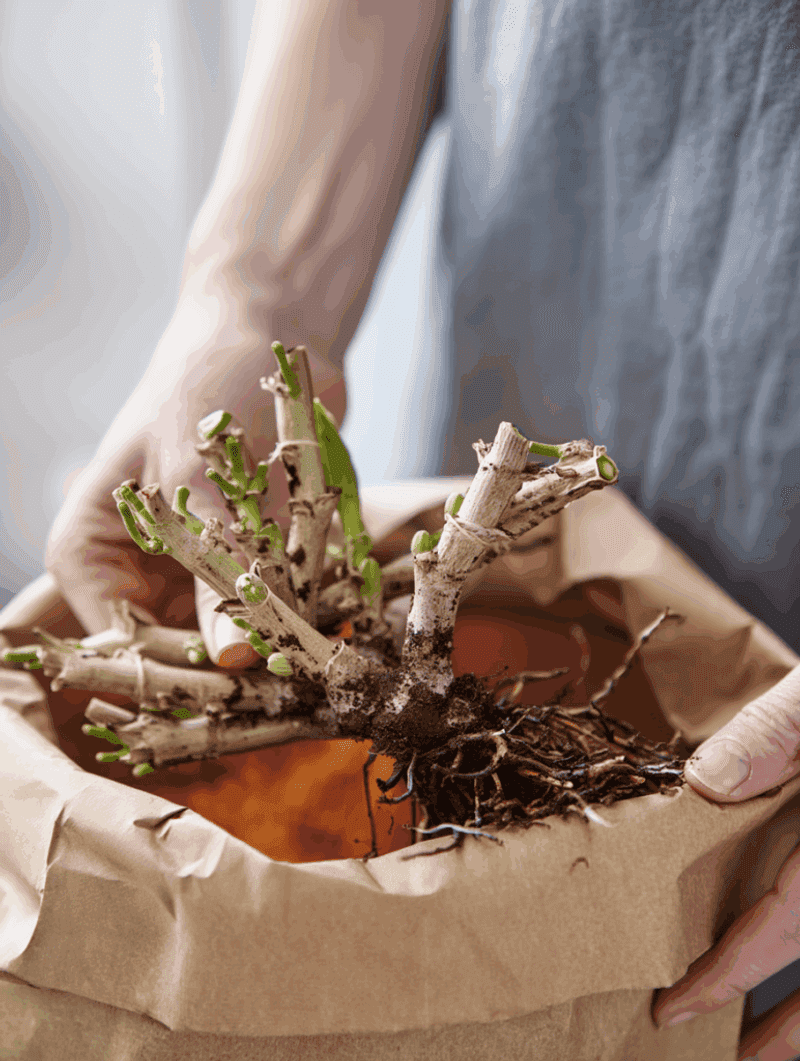
Bare-root storage might sound unusual, but it’s actually one of the most space-efficient ways to overwinter geraniums in New York homes.
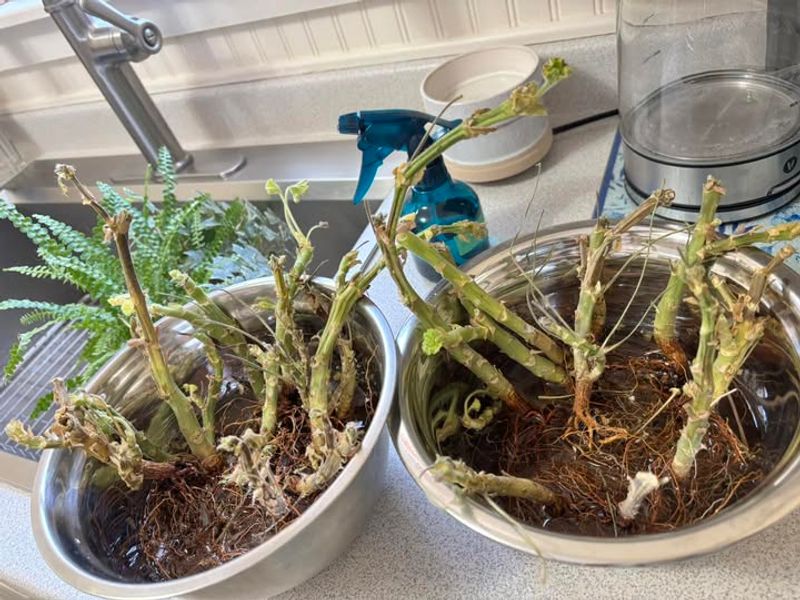
This old-fashioned technique involves removing plants from their pots, shaking off all the soil, and storing the bare roots in a cool, dark place until spring. Gardeners have used this method successfully for over a hundred years, and it still works beautifully today.
Start by digging up your geraniums before the first hard frost and gently removing as much soil as possible from the roots. Trim back the foliage to about six inches and let the plants air-dry for a day or two in a shaded spot.
Once they’re slightly dried, place each plant in a paper bag with the top loosely folded over or hang them upside down in a cool garage or basement.
The storage area should maintain temperatures between 40 and 50 degrees Fahrenheit throughout winter. Check your stored geraniums every few weeks and lightly mist the roots if they seem extremely dry and shriveled.
The plants will look pretty rough by spring, almost like they couldn’t possibly come back, but don’t lose faith in the process.
Around late March in New York, pot up your bare-root geraniums in fresh potting soil and place them in a sunny window. Water them thoroughly and wait patiently for signs of new growth.
Within a few weeks, green shoots will emerge, and your geraniums will transform from dried sticks into thriving plants ready for another season outdoors.
5. Growing Geraniums Under Artificial Lights
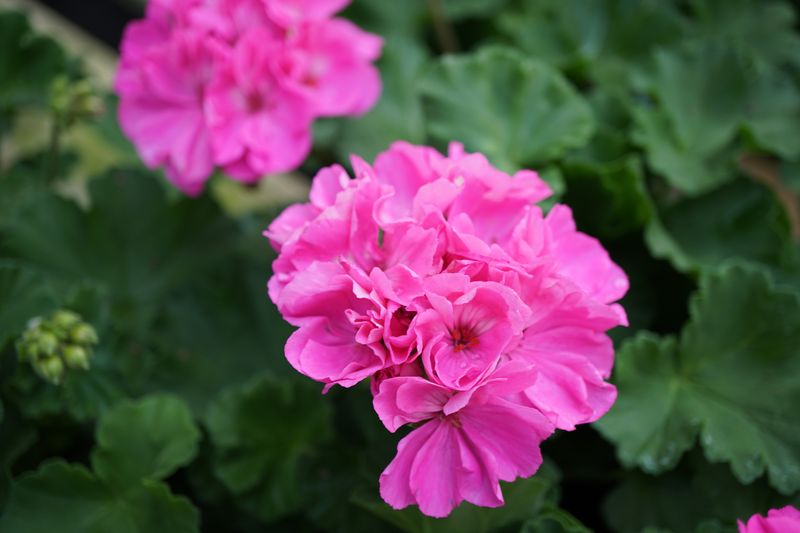
If your New York home doesn’t have enough natural light to keep geraniums happy indoors, artificial grow lights offer an excellent solution.
Modern LED grow lights have become affordable and energy-efficient, making it easy to create a mini indoor garden even in a dark basement or spare room.
Geraniums respond wonderfully to supplemental lighting and will continue blooming all winter when given enough light.
Set up your grow lights about six to twelve inches above your geranium plants and keep them on for twelve to fourteen hours each day. You can use a simple timer to automate the process so you don’t have to remember to turn lights on and off.
Full-spectrum LED bulbs work best because they provide the wavelengths plants need for healthy growth and flowering.
Plants growing under lights need regular watering and feeding just like they would outdoors during summer. Use a balanced liquid fertilizer diluted to half strength every two to three weeks to keep your geraniums vigorous.
The controlled environment means you can maintain ideal conditions regardless of what’s happening outside your New York windows.
This method works particularly well for serious geranium collectors who want to maintain large numbers of plants or rare varieties that would be difficult to replace. You can also start seeds or root cuttings under lights, expanding your collection during winter months.
While there’s an initial investment in lighting equipment, many gardeners find the ability to enjoy blooming geraniums year-round makes it completely worthwhile.
6. Overwintering In An Unheated Garage Or Shed
An unheated garage or shed can work surprisingly well for overwintering geraniums in New York, as long as temperatures don’t drop below freezing for extended periods.
This semi-dormant approach keeps plants alive without using valuable indoor space or extra energy for heating. Your geraniums will go mostly dormant in the cool conditions but remain ready to bounce back when warmth returns.
Place potted geraniums in your garage or shed before the first hard frost, grouping them together for better insulation. Cut back the plants by about half to reduce water needs and prevent breakage.
Water sparingly throughout winter, maybe once every three to four weeks, giving just enough moisture to prevent the roots from completely drying out.
On extremely cold nights when New York temperatures plummet well below freezing, you might need to bring plants into a warmer space temporarily or cover them with blankets and old sheets.
Most garages attached to homes stay a bit warmer than freestanding sheds because they benefit from heat radiating through shared walls. Monitor temperatures with a simple thermometer so you know when to take protective action.
This method requires some attention to weather forecasts but offers a nice middle ground between full indoor care and complete dormancy storage. Geraniums stored this way typically need less pruning and recovery time in spring compared to bare-root storage.
When consistent spring temperatures arrive in New York, usually late April or early May, gradually reintroduce your plants to outdoor conditions before planting them in gardens or containers.
7. Creating A Mini Greenhouse With A Sunny Window
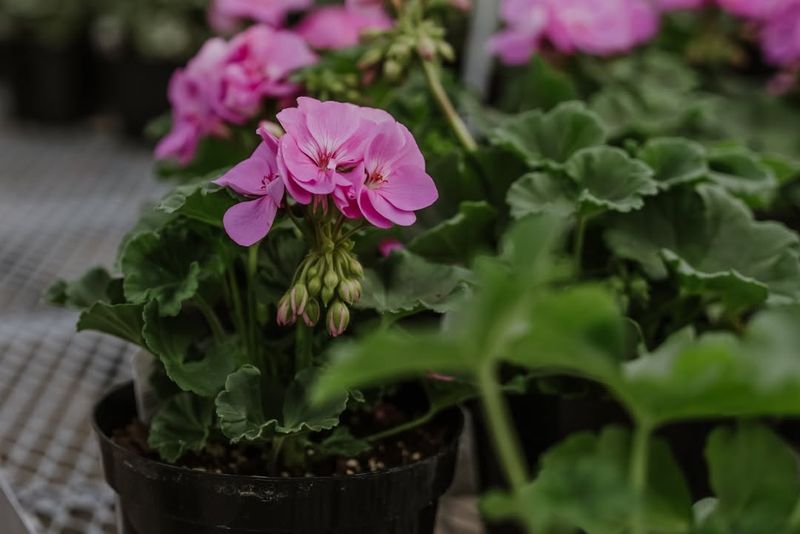
Turning a sunny window into a mini greenhouse environment gives your geraniums the best possible indoor growing conditions during New York’s long winter.
This method combines natural sunlight with humidity control to keep plants thriving rather than just surviving. South or west-facing windows that receive several hours of direct sunlight work perfectly for this setup.
Group your potted geraniums together on a waterproof tray filled with pebbles and water, which creates humidity as the water evaporates around the plants. The tray catches any drainage and protects your windowsill from water damage.
You can also hang sheer curtains to diffuse intense midday sun, which can sometimes be too strong even in winter when it reflects off snow.
Maintain good air circulation around your plants by occasionally opening nearby windows on milder days or running a small fan on low speed. Stagnant air can lead to fungal problems, especially when plants are crowded together.
Keep your geraniums away from heating vents and radiators, which can create hot, dry conditions that stress the plants.
Regular grooming keeps your mini greenhouse looking its best and promotes healthy growth throughout winter. Pinch off faded flowers and yellowing leaves, and rotate pots every week or so to ensure all sides receive equal light.
Many New York gardeners find their window greenhouse becomes a favorite spot, bringing color and life to their homes during the grayest months. By spring, your geraniums will be robust and ready to transition back outdoors with minimal adjustment.