The Best Milkweed Types To Help Monarch Butterflies Thrive In Oklahoma
Monarch butterflies pass through Oklahoma like clockwork, and milkweed is the heartbeat of their journey.
Without it, monarchs cannot lay eggs, caterpillars cannot grow, and the cycle comes to a grinding halt.
For gardeners who want to make a real difference, choosing the right milkweed types is where the rubber meets the road.
Oklahoma’s climate sits right in the monarch migration path, but not all milkweed works the same way.
Some varieties thrive in local heat, wind, and soil, while others struggle to keep up.
Picking milkweed suited to Oklahoma conditions gives monarchs a fighting chance from the moment they arrive.
Healthy plants mean strong leaves for caterpillars and reliable nectar for adult butterflies fueling up for the next leg of their trip.
Milkweed also pulls double duty in the garden.
It supports bees and other pollinators, adds texture and blooms, and fits naturally into native landscapes.
Like planting shade trees for the future, growing the right milkweed is a long game that pays off year after year.
With thoughtful choices, Oklahoma gardens can become dependable pit stops, helping monarchs stay on course and thrive when they need it most.
1. Common Milkweed (Asclepias Syriaca)

Common milkweed stands as one of the most reliable choices for Oklahoma gardeners who want to support monarch butterflies.
This hardy perennial produces large clusters of fragrant pink-purple flowers that monarchs absolutely love, and the broad leaves provide perfect surfaces for female butterflies to lay their eggs.
Once established in your Oklahoma garden, common milkweed spreads through underground rhizomes, creating colonies that become stronger each year.
The plant typically grows between three and five feet tall, making it a substantial addition to any butterfly garden.
Its large, oval leaves are exactly what monarch caterpillars need to grow strong and healthy.
Common milkweed blooms from June through August in Oklahoma, providing nectar for adult butterflies during peak migration times.
One interesting feature of this milkweed is its ability to tolerate various soil types found throughout Oklahoma.
Whether you have clay, loam, or sandy soil, common milkweed adapts well.
The flowers also attract other beneficial pollinators like bees and hummingbirds, making your garden a haven for wildlife.
This species handles Oklahoma’s hot summers remarkably well once its root system is established.
During the first growing season, regular watering helps the plant develop strong roots.
After that, common milkweed becomes quite drought-tolerant, which is perfect for Oklahoma’s sometimes unpredictable weather patterns.
Planting common milkweed in full sun locations gives you the best results.
Space plants about two feet apart to allow room for their natural spreading habit.
Many Oklahoma gardeners find that common milkweed becomes a favorite gathering spot for monarchs year after year, creating wonderful opportunities to observe these magnificent butterflies up close.
2. Butterfly Weed (Asclepias Tuberosa)
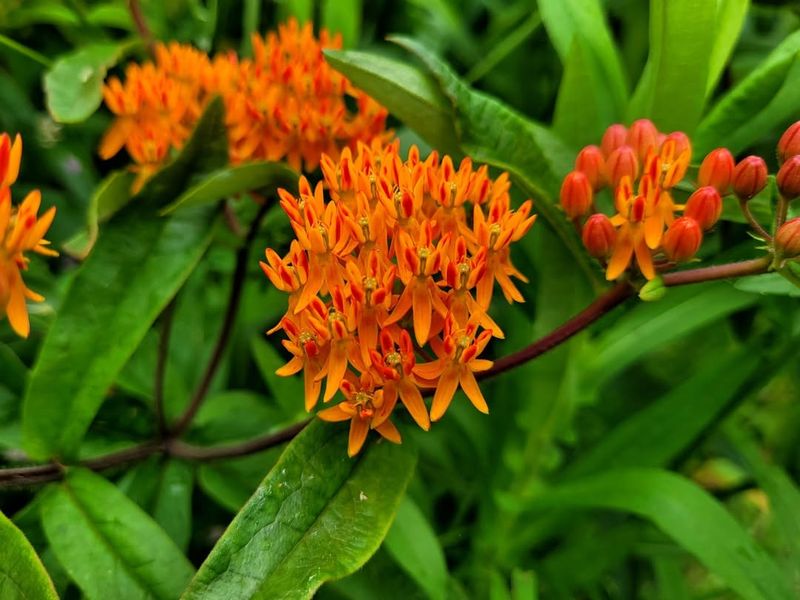
Brilliant orange blooms make butterfly weed an absolute showstopper in any Oklahoma garden.
Native to the state, this milkweed variety produces stunning flower clusters that seem to glow in the sunlight, creating an irresistible beacon for monarch butterflies.
Unlike its common milkweed cousin, butterfly weed has a deep taproot rather than spreading rhizomes, which means it stays where you plant it.
Growing one to two feet tall, butterfly weed works beautifully in borders, rock gardens, or prairie-style landscapes throughout Oklahoma.
The narrow, lance-shaped leaves provide excellent food for monarch caterpillars, while the vibrant flowers offer nectar from May through September.
This extended blooming period means monarchs can rely on this plant throughout much of their breeding season in Oklahoma.
Butterfly weed thrives in Oklahoma’s full sun and actually prefers the well-drained soils common in many parts of the state.
Once established, this milkweed handles drought conditions exceptionally well, making it a low-maintenance choice for busy gardeners.
The plant’s tolerance for heat and dry spells makes it perfectly suited to Oklahoma summers.
Something special about butterfly weed is its color variations.
While orange is most common, you might find yellow or red varieties that add even more diversity to your garden.
All color forms attract monarchs equally well.
Starting butterfly weed from seed works great in Oklahoma, though patience is needed during the first year while the taproot develops.
Once established, plants can live for many years, becoming more robust with each passing season.
Many Oklahoma wildlife enthusiasts consider butterfly weed essential for any serious monarch conservation effort.
3. Swamp Milkweed (Asclepias Incarnata)
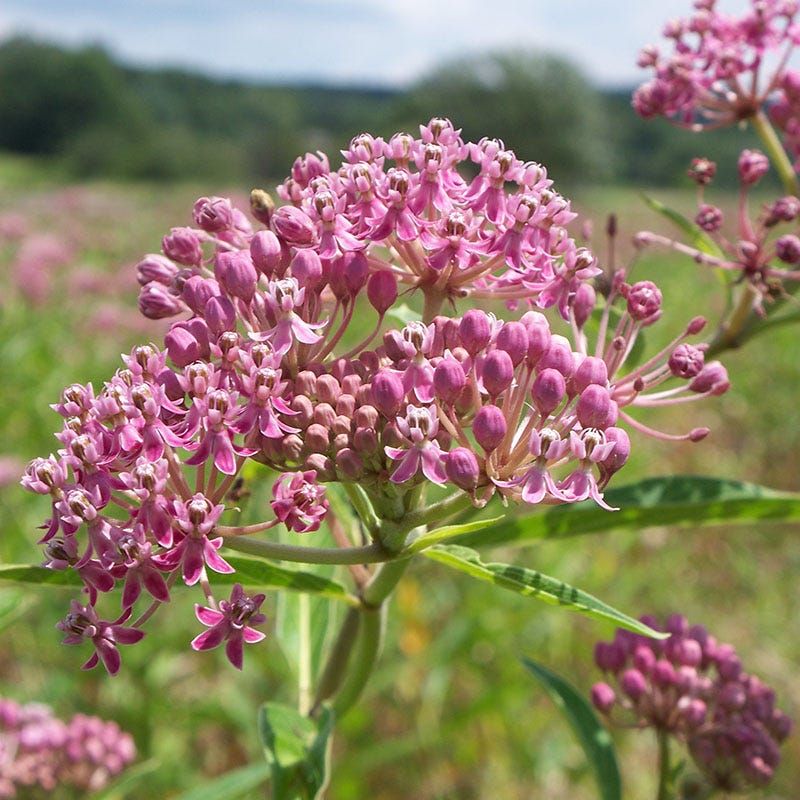
Don’t let the name fool you because swamp milkweed grows beautifully in regular Oklahoma garden beds, not just wet areas.
This elegant milkweed produces delicate pink flower clusters that monarchs find absolutely irresistible, and the plant’s upright growth habit makes it an attractive addition to formal and informal landscapes alike.
Swamp milkweed typically reaches three to four feet in height with slender, willowy leaves that dance in Oklahoma breezes.
What sets swamp milkweed apart is its adaptability to different moisture levels.
While it naturally grows in wet prairies and along streams in Oklahoma, it also tolerates average garden conditions quite well.
This flexibility makes it an excellent choice for gardeners across the state, whether you have a naturally moist area or a typical flower bed.
The vanilla-scented flowers bloom from June through August in Oklahoma, coinciding perfectly with monarch breeding season.
Female monarchs readily lay eggs on the narrow leaves, and caterpillars seem to relish feeding on this species.
The plant produces abundant foliage that can support multiple caterpillars without becoming completely defoliated.
Swamp milkweed behaves more politely than common milkweed because it doesn’t spread aggressively.
Plants form neat clumps that gradually expand but remain manageable in garden settings.
This makes swamp milkweed ideal for smaller Oklahoma yards where space is limited.
Growing swamp milkweed in Oklahoma requires full sun to partial shade and consistent moisture during establishment.
Once roots are developed, plants become quite resilient.
Many Oklahoma gardeners plant swamp milkweed near rain gardens or in areas that receive regular irrigation, where it truly excels and creates stunning displays that benefit monarchs throughout the growing season.
4. Antelope Horn Milkweed (Asclepias Asperula)
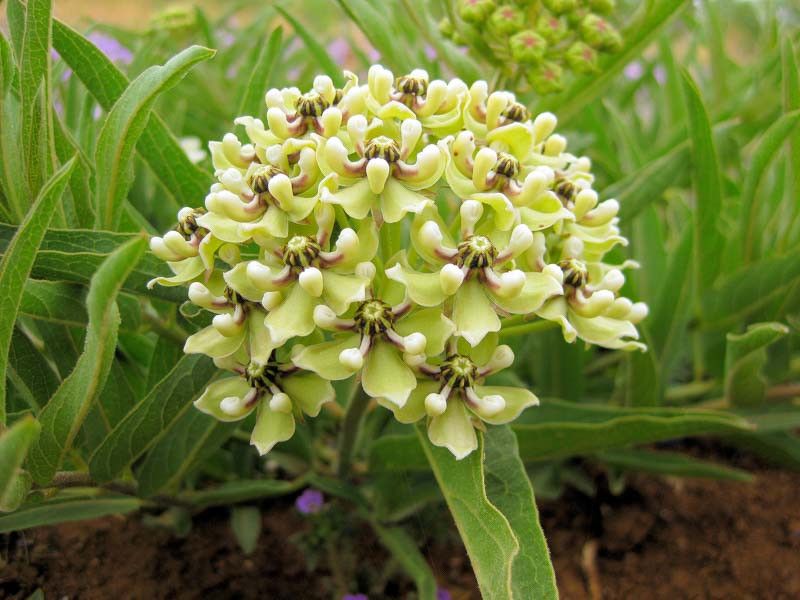
Perfectly adapted to Oklahoma’s climate, antelope horn milkweed is a true native that thrives in the state’s prairies and grasslands.
This low-growing milkweed reaches only about one to two feet tall, making it an excellent choice for front-of-border plantings or naturalized prairie gardens.
The greenish-white flowers might seem subtle compared to showier milkweed varieties, but monarchs locate them with ease.
Antelope horn milkweed earned its common name from the distinctive curved seed pods that resemble antelope horns.
These unique pods add interesting texture to the garden even after flowering ends.
The plant’s sprawling growth habit and fine-textured foliage create a soft, informal look that blends beautifully with native Oklahoma grasses and wildflowers.
One remarkable feature of antelope horn milkweed is its exceptional drought tolerance once established.
This species evolved in Oklahoma’s variable climate and handles hot, dry conditions better than almost any other milkweed.
For gardeners in western Oklahoma or areas with sandy soils, antelope horn milkweed is an outstanding choice that requires minimal care.
The flowering period extends from April through June in Oklahoma, providing early-season nectar and host plant resources for monarchs.
This early bloom time is particularly valuable because it supports the first generation of monarchs moving through the state in spring.
Planting antelope horn milkweed works best in full sun locations with well-drained soil.
This species actually prefers lean soils and doesn’t need fertilization, making it truly low-maintenance.
Many Oklahoma conservation projects include antelope horn milkweed in prairie restoration efforts because it establishes quickly and provides crucial habitat for monarchs and other native pollinators throughout the state.
5. Green Milkweed (Asclepias Viridis)
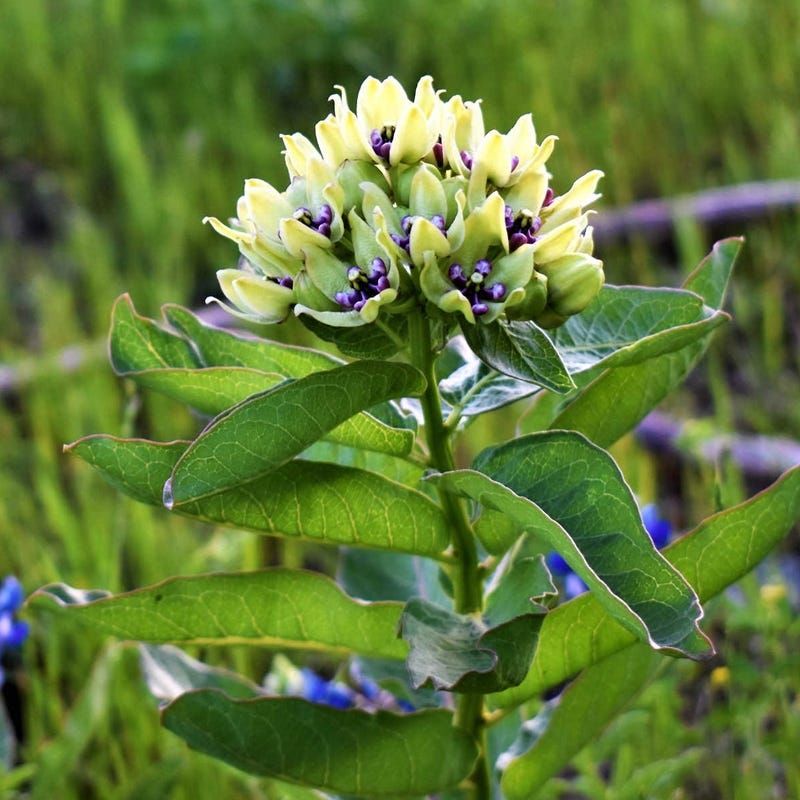
Subtle beauty defines green milkweed, an Oklahoma native that often gets overlooked but provides tremendous value for monarch butterflies.
The pale green to white flowers form rounded clusters that blend seamlessly into natural landscapes, creating a soft, understated appearance.
Growing about one to three feet tall, green milkweed has smooth, broad leaves that caterpillars find highly palatable.
This milkweed species grows naturally in prairies, roadsides, and open woodlands throughout Oklahoma.
Its wide distribution across the state demonstrates its adaptability to various soil types and growing conditions.
Green milkweed tolerates both full sun and partial shade, giving Oklahoma gardeners flexibility in placement.
Flowering occurs from May through July in Oklahoma, providing resources during critical months when monarch populations are building.
The flowers produce abundant nectar that attracts not only monarchs but also numerous other beneficial insects.
Female monarchs readily choose green milkweed for egg-laying, and the plants support healthy caterpillar development.
Green milkweed has a deep taproot that makes it quite drought-resistant after establishment.
This characteristic serves the plant well during Oklahoma’s hot summers when rainfall can be scarce.
The taproot also means green milkweed won’t spread aggressively like some other species, keeping it contained where you plant it.
Starting green milkweed from seed works well in Oklahoma gardens, and plants often self-seed once established.
Many wildlife gardeners appreciate how green milkweed naturalizes in meadow settings without becoming invasive.
For Oklahoma residents interested in creating authentic prairie habitats that support monarchs, green milkweed represents an essential component that provides reliable food and habitat year after year in natural-looking landscapes.
6. Showy Milkweed (Asclepias Speciosa)
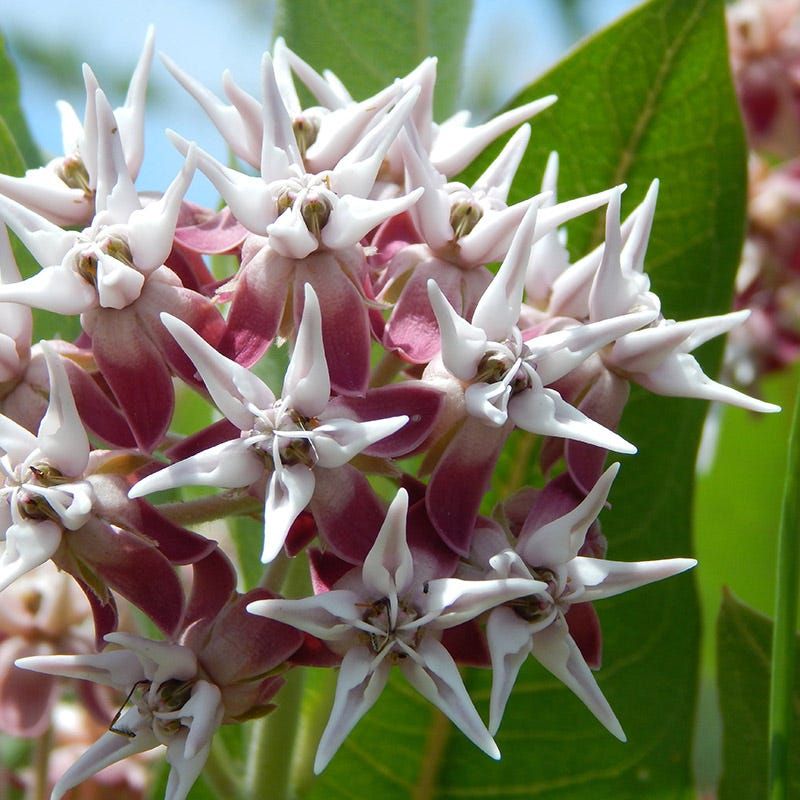
Large, star-shaped pink flowers give showy milkweed its fitting name, and this western species performs wonderfully in Oklahoma gardens.
The flowers form impressive rounded clusters that can measure up to five inches across, creating dramatic focal points that monarch butterflies simply cannot resist.
Showy milkweed typically grows two to four feet tall with distinctive gray-green leaves covered in soft, velvety hairs.
Native to western prairies, showy milkweed adapts well to Oklahoma’s climate, particularly in the western and central parts of the state.
The plant spreads through rhizomes like common milkweed but tends to be less aggressive.
This spreading habit helps establish substantial colonies that provide ample resources for monarch caterpillars.
Blooming from June through August in Oklahoma, showy milkweed offers nectar during peak monarch breeding season.
The large leaves provide plenty of surface area for egg-laying, and the soft foliage seems especially appealing to monarch caterpillars.
Many observers report seeing multiple caterpillars on single showy milkweed plants.
Showy milkweed handles Oklahoma’s temperature extremes quite well, tolerating both hot summers and cold winters.
The plant prefers full sun and well-drained soils but adapts to various conditions.
Once established, showy milkweed requires little maintenance beyond occasional watering during extreme drought.
The seed pods of showy milkweed are particularly interesting, covered with soft spines that give them a unique texture.
These pods eventually split open to release seeds attached to silky floss that floats on the wind.
Oklahoma gardeners who want to create impressive monarch habitat often choose showy milkweed for its combination of visual appeal and practical benefits for butterfly conservation efforts.
7. Whorled Milkweed (Asclepias Verticillata)
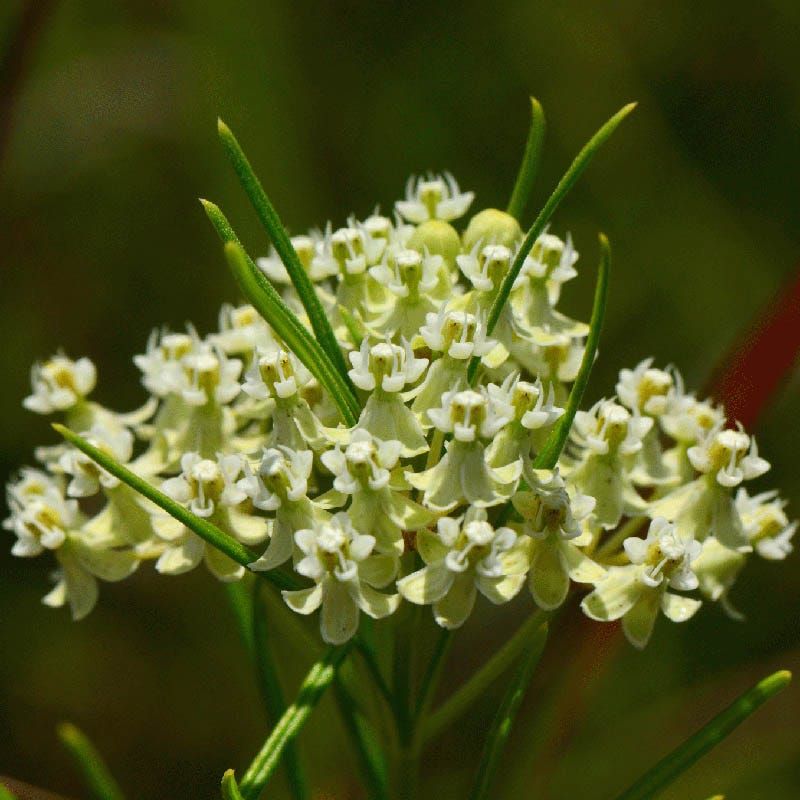
Delicate and airy, whorled milkweed brings a unique texture to Oklahoma gardens with its thin, needle-like leaves arranged in whorls around the stem.
This smaller milkweed species grows only one to two feet tall, making it perfect for edges, rock gardens, or areas where a more refined appearance is desired.
The small white flowers form clusters at the top of stems, creating a lacy effect that contrasts beautifully with bolder garden plants.
Whorled milkweed grows naturally throughout Oklahoma in prairies, open woods, and rocky areas.
Its fine foliage gives it an almost grass-like appearance until the flowers appear.
Despite its delicate looks, whorled milkweed is tough and resilient, handling Oklahoma’s challenging growing conditions with ease.
Flowering extends from June through September in Oklahoma, providing one of the longest blooming periods among native milkweeds.
This extended season means monarchs can rely on whorled milkweed for nectar and larval food throughout much of their time in the state.
The numerous small flowers produce surprising amounts of nectar that attract monarchs and many other pollinators.
One advantage of whorled milkweed is its ability to grow in drier, rockier soils where other milkweeds might struggle.
This makes it valuable for Oklahoma gardeners dealing with challenging sites.
The plant’s drought tolerance is exceptional once established, requiring virtually no supplemental watering.
Whorled milkweed spreads slowly through rhizomes, forming colonies without becoming aggressive.
Many Oklahoma native plant enthusiasts appreciate how whorled milkweed blends into naturalized settings while providing crucial support for monarch populations.
Its fine texture adds visual interest and complements coarser-leaved plants in mixed plantings designed to support butterflies throughout Oklahoma.
8. Spider Milkweed (Asclepias Viridis)
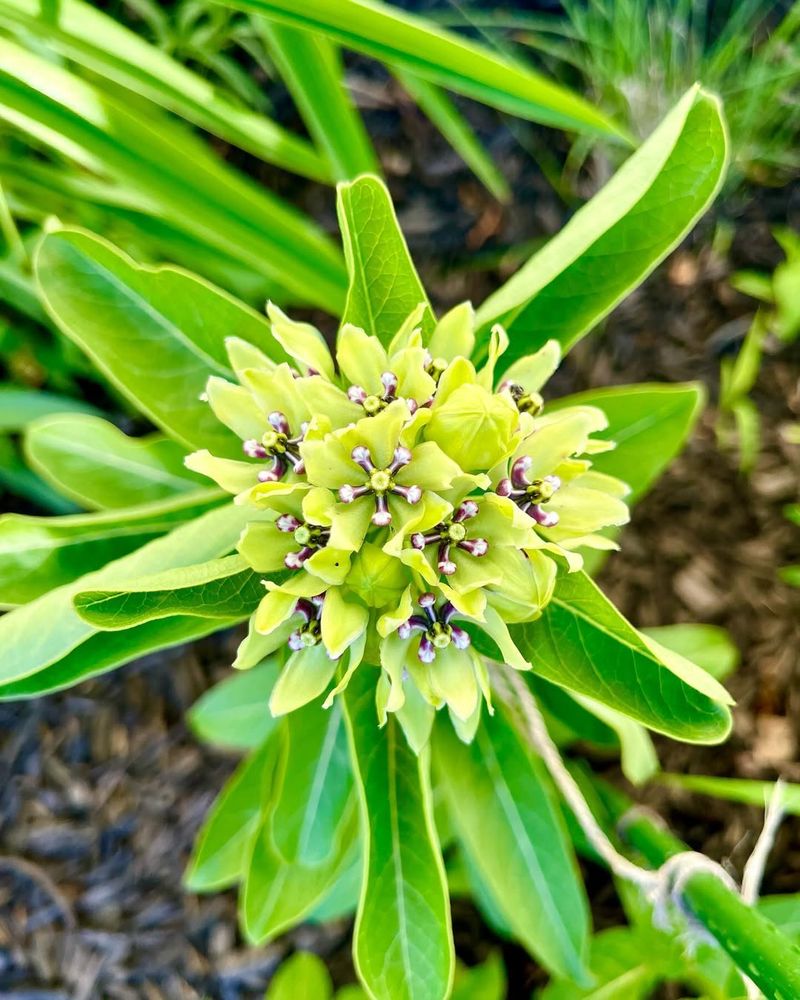
Distinctive flowers with narrow, reflexed petals give spider milkweed its intriguing name, and this Oklahoma native deserves more attention from butterfly gardeners.
The greenish-white to pale pink flowers have an unusual spidery appearance that sets them apart from other milkweed species.
Spider milkweed grows one to two feet tall with smooth, oval leaves that provide excellent food for monarch caterpillars.
Found naturally in prairies, fields, and along roadsides throughout Oklahoma, spider milkweed demonstrates remarkable adaptability.
The plant tolerates a wide range of soil conditions and moisture levels, from relatively dry upland sites to moister lowland areas.
This flexibility makes spider milkweed a reliable choice for diverse Oklahoma landscapes.
Blooming occurs from April through June in Oklahoma, making spider milkweed valuable for early-season monarch support.
The flowers produce generous amounts of nectar just when monarchs are beginning their northward migration and establishing breeding populations.
Early-blooming milkweeds like this species help ensure monarchs have resources available throughout their entire time in Oklahoma.
Spider milkweed has a deep taproot that anchors it firmly and provides drought resistance during Oklahoma’s hot, dry periods.
This root system also means the plant won’t spread aggressively, maintaining a tidy clump form.
The smooth foliage is particularly appealing to monarch caterpillars, who seem to feed enthusiastically on this species.
Growing spider milkweed from seed works well in Oklahoma, and plants often establish quickly.
Many conservation-minded gardeners include spider milkweed in pollinator gardens and prairie restoration projects.
For Oklahoma residents committed to helping monarch populations recover, spider milkweed offers an excellent native option that provides critical early-season habitat when butterflies need it most.