The Best Mulch Types For Southern California Soil And Climate
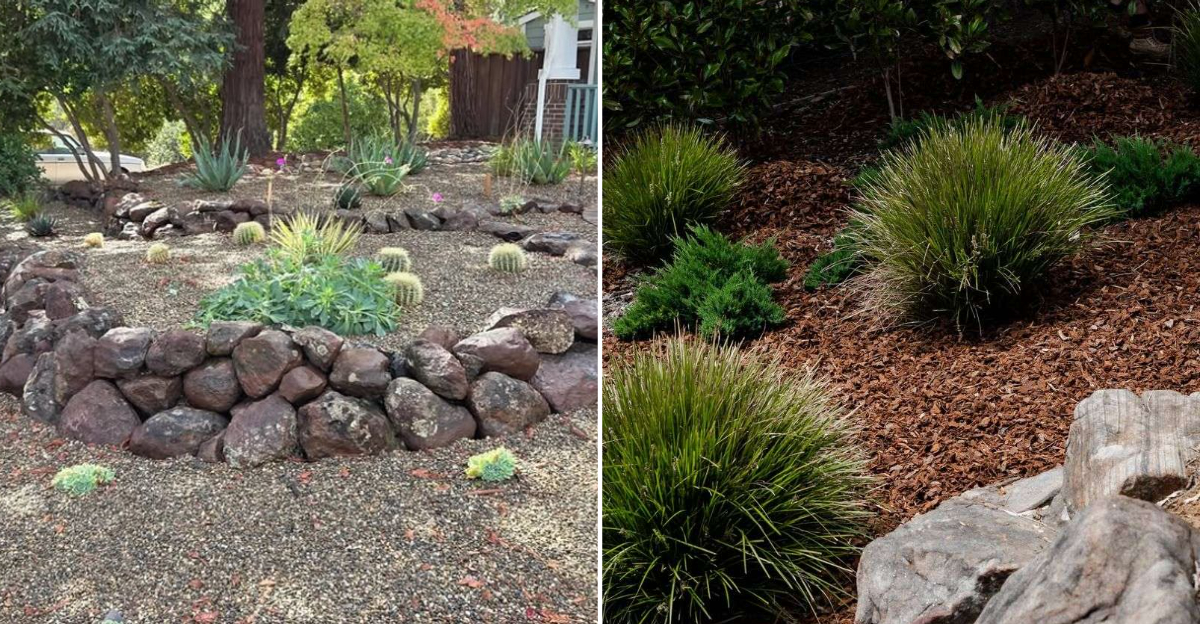
Mulch might not be the flashiest part of a garden, but in Southern California it can be a total game changer. The right mulch keeps soil cool, locks in precious moisture, and helps plants stay happy during long, dry stretches of sunshine.
It also gives garden beds a clean, finished look that makes everything feel polished and vibrant. Picture rich bark, golden straw, or earthy compost creating a protective blanket that shields roots and boosts soil health at the same time.
Great mulch can even cut down on weeds and reduce how often you need to water, which every California gardener can appreciate. With so many options available, choosing the right type can make your plants stronger and your garden easier to care for.
A simple layer of the right mulch brings healthier soil, happier plants, and a landscape that looks fresh and thriving all year.
1. Shredded Bark Mulch
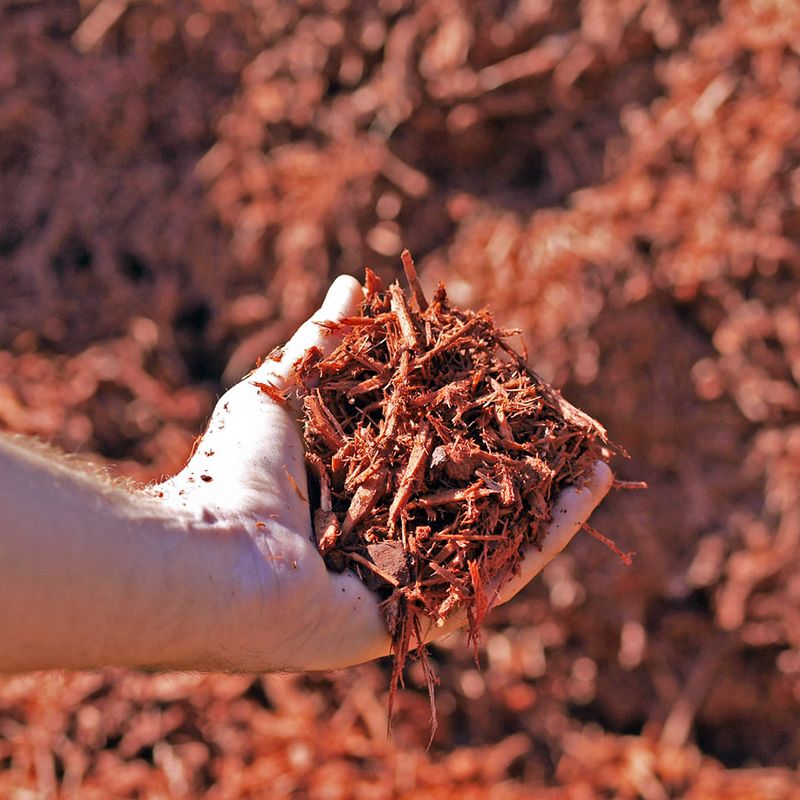
Gardens across Southern California benefit greatly from this popular choice because it breaks down slowly and adds nutrients back into the soil over time. The shredded texture allows water to penetrate easily while still providing excellent coverage that blocks sunlight from reaching weed seeds below.
Bark pieces interlock naturally, which means they stay in place even during Santa Ana winds that blow through the region. This stability makes it perfect for sloped yards common in hillside neighborhoods throughout Los Angeles and San Diego counties.
The dark color absorbs heat during cooler months but also helps shade soil during scorching summer days.
You’ll find this mulch works especially well around trees, shrubs, and flower beds where long-lasting coverage matters most. It typically lasts two to three years before needing replacement, making it cost-effective for budget-conscious gardeners.
The natural wood appearance blends beautifully with both native California plants and ornamental landscaping.
Most garden centers throughout Southern California stock cedar or redwood varieties, which naturally resist insects and decay. Apply a three to four inch layer for best results, keeping it pulled back slightly from plant stems to prevent moisture buildup against bark.
2. Wood Chip Mulch
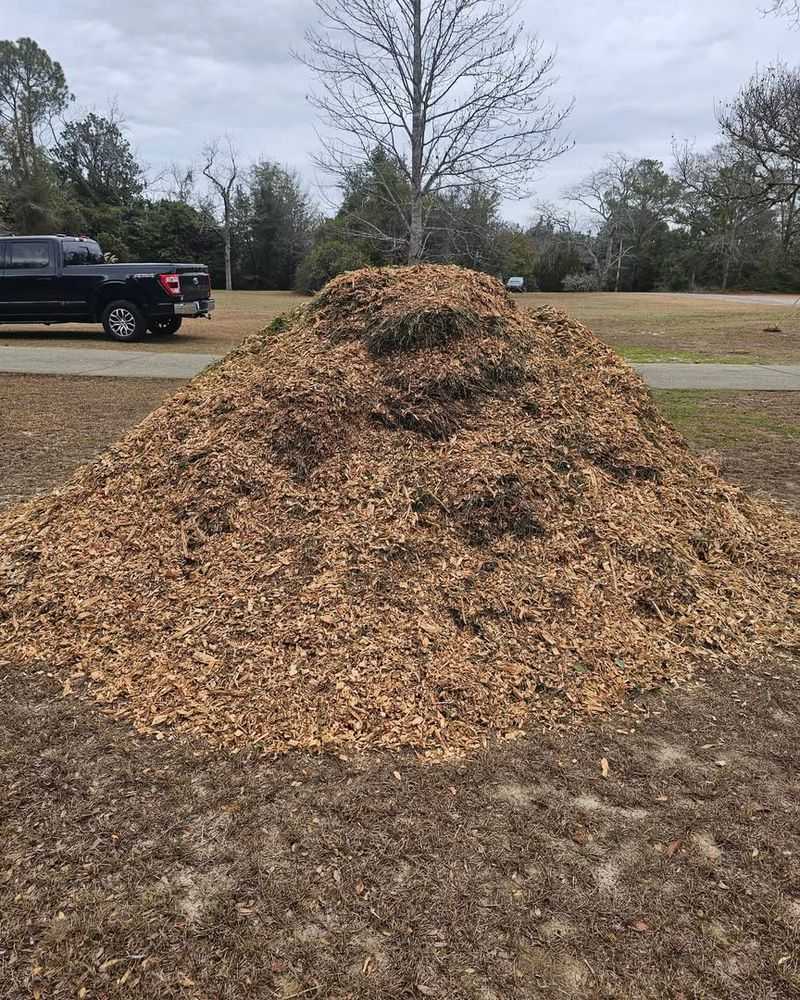
Tree trimming services throughout Southern California generate tons of fresh wood chips that make excellent free or low-cost mulch for local gardeners. Many cities offer chip drop programs where arborists deliver truckloads directly to residents who request them.
The chunky texture creates air pockets that improve soil structure as the chips gradually decompose.
Fresh chips work differently than aged mulch because they pull nitrogen from soil during initial breakdown stages. Adding extra nitrogen fertilizer solves this temporary issue, or you can let chips age for several months before spreading them around plants.
The larger pieces take longer to decompose, which means less frequent reapplication compared to finer mulches.
Wood chips excel at suppressing weeds in pathways, around play areas, and in large landscape beds where you need affordable coverage for big spaces.
The light color reflects heat rather than absorbing it, keeping soil cooler during brutal summer months when temperatures soar above 90 degrees. This cooling effect benefits plant roots that struggle in extreme heat.
Local varieties often include eucalyptus, pine, and mixed hardwoods depending on what trees grow in your neighborhood. Spread chips four to six inches deep for maximum weed control and moisture retention in Southern California’s dry climate.
3. Compost Mulch
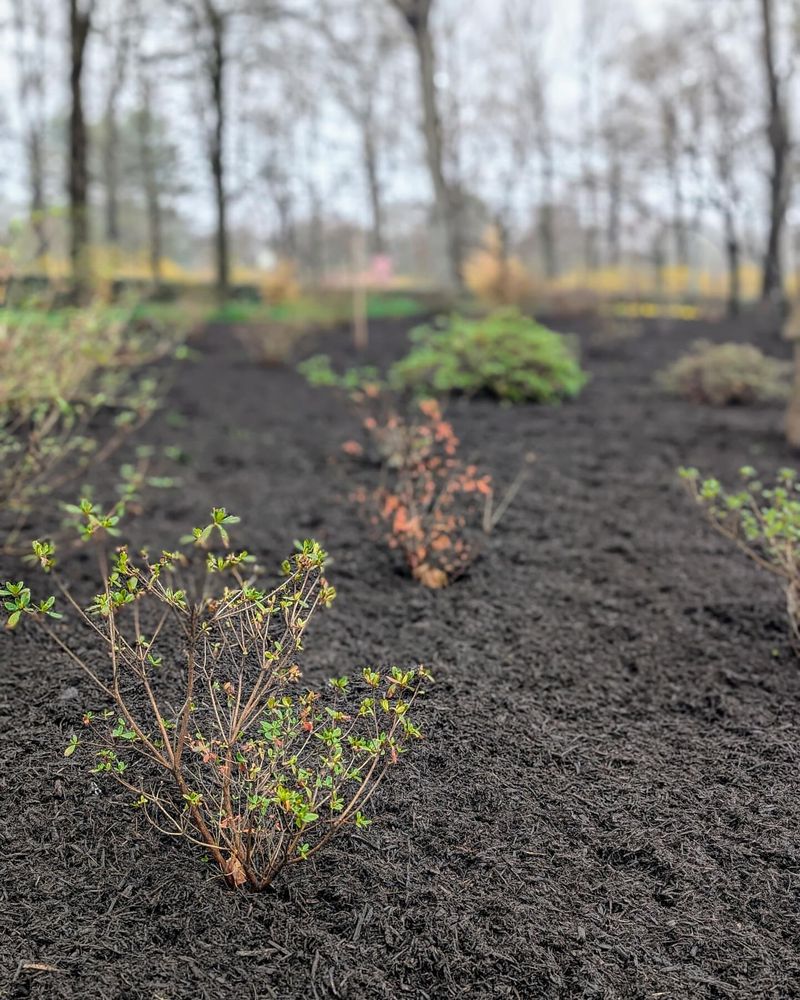
Nothing feeds your soil quite like finished compost used as mulch because it delivers nutrients directly where plants need them most.
Southern California gardeners who compost kitchen scraps and yard waste create their own supply of this black gold that improves soil structure while reducing household waste.
The fine texture allows it to work into soil quickly, boosting beneficial microorganism activity.
Vegetable gardens especially thrive when topped with compost mulch because edible plants are heavy feeders that need constant nutrition throughout growing seasons.
Tomatoes, peppers, and squash grown in Southern California’s extended warm weather produce abundantly when compost continuously enriches the soil beneath them.
The dark color also warms soil in early spring, helping heat-loving crops get established faster.
Commercial compost products are available at every garden center if you don’t make your own, though quality varies significantly between brands. Look for compost that smells earthy rather than sour or ammonia-like, which indicates proper decomposition.
Mix compost with other mulches to extend coverage while still gaining nutritional benefits.
Apply two to three inch layers around plants, refreshing every few months as compost integrates into soil. This mulch type needs more frequent replacement than wood products but delivers unmatched soil improvement for Southern California gardens.
4. Leaf Mulch
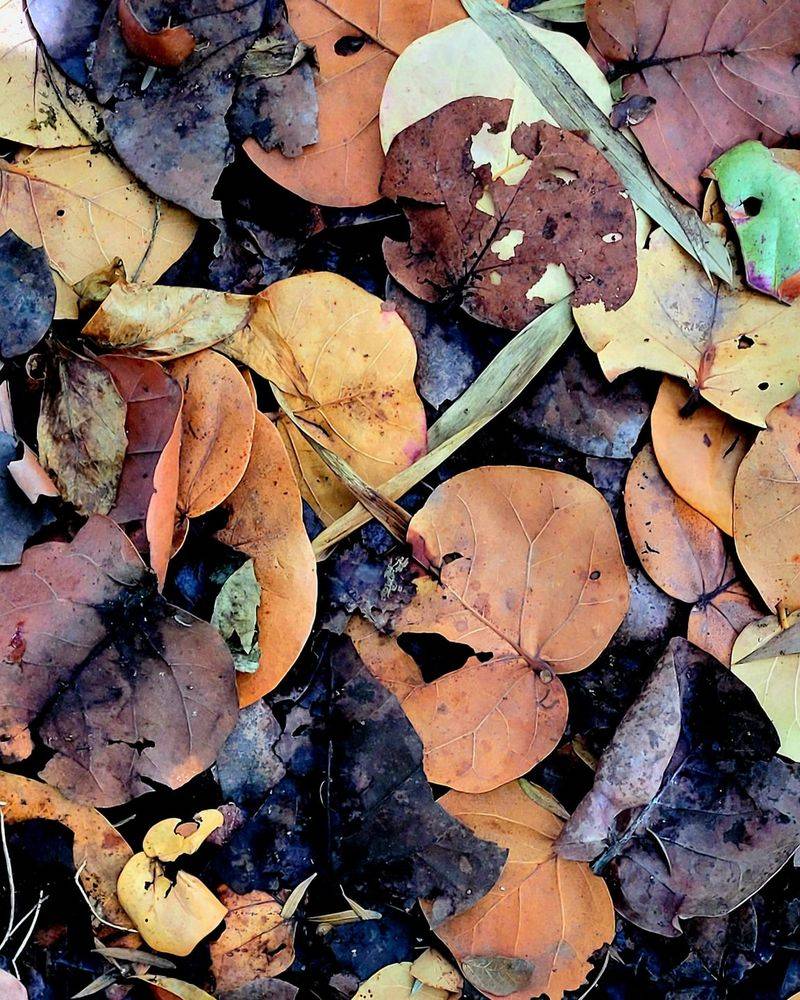
Autumn leaves that fall from deciduous trees make free mulch that mimics natural forest floor conditions where plants evolved. Collecting leaves from your own yard or neighbors creates a sustainable mulch source that costs nothing except a bit of labor.
Shredding leaves with a mower or chipper speeds decomposition and prevents them from matting into water-resistant layers.
Oak leaves are particularly common throughout Southern California foothill communities and make excellent mulch once chopped into smaller pieces.
The slightly acidic nature of oak leaf mulch benefits acid-loving plants like azaleas, camellias, and blueberries that sometimes struggle in the region’s alkaline soils.
Leaf mulch breaks down within a single growing season, quickly adding organic matter that improves soil texture.
Shredded leaves work best in flower beds and around perennials where you can easily reapply fresh layers each fall. The lightweight nature means leaves can blow away in windy areas unless you wet them down after spreading or mix them with heavier mulches.
Earthworms absolutely love leaf mulch and will quickly pull it underground, creating beneficial tunnels that improve drainage.
Apply three to four inch layers of shredded leaves, or go thicker if you have abundant supply. This mulch enriches soil faster than any wood product while costing absolutely nothing for resourceful Southern California gardeners.
5. Straw Mulch
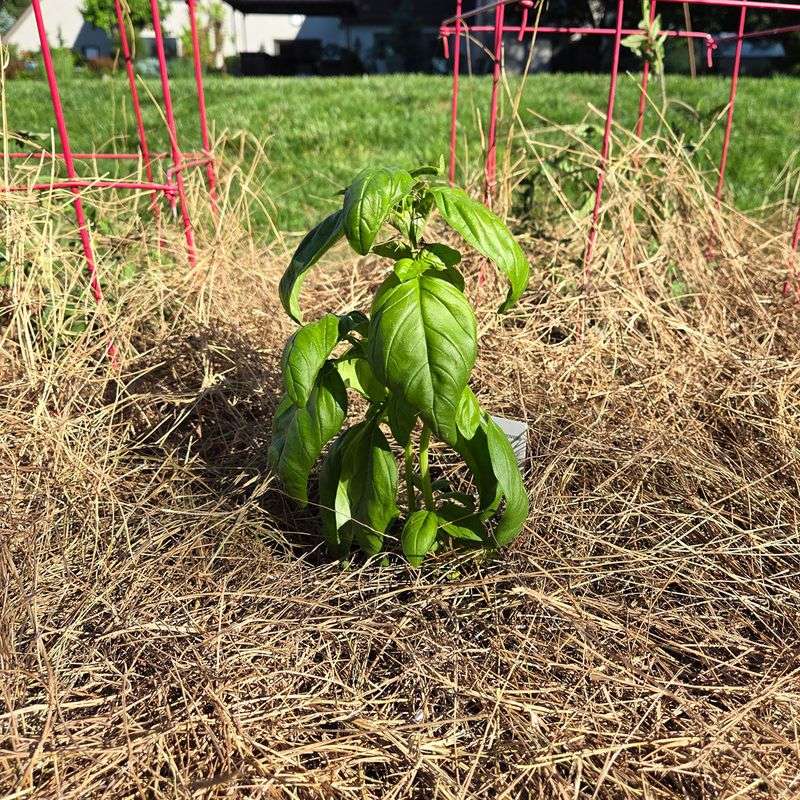
Vegetable gardeners throughout Southern California have relied on straw mulch for generations because it keeps produce clean while regulating soil temperature and moisture.
The hollow stems create insulating air spaces that keep soil cooler in summer and slightly warmer during mild winter months when many crops continue growing. Straw allows water and air to move freely through to soil below.
Strawberry patches especially benefit from straw mulch, which is actually how the berry got its common name from farmers who used this practice centuries ago.
The light color reflects intense Southern California sunshine away from soil, preventing surface temperatures from climbing too high for shallow-rooted plants.
Clean straw also prevents soil from splashing onto low-growing vegetables during irrigation or occasional rain.
Always choose straw rather than hay, which contains seed heads that sprout into weeds throughout your garden beds. Rice straw grown in California’s Central Valley is widely available and makes excellent mulch that breaks down within one growing season.
Wheat straw works equally well and is often sold in compressed bales at farm supply stores.
Spread straw two to four inches thick around vegetables, pulling it back from stems to prevent moisture problems. The loose texture means you’ll need to add more periodically as it settles and decomposes throughout Southern California’s long growing season.
6. Gravel Mulch
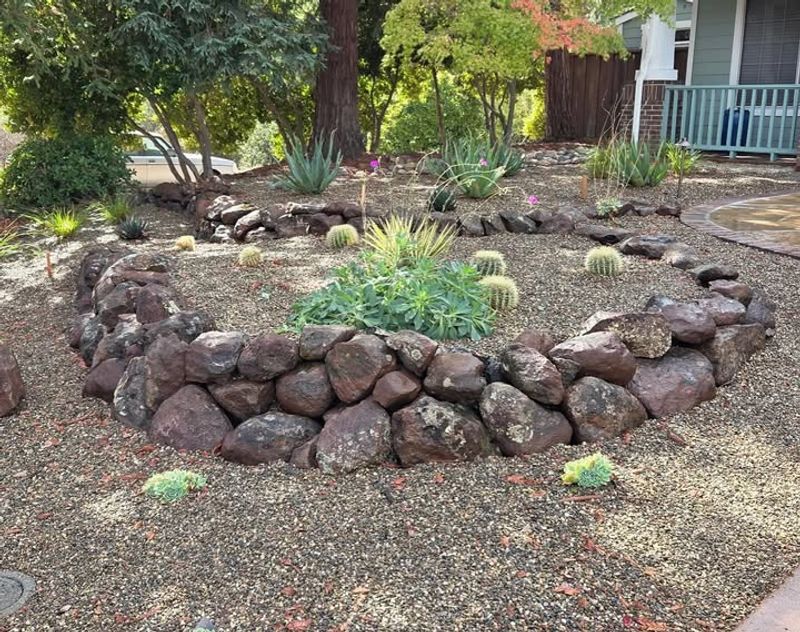
Water-wise landscapes throughout Southern California increasingly feature gravel mulch because it never decomposes and requires zero replacement over time.
The permanent nature makes it ideal for xeriscapes, rock gardens, and areas planted with native drought-tolerant species that thrive in the region’s Mediterranean climate. Gravel comes in countless colors and sizes to match any design aesthetic.
Decomposed granite is especially popular in Southern California because it packs firmly to create stable surfaces for pathways while still allowing water penetration.
The natural tan color complements native plants like sages, buckwheat, and California poppies that evolved in rocky, well-drained soils.
Larger river rocks work beautifully as accent mulch around specimen plants or water features.
Rock mulch reflects heat intensely, which can stress plants during peak summer unless you choose light colors and provide adequate irrigation. Installing landscape fabric beneath gravel prevents weeds while keeping rocks from sinking into soil over time.
This combination creates nearly maintenance-free landscaping perfect for busy homeowners.
Consider gravel carefully because removing it later requires significant effort if you change your landscaping plans. Apply two to three inch layers for smaller gravel or arrange larger rocks individually for visual interest.
Gravel mulch suits contemporary Southern California landscapes focused on water conservation and minimal maintenance.
7. Pine Bark Mulch
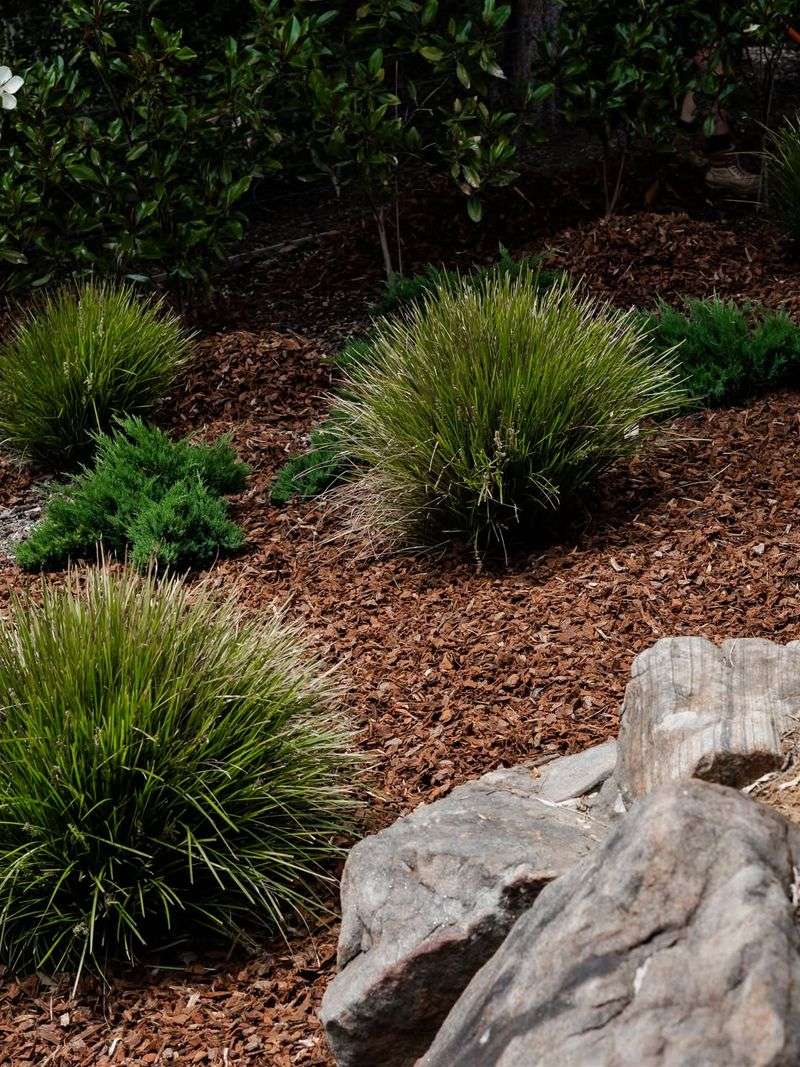
Landscapers throughout Southern California favor pine bark nuggets for their attractive appearance and long-lasting performance in ornamental beds.
The reddish-brown color provides rich contrast against green foliage while maintaining a neat, polished look that enhances curb appeal.
Larger nugget sizes resist washing away during irrigation and stay put better than shredded products.
Pine bark naturally resists decomposition thanks to resins within the wood, meaning it lasts three to four years before requiring replacement. This longevity makes it economical despite higher initial costs compared to other organic mulches.
The chunky texture allows excellent air circulation around plant stems, reducing fungal problems in Southern California’s occasional humid conditions.
Acid-loving plants like gardenias, roses, and citrus trees benefit from the slight pH reduction that pine bark provides as it slowly breaks down.
The mulch also adds beneficial organic matter to clay soils common throughout the region, gradually improving drainage and root penetration.
Pine bark nuggets work beautifully in formal landscapes where appearance matters as much as function.
Apply two to three inch layers of pine bark around shrubs, perennials, and trees, keeping mulch several inches away from trunks and stems.
Refresh the top layer annually to maintain fresh color and appearance while the lower layers continue decomposing and enriching your Southern California garden soil.