The 10 Best Native Groundcovers To Plant In North Carolina Gardens
Bare spots in a yard rarely stay empty for long in North Carolina. Without the right plants, those areas quickly turn into patches of weeds, thin grass, or soil that washes away after heavy rain.
That is why many gardeners across the state are turning to native groundcovers that fill space quickly while strengthening the landscape. Native plants already know how to handle North Carolina conditions.
From the humid Coastal Plain to the rolling Piedmont and the cooler Mountain regions, these plants grow well in local soils and changing weather. Many also support pollinators, birds, and other wildlife that help keep gardens balanced and full of life.
With the right groundcover, a bare corner can become one of the most vibrant parts of your yard. These native options are some of the best choices for creating a lush, low maintenance landscape in North Carolina.
1. Green And Gold (Chrysogonum Virginianum)
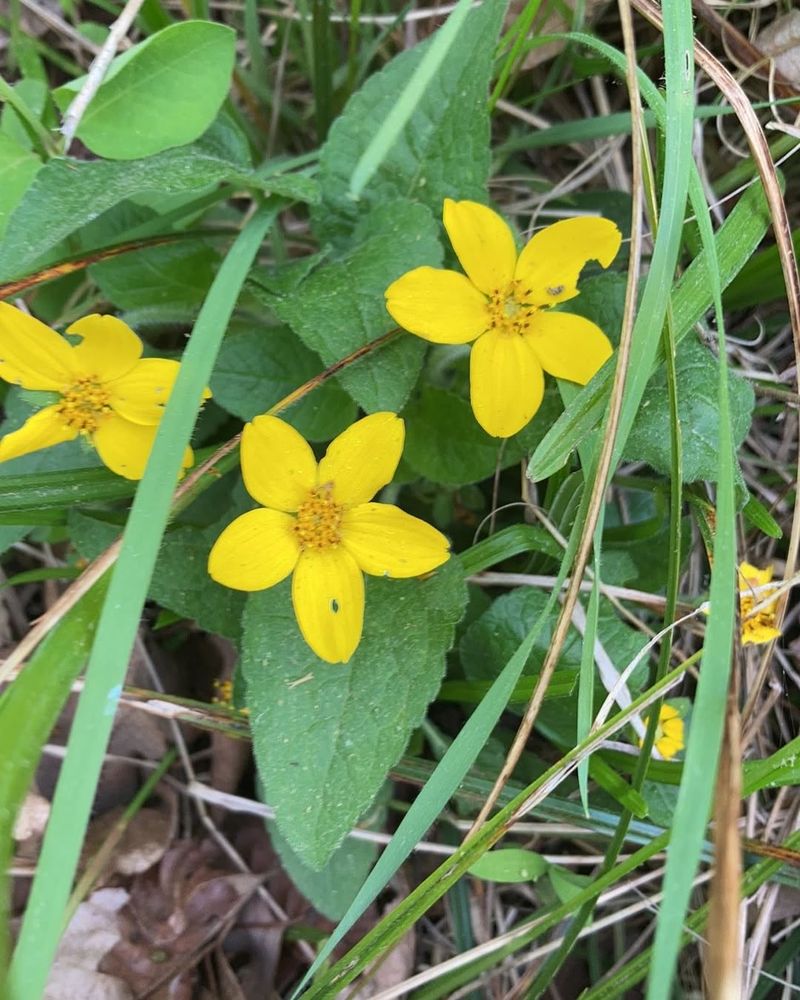
Few plants light up a shady garden corner quite like Green and Gold. With its cheerful yellow star-shaped flowers blooming from late winter all the way through spring, this native perennial earns its name in the most literal way possible.
It stays low to the ground, spreading steadily to fill in bare patches with lush, dark green foliage that looks great even when it is not in bloom.
North Carolina gardeners love this plant because it handles both part sun and part shade with ease. It is a tough little performer that holds up well through the humid summers the region is known for.
If you have a slope or an area prone to erosion, Green and Gold is one of the best natural solutions you can plant.
Planting it along pathways or under trees creates a soft, welcoming look that feels both polished and natural. It pairs beautifully with taller native shrubs or ferns for a layered woodland garden effect.
Once established, it requires minimal watering and almost no fuss, making it a favorite among both beginner and experienced North Carolina gardeners who want reliable, low-maintenance beauty year after year.
2. Wild Ginger (Asarum Canadense)
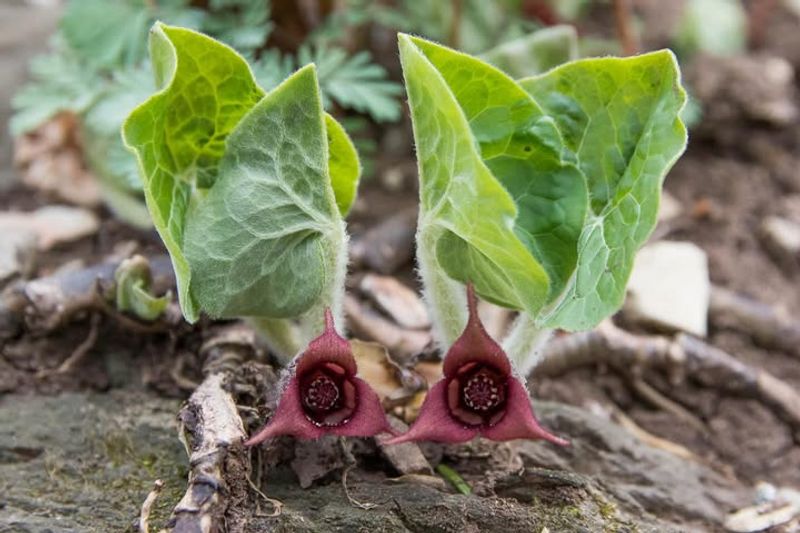
There is something quietly magical about Wild Ginger. Tucked beneath towering trees in shady North Carolina gardens, its large, heart-shaped leaves form a lush green carpet that looks like it belongs in a fairy tale forest.
The flowers are small, brownish-purple, and hidden right at the base of the plant, so most people never even notice them, but the pollinators certainly do.
Wild Ginger is a true shade lover, thriving in the deep, cool spots where most other plants struggle to survive. It prefers moist, well-drained soil rich in organic matter, which is easy to achieve by adding a layer of compost when planting.
Once it settles in, it spreads slowly but reliably, eventually covering large areas with minimal effort on your part.
One fun fact about this plant is that its roots have a spicy, ginger-like scent, which is where the common name comes from. It is not the same as culinary ginger, but the aroma is genuinely pleasant.
For North Carolina homeowners who want a tidy, weed-suppressing groundcover for those tricky shady spots under oaks or pines, Wild Ginger is an outstanding choice that brings rich texture and ecological value to any garden setting.
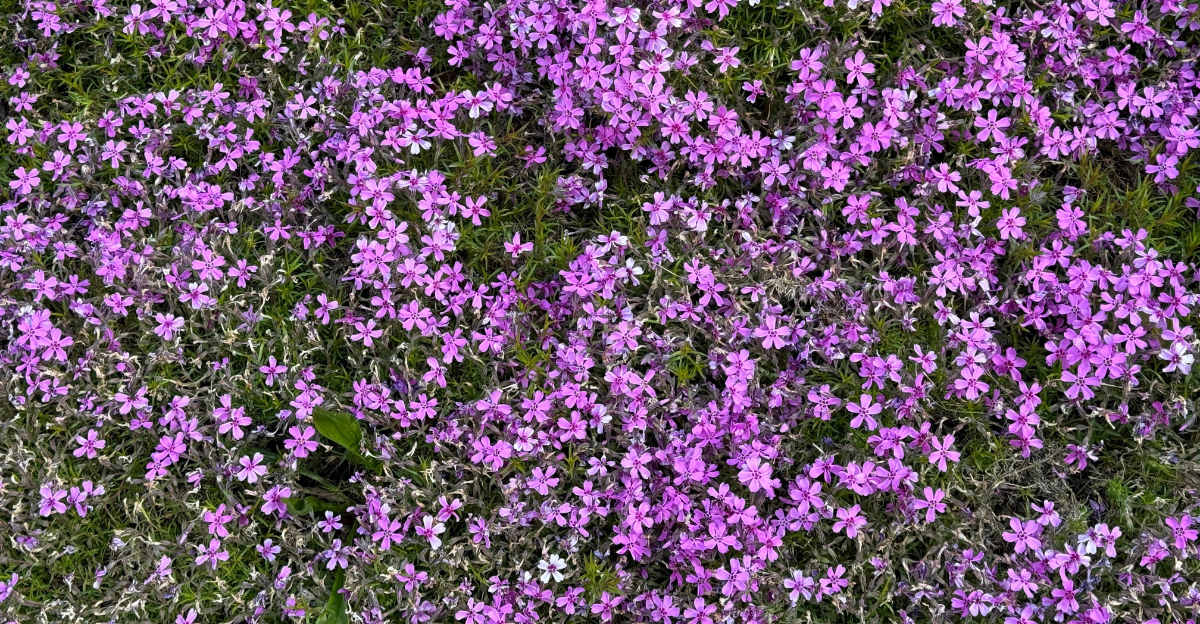
3. Creeping Phlox (Phlox Stolonifera)
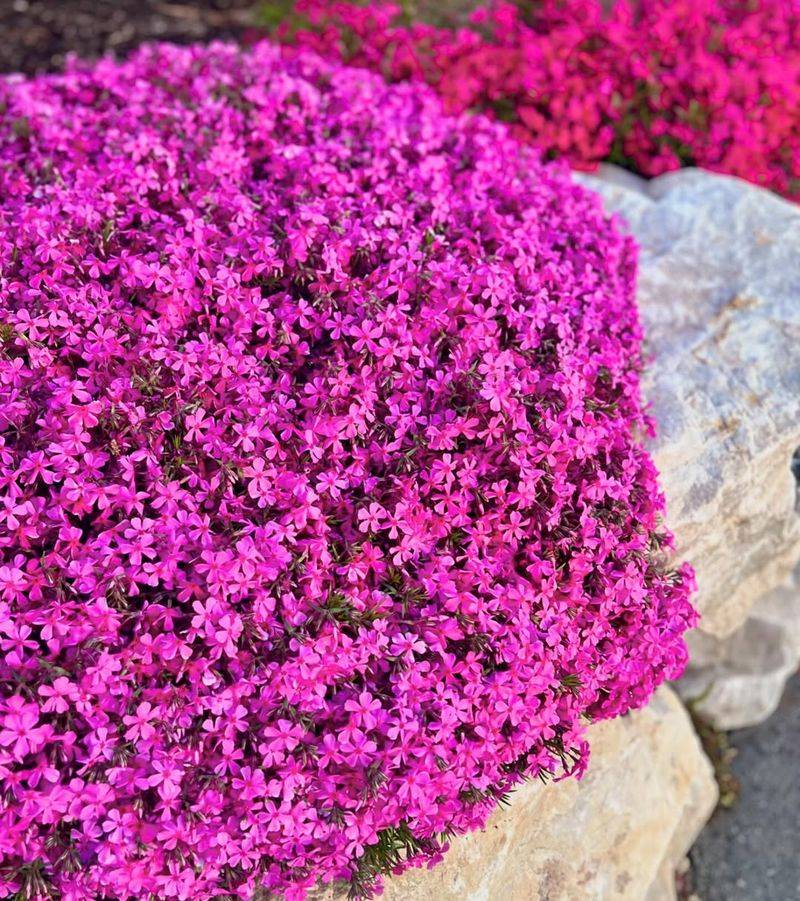
When spring arrives in North Carolina, Creeping Phlox puts on one of the most stunning floral displays you will ever see in a home garden.
Clouds of fragrant pink to purple blossoms blanket the low-growing stems, creating a show that looks almost too beautiful to be real.
Neighbors will stop and stare, and you will feel like a gardening genius for very little effort.
Phlox stolonifera is a woodland native that performs best in part sun to part shade, making it ideal for the dappled light found under deciduous trees. It spreads outward from a central clump, slowly filling in around rocks, along borders, or down gentle slopes.
The fragrance alone makes it worth every inch of garden space it takes up.
Beyond the blooms, this plant maintains attractive green foliage throughout the growing season, keeping your garden looking neat and intentional even after the flowers fade.
It is also a valuable early-season food source for native bees and butterflies waking up after winter.
North Carolina gardeners who plant Creeping Phlox near walkways or patio edges get the added bonus of that sweet floral scent drifting through the air on warm spring evenings. It is truly one of the most rewarding native groundcovers you can add to your landscape.
4. Allegheny Spurge (Pachysandra Procumbens)
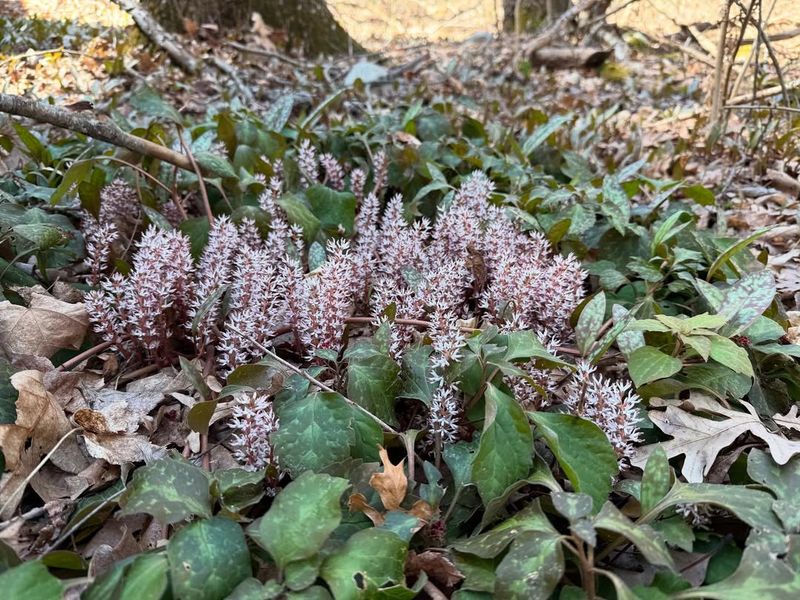
Most people have heard of Japanese Pachysandra, but the native version, Allegheny Spurge, is far more interesting and far better suited to North Carolina gardens.
The leaves are beautifully mottled with silvery-green markings, giving the plant a sophisticated, almost artistic look even without its flowers.
In early spring, short spikes of fragrant white blooms rise up from the foliage, adding a soft, elegant touch to shady beds.
Allegheny Spurge thrives in part to full shade and prefers moist, well-drained soil, which makes it a natural fit for the woodland-style gardens common throughout the Piedmont and Mountain regions of North Carolina.
Unlike its invasive Japanese cousin, this native species spreads at a polite pace, filling in gradually without taking over the entire garden.
Planting it under large trees or along the north-facing side of your home gives it the cool, shaded conditions it loves most. The semi-evergreen foliage holds up well through mild winters, providing year-round visual interest in the garden.
It also suppresses weeds effectively once it forms a dense mat, reducing the time you spend pulling unwanted plants.
For gardeners looking for a refined, low-maintenance groundcover that actually belongs in North Carolina ecosystems, Allegheny Spurge is a standout choice worth every bit of attention it deserves.
5. Partridge Berry (Mitchella Repens)
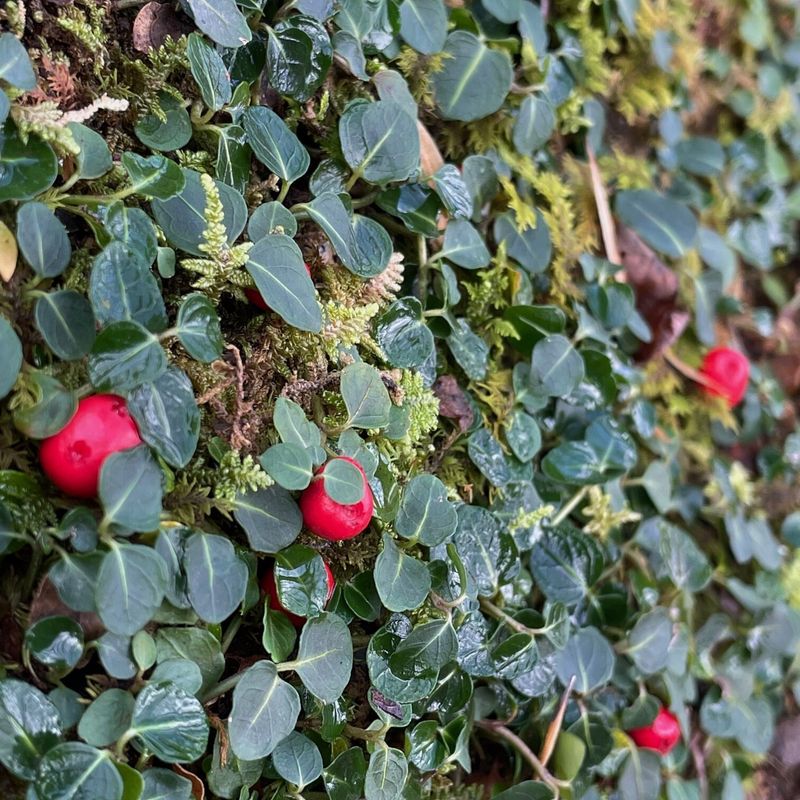
Partridge Berry is one of those plants that makes you stop and look twice. Tiny, paired white flowers bloom in spring, and by fall, they are replaced by cheerful red berries that sit right on top of the deep green, trailing stems.
It looks like a miniature holiday decoration growing right out of the forest floor, and it fits perfectly into shady North Carolina garden spaces.
This low-growing evergreen thrives in deep shade and moist, well-drained soils, making it ideal for planting under large trees where other groundcovers tend to struggle. It grows slowly and stays very low to the ground, rarely exceeding a few inches in height.
That compact habit makes it perfect for filling in around larger plants without competing with them for space or nutrients.
Wildlife absolutely love Partridge Berry. The red berries attract songbirds, including the partridge that inspired its common name, as well as foxes, wild turkeys, and other native animals throughout North Carolina.
Planting it near a woodland edge or a naturalistic garden area creates a food source that supports local wildlife all through the colder months.
For gardeners who want a plant that is beautiful in every season, practical for wildlife, and perfectly at home in the North Carolina landscape, Partridge Berry checks every single box.
6. Wild Strawberry (Fragaria Virginiana)
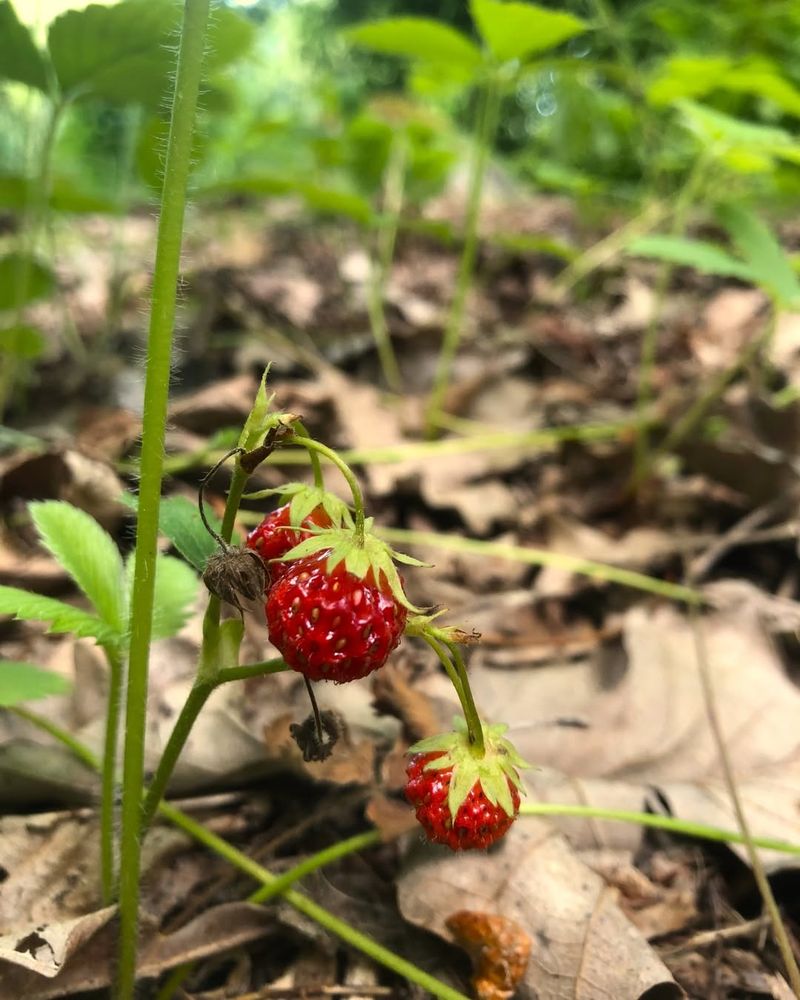
Imagine a groundcover that looks gorgeous, spreads quickly, and also produces actual edible fruit. Wild Strawberry does exactly that, and it has been growing naturally across North Carolina for centuries.
The bright white flowers appear in spring, drawing in bees and other pollinators, and by early summer, small but intensely flavorful red berries ripen up for both you and the local wildlife to enjoy.
Fragaria virginiana grows happily in full sun to part shade, which gives it incredible versatility across different garden conditions. It spreads by runners, similar to a garden strawberry, gradually filling in open areas with a tidy, attractive mat of trifoliate leaves.
It handles dry spells reasonably well once established, making it a solid choice for North Carolina summers that can get hot and a little unpredictable.
Wild Strawberry works beautifully as a lawn alternative in areas with moderate foot traffic, and it looks especially charming planted along pathways or at the front edge of a garden border.
The berries are smaller than commercial varieties but noticeably sweeter, and they ripen over several weeks rather than all at once.
Birds, turtles, and small mammals all love them too, so your garden becomes a natural feeding station. For a groundcover that truly earns its space in a North Carolina yard, Wild Strawberry is hard to beat.
7. Foamflower (Tiarella Cordifolia)
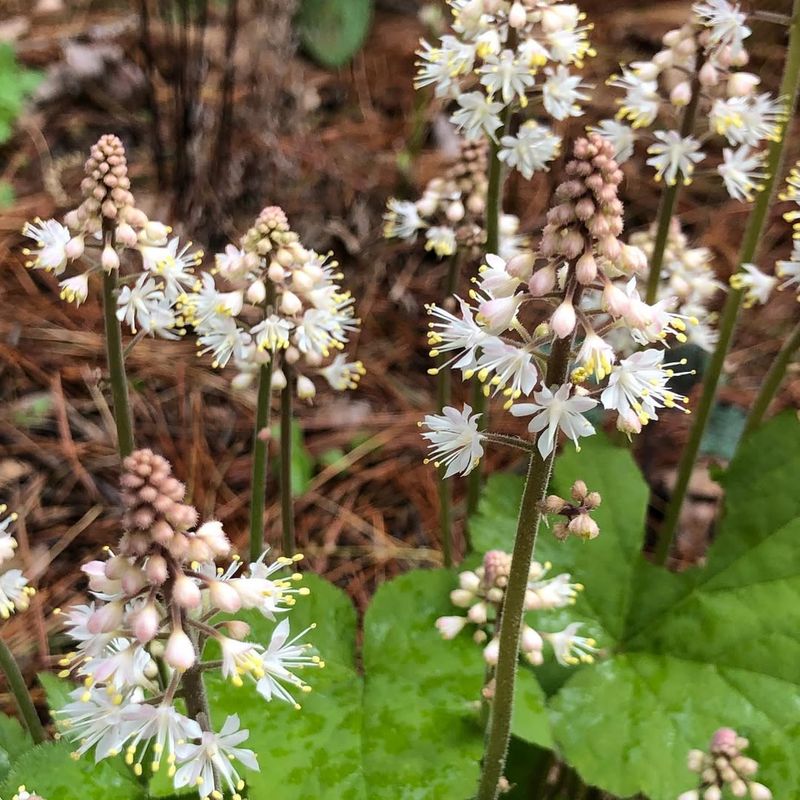
Foamflower gets its name from the frothy, cloud-like spikes of tiny white or soft pink flowers that rise above its foliage each spring, and once you see it in full bloom, that name makes perfect sense.
The flowers are light and airy, almost like someone scattered foam across the garden bed, and they attract native bees and small pollinators in impressive numbers.
It is one of the most charming spring-blooming groundcovers native to North Carolina.
Tiarella cordifolia thrives in part sun to part shade with consistently moist, well-drained soil, putting it right at home in the shaded, humus-rich garden beds common across the Piedmont and Mountain regions of the state.
The heart-shaped, lobed leaves often develop reddish or bronze veining as the season progresses, giving the plant a decorative quality that lasts well beyond the bloom period.
Foamflower spreads steadily by stolons, filling in shady areas with a tidy mat of attractive foliage that keeps weeds from taking hold.
It layers beautifully with other native woodland plants like Wild Ginger and Christmas Fern, creating a lush, multi-textured garden floor that looks intentional and professional.
For North Carolina gardeners who want a shade groundcover that brings both floral interest and long-season foliage appeal, Foamflower is an absolute must-have plant that delivers season after season with very little maintenance required.
8. Creeping Jenny (Lysimachia nummularia var. aurea)
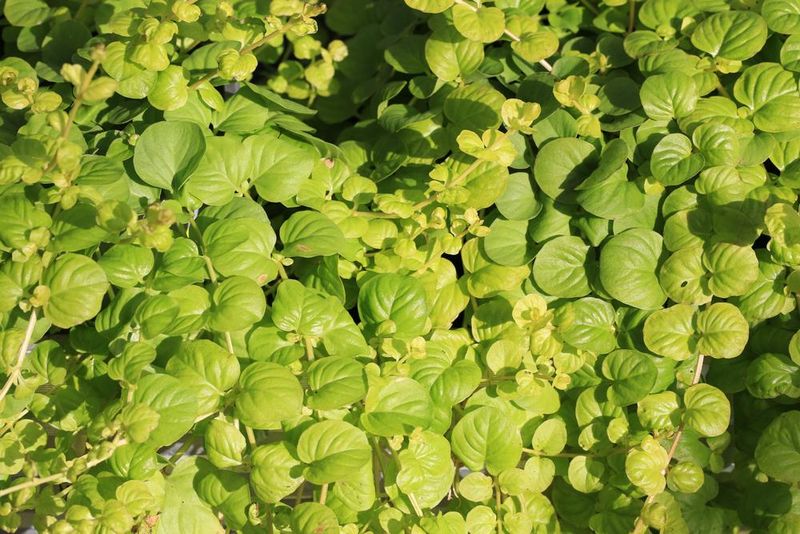
Creeping Jenny is a vibrant, low-growing perennial that thrives in the shaded and semi-shaded corners of North Carolina gardens, making it an ideal choice for areas where grass struggles to survive.
Its trailing stems spread rapidly, forming a dense mat that suppresses weeds naturally while adding a bright pop of green or golden foliage to any garden bed or border.
North Carolina’s humid summers and mild winters create the perfect environment for Creeping Jenny to establish quickly and maintain lush coverage throughout the growing season.
Its preference for moist, well-drained soils aligns perfectly with woodland gardens, stream-side plantings, and low-lying areas that tend to retain water.
In addition to aesthetics, this plant provides functional benefits such as soil stabilization on gentle slopes and erosion control around trees and shrubs.
Its low maintenance requirements, minimal mowing, occasional pruning to control spread, and no fertilization needed once established, make it perfect for both beginner and experienced gardeners.
Creeping Jenny also tolerates the variable temperatures and rainfall patterns across the Piedmont, Mountains, and Coastal Plains of North Carolina, giving homeowners a reliable and hardy groundcover that delivers year-round beauty and practicality.
9. Blue Star Creeper (Isotoma fluviatilis)
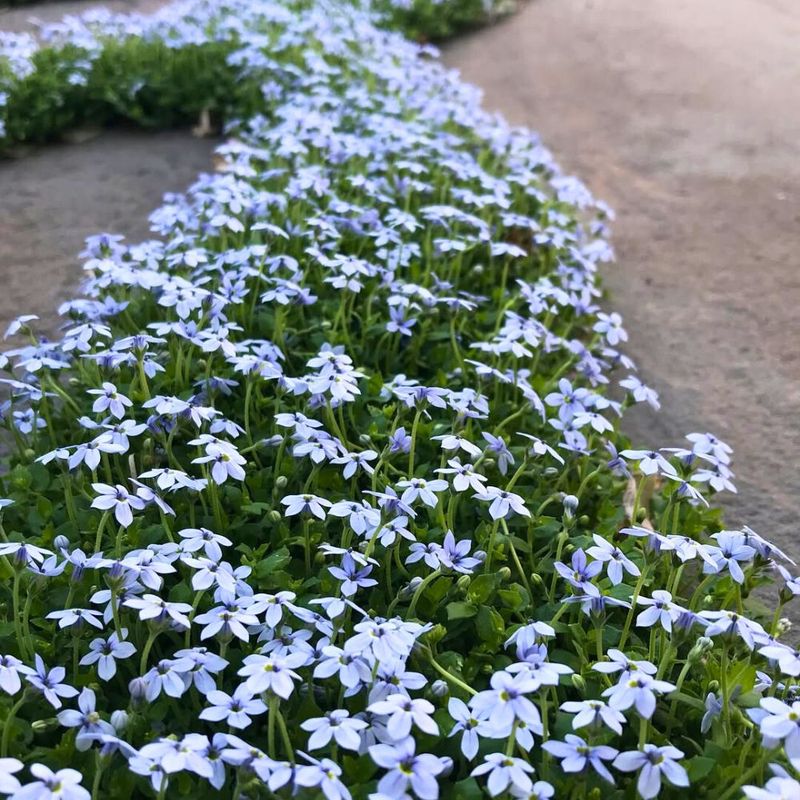
Blue Star Creeper is a North Carolina-friendly groundcover that excels in sun to partial shade, creating a lush, low-growing carpet accented with delicate star-shaped blue flowers in spring and early summer.
Its mat-forming habit allows it to fill gaps between stepping stones, along garden borders, and in rock gardens, providing a cohesive, polished look that is both ornamental and functional.
The plant’s compact height, usually just 2–3 inches, makes it a perfect choice for areas where taller groundcovers might overwhelm smaller perennials or pathways.
NC gardeners benefit from Blue Star Creeper’s adaptability to a wide range of soils, from sandy coastal soils to the richer clay of the Piedmont, as long as the soil is consistently moist and well-drained.
Beyond aesthetics, it suppresses weeds and reduces soil erosion on gentle slopes while offering a reliable food source for pollinators like bees and butterflies during its flowering period.
Its tolerance to NC’s humid summers and mild winters ensures that it returns year after year with minimal care.
For homeowners seeking a balance of beauty, resilience, and ecological support, Blue Star Creeper is a standout option for any native plant garden.
10. Creeping Mazus (Mazus reptans)
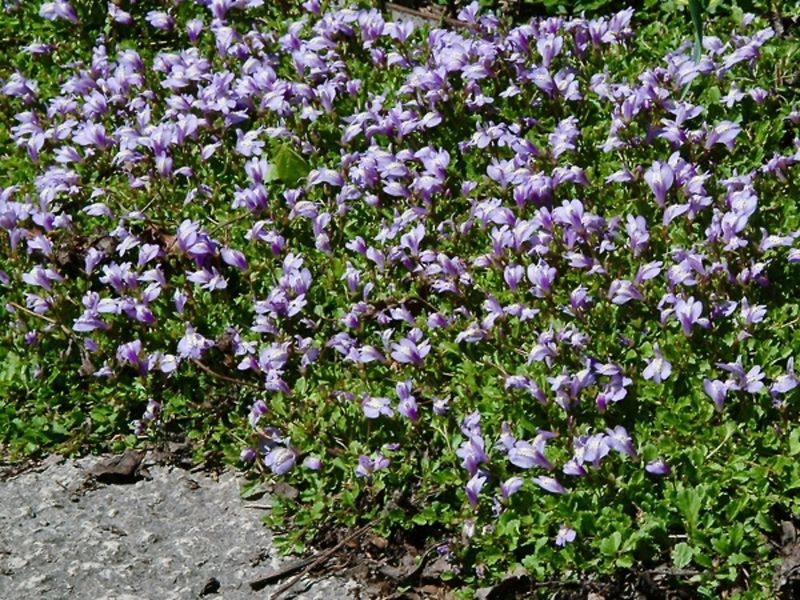
Creeping Mazus is one of North Carolina’s most versatile and resilient native groundcovers, prized for its ability to quickly establish a dense, green mat while producing small, delicate purple flowers in spring.
Its spreading habit makes it ideal for filling bare patches in lawns, garden beds, and woodland borders, creating a lush, low-maintenance carpet that suppresses weeds naturally.
NC’s moderate winters and humid summers provide the perfect growing conditions for Mazus to thrive, and its adaptability to sun or partial shade allows gardeners to use it in a wide variety of landscapes, including slopes and shaded understories.
The plant’s fibrous root system stabilizes soil effectively, reducing erosion in areas with variable moisture or runoff, while the flowers attract native pollinators, supporting North Carolina’s local ecosystems.
Once established, Creeping Mazus requires minimal care, making it ideal for low-maintenance gardening without sacrificing beauty or ecological value.
Its ability to handle occasional dry spells and recover quickly from temporary stress ensures that it remains a reliable groundcover throughout the growing season.
For gardeners seeking a combination of aesthetic appeal, environmental benefits, and easy upkeep, Creeping Mazus is an outstanding choice for North Carolina gardens.