The 11 Best Native Trees For Soil Stability And Drainage In Oregon Yards
Soil erosion and poor drainage can turn any Oregon yard into a challenge, but the right trees can solve both problems while adding beauty and wildlife habitat.
Native trees are especially well-suited for local soils and climate, making them reliable choices for stabilizing slopes, reducing runoff, and improving overall soil health.
Choosing the right species means selecting trees with strong root systems that hold soil in place and absorb water efficiently. Many native options also provide shade, attract birds and pollinators, and offer seasonal interest with flowers, berries, or colorful leaves.
Unlike non-native trees, they require less maintenance and adapt quickly to local conditions.
Planting native trees for soil stability is an investment that pays off over the years, preventing erosion, improving water management, and creating a resilient, thriving landscape.
With the right selections, even challenging yards can become lush, stable, and full of life, all while supporting Oregon’s unique ecosystems.
1. Red Alder
Walk along any Oregon stream and you’ll spot Red Alder growing thick and strong where the soil stays soggy most of the year.
This fast-growing native thrives in wet spots that make other trees struggle, and it’s a champion at holding soil together with its aggressive root system.
If your backyard collects water like a sponge after every rainstorm, Red Alder might be your new best friend.
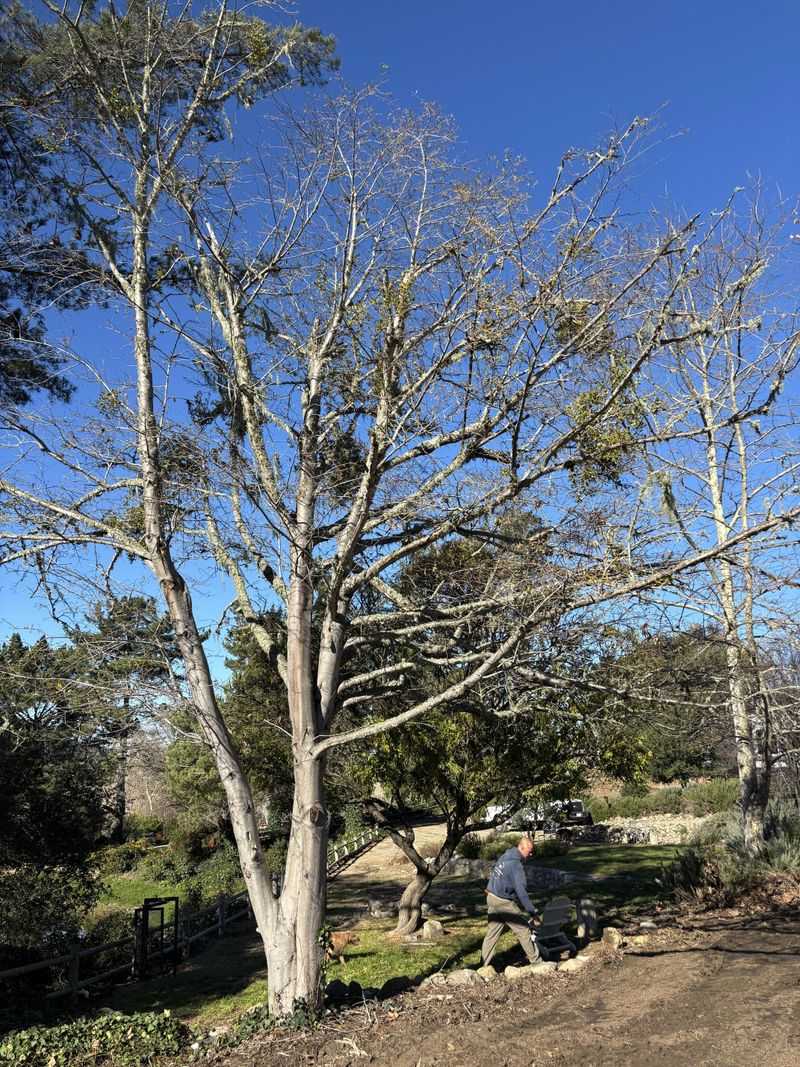
Red Alder grows quickly, reaching 40 to 50 feet tall with smooth gray bark that stands out in winter. Its roots spread wide and shallow, creating a living net that locks soil in place and prevents erosion along slopes and drainage swales.
Even better, this tree fixes nitrogen in the soil, which means it actually improves the ground around it over time, helping your grass and garden beds grow healthier without extra fertilizer.
Homeowners love Red Alder because it requires almost no maintenance once established. It drops its leaves in fall, which decompose quickly and feed the soil naturally.
Plant it near problem drainage areas, along property lines with standing water, or on slopes where runoff carves ugly channels. Your yard will look more mature and polished within just a few years, and you’ll notice less mud washing away every winter.
2. Bigleaf Maple

Bigleaf Maple is the tree you see towering over Oregon parks and backyards, with leaves the size of dinner plates and a root system that drinks up excess moisture like a sponge.
This native grows fast and fills out quickly, making it ideal for homeowners who want results sooner rather than later.
If your yard has a wet corner that never quite dries out, Bigleaf Maple will turn that problem spot into a shady retreat.
The tree’s dense root network stabilizes soil and intercepts runoff before it can carve channels through your lawn. Bigleaf Maple thrives in moist, rich soil and tolerates seasonal flooding, which makes it perfect for low-lying areas or near downspouts.
It grows 50 to 75 feet tall with a broad canopy that provides deep summer shade, reducing your cooling costs and protecting your lawn from scorching heat. The bright yellow fall color is a neighborhood showstopper.
Maintenance is minimal once the tree is established. It drops large leaves in autumn, which you can mulch back into the soil or compost for free garden fertilizer.
Plant Bigleaf Maple away from patios and driveways since its roots can lift pavement over time. Use it to anchor slopes, frame your yard, or create a natural privacy screen that also solves drainage headaches.
3. Oregon White Oak
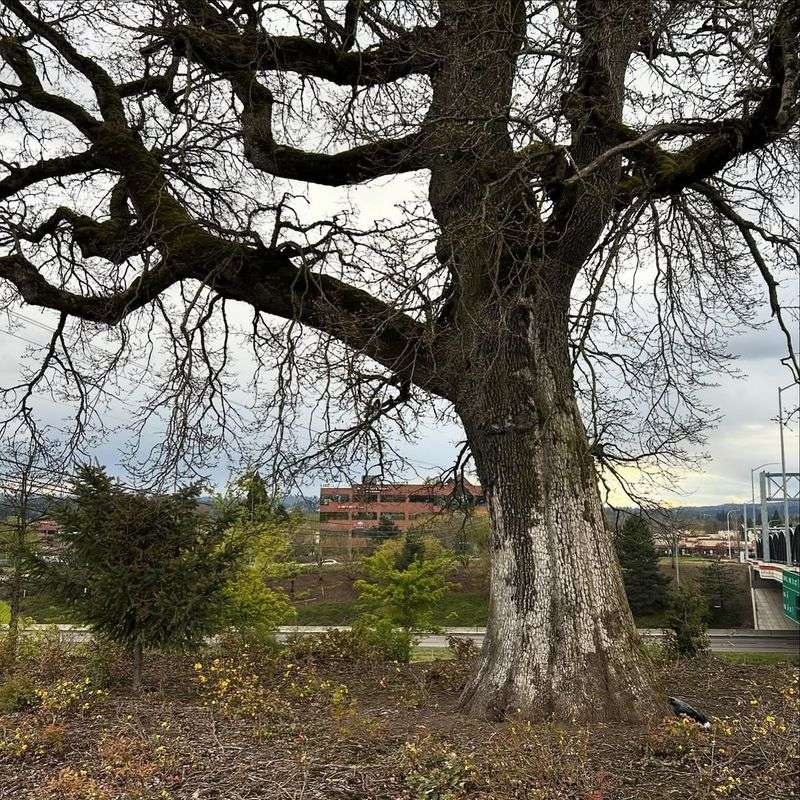
Few trees command respect like the Oregon White Oak, with its thick trunk, sprawling branches, and deep roots that anchor hillsides like iron cables.
This iconic native grows slowly but lives for centuries, making it a legacy tree that adds serious curb appeal and property value.
If you have a slope that’s dry in summer and prone to sliding in winter, Oregon White Oak offers the perfect long-term solution.
Oregon White Oak develops a massive root system that reaches deep into the soil, holding everything together even during heavy rains. Its canopy spreads wide, providing summer shade that cools your yard and reduces water evaporation from the ground below.
The tree handles drought beautifully once established, which means less watering and lower maintenance costs for you. Its textured bark and golden fall leaves create a stunning focal point that neighbors will notice.
Plant Oregon White Oak on sunny slopes, in well-drained areas, or as a centerpiece tree in larger yards. It grows best in full sun and tolerates clay soil, which is common across much of Oregon.
Expect slow but steady growth, and remember that this tree is an investment in your home’s future. Wildlife love it too, which means more songbirds and natural pest control around your property.
4. Western Red Cedar
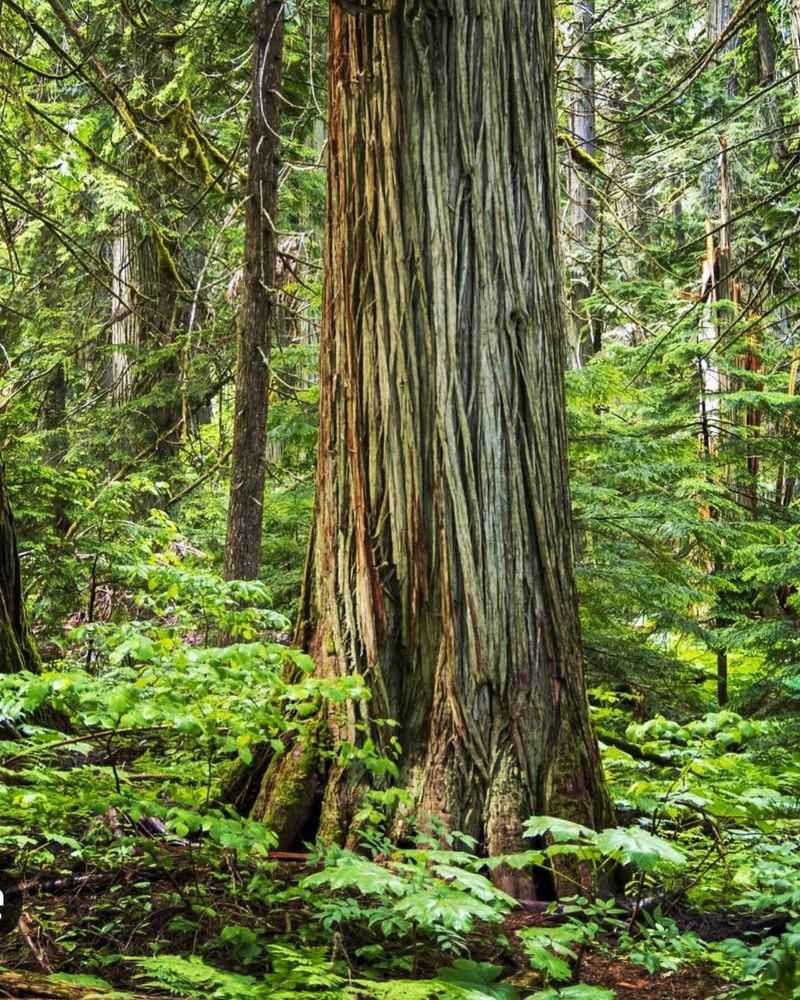
This native evergreen thrives in moist soil and handles wet feet better than almost any other tree, making it a go-to choice for drainage problems.
If you need a tree that looks good in every season while quietly managing excess water, Western Red Cedar delivers.
Its fibrous root system spreads wide and shallow, creating a dense mat that holds soil firmly in place and prevents erosion on slopes and hillsides.
Western Red Cedar grows steadily to 50 to 70 feet tall, forming a narrow, upright shape that works well in tighter spaces.
The tree naturally resists rot and pests, which means less worry about disease and fewer maintenance headaches. Its aromatic wood and foliage add a pleasant scent to your yard that you’ll notice on warm summer days.
Plant Western Red Cedar in areas with consistent moisture, along property lines for privacy, or on slopes where runoff is a problem. It tolerates shade and partial sun, making it versatile for different yard conditions.
The tree’s evergreen foliage provides year-round screening and windbreak protection, which can lower your heating bills in winter. Your yard will feel more private, polished, and protected with this reliable native tree.
5. Douglas Fir

Douglas Fir is Oregon’s signature tree, towering over forests and backyards alike with its straight trunk and dense evergreen canopy. This native grows almost anywhere, from wet lowlands to dry hillsides, and its deep taproot acts like an anchor that stabilizes soil and prevents erosion.
If you want a tree that’s tough, beautiful, and built for Oregon’s climate, Douglas Fir is hard to beat.
The tree’s root system goes deep, which helps it access water during dry summers while holding soil together during wet winters.
Douglas Fir grows 40 to 80 feet tall in residential settings, creating a striking vertical element that adds structure and character to your yard.
It tolerates a wide range of soil types, including clay and rocky ground, and requires very little care once established.
The evergreen needles provide year-round color and texture, and the tree’s classic shape makes your property look more established and valuable.
Plant Douglas Fir on slopes, in open areas with good drainage, or as a windbreak along your property line. It prefers full sun but tolerates partial shade, and it grows faster than you might expect.
The tree provides habitat for birds and wildlife, which means more natural activity and beauty around your home. Douglas Fir is a long-term investment that pays off in curb appeal, soil stability, and reduced maintenance.
6. Sitka Spruce
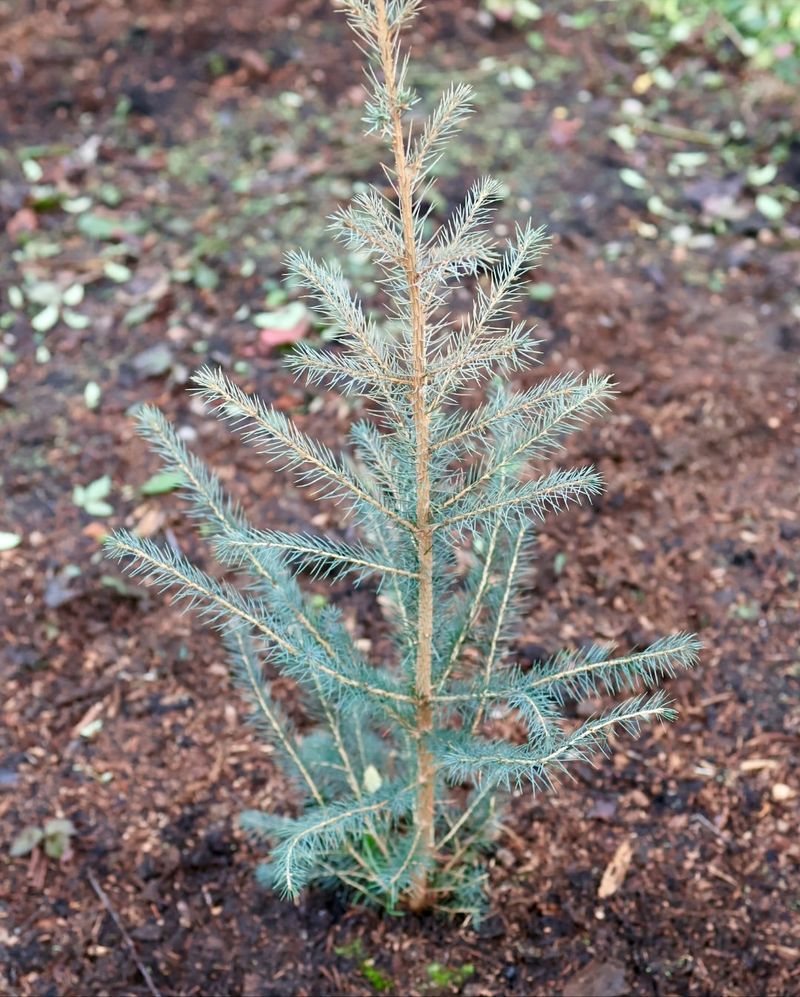
This one is for the folk on the coast! Sitka Spruce thrives in Oregon’s coastal zones and wet inland valleys, where its shallow but extensive root system grips the soil like a living blanket.
This towering native grows fast and handles wet, poorly drained soil better than most trees, making it a smart choice for yards that stay soggy.
If you live near the coast or in a low-lying area with drainage issues, Sitka Spruce can turn that challenge into an asset.
The tree’s roots spread wide and interlock with surrounding soil, preventing erosion and stabilizing slopes even in heavy rain. Sitka Spruce grows tall and narrow, reaching 50 to 70 feet in residential landscapes, with silvery-green needles that shimmer in the breeze.
It tolerates salt spray, wind, and wet conditions, which makes it ideal for coastal properties or yards with high water tables. The tree requires minimal maintenance and provides excellent privacy screening year-round.
Plant Sitka Spruce in areas with consistent moisture, along property lines, or on slopes where runoff is a problem. It prefers full sun to partial shade and grows quickly, giving you results within a few years.
The tree’s evergreen foliage and strong structure add visual interest and value to your property. Wildlife appreciate it too, which means more birds and natural beauty around your home.
7. Pacific Madrone
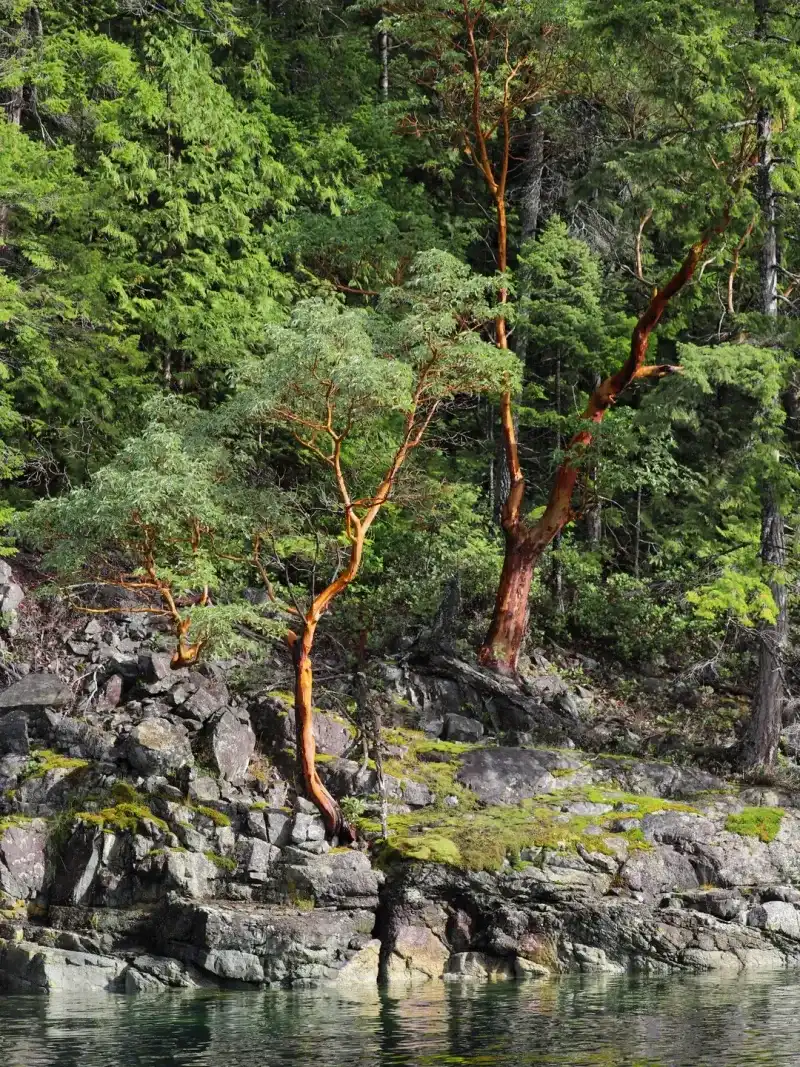
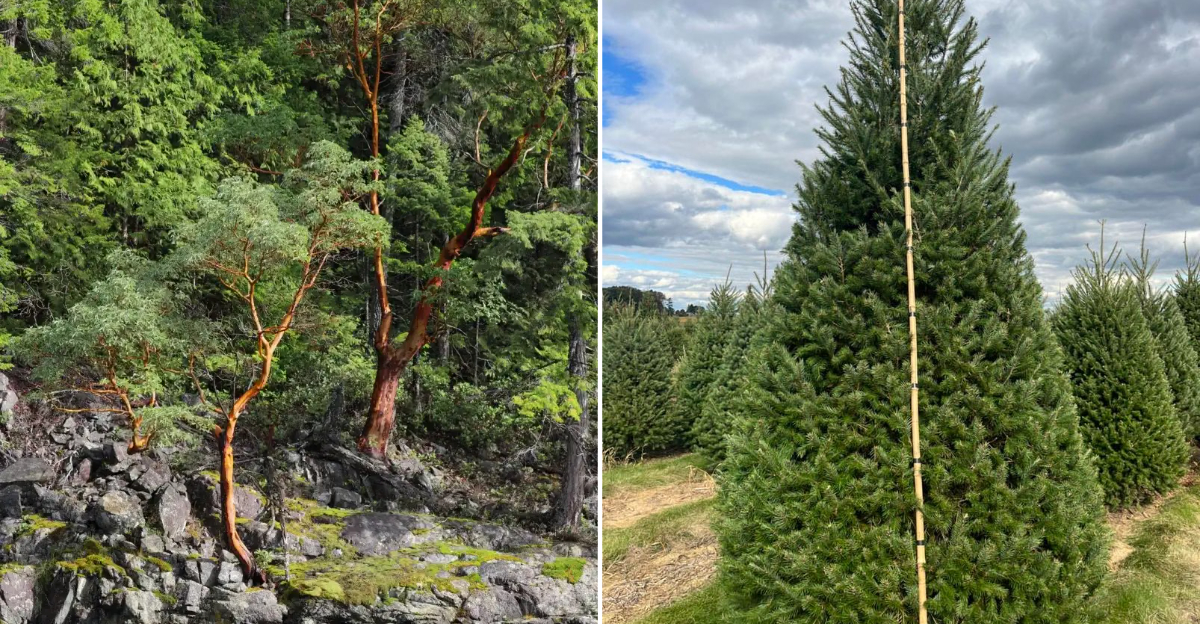
Isn’t this tree breathtaking? Pacific Madrone is the showstopper of Oregon native trees, with its smooth reddish bark that peels away to reveal cinnamon and cream tones underneath.
This drought-tolerant native grows best on well-drained slopes and hillsides, where its deep roots anchor the soil and prevent erosion. If you have a dry, sunny slope that other trees struggle on, Pacific Madrone will thrive there and turn it into a focal point.
The tree’s extensive root system reaches deep into rocky or sandy soil, holding everything together even during heavy winter rains. Pacific Madrone grows slowly to 20 to 40 feet tall, with glossy evergreen leaves and clusters of white spring flowers followed by bright red berries.
It handles drought beautifully once established, which means less watering and lower maintenance costs. The tree’s unique bark and year-round color make your yard stand out in the neighborhood.
Plant Pacific Madrone on sunny, well-drained slopes, in rocky soil, or as a specimen tree in larger yards. It prefers full sun and excellent drainage, and it struggles in heavy clay or wet conditions.
Expect slow but steady growth, and remember that this tree is sensitive to root disturbance, so choose its location carefully. Wildlife love the berries, which means more birds and natural activity around your property.
8. Black Cottonwood
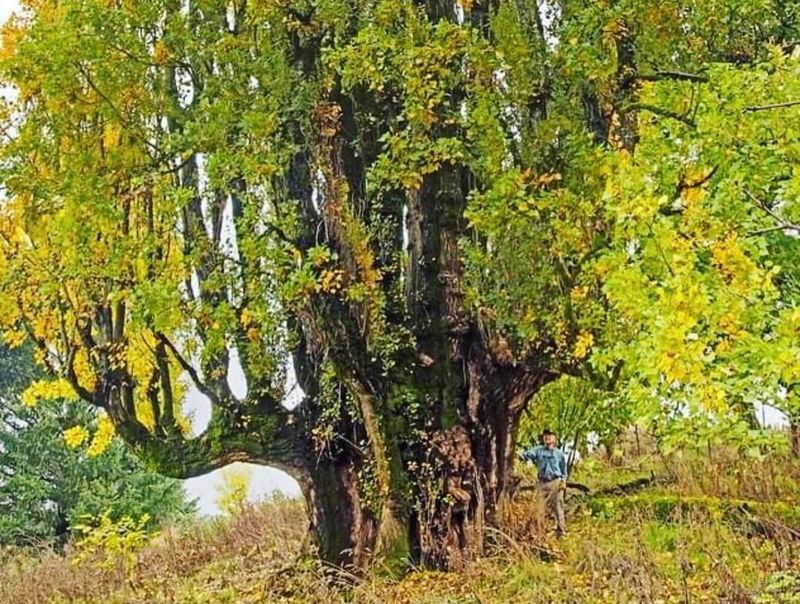
This is the tree you see along Oregon rivers and wetlands, growing tall and fast with a root system that thrives in saturated soil.
This native is built for wet conditions and excels at stabilizing streambanks, drainage swales, and low-lying areas that flood seasonally.
If you have a soggy spot that stays wet most of the year, Black Cottonwood will turn it into a productive, beautiful part of your landscape.
The tree’s aggressive root system spreads wide and deep, holding soil together and preventing erosion even during heavy winter storms. Black Cottonwood grows rapidly to 50 to 80 feet tall, with a broad canopy that provides summer shade and cools the ground below.
It tolerates seasonal flooding and poor drainage, which makes it perfect for problem areas that other trees won’t handle.
The tree’s rustling leaves create a soothing sound on breezy days, and its fast growth gives you quick results.
Plant Black Cottonwood in wet areas, along property lines near streams or drainage ditches, or in low spots where water collects. It prefers full sun and moist to wet soil, and it grows faster than almost any other native tree.
Maintenance is minimal, though the tree does drop cottony seeds in late spring, which some homeowners find messy. Overall, it’s a powerful solution for wet soil and drainage challenges.
9. Western Hemlock

This is Oregon’s shade-loving native, thriving under the canopy of larger trees or in cool, moist areas where other trees struggle.
Western Hemlock grows steadily with a drooping top and soft, feathery foliage that adds elegance to any landscape.
If you have a shady, damp corner that needs stabilizing, Western Hemlock is your answer.
The tree’s shallow but widespread root system creates a dense mat that holds soil in place and prevents erosion on slopes and hillsides. Western Hemlock grows 40 to 60 feet tall in residential settings, with a narrow, pyramidal shape that works well in smaller spaces.
It tolerates shade and moist soil better than most evergreens, making it ideal for north-facing slopes or areas under larger trees. The tree requires minimal maintenance and provides year-round screening and privacy.
Plant Western Hemlock in shady, moist areas, along wooded property lines, or on slopes where runoff is a problem. It prefers partial to full shade and consistent moisture, and it struggles in hot, dry, or exposed conditions.
The tree’s soft foliage and graceful form add a calming, natural feel to your yard. Wildlife appreciate the cover and food it provides, which means more birds and beneficial insects around your home.
10. Vine Maple

This small native thrives in moist, shady conditions and works beautifully on slopes where erosion is a concern.
Vine Maple is Oregon’s understory gem, growing naturally beneath taller trees with its twisting branches and brilliant fall color.
If you have a hillside or woodland area that needs stabilizing without blocking your view, Vine Maple is the perfect choice.
The tree’s fibrous root system spreads wide and grips the soil tightly, preventing erosion and holding slopes together even in heavy rain.
Vine Maple grows 10 to 20 feet tall, often with multiple trunks and a spreading, irregular shape that adds character and texture to your landscape.
It tolerates shade, moist soil, and seasonal flooding, making it ideal for problem areas under larger trees or along drainage swales. The tree’s bright red and orange fall color is one of the most stunning displays in Oregon landscapes.
Plant Vine Maple on shady slopes, under larger trees, or along property lines where you need erosion control without losing light. It prefers partial to full shade and consistent moisture, and it grows slowly but steadily.
Maintenance is minimal, and the tree’s natural form requires little to no pruning. Vine Maple adds year-round interest and value to your yard while quietly solving drainage and erosion problems.
11. Quaking Aspen

This fast-growing tree thrives in moist, well-drained soil and spreads through underground runners, creating groves that stabilize slopes and prevent erosion.
If you have a sunny, moist hillside that needs holding together, Quaking Aspen will do the job while adding striking visual interest.
The tree’s spreading root system forms colonies that knit the soil together, preventing runoff and erosion even on steep slopes. Quaking Aspen grows 20 to 40 feet tall with a narrow, upright shape and bright green leaves that turn golden yellow in fall.
It tolerates a range of soil types and handles seasonal moisture fluctuations well, making it versatile for different yard conditions. The tree’s white bark and rustling leaves create a unique sensory experience that adds charm and character to your landscape.
Plant Quaking Aspen in sunny, moist areas, on slopes, or in open spaces where you want a naturalized grove effect. It prefers full sun and consistent moisture, and it grows quickly to provide fast results.
Be aware that the tree spreads through suckers, so plant it where you have room for a colony or plan to manage the spread. Quaking Aspen adds beauty, soil stability, and a touch of mountain magic to your Oregon yard.