The 10 Best Nectar Plants To Attract Orioles In California
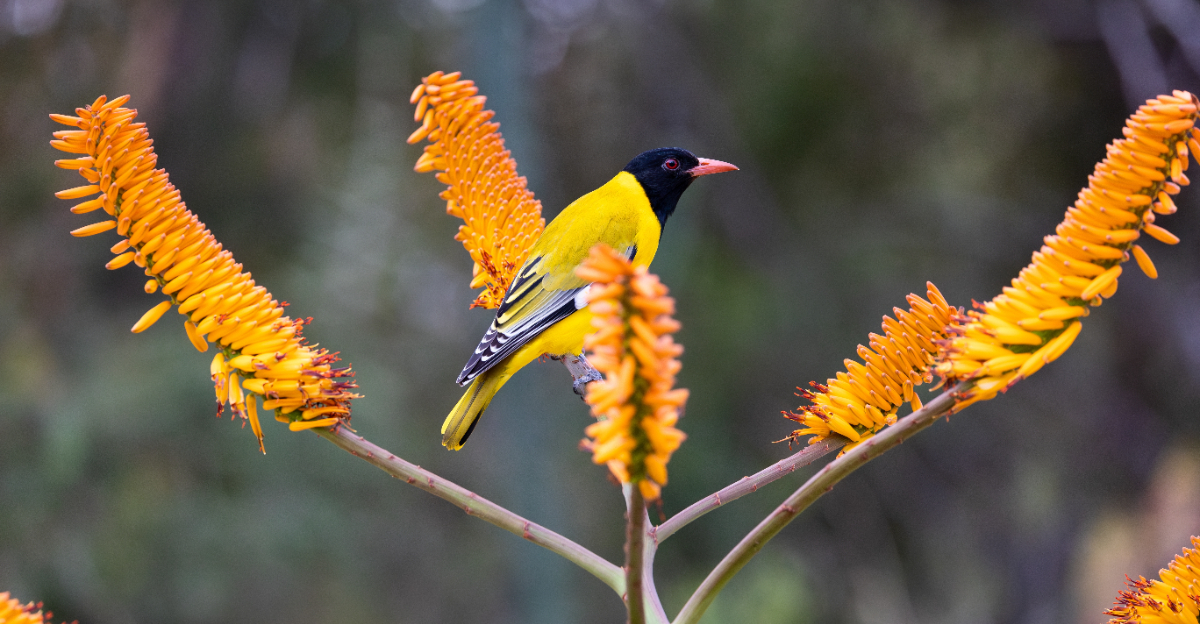
Orioles can turn an ordinary California yard into the kind of place you suddenly want to keep watching.
One flash of orange in the morning, one quick stop at a flower-heavy branch, and the whole garden feels more alive.
While many people try to lure them in with fruit feeders, nectar-rich plants can make the space even more inviting and much more beautiful at the same time. That is part of the appeal. The right flowers do more than add color.
They give orioles a reason to visit, linger, and come back as the season moves along. In California, where bloom times, heat, and dry conditions can shift a lot by region, choosing dependable nectar plants makes a big difference.
A yard filled with bold, tubular, nectar-rich blooms can become a much more natural stopping point for these birds. Once a few favorites are in place, your garden starts working like an open invitation.
1. Agave
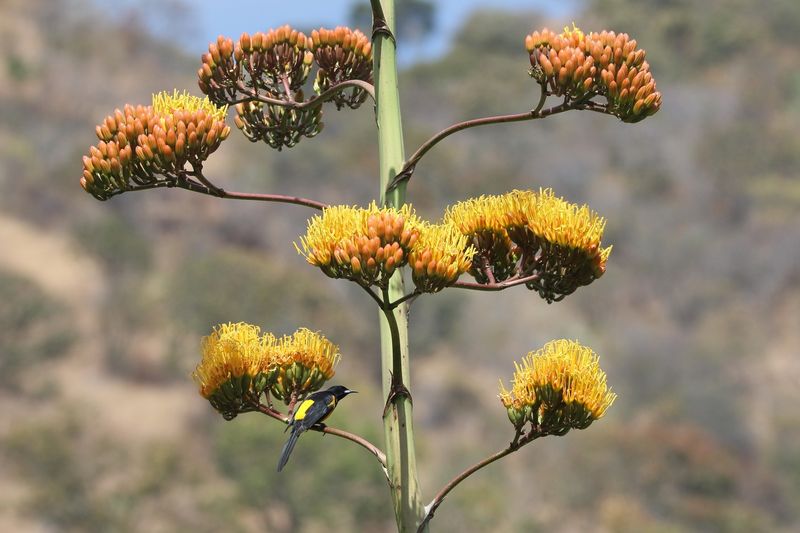
Few plants make a statement quite like agave. When this bold, spiky plant finally sends up its towering flower stalk, orioles take notice fast.
The tall stalks can reach over ten feet high, and the clusters of tubular yellow flowers at the top are packed with rich, sweet nectar that orioles absolutely love.
Agave is a fantastic choice for California gardens because it thrives in dry, sunny conditions. It handles heat well and needs very little water once established.
That makes it ideal for gardeners in Southern California, the Central Valley, and other warm, dry regions of the state.
One thing to keep in mind is that agave blooms only once in its lifetime, but that bloom is worth the wait. It can last for weeks, giving orioles a long window to visit.
Plant several agaves of different ages to keep the nectar flowing year after year. You will also attract hummingbirds and butterflies as a bonus.
Agave is low-maintenance, visually striking, and incredibly rewarding for any bird-friendly California garden.
2. Ocotillo
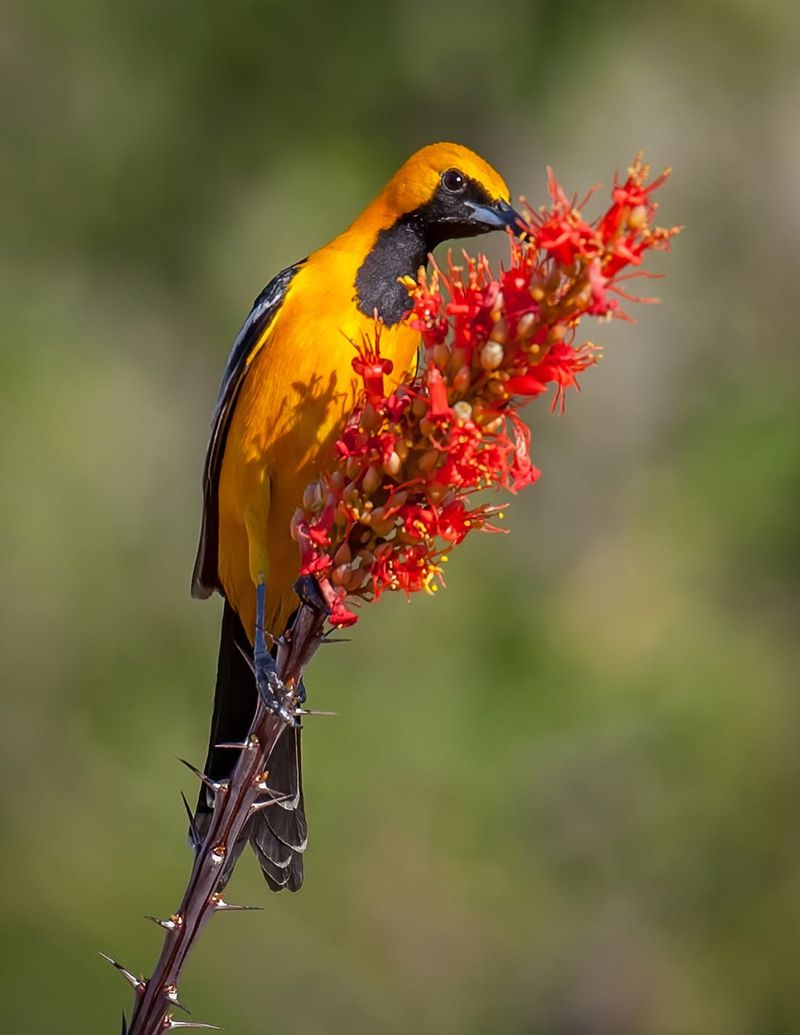
If you have ever seen a desert landscape in California light up with red-tipped canes after a rain, you have likely spotted ocotillo in action. This dramatic plant is one of the most reliable nectar sources for Bullock’s orioles passing through the southern and eastern parts of the state during spring migration.
Ocotillo produces clusters of brilliant red, tubular flowers at the tips of its long, thorny canes. Those flowers are perfectly shaped for a bird with a curved beak, making them a natural match for orioles.
The blooms typically appear in spring, which lines up beautifully with oriole migration season in California.
Growing ocotillo is easier than most people expect. It loves full sun and sandy, well-drained soil.
Once established, it is remarkably drought-tolerant, which is a huge advantage in California’s dry climate. You do not need to water it often, and it rarely needs pruning.
Plant it in a visible spot in your yard, and you will have a front-row seat to some amazing bird activity every spring. Ocotillo is a true desert gem that works hard for wildlife.
Your California Garden Changes Every Week. Your Plan Should Too.
Gardening in California changes quickly throughout the season. Every Friday you’ll receive a simple weekly plan showing exactly what to plant, prune, fertilize, harvest, and protect so you never miss the right timing.
3. California Fuchsia
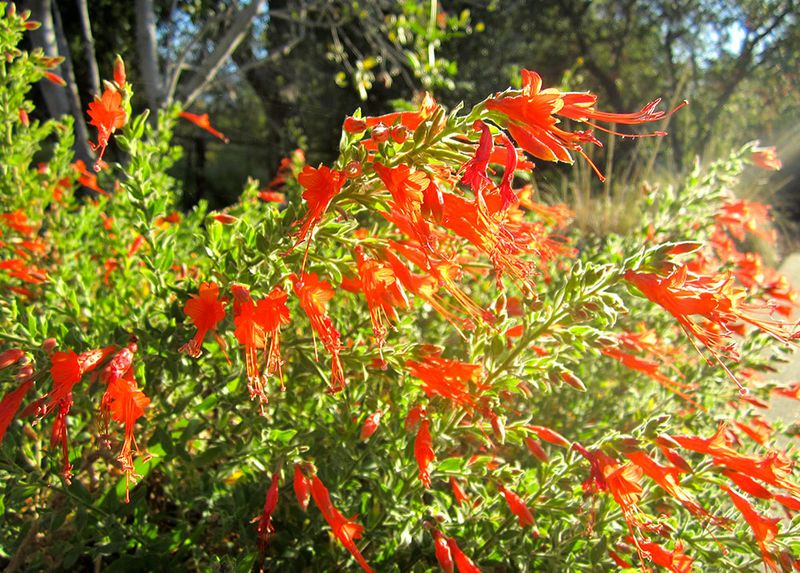
Bright, fiery, and full of energy, California fuchsia is one of those plants that makes a garden feel alive. Also known as Epilobium canum, this native perennial bursts into bloom in late summer and fall, right when many other flowers are fading.
That timing makes it an incredibly valuable food source for orioles before they head south for the winter.
The flowers are narrow, tubular, and a vivid shade of scarlet-orange. Orioles are strongly attracted to red and orange shades, so this plant practically calls out to them.
It grows well across many parts of California, from coastal gardens to inland hillsides, and it handles drought conditions like a champ once established.
California fuchsia spreads nicely as a ground cover or low-growing shrub, and it looks great spilling over rocks or garden borders. It does best in full sun and prefers well-drained soil.
Avoid overwatering, as this plant is built for California’s dry summers. Deadheading spent blooms can encourage more flowers throughout the season.
If you want a native plant that feeds birds, looks stunning, and asks for almost nothing in return, California fuchsia is a perfect pick for your garden.
4. Native Salvias
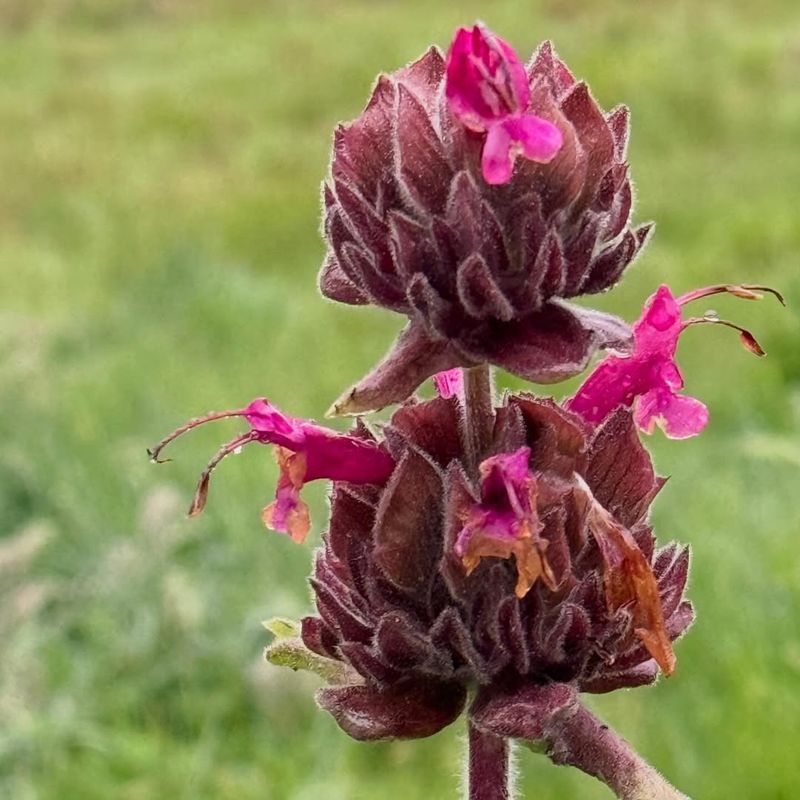
Walk through almost any native plant nursery in California, and you will find a wall of salvias staring back at you. That is because there are dozens of native salvia species suited to this state, and many of them produce the kind of tubular, nectar-rich flowers that orioles simply cannot resist.
Salvia spathacea, commonly called hummingbird sage, is one of the top picks for bird-friendly gardens.
Most native salvias bloom in spring and early summer, making them a great early-season food source for orioles arriving in California. The flowers come in shades of red, pink, and purple, and they are arranged in spikes that make it easy for birds to hop from bloom to bloom.
Native salvias are also wonderfully easy to grow. They prefer full sun and well-drained soil, and they handle dry summers without complaint.
Many varieties are deer-resistant, which is a bonus if you live near open hillsides or rural areas in California. Prune them back lightly after flowering to keep the plant tidy and encourage fresh growth.
With so many varieties to choose from, you can mix and match to keep blooms going for months, giving orioles plenty of reasons to stick around your yard.
5. Penstemon
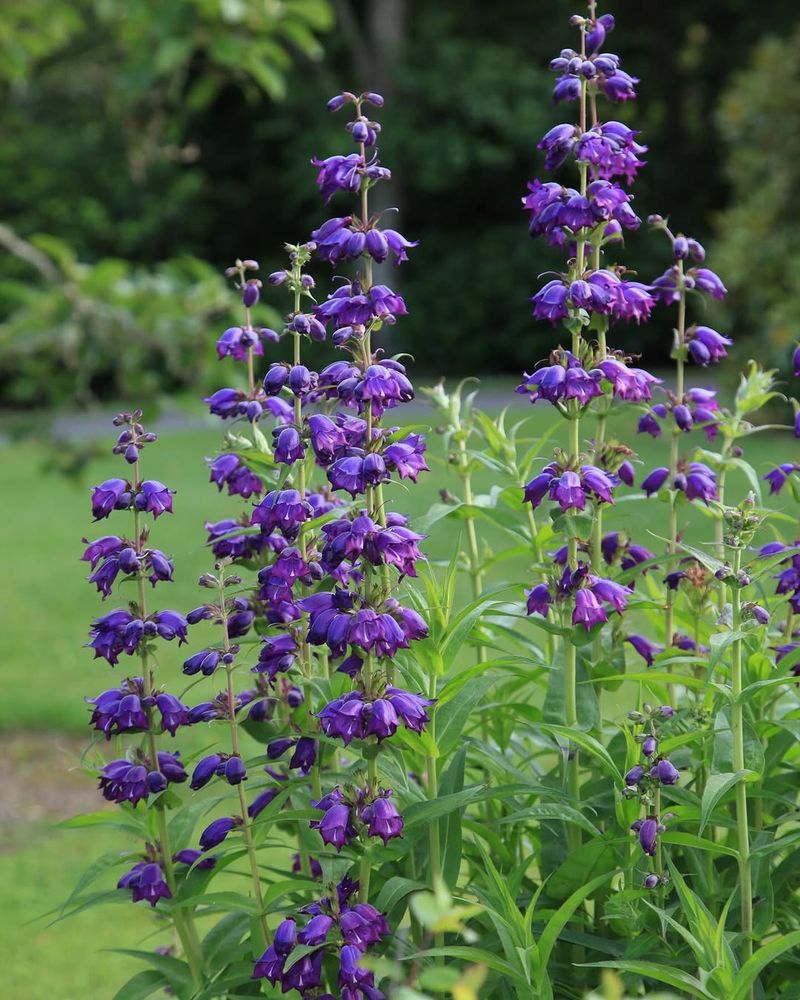
There is something almost playful about penstemon. The tubular flowers nod gently in the breeze, and their bright red and pink shades seem designed to catch the eye of passing birds.
Orioles are known to visit penstemon regularly, especially in foothill and mountain regions of California where these plants grow naturally.
Penstemon, sometimes called beardtongue, comes in many species native to California. Penstemon eatonii, known as firecracker penstemon, is one of the most popular choices for attracting birds.
It produces long, bright red tubular flowers in spring and early summer. The blooms are arranged on tall stems that make them easy for orioles to access while hovering or perching.
Growing penstemon is straightforward. It loves full sun and needs well-drained soil.
It is highly drought-tolerant once established, making it a smart choice for water-conscious California gardeners. Avoid clay-heavy soils and overwatering, as penstemon prefers to stay on the dry side.
Plant it in groups for the best visual impact and to create a concentrated nectar buffet that will attract more birds at once. Penstemon also works beautifully alongside agave and California fuchsia in a wildlife-friendly garden design that supports orioles all season long.
6. Coral Aloe
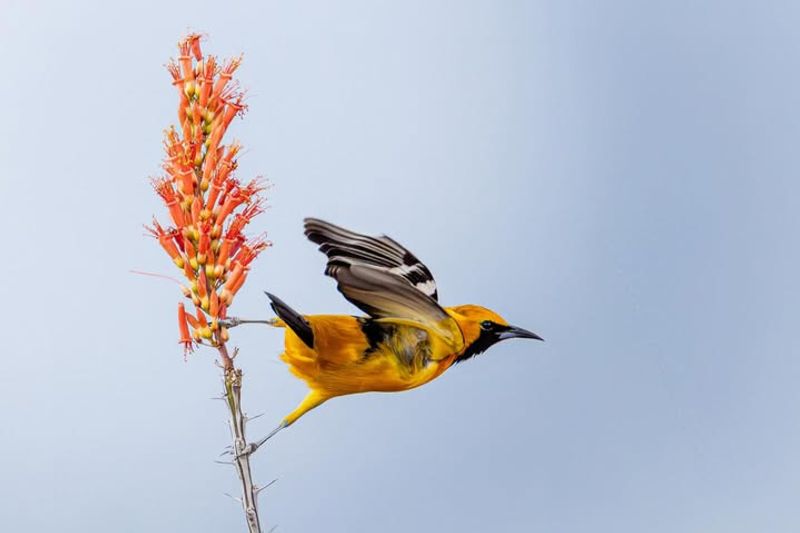
Coral aloe, known scientifically as Aloe striata, is one of those plants that looks like it belongs in a painting. Its soft, blue-green leaves form a smooth rosette, and in late winter to early spring, it sends up tall stalks topped with clusters of coral-orange tubular flowers.
Those flowers are a welcome early-season nectar source for orioles returning to California.
What makes coral aloe especially appealing for California gardeners is its toughness. It handles heat, drought, and poor soil without missing a beat.
It thrives in full sun and needs very little supplemental watering once established. That makes it a low-effort, high-reward plant for busy gardeners who still want to support local wildlife.
Coral aloe works beautifully in rock gardens, raised beds, or as a border plant. Its compact size makes it versatile, fitting into small urban gardens as easily as large suburban yards anywhere in California.
Plant several together for a bold color display that is hard for passing orioles to ignore. Unlike some aloes, coral aloe is not too spiny, making it safer around pets and kids.
It is a standout choice that bridges the gap between striking garden design and meaningful support for California’s bird population during the early months of the year.
7. California Honeysuckle
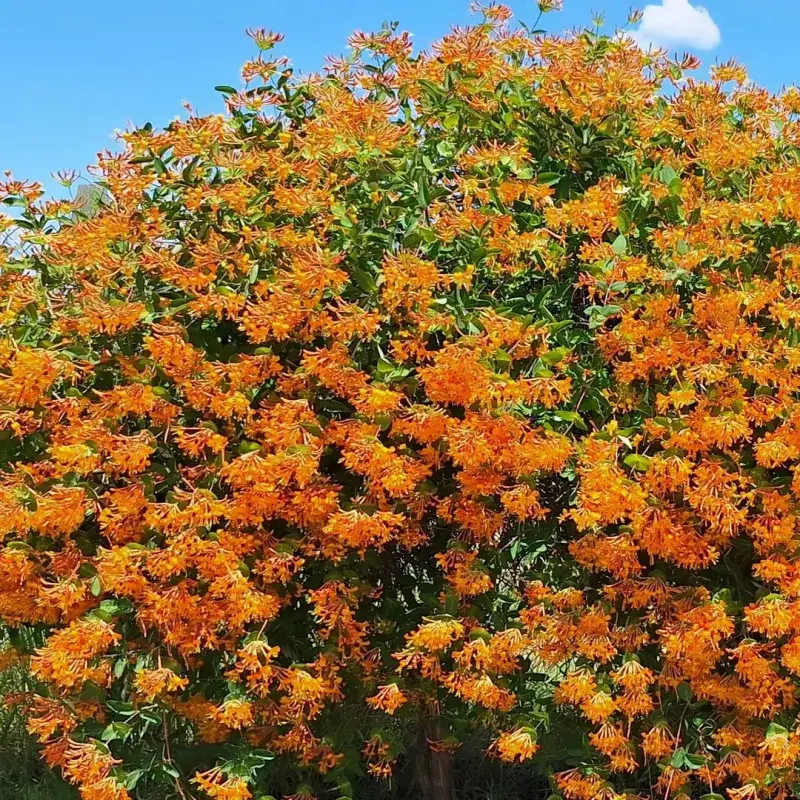
Honeysuckle has a reputation for being a bird magnet, and California honeysuckle, known as Lonicera hispidula, lives up to that reputation beautifully. This native vine produces clusters of pink to red tubular flowers that are rich in nectar.
Orioles love to work their way through the blooms, and the vine gives them plenty of perching spots to do just that.
California honeysuckle is well-adapted to the state’s climate. It grows naturally in coastal scrub, chaparral, and oak woodlands, so it feels right at home in many California gardens.
It can handle both full sun and partial shade, and it is reasonably drought-tolerant once it gets established in the ground.
Training this vine along a fence, trellis, or garden arch is a great way to show it off and give birds easy access to the flowers. It blooms in spring and early summer, making it a timely food source during oriole migration and nesting season in California.
California honeysuckle also produces small red berries that birds enjoy after the flowers fade. It is a double-duty plant that feeds birds in two different ways.
For a vine that is beautiful, native, and genuinely useful to wildlife, California honeysuckle belongs in every bird-friendly yard.
8. Western Columbine
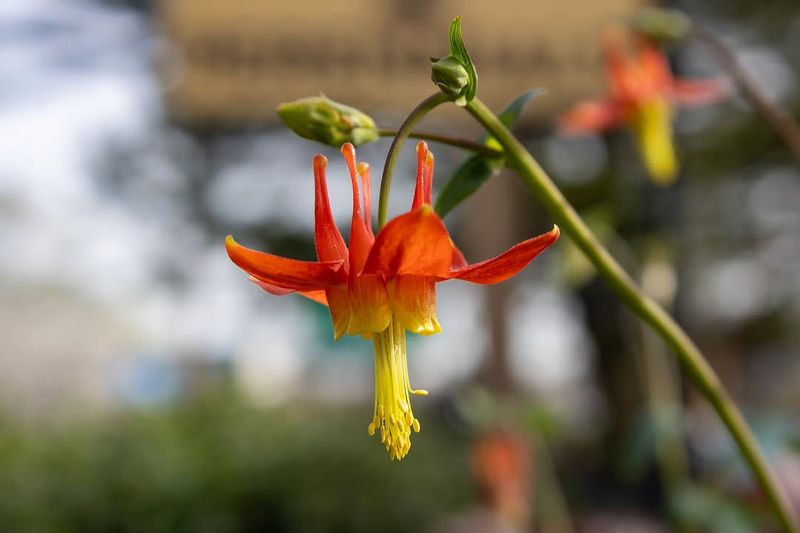
Delicate but mighty, western columbine is one of those wildflowers that surprises people with how much bird activity it generates. Native to California and much of the western United States, Aquilegia formosa produces nodding red and yellow flowers with long nectar spurs.
Those spurs are filled with sweet nectar that orioles, hummingbirds, and other birds eagerly seek out.
Western columbine tends to bloom in spring, often starting as early as March in lower elevations of California. That early bloom time is especially valuable because it provides nectar right when orioles are arriving and looking for food after their long migration journey.
The flowers hang downward in a distinctive, graceful way that makes them easy for hovering or clinging birds to access.
This plant prefers partial shade and moist, well-drained soil, which makes it a good choice for shaded garden spots, woodland edges, or areas near a water feature. It naturalizes well and can self-seed, slowly spreading to fill in a shaded corner beautifully.
Western columbine pairs nicely with ferns and native grasses for a woodland garden look. If you have a shadier part of your California yard that needs some life, western columbine is a charming and wildlife-friendly solution worth planting.
9. Desert Willow
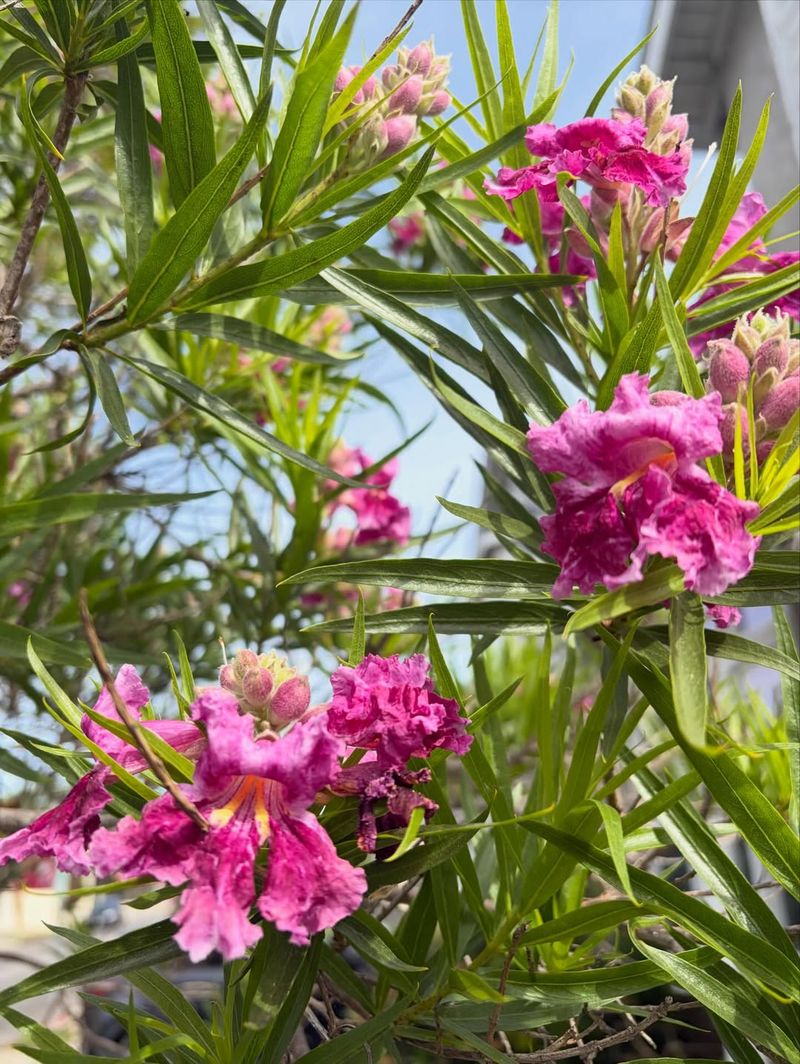
Do not let the name fool you. Desert willow is not actually a willow at all.
Chilopsis linearis is a small flowering tree that produces gorgeous trumpet-shaped blooms in shades of pink, lavender, and white. Orioles are strongly drawn to these flowers, and in the warmer regions of California, this tree can become a real hotspot for bird activity throughout the summer.
Desert willow blooms from late spring all the way through summer, giving orioles a long-lasting nectar source during the warmer months. The flowers have a light, sweet fragrance and a shape that is perfectly suited for nectar-feeding birds.
The tree itself grows quickly and can reach fifteen to twenty-five feet tall, providing both food and shelter for birds.
It thrives in full sun and well-drained soil, and it is one of the most drought-tolerant flowering trees available for California gardens. Once established, it needs minimal irrigation, which makes it an excellent choice for water-wise landscaping in dry inland areas of the state.
Desert willow also attracts butterflies and bees, making it a multi-species wildlife magnet. Planting one near a seating area means you can enjoy all that bird and pollinator activity up close every single day of the blooming season.
10. Red Hot Poker
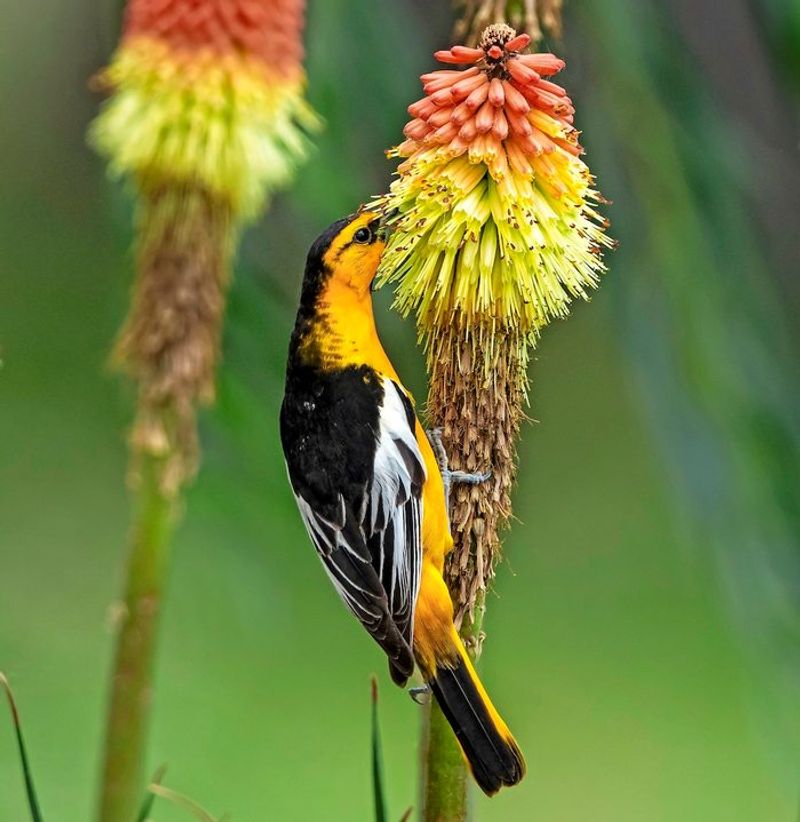
Bold, tall, and unmistakably eye-catching, red hot poker is one of the most dramatic nectar plants you can add to a California garden. Also called torch lily or Kniphofia, this plant produces tall upright spikes covered in dense clusters of tubular flowers that graduate from deep red at the top to yellow at the base.
Orioles are strongly attracted to those vivid red and orange tones.
Red hot poker blooms from spring into summer, with some varieties reblooming in fall. That extended bloom season gives orioles multiple opportunities to visit your garden throughout the year.
The flower spikes stand tall and open, making them easy for birds to land on and feed from. You will often see orioles clinging to the stalks as they work their way through each cluster of flowers.
Growing red hot poker in California is pretty simple. It prefers full sun and well-drained soil, and it handles drought reasonably well once established.
Avoid overwatering, which can cause root problems. Remove spent flower stalks to encourage fresh blooms and keep the plant looking tidy.
Red hot poker grows in clumps that expand over time, so you can divide them to spread more plants across your garden. For sheer visual drama and reliable oriole appeal, few plants in California can match what red hot poker brings to the yard.