The Best New Garden Shrubs For North Carolina Landscapes In 2026
North Carolina gardeners are always searching for new ways to make their yards stand out, and the right shrubs can completely change the look of a landscape.
Whether you garden in the mountains, Piedmont, or coastal plain, choosing varieties that thrive in your climate is the secret to long lasting beauty with less effort.
The newest shrub picks for 2026 are all about bold color, rich texture, and reliable performance through heat, humidity, and changing seasons.
Some bring eye catching blooms, others shine with vibrant foliage, and a few do both. The result is a garden that feels full, layered, and alive all year. If you want your yard to look fresh, modern, and impossible to ignore, you are in the right place.
These nine standout shrubs are ready to turn ordinary spaces into show stopping landscapes your neighbors will notice immediately.
Autumn Kiss® Azalea (Rhododendron Hybrid)
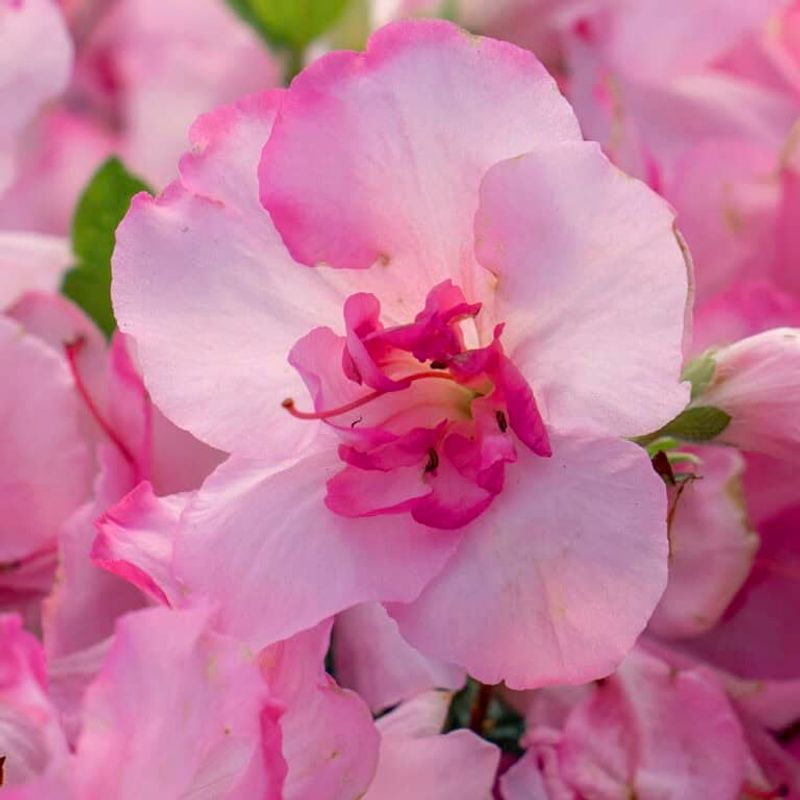
Picture a shrub that refuses to stop blooming just because spring ended. Autumn Kiss azalea brings waves of rich pink flowers from spring through fall, offering something most azaleas cannot.
This evergreen beauty stays green year-round while delivering color when other plants take a break.
North Carolina’s acidic soil suits this plant perfectly. Morning sun with afternoon shade creates ideal conditions, especially during hot summer months. The soil should drain well yet hold enough moisture to keep roots happy.
Plant near your home’s foundation or along walkways where you can enjoy the blooms up close. Space them about three feet apart for a lush hedge effect. Mulch with pine needles or bark to maintain soil acidity and keep roots cool.
Watering matters most during the first growing season. Once established, these shrubs handle dry spells better than traditional azaleas. Feed with an acid-loving plant fertilizer in early spring to encourage abundant flowering.
Prune lightly after the first bloom cycle to shape the plant and encourage fall flowers. Remove any branches that look weak or grow in awkward directions.
This variety resists common azalea problems better than older types, making it a smart choice for busy gardeners who want maximum beauty with minimal fuss.
Bellini® Cherry Crape Myrtle (Lagerstroemia Indica)
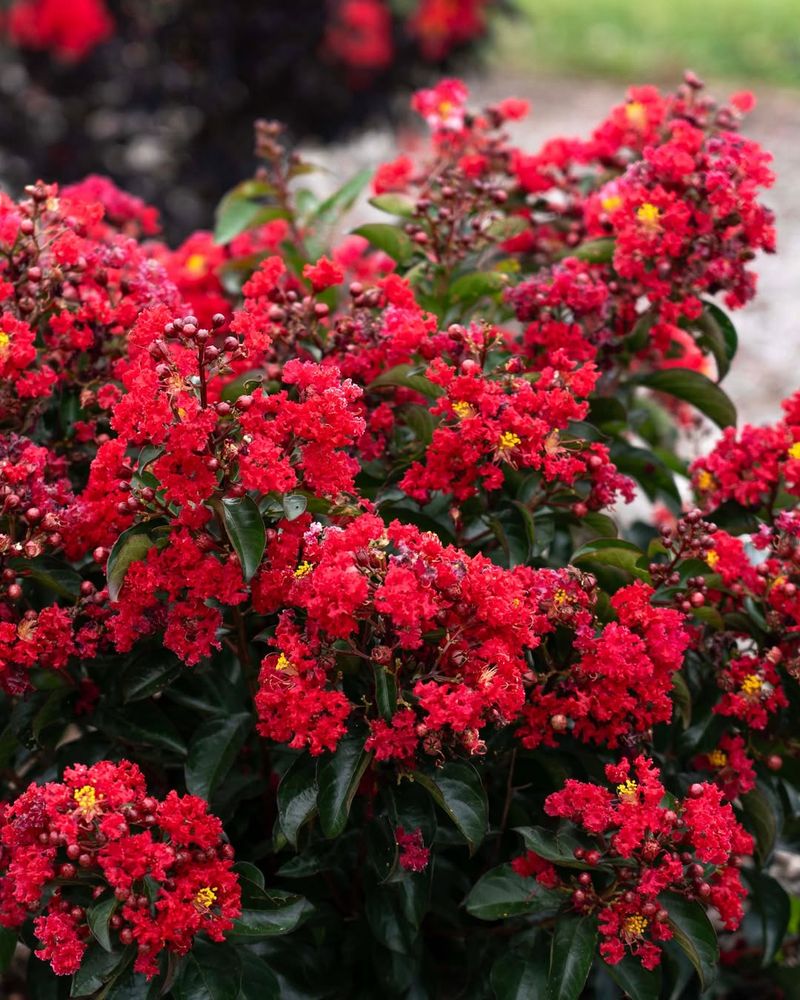
Summer heat doesn’t scare this tough performer. Bellini Cherry crape myrtle explodes with cherry-red blooms that last for months, turning any sunny spot into a showstopper. Its compact size makes it perfect for smaller yards where space comes at a premium.
Full sun brings out the best flowering, so choose a location that gets at least six hours of direct light. This shrub laughs at humidity and heat, two things North Carolina summers deliver in abundance. Well-drained soil helps, but this plant adapts to various soil types.
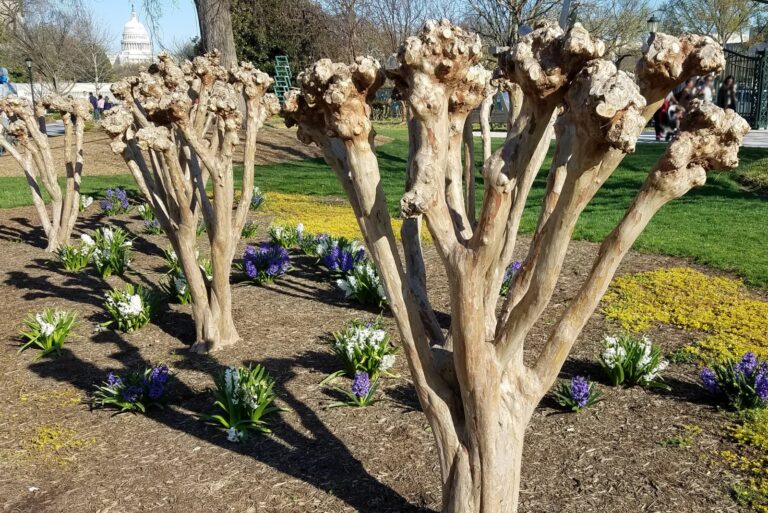
Use it as a focal point near your mailbox or at the corner of your garden bed. Plant multiple shrubs three to four feet apart for a colorful border. The smooth, attractive bark adds winter interest after leaves drop.
Drought tolerance improves each year as roots grow deeper. Water regularly during the first season, then ease back as the plant matures. Skip heavy fertilization, which promotes leaf growth over blooms.
Prune in late winter before new growth starts, removing any thin or crossing branches. Avoid topping the shrub, which ruins its natural shape and reduces flowering.
Watch for powdery mildew in shaded or crowded locations, though this variety shows good resistance when grown in proper conditions with adequate air circulation.
Spring Sizzle® Panicle Hydrangea (Hydrangea Paniculata)
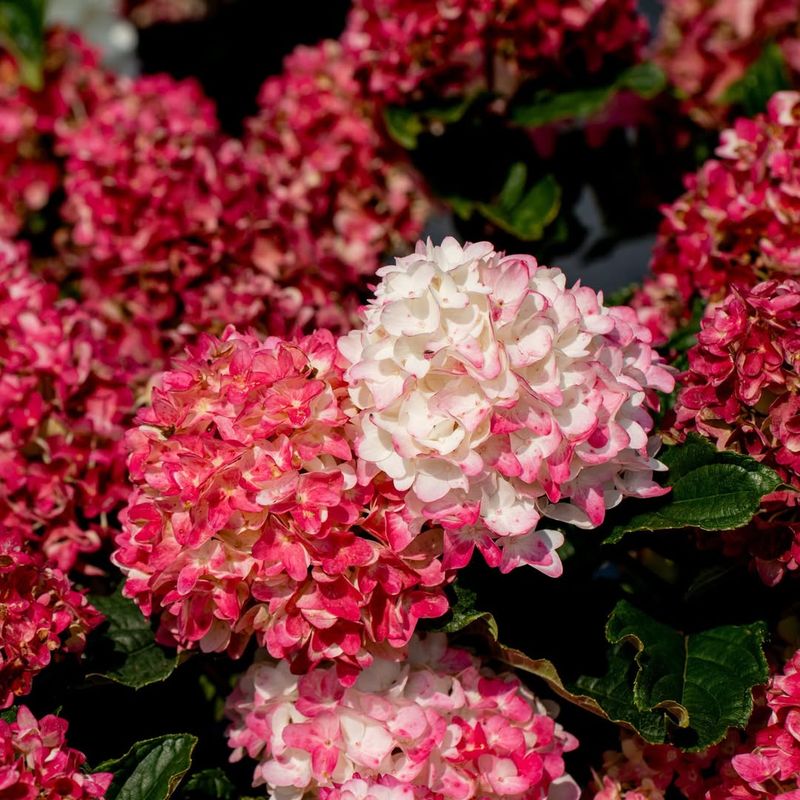
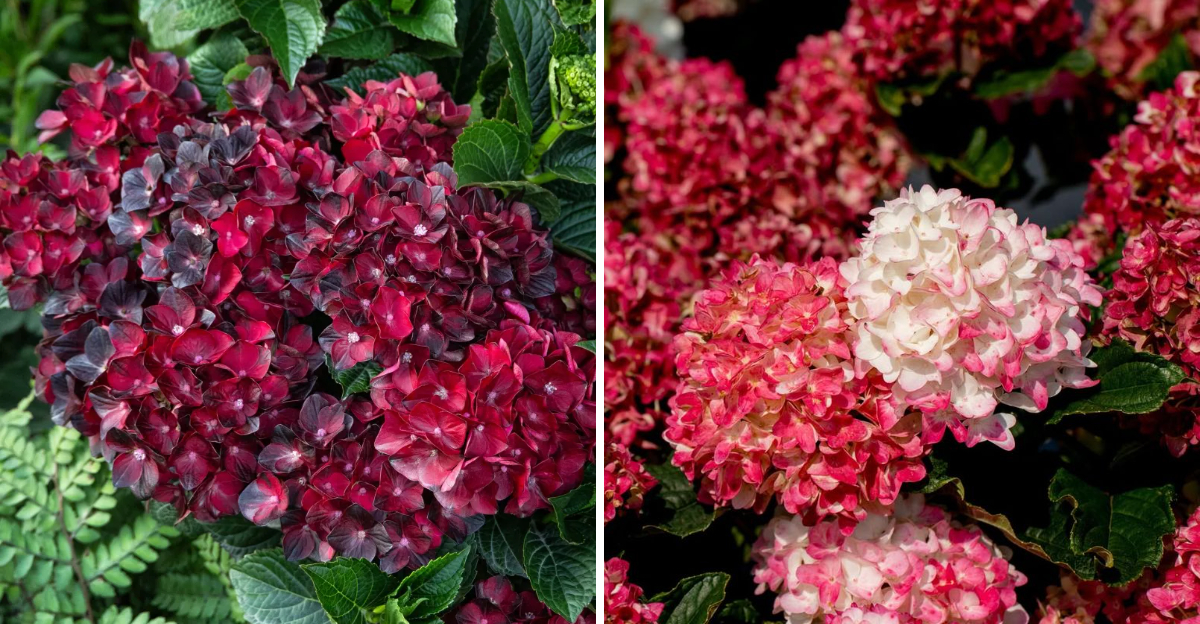
Cone-shaped flower clusters stretch nearly a foot long on this reliable bloomer. Spring Sizzle panicle hydrangea handles more sun than most hydrangeas, making it a winner for brighter spots in your yard.
White blooms gradually shift to shades of pink as summer progresses, creating a two-tone effect.
Plant in full sun to partial shade for best results. This hydrangea blooms on new wood, meaning spring growth produces summer flowers. North Carolina’s warm growing season gives it plenty of time to develop impressive blooms.
Mix it into perennial borders or use it as a specimen plant where its large flowers command attention. Space plants four to five feet apart if creating a hedge. The sturdy stems hold flowers upright even after heavy rain.
Water deeply during establishment, then maintain consistent moisture through summer. Mulch around the base to conserve water and regulate soil temperature. Feed with a balanced fertilizer in early spring to fuel vigorous growth.
Prune in late winter or early spring before buds break. Cut stems back by one-third to encourage bushier growth and larger flowers. Remove any branches that appear weak or damaged.
This variety resists the flopping problem that plagues some panicle hydrangeas, keeping your landscape looking tidy throughout the blooming season without staking.
Centennial Ruby™ Bigleaf Hydrangea (Hydrangea Macrophylla)
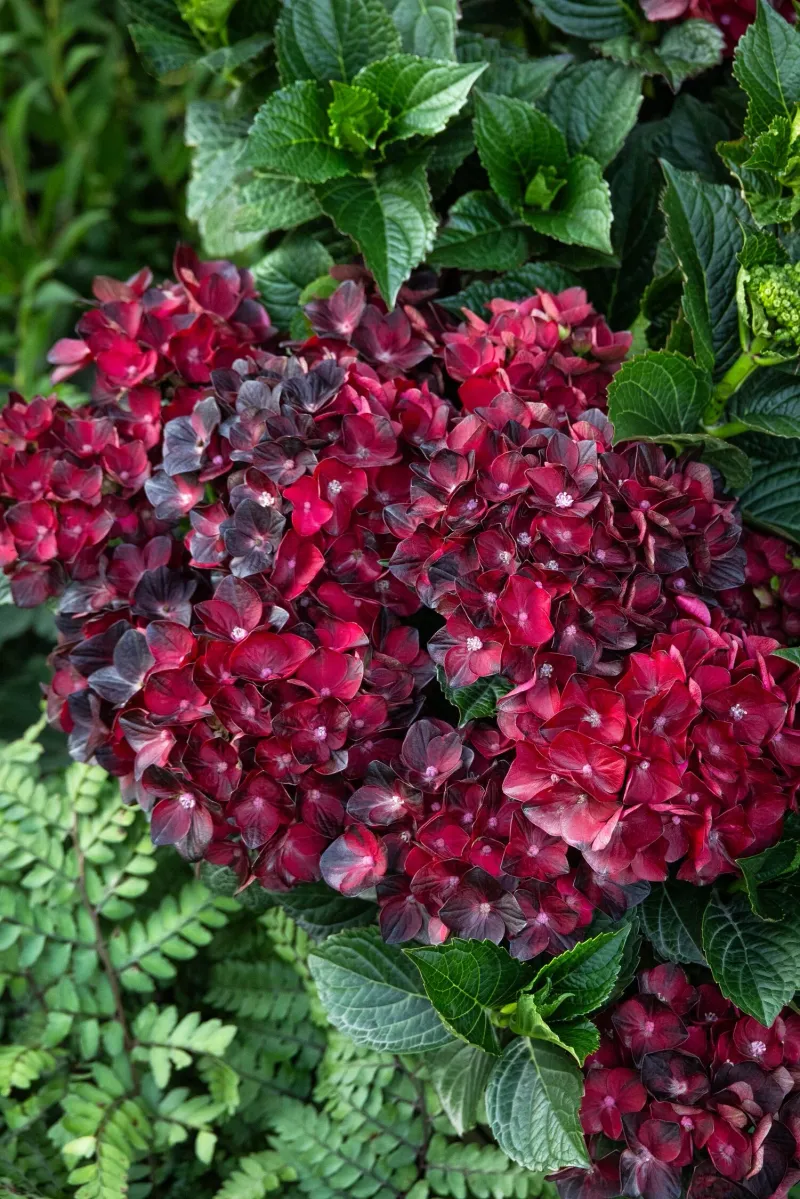
Deep ruby blooms make this hydrangea a garden gem. Centennial Ruby bigleaf hydrangea was bred specifically to handle heat better than traditional mophead varieties.
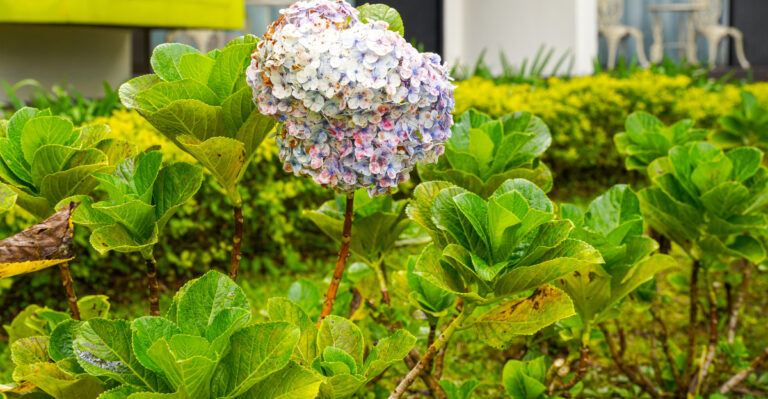
The large, rounded flower clusters create dramatic impact in shaded areas where many flowering shrubs struggle.
Morning sun with afternoon shade provides ideal conditions. Too much afternoon sun can stress the plant and fade flower color. Soil acidity affects bloom color, with acidic soil producing bluer tones and alkaline soil shifting flowers toward pink.
Place it under tree canopies or on the north side of buildings where harsh sun won’t reach. Space plants three to four feet apart for a continuous display. The glossy green leaves provide texture even when flowers fade.
Consistent moisture matters more for bigleaf hydrangeas than other types. Water deeply twice weekly during dry periods, especially in summer. Apply a thick layer of mulch to help soil retain moisture and keep roots cool.
Avoid heavy pruning, which removes flower buds formed the previous year. Simply remove spent blooms and any branches that look damaged or crossed. Feed with a fertilizer designed for acid-loving plants to maintain soil pH and support healthy growth.
This variety bounces back better than older types if late spring frost damages emerging buds, often producing flowers from backup buds lower on stems.
Spice Cowboy™ Koreanspice Viburnum (Viburnum Carlesii)
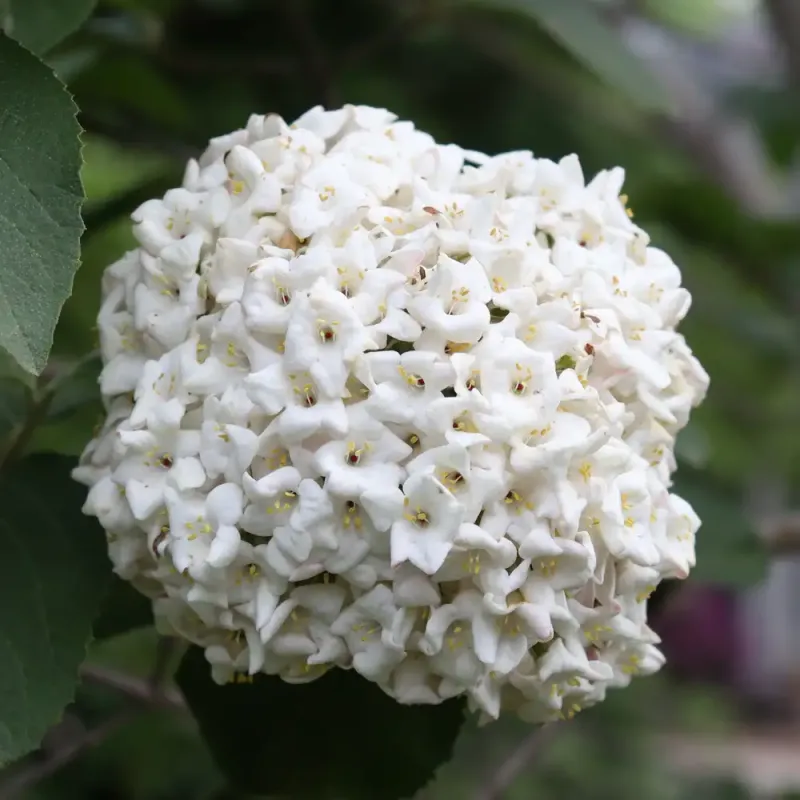
Fragrance stops visitors in their tracks when this viburnum blooms. Spice Cowboy Koreanspice viburnum fills spring air with a sweet, spicy scent that carries across your yard.
Pink buds open to white flowers, creating a beautiful contrast against dark green foliage. Full sun to partial shade works well in North Carolina gardens.
This adaptable shrub tolerates various soil types as long as drainage stays good. Its moderate growth rate means less pruning and maintenance over time.
Plant near patios, decks, or windows where you can enjoy the incredible fragrance. Use it in mixed borders with other spring bloomers for layered interest. The rounded form adds structure to informal garden designs.
Water regularly during the first year to establish strong roots. Once settled, this shrub handles average rainfall without supplemental watering except during extended dry spells. Fertilize lightly in spring with a balanced formula.
Prune right after flowering ends, as next year’s buds form on current season’s growth. Remove about one-third of the oldest stems at ground level to encourage fresh growth.
This viburnum rarely suffers from serious pest or disease problems in North Carolina. Fall brings another show when leaves turn reddish-purple before dropping.
The multi-season interest and low-maintenance nature make this shrub a smart investment for gardeners who want beauty without constant attention to pruning, spraying, or special care requirements.
Limelight® Hydrangea (Hydrangea Paniculata ‘Limelight’)
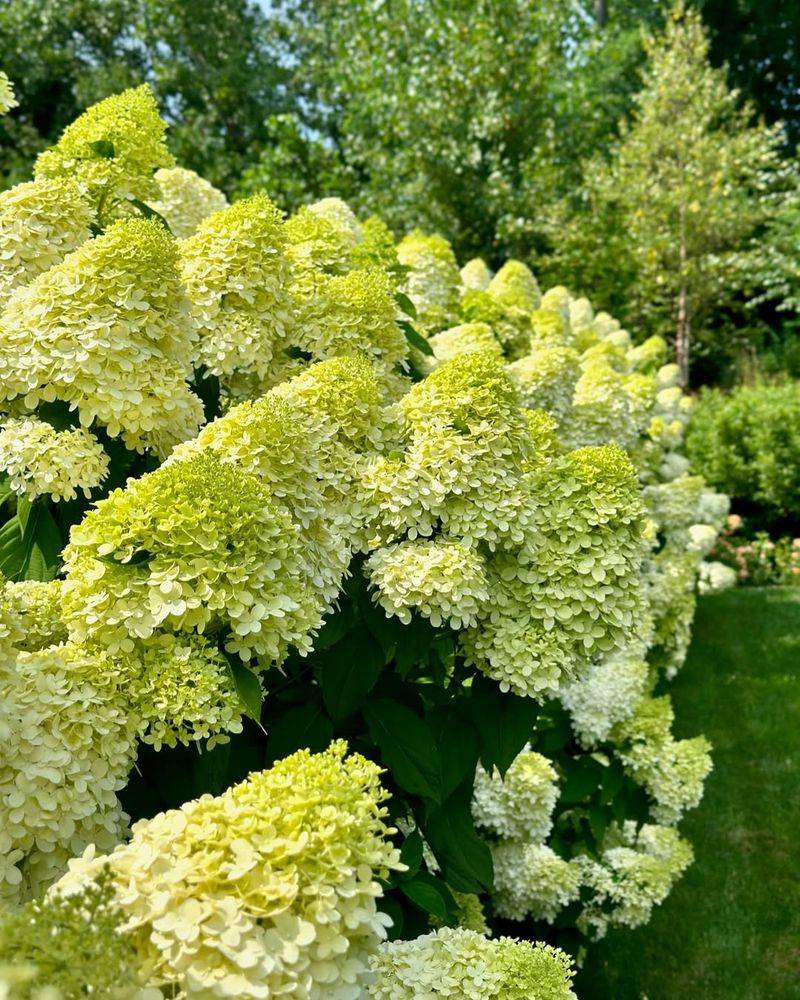
Lime-green blooms create a fresh, unexpected look in summer gardens. Limelight hydrangea has become a landscape favorite because it delivers big results with little fuss.
The massive flower cones start chartreuse, shift to white, then finish with pink tones as fall approaches.
This sun-loving hydrangea performs best with six or more hours of direct light. It tolerates North Carolina heat better than bigleaf types, making it suitable for sunnier exposures. Average garden soil works fine as long as water doesn’t stand after rain.
Use Limelight as a hedge, backdrop for perennials, or standalone specimen. Plant them five feet apart for a continuous screen. The sturdy stems support heavy flowers without flopping, keeping your garden looking neat.
Establish new plants with regular watering, then reduce frequency as roots spread. Deep watering once weekly beats frequent shallow watering. Apply balanced fertilizer in spring to support the season’s growth and flowering.
Prune hard in late winter, cutting stems back to about two feet tall. This aggressive pruning produces fewer but larger flower clusters. Remove any weak or damaged wood at the same time.
Flowers dry beautifully on the plant, providing winter interest and material for arrangements.
Leave them standing until spring pruning or cut them for indoor display. This hydrangea resists most pests and diseases, requiring little intervention beyond basic care to maintain its impressive flowering performance year after year.
Ruby Slippers® Red Twig Dogwood (Cornus Sericea)
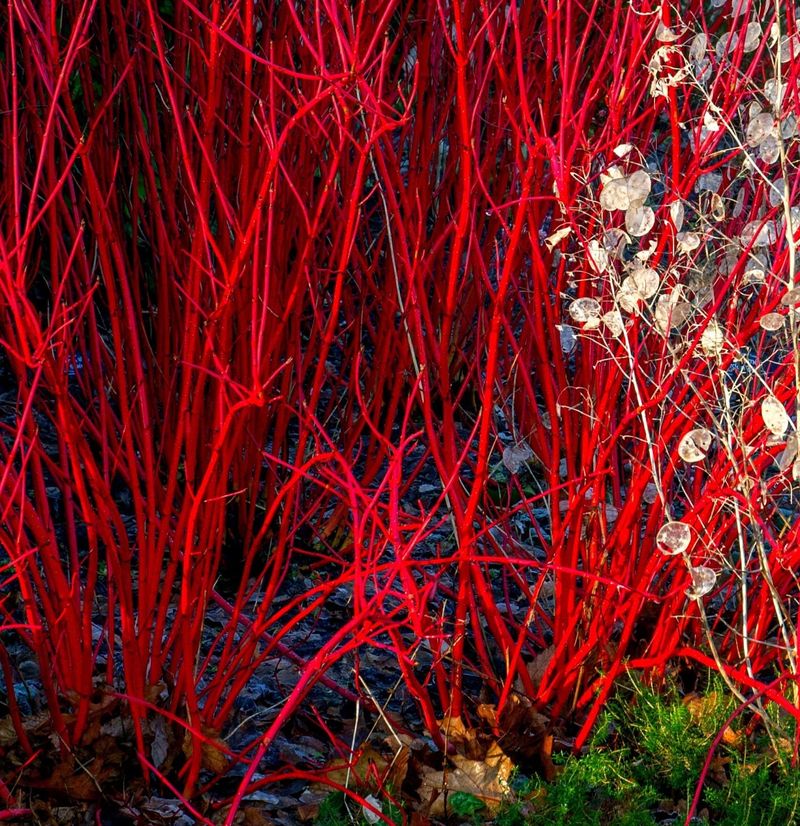
Bright red stems light up winter landscapes like natural fireworks. Ruby Slippers red twig dogwood earns its keep in every season, offering white spring flowers, green summer foliage, and spectacular winter stem color.
This native shrub fits perfectly into North Carolina’s ecosystem. Plant in full sun to partial shade, preferably in areas with moist soil.
This dogwood naturally grows along streams and wet areas, so it handles poorly drained spots better than most shrubs. It adapts to average garden soil with regular watering.
Position it where winter sun will backlight the red stems for maximum impact. Use it in rain gardens or low-lying areas where water collects. Plant in groups of three or five for a bold statement.
Keep soil consistently moist, especially during establishment. Mulch heavily to retain moisture and suppress weeds. This shrub tolerates wet feet better than drought, so water generously during dry periods.
Prune in late winter or early spring to maintain stem color. The youngest stems show the brightest red, so remove about one-third of the oldest stems at ground level each year. This renewal pruning keeps the shrub compact and colorful.
White berries appear in late summer, attracting birds to your yard. The shrub spreads slowly through underground stems, creating a natural thicket over time.
This growth habit makes it useful for erosion control on slopes or along water features where soil stability matters.