The Best New Sun Perennials For California In 2026
California gardens never stand still, and 2026 is bringing a fresh wave of sun loving perennials that promise brighter color, longer bloom seasons, and tougher performance in warm, dry conditions.
Plant breeders and growers are introducing varieties designed for real world California climates, handling heat, lean soil, and water wise landscapes without losing their beauty.
Expect bold flower shades, pollinator friendly blooms, and plants that stay attractive well beyond their peak flowering window.
Many of this year’s standouts also focus on resilience, offering stronger disease resistance, improved drought tolerance, and more compact, garden friendly growth.
These modern perennials are perfect for sunny borders, low water landscapes, and vibrant outdoor spaces that need dependable color with minimal fuss.
If your garden is ready for something new, this season’s top introductions bring fresh energy, reliable performance, and the kind of long lasting beauty California gardeners truly appreciate.
1. Orange Sparkler Dianthus (Dianthus Hybrid)
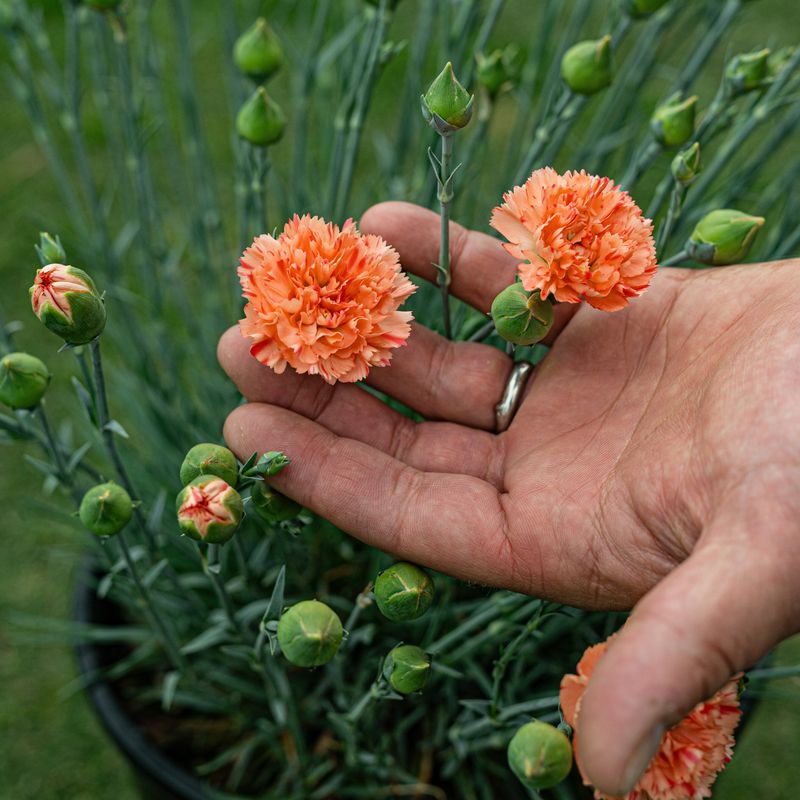
Bright, bold, and almost impossible to ignore, Orange Sparkler dianthus is one of the most exciting new arrivals for California gardens in 2026. The flowers burst open in a rich, fiery orange that looks like little flames dancing in the breeze.
If you have ever wanted a plant that makes people stop and stare, this is it.
Orange Sparkler thrives in full sun and handles California’s dry summers better than many other flowering perennials. It stays compact, usually growing about 10 to 12 inches tall, which makes it perfect for borders, containers, and rock gardens.
The blooms appear in late spring and often return again in the fall, giving you two rounds of that gorgeous color.
One of the best things about this plant is how little fuss it needs. It prefers well-drained soil and does not like to sit in soggy ground, which fits perfectly with California’s naturally dry conditions.
Deadheading spent blooms encourages more flowers to form. It also attracts butterflies and hummingbirds, adding even more life to your outdoor space.
Plant it in a sunny spot, water it moderately, and watch it reward you with weeks of stunning color.
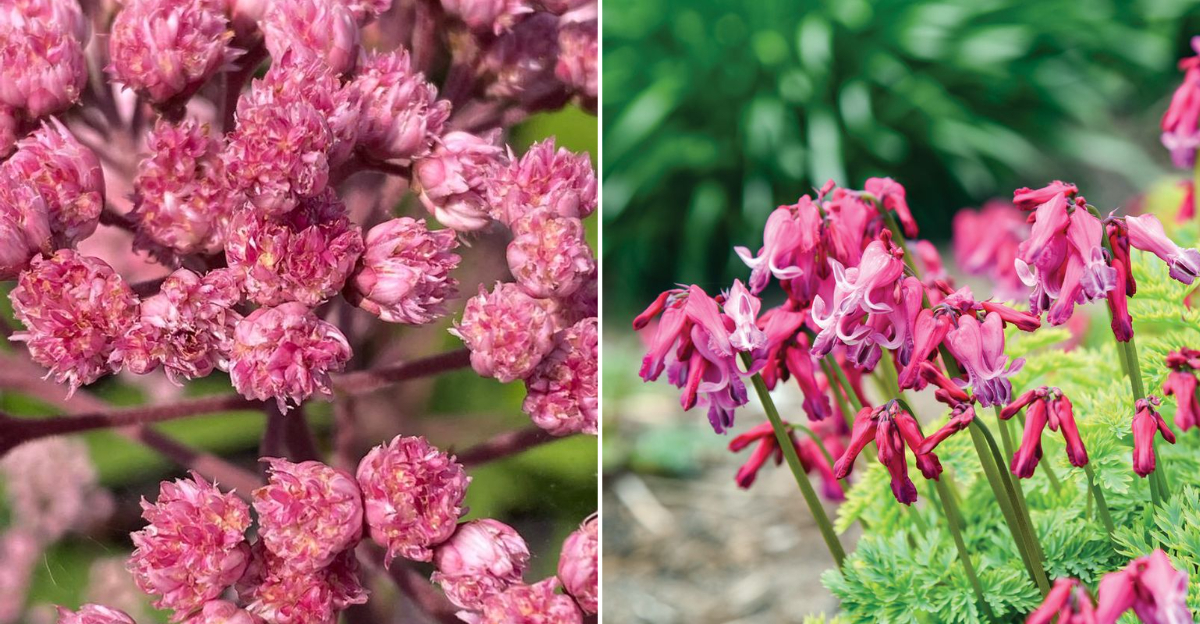
2. ‘Passion Hearts’ Fernleaf Bleeding Heart (Dicentra Hybrid)
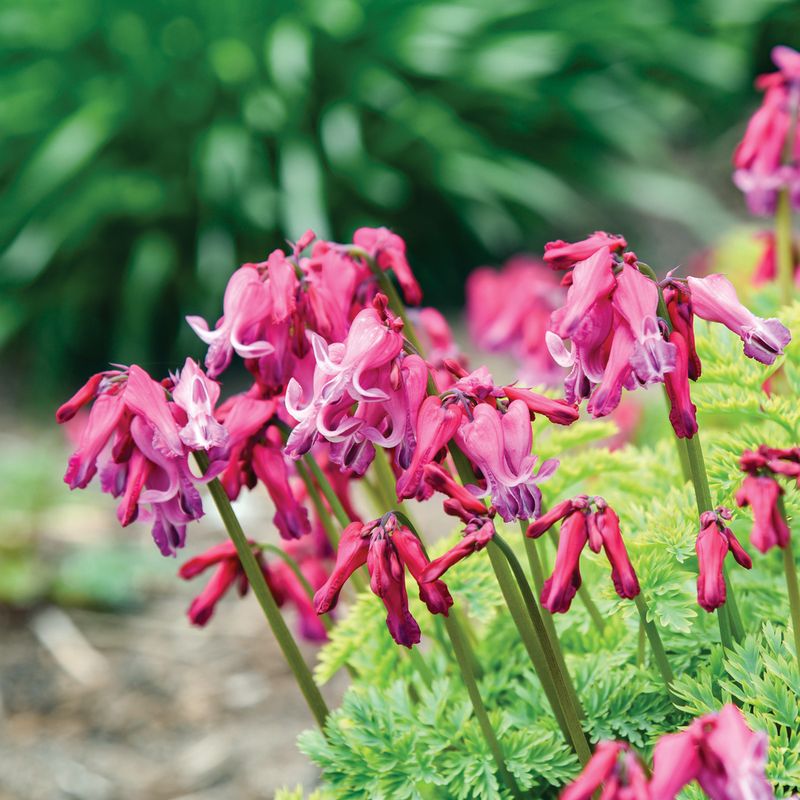
Most bleeding hearts are known for loving the shade, but Passion Hearts breaks that rule in the best way possible.
This tough little hybrid was bred to handle more sunlight than its traditional cousins, making it a fantastic choice for California gardens that get plenty of afternoon rays.
The heart-shaped flowers dangle from arching stems like tiny pink ornaments.
What makes Passion Hearts really stand out is its ferny, blue-green foliage. Even when the blooms take a break during the hottest stretch of summer, the leaves stay attractive and add texture to your garden beds.
In coastal California, where summers are milder, this plant may bloom almost nonstop from spring through early fall.
Plant it in a spot that gets morning sun and some afternoon shade for the best results, especially in hotter inland areas. It grows about 12 to 18 inches tall and pairs beautifully with ornamental grasses and salvia.
Water it regularly during its first season to help it get established. Once it settles in, it becomes surprisingly tough.
Gardeners across California have been waiting for a bleeding heart that can handle real sunlight, and Passion Hearts finally delivers.
3. ‘Prairie Princess’ Ironweed (Vernonia Hybrid)
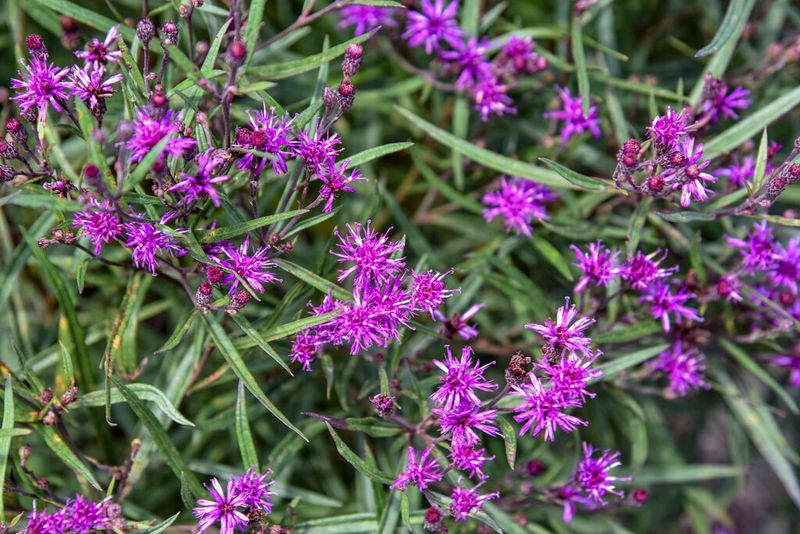
Purple lovers, get ready. Prairie Princess ironweed brings one of the most saturated, jewel-toned purples you will ever see in a garden plant.
The flowers cluster together in dense, fluffy heads that butterflies absolutely cannot resist. In fact, if you want to turn your California garden into a pollinator paradise, this plant is a great place to start.
Unlike older ironweed varieties that grew very tall and floppy, Prairie Princess stays at a manageable height of around three to four feet. It holds itself upright without needing staking, which is a huge plus for low-maintenance gardeners.
It blooms from late summer into fall, a time when many other perennials are winding down, so it fills a really important gap in the seasonal garden calendar.
This hybrid loves full sun and handles heat well, which makes it a natural fit for California’s long, warm growing season. It is also quite drought-tolerant once established, an important quality for water-conscious gardeners in the state.
Plant it toward the back of a border where its bold color can serve as a dramatic backdrop for shorter plants. Give it average soil and good drainage, and it will reward you with years of stunning late-season blooms.
4. ‘Violets Are Blue’ Delphinium (Delphinium Elatum)
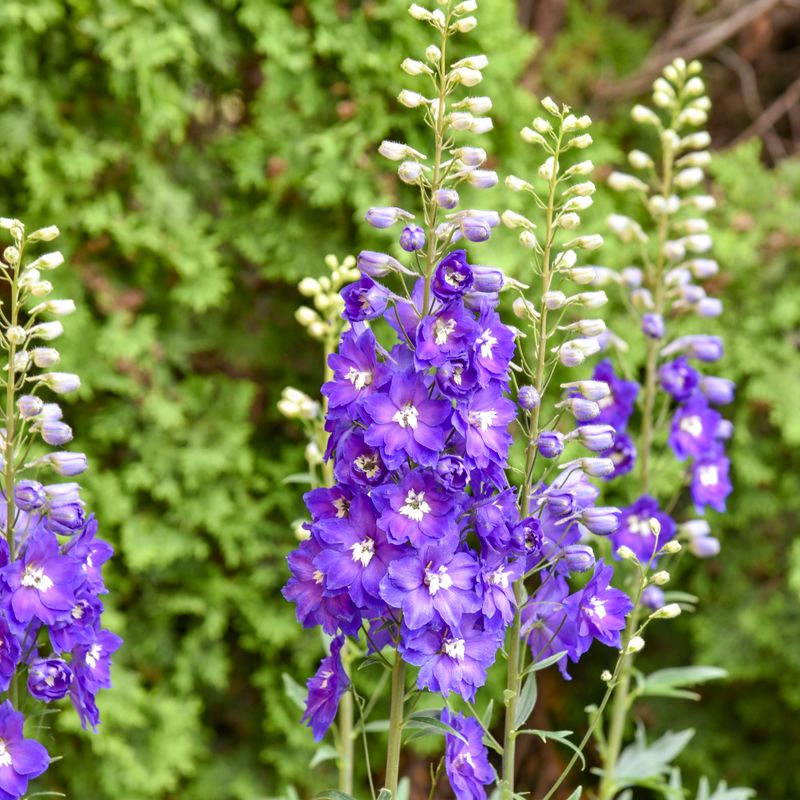
Few garden plants command attention the way a tall, spike-covered delphinium does. Violets Are Blue takes that classic drama and cranks it up with an almost electric shade of blue-violet that photographs beautifully and looks stunning in real life.
The flowers stack up along tall spikes that can reach four to five feet, creating a vertical statement that draws the eye immediately.
Delphiniums have a reputation for being tricky, but this newer hybrid was bred with toughness in mind. It handles California’s warmer temperatures better than older varieties and bounces back well after the midsummer heat fades.
Cutting the spent flower spikes back after the first bloom often triggers a second flush of flowers in late summer or early fall, which is a nice bonus.
Plant Violets Are Blue in a sunny spot with rich, well-drained soil. It benefits from some wind protection since the tall spikes can bend in strong gusts.
Staking is a smart idea in exposed garden spots. This plant looks incredible when paired with yellow or orange companions like rudbeckia or helenium.
Gardeners in Northern California and coastal regions will find it especially rewarding, though it can thrive across many parts of the state with proper care and consistent watering.
5. ‘JoJo’ Joe-Pye Weed (Eutrochium Fistulosum)
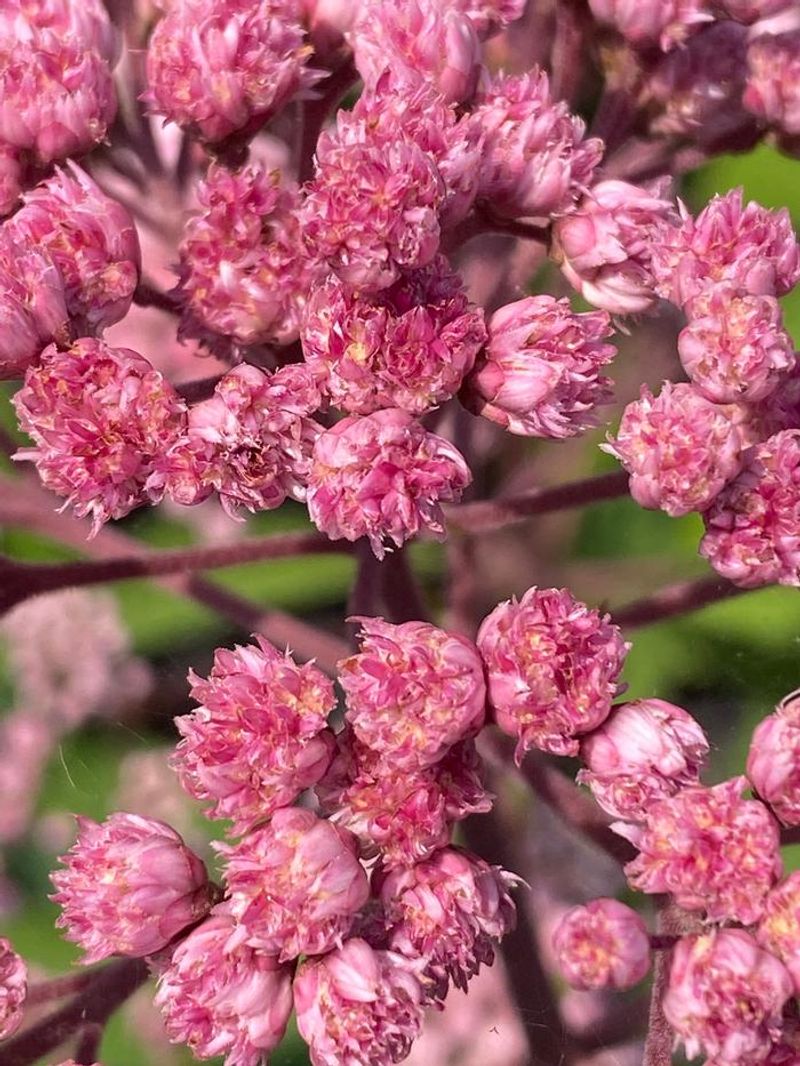
Joe-Pye weed might not have the fanciest name in the plant world, but JoJo earns its place in any California garden with pure performance. Traditional Joe-Pye weed can grow six to eight feet tall, which is way too big for most home gardens.
JoJo solves that problem by staying at a much friendlier three to four feet while keeping all the charm of the original.
The blooms are soft, dusty pink and appear in large, domed clusters that monarchs, swallowtails, and bumblebees flock to from late summer through fall.
Watching the butterfly activity on a warm California afternoon is genuinely one of the highlights of having this plant in your garden.
It adds a wild, naturalistic feel that blends beautifully with ornamental grasses and native plants.
JoJo grows best in full sun but tolerates partial shade without complaint. It prefers consistently moist soil, so it works well near rain gardens or low spots in the yard where water tends to collect.
In drier California gardens, a layer of mulch around the base helps retain soil moisture. This plant is also deer resistant, which is a major advantage for gardeners in foothill communities and rural areas of the state where deer pressure is a real challenge.
6. ‘Sundial’ False Sunflower (Heliopsis Helianthoides)
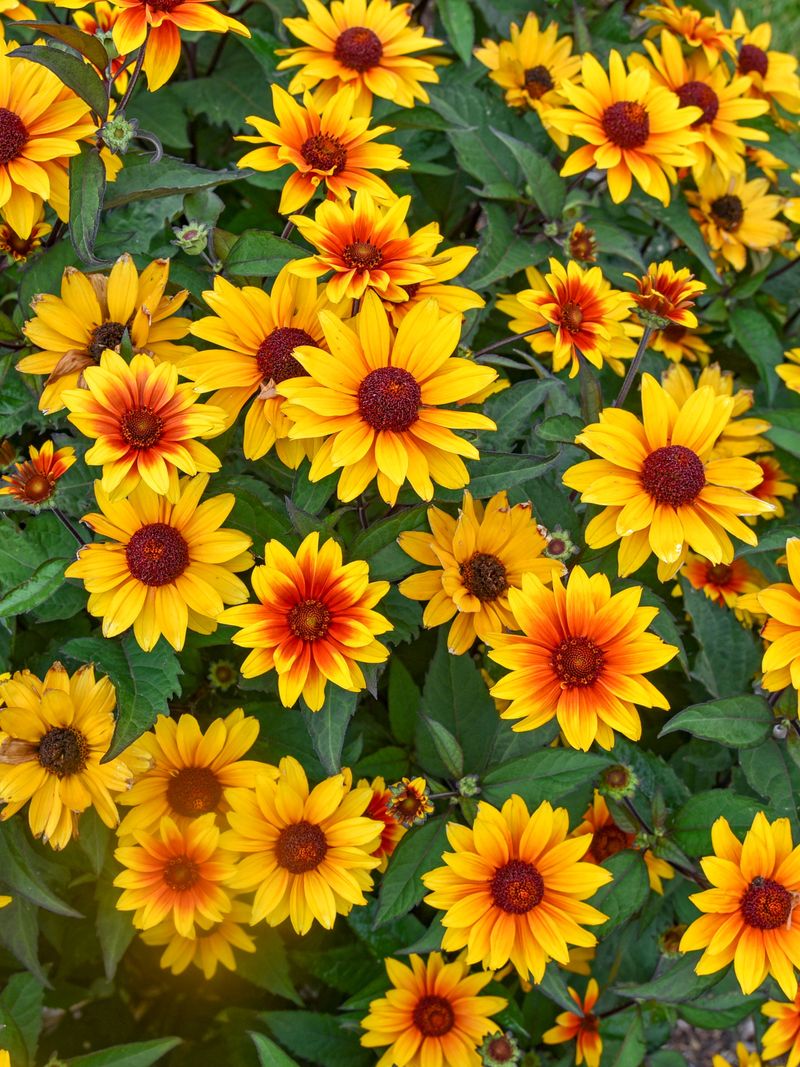
Golden, cheerful, and practically glowing in the summer sun, Sundial false sunflower is the kind of plant that makes a garden feel instantly happy.
The flowers look like classic sunflowers but appear on a much more compact plant, usually topping out around two to three feet tall.
They bloom generously from early summer all the way into fall, giving you months of that warm golden color.
One thing gardeners in California really appreciate about Sundial is its heat and drought tolerance. Once established, it handles dry spells without losing its good looks.
It thrives in full sun and actually blooms more freely when it gets at least six hours of direct light each day. The more sun it gets, the better it performs, which makes it perfectly suited to California’s famously sunny climate.
Sundial is also a magnet for bees and butterflies, making it a smart pick for anyone building a pollinator-friendly landscape. It pairs well with purple coneflowers, salvia, and ornamental grasses for a naturalistic, meadow-inspired look.
Deadheading spent flowers keeps the plant looking tidy and encourages more blooms to form. Plant it in well-drained soil, give it room to spread slightly, and you will have a reliable, low-fuss showstopper that brightens your California garden season after season.
7. Skyward Light Pink Speedwell (Veronica Hybrid)
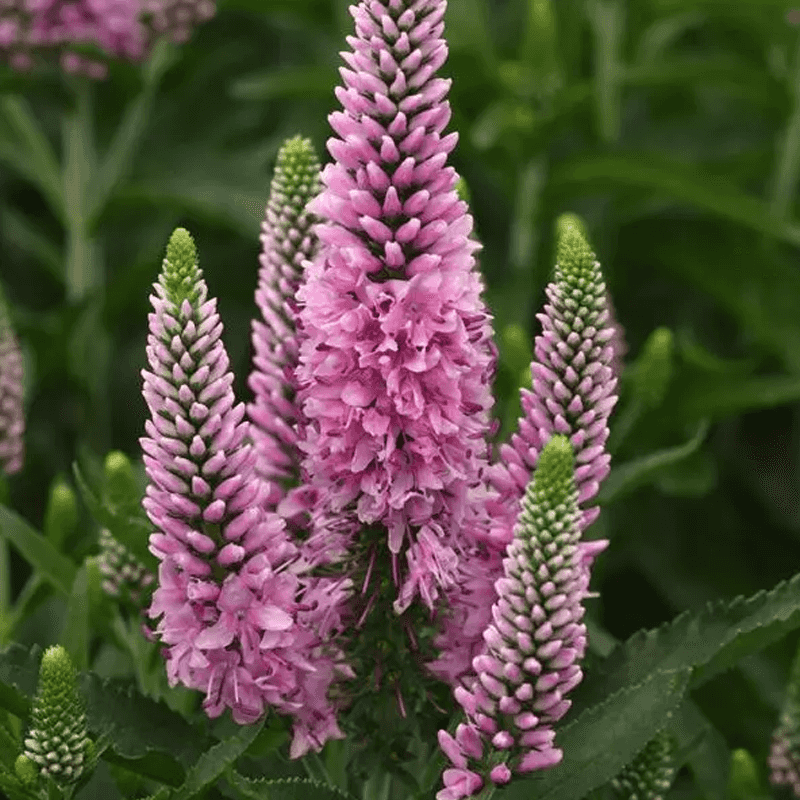
Soft, elegant, and surprisingly tough, Skyward Light Pink speedwell brings a delicate look to California gardens without the delicate attitude. The flower spikes rise up in a clean, upright habit, covered in tiny soft pink blooms that catch the light beautifully.
It has a polished, almost formal appearance that works wonderfully in both cottage-style and contemporary garden designs.
What sets this new variety apart is its improved heat tolerance compared to older speedwell hybrids. Many classic veronicas struggle when California temperatures climb in July and August, but Skyward was specifically bred to handle those tough midsummer conditions.
It blooms from late spring through summer and often puts out a second flush of flowers if cut back lightly after the first wave fades.
Skyward grows about 18 to 24 inches tall and stays nicely tidy without much intervention. It thrives in full sun and well-drained soil, making it a natural fit for raised beds and dry borders.
Planting it alongside lavender, catmint, or ornamental alliums creates a beautiful soft-toned combination that feels right at home in a California garden. Bees love the flower spikes, so expect plenty of buzzing visitors throughout the blooming season.
It is a genuinely rewarding plant for gardeners at every skill level.
8. ‘Opal’ Threadleaf Coreopsis (Coreopsis Verticillata)
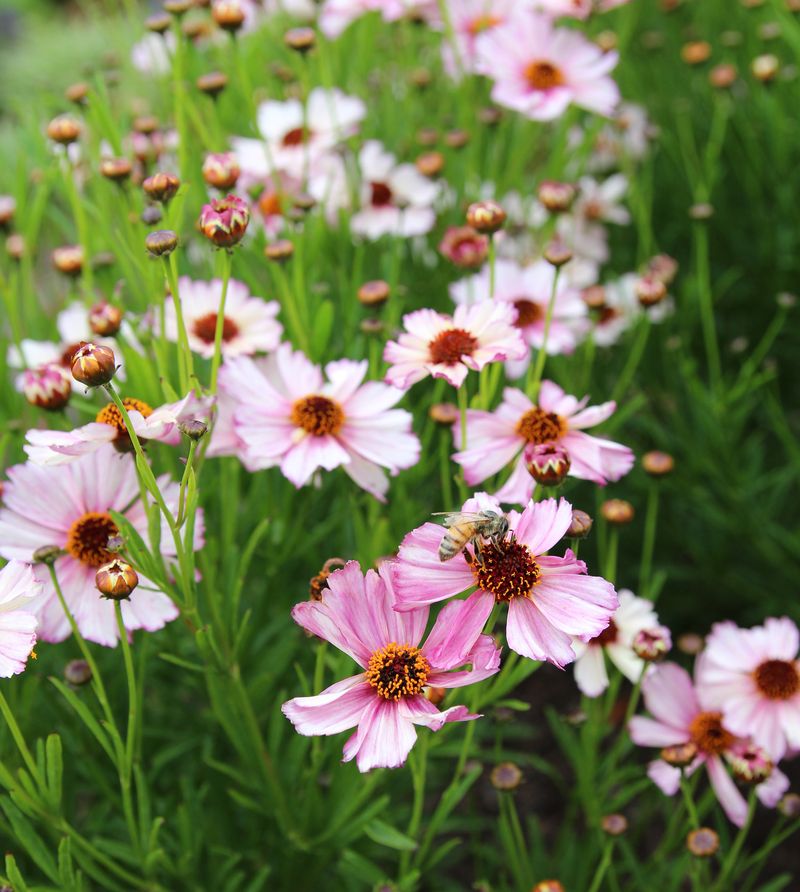
There is something almost magical about the way Opal threadleaf coreopsis catches the light. The flowers shift between soft white and the palest blush pink depending on the angle of the sun, creating an iridescent, almost glowing effect in the garden.
It is a completely different look from the typical bright yellow coreopsis most gardeners are used to seeing.
Opal grows in a tidy, mounded shape about 15 to 18 inches tall and wide. The foliage is fine and feathery, giving the plant an airy, graceful texture even when it is not in bloom.
Blooms start in early summer and continue for months with very little deadheading required. The self-cleaning flowers simply drop when spent, which keeps the plant looking neat without any extra effort on your part.
This variety handles full sun and dry conditions like a champion, making it a top pick for water-smart California landscapes. It is also extremely long-lived once established, coming back reliably year after year.
Try planting Opal alongside blue salvia or purple verbena for a soft, romantic color combination. It also works beautifully in containers on sunny patios and decks.
Across California, from the coast to the foothills, Opal delivers consistent, beautiful performance with very minimal care required.
9. Red Angelina Sedum (Sedum Hybrid)
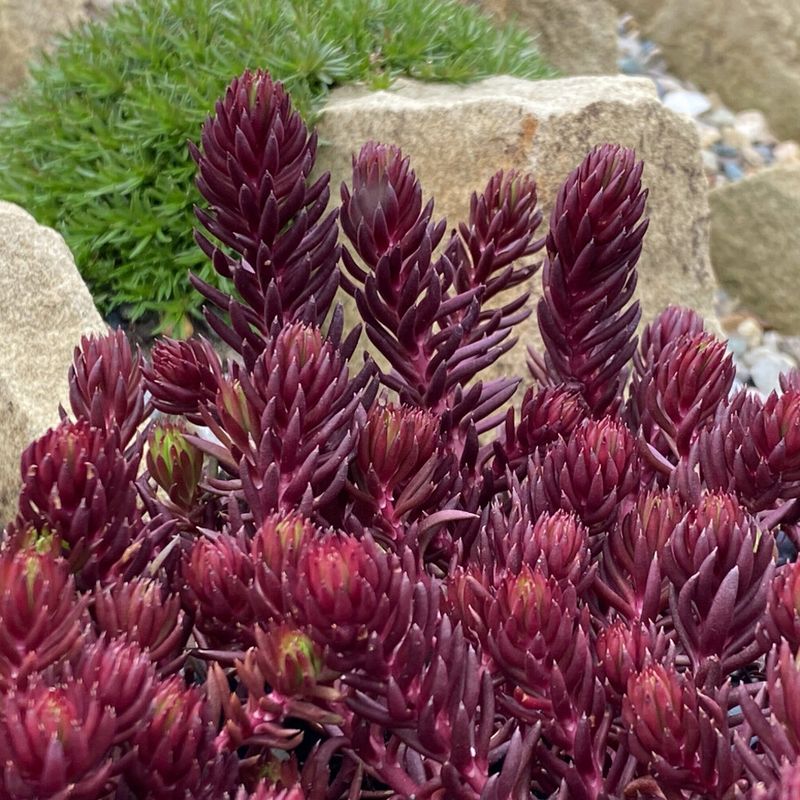
Succulents and California go together like sunshine and surf, and Red Angelina sedum is one of the newest and most eye-catching additions to the sedum world. The foliage is the real star here, displaying a rich, warm red that deepens to burgundy in cooler weather.
Even without flowers, this plant looks stunning from the moment it is planted until the last frost of the season.
Red Angelina is a groundcover-style sedum that spreads low and wide, reaching about six inches tall but spreading up to 18 inches across.
It is perfect for filling gaps between stepping stones, softening the edges of raised beds, or cascading over the sides of containers.
In summer, tiny golden-yellow star-shaped flowers appear above the foliage, adding a cheerful contrast to the deep red leaves.
Full sun brings out the most intense foliage color, and this plant absolutely loves the heat and bright light that California delivers in abundance.
It is incredibly drought-tolerant once established and requires almost no supplemental watering in most parts of the state after its first season.
Plant it in fast-draining soil and avoid overwatering, which is the one thing that can cause problems. Red Angelina is a bold, reliable, and genuinely low-maintenance perennial that California gardeners will love.
10. ‘Golden Needles’ Prairie Dropseed (Sporobolus Heterolepis)
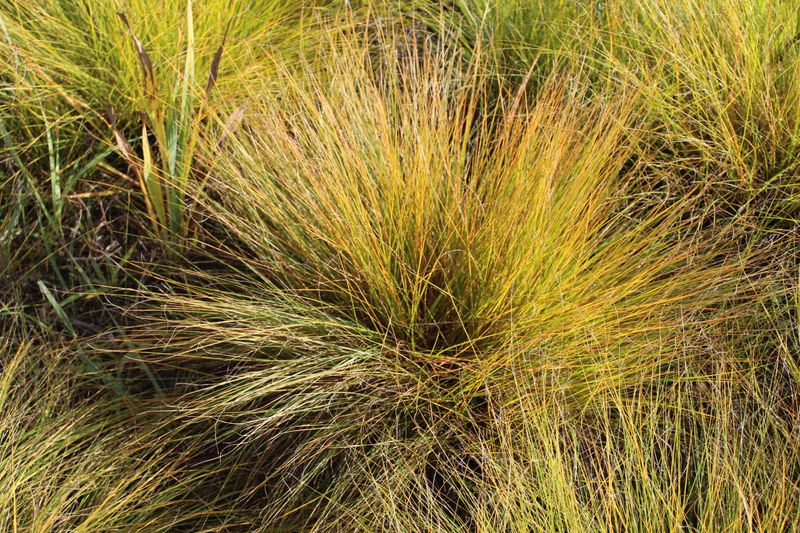
Ornamental grasses often play a supporting role in garden design, but Golden Needles prairie dropseed is ready to step into the spotlight.
The ultra-fine, needle-like foliage glows a warm golden-yellow color that catches afternoon light in a way that feels almost cinematic.
It forms a soft, arching mound about 18 to 24 inches tall that moves beautifully in even the gentlest California breeze.
Prairie dropseed is one of the most underused ornamental grasses in American gardens, and this golden-foliaged form makes a strong case for changing that.
In late summer, it sends up delicate flower plumes that carry a surprisingly pleasant fragrance, often described as buttery or slightly sweet.
The combination of glowing foliage and fragrant blooms is genuinely unique among grasses.
This plant thrives in full sun and is highly drought-tolerant, which makes it a natural fit for water-conscious California gardens. It grows slowly at first but becomes very durable and long-lived once established.
Use it as a border edging plant, in mass plantings for a meadow effect, or as a textural contrast alongside bold-leafed perennials like agave or salvia.
Golden Needles is a smart, stylish, and sustainable choice for California gardeners looking to add something genuinely different to their landscape in 2026.