The Best Places To See Winter Camellias And Early Blooms In Georgia
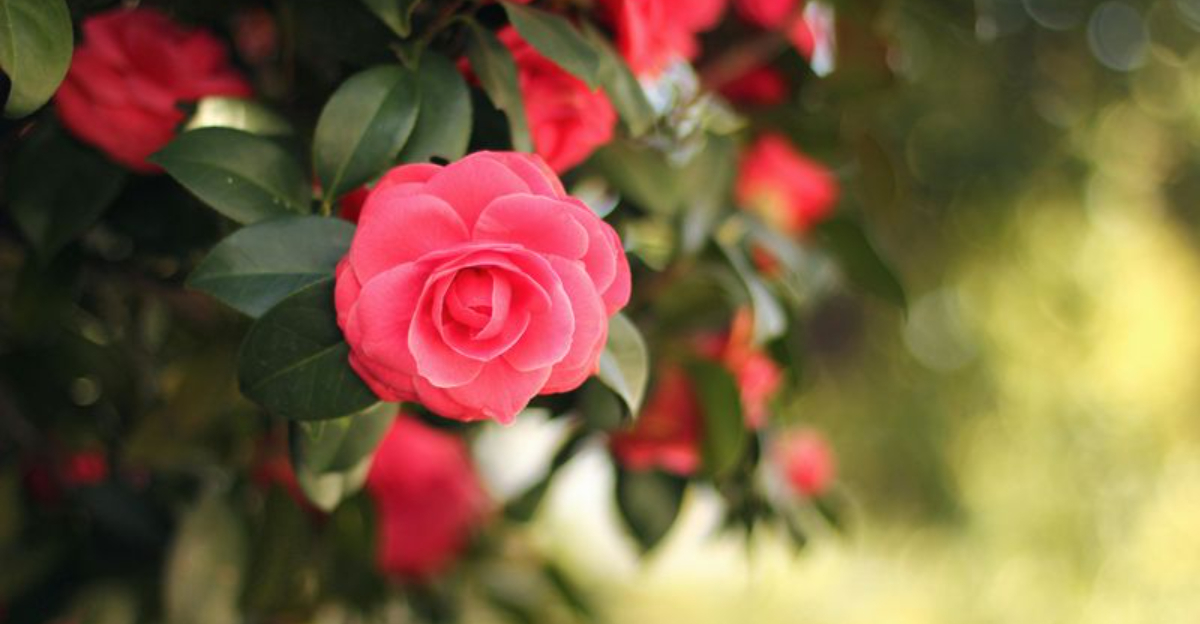
When most people think of winter, they picture bare branches and gray skies, but not in Georgia. Across the state, winter gardens come to life with bursts of color thanks to camellias and other early bloomers that defy the cold.
These resilient beauties start putting on a show when much of the landscape is still asleep, offering a welcome reminder that spring isn’t far off. From hidden gems in small towns to curated botanical gardens in the heart of the city, Georgia is full of places where winter flowers thrive.
Camellias, known for their delicate petals and bold hues, are among the most reliable winter showstoppers. But they aren’t alone. Early daffodils, hellebores, and flowering quince also take the stage, adding texture and life to winter walks.
Whether you’re a longtime plant lover or just looking for a quiet escape into nature, these blooming spots offer a refreshing experience this time of year.
1. Massee Lane Gardens In Fort Valley
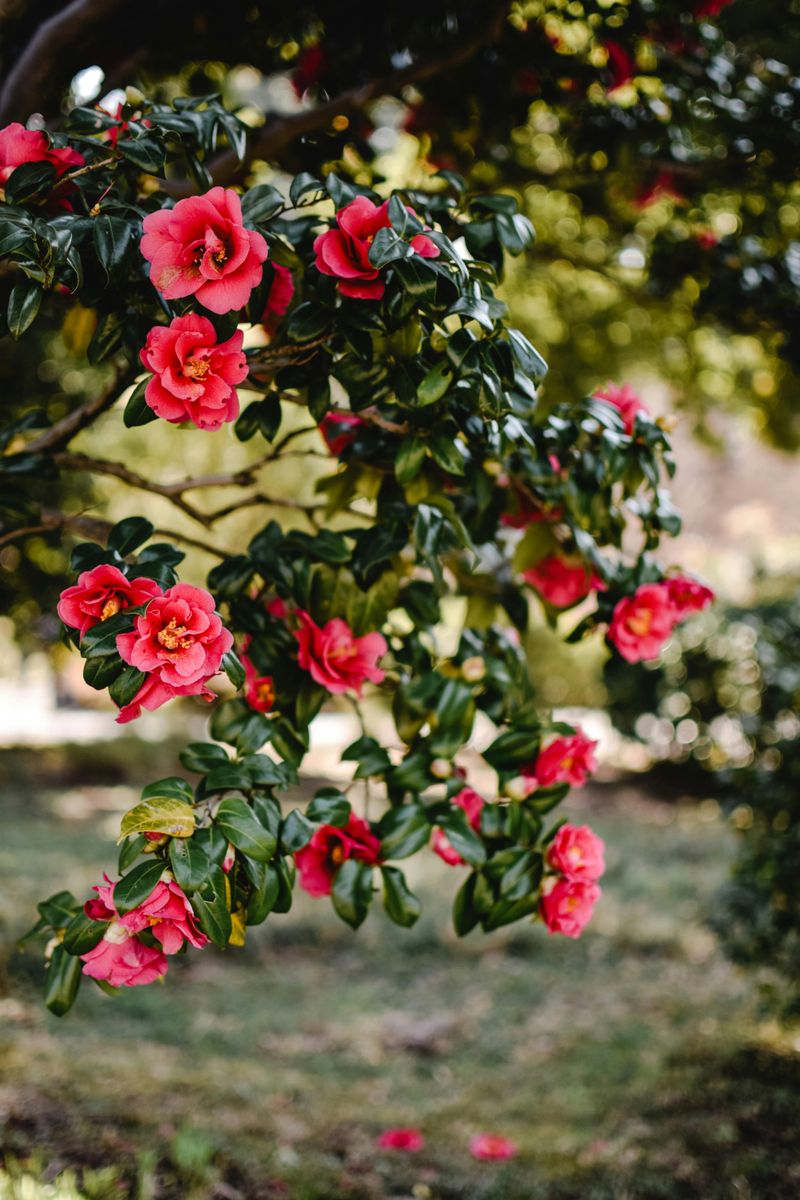
Recognized worldwide as the headquarters of the American Camellia Society, Massee Lane Gardens stands as the ultimate destination for anyone wanting to experience winter camellias in all their glory.
Located at 100 Massee Lane, Fort Valley, GA 31030, this spectacular garden features over 1,400 different camellia varieties spread across beautifully maintained grounds that span more than nine acres.
Visiting during peak season feels like stepping into a painter’s dream, with endless rows of camellias displaying every imaginable shade and petal formation.
The collection here represents decades of careful cultivation and includes rare specimens you won’t find anywhere else in Georgia or even the United States.
Massive camellia trees that tower overhead create natural canopies of color, while carefully designed pathways guide visitors through themed sections that showcase different varieties and blooming patterns.
Educational plaques throughout the garden provide fascinating details about each plant’s origin, care requirements, and unique characteristics, making every visit both beautiful and informative.
Beyond the outdoor displays, the property includes the Annabelle Lundy Fetterman Educational Museum, which houses an impressive collection of camellia-themed porcelain and art.
Walking through these indoor exhibits adds cultural depth to your botanical experience and demonstrates how deeply camellias have influenced art and design throughout history.
The museum’s collection features pieces from around the world, including delicate Chinese porcelain dating back centuries.
Photography enthusiasts will find endless opportunities here, especially during early morning hours when soft light filters through the blooms and dew still clings to petals.
The garden’s peaceful atmosphere makes it perfect for quiet contemplation or romantic strolls. Families appreciate the wide, accessible paths that accommodate strollers and wheelchairs, ensuring everyone can enjoy these winter wonders.
Best of all, the garden remains relatively uncrowded even during peak blooming season, offering a serene alternative to busier tourist attractions throughout Georgia.
2. Atlanta Botanical Garden

Nestled in the heart of Midtown Atlanta at 1345 Piedmont Avenue NE, Atlanta, GA 30309, the Atlanta Botanical Garden transforms into a winter wonderland when camellias and early spring blooms take center stage.
This 30-acre urban oasis offers city dwellers and visitors an easily accessible escape where nature’s beauty thrives year-round, but winter brings something truly special to its carefully curated landscapes.
The garden’s extensive camellia collection rivals any in the state, with specimens carefully selected to provide continuous blooming throughout the coldest months.
What sets this location apart is how seamlessly it integrates winter blooms into diverse garden environments. Camellias appear throughout multiple sections, from formal garden beds to naturalistic woodland settings, demonstrating their versatility and adaptability.
Walking through the Woodland Gardens during winter reveals hidden treasures around every corner, with camellias tucked beneath towering trees and alongside babbling streams that create picture-perfect scenes.
The Fuqua Conservatory adds another dimension to winter visits, housing tropical plants that provide warm refuge when outdoor temperatures drop too low for comfortable exploration. However, hardy camellias outside the conservatory prove their resilience, continuing to bloom beautifully even when frost touches the ground.
Witchhazels add their spidery yellow and orange blooms to the mix, while hellebores emerge with nodding flowers in shades of purple, green, and white.
Special winter programming enhances the experience, with guided tours led by knowledgeable horticulturists who share fascinating insights about camellia cultivation, history, and care.
Workshops teach visitors how to grow these stunning plants in their own gardens, covering topics like soil preparation, variety selection, and pest management.
The Garden Cafe offers warm beverages and seasonal treats, perfect for enjoying after a chilly but rewarding walk through blooming landscapes.
Evening events occasionally feature the gardens lit up with special lighting, creating magical atmospheres that showcase winter blooms in entirely new ways.
3. Callaway Gardens In Pine Mountain
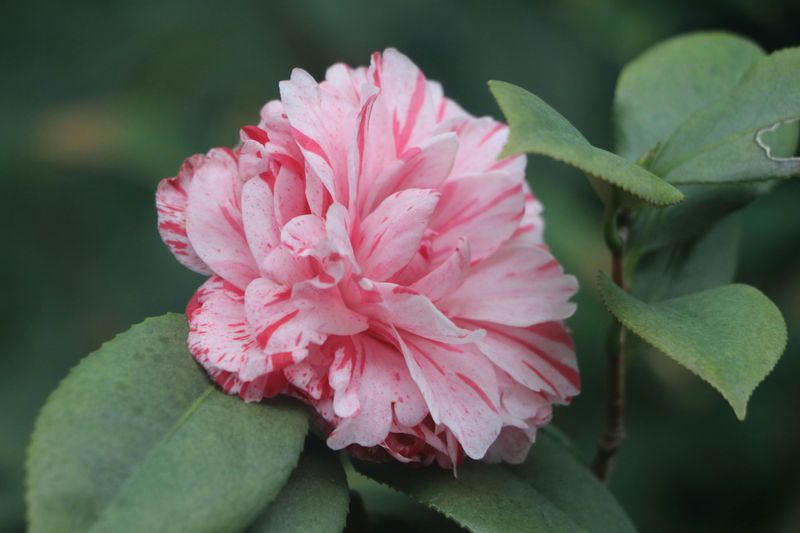
Sprawling across 2,500 acres at 17800 US Highway 27, Pine Mountain, GA 31822, Callaway Gardens ranks among Georgia’s most beloved natural attractions, and winter reveals a side of this paradise that many visitors never experience.
While summer brings crowds eager to enjoy the beach and butterfly center, winter offers something more intimate and equally spectacular: stunning displays of camellias and early blooms that paint the landscape with unexpected color.
The Ida Cason Callaway Memorial Chapel sits surrounded by camellia gardens that create breathtaking backdrops for winter weddings and photography sessions.
The Overlook Garden specifically highlights winter-blooming plants, with camellias serving as star performers alongside other cold-hardy beauties.
Designers created this space to showcase how southern gardens can maintain interest and color throughout every season, proving that winter doesn’t mean dormancy in Georgia’s mild climate.
Massive camellia shrubs, some decades old, reach impressive heights and produce thousands of blooms that carpet the ground with fallen petals, creating natural confetti beneath your feet. Azalea Trail, famous for its spring displays, offers a completely different but equally rewarding experience during winter months.
Without the distraction of azalea blooms, visitors can better appreciate the garden’s bones, its carefully designed pathways, water features, and strategic plant placement that create year-round structure.
Camellias planted throughout this trail provide pops of color against evergreen backgrounds, demonstrating expert design principles that home gardeners can adapt to their own spaces.
Robin Lake Beach transforms during winter into a peaceful spot for contemplative walks rather than swimming, with camellias and winter jasmine framing the water’s edge. The cooler months make hiking the extensive trail system far more comfortable than summer’s heat and humidity allow.
Birdwatching improves dramatically during winter when migrating species pass through and resident birds become easier to spot against bare branches, adding another layer of natural beauty to complement the floral displays throughout this remarkable Georgia destination.
4. The State Botanical Garden Of Georgia
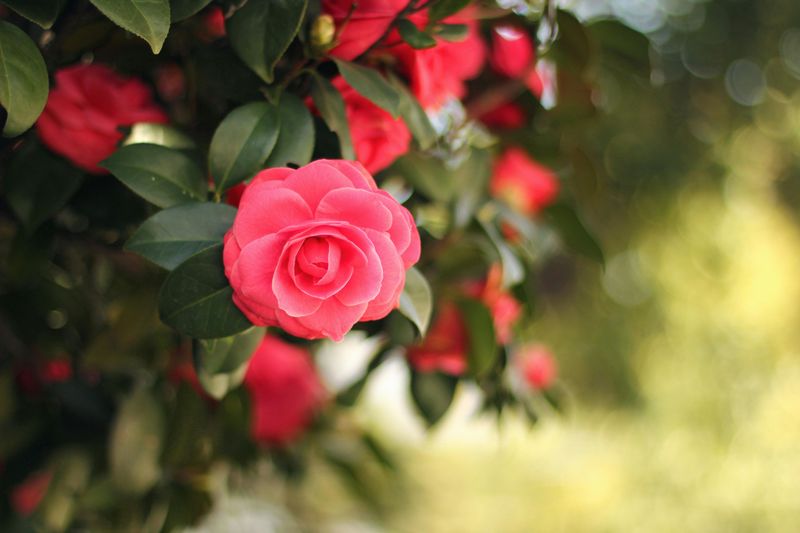
Operated by the University of Georgia and located at 2450 South Milledge Avenue, Athens, GA 30605, the State Botanical Garden of Georgia serves as both a research facility and a public treasure where winter camellias shine against the backdrop of academic excellence.
This 313-acre living laboratory showcases plants from around the world while emphasizing native species that thrive in Georgia’s climate, and winter brings special focus to cold-hardy beauties that perform when most other plants rest.
The International Garden features camellias alongside plants from similar climates worldwide, creating fascinating comparisons and design inspiration.
Educational opportunities abound here, with interpretive signs explaining the science behind winter blooming and the specific adaptations that allow camellias to flower during cold months.
Students, researchers, and curious visitors benefit from the garden’s commitment to sharing knowledge alongside beauty, making every walk both aesthetically pleasing and intellectually stimulating.
The Dunson Native Flora Garden demonstrates how camellias fit into broader ecological contexts, showing their relationships with native plants and wildlife that depend on winter nectar sources.
Trails wind through diverse habitats, from formal garden spaces to naturalistic woodlands where camellias appear in more casual settings.
The Shade Garden particularly excels during winter, with camellias thriving under the protective canopy of deciduous trees that allow more light to reach the ground once leaves have fallen.
Hellebores, winter aconite, and early bulbs complement the camellias, creating layered displays that demonstrate sophisticated planting design principles.
The Visitor Center and Conservatory provide warm indoor spaces when outdoor temperatures become uncomfortable, but hardy visitors who brave the cold often find themselves rewarded with nearly private experiences among the blooms.
Weekend mornings typically see fewer crowds than afternoons, offering optimal conditions for photography and peaceful contemplation.
The garden hosts special winter walks led by expert staff who share insider knowledge about plant care, garden design, and the specific varieties that perform best in Athens and surrounding areas of Georgia.
5. Barnsley Resort Gardens In Adairsville
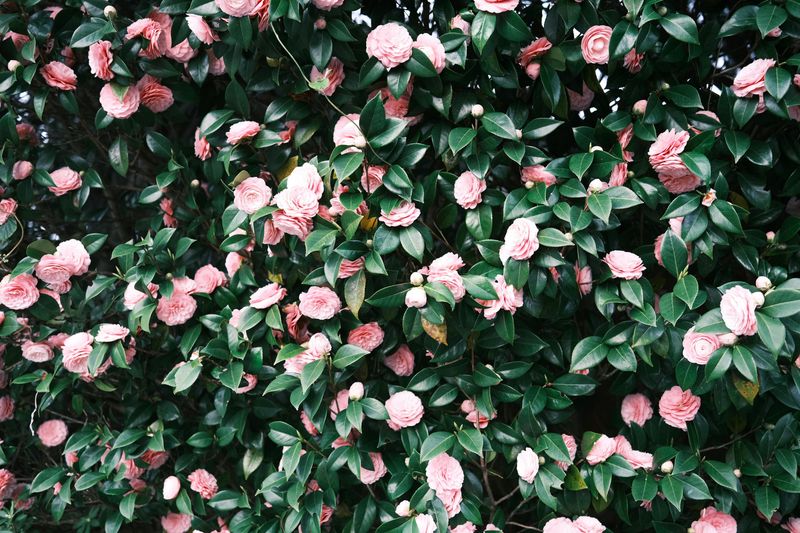
Steeped in history and natural beauty at 597 Barnsley Gardens Road, Adairsville, GA 30103, Barnsley Resort Gardens offers a unique combination of historical significance and horticultural excellence that makes winter visits particularly memorable.
Built around the ruins of a 19th-century manor house, these gardens blend Southern heritage with stunning plant collections that include exceptional camellia displays.
Walking among blooming camellias while historic ruins provide dramatic backdrops creates an atmosphere unlike any other garden experience in Georgia.
The formal gardens maintain their structure and beauty throughout winter, with boxwood hedges and evergreen framework supporting seasonal stars like camellias that provide essential color during the coldest months.
Garden designers chose camellia varieties specifically for their winter hardiness and reliability, ensuring that guests visiting the resort during holiday seasons and winter getaways encounter blooming beauty rather than dormant landscapes.
The combination of formal European garden design principles with Southern plant selections creates a distinctive aesthetic that feels both elegant and welcoming. Beyond the formal areas, woodland paths reveal more naturalistic plantings where camellias appear alongside native understory plants.
These less formal sections demonstrate how effectively camellias can integrate into existing landscapes, offering inspiration for homeowners who prefer relaxed garden styles over manicured formality.
Early spring bulbs begin emerging toward the end of camellia season, creating seamless transitions between winter and spring that keep the gardens interesting throughout the changing seasons.
Resort guests enjoy exclusive access to certain garden areas, but day visitors are welcome to explore much of the property, making this destination accessible to anyone seeking winter bloom inspiration.
The on-site restaurant incorporates seasonal ingredients and offers views of the gardens, allowing visitors to enjoy natural beauty from both indoor and outdoor perspectives. Special events throughout winter, including garden tours and historical presentations, add educational value to aesthetic experiences.
Photography workshops occasionally use the gardens as outdoor classrooms, teaching participants how to capture winter blooms in optimal light while incorporating architectural elements from the historic ruins into compelling compositions.