The Best Plants For Attracting California Quail To Your Yard
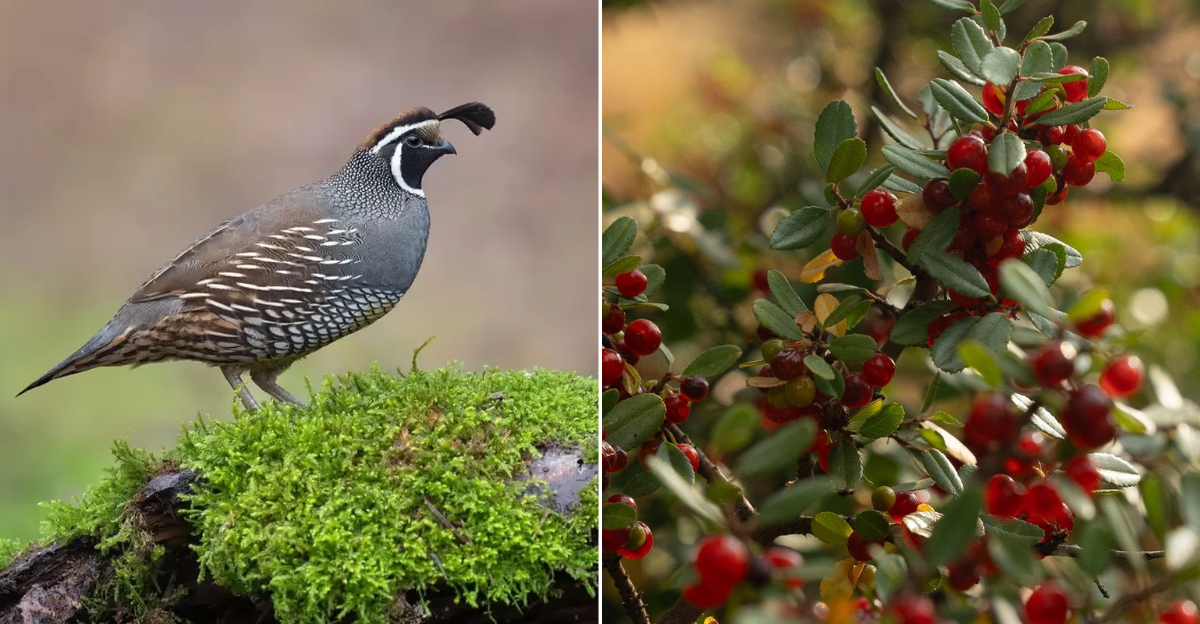
Seeing California quail wander through a yard brings a different kind of energy to the space.
They move quickly, stay low to the ground, and travel in groups that make them hard to miss once they arrive. Their soft calls and constant motion give the yard a more natural, lived-in feel.
They don’t choose just any yard. Quail look for places that offer a mix of protection and dependable food sources, especially in areas where they feel safe from disturbance.
Bare lawns or open spaces rarely meet those needs. They tend to avoid areas where they feel exposed or too visible.
The right plants can create that balance, giving them cover to move through and seeds or insects to feed on.
As those elements come together, the yard starts to feel more inviting to wildlife that prefers to stay close to the ground. Over time, their visits can become something you start to expect.
1. Deerweed With Bright Blooms And Seed Appeal
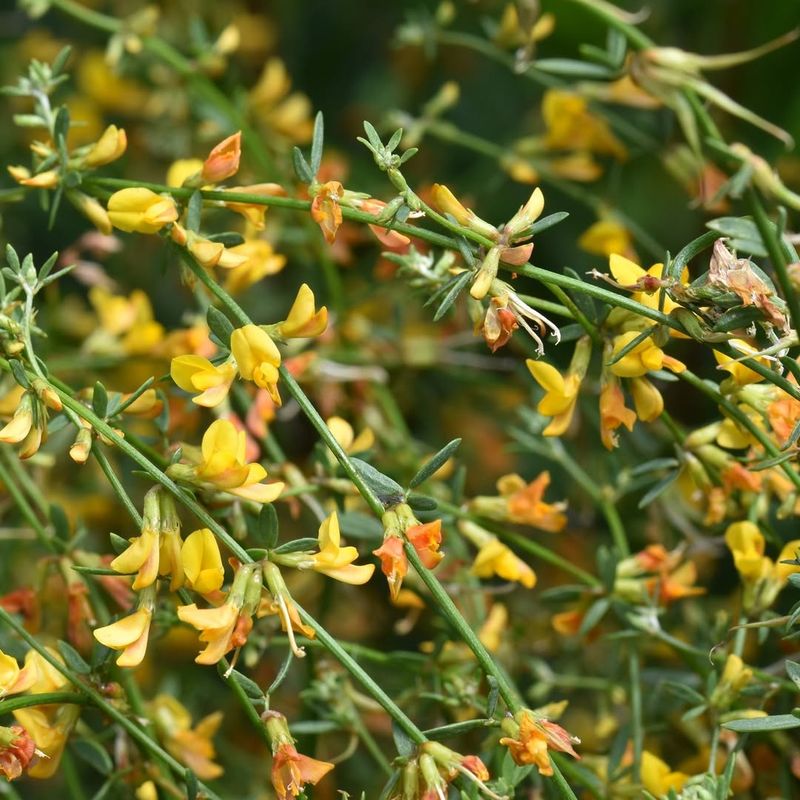
Few plants pull double duty quite like deerweed does in a California yard. Known scientifically as Acmispon glaber, this low-growing native shrub is a powerhouse when it comes to supporting wildlife, especially California quail.
Its bright yellow flowers bloom from spring through summer, and once those blooms fade, they produce small seed pods that quail absolutely love to snack on.
Beyond just being a food source, deerweed offers low, dense growth that gives quail a sense of safety while they forage. Ground-dwelling birds like quail are always on the lookout for cover, and deerweed provides that without growing so tall that it blocks sightlines.
This makes it easier for quail to spot predators while still feeling sheltered.
Deerweed is also incredibly easy to grow in California gardens. It thrives in full sun and well-drained soil, and once established, it needs very little water.
That makes it a smart pick for drought-prone areas across the state. Planting a patch of deerweed near the edges of your yard can create a natural feeding zone that draws quail in regularly.
It is also a nitrogen-fixing plant, which means it actually improves your soil over time, making it a win for your whole garden.
2. Redberry Offering Berries And Dense Cover
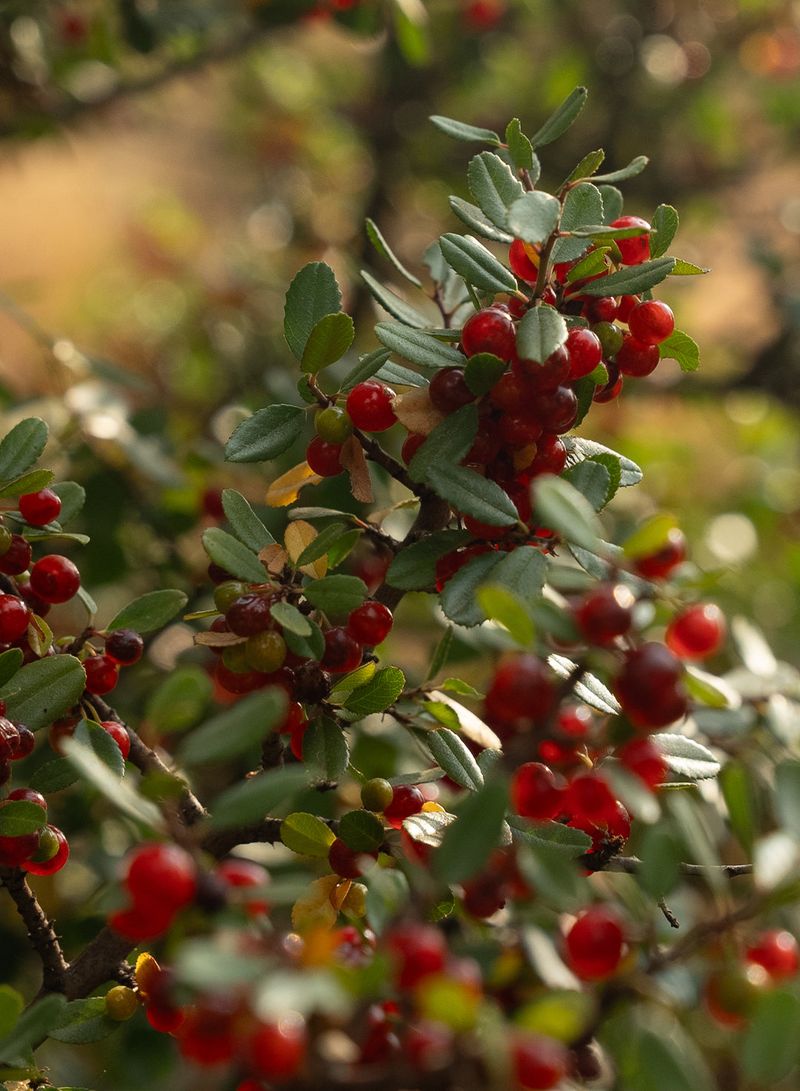
Bright red berries catching the afternoon sun in a California garden are a telltale sign that redberry is doing its job. Redberry, or Rhamnus crocea, is a spiny native shrub that produces small but vibrant berries that California quail find irresistible.
The berries typically ripen in late summer and fall, which is a particularly important time for quail as they build up energy heading into cooler months.
The shrub itself is tough and compact, with dense, thorny branches that make it one of the best natural shelters you can offer ground-nesting birds. Quail love to tuck themselves into thickets of redberry, especially when they feel threatened.
The spiny structure also deters many predators, making it a genuinely safe haven for a quail family.
Redberry grows well in dry, rocky, or sandy soils, which makes it perfectly suited for many parts of California where other plants struggle. It prefers full sun and handles drought conditions like a champ once it is established.
Pairing redberry with other native shrubs creates a layered habitat that supports not just quail but also other local birds and pollinators. If you want a plant that works hard and looks great year-round, redberry is a standout choice for your California yard.
3. Brittlebush With Seeds And Dryland Toughness
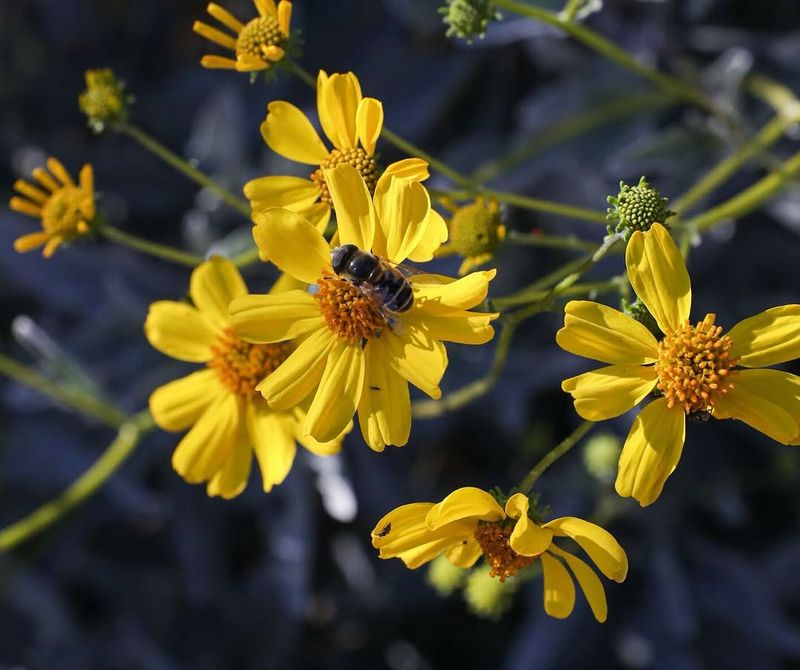
Walk through a California hillside in early spring and you will likely spot the cheerful yellow blooms of brittlebush lighting up the landscape. Encelia farinosa is a drought-tolerant native shrub that is as tough as it is beautiful.
While it is often celebrated for its striking flowers, brittlebush also plays a meaningful role in supporting California quail by providing seeds and low cover throughout the growing season.
Quail are seed-eaters at heart, and brittlebush delivers on that front with its small, oil-rich seeds that form after the flowers fade. These seeds are a nutritious snack that quail will return to again and again.
The shrub also has a mounding growth habit that creates a sheltered space underneath its branches, giving quail a shady spot to rest and forage safely.
Brittlebush is one of the easiest native plants to grow in California gardens, especially in hotter, drier regions like Southern California. It thrives in full sun, rocky or sandy soil, and requires very little irrigation once established.
Planting it in clusters along sunny borders or hillside slopes mimics its natural habitat and makes it more attractive to quail. It is also a fantastic pollinator plant, so you get the added bonus of bees and butterflies visiting your yard alongside the quail.
4. Lotus Feeding Wildlife With Abundant Seeds
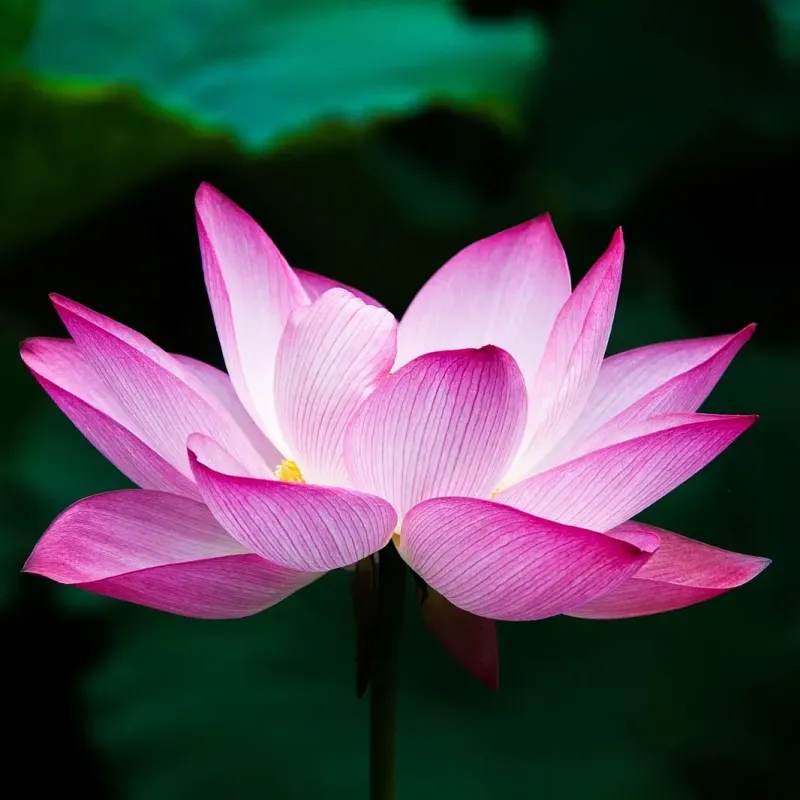
Not the water lotus you might be thinking of, the native lotus found in California habitats is a low-growing wildflower called Acmispon americanus, sometimes known as Spanish clover. This delicate plant packs a big punch when it comes to supporting California quail.
Its small seeds are a favorite food source, and its spreading growth provides soft, ground-level cover that quail feel comfortable moving through.
One of the coolest things about native lotus is how well it fits into a naturalized yard or wildflower meadow. It does not need much fuss to thrive, and it reseeds itself readily, meaning once you plant it, it tends to come back on its own year after year.
That kind of low-maintenance quality is a huge plus for California gardeners who want to support wildlife without spending every weekend watering and weeding.
Native lotus grows best in open, sunny spots with well-drained soil. It is often found naturally on roadsides, hillsides, and open grasslands across California, which tells you a lot about how adaptable it is.
Mixing native lotus into a wildflower seed blend is a great way to get it established quickly. Over time, it will help fill in bare patches of ground, creating a lush, seed-rich foraging area that California quail will visit regularly throughout the season.
5. Lupine Supporting Insects And Ground Cover
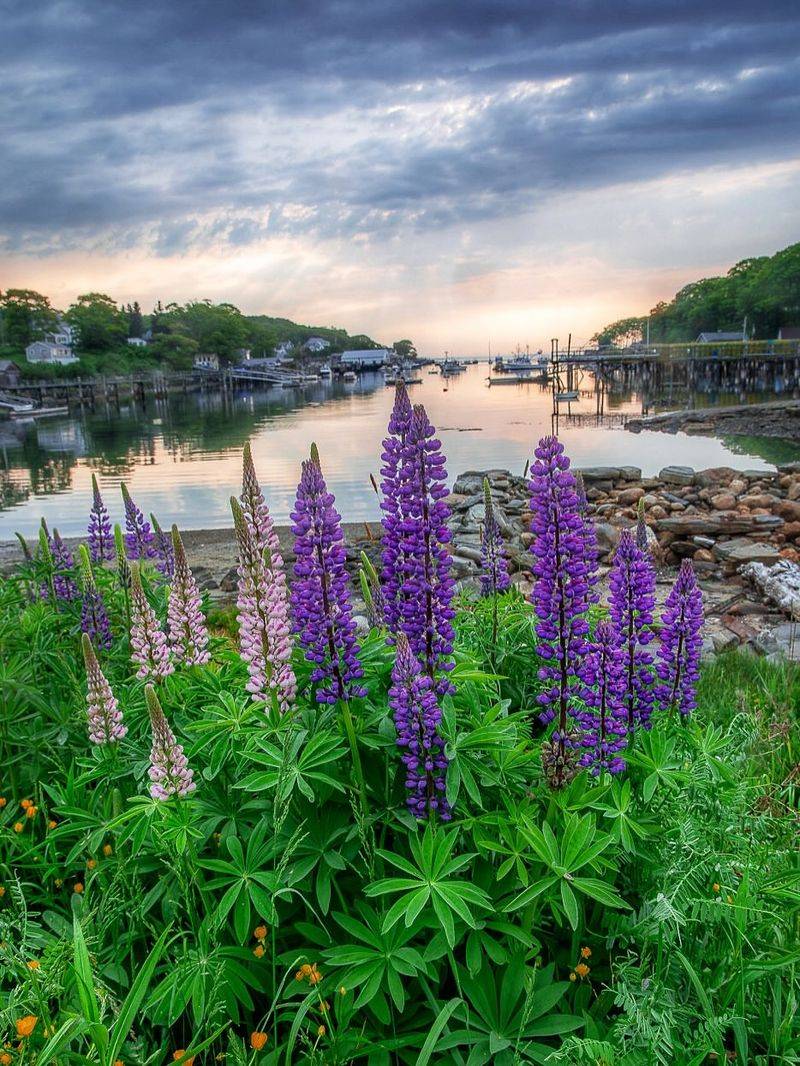
Tall, bold, and buzzing with life, lupine is one of those plants that makes a California garden feel truly alive. Several native species of lupine grow across California, and all of them offer real benefits for quail.
The seeds produced by lupine pods can provide a food source for quail, especially during the breeding season when parent birds need extra nutrition to raise their chicks.
Beyond seeds, lupine plants create a layered ground environment that quail love to explore. The broad, fan-shaped leaves offer shade and shelter at ground level, and the tall flower spikes give the yard a natural, open-meadow feel that mimics the habitats quail naturally prefer.
Planting lupine in drifts or clusters makes the habitat even more inviting.
Lupine grows best in full sun with well-drained, sandy or loamy soil. Like deerweed, it is a nitrogen-fixer, which means it improves soil health as it grows.
That is a fantastic bonus for any California garden. Native lupine species such as Lupinus succulentus and Lupinus bicolor are excellent choices for attracting quail.
They are also stunning in bloom, producing rich purple, blue, and pink flower spikes that make your yard look like a slice of wild California. Planting lupine near low shrubs gives quail both food and nearby cover.
6. Clover Attracting Insects And Easy Foraging
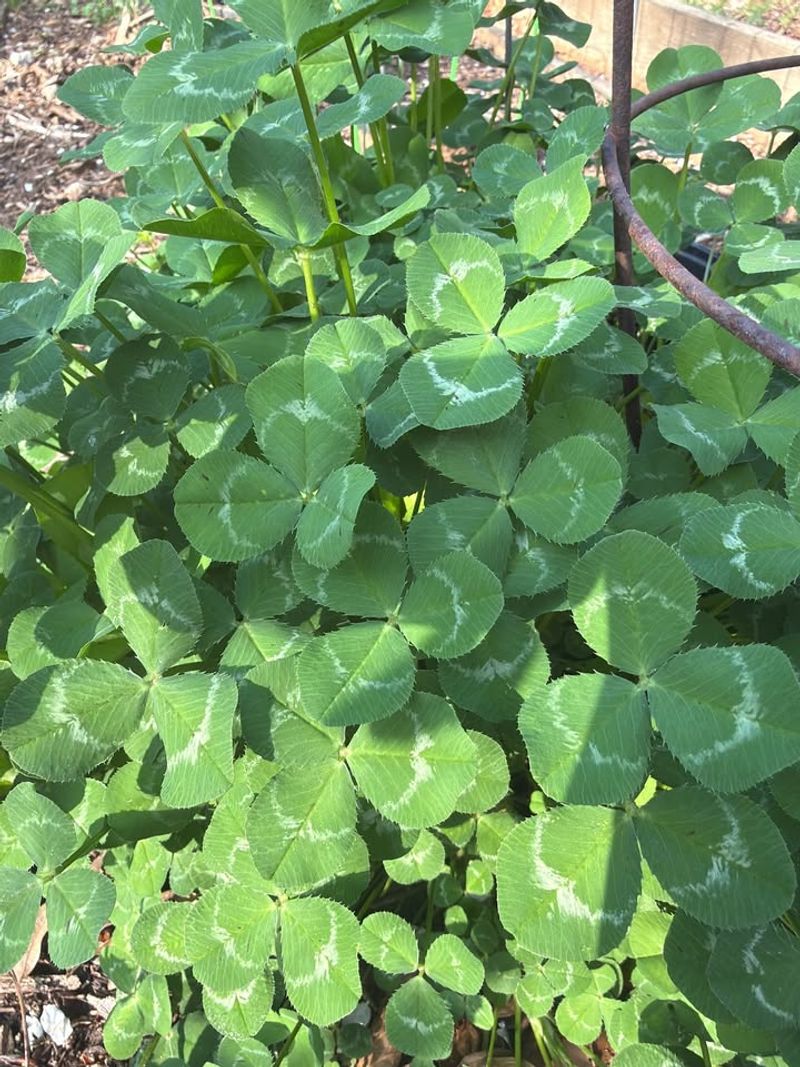
A simple choice at first glance, clover is surprisingly valuable for California quail. Native clovers, including species like Trifolium wildenovii, produce small, nutrient-rich seeds that quail actively seek out during foraging trips.
The low, spreading growth of clover also creates soft ground cover that quail chicks can navigate easily, which is a big deal during those first few weeks of life when young birds are still learning to forage.
What makes clover especially useful in a quail-friendly yard is how it fills in the spaces between larger shrubs. Quail like to move through open but covered ground, and clover does exactly that.
It creates a carpet-like layer that feels safe and accessible without leaving birds exposed in the open.
Clover is also a fantastic plant for pollinators, so planting it benefits your whole yard ecosystem. Native clover species are generally low-growing and do well in a variety of California soil types, from coastal gardens to inland valleys.
They prefer full sun to partial shade and moderate moisture. Scattering clover seed in open patches between shrubs and trees creates natural foraging lanes that quail will use consistently.
It is one of those plants that quietly does an enormous amount of good for your local wildlife without demanding much attention from the gardener.
7. Oak Trees Dropping Acorns And Sheltering Birds
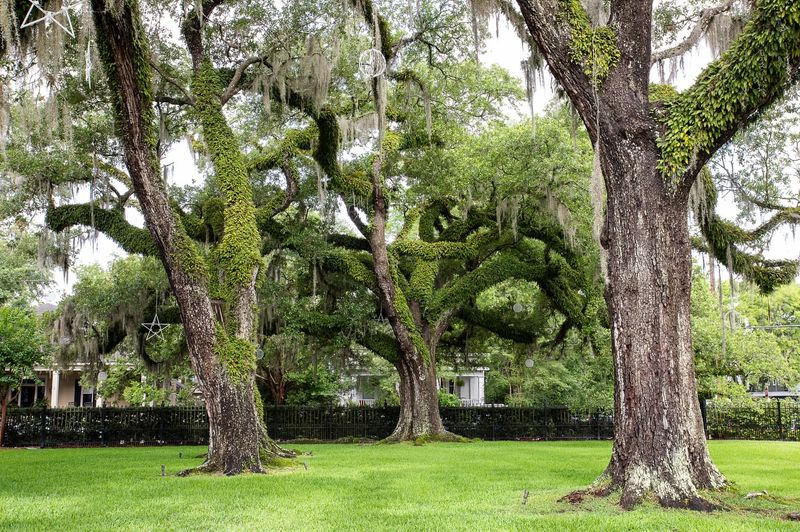
If there is one plant that defines California wildlife habitat, it is the native oak tree. Valley oaks, blue oaks, and scrub oaks are all beloved by California quail, and for very good reason.
Acorns are one of the most calorie-dense natural foods available, and quail are happy to forage for them on the ground beneath oak canopies. During fall and winter, a mature oak can drop thousands of acorns, keeping quail well-fed through the cooler months.
Oaks also offer incredible structural benefits for a quail habitat. Their wide, spreading canopies create shaded ground areas where quail feel protected while foraging.
The leaf litter beneath oak trees is rich with insects, seeds, and other edible tidbits that quail scratch through enthusiastically. Planting native oaks is truly one of the best long-term investments you can make for California wildlife.
Of course, oak trees take time to mature, but even young oaks begin supporting wildlife within a few years. Scrub oak, in particular, grows into a dense, multi-stemmed shrub that provides excellent low cover for quail much sooner than larger tree species.
If you have the space in your California yard, planting even one native oak will pay dividends for wildlife for generations. Pair it with understory shrubs like manzanita and redberry for a complete quail habitat.
8. Manzanita With Berries And Protective Structure
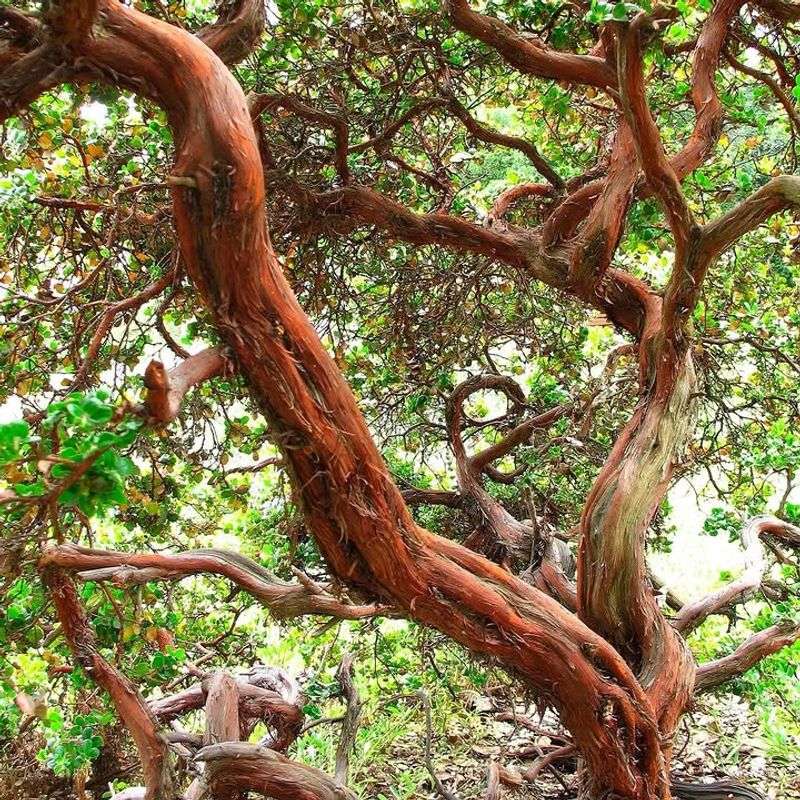
With its smooth, cinnamon-red bark and twisted branches, manzanita is one of the most visually striking native plants in California. But its beauty is only part of the story.
Manzanita, which belongs to the genus Arctostaphylos, is also one of the most wildlife-friendly shrubs you can plant in a California yard. Its small, apple-like berries are a top food source for California quail, and the dense branching structure provides some of the best cover available to ground-nesting birds.
Quail regularly shelter under manzanita during the hottest parts of the day and nest nearby during breeding season. The shrub grows thick enough to block wind and provide shade, while still allowing quail to move freely underneath.
That combination of cover and accessibility is exactly what these birds look for in a good habitat plant.
There are dozens of manzanita species native to California, ranging from low, spreading groundcovers to tall, multi-stemmed shrubs. This variety means there is a manzanita suited to nearly every garden style and size.
Most species prefer full sun and well-drained soil, and they are highly drought-tolerant once established. Planting manzanita alongside oaks and buckbrush creates a rich, layered habitat that California quail will find extremely appealing throughout the year.
9. Buckbrush Forming Thick Cover And Food
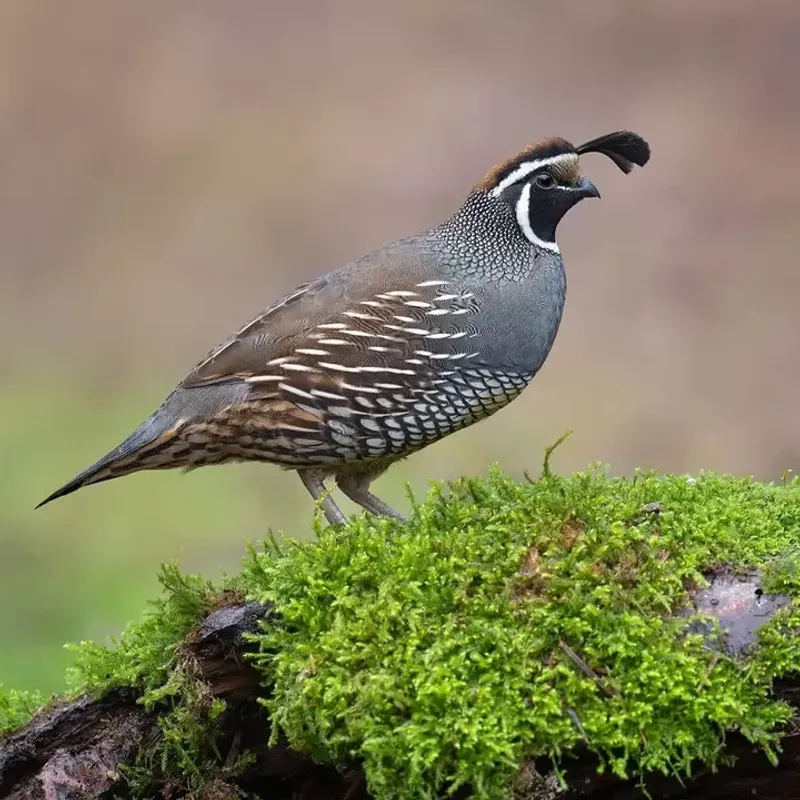
Buckbrush, or Ceanothus cuneatus, is a rugged California native that often flies under the radar compared to showier garden plants. But for California quail, buckbrush is pure gold.
This dense, thorny shrub produces masses of tiny white flowers in spring that later develop into small seed capsules, giving quail a reliable food source right as the nesting season gets underway. The timing could not be better for supporting breeding pairs and their growing families.
Beyond seeds, buckbrush offers some of the most protective cover of any native shrub. Its tangled, thorny branches create an almost impenetrable fortress that predators are reluctant to enter.
Quail know this, and they take full advantage of it by nesting and roosting deep within buckbrush thickets. If you want to give quail a genuinely safe place to raise their chicks, planting buckbrush is one of the smartest moves you can make.
Buckbrush is incredibly well-adapted to California conditions. It thrives in poor, dry soils and full sun, and it requires virtually no irrigation once established.
It is commonly found in chaparral and woodland habitats across much of the state. Planting it alongside manzanita and oak creates a classic California chaparral garden that feels completely natural and supports a wide range of native wildlife beyond just quail.