The Best Plants For Oregon’s Weird In-Between Spring Weather
Oregon spring is the ultimate master of the bait and switch. You might be scraping frost off the windshield at dawn only to find yourself peeling off layers by noon.
This unpredictable season makes gardening feel like a high stakes guessing game, but you don’t have to wait for summer to see your yard wake up.
The secret lies in choosing all weather athletes that are built to handle Oregon’s mood swings.
Whether you are gardening in the damp Willamette Valley or the breezy coast, these ten resilient plants bridge the gap between winter dormancy and spring energy.
They are tough enough to thrive through every surprise frost and sudden sunny stretch.
1. Pansies Bring Cheerful Blooms Despite Cool Weather
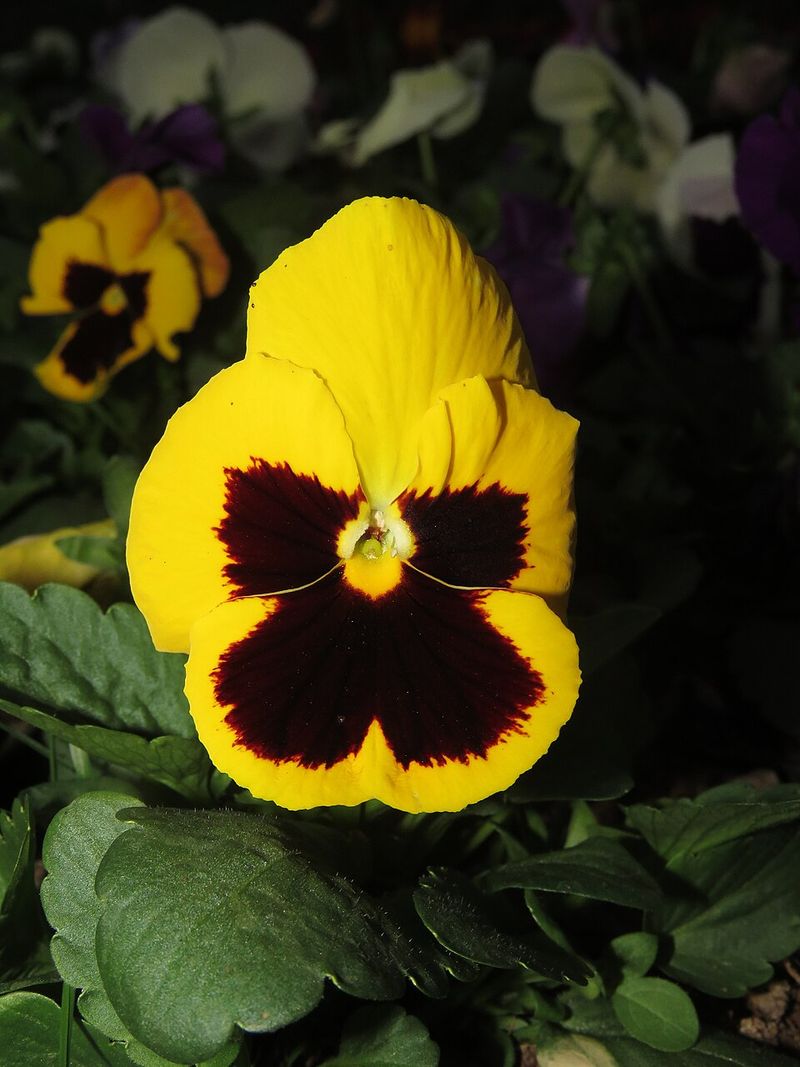
Few flowers show up as reliably in Oregon gardens as pansies in early spring. These compact, cheerful bloomers tolerate cool temperatures and are among the most cold-hardy annuals for March planting.
While they handle short frost spells into the mid-20s Fahrenheit, extreme or prolonged freezes can damage delicate blooms, so some protection may be needed in exposed locations.
Their velvety flowers come in deep purples, sunny yellows, oranges, whites, and rich burgundy, instantly brightening gray early-spring days.
Pansies grow best in full sun to partial shade and prefer moist, well-draining soil. Oregon’s natural rainfall often provides adequate moisture, though clay-heavy soils benefit from added compost to improve drainage and root establishment.
Pansies work well in raised beds, containers, and garden borders, offering flexibility across diverse yard conditions.
Regular watering and deadheading encourage continuous blooms throughout March and April.
With their mix of colors and remarkable resilience, pansies are a dependable choice for Oregon gardeners seeking early-season color, and they form a perfect base for combining with other cool-season flowers for layered, long-lasting spring displays.
2. Violas Offer Hardy Color For Early Gardens
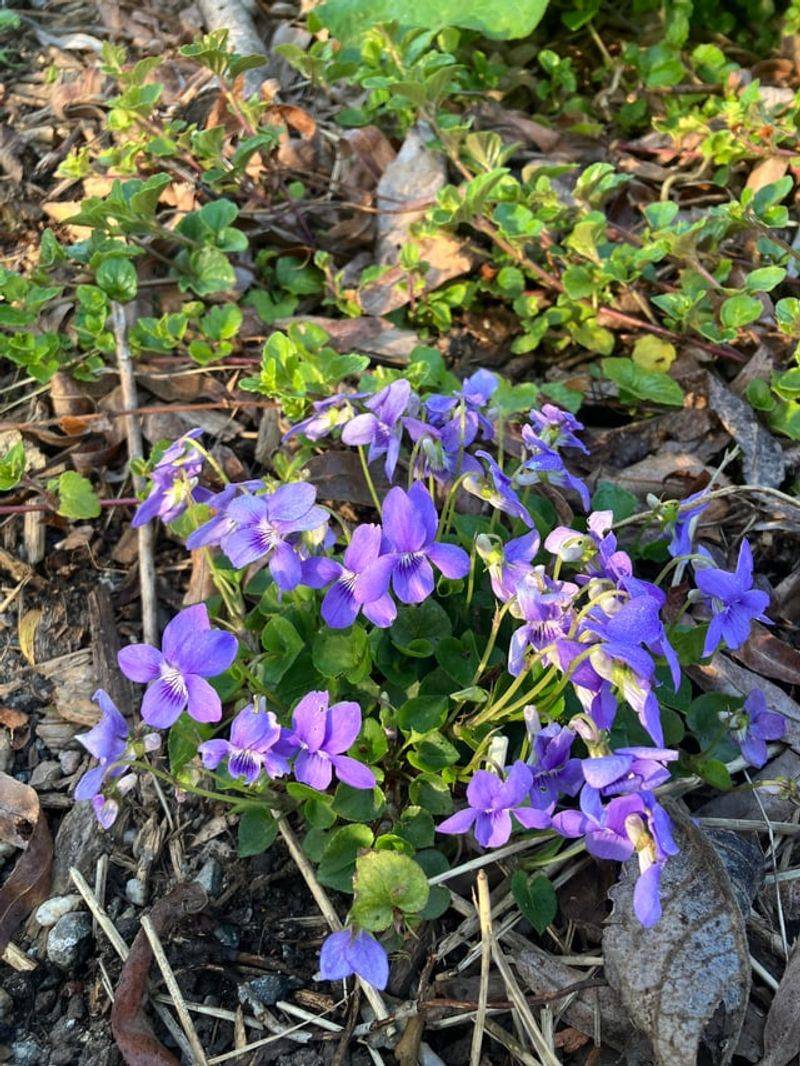
Violas are smaller relatives of pansies but are equally hardy and reliable for Oregon spring gardens.
These compact, low-growing flowers tolerate cool temperatures and light frosts, making them ideal for March planting in the Willamette Valley, coastal areas, and interior valleys.
Their blooms come in shades of purple, lavender, yellow, white, and bicolor combinations, perfect for edging paths, filling containers, or softening garden borders.
One notable feature is that violas often self-seed, returning year after year in unexpected spots. This creates a naturalized, layered look in Oregon gardens without requiring extra planting effort.
Violas thrive in partial shade, which helps in areas beneath deciduous trees or along north-facing edges where sunlight may be limited.
They prefer consistently moist, well-draining soil, and Oregon’s spring rainfall usually meets most of their water needs.
Pinching back leggy stems encourages bushier growth and prolongs flowering, ensuring continuous color from early spring well into summer.
Containers, raised beds, or borders all benefit from violas’ compact habit, making them one of the easiest and most rewarding flowers to start in Oregon’s unpredictable March weather.
3. Evening Primroses Thrive In Oregon’s In-Between Spring Conditions
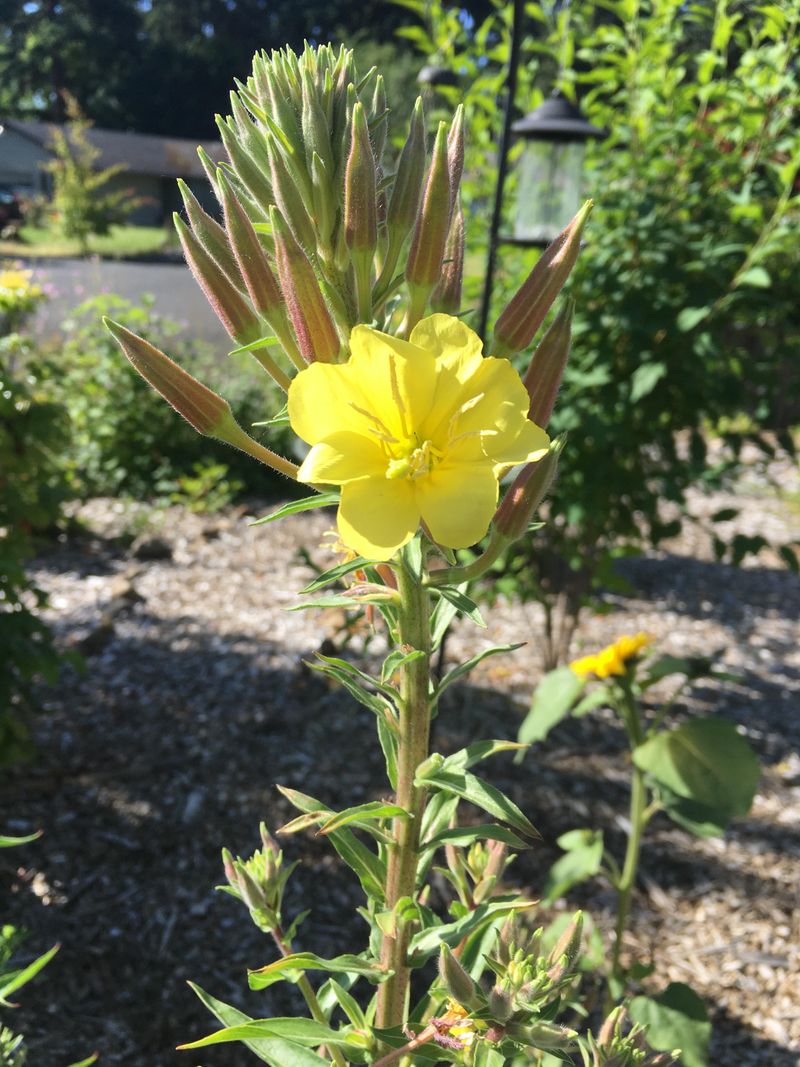
Evening primroses are a striking choice for Oregon gardens where sunny, well-drained conditions dominate, particularly in March when spring is just beginning to emerge.
Unlike shade-loving primroses, evening primroses thrive in full sun and tolerate periods of dry soil, making them ideal for garden edges, borders, or open beds that receive several hours of direct sunlight.
Their vibrant blooms – typically yellow, pink, or cream – open in the late afternoon or evening, providing a unique and eye-catching display that can extend into early summer.
These hardy perennials prefer soil that drains well, as waterlogged roots can reduce vigor and flowering. Raised beds, gently sloped borders, or amended clay soils improve drainage and help evening primroses establish quickly.
While drought-tolerant once mature, regular moisture during their first season encourages robust root growth and a fuller bloom display.
Evening primroses also pair beautifully with early bulbs, low-growing perennials, or ornamental grasses, creating layered textures and continuous color across sunny beds.
Their blooms attract pollinators such as native bees and moths, which visit in the evening hours, adding ecological value to the garden.
With consistent sun, proper drainage, and moderate watering, evening primroses provide reliable early-season color in Oregon’s unpredictable spring weather.
4. Sweet Alyssum Fills Gaps And Attracts Pollinators
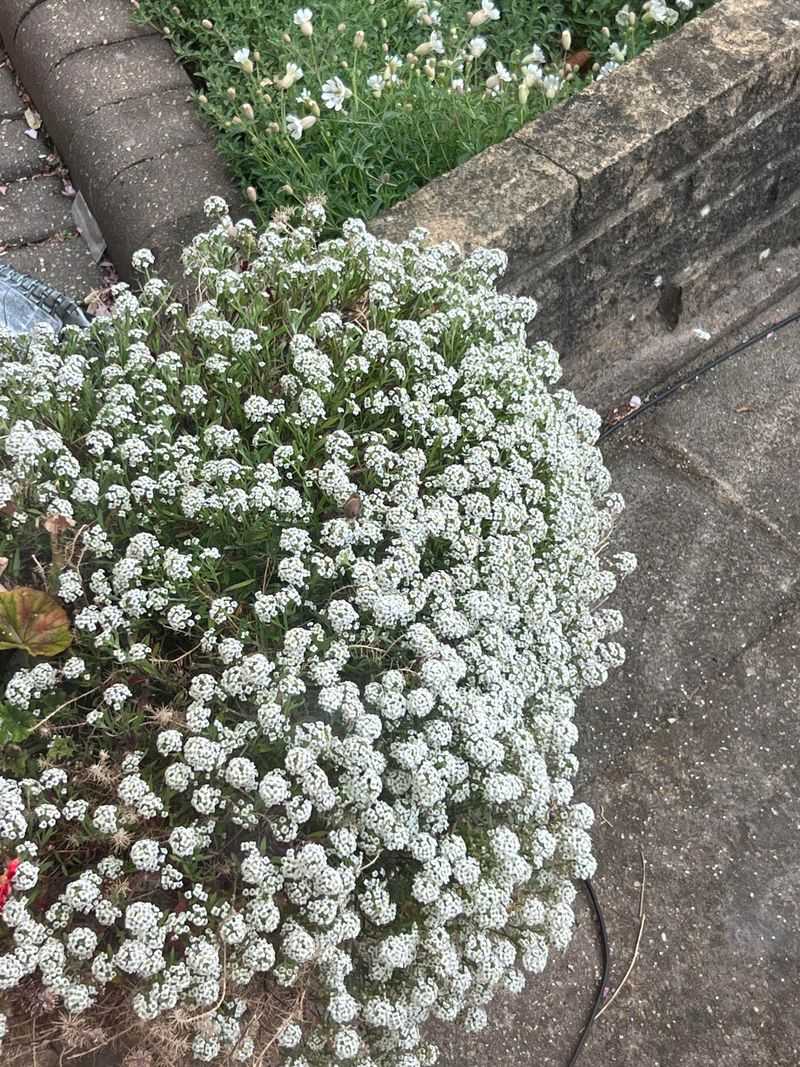
Sweet alyssum is a low-growing, spreading annual that provides both beauty and ecological benefit in Oregon gardens.
Its dense clusters of tiny white, purple, or rose-colored flowers produce a subtle honey-like fragrance that fills garden borders and beds in early spring.
Beyond aesthetics, sweet alyssum attracts beneficial insects, including hoverflies and parasitic wasps, which help manage common garden pests naturally.
March is a reliable time to sow sweet alyssum directly into Oregon garden beds. The seeds require light to germinate, and cool, moist soils help them establish quickly.
Full sun is ideal for vigorous growth, but partial shade works well, especially in coastal or valley locations where afternoon heat can occasionally stress young plants.
Sweet alyssum also excels as a filler between taller spring flowers or along pathways, providing continuous coverage that suppresses weeds while keeping soil shaded and moist.
Once established, lightly shearing the plants after the first bloom flush encourages additional flowering, extending the display into late spring.
In containers or raised beds, sweet alyssum performs similarly, creating a cascading effect over edges.
Its hardiness and low maintenance, combined with ecological benefits, make it a practical and charming choice for Oregon gardeners navigating the state’s fluctuating spring temperatures.
5. Snapdragons Add Vertical Interest Before Warmth Arrives
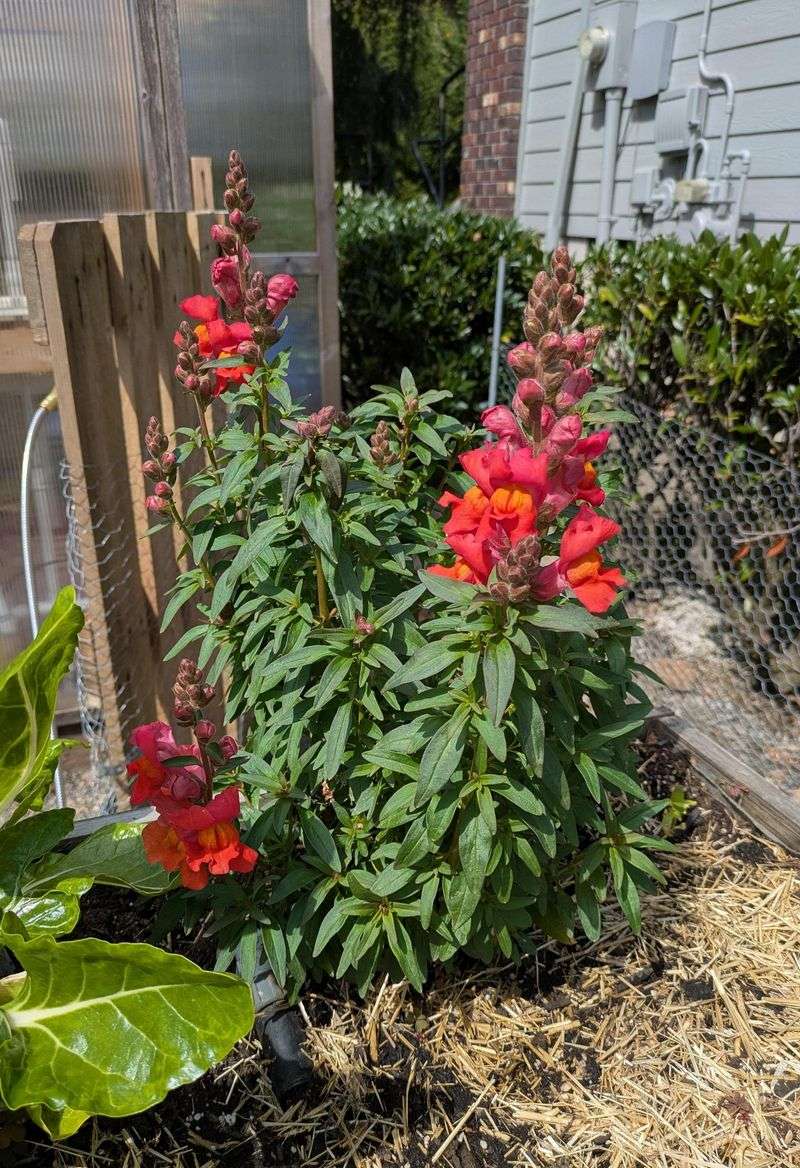
Snapdragons are a striking way to bring height and drama to early spring gardens in Oregon.
While many gardeners associate them with summer, these cool-season bloomers perform best in moderate spring temperatures, between 45 and 65 degrees Fahrenheit, making them ideal for March planting.
Their upright spikes of ruffled flowers range from soft pastels to bold reds, oranges, and pinks, creating a strong visual anchor in mixed beds.
In Oregon, snapdragons can be started indoors from seed in early March and transplanted outside once the risk of hard frost has passed. Established plants tolerate light frost, but hardening them off gradually helps them adapt to outdoor conditions.
They prefer full sun and well-draining soil, although afternoon shade can protect them in warmer interior valleys.
Raised beds are particularly effective if your garden soil tends to retain water, which can be common in coastal and valley areas.
Snapdragons are also excellent pollinator plants. Bumblebees and other early-season insects are drawn to the hinged flowers, aiding pollination for nearby crops or companion plants.
Regularly cutting back spent blooms encourages side shoots to flower, extending the visual impact of your garden.
This combination of vertical height, cold tolerance, and pollinator appeal makes snapdragons a dependable choice for Oregon’s unpredictable spring.
6. Candytuft Covers Bare Ground With Bright Spring Flowers
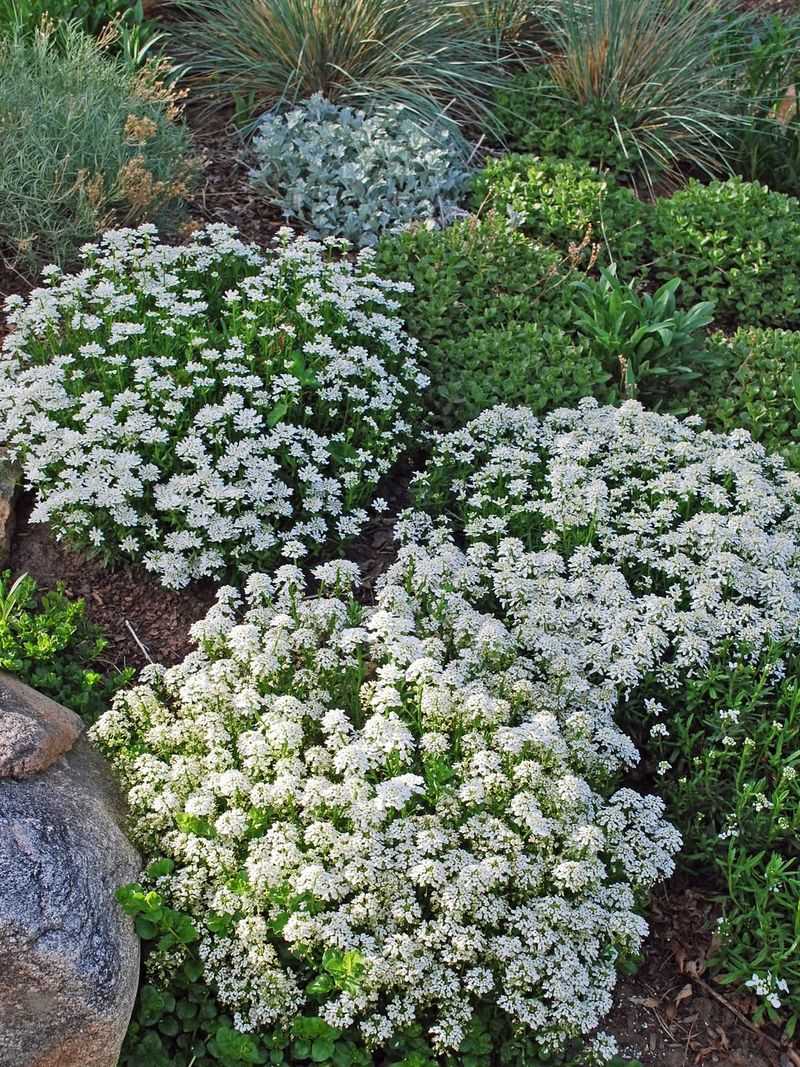
Candytuft is a low-growing perennial that thrives in Oregon gardens with minimal care while delivering a dense carpet of bright white flowers.
Blooming in early to mid-spring, it provides instant visual impact and fills in bare patches, making it ideal for borders, rock gardens, and slopes where soil may drain quickly.
Its compact, spreading habit helps suppress weeds and maintain tidy edges, which is especially helpful in high-traffic or decorative areas.
This plant prefers full sun and well-draining soil. In wetter regions of Oregon, amending clay-heavy soil with compost or planting on a slight slope improves root performance and prevents standing water from affecting blooms.
Candytuft tolerates light frosts, which are common during Oregon’s in-between March and April weather, but extended cold snaps can damage flower heads.
Shearing back after the primary bloom encourages compact growth and sometimes triggers a lighter second flowering later in the season.
Candytuft pairs beautifully with early spring bulbs like tulips and daffodils, creating a layered and intentional look.
Its low maintenance and dependable blooming make it a favorite for gardeners seeking color without intensive care.
By planting candytuft in March, Oregon gardeners can establish a reliable foundation of bright flowers to brighten the landscape throughout the early spring season.
7. Creeping Phlox Provides Early Color On Slopes And Edges
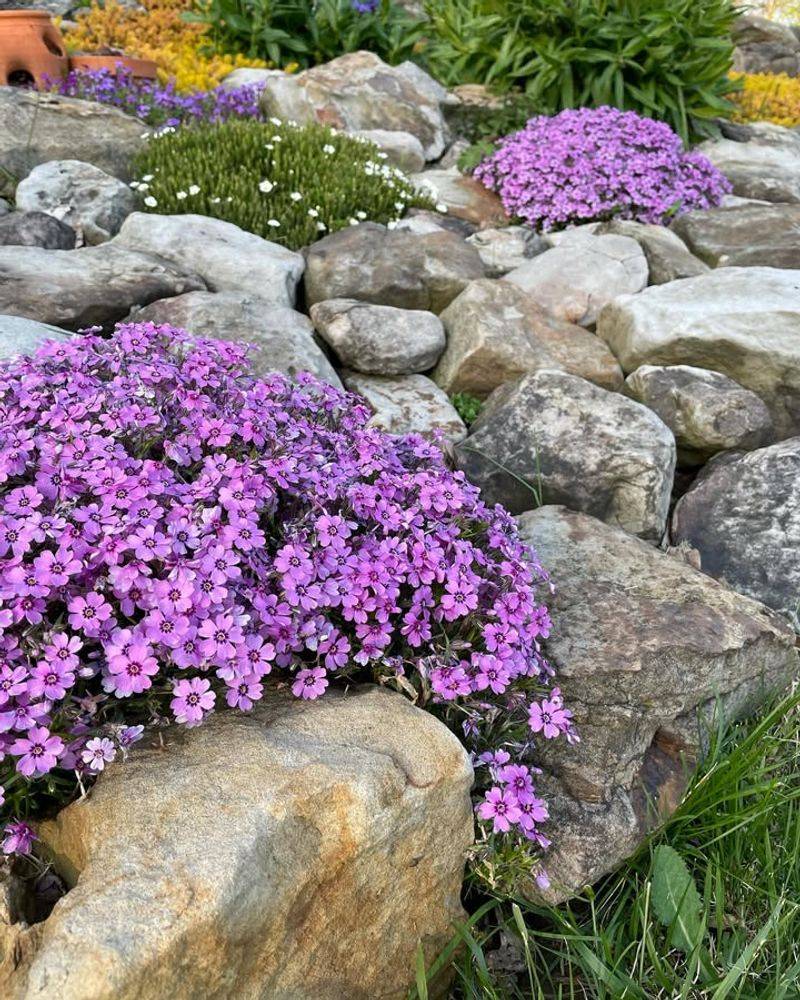
Creeping phlox is ideal for slopes, rock gardens, and challenging edges in Oregon gardens, where soil depth, drainage, and moisture can vary.
This low-spreading perennial forms a thick mat of evergreen foliage that, in early spring, is covered with small flowers in shades of pink, purple, lavender, and white.
It’s one of the earliest and most reliable sources of color in the garden, often starting to bloom in late February or early March depending on the microclimate.
Creeping phlox prefers full sun and well-draining soil, which suits Oregon’s sloped or rocky areas well. Once established, it is drought-tolerant and frost-hardy, making it resilient during March’s variable conditions.
Light trimming after flowering encourages denser growth and may promote a modest second bloom in fall.
This plant spreads gradually, filling gaps along paths, edging, or over rock walls while providing consistent ground coverage and suppressing weeds.
It works well in combination with early bulbs like daffodils and tulips, as the phlox foliage helps conceal fading leaves.
Its dense, colorful mats make it particularly attractive in public-facing garden areas or on slopes where soil stability is a concern.
For Oregon gardeners seeking reliable early-season impact and low-maintenance beauty, creeping phlox is a proven choice that balances color, structure, and adaptability.
8. Daffodils Brighten Beds With Early Bulb Blooms
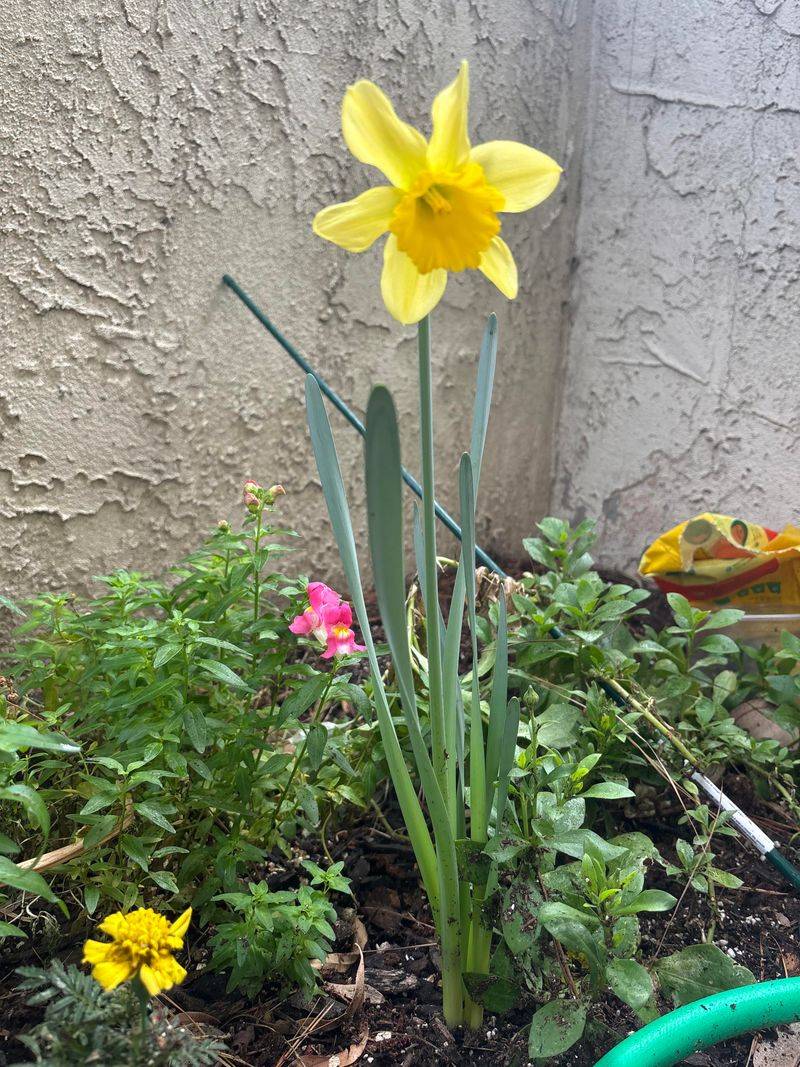
Daffodils are among the most reliable early spring bulbs for Oregon gardens, consistently bringing color even during chilly, damp March conditions.
Planted in fall, the bulbs establish roots over the winter and emerge in late February through March, depending on regional temperatures and microclimates.
Their bright yellow and white blooms are resilient, cheerful, and largely deer-resistant, which is an advantage for both urban and rural Oregon gardens.
They thrive in full sun to partial shade and well-draining soil. Raised beds or slightly sloped sites help prevent waterlogging, which can be a risk in Oregon’s wet winters and springs.
Planting bulbs 6 to 8 inches deep provides insulation against temperature swings and supports strong stems for flowering.
Daffodils naturalize easily, returning year after year, and can gradually spread to form larger clumps with minimal maintenance.
After flowering, it’s important to leave foliage until it yellows and dies back naturally. The leaves feed the bulb for next year’s bloom and help prevent weakening over time.
Daffodils pair well with spring perennials, early bulbs, and ground covers, filling gaps as other plants emerge.
For Oregon gardeners, daffodils are a low-maintenance, high-impact solution for creating early-season color that reliably handles the state’s in-between spring weather.
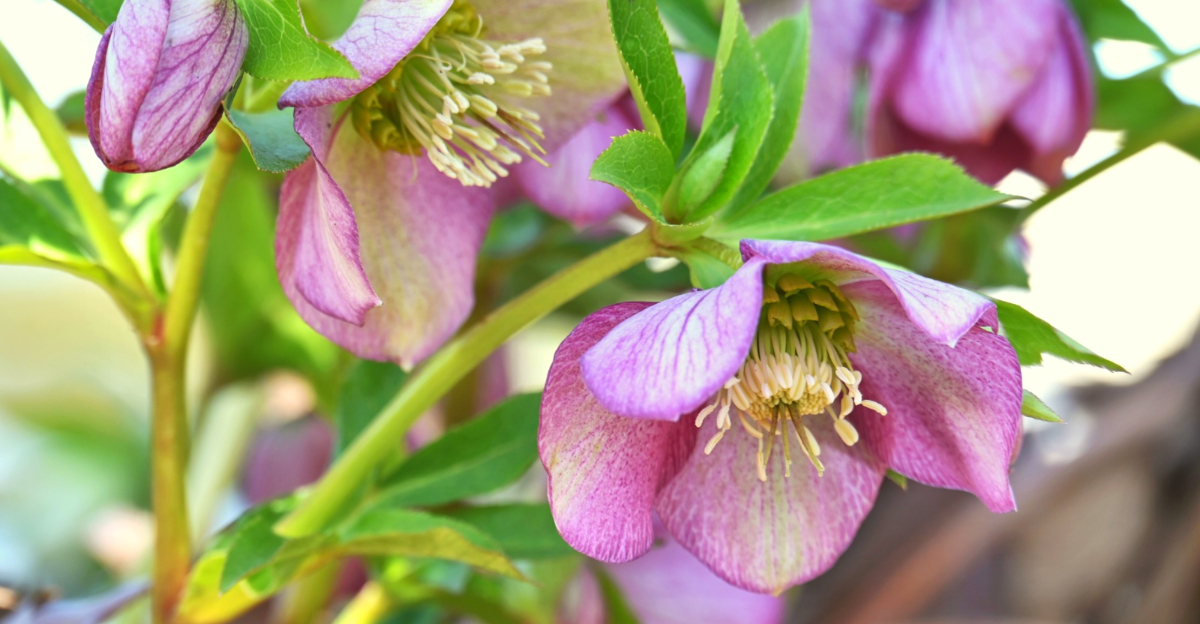
9. Hellebores Bring Late Winter To Early Spring Interest
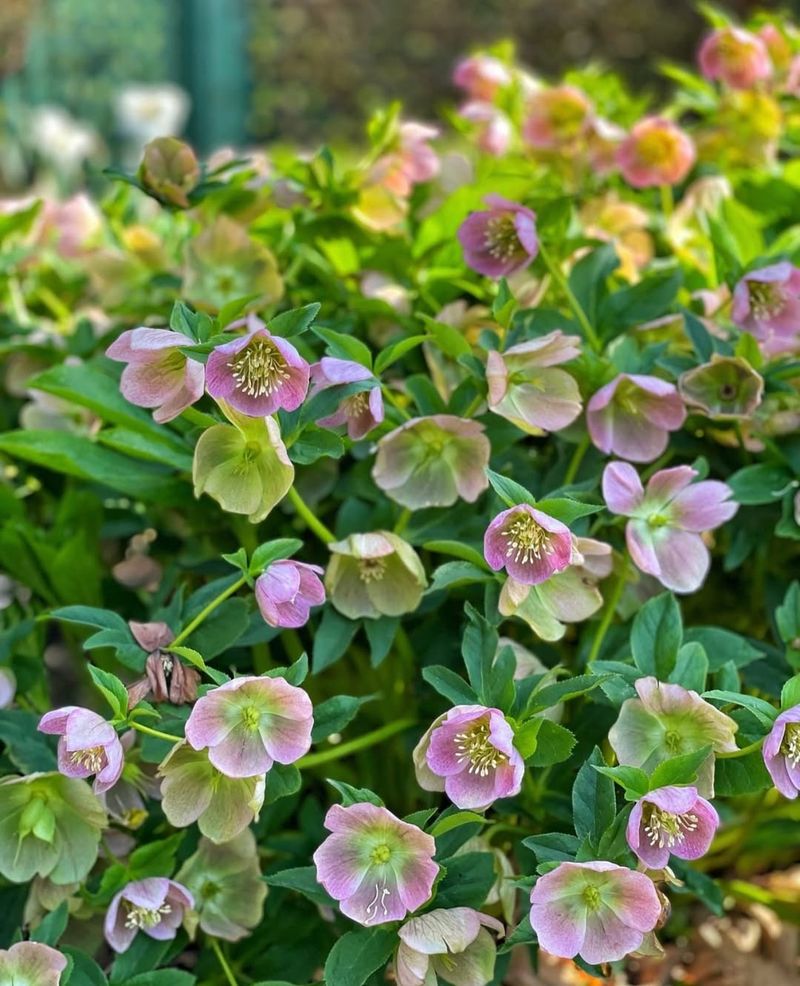
Hellebores are evergreen perennials that bring elegance to Oregon gardens when most other plants are still dormant.
Blooming as early as January in mild coastal regions and continuing through March and April, their nodding flowers in shades of cream, blush, deep plum, burgundy, and near-black brighten shaded beds.
They tolerate cool, wet soil and partial to full shade, making them well suited to Oregon’s woodland edges, north-facing borders, and damp areas where other plants struggle.
Hellebores are long-lived and generally low-maintenance once established. They tolerate summer drought and winter wetness but can be affected by slugs, which may feed on young foliage.
Applying organic deterrents or monitoring plants helps protect them. Removing old foliage in late winter before new growth emerges enhances flower visibility and maintains a tidy appearance.
Many varieties self-seed gently over time, gradually filling beds with natural clusters that complement early bulbs or shade-loving perennials.
Because hellebores bloom when few other plants do, they provide continuous interest during Oregon’s “in-between” spring weather.
They also establish slowly but steadily, rewarding gardeners who invest in early planting and proper siting.
With proper care, these perennials offer dependable early-season color, texture, and structure for years in Oregon gardens.
10. Tulips Offer Reliable Color When Temperatures Fluctuate
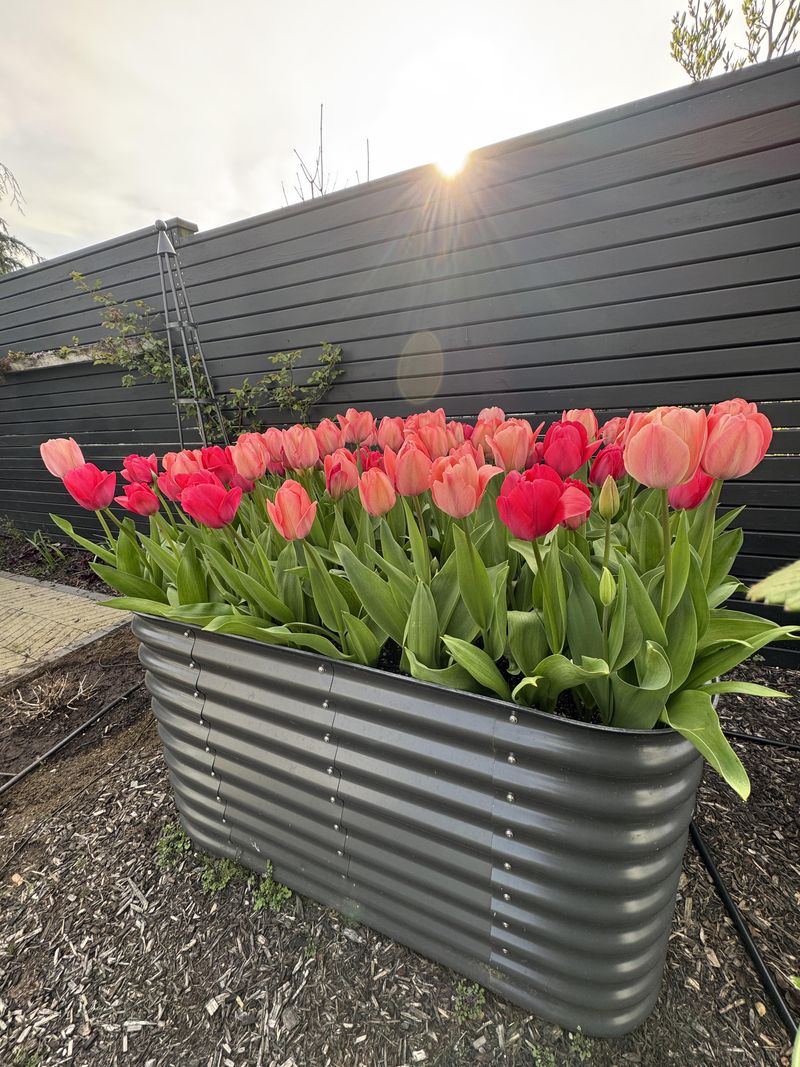
Tulips are one of the earliest and most recognizable signs that Oregon spring has arrived, bringing bold, saturated color to garden beds even when temperatures swing dramatically.
Mid-spring in Oregon often alternates between warm, sunny days and sudden cold snaps, and tulips handle these fluctuations well, making them a reliable choice for early-season impact.
Their upright, cup-shaped flowers create a vibrant focal point in mixed beds, borders, and containers, adding structure as well as color.
Planted in fall, tulip bulbs establish roots during Oregon’s cool, wet winter months and are ready to bloom in late February through March in coastal and Willamette Valley gardens, with slightly later emergence in cooler inland or higher-elevation areas.
Tulips prefer full sun and well-draining soil; raised beds or sloped sites help prevent waterlogged conditions that can rot bulbs in Oregon’s wet winters.
Amending heavy clay soils with compost or coarse sand improves drainage and encourages healthy root development.
Planting bulbs 6 to 8 inches deep helps insulate them against temperature swings at the soil surface. Using a mix of early, mid-, and late-season varieties extends the bloom period across the full spring.
After flowering, letting foliage yellow and fade naturally allows the bulbs to store energy for the following year.
In most Oregon gardens, tulips naturalize over several seasons, returning reliably with minimal intervention.