The Best Plants For Pennsylvania Homes That Don’t Need Constant Watering
Keeping plants alive and thriving doesn’t have to mean constantly watering or fussing over them, especially if you live in Pennsylvania.
Whether you’re dealing with dry indoor air during winter or simply don’t want high-maintenance houseplants, there are plenty of beautiful, hardy plants that actually prefer a bit of neglect.
From leafy greens that love indirect light to flowering favorites that forgive the occasional missed watering, the right plant can bring life to your home with less effort.
Many Pennsylvania homeowners are turning to drought-tolerant options that can handle the state’s seasonal swings and still look fantastic year-round.
If you’ve ever felt guilty about forgetting to water, or if you’re just looking to simplify your indoor or outdoor plant routine, you’re in the right place.
Check out the best low-water plants that thrive in Pennsylvania homes, with less stress and more green.
1. Snake Plant (Sansevieria)
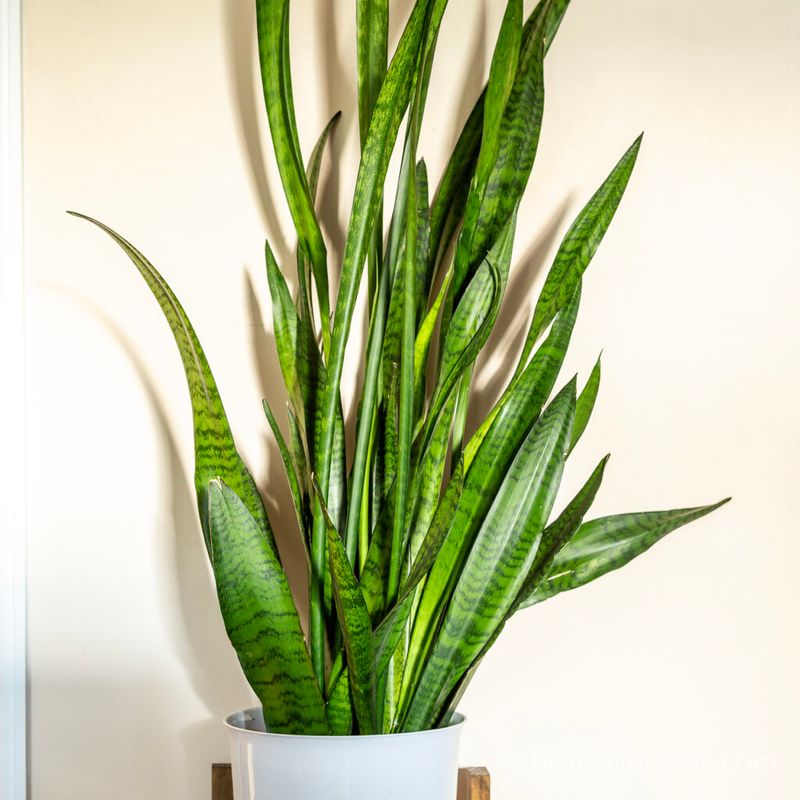
Snake plants practically thrive on neglect, making them absolute champions for Pennsylvania homeowners who travel frequently or simply forget to water. Their thick, sword-like leaves store water efficiently, allowing them to go weeks without a single drink.
You’ll find these architectural beauties can handle low light conditions common in Pennsylvania winter months when days grow shorter and natural sunlight becomes scarce.
The vertical growth pattern makes snake plants ideal for tight spaces like apartments or smaller rooms throughout Pennsylvania homes.
They naturally purify indoor air by removing toxins, which is especially helpful during winter when homes stay sealed tight against the cold.
Most varieties feature striking patterns with green leaves edged in yellow or silver, adding visual interest without demanding attention.
Watering once every two to three weeks during warmer months is plenty, and you can stretch that to once monthly in winter.
Pennsylvania’s indoor heating can dry out soil faster, but snake plants handle this beautifully. Their root systems are small and compact, so they don’t need frequent repotting either.
Place them anywhere from bright indirect light to shadowy corners, and they’ll adapt without complaint. Just avoid overwatering, which is truly the only way to harm these tough plants.
Perfect for bedrooms, offices, or any space in your Pennsylvania home needing easy greenery.
2. ZZ Plant (Zamioculcas Zamiifolia)
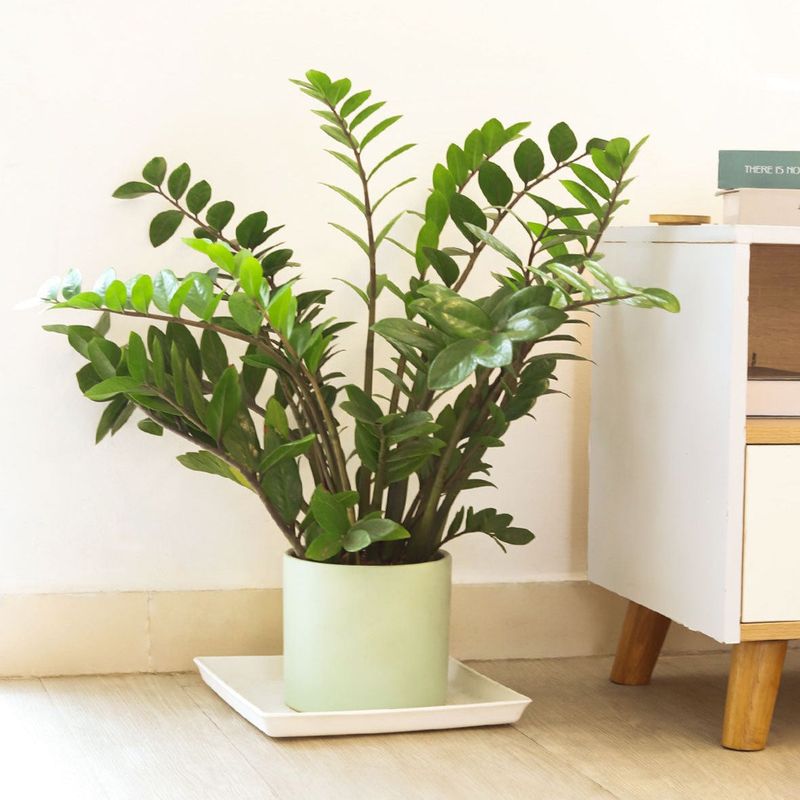
Glossy, almost plastic-looking leaves make the ZZ plant one of the most visually striking options for Pennsylvania interiors. Those shiny leaves aren’t just for show though.
They’re actually designed to retain moisture incredibly well, letting this plant survive extended periods without water. Pennsylvania homeowners love how forgiving these plants are when life gets busy.
ZZ plants grow from thick rhizomes underground that store water like tiny reservoirs. This natural adaptation means you can water sparingly, roughly every two to three weeks, without causing any stress.
During Pennsylvania’s colder months, you might only need to water once monthly since growth naturally slows down.
The upright stems create an elegant, tree-like appearance that works beautifully in corners or as statement pieces in Pennsylvania living rooms.
They tolerate low light remarkably well, though they’ll grow faster with moderate indirect light. This flexibility makes them suitable for almost any room in your home.
New growth emerges as bright lime-green shoots that gradually darken to match the mature foliage.
Watching this transformation adds subtle excitement without requiring any extra care. ZZ plants rarely need fertilizing and can stay in the same pot for years.
Their resistance to pests and diseases makes them practically bulletproof for Pennsylvania indoor conditions. Just remember that all parts are toxic if ingested, so keep them away from curious pets or small children.
3. Pothos (Epipremnum Aureum)
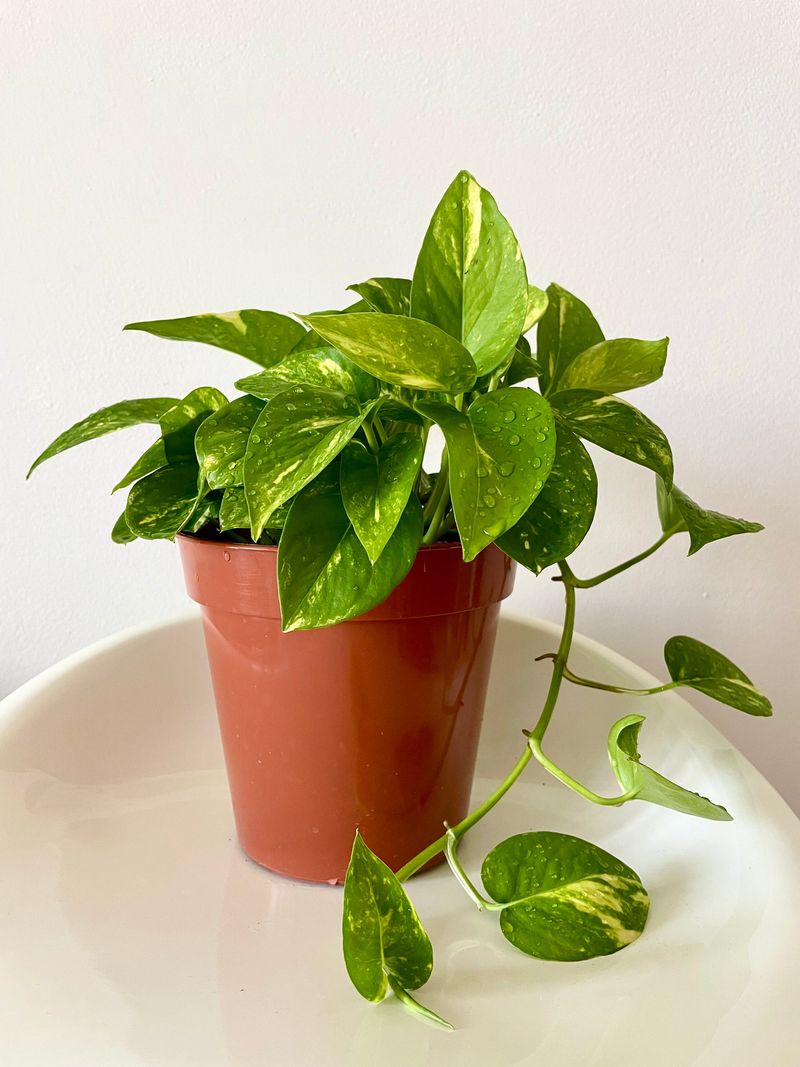
Heart-shaped leaves cascading from shelves or hanging baskets make pothos a favorite trailing plant across Pennsylvania households. This vining beauty signals when it needs water by letting its leaves droop slightly, then perks right back up after drinking.
That built-in communication system takes the guesswork out of care routines for Pennsylvania plant parents.
Pothos grows incredibly fast under the right conditions, quickly filling empty spaces with lush greenery. The vines can stretch several feet long, creating dramatic displays perfect for bookshelves, mantels, or hanging planters throughout Pennsylvania homes.
You can easily trim them back if they get too long, and those cuttings root readily in water to create new plants.
Watering every week to ten days works well, though pothos can handle stretches up to two weeks if needed. Pennsylvania’s indoor heating during winter months might require slightly more frequent watering, but the plant will tell you when it’s thirsty.
These adaptable plants tolerate various light conditions from bright indirect to moderate shade.
Golden pothos features yellow and green variegation, while marble queen shows white and green patterns.
Both varieties maintain their colors even in lower light situations common in Pennsylvania homes during winter. They’re also excellent air purifiers, removing indoor pollutants naturally.
Pothos rarely suffers from pest problems and grows happily in regular potting soil. Their easygoing nature makes them perfect starter plants for Pennsylvania residents new to indoor gardening.
4. Spider Plant (Chlorophytum Comosum)
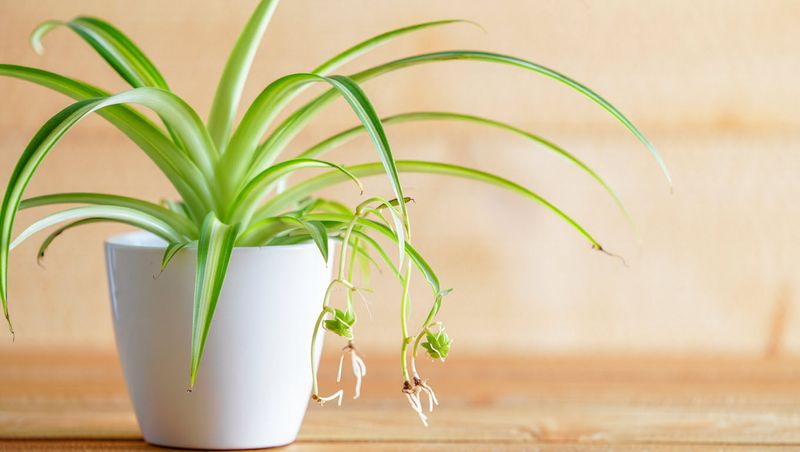
Arching leaves striped with white or cream create a fountain-like effect that brightens any Pennsylvania room. Spider plants earn their name from the baby plantlets that dangle from long stems, looking like tiny spiders suspended in air.
These babies root easily, making spider plants fun for Pennsylvania gardeners who enjoy propagating new plants.
Thick, fleshy roots store water underground, allowing spider plants to tolerate inconsistent watering schedules. You can water weekly during active growth periods, but they’ll forgive you if you forget for two weeks occasionally.
Pennsylvania homeowners appreciate how these plants bounce back quickly even after getting too dry.
Brown leaf tips sometimes appear when humidity drops too low during Pennsylvania winters with indoor heating running constantly. Simply trim off the brown parts with scissors, and the plant continues growing happily.
Misting occasionally or grouping plants together helps maintain adequate moisture in the air.
Spider plants prefer bright indirect light but adapt to medium light conditions found in many Pennsylvania homes.
They produce small white flowers on long stems before baby plants develop. Those plantlets can stay attached or be removed and potted separately.
These plants are non-toxic to pets, making them safe choices for Pennsylvania households with curious cats or dogs. They grow quickly and fill out nicely, creating full, lush displays within months.
Regular potting soil and occasional feeding during growing season keep them thriving with minimal effort.
5. Aloe Vera
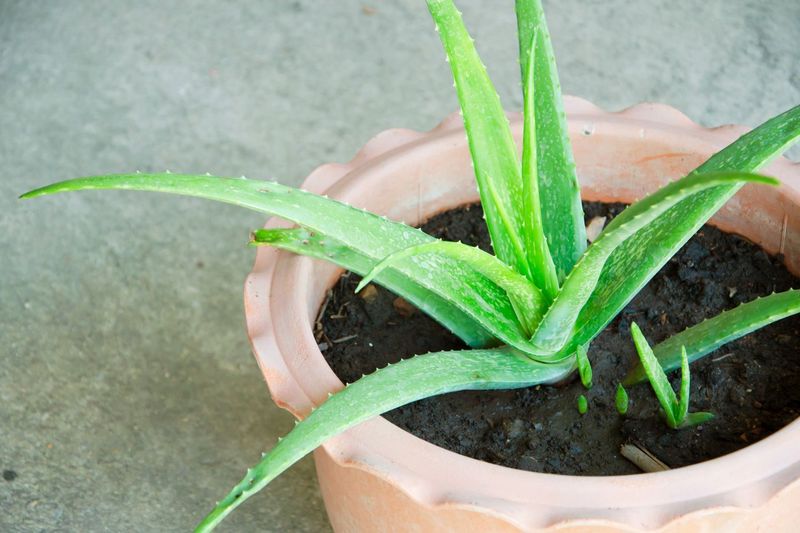
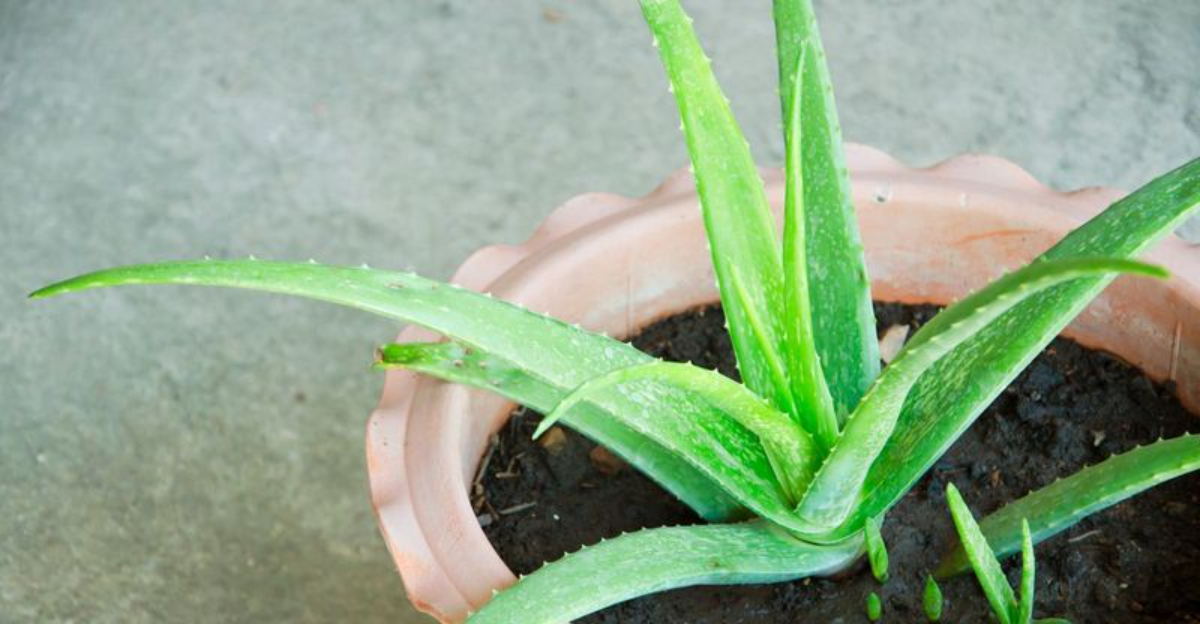
Thick, gel-filled leaves make aloe vera both decorative and functional for Pennsylvania homes.
Everyone knows about aloe’s soothing properties for minor burns and skin irritations, but fewer people realize how incredibly easy these succulents are to maintain indoors.
Their water-storing leaves mean you can skip watering for weeks without causing any harm.
Aloe vera thrives in Pennsylvania homes when placed near sunny windows where they receive several hours of bright light daily. South or west-facing windows work perfectly during winter months when Pennsylvania sunlight is less intense.
The plants grow slowly but steadily, producing new leaves from the center while older outer leaves mature.
Watering every two to three weeks is typically sufficient, with less frequent watering needed during Pennsylvania’s darker winter months. The soil should dry completely between waterings to prevent root rot.
Terracotta pots work wonderfully because they allow excess moisture to evaporate through the porous material.
Mature plants produce offsets called pups that grow around the base. These can be separated and potted individually, giving you new plants to enjoy throughout your Pennsylvania home or share with friends.
Aloe rarely needs fertilizing and can stay in the same pot for several years.
The sculptural rosette shape adds architectural interest to windowsills, desks, or plant stands. Just remember that aloe prefers being slightly pot-bound rather than having too much space.
These Mediterranean natives handle Pennsylvania’s indoor conditions beautifully with minimal fuss.
6. Jade Plant (Crassula Ovata)
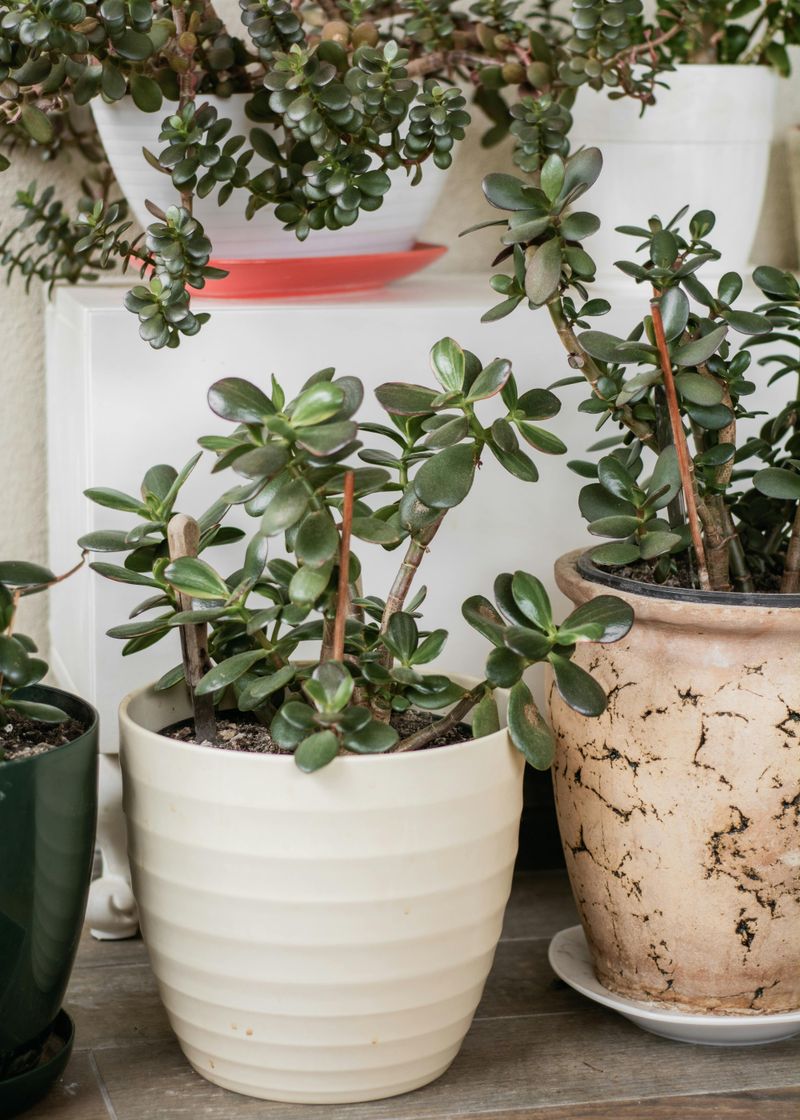
Miniature tree-like appearance develops as jade plants mature, with thick trunks and branches covered in plump, oval leaves. Pennsylvania homeowners often pass these plants down through generations because they can live for decades with proper care.
Their woody stems and substantial presence make them feel more like tiny sculptures than typical houseplants.
Jade plants store massive amounts of water in their thick leaves, making them extremely drought-tolerant.
Watering every two to three weeks during active growth is plenty, and you can stretch that to monthly during Pennsylvania winters. The leaves will wrinkle slightly when the plant needs water, providing a helpful visual cue.
Bright light is essential for jade plants to maintain compact growth and potentially produce small white or pink flowers. Pennsylvania homes with sunny windowsills provide ideal conditions, especially south-facing exposures.
Without adequate light, jade plants become leggy and stretched, losing their attractive compact form.
These succulents prefer cooler temperatures during winter months, which naturally occurs in Pennsylvania homes. This cooling period can actually encourage blooming in mature specimens.
Well-draining soil is crucial, so mixing regular potting soil with perlite or coarse sand works perfectly.
Jade plants grow slowly but can eventually reach several feet tall. Their heavy leaves and thick stems mean they need sturdy pots to prevent tipping.
Pennsylvania plant enthusiasts enjoy training jade plants into bonsai-style shapes through careful pruning. The plants tolerate this trimming well and respond by growing even denser foliage.
7. Cast Iron Plant (Aspidistra Elatior)
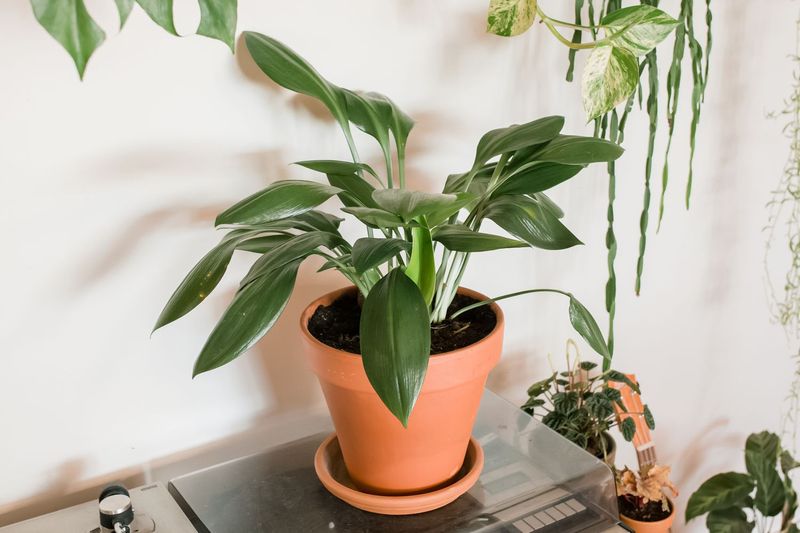
Virtually indestructible resilience makes cast iron plants legendary among Pennsylvania gardeners who struggle with other houseplants.
Long, dark green leaves emerge directly from the soil, creating a lush, tropical appearance without any fussy care requirements.
These Victorian-era favorites earned their common name by tolerating conditions that would devastate most other plants.
Cast iron plants handle low light better than almost any other houseplant, making them perfect for Pennsylvania rooms with limited natural light. They’ll grow in corners, hallways, or north-facing rooms where other plants would struggle.
Slow growth means they maintain their size and shape for extended periods without outgrowing their space.
Watering every ten to fourteen days works well, though cast iron plants can handle longer stretches if necessary. Pennsylvania homeowners traveling frequently appreciate how forgiving these plants are about inconsistent care.
The thick rhizomes underground store water and nutrients, providing reserves during dry periods.
Temperature fluctuations don’t bother cast iron plants, whether from Pennsylvania’s cold drafts in winter or heat waves in summer.
They also tolerate dust accumulation on their leaves, though occasional wiping keeps them looking their best. Pests rarely bother these tough plants.
Variegated varieties feature white or cream stripes along the leaves, adding extra visual interest. All types grow slowly, making them long-term investments for Pennsylvania homes.
They rarely need repotting and can stay in the same container for years. Regular potting soil works fine, and fertilizing is optional. These are truly set-it-and-forget-it plants for busy Pennsylvania households.
8. Ponytail Palm (Beaucarnea Recurvata)
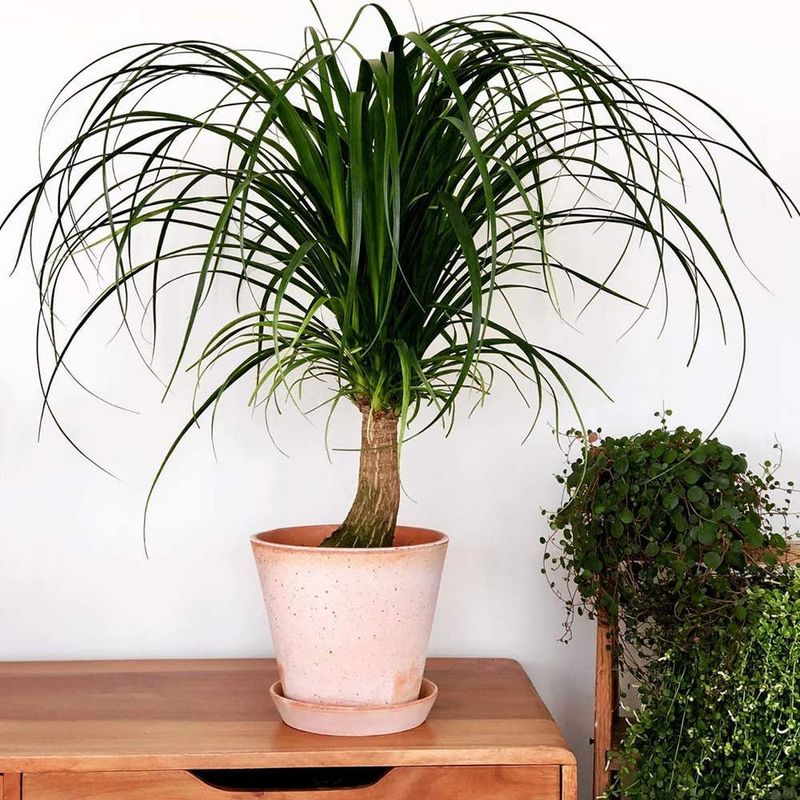
Whimsical appearance sets ponytail palms apart from typical houseplants, with their bulbous trunks and cascading leaves resembling wild hairstyles.
That swollen base isn’t just decorative; it’s actually a water storage organ that allows these plants to survive extreme drought. Pennsylvania homeowners love the quirky personality these plants bring to their spaces.
Despite the common name, ponytail palms aren’t true palms but rather succulents from Mexico.
This desert heritage makes them perfectly suited for Pennsylvania homes where watering might happen sporadically. The trunk expands as it stores water, visibly shrinking slightly when reserves run low.
Watering every two to three weeks is typically adequate, with less frequent watering needed during Pennsylvania’s darker winter months.
These plants actually prefer being underwater rather than overwatered, making them ideal for forgetful plant parents. Well-draining soil is essential to prevent root problems.
Bright indirect light helps ponytail palms thrive, though they tolerate medium light conditions found in many Pennsylvania homes.
The long, thin leaves cascade gracefully from the top of the trunk, sometimes reaching several feet in length. Older plants may develop multiple trunks, creating even more dramatic displays.
Ponytail palms grow very slowly, maintaining their size for years in the same pot. This slow growth means less maintenance overall for Pennsylvania residents.
They rarely need fertilizing and resist most common houseplant pests. The sculptural trunk and playful foliage make them conversation starters that require almost no effort to maintain successfully.