The 10 Best Plants Ohio Gardeners Choose For Backyard Wildlife
You step into your Ohio backyard and see the same scene most neighbors know well. A stretch of grass, a few shrubs, not much wildlife beyond the occasional robin.
Yet many local gardeners have already turned spaces like yours into busy habitats filled with butterflies, goldfinches, hummingbirds, and buzzing pollinators. The change did not require huge effort or expert skills.
It started with the right plants. Native species handle Ohio weather, grow in familiar soil, and provide the food and shelter that local wildlife needs every day.
You notice more birds at the feeder, more color across the yard, more life in every corner. Even small planting areas can produce real results across the seasons.
The plants ahead stand out across Ohio gardens for one reason. They work.
Plant them once, care for them well, and watch your backyard fill with movement, sound, and living color year after year.
1. Purple Coneflower Brings Pollinators All Summer
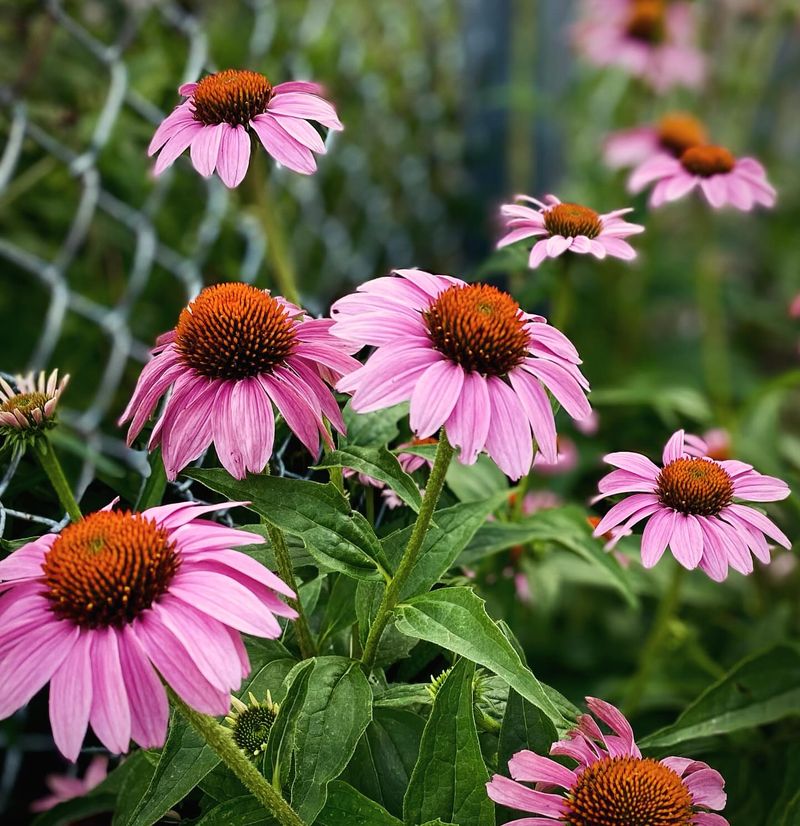
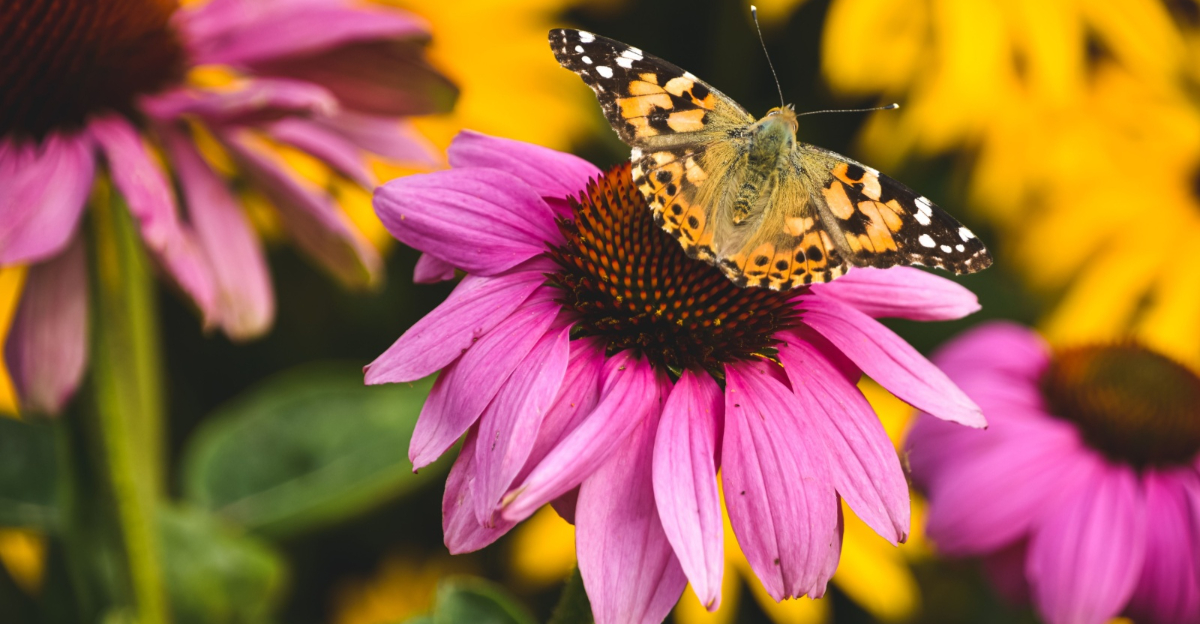
Bees arrive within hours of the first blooms opening. Purple coneflower starts its show in June and keeps going strong through September, offering nectar when many other flowers have faded.
The raised orange cone in the center acts like a landing pad for bumblebees, honeybees, and dozens of native bee species that pack pollen onto their legs.
Goldfinches love the seed heads that form after petals drop. They perch on the sturdy stems and pick out seeds through fall and winter, giving you front-row seats to their acrobatics.
Leaving the dried flower heads standing also provides shelter for beneficial insects that overwinter in the hollow stems.
This perennial thrives in Ohio’s clay soils and handles summer heat without constant watering. Plant it in full sun where it grows two to four feet tall with minimal fuss.
The tough roots spread slowly to form clumps that get more impressive each year.
Purple coneflower pairs beautifully with black-eyed Susans and wild bergamot in pollinator gardens. Deer usually leave it alone, which makes it perfect for suburban yards where browsing can be a challenge.
2. Black Eyed Susan Lights Up Wildlife Gardens
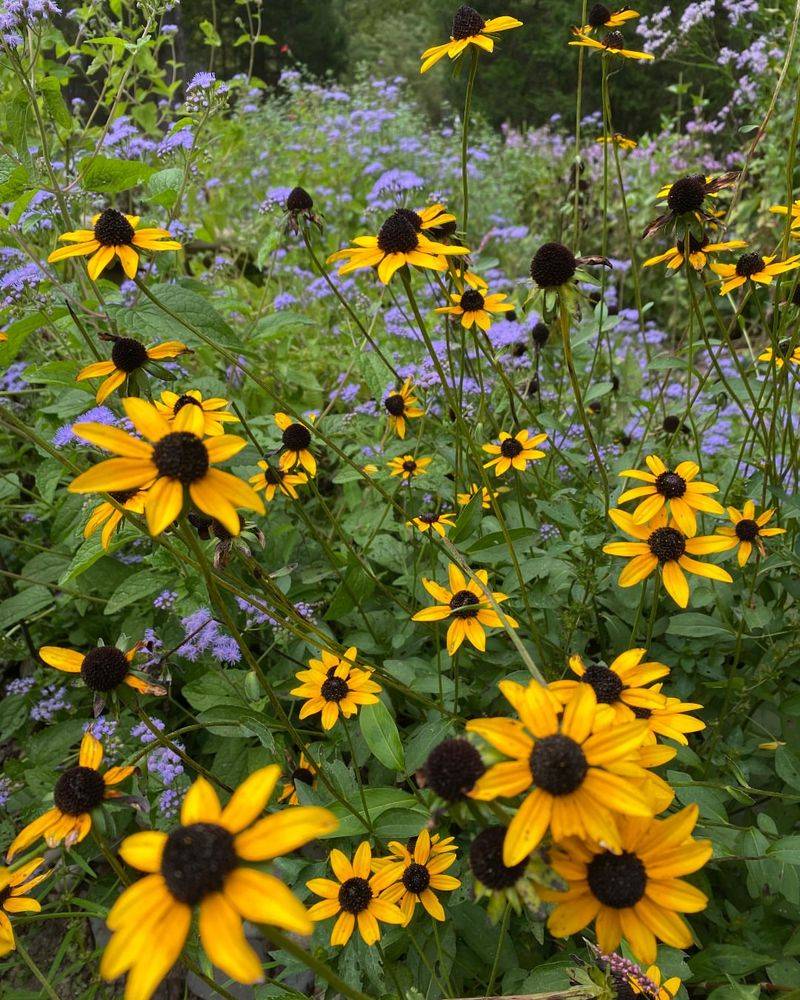
Golden petals with chocolate centers make black-eyed Susans impossible to miss from midsummer through fall. These cheerful flowers grow wild along Ohio roadsides, but they shine even brighter when given a spot in your garden.
Native bees work the blooms from dawn to dusk, and you’ll often see several species feeding on a single plant at once.
Butterflies use the nectar to fuel up for migration or to build fat reserves before winter. Skippers, swallowtails, and painted ladies are regular visitors.
The seeds ripen in late fall and become an important food source for chickadees, nuthatches, and other small birds that stick around through cold months.
Black-eyed Susans handle drought better than most garden flowers once their roots establish. They grow well in average soil and full sun, reaching heights of one to three feet depending on the variety.
These tough plants reseed themselves naturally, so you’ll see new volunteers popping up each spring.
Planted in drifts, they create waves of color that look stunning against ornamental grasses. They’re perfect for new gardeners because they forgive mistakes and reward you with months of bright blooms.
3. Common Milkweed Supports Monarch Butterflies
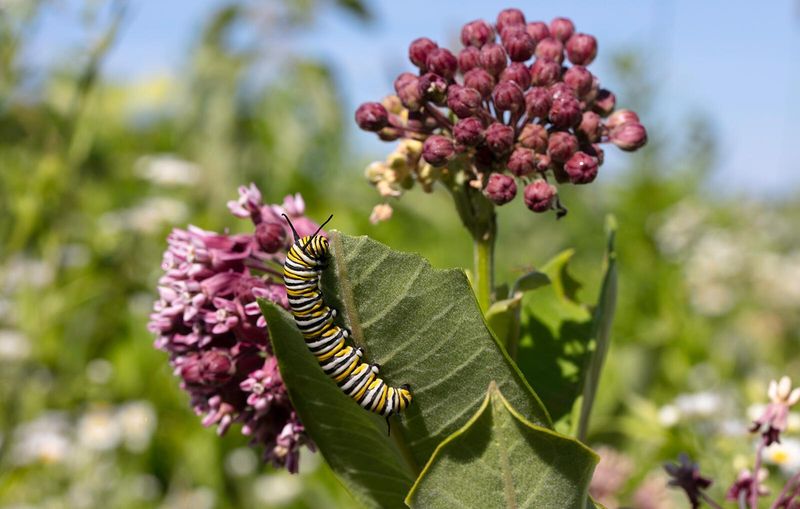
Monarch caterpillars eat only milkweed species. Without milkweed, these iconic orange and black butterflies cannot complete their life cycle.
Common milkweed grows wild across Ohio, but habitat loss has reduced the plants that monarchs desperately need during their incredible migration journey.
The pink flower clusters bloom in June and smell sweetly of vanilla on warm evenings. Bees swarm the blossoms, and you’ll often find them covered with dozens of insects collecting nectar.
After flowering, the plants produce unique seed pods that split open in fall to release silky-tufted seeds that float on the breeze.
This perennial spreads through underground rhizomes and can form large patches over time. Give it space in a sunny spot where it won’t crowd out smaller plants.
The stems grow three to five feet tall and have thick leaves that monarch caterpillars devour with enthusiasm.
Milkweed also hosts other native insects including milkweed beetles and aphids that don’t harm the plant. These insects become food for ladybugs and other beneficial predators, creating a balanced mini ecosystem.
Plant several clumps to ensure monarchs find them when passing through Ohio during spring and fall migrations.
4. Wild Bergamot Attracts Bees And Butterflies
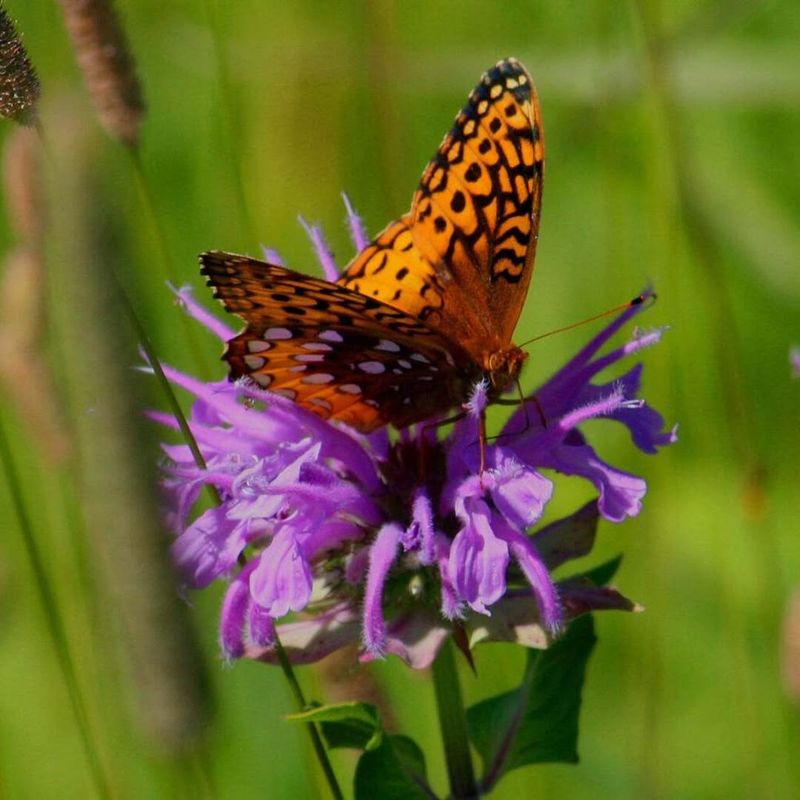
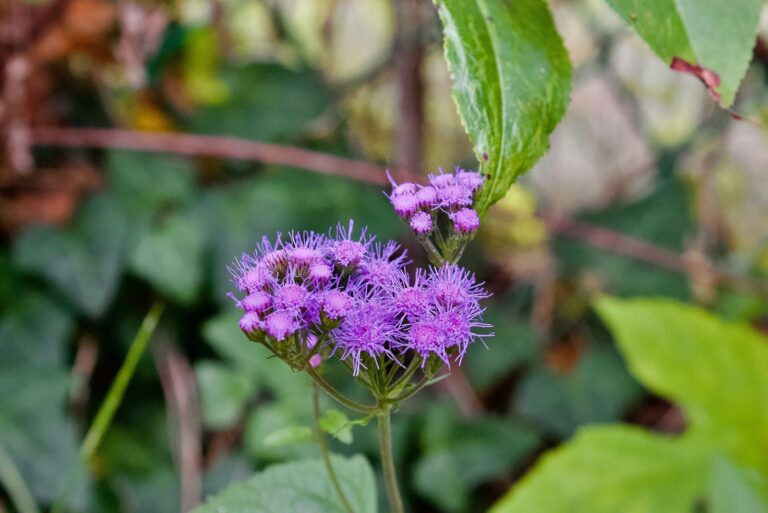
Hummingbirds zip between the tubular flowers while bumblebees hang upside down to reach the nectar. Wild bergamot creates a feeding frenzy in July and August when its lavender-pink blooms open in shaggy clusters.
The minty fragrance fills the air on hot afternoons, and brushing against the leaves releases an even stronger scent.
Long-tongued bees especially love this plant because the flower tubes match their anatomy perfectly. You’ll see them covered in pollen as they move from bloom to bloom.
Butterflies including swallowtails and fritillaries also visit frequently, using their long proboscis to sip nectar from deep within the flowers.
Wild bergamot tolerates a wide range of soil conditions and grows well in both full sun and partial shade. The plants reach two to four feet tall and spread gradually to form attractive clumps.
They’re resistant to deer browsing and usually handle Ohio’s humid summers better than many garden bee balms, though some powdery mildew can still occur in late summer.
The dried seed heads provide food for goldfinches and sparrows through winter. Native Americans and early settlers used the leaves to make tea, which is how it earned the nickname bee balm.
Plant it near your patio to enjoy watching the constant parade of pollinators.
5. Butterfly Weed Fuels Bright Pollinator Activity
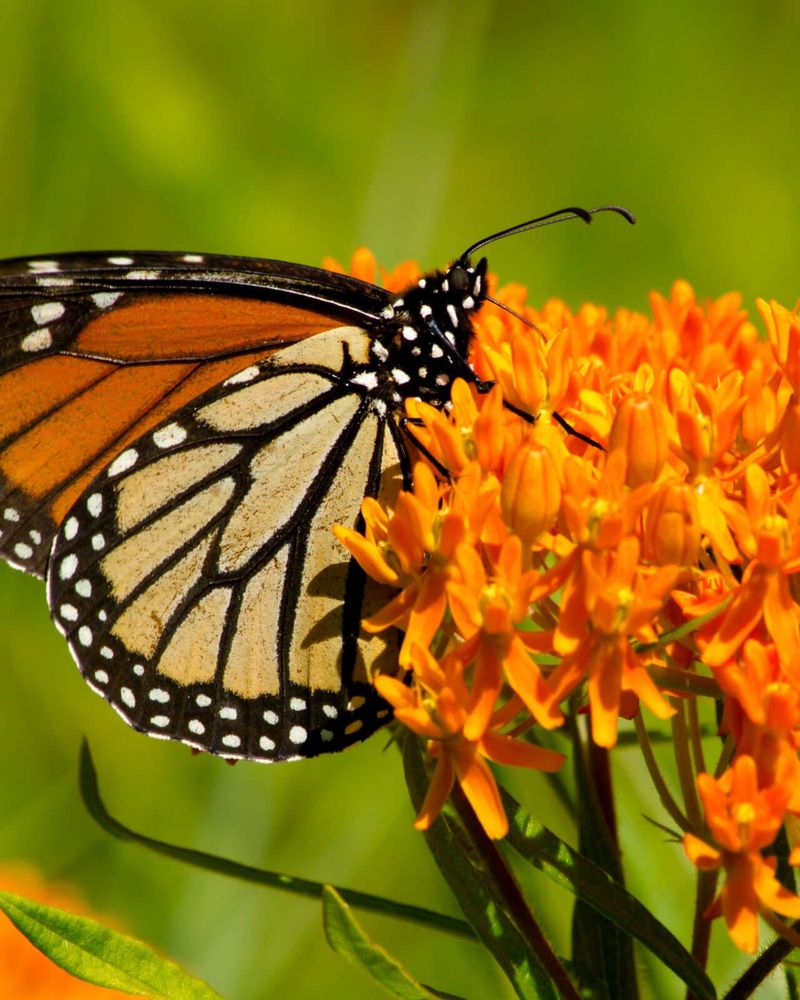
Orange flames seem to burst from the ground when butterfly weed blooms in June. The color is so intense it stops people in their tracks.
This milkweed relative hosts monarch caterpillars just like its cousin, but it also draws an incredible variety of other butterflies that come for the abundant nectar.
Swallowtails, hairstreaks, and skippers crowd the flower clusters on sunny days. Native bees join the feast, and you’ll often count a dozen different pollinator species on a single plant.
The flowers produce nectar for weeks, making butterfly weed one of the hardest-working plants in a wildlife garden.
Unlike common milkweed, butterfly weed doesn’t spread aggressively. It grows from a deep taproot that makes it extremely drought-tolerant once established.
The plants reach one to two feet tall and prefer well-drained soil in full sun. They’re perfect for hot, dry spots where other plants struggle.
Butterfly weed also comes in yellow and red varieties, and all color forms provide excellent nectar for pollinators. The plants go dormant late in spring, so mark their location to avoid digging them up accidentally.
Ohio gardeners prize this native for its low maintenance needs and spectacular wildlife value.
6. Serviceberry Feeds Birds Through The Seasons
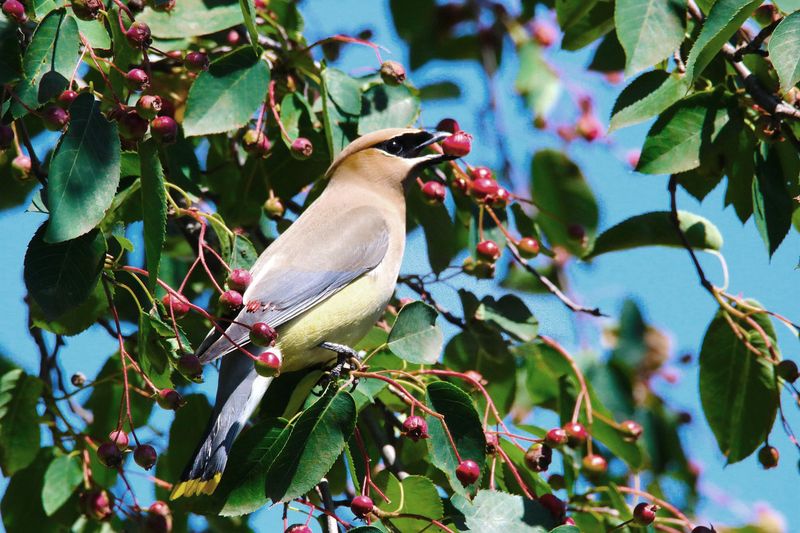
White flowers appear before most trees leaf out in April, providing early nectar for native bees emerging from hibernation. Serviceberry blooms signal that spring has truly arrived in Ohio.
The delicate petals look like clouds against bare branches and attract the first butterflies of the season.
By June, the branches hang heavy with purple-black berries that taste like sweet blueberries with a hint of almond. Robins, catbirds, and cedar waxwings devour the fruit as soon as it ripens.
You’ll need to pick quickly if you want berries for yourself because birds strip the branches within days.
This small tree or large shrub grows fifteen to twenty-five feet tall and works beautifully in landscapes of any size. The leaves turn brilliant orange and red in fall, adding seasonal color long after the berries disappear.
Serviceberry tolerates partial shade and adapts to various soil types common across Ohio.
The branching structure provides excellent nesting sites for songbirds in summer. In winter, the bark and buds feed browsing wildlife.
Planting serviceberry gives you four seasons of interest plus incredible wildlife value, making it one of the most versatile native plants for Ohio yards.
7. Eastern Redbud Welcomes Early Spring Pollinators
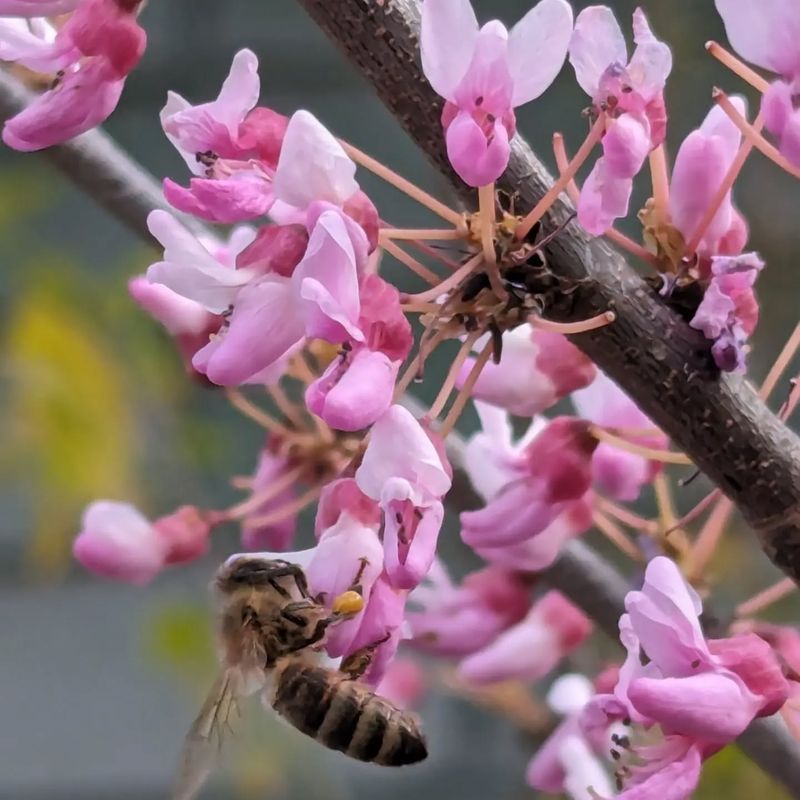
Pink-purple flowers emerge directly from the bark in April, creating a magical display before leaves appear. Eastern redbud announces spring’s arrival with thousands of tiny pea-like blooms that cover every branch and even the trunk.
Bumblebee queens just out of hibernation visit the flowers to gather protein-rich pollen for their new colonies.
Early butterflies including mourning cloaks and spring azures also feed on redbud nectar when few other flowers are available. The blooms last for several weeks, bridging the gap between late winter and the explosion of summer wildflowers.
Ruby-throated hummingbirds occasionally visit the flowers during spring migration, though redbud is not a primary hummingbird nectar plant.
This small tree grows twenty to thirty feet tall with a graceful spreading form that fits well in most yards. Heart-shaped leaves emerge after flowering and create light shade perfect for woodland wildflowers underneath.
In fall, the foliage turns soft yellow before dropping.
Eastern redbud grows naturally in Ohio forests and adapts easily to garden conditions. It tolerates clay soil and handles both sun and partial shade.
The seed pods that form after flowering feed birds and small mammals through winter, extending the wildlife benefits across all seasons.
8. White Oak Supports Generations Of Wildlife
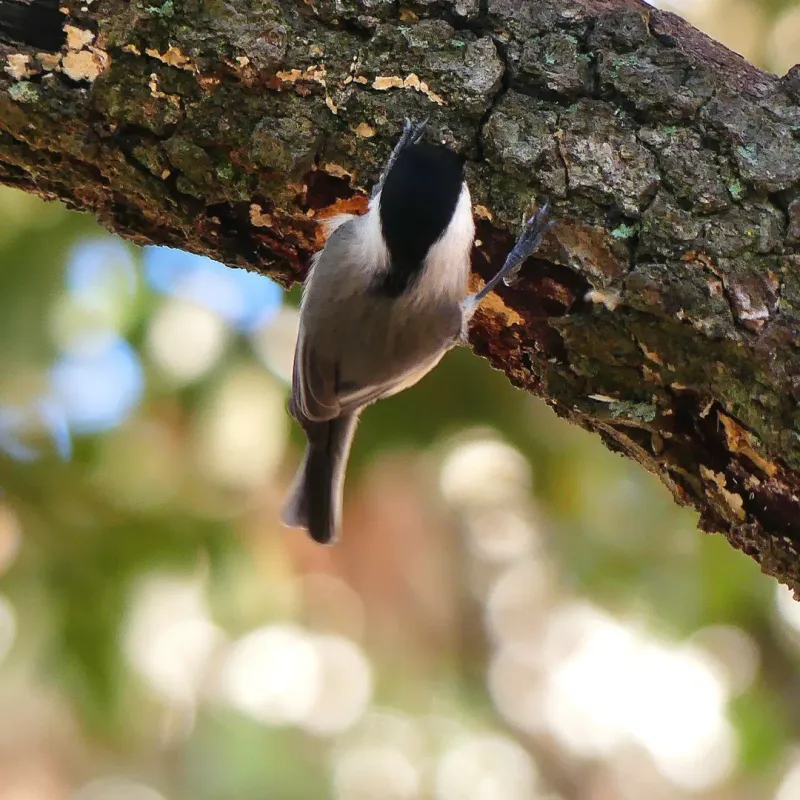
Hundreds of caterpillar species feed on oak leaves, making oaks among the most important wildlife trees in Ohio. Chickadees, warblers, and other insect-eating birds raise their babies on the protein-packed caterpillars found in oak canopies.
Without oaks, our forests would fall silent.
White oak acorns are less bitter than other oak species, so wildlife prefer them. Squirrels, chipmunks, blue jays, and wild turkeys gather the nuts as soon as they drop in fall.
Deer browse the acorns through winter when other food becomes scarce. A single mature white oak can produce thousands of acorns in a good year.
These magnificent trees grow slowly but live for centuries, becoming more valuable to wildlife with each passing decade. They eventually reach heights of sixty to eighty feet with massive spreading crowns.
The deeply lobed leaves turn rich burgundy or brown in fall and often cling to branches well into winter.
White oak grows best in full sun with deep, well-drained soil. Young trees need patience, but the wildlife benefits begin immediately as native insects colonize the leaves.
Planting an oak is a gift to future generations of both people and wildlife across Ohio.
9. Goldenrod Powers Late Season Pollinators
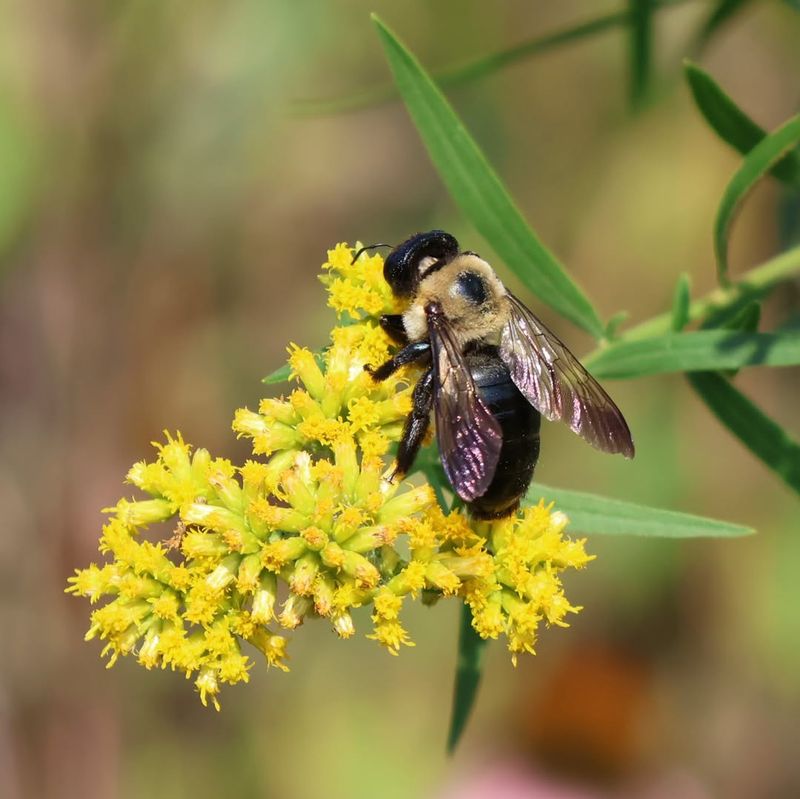
September gardens explode with golden plumes just when pollinators need fuel most. Goldenrod blooms as monarchs begin their migration south and as bees prepare for winter.
The bright yellow flowers produce massive amounts of nectar and pollen, creating a final feast before cold weather arrives.
Dozens of native bee species visit goldenrod, including specialists that collect pollen only from these plants. You’ll see the flowers vibrating with activity on warm fall afternoons.
Migrating butterflies stop to refuel, and the nectar helps them build the energy reserves needed for their long journey.
Goldenrod gets blamed for allergies, but the real culprit is ragweed that blooms at the same time. Goldenrod pollen is too heavy to become airborne, so it can’t trigger hay fever.
The plants grow two to five feet tall in full sun and tolerate poor soil better than most garden flowers.
Goldfinches and other seed-eating birds feast on the seed heads through fall and winter. The sturdy stems remain standing, providing shelter for overwintering insects.
Ohio has more than twenty native goldenrod species, and all of them support incredible numbers of pollinators during the critical late season period.
10. Little Bluestem Shelters Birds And Beneficial Insects
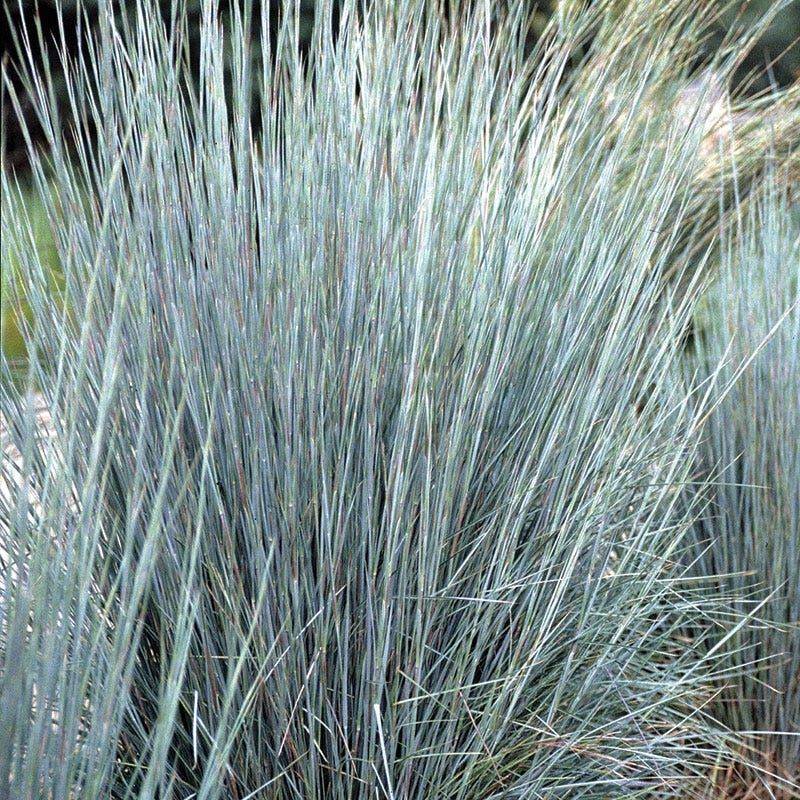
Blue-green blades glow in summer sun, then transform to brilliant copper and burgundy when fall arrives. Little bluestem creates year-round beauty while providing essential habitat for ground-nesting bees and other beneficial insects.
The dense clumps shelter creatures from predators and harsh weather.
Sparrows, juncos, and other seed-eating birds forage among the stems through winter, picking seeds from the delicate flower heads. The grass grows in neat bunches that don’t spread aggressively, making it perfect for smaller gardens.
Native caterpillars feed on the leaves, which in turn feeds the baby birds that need insects to grow.
This warm-season grass thrives in Ohio’s climate and handles drought, poor soil, and neglect with grace. It grows two to four feet tall in full sun and needs almost no maintenance once established.
The roots grow deep, preventing erosion and building healthy soil over time.
Little bluestem looks stunning planted in drifts or mixed with wildflowers like purple coneflower and black-eyed Susans. The coppery fall color persists through winter, adding warmth to cold-season landscapes.
More Ohio gardeners are discovering that native grasses like little bluestem create beautiful, low-maintenance habitats that support wildlife in ways that traditional lawns never can.