The 11 Best Plants That Help Birds Without Attracting Pests In Oregon

Watching birds visit your garden is one of those simple joys that never gets old. The trick, though, is making your yard inviting without unintentionally bringing along pests that can harm your plants.
In Oregon, where our climate can support a wide variety of wildlife, choosing the right plants makes all the difference.
Many gardeners worry that feeding or attracting birds means dealing with extra insects or critters. The good news is that there are plenty of plants that naturally provide food and shelter for birds while keeping pests at bay.
These plants can create a lively, feathered-friendly space without adding more work for you.
Whether you’re filling a small backyard, a patio container, or a larger garden bed, the right selection can encourage birds to visit regularly. You’ll enjoy the sights and sounds of wildlife while knowing your garden stays healthy and balanced.
If you’ve been looking for ways to make your Oregon garden more bird-friendly without the extra hassle, this list is a perfect place to start.
1. Oregon Crabapple (Malus fusca)
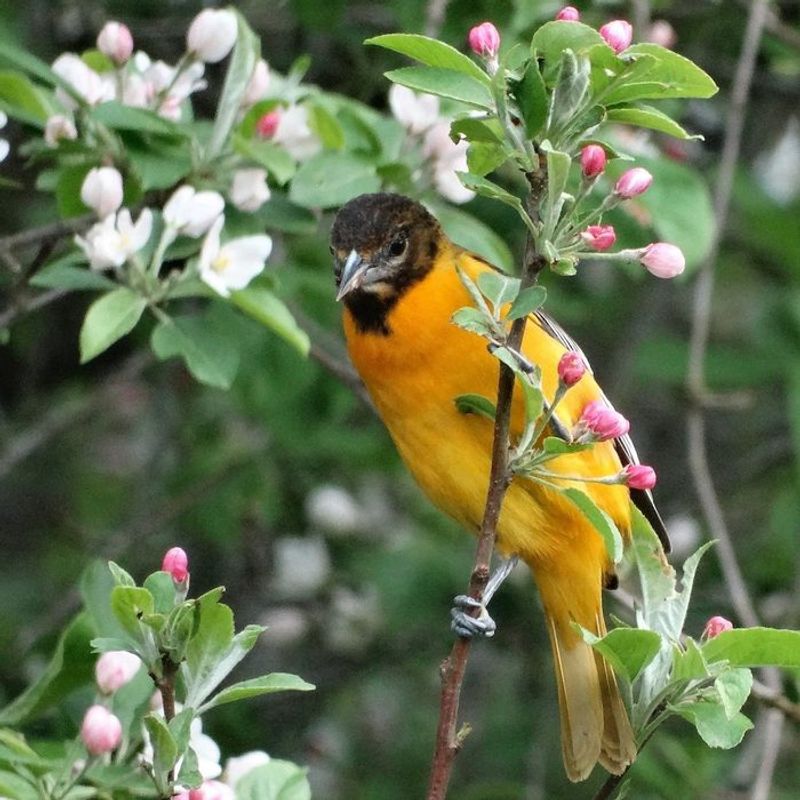
Picture a rainy November morning when most of your garden has gone dormant and the bird feeders sit empty. That’s when you’ll notice the real magic happening in the soggy corner of your yard where a small tree still holds clusters of tiny golden fruits.
Oregon Crabapple thrives in those wet spots that frustrate most gardeners, transforming problem areas into wildlife magnets.
Cedar waxwings, robins, and varied thrushes flock to these native trees throughout fall and winter, feasting on the tart little apples that cling to branches long after leaves drop.
The fruits ferment slightly as temperatures drop, making them even tastier to hungry birds during lean months.
Unlike ornamental crabapples that attract aphids and require constant spraying, this Pacific Northwest native resists most pests naturally.
Plant yours along creek banks, rain gardens, or anywhere water tends to collect. The tree stays relatively small, reaching about fifteen to thirty feet, making it perfect for typical Oregon yards.
Spring brings clouds of white-pink blossoms that feed early hummingbirds and native bees.
Maintenance is minimal since the tree evolved here and handles our wet winters and dry summers without complaint. Birds use the branching structure for nesting in spring, then return for fruit in fall, creating year-round habitat.
Your neighbors will wonder why your yard buzzes with bird activity while theirs stays quiet.
2. Oregon Grape (Mahonia aquifolium)
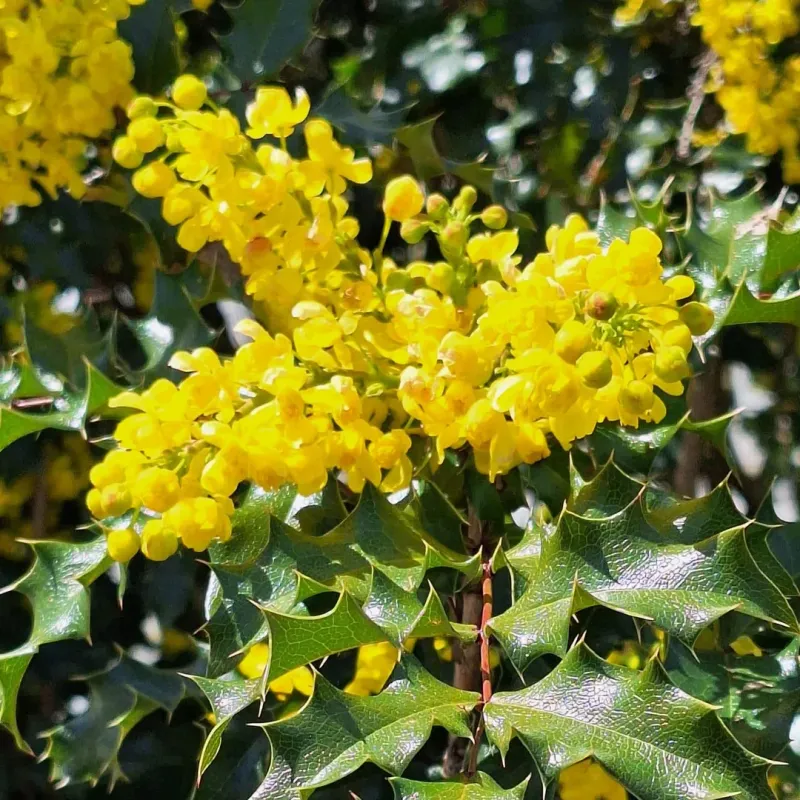
Walk through any Oregon forest in spring and you’ll spot bright yellow flower clusters lighting up the understory like tiny chandeliers.
Oregon Grape earns its place as our state flower by offering birds shelter, food, and nesting cover without creating headaches for gardeners.
The glossy, holly-like leaves stay evergreen, providing crucial winter protection when birds need it most.
Band-tailed pigeons, robins, and thrushes devour the dusty blue berries that ripen in late summer, though the tart fruits persist into fall for migrating birds. The dense, spiky foliage creates safe nesting spots where cats and predators can’t easily reach.
Hummingbirds visit the nectar-rich spring blooms before heading to higher elevations.
This tough native handles clay soil, drought, and deep shade equally well, making it incredibly versatile for Oregon gardens.
Plant it under Douglas firs, along north-facing fences, or anywhere you need low-maintenance groundcover that won’t invite aphids or mildew.
The plant spreads slowly through underground runners, filling in bare spots naturally.
Deer generally leave Oregon Grape alone thanks to those spiny leaves, and pests rarely bother it. Prune lightly after flowering if you want to shape it, but the plant looks best when allowed to grow naturally.
Birds appreciate the layered structure it creates, hopping from branch to branch while foraging.
3. Snowberry (Symphoricarpos albus)
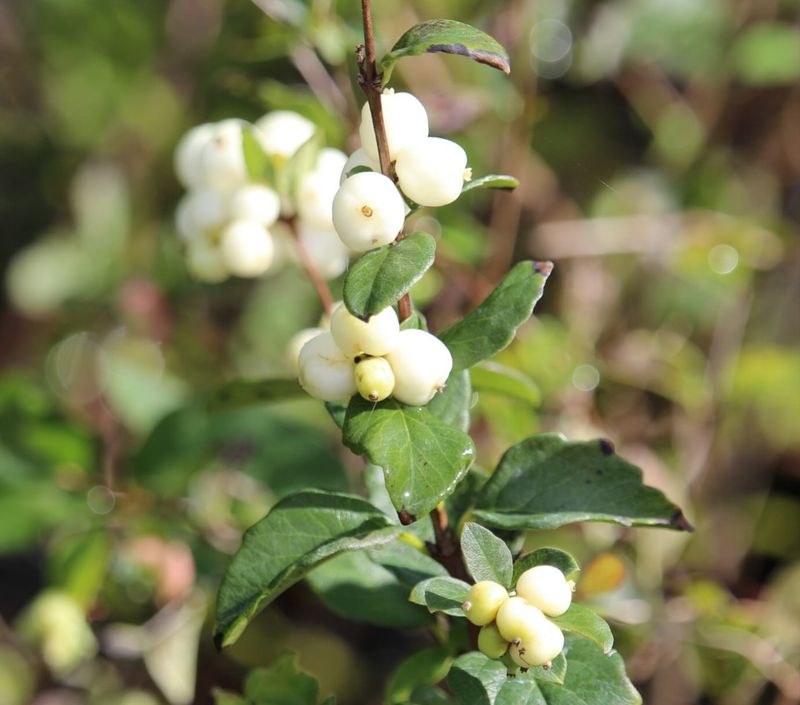
Those ghostly white berries that appear in fall might not look appetizing to you, but they’re survival food for birds when winter hits hard and other options disappear.
Snowberry grows in tangled thickets along Oregon roadsides and forest edges, creating habitat that birds desperately need.
The unassuming summer appearance transforms into striking beauty when those marble-sized white fruits cluster along arching branches.
Grouse, quail, and towhees shelter in the dense branching structure, using it as safe corridors to move through your yard. Waxwings and robins eat the berries during particularly harsh winters, though they’re not a first-choice food.
The real value comes from the protective cover the shrub provides, giving ground-feeding birds places to escape hawks and neighborhood cats.
Plant Snowberry along property edges, under taller trees, or anywhere you need a tough native that handles neglect beautifully. It tolerates everything from full sun to deep shade and grows in both wet and dry soils.
The plant suckers to form colonies, which is perfect for erosion control on slopes.
Pink tubular flowers appear in late spring, attracting hummingbirds and native bees without bringing aphids or other pests. Maintenance is nearly zero since the plant thrives on neglect.
Cut it back hard every few years if it spreads beyond where you want it, but otherwise let it do its thing.
4. Red-Flowering Currant (Ribes sanguineum)
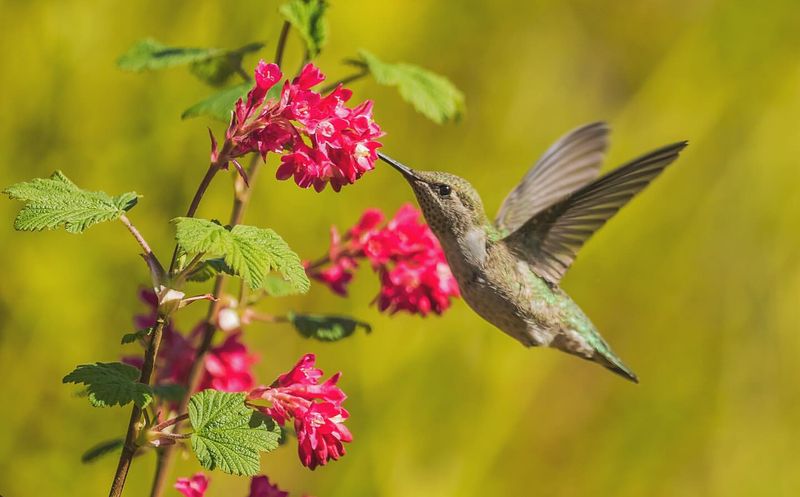
Early March brings a spectacular show when clusters of hot-pink tubular flowers burst open on bare branches, announcing spring’s arrival weeks before most plants wake up.
Red-Flowering Currant ranks as one of the most important hummingbird plants in Oregon, providing crucial nectar when newly arrived rufous hummingbirds desperately need fuel.
The show lasts for weeks, with bees and early butterflies joining the feeding frenzy.
Anna’s hummingbirds, which stay year-round in milder parts of Oregon, depend on these early blooms to survive late winter. Later, small blue-black berries feed robins, waxwings, and towhees, though the fruits aren’t as popular as other native berries.
The real value is those early flowers that jumpstart the bird season.
Plant this deciduous shrub in full sun to partial shade with decent drainage. It handles summer drought beautifully once established, making it perfect for low-water gardens.
The plant reaches six to ten feet tall and wide, creating substantial structure in the landscape.
Prune lightly after flowering if needed, but the plant looks best when allowed to develop its natural fountain-like shape. The maple-like leaves stay attractive through summer, and fall brings golden color before leaves drop.
Deer occasionally browse it, but established plants bounce back quickly. Pests rarely cause problems, and maintenance is minimal.
Your hummingbirds will return to the same plant year after year, creating a spring tradition you’ll look forward to as much as they do.
5. Salal (Gaultheria shallon)
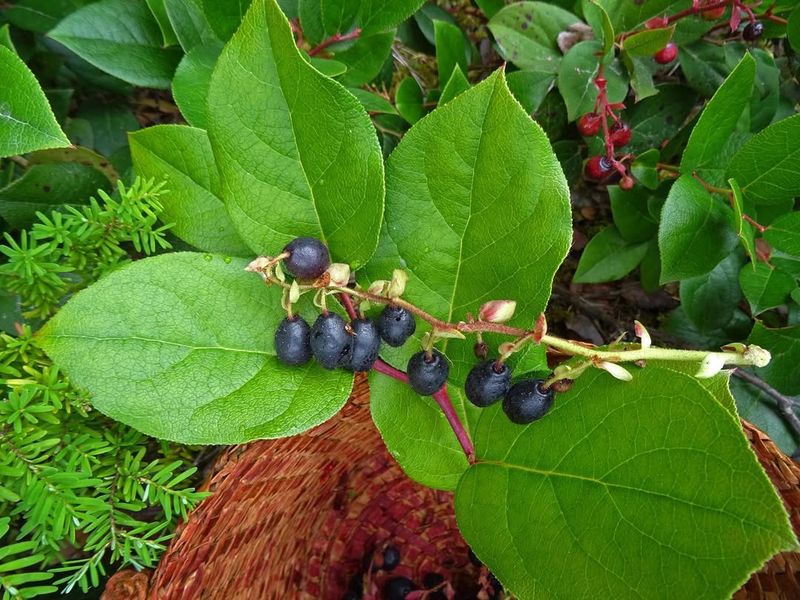
Underneath the towering cedars and firs of coastal Oregon forests, a glossy-leaved evergreen shrub carpets the ground in waves of green.
Salal might be the ultimate bird-supporting plant for shady Oregon gardens, creating year-round shelter while producing berries that feed everything from hummingbirds to bears.
The leathery leaves stay attractive through all seasons, and the plant never seems bothered by the pests that plague other shade shrubs.
Hummingbirds work the pink bell-shaped flowers in late spring, hovering beneath the foliage to access nectar. Later, dark purple berries ripen slowly through summer, feeding band-tailed pigeons, varied thrushes, and wrentits.
The dense, multi-layered growth creates perfect nesting habitat for ground-dwelling birds like towhees and juncos.
Plant Salal anywhere you have dry shade under conifers, where most other plants struggle. It handles acidic soil, summer drought, and root competition without complaint.
The plant spreads through underground stems, eventually forming a continuous groundcover that suppresses weeds naturally.
Salal requires almost no maintenance once established, though you can prune it lightly to control size. The evergreen foliage looks great in winter when most gardens turn brown and dreary.
Deer browse it occasionally but rarely damage established plants. Birds use it as safe corridors to move through your yard, hopping from one patch to another while staying hidden from predators overhead.
6. Red-Twig Dogwood (Cornus sericea)

In the depths of February when Oregon’s gray skies seem endless, bright red stems glow like embers along creek banks and wet meadows. Red-Twig Dogwood brings color to the dreariest months while creating habitat that birds use year-round.
The winter stem display is just a bonus; the real value comes from the berries, shelter, and nesting opportunities this native shrub provides.
Waxwings, robins, and thrushes feast on the white berries that ripen in late summer, often stripping branches clean within days. The dense branching structure offers perfect nesting sites for song sparrows, yellow warblers, and catbirds.
Clusters of small white flowers feed early-season insects that warblers need to fuel spring migration.
Plant this shrub anywhere water tends to collect or soil stays moist through summer. It thrives in rain gardens, along drainage swales, or beside ponds and streams.
Full sun brings out the best stem color, but the plant tolerates partial shade reasonably well.
Cut the oldest stems to the ground every few years to encourage bright new growth with the most intense red color. The plant spreads through underground stems, forming colonies that stabilize soil and create extensive bird habitat.
Pests rarely bother it, and maintenance is minimal beyond occasional pruning. Your winter garden will thank you for the color, and birds will thank you for the food and shelter.
7. Willow (Salix spp.)
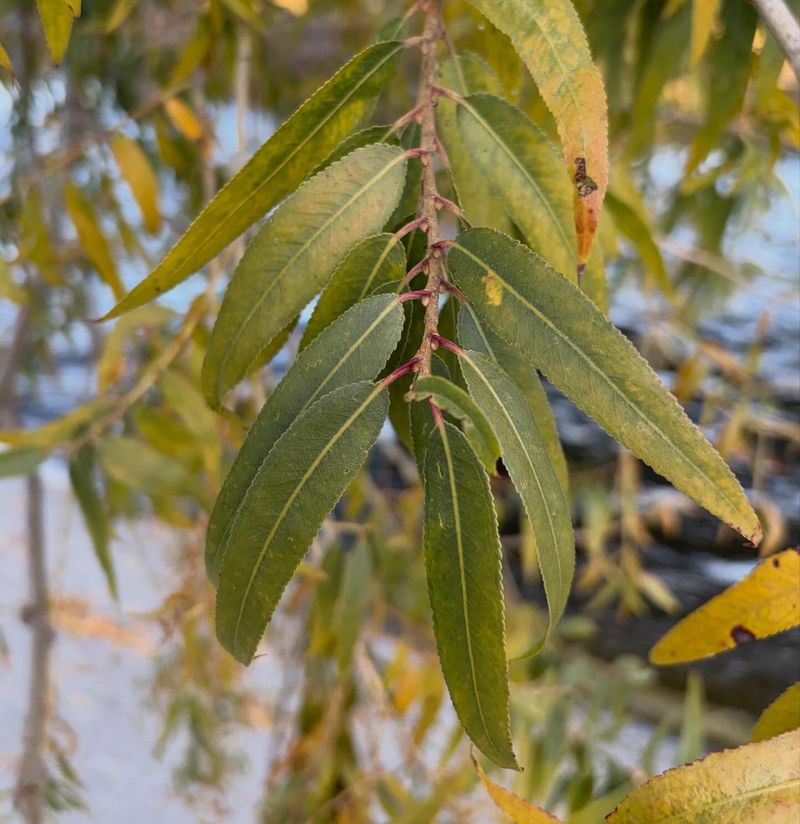
When spring arrives early in Oregon and you spot a flash of yellow along stream banks and wet ditches, you’re seeing willows burst into life before almost anything else greens up.
These fast-growing natives provide crucial early-season food for migrating birds, with fuzzy catkins feeding insects that warblers, chickadees, and bushtits devour eagerly.
Willows transform wet problem spots into thriving wildlife habitat faster than any other plant.
Hummingbirds glean tiny insects from willow branches throughout spring and summer, while warblers and vireos nest in the flexible branches. Goldfinches use the fluffy seeds as nesting material, and woodpeckers excavate cavities in older trunks.
The dense growth provides shelter from wind and rain during Oregon’s long wet season.
Plant willows anywhere water collects or soil stays soggy, from rain gardens to seasonal streams. They handle flooding, clay soil, and even occasional drought once established.
Different species range from low shrubs to tall trees, so choose the right size for your space.
Willows grow incredibly fast, sometimes adding several feet per year, which means quick habitat creation. You can prune them hard without harm, making them perfect for coppicing if you want to keep them shrub-sized.
They rarely suffer from serious pest problems despite their rapid growth. The roots help stabilize soil and filter runoff, making your yard more functional while supporting birds.
8. Elderberry (Sambucus spp.)
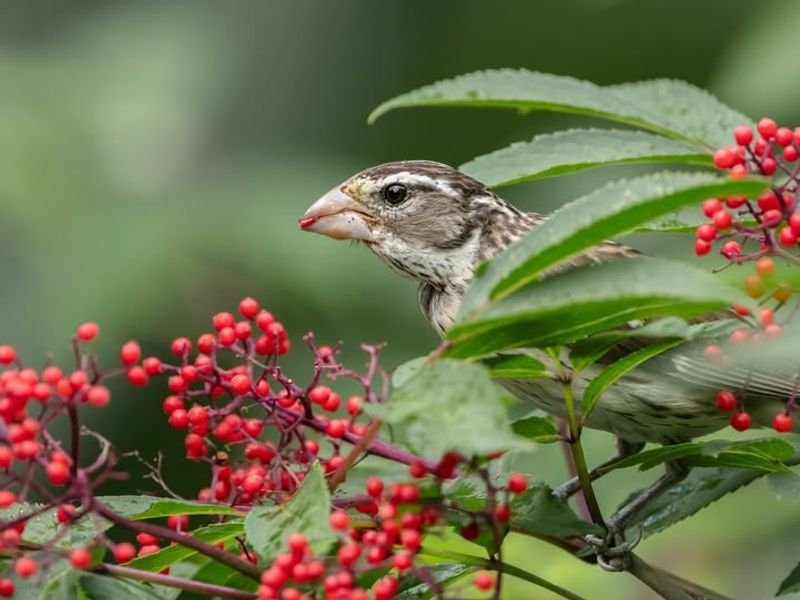
Few plants match elderberry’s ability to feed birds while growing vigorously without pest problems. The creamy white flower clusters that appear in late spring smell faintly sweet, attracting clouds of native insects that warblers and flycatchers hunt eagerly.
Then come the dark purple berry clusters in late summer, creating feeding frenzies as birds strip the branches bare.
Robins, waxwings, band-tailed pigeons, and thrushes compete for the nutritious berries, which ripen just as birds need to fuel up for fall migration.
The large compound leaves create cooling shade, and the multi-stemmed growth provides nesting sites for larger birds.
Hummingbirds occasionally visit the flowers, though they prefer other nectar sources.
Plant elderberries in sunny spots with decent drainage, though they tolerate a wide range of conditions. They grow quickly, sometimes reaching twelve feet in just a few years, making them perfect for fast habitat creation.
The plants handle Oregon’s wet winters and dry summers without complaint.
Prune out the oldest canes every few years to keep plants vigorous and productive. Birds appreciate elderberries left unpruned, allowing them to develop into large multi-stemmed shrubs.
The plants rarely suffer from serious pest problems, though aphids occasionally cluster on new growth without causing real damage. Your birds will devour the berries before you get a chance to make jam, which is honestly the best use for them anyway.
9. Blue Elderberry (Sambucus caerulea)
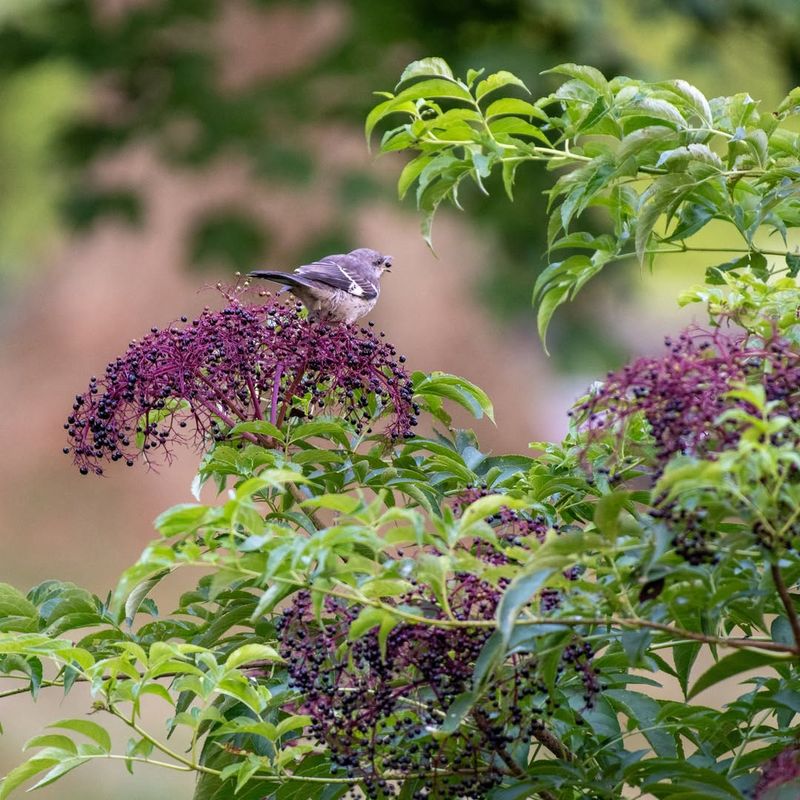
If regular elderberry is good for birds, Blue Elderberry is even better, producing massive clusters of powder-blue berries that birds spot from incredible distances.
This larger cousin thrives in drier sites than common elderberry, making it perfect for sunnier Oregon gardens east of the Cascades or anywhere summer irrigation is limited.
The tree-like growth habit creates structure in the landscape while feeding more birds than almost any other native plant.
The berries ripen in huge flat-topped clusters that can measure a foot across, creating all-you-can-eat buffets for migrating flocks.
Band-tailed pigeons, grosbeaks, and thrushes arrive in waves to feast, sometimes completely defoliating branches in their eagerness to reach every berry.
The sturdy branching supports nests of larger birds like mourning doves.
Plant Blue Elderberry in full sun with well-drained soil, and stand back as it rockets upward, sometimes reaching twenty feet. It handles heat and drought better than most natives, making it ideal for south-facing slopes or areas with limited summer water.
The plant develops a tree-like form with age, creating vertical structure.
Prune only to remove dead wood or shape the plant; otherwise let it grow naturally. Birds appreciate the height, using it as a lookout post to scan for danger while feeding.
Pests rarely bother this tough native, and maintenance is minimal. The massive berry crops make it worth planting even in small yards.
10. Native Black Twinberry (Lonicera involucrata)
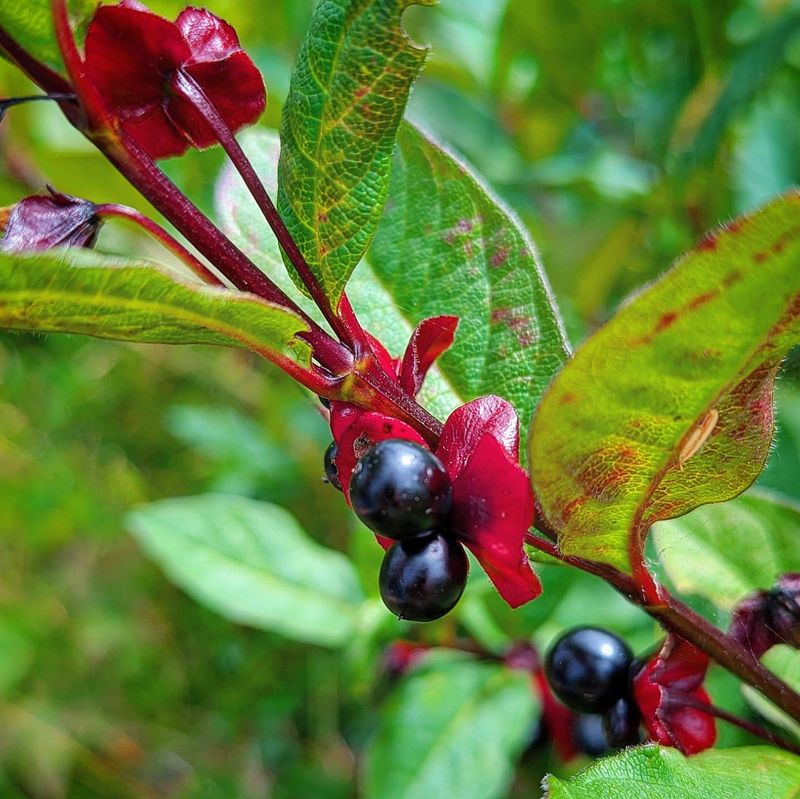
Most honeysuckles come with warnings about invasiveness and pest problems, but our native Black Twinberry breaks the mold completely. This well-behaved shrub produces pairs of shiny black berries surrounded by burgundy bracts that look like tiny works of art.
Birds find them irresistible, and the plant thrives in those challenging wet-shade areas where few other shrubs succeed.
Warblers, thrushes, and towhees feast on the berries throughout summer, often perching on the arching branches while foraging. The tubular yellow flowers attract hummingbirds in late spring, providing nectar after early bloomers finish.
The dense foliage creates excellent nesting cover for smaller birds seeking protection from predators.
Plant Black Twinberry in partial to full shade with consistent moisture, making it perfect for north-facing beds, under trees, or along streams. It handles wet feet better than most shrubs, solving drainage problems while creating habitat.
The plant stays relatively compact, reaching four to six feet in most gardens.
Maintenance is nearly nonexistent since the plant evolved here and handles our conditions perfectly. Prune lightly to shape if desired, but the natural form is attractive.
Unlike invasive honeysuckles, this native stays where you plant it without suckering aggressively. Pests ignore it completely, and diseases rarely appear.
The burgundy bracts add unexpected color to shady corners, making this a plant that earns its space through both beauty and function.
11. Nootka Rose (Rosa nutkana)
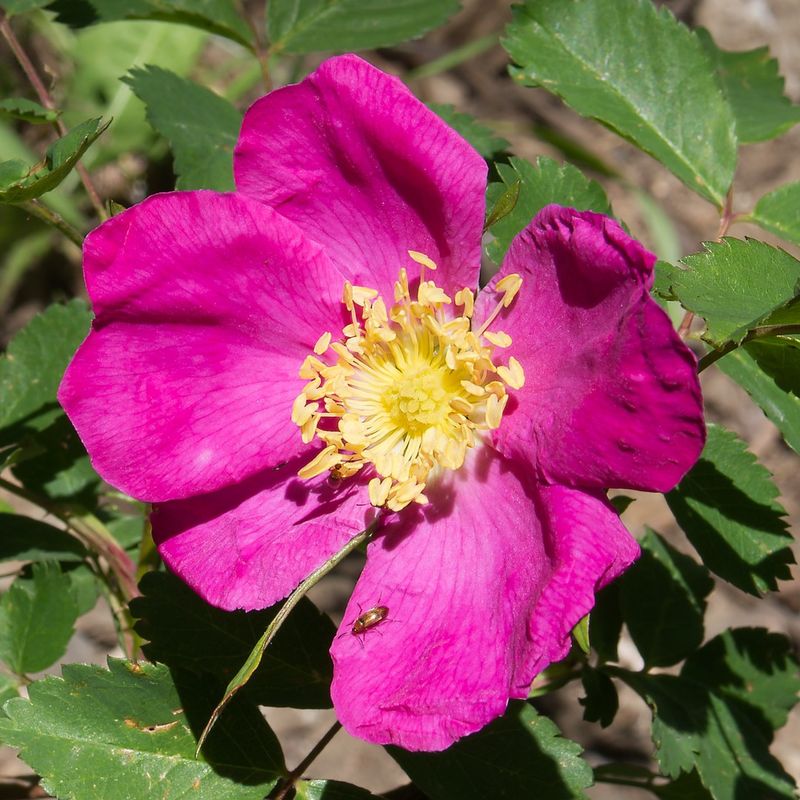
Wild roses bring romance to the garden with their simple pink blooms and sweet fragrance, but Nootka Rose adds serious wildlife value to that beauty.
The bright red rose hips that follow the flowers persist through winter, providing emergency rations when snow covers other food sources.
The thorny canes create impenetrable barriers that protect ground-feeding birds from cats and other predators.
Waxwings, thrushes, and grosbeaks eat the vitamin-rich hips during harsh weather, often waiting until the fruits soften from repeated freezing. The dense, thorny growth provides nesting sites for song sparrows and towhees, which appreciate the built-in security system.
Native bees work the simple five-petaled flowers in early summer.
Plant Nootka Rose in full sun to light shade with moderate drainage. It handles a range of soil conditions and tolerates summer drought once established.
The plant spreads slowly through underground stems, forming thickets that create extensive bird habitat over time.
Prune out dead canes in late winter, but otherwise let the plant develop naturally. The arching canes can reach six feet tall, creating substantial presence in the landscape.
Unlike hybrid roses, this native rarely suffers from black spot, rust, or aphid infestations. Wear thick gloves when pruning since those thorns mean business.
Your birds will use it as a safe refuge, darting into the protective canes whenever danger appears overhead.