The Best Plants To Grow Around Bird Feeders In Ohio
Bird feeders do more than draw wings and song to Ohio yards.
They set the stage for a lively outdoor show that changes by the hour.
When the right plants surround a feeder, the space turns into a full-service stop for birds, offering shelter, food, and a place to catch their breath.
It is where nature feels close to home and never boring.
Plants around feeders pull their weight in more ways than one.
They give birds a safe place to perch before swooping in for seeds.
They offer berries, nectar, and insects that round out a natural diet.
Thick shrubs and leafy cover help birds stay out of sight from hungry predators, keeping stress low and comfort high.
At the same time, these plants add color, texture, and movement to the yard, making the whole setup look polished instead of plain.
In Ohio, smart plant choices can handle changing seasons and keep the bird buffet open year-round.
When feeders and plants work hand in hand, birds stick around longer, and yards feel alive from sunrise to sunset.
1. Eastern Red Cedar
Evergreen trees offer year-round shelter that birds desperately need, especially during Ohio’s harsh winter months when deciduous trees stand bare.
Eastern Red Cedar stands out as a champion for providing dense cover where birds can hide from predators and escape biting winds.
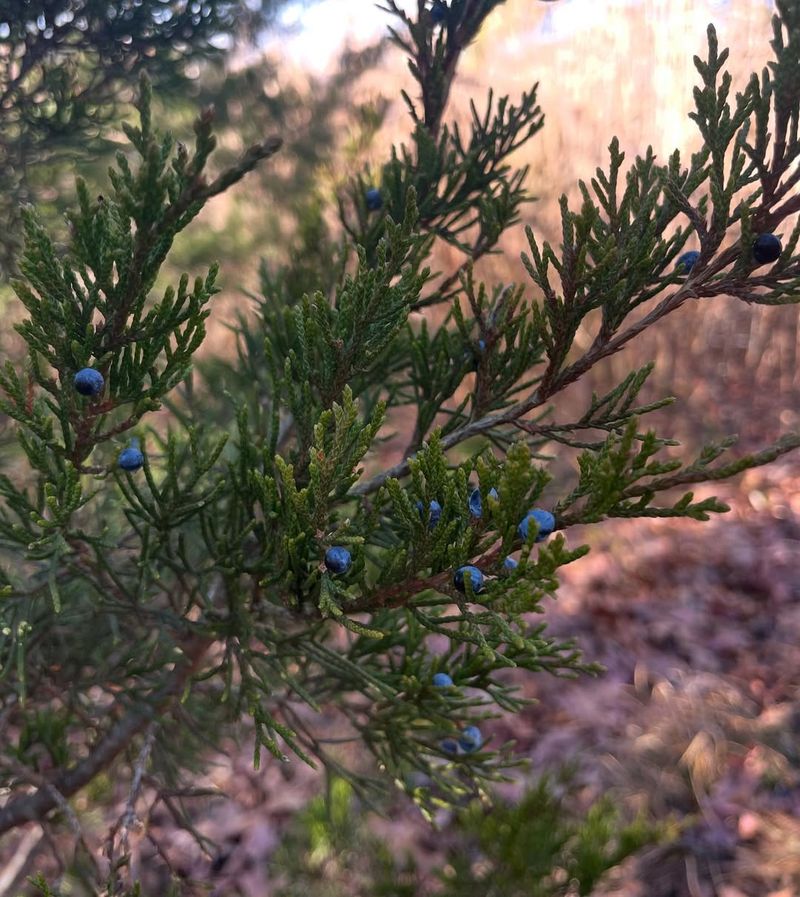
The tree’s thick, scale-like foliage creates perfect nesting spots in spring and summer, while its structure offers roosting sites when temperatures drop.
What makes this native Ohio tree particularly valuable is its berry production.
Female trees produce bluish-gray berries that over 50 bird species feast on, including cedar waxwings, robins, and bluebirds.
These berries persist through winter, offering crucial nutrition when other food sources become scarce across Ohio landscapes.
Eastern Red Cedar adapts beautifully to various soil types found throughout Ohio, from clay to sandy conditions.
It tolerates drought once established and requires minimal maintenance, making it ideal for beginner gardeners.
The tree grows at a moderate pace, eventually reaching 40 to 50 feet tall, though you can find smaller cultivars for compact yards.
Position your Eastern Red Cedar near your feeder station but not directly underneath where droppings might accumulate.
Birds will use the tree as a staging area, flying back and forth between the safe branches and your feeders.
This natural traffic pattern lets you observe more species while providing them with the security they need to visit regularly throughout every season in Ohio.
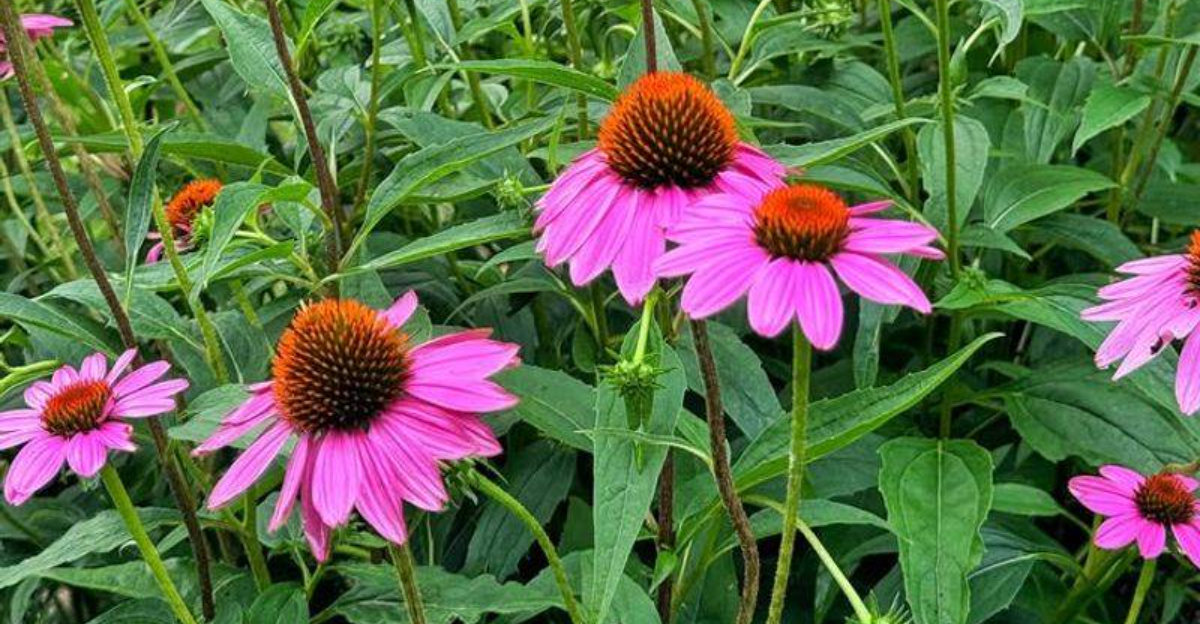
2. Purple Coneflower

Native wildflowers bring incredible value to any bird-friendly Ohio garden, and Purple Coneflower ranks among the absolute best.
Goldfinches go absolutely crazy for the seed heads that develop after the beautiful purple-pink blooms fade in late summer.
Watching these bright yellow birds cling to the dried cones while extracting seeds provides endless entertainment from your window.
This prairie native thrives in Ohio’s climate without fussy care requirements.
Purple Coneflower handles heat, humidity, and even periodic drought with remarkable resilience.
The plants bloom from June through August, attracting butterflies and bees during their flowering period, then transition into a natural bird feeder as seeds mature in fall.
Many gardeners make the mistake of cutting back spent flowers too early in the season.
Resist this urge and leave the seed heads standing through winter.
Not only do they provide food for finches, chickadees, and other seed-loving birds throughout Ohio’s colder months, but the dried stalks also offer overwintering habitat for beneficial insects that birds will hunt come spring.
Plant Purple Coneflower in full sun around the perimeter of your feeder area, spacing them about 18 inches apart.
They’ll form attractive clumps that return year after year, spreading slowly to create larger colonies.
The combination of your hanging feeders and these natural seed sources creates a diverse feeding station that attracts a wider variety of bird species to your Ohio backyard throughout multiple seasons.
3. Serviceberry
Few plants deliver such spectacular multi-season interest while feeding birds as generously as Serviceberry does.
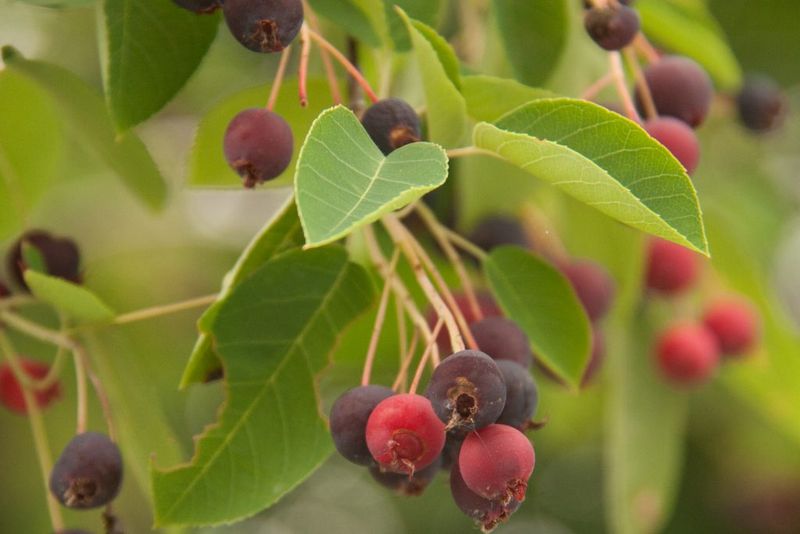
This Ohio native puts on a stunning spring display with clouds of white flowers that emerge before most trees have even leafed out.
By early summer, those blossoms transform into sweet, dark purple berries that birds devour with enthusiasm, often stripping the branches within days of ripening.
Catbirds, thrashers, orioles, and tanagers all compete for Serviceberry fruits alongside robins and waxwings.
The berries ripen in June across most of Ohio, providing critical food during the breeding season when parent birds need high-energy nutrition to feed their growing chicks.
If you’re quick, you can harvest some berries for yourself before the birds claim them all.
Serviceberry works beautifully as either a large shrub or small tree, depending on how you prune it.
Most varieties reach 15 to 25 feet tall, fitting nicely into suburban yards without overwhelming the space.
The plant offers gorgeous fall color too, with leaves turning brilliant shades of yellow, orange, and red across Ohio landscapes in October.
Plant Serviceberry where you can easily view it from indoors, ideally within sight of your main bird feeders.
Birds will move naturally between the feeders and the berry-laden branches, giving you front-row seats to their feeding behaviors.
This native plant requires little maintenance once established and tolerates both sun and partial shade, making it adaptable to various spots in your Ohio yard.
4. Black-Eyed Susan
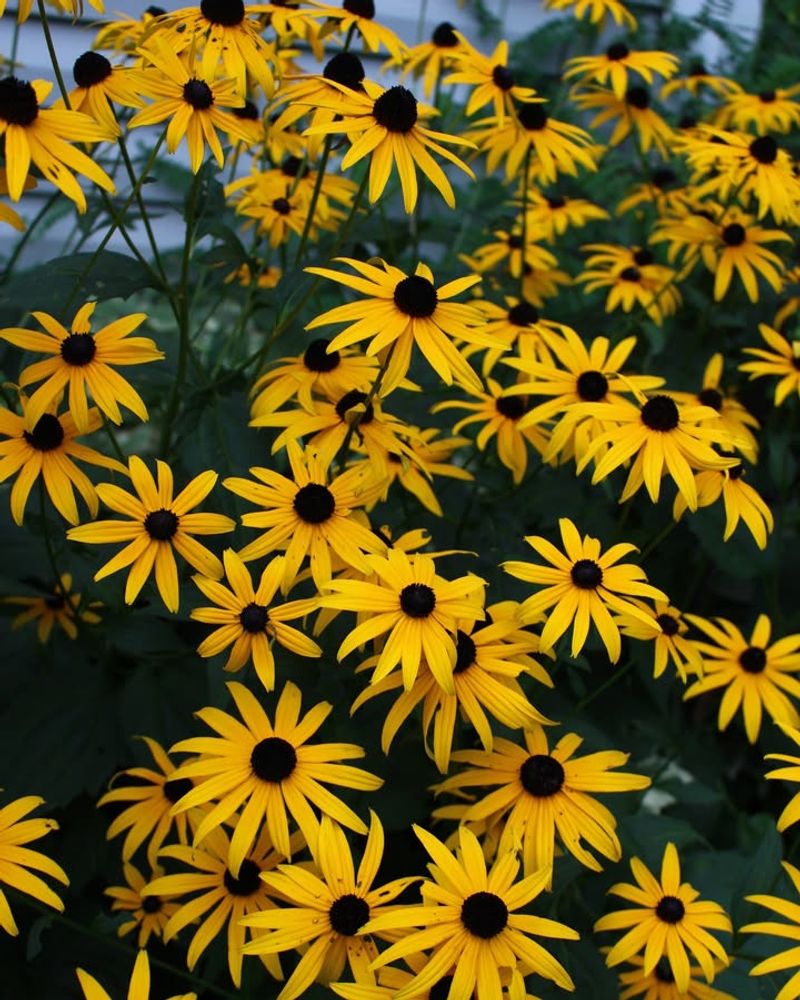
Cheerful and tough as nails, Black-Eyed Susan brings sunny color and valuable seed production to Ohio gardens from midsummer through fall.
These iconic wildflowers bloom prolifically, creating golden waves that brighten any landscape while requiring almost no pampering.
Once the bright yellow petals drop, the dark seed cones become feeding stations for small birds that appreciate the abundant nutrition packed into those tiny seeds.
Sparrows, juncos, and finches particularly enjoy working over Black-Eyed Susan seed heads during fall and winter months in Ohio.
The sturdy stems hold up well under snow, keeping seeds accessible even when other food sources get buried.
Chickadees also visit frequently, plucking seeds to cache in nearby bark crevices for later consumption.
Black-Eyed Susan spreads enthusiastically through self-seeding, which some gardeners view as aggressive but bird lovers recognize as beneficial.
More plants mean more seeds, which translates to more birds visiting your yard.
You can easily control the spread by deadheading some flowers while leaving others to mature for bird food, striking a balance between tidiness and wildlife value.
These flowers thrive in full sun and tolerate Ohio’s clay soils remarkably well.
Plant them in drifts around your feeder area rather than in single rows, creating natural-looking colonies that blend beautifully with other native plants.
Black-Eyed Susan combines perfectly with Purple Coneflower and other prairie species, building a diverse seed buffet that keeps birds visiting your Ohio backyard from summer straight through winter.
5. Winterberry Holly

When winter strips Ohio landscapes down to bare branches and brown grass, Winterberry Holly explodes with brilliant red berries that seem to glow against gray skies and white snow.
This deciduous holly loses its leaves in fall, which actually makes the berry display even more dramatic and accessible to hungry birds navigating the lean months.
Bluebirds, robins, and mockingbirds rely heavily on these persistent fruits when insects disappear and ground-foraging becomes impossible.
Winterberry requires both male and female plants for berry production, so purchase at least one male for every five females you plant.
The females produce the showy berries, while males provide necessary pollen during the spring flowering period.
Garden centers throughout Ohio typically label plants clearly, making it easy to select the right combination for your space.
The berries initially taste somewhat bitter, which causes birds to ignore them early in the season while sweeter options remain available.
As winter progresses and fruits undergo repeated freezing and thawing cycles, they become more palatable.
This timing works perfectly because birds need those berries most desperately in late winter when other food sources have been depleted across Ohio.
Plant Winterberry in moist areas of your yard where other shrubs might struggle.
It naturally grows in wetland edges throughout Ohio and appreciates consistent moisture, though established plants tolerate drier conditions reasonably well.
Position these shrubs where you’ll see them from your windows during winter, creating a living painting that attracts beautiful birds to your feeder area when your yard needs color and life most.
6. Oak Trees
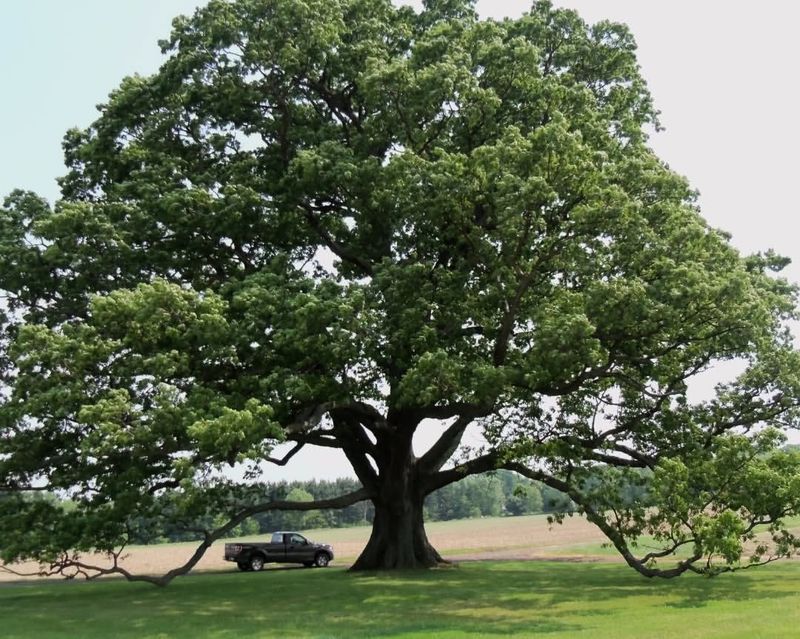
Planting an oak tree represents an investment in future generations of birds, as these mighty natives support more wildlife species than virtually any other tree in Ohio.
While oaks grow slowly, their value increases exponentially with each passing year as they produce larger acorn crops and develop more complex branch structures.
Jays, woodpeckers, nuthatches, and even wood ducks depend heavily on acorns, which provide high-fat nutrition essential for surviving Ohio winters.
Beyond acorn production, oaks host hundreds of caterpillar species that birds need for feeding nestlings.
A single oak tree can support thousands of caterpillars during spring, and parent birds like chickadees and warblers make countless trips daily to harvest this protein-rich baby food.
No other tree comes close to matching the insect diversity that oaks provide across Ohio ecosystems.
Several oak species grow well throughout Ohio, including White Oak, Red Oak, and Pin Oak.
White Oak produces sweeter acorns that birds prefer and consume more quickly, while Red Oak acorns contain more tannins and often persist longer into winter.
Consider planting both types if you have space, extending the food availability timeline for visiting birds.
Young oak trees need protection from deer browsing in many Ohio areas, so install fencing or use tree shelters during the establishment period.
Position your oak away from structures since mature trees develop massive canopies, but close enough to your feeder area that birds can easily move between the natural food source and your supplemental offerings throughout every season.
7. Coral Honeysuckle
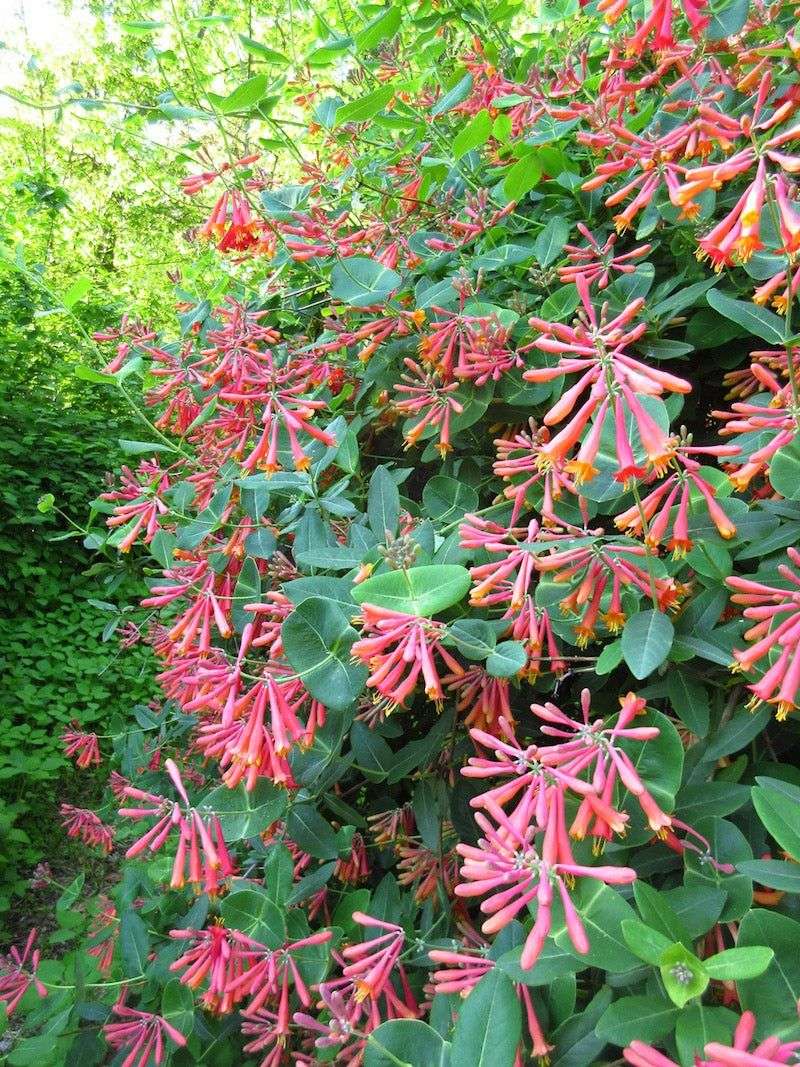
Hummingbirds bring magic to any Ohio garden, and Coral Honeysuckle serves as one of the most reliable plants for attracting these tiny jewels.
Unlike its invasive cousin Japanese Honeysuckle, this native vine behaves politely while producing clusters of tubular red-orange flowers that hummingbirds find absolutely irresistible.
The blooms appear in waves from late spring through summer, providing nectar during the crucial breeding season and migration periods.
Ruby-throated Hummingbirds, the only species that regularly nests in Ohio, visit Coral Honeysuckle flowers constantly throughout the day.
Males establish territories around particularly productive vines, defending them aggressively from competitors.
Watching these aerial battles near your feeders adds excitement to your bird-watching experience while the flowers supplement the sugar water you provide.
This vine grows vigorously but not aggressively, reaching 10 to 20 feet when given support like a trellis, arbor, or fence.
The blue-green foliage stays attractive all season, and small red berries follow the flowers in fall, providing food for other bird species including thrashers and catbirds.
Coral Honeysuckle tolerates various light conditions but blooms most heavily in full sun across Ohio gardens.
Train your Coral Honeysuckle on a structure near your hummingbird feeders, creating a comprehensive nectar station that appeals to these remarkable birds.
The combination of natural flowers and artificial feeders keeps hummingbirds visiting regularly, giving you more opportunities to observe their incredible flying abilities and territorial behaviors throughout the warm months in Ohio before they migrate south for winter.
8. Gray Dogwood
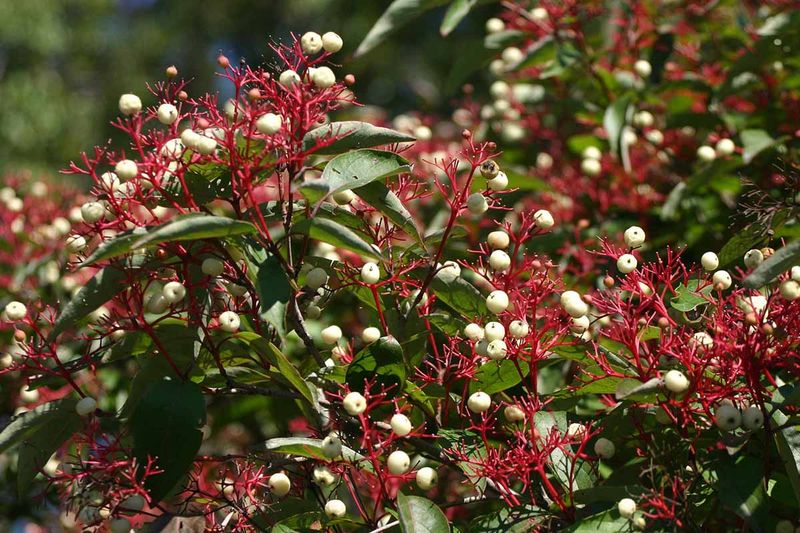
Unassuming yet incredibly valuable, Gray Dogwood deserves far more attention from Ohio gardeners who want to support bird populations.
This native shrub produces abundant white berries on red stems, creating an attractive display that birds notice immediately.
The fruits ripen in late summer and early fall, providing crucial fuel for migrants passing through Ohio on their way south, as well as residents preparing for winter.
Over 40 bird species consume dogwood berries, including thrushes, vireos, flycatchers, and waxwings.
The high fat content makes these berries especially valuable for birds that need to build energy reserves quickly.
Gray Dogwood berries disappear fast once they ripen, sometimes within just a few days as birds strip the branches clean during peak migration periods in September and October.
This adaptable shrub tolerates a wide range of conditions found across Ohio, from wet to dry soils and full sun to partial shade.
It spreads slowly through underground runners, forming colonies that provide excellent cover for ground-feeding birds like towhees and sparrows.
The dense branching offers secure nesting sites for species like catbirds and cardinals during breeding season.
Plant Gray Dogwood in groups of three or five around the edges of your feeder area, creating naturalistic thickets that birds use for shelter and feeding.
The shrubs grow 6 to 10 feet tall, tall enough to provide screening but not so large they overwhelm typical Ohio yards.
Combining Gray Dogwood with other berry-producing natives creates a layered habitat that supports birds throughout every season of the year.