The 9 Best Plants To Mulch In March In Oregon
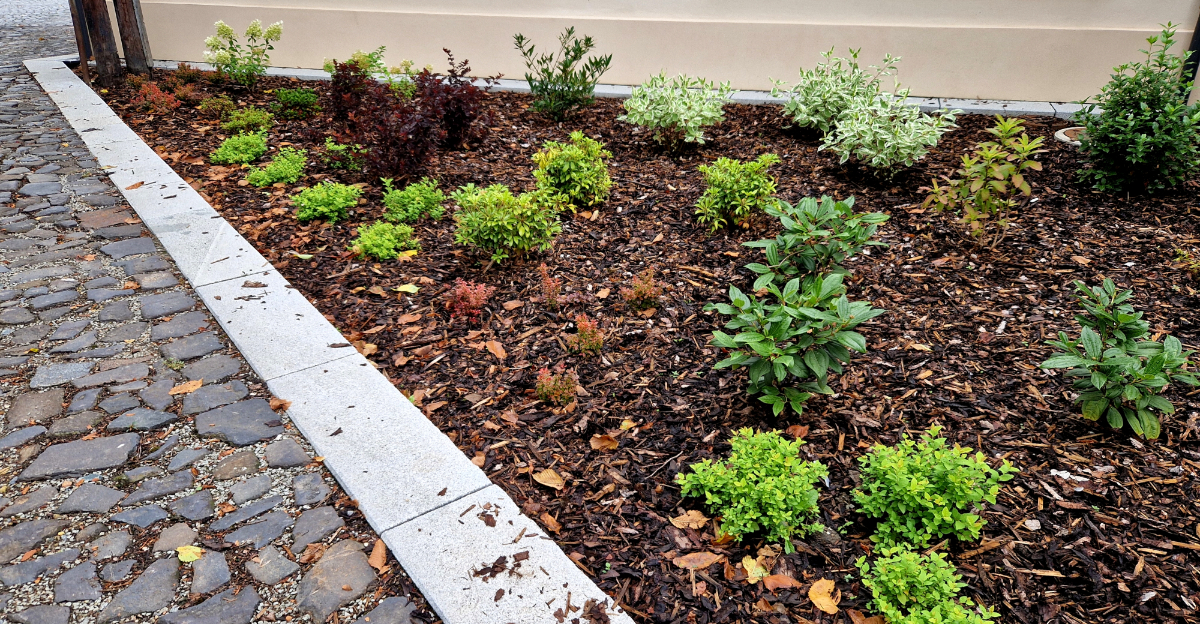
March in Oregon is when gardens begin to wake, soil softens, and longer days hint at the growing season ahead. It is also the perfect moment to refresh your mulch and give key plants a strong, healthy start.
A fresh layer helps lock in moisture, regulate soil temperature, and suppress early weeds just as new growth begins to push through.
Some plants benefit more than others, especially those that love cool roots, steady moisture, and nutrient rich soil.
Mulching now can mean stronger blooms, healthier foliage, and less maintenance as spring turns into summer. It is one of the simplest tasks with the biggest payoff, helping your garden look tidy while quietly improving plant health below the surface.
With the right timing and a little care, your March mulching routine can set the tone for a lush, vibrant Oregon garden all season long.
1. Blueberries
Oregon is one of the top blueberry-growing states in the country, and for good reason. The climate here suits blueberries perfectly.
But even in a great growing region, these plants need a little help to thrive, and mulching in March is one of the most important things you can do for them.
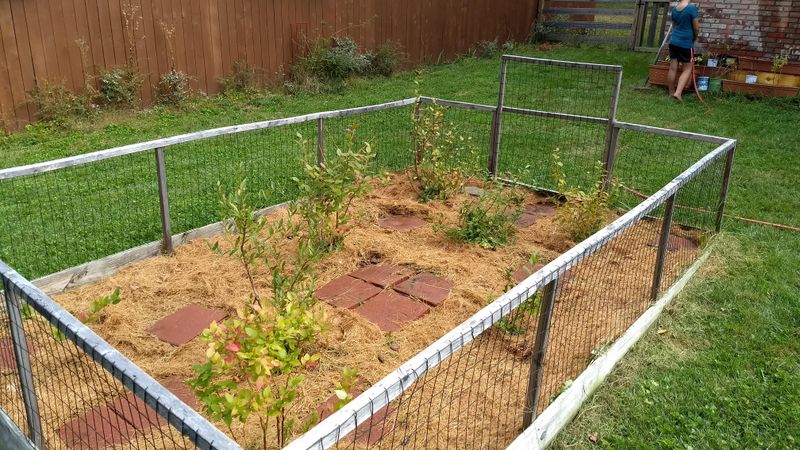
Blueberries love acidic soil, and acidic mulches like pine needles or sawdust are a great match. Apply a layer about three to four inches deep around each plant.
This keeps moisture in, which blueberries really need, and it slowly lowers the soil pH as it breaks down over time.
Another benefit of mulching blueberries in early spring is weed control. Blueberry roots are shallow, so they do not compete well with weeds.
A solid mulch layer keeps weeds from taking hold and stealing resources from your plants. Oregon gardeners who skip this step often struggle with weaker harvests.
Mulching also keeps the soil from getting too warm too fast, which can stress the plants during sudden temperature changes. Starting in March means your blueberry bushes are set up for a productive and healthy growing season ahead.
2. Roses
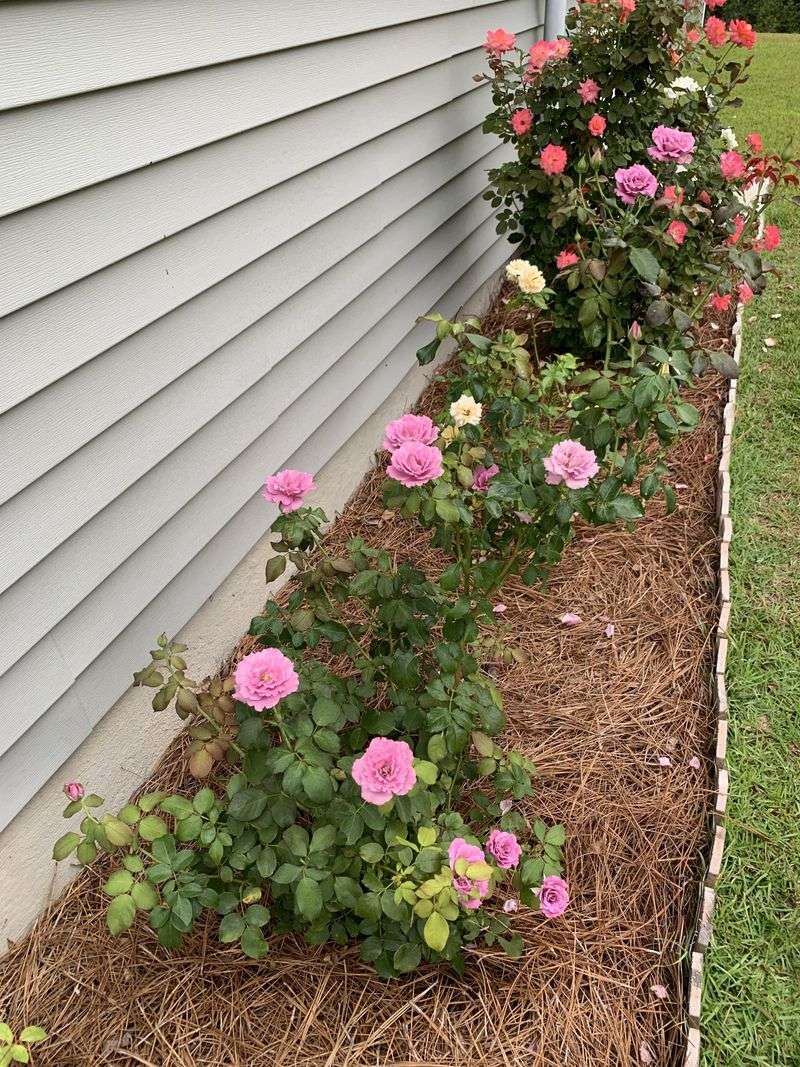
Few plants reward gardeners the way roses do, and March is the best time to give them a strong head start in Oregon. As temperatures slowly climb, roses begin pushing out new growth.
Mulching right now protects those tender roots from late cold snaps that Oregon is known for in early spring.
Apply about two to three inches of organic mulch, like shredded bark or compost, around the base of each rose bush. Keep the mulch a few inches away from the main stem to prevent rot.
This layer holds moisture in the soil and cuts down on how often you need to water.
Mulching also helps block weeds from sprouting near your roses. Weeds compete for nutrients and water, so keeping them out gives your roses a clear advantage.
Organic mulch breaks down slowly over time and adds nutrients back into the soil. Oregon gardeners who mulch their roses in March often notice stronger blooms and healthier canes by summer.
It is one of the easiest things you can do for big results in your garden.
3. Hydrangeas
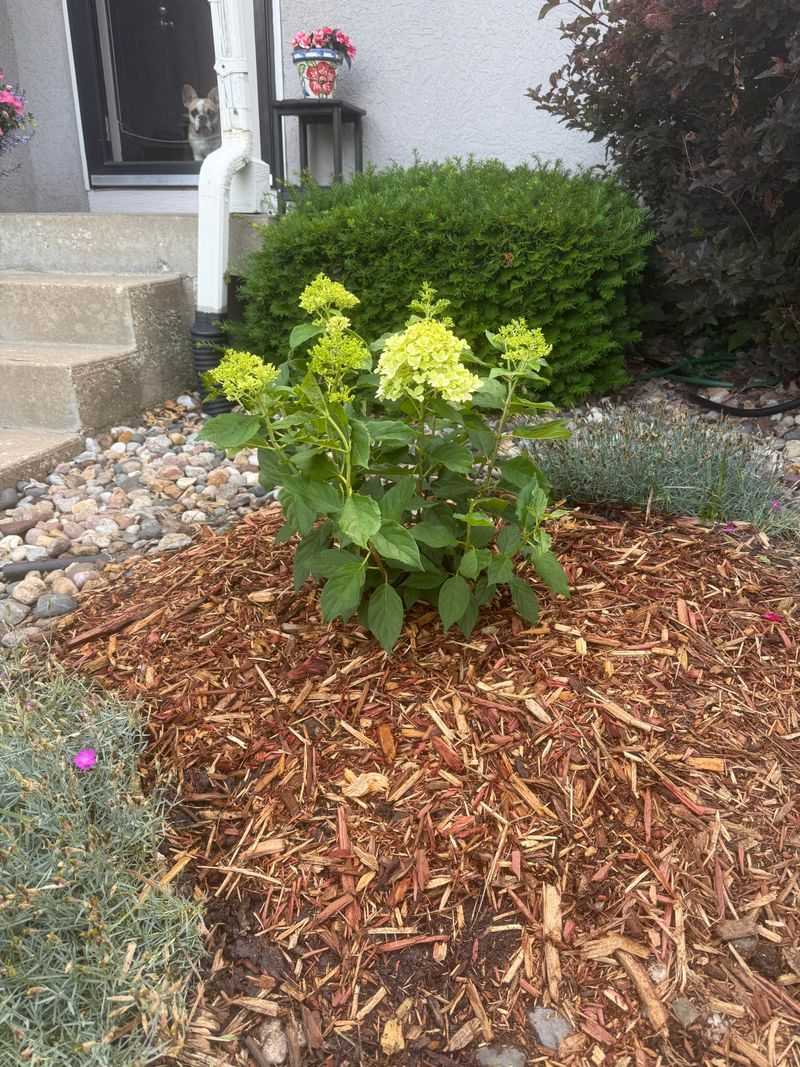
Hydrangeas are one of the most beloved shrubs in Oregon gardens, and they absolutely love a good layer of mulch in March. These plants can be a little sensitive to cold soil, especially in parts of Oregon where late frosts sneak in after a warm spell.
A thick layer of mulch acts like a cozy blanket for their roots.
Use wood chips, pine bark, or leaf mold around the base of each shrub. Spread it about two to four inches deep, but keep it away from the main stems.
This prevents moisture buildup that can lead to problems with the bark.
One thing many gardeners do not realize is that mulching hydrangeas in spring also helps regulate soil temperature throughout the season.
When soil stays at a steady temperature, the plant focuses its energy on producing those big, beautiful blooms instead of fighting stress.
Oregon summers can bring dry stretches, and mulch helps hydrangeas hold onto water during those times. Starting in March gives the mulch time to settle in and do its job before the growing season kicks into full gear.
4. Rhododendrons
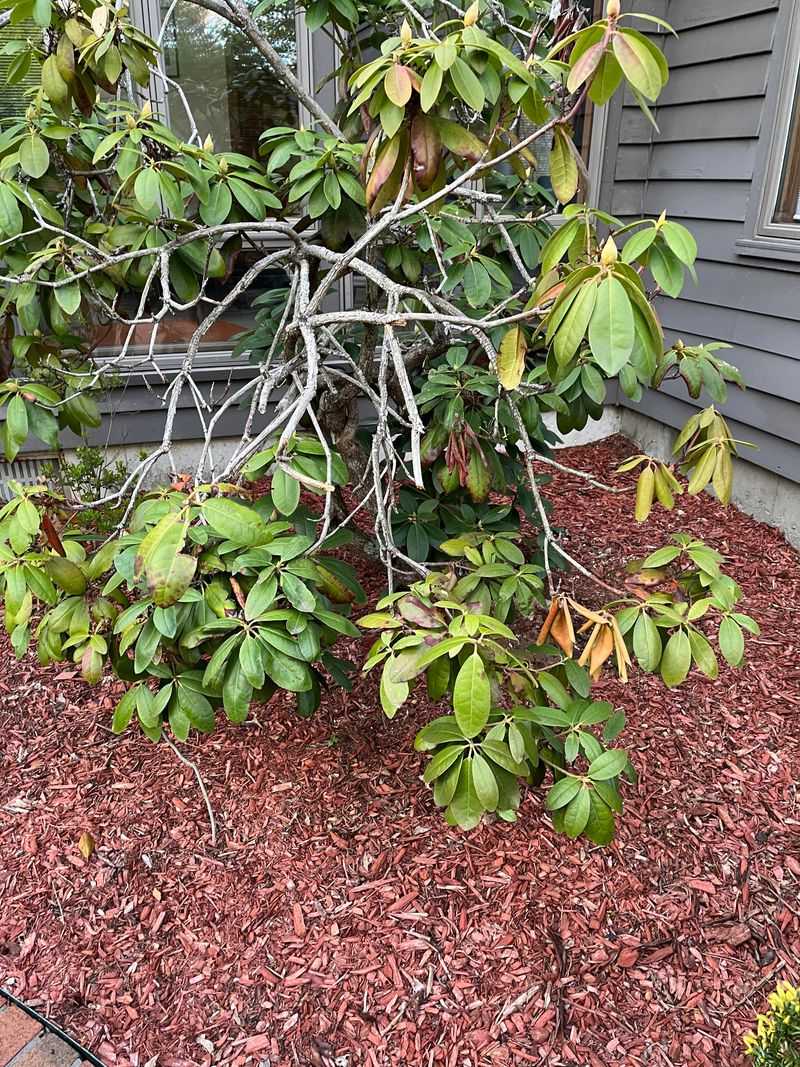
Rhododendrons are basically the symbol of the Pacific Northwest, and they are everywhere in Oregon for good reason. They are stunning, long-lived, and surprisingly easy to care for when you give them the right conditions.
Mulching in March is one of the smartest moves you can make for these iconic shrubs.
These plants have shallow root systems that sit close to the surface. That makes them vulnerable to temperature swings and drying out.
A two to three inch layer of acidic mulch like pine bark or oak leaf compost keeps those roots safe and happy as Oregon weather shifts through March and April.
Rhododendrons also prefer consistently moist soil, but not waterlogged conditions. Mulch helps strike that balance by slowing evaporation without trapping too much standing water.
Spreading mulch in a wide circle around the plant, rather than just near the base, gives the entire root zone some protection. Avoid piling mulch against the trunk, as this can cause issues over time.
Oregon gardeners who take good care of their rhododendrons in early spring are often rewarded with a spectacular burst of color when blooming season arrives in late spring.
5. Azaleas
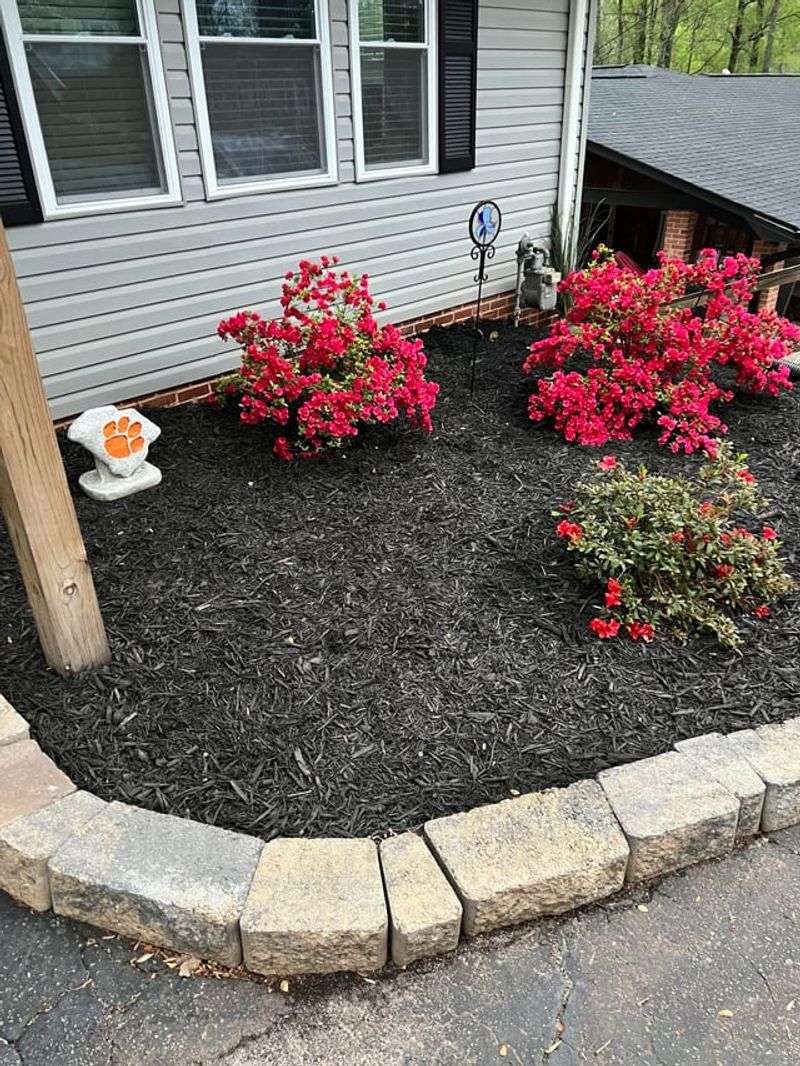
Walk through almost any Oregon neighborhood in spring, and you will spot azaleas bursting with color. These compact, cheerful shrubs are a garden staple across the state.
Giving them a fresh layer of mulch in March helps set the tone for a healthy and vibrant blooming season.
Like rhododendrons, azaleas prefer slightly acidic soil and do well with mulches like pine straw or shredded pine bark. Spread about two inches of mulch around each plant, keeping it away from the base of the stems.
This protects the shallow roots and keeps the soil from drying out too quickly during Oregon’s unpredictable spring weather.
Azaleas can be surprisingly tough once they are established, but they still benefit from a little extra care in early spring. Mulch helps reduce the stress that comes from fluctuating temperatures, which Oregon sees a lot of in March.
It also gives the garden a neat, polished look while doing important work underground. If you are planting new azaleas this spring, mulching right after planting is especially helpful.
It gives young roots a stable environment to get established and grow strong before the warmer months arrive in Oregon.
6. Hostas
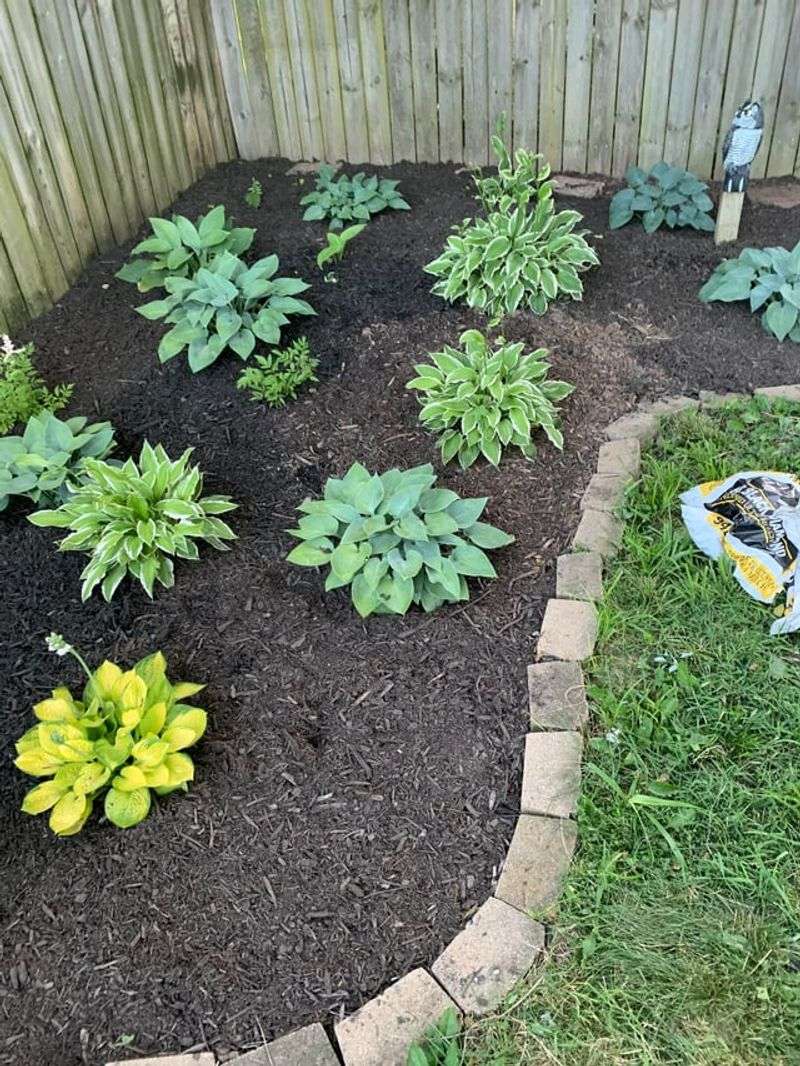
Hostas are the go-to plant for shady spots in Oregon gardens, and they are just starting to poke through the soil in March. Those little emerging shoots may look tough, but they can be damaged by late frost or dry soil if you are not careful.
Mulching right when they appear is one of the best ways to protect them.
Use a light layer of compost or shredded leaves around emerging hosta crowns. About two inches is plenty.
You do not want to smother the shoots, but you do want to keep the soil moist and protected. Oregon’s spring rains help, but mulch ensures moisture stays where it is needed most.
Hostas grow best in cool, moist soil, which is exactly what mulch helps create. As temperatures warm up in late spring and summer, mulch keeps the soil from heating up too fast and stressing the plants.
Oregon gardeners who grow hostas in shaded beds often find that consistent mulching leads to bigger, lusher leaves throughout the season. It also cuts down on weeding in those hard-to-reach spots under trees or along shaded pathways where hostas tend to thrive.
7. Peonies
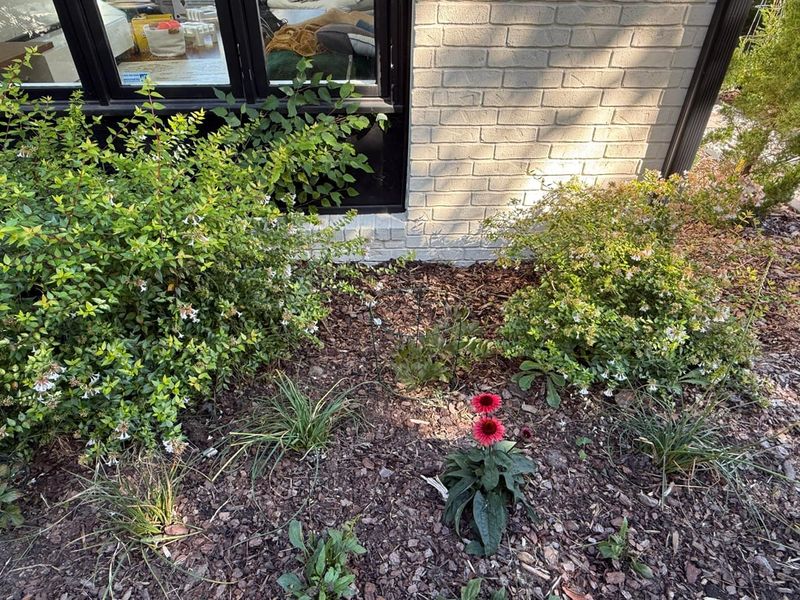
There is something almost magical about watching peony shoots push up through the soil in early spring.
In Oregon, March is when those first red and pink tips start appearing, and it is the perfect time to get your mulch down.
Peonies are long-lived plants, and giving them proper care now pays off for years to come.
Spread a thin layer of compost or aged bark around each plant, but be very careful not to cover the eyes, which are the small red or pink buds emerging from the soil. Burying the eyes too deep is one of the most common reasons peonies do not bloom well.
Keep mulch about an inch away from the crown and spread it outward in a circle.
Mulching peonies in March helps protect their roots from late cold spells while also keeping the soil evenly moist as the plants begin their active growing phase. Oregon’s spring can be wet and chilly, and mulch helps moderate those conditions.
As the mulch breaks down through the season, it adds organic matter to the soil, which peonies love. With a little attention now, you can expect gorgeous blooms by late spring or early summer in your Oregon garden.
8. Fruit Trees (Apple, Pear, Cherry)
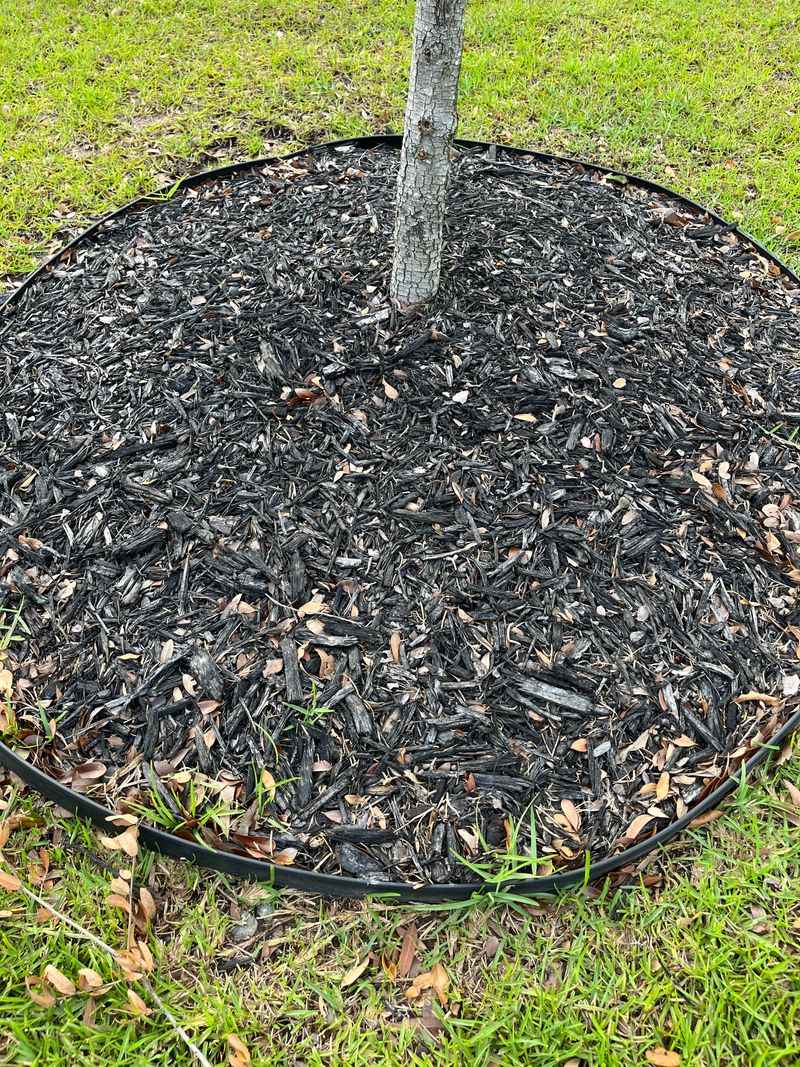
Oregon is famous for its incredible fruit, and apple, pear, and cherry trees thrive across much of the state. March is when these trees start waking up from their winter rest, and mulching at this stage gives them a serious boost heading into the growing season.
Spread wood chips or shredded bark in a wide circle around the base of each tree. The circle should be as wide as the tree’s canopy if possible, and the mulch should be about three to four inches deep.
Keep it several inches away from the trunk to prevent moisture buildup against the bark.
Fruit trees have large root systems that spread far from the trunk, and mulching that entire area helps retain moisture and regulate soil temperature across the whole root zone. Oregon springs can be dry at times, and mulch reduces the need for frequent watering.
It also suppresses grass and weeds that compete with young trees for nutrients. For newly planted fruit trees in Oregon, mulching is especially important during the first few years while roots are getting established.
Starting this habit in March means your trees head into bloom season with strong support from the ground up.
9. Strawberries
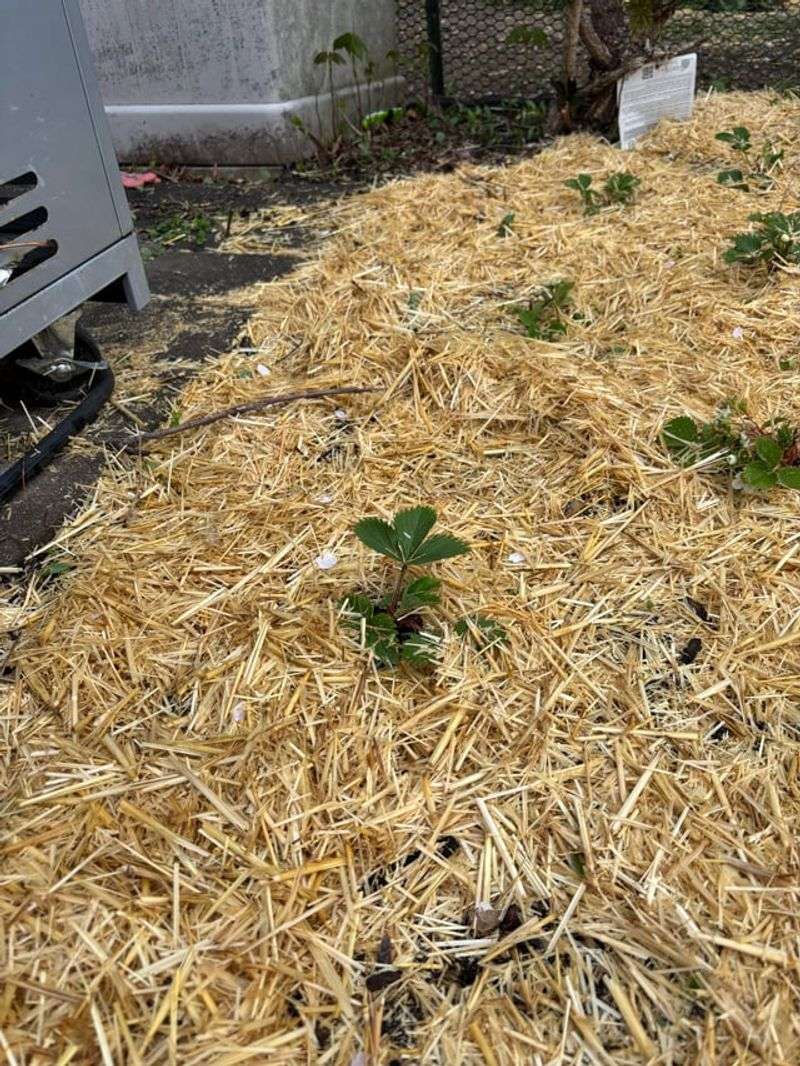
Strawberry season is one of the highlights of Oregon’s growing year, and the work you do in March plays a big role in how well your harvest turns out.
As strawberry plants begin to green up, pulling back winter mulch and replacing it with a fresh layer is a key step that many gardeners overlook.
In late winter, strawberries are often covered with straw to protect them from hard freezes. Once March arrives and temperatures stabilize, you can gently pull back that old mulch from the crowns so new growth can reach the light.
Then apply a fresh, thin layer of straw or pine needles around the plants, not over the crowns.
Fresh mulch in March keeps the soil moist, which strawberries need a lot of as they begin flowering and setting fruit. It also keeps berries clean when they start to form, preventing them from sitting directly on soil.
Oregon’s rainy spring weather can splash soil onto low-hanging fruit, and mulch creates a clean buffer. Keeping weeds away from strawberry beds is another huge benefit, since strawberries do not compete well with aggressive weeds.
A little mulching effort in March can lead to a much bigger and cleaner strawberry harvest this summer in Oregon.