The Best Scented Plants For Butterfly Gardens In North Carolina
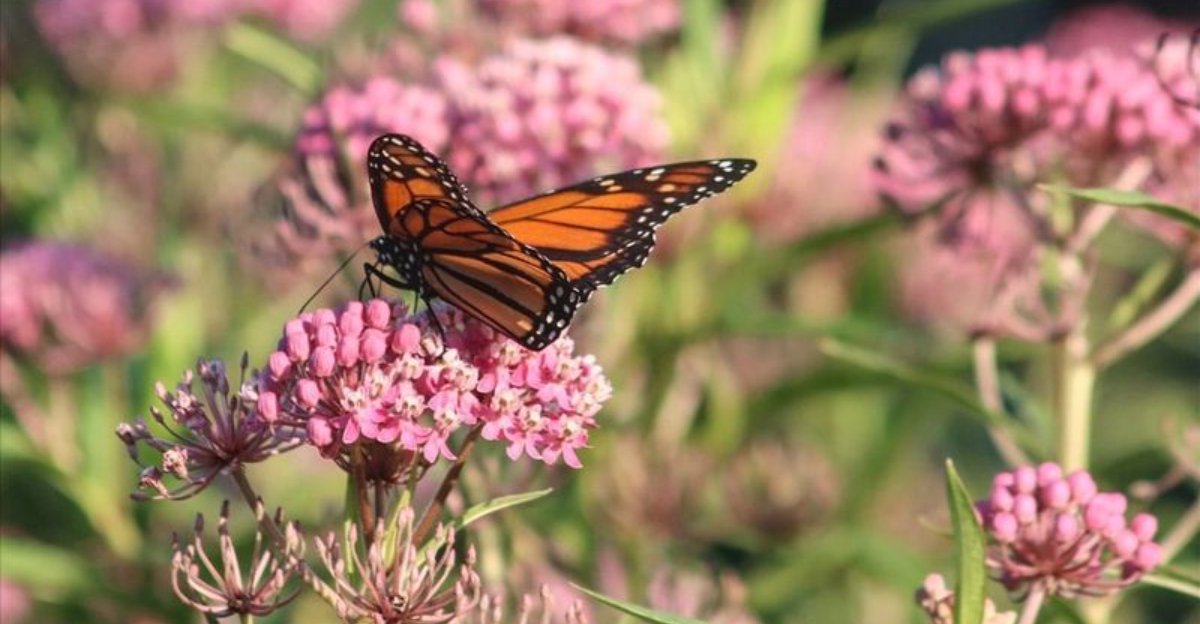
A North Carolina butterfly garden is more than a pretty picture.
It is a place where color drifts through the air and sweet scents hang on the breeze.
The right scented plants do double duty, pleasing people while guiding butterflies straight to the garden like a welcome sign.
Fragrance plays a bigger role than many realize, helping butterflies find nectar-rich blooms and settle in for a while.
In North Carolina’s warm climate, scented plants thrive and release their aroma throughout the growing season.
Soft floral notes, spicy hints, and fresh herbal scents turn an ordinary garden into a sensory escape.
These plants keep butterflies coming back while also attracting bees and other helpful pollinators.
At the same time, they add layers of interest that make the garden feel full and alive.
Choosing the best scented plants brings balance to a butterfly garden.
Strong fragrance paired with rich nectar creates a space that feels both lively and calm.
With the right mix, a North Carolina yard becomes a fluttering retreat where scent and color work together, offering beauty, movement, and a front-row seat to nature at its best.
1. Butterfly Bush (Buddleia)
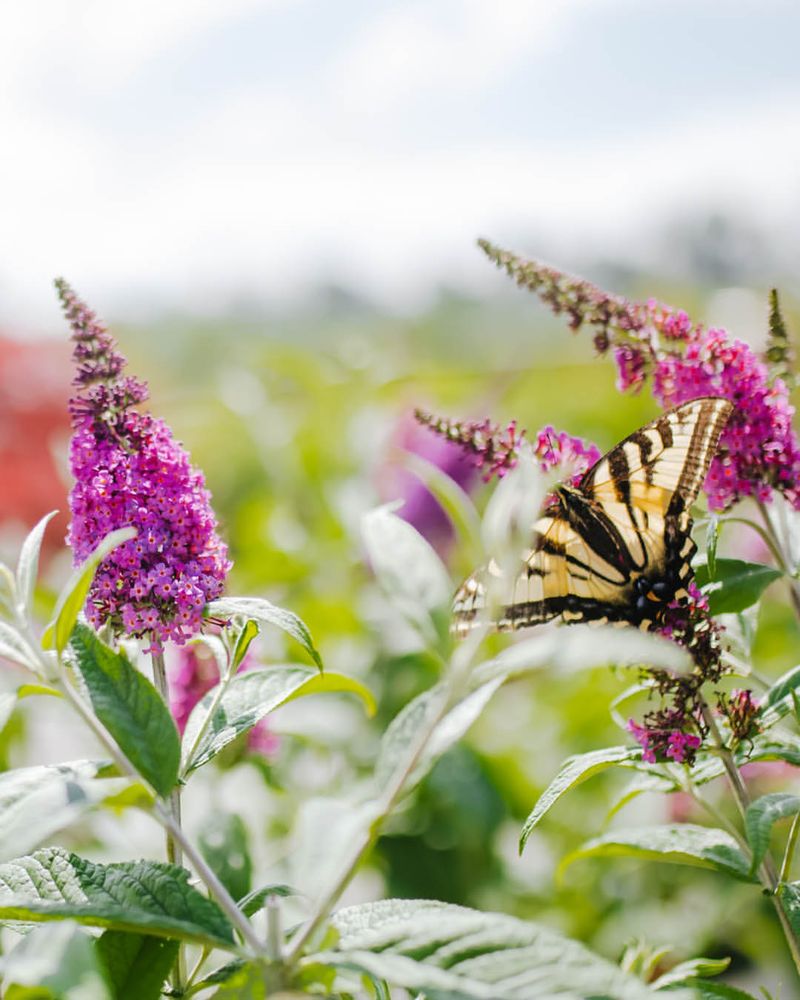
Butterfly Bush earns its name honestly because these flowering shrubs act like magnets for every butterfly species that visits North Carolina gardens.
The long, cone-shaped flower clusters release a sweet honey-like fragrance that drifts across your yard on summer breezes.
These tough plants handle North Carolina’s hot summers without complaint and bloom from June straight through the first frost.
You’ll find them in colors ranging from deep purple to white, pink, and even yellow.
Monarchs, swallowtails, and painted ladies can’t resist visiting these blooms multiple times each day.
Plant them in full sun where they’ll grow between four and eight feet tall depending on the variety you choose.
Deadheading spent flowers encourages more blooms and keeps your garden looking fresh throughout the growing season.
The fragrance intensifies on warm afternoons when butterflies are most active.
Even hummingbirds stop by occasionally to sample the nectar from these productive flowers.
North Carolina gardeners appreciate how little water these plants need once established in the landscape.
Their fast growth makes them ideal for filling empty spaces quickly while creating instant butterfly habitat in new gardens.
2. Lavender (Lavandula)
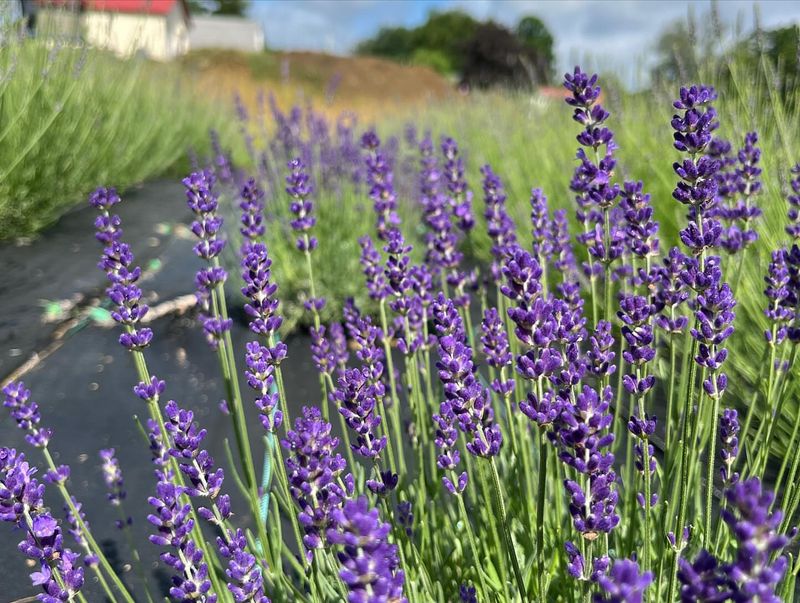
Few plants combine beauty, fragrance, and butterfly appeal quite like lavender does in North Carolina gardens.
The silvery-green foliage looks attractive even when flowers aren’t blooming, and the purple spikes release their famous calming scent all summer long.
Butterflies absolutely adore landing on the tiny flowers that cover each spike from bottom to top.
English lavender varieties perform best in the mountain regions, while Spanish and French types handle coastal humidity better.
These Mediterranean natives prefer well-drained soil and full sun, making them perfect for rock gardens or raised beds.
The aromatic oils in lavender leaves and flowers create a fragrance that humans find relaxing but butterflies find irresistible.
Plant several together to create a fragrant hedge that serves as a butterfly buffet throughout the warmest months.
Skipper butterflies particularly enjoy visiting lavender, along with painted ladies and various swallowtail species.
Harvest some stems for drying and you’ll bring that wonderful scent indoors while still leaving plenty for your winged visitors.
North Carolina’s clay soil often needs amendment with sand or gravel to give lavender the drainage it requires.
Once established, these drought-tolerant plants need minimal care and return year after year with reliable blooms.
3. Milkweed (Asclepias)
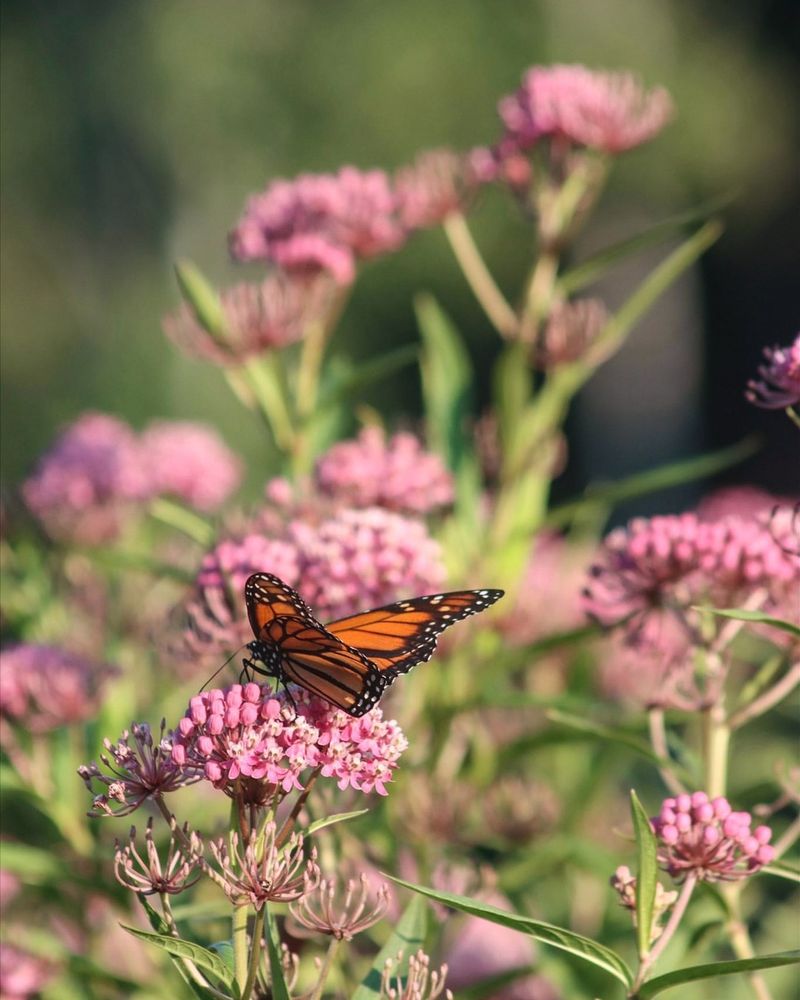
Milkweed stands as the single most important plant for monarch butterflies since their caterpillars can’t survive on anything else.
The clusters of small flowers release a sweet vanilla-like scent that attracts dozens of butterfly species beyond just monarchs.
Several native species grow wild across North Carolina, including the bright orange butterfly weed and the pink swamp milkweed.
Butterfly weed thrives in dry, sunny spots and produces vibrant orange blooms that practically glow in summer sunlight.
Swamp milkweed prefers moist areas and offers pink flowers with an even stronger fragrance than its orange cousin.
Planting different milkweed varieties ensures monarchs have places to lay eggs throughout their migration season.
The flowers also provide nectar for swallowtails, fritillaries, and many other species that visit North Carolina gardens.
Common milkweed works well in larger spaces where its spreading habit won’t crowd other plants.
Watch for monarch caterpillars munching on leaves from late spring through early fall as multiple generations pass through the state.
These native plants handle North Carolina’s weather extremes better than most garden imports.
Let the seed pods mature and split open naturally to spread milkweed around your property and help support struggling monarch populations.
4. Bee Balm (Monarda)

Bee balm brings a spicy, minty fragrance to North Carolina gardens that you can smell from several feet away on humid summer days.
The shaggy, circular flower heads come in shades of red, pink, purple, and white that butterflies spot easily from a distance.
This native plant spreads enthusiastically through garden beds, creating large patches that become butterfly gathering spots.
Swallowtails and fritillaries particularly enjoy the tubular flowers that hide sweet nectar deep inside.
The aromatic leaves can be brewed into tea, earning this plant its other common name of Oswego tea.
Plant bee balm in areas with good air circulation to prevent the powdery mildew that sometimes affects leaves in North Carolina’s humid climate.
Newer varieties bred for mildew resistance perform better than older types while maintaining the same butterfly appeal.
The flowers bloom for several weeks in mid-summer when many other plants take a break from the heat.
Hummingbirds compete with butterflies for access to these nectar-rich blooms throughout the day.
North Carolina gardeners appreciate how bee balm fills in quickly to create colorful drifts in perennial borders.
Cutting back plants after the first bloom often encourages a second flush of flowers later in the season.
5. Lantana (Lantana camara)
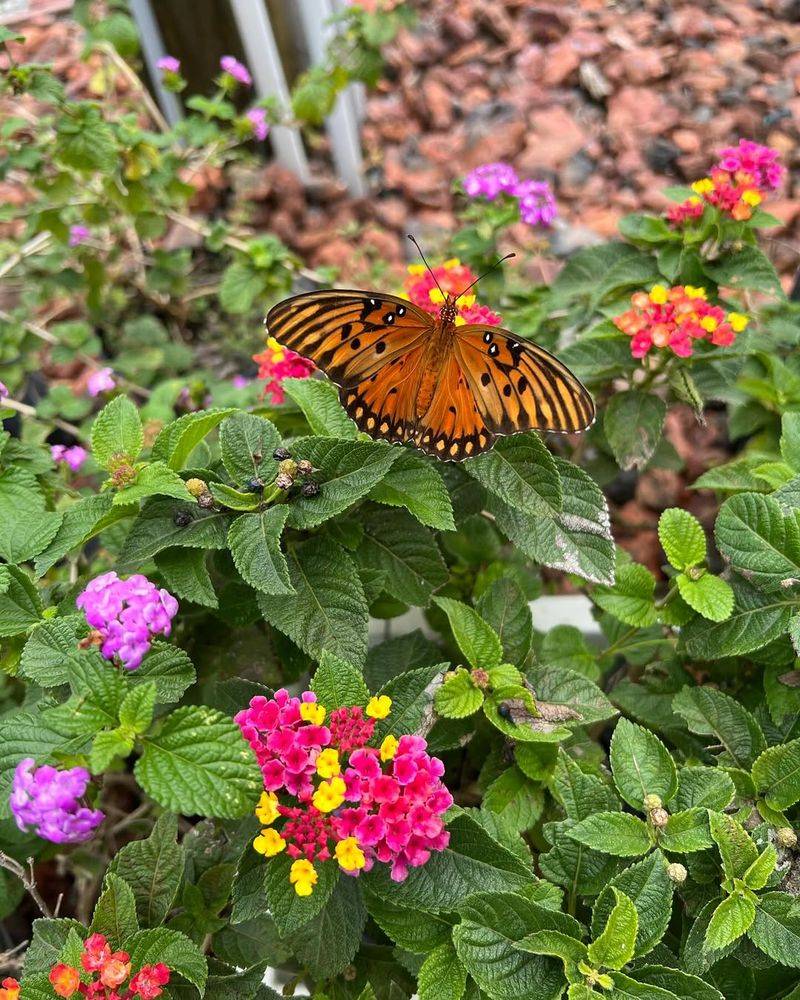
Lantana produces clusters of tiny flowers that change color as they age, creating a multicolored effect that butterflies find absolutely fascinating.
The foliage releases a strong, somewhat spicy scent when you brush against it or crush a leaf between your fingers.
These heat-loving plants bloom continuously from late spring until frost without needing deadheading or special care.
Butterflies of all sizes, from tiny skippers to large swallowtails, visit lantana flowers throughout the day for quick energy boosts.
In coastal North Carolina, lantana often survives mild winters and returns as a perennial rather than an annual.
The flat-topped flower clusters provide perfect landing pads where butterflies can rest while feeding on nectar.
Colors range from pure white to yellow, orange, pink, red, and purple, with many varieties displaying multiple shades simultaneously.
Trailing types work beautifully in hanging baskets where butterflies can access them easily at eye level.
North Carolina’s intense summer sun doesn’t bother lantana at all since it actually blooms more profusely in the hottest weather.
These drought-tolerant plants need very little water once their roots establish in garden soil.
Painted ladies and gulf fritillaries seem especially attracted to the orange and yellow varieties that grow so well across the state.
6. Phlox (Phlox paniculata)

Garden phlox fills late summer gardens with dome-shaped flower clusters that release an intense, sweet fragrance especially noticeable during evening hours.
These tall perennials grow three to four feet high, creating vertical interest while providing elevated feeding stations for butterflies.
The tubular flowers packed tightly together offer butterflies dozens of nectar sources in a compact space.
Colors include white, pink, purple, red, and bicolors that create stunning displays in North Carolina borders and cottage gardens.
Swallowtails and monarchs frequently visit phlox, often staying for extended periods as they move from flower to flower.
Native woodland phlox varieties bloom earlier in spring and work well in shadier spots under trees.
The fragrance intensifies on humid North Carolina evenings when sphinx moths join butterflies in visiting these productive flowers.
Good air circulation helps prevent the mildew issues that sometimes plague phlox in the state’s muggy summer weather.
Dividing clumps every few years keeps plants vigorous and blooming abundantly.
Deadheading spent flowers prevents self-seeding and often encourages a lighter second bloom in fall.
North Carolina gardeners value how phlox bridges the gap between early summer bloomers and fall asters, keeping butterflies fed continuously.
Plant them where you’ll walk past frequently to enjoy their wonderful scent.
7. Zinnia (Zinnia elegans)
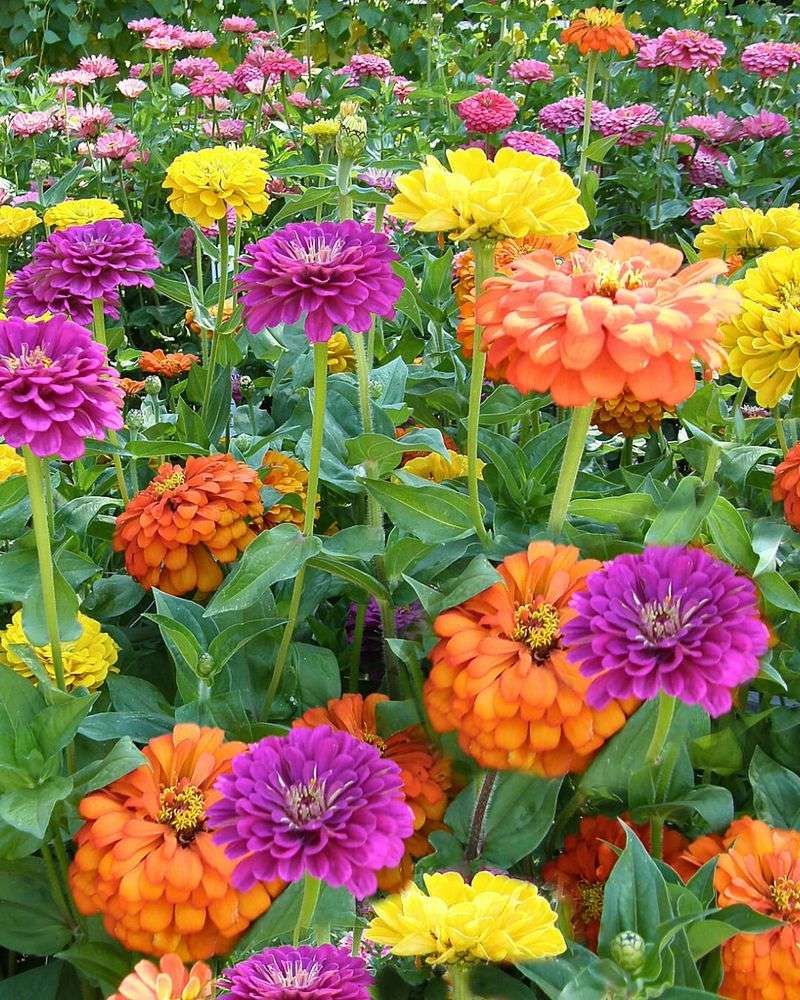
Zinnias rank among the easiest flowers to grow in North Carolina while providing butterflies with abundant nectar from summer through fall.
While not strongly fragrant to human noses, these cheerful flowers release subtle scents that butterflies detect easily.
The wide, flat flower heads create perfect landing platforms where butterflies can rest comfortably while feeding.
Single-flowered varieties work better than fancy doubles because butterflies can actually reach the nectar in simpler blooms.
Colors span the entire rainbow except true blue, giving you endless options for coordinating with other garden plants.
Monarchs making their way through North Carolina during fall migration depend heavily on late-blooming zinnias for fuel.
These annual flowers handle the state’s intense summer heat without wilting or stopping their bloom production.
Sow seeds directly in the garden after the last frost and you’ll have flowers in about six weeks.
Taller varieties reaching three feet work well in the back of borders, while shorter types edge paths perfectly.
Cutting flowers for bouquets actually encourages plants to produce more blooms for both you and visiting butterflies.
North Carolina gardeners appreciate how zinnias fill gaps left by spring bulbs and early perennials.
Plant them in full sun for best results and watch butterflies arrive within days of the first flowers opening.
8. Coneflower (Echinacea)
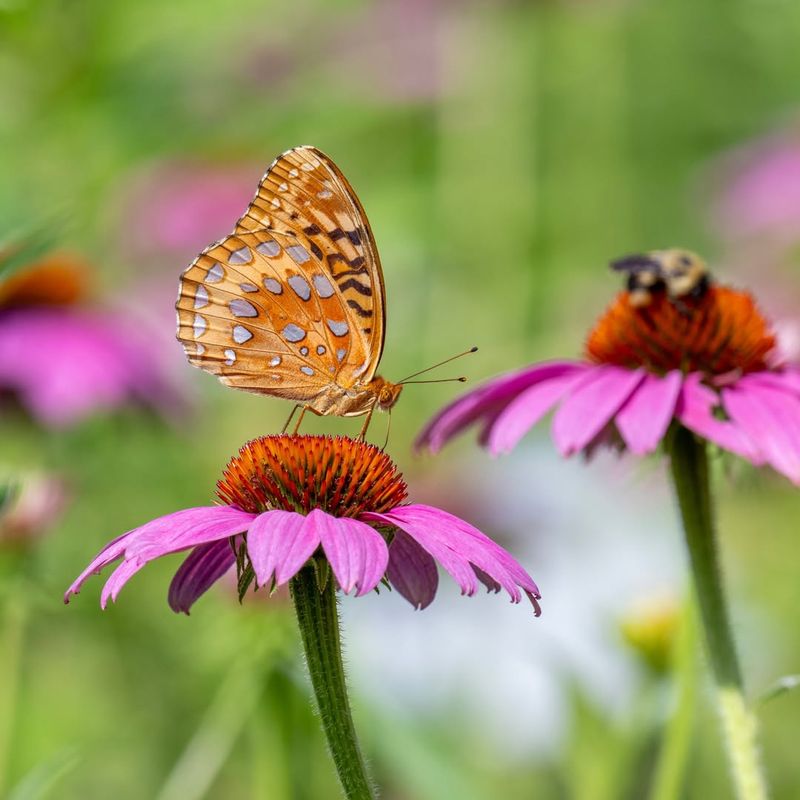
Purple coneflower stands as one of North Carolina’s toughest native perennials while offering butterflies reliable nectar sources from June through September.
The raised, spiky center cone provides butterflies with excellent footing as they work their way around collecting nectar from the surrounding petals.
A light, pleasant fragrance emanates from the flowers, though it’s subtle compared to more strongly scented garden plants.
These prairie natives handle drought, heat, humidity, and poor soil without complaint once established in North Carolina gardens.
Besides the classic purple variety, you’ll find white, pink, orange, yellow, and red cultivars that all attract butterflies equally well.
Swallowtails seem particularly fond of coneflowers, often choosing them over other available blooms.
The flowers last for weeks on sturdy stems that don’t need staking even during summer thunderstorms common across the state.
Leave spent flower heads standing through winter to provide seeds for goldfinches and other birds.
New plants grow easily from seed, or you can divide established clumps every few years to create more butterfly habitat.
North Carolina’s native bees love coneflowers as much as butterflies do, making them valuable for supporting multiple pollinator species.
Plant them in groups of at least five to create the visual impact that attracts butterflies from a distance.
9. Salvia (Salvia spp.)
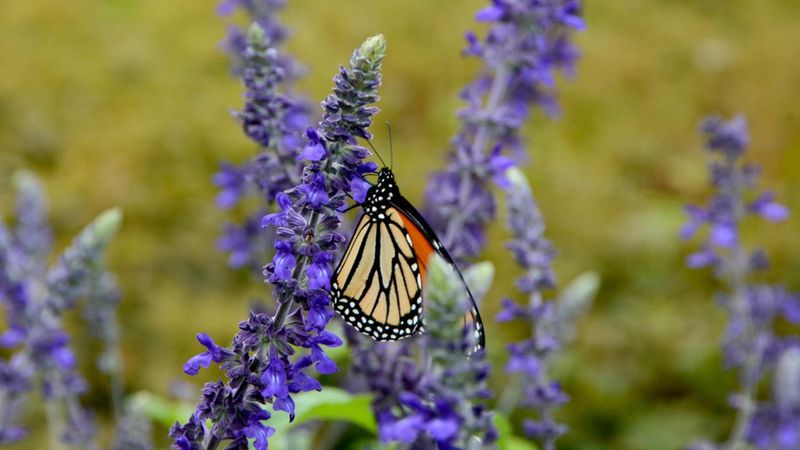
Salvia encompasses hundreds of species that butterflies adore, from culinary sage to ornamental varieties bred specifically for their long bloom periods.
The foliage releases aromatic oils when touched, creating a pleasant herbal fragrance that fills North Carolina gardens on warm days.
Tubular flowers arranged on tall spikes provide butterflies with numerous feeding opportunities in vertical spaces.
Blue and purple varieties seem to attract the most butterfly attention, though red, pink, and white types also get plenty of visits.
Russian sage, despite its common name actually being a relative, works beautifully in hot, dry areas of North Carolina landscapes.
The airy flower spikes create a hazy effect that softens garden edges while feeding countless butterflies throughout summer.
Perennial salvias return year after year, growing larger and more productive with each season.
Annual types like scarlet sage provide non-stop color in beds and containers until frost ends their show.
Hummingbirds often compete with butterflies for access to red salvia varieties that bloom prolifically in the state’s warm climate.
North Carolina gardeners value how salvias keep blooming even during the hottest weeks when other plants struggle.
Cutting back plants after the first bloom flush often triggers a second round of flowers in early fall.
Plant them in full sun with good drainage for best results.
10. Joe-Pye Weed (Eutrochium)
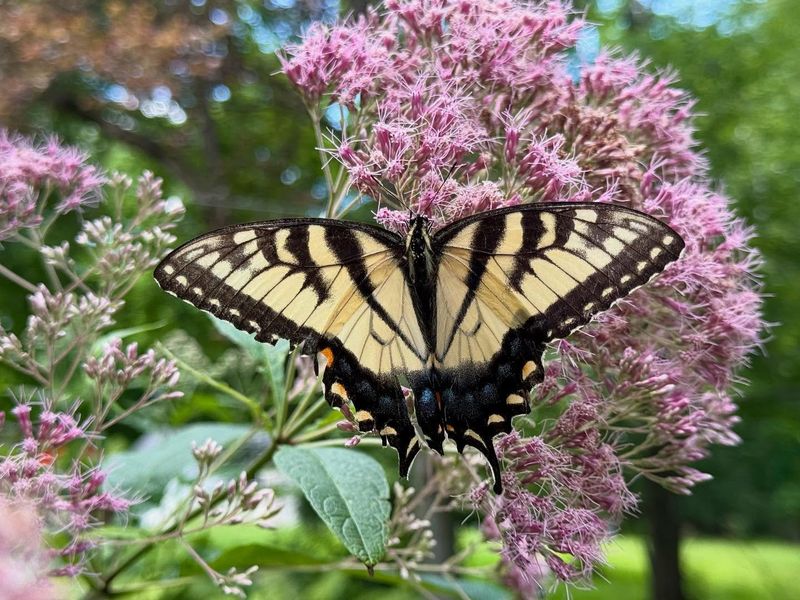
Joe-Pye weed towers over most garden plants at six to eight feet tall, creating dramatic vertical accents that butterflies can spot from impressive distances.
The massive flower clusters at the top of each stem contain hundreds of tiny, vanilla-scented blooms that open in late summer.
This North Carolina native grows naturally in moist areas but adapts surprisingly well to average garden conditions across the state.
Monarchs, swallowtails, and fritillaries gather in groups on the dusty pink to purple flower heads that bloom when many other plants have finished.
The flowers release their sweet fragrance most strongly on warm, humid afternoons typical of North Carolina’s late summer weather.
Despite its imposing height, Joe-Pye weed rarely needs staking thanks to strong, sturdy stems.
The bold foliage creates an attractive backdrop for shorter plants even before flowers appear in August and September.
Butterflies migrating through North Carolina in fall depend on these late-blooming giants for crucial nectar to fuel their journeys.
Compact varieties reaching only four feet suit smaller gardens while maintaining the same butterfly appeal as their taller relatives.
Plant Joe-Pye weed in the back of borders where its size won’t overwhelm more delicate neighbors.
North Carolina gardeners appreciate how this native handles the state’s variable rainfall patterns without requiring supplemental watering once established in the landscape.
11. Sweet Alyssum (Lobularia maritima)
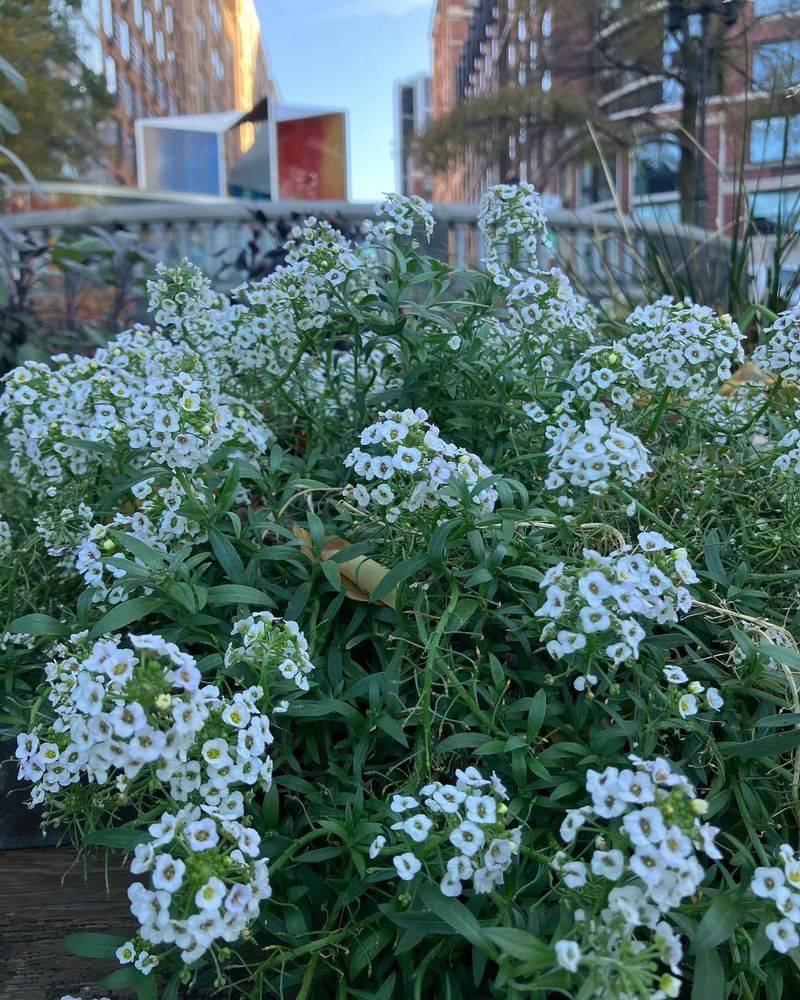
Sweet alyssum creates low carpets of tiny flowers that release a honey-like fragrance so intense you’ll smell it before you see the plants.
These compact annuals work perfectly along path edges and between stepping stones where butterflies can find them easily.
The miniature blooms attract smaller butterfly species like blues and skippers that sometimes get overlooked in gardens featuring only large flowers.
Colors include white, pink, purple, and apricot, with white varieties typically producing the strongest fragrance.
In North Carolina’s mild coastal regions, sweet alyssum often reseeds itself and blooms through winter during warm spells.
The plants handle light frost without damage and keep blooming when temperatures drop in fall.
Their low-growing habit makes them ideal for filling spaces under taller plants where they create fragrant ground covers.
Butterflies appreciate having nectar sources at different heights, and sweet alyssum provides essential low-level feeding stations.
The continuous bloom from spring through fall requires no deadheading or special maintenance.
Plant them in full sun to partial shade depending on your location within North Carolina.
The fragrance intensifies during evening hours when sphinx moths join butterflies in visiting these productive little flowers.
Their affordability and easy growth make sweet alyssum perfect for beginning gardeners wanting to attract butterflies without complicated care requirements.